
The Significance of Animal Husbandry in Ancient Indian Labor Systems

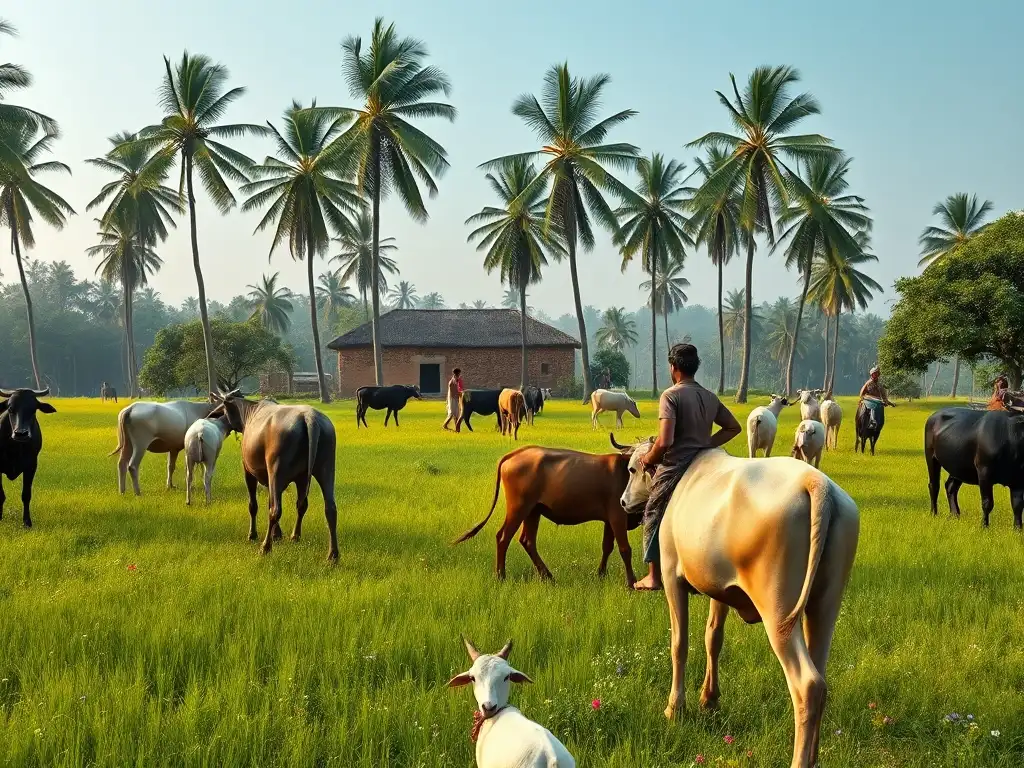
Welcome to Ancient India History, where we embark on a fascinating journey through time to uncover the layers of rich and diverse history that shaped one of the world's oldest civilizations. In this exploration, we dive into the intriguing world of Animal Husbandry in Ancient India, a pivotal aspect of daily life that not only sustained communities but also played a crucial role in the labor systems of the era. Join us as we unravel the significance and practices that defined the relationship between ancient Indians and their domesticated animals, setting the stage for a deeper understanding of their societal structures and cultural advancements.
Ready to discover how these practices influenced the very fabric of society? Let’s delve in!
Introduction to Animal Husbandry in Ancient India
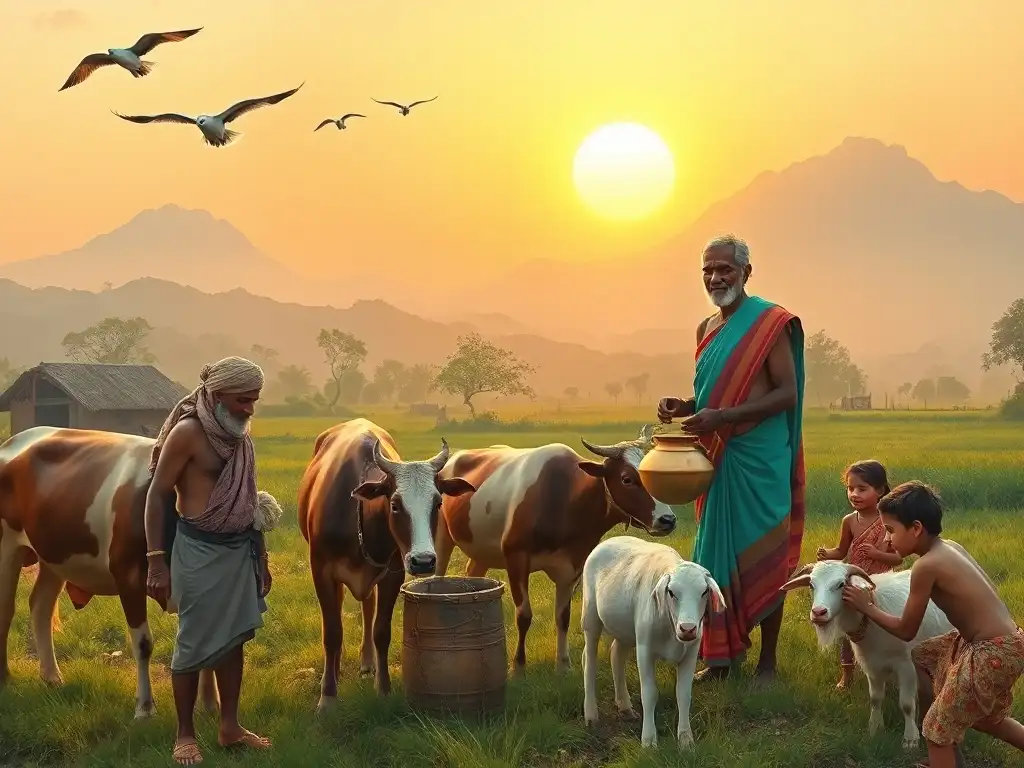
Animal husbandry played a pivotal role in the labor systems of ancient India, reflecting a complex interplay of agriculture, economy, and social structure. This practice not only ensured the sustenance of communities but also contributed significantly to the cultural fabric of Indian civilization.
The domestication and breeding of animals provided essential resources such as milk, meat, leather, and labor power, which were integral to both daily life and social organization. As we delve into the significance of animal husbandry, it becomes clear how it shaped the livelihoods and societal structures of ancient Indian societies, particularly from the era of the Indus Valley civilization to the Gupta Empire.
Definition and Importance of Animal Husbandry
Animal husbandry can be defined as the branch of agriculture concerned with the care and breeding of livestock. In ancient India, this practice was not merely an economic activity but a vital component of social identity and cultural practices. Animals such as cattle, sheep, goats, and camels were domesticated for various purposes, including:
- Dairy Production: Cows and buffaloes were primarily valued for their milk, which was used to produce various dairy products like butter and cheese.
- Agricultural Work: Oxen were essential for plowing fields and transporting goods, enhancing agricultural productivity.
- Food Supply: Animals provided meat and other food sources, supporting the dietary needs of the population.
- Cultural Significance: Many animals held religious and cultural importance, influencing rituals and traditions.
Overview of Ancient Indian Labor Systems
The labor systems in ancient India were diverse and multifaceted, encompassing various occupations, including agriculture, trade, craftsmanship, and animal husbandry. These systems were largely influenced by caste structures, local customs, and economic demands. The integration of animal husbandry into these labor systems provided a stable source of livelihood, allowing families and communities to thrive.
- Caste and Occupations: Many communities specialized in animal husbandry, forming distinct occupational groups that contributed to the economy.
- Trade Networks: Surpluses from animal products facilitated trade with neighboring regions, enhancing economic interdependence.
- Subsistence Farming: Animal husbandry complemented agriculture, enabling a sustainable lifestyle and food security.
Historical Context of Animal Husbandry
Early Practices of Animal Husbandry in India
The origins of animal husbandry in India can be traced back to the Indus Valley Civilization, where archaeological evidence suggests the domestication of cattle and other livestock as early as 2500 BCE. This era marked the beginning of systematic breeding and management of animals, leading to advancements in agricultural practices. The evolution of animal husbandry continued through various dynasties, with techniques and practices adapting to regional needs and climatic conditions.
- Indus Valley Civilization: Evidence of cattle and sheep domestication indicates an early understanding of breeding and livestock management.
- Vedic Period: Texts from this era highlight the importance of cows and other animals in agrarian society, emphasizing their economic and ritual significance.
Influence of Geography on Animal Husbandry Techniques
Geography played a crucial role in shaping animal husbandry practices across ancient India. The diverse landscapes, ranging from the fertile plains of the Ganges to the arid deserts of Rajasthan, dictated the types of animals that could be raised and the methods employed.
- Climate Variability: Regions with ample water resources favored dairy farming, while drier areas focused on hardy livestock breeds.
- Terrain and Accessibility: The availability of grazing land and proximity to trade routes influenced the movement of livestock and animal products, fostering economic interactions between different regions.
The significance of animal husbandry in ancient Indian labor systems cannot be overstated. As we explore further, we will uncover the intricate relationship between animal husbandry, economic stability, and cultural identity in ancient Indian civilizations.
Key Animals in Ancient Indian Husbandry
Animal husbandry played a pivotal role in the agricultural and economic systems of ancient India, with various animals being integral to daily life and labor. The primary animals involved included cattle, goats, sheep, and poultry, each contributing uniquely to the sustenance and prosperity of ancient communities. The domestication of these animals not only provided food sources but also facilitated agricultural practices, transportation, and trade. Understanding the significance of these key animals provides insight into the innovative husbandry methods employed by ancient Indian civilizations.
Cattle: Role and Significance in Agriculture
Cattle were central to ancient Indian agriculture, serving multiple purposes that extended beyond mere companionship. They were vital for plowing fields, which significantly enhanced agricultural productivity. The use of oxen for tilling the soil exemplified the importance of these animals in agrarian societies.
Moreover, cattle provided essential products, such as milk, which was a staple in the diet of many communities. The significance of dairy products in ancient Indian culture is reflected in various texts and practices, where milk and its derivatives were not just nutritional but also held ritualistic importance.
In addition to their agricultural and dietary roles, cattle were also seen as a symbol of wealth and status. Ownership of a large herd could elevate an individual’s social standing, reflecting the intertwined nature of animal husbandry with the economic and cultural fabric of ancient Indian society.
Goats and Sheep: Contributions to Livestock Economy
Goats and sheep were crucial components of the livestock economy in ancient India, known for their adaptability to diverse environmental conditions. Goats, in particular, were valued for their hardiness and ability to thrive in arid regions, making them a reliable asset for pastoralists and farmers alike.
These animals provided meat, milk, and hides, contributing significantly to food security and trade. The wool from sheep was especially important, as it was utilized for clothing, blankets, and various textiles, fostering a thriving craft economy.
Additionally, goats and sheep played a role in maintaining ecological balance by grazing on vegetation, which helped in land management and soil conservation. Their contributions to both the economy and the environment underscored the importance of diversified animal husbandry practices in ancient Indian cultures.
Poultry: Importance of Birds in Daily Life
Poultry, particularly chickens and ducks, were integral to the diets and livelihoods of ancient Indian communities. They provided a consistent source of protein through meat and eggs, which were essential for nutrition. The domestication of these birds allowed for year-round production, enhancing food security.
In addition to their dietary contributions, poultry also played a role in cultural and social practices, often featured in rituals and festivals. The presence of birds in households was common, and their care was a part of daily life for many families.
Poultry farming also contributed to economic activities, with surplus birds and eggs being sold in local markets. This trade not only generated income for families but also facilitated social interaction and community cohesion through market activities.
Methods and Techniques of Animal Husbandry
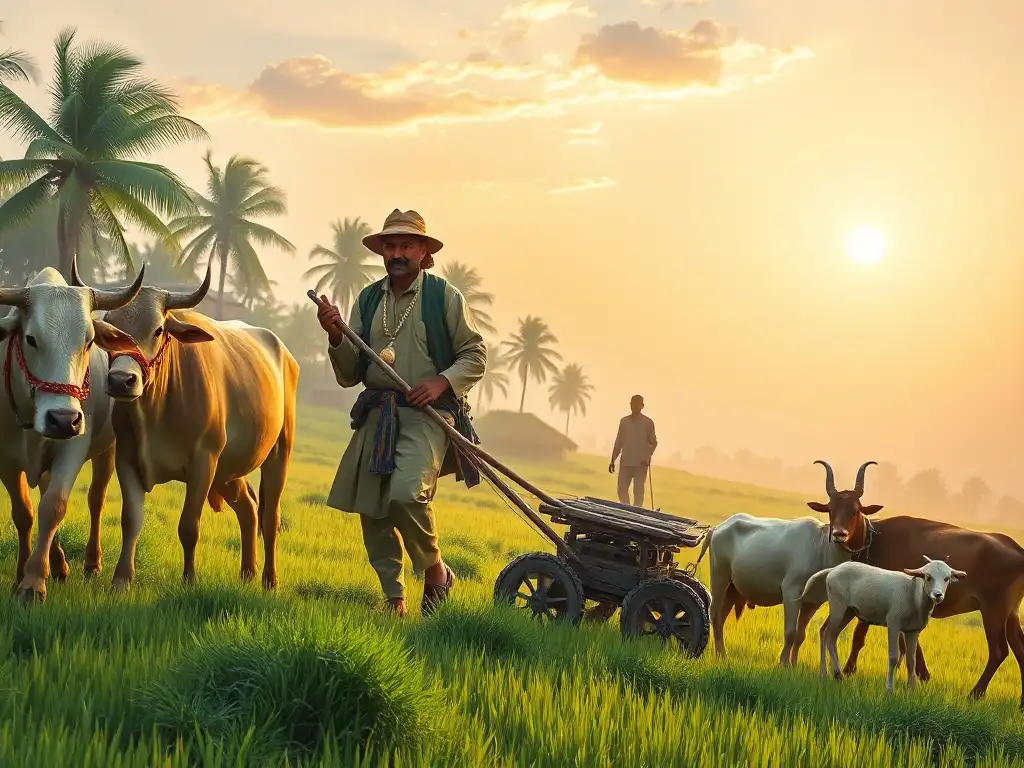
The techniques and methods of animal husbandry in ancient India were characterized by a blend of traditional knowledge and practical skills. Various practices evolved over time, adapting to local conditions and the specific needs of the communities.
Traditional Breeding Practices in Ancient India
Traditional breeding practices were fundamental to enhancing livestock quality in ancient India. Farmers employed selective breeding techniques, focusing on desirable traits such as size, strength, and productivity. This careful selection contributed to the development of robust animal breeds suitable for specific environments and purposes.
Communities often passed down breeding knowledge through generations, ensuring the continuity and improvement of livestock. The emphasis on maintaining genetic diversity was crucial for the resilience of animal populations against diseases and environmental changes.
Moreover, breeding rituals and practices were often intertwined with cultural beliefs, reflecting the deep connection between agriculture and spirituality in ancient Indian society.
Feeding and Care of Livestock in Ancient Cultures
The care and feeding of livestock were paramount in ancient Indian husbandry, as healthy animals directly influenced agricultural productivity and economic stability. Farmers utilized locally available resources to formulate diets for their animals, incorporating grains, forage, and kitchen scraps.
Seasonal grazing patterns were common, with herders moving animals to access fresh pastures, ensuring they received adequate nutrition throughout the year. Moreover, the use of traditional medicines derived from herbs and plants for treating common ailments reflected a sophisticated understanding of animal health.
The communal approach to livestock care also fostered a sense of shared responsibility within communities, where knowledge about animal husbandry was collectively maintained and enhanced.
Use of Animal Products: Milk, Wool, and Manure
Animal products played a multifaceted role in the sustainability of ancient Indian civilizations. Milk and its derivatives, such as yogurt and ghee, were staples in the diet, providing essential nutrients and energy.
Wool from sheep was crucial for weaving textiles, contributing to the economy through craft production and trade. The skillful artisanship in wool production not only met domestic needs but also allowed for interaction with distant markets.
Manure, an often-overlooked resource, was utilized as a natural fertilizer to enrich soil fertility, thus enhancing crop yields. This sustainable practice demonstrated the holistic approach of ancient Indian farmers, who maximized the utility of every aspect of animal husbandry to support agricultural and economic prosperity.
Socio-Economic Impact of Animal Husbandry
Animal husbandry played a crucial role in shaping the socio-economic landscape of ancient India. It not only provided essential resources like meat, milk, and leather but also significantly influenced agricultural practices and trade networks. The domestication of animals such as cows, goats, sheep, and buffaloes allowed communities to transition from nomadic lifestyles to settled agricultural societies. This shift facilitated the development of permanent settlements and the growth of population centers.
Moreover, animal husbandry contributed to the economy by enhancing agricultural productivity. Livestock served as a source of organic fertilizer through manure, which improved soil fertility and crop yields. This symbiotic relationship between agriculture and animal husbandry meant that successful farming depended heavily on the health and productivity of livestock. As a result, communities became increasingly reliant on both crops and livestock, leading to more complex economic systems, including the emergence of barter and trade.
Animal Husbandry and Agrarian Societies
In agrarian societies, animal husbandry was intertwined with farming practices. The use of draft animals, such as oxen and horses, revolutionized plowing and transportation, making agricultural tasks more efficient. These animals not only aided in cultivation but also allowed farmers to expand the area under cultivation, leading to increased food production and sustainability.
Additionally, the presence of livestock provided communities with a safety net against crop failures. In times of drought or poor harvests, livestock could be sold or traded, offering a means of sustenance and economic resilience. This interdependence between farming and animal husbandry solidified the importance of livestock in the agrarian economy, as they were viewed as valuable assets.
Contribution to Trade and Economy
The economic implications of animal husbandry extended beyond local communities. Livestock became significant commodities in trade, both regionally and across long distances. The trade of animals, dairy products, and related goods contributed to the development of market systems in ancient India. Markets flourished in urban centers, where livestock was exchanged for grains, textiles, and other essentials, fostering a vibrant economy.
Moreover, specialized crafts emerged around animal husbandry, including leatherworking and dairy processing, further enhancing trade opportunities. The movement of livestock and animal products also facilitated cultural exchanges between different regions, contributing to the rich tapestry of ancient Indian civilization.
Role in Social Structure and Community Life
Animal husbandry was deeply embedded in the social fabric of ancient Indian communities. The possession and management of livestock often determined social status, with wealthier households owning larger herds. This created a hierarchy within communities, where livestock owners held significant influence over local affairs.
Moreover, the care and management of animals fostered a sense of community. Shared responsibilities for herding and breeding created bonds among community members, promoting cooperation and solidarity. Festivals and rituals related to livestock also played a pivotal role in social cohesion, as they brought people together to celebrate and honor their animals.
Cultural Significance of Animal Husbandry
Animal husbandry was not only an economic and social cornerstone but also a vital aspect of cultural identity in ancient India. Animals were deeply revered and often featured prominently in religious and cultural narratives, reflecting their importance in daily life.
Symbolism of Animals in Ancient Indian Culture
In ancient Indian culture, animals were often seen as symbols of various virtues and powers. For instance, the cow is considered sacred in Hinduism, representing fertility, wealth, and maternal nurturing. Similarly, elephants were associated with wisdom and strength, often depicted in art and architecture as symbols of royalty and divinity.
These symbolic meanings extended into mythology and religious texts, where animals played significant roles. The reverence for animals shaped societal attitudes towards their care and husbandry, emphasizing the need for humane practices and respect for all living beings.
Festivals and Rituals Involving Livestock
Festivals and rituals in ancient India frequently involved livestock, highlighting their cultural significance. For example, the festival of Gudi Padwa celebrates the beginning of the new year and often includes the worship of cows, which are decorated and paraded through villages. Such celebrations not only honor the animals but also reinforce the community's agricultural roots.
Additionally, various rituals were performed to ensure the health and productivity of livestock, reflecting the deep connection between people and their animals. These practices fostered a sense of gratitude and respect towards the animals that provided sustenance and livelihood.
Literature and Art Representations of Animal Husbandry
The representation of animal husbandry is evident in ancient Indian literature and art. Texts like the Rigveda and the Mahabharata contain numerous references to livestock, illustrating their significance in the socio-economic and cultural frameworks of the time.
Artistic depictions of animals in sculptures, paintings, and pottery reflect their importance in daily life. The intricate carvings on temple walls often showcase scenes of pastoral life, highlighting the relationship between humans and animals. These representations not only celebrate animal husbandry but also serve as historical documents that provide insight into the practices and values of ancient Indian societies.
Challenges Faced in Animal Husbandry
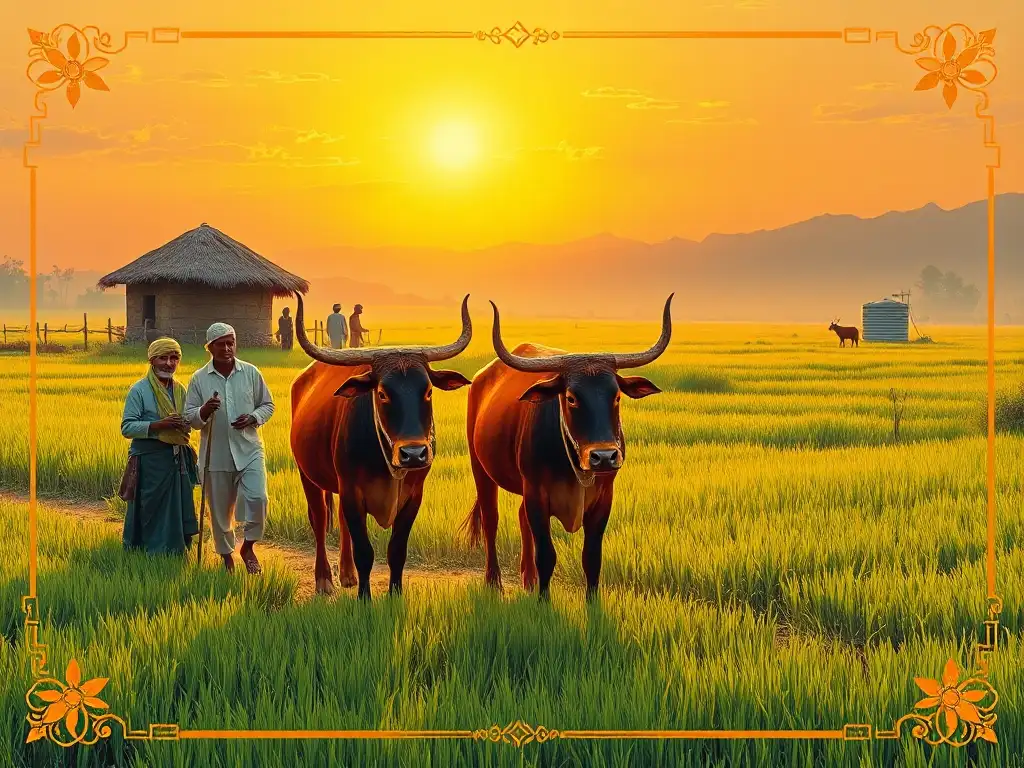
Animal husbandry in ancient India was integral to the agrarian economy, yet it faced a myriad of challenges that impacted its development and sustainability. These challenges included environmental factors, socio-political upheavals, and evolving agricultural practices. Understanding these obstacles is crucial to appreciating the resilience and adaptability of ancient Indian societies in managing livestock.
Environmental Factors Affecting Livestock
The environmental conditions in ancient India varied significantly across regions, influencing animal husbandry practices. Factors such as climate, geography, and seasonal changes played a critical role in determining the availability of pasture and water resources.
- Climate Variability: Regions with erratic monsoons could experience droughts, severely affecting fodder availability. Livestock health and productivity were directly linked to these climatic conditions, making farmers vulnerable to fluctuations.
- Geographical Differences: The diverse topography, from the arid deserts of Rajasthan to the lush valleys of the Ganges, required different husbandry techniques. Farmers had to adapt their practices to suit their local environments, which sometimes involved complex management strategies.
- Seasonal Migration: To combat the limitations of their immediate environments, many communities practiced transhumance, moving their herds in search of better pastures and water sources. This seasonal migration posed logistical challenges and required in-depth knowledge of the landscape.
Impact of Wars and Invasions on Animal Husbandry Practices
Throughout ancient Indian history, wars and invasions significantly disrupted animal husbandry practices. Conflicts often led to the loss of livestock, destruction of grazing lands, and shifts in societal structures.
- Resource Depletion: Wars frequently resulted in the requisitioning of livestock for military purposes. This depletion could devastate local economies reliant on animals for labor and sustenance.
- Cultural Shifts: Invasions led to the introduction of foreign breeds and husbandry techniques, which sometimes conflicted with local practices. The blending of these systems could enhance productivity but also created tensions within communities.
- Changes in Land Ownership: Political instability often altered land ownership patterns, affecting access to grazing lands and resources necessary for sustaining livestock. New rulers sometimes imposed taxes or regulations that hindered traditional practices.
Evolution of Animal Husbandry Techniques Over Time
As ancient Indian civilizations evolved, so did their approaches to animal husbandry. Techniques and practices developed in response to environmental changes, societal needs, and technological advancements.
- Selective Breeding: Over time, communities began to recognize the benefits of selective breeding, leading to improved livestock quality. Breeding practices aimed at enhancing traits such as milk yield, strength, and disease resistance became more common.
- Innovative Feeding Practices: Ancient texts, such as the Vedas, highlight various feeding practices, including the use of grains and legumes to supplement natural forage. These innovations contributed to healthier livestock and higher productivity.
- Integration with Agriculture: The symbiotic relationship between agriculture and animal husbandry became increasingly pronounced, with livestock providing essential manure for crops and labor for plowing fields. This integration was vital for the sustainability of farming systems.
Conclusion: Legacy of Animal Husbandry in Ancient India
The legacy of animal husbandry in ancient India extends far beyond its immediate economic significance. It shaped social structures, cultural practices, and agricultural systems, leaving a profound imprint on subsequent generations.
Lasting Impact on Modern Agricultural Practices
The techniques and knowledge developed through ancient animal husbandry continue to influence modern agricultural practices in India. Many traditional methods, such as mixed farming and organic fertilization with livestock manure, are still prevalent.
- Cultural Preservation: Many communities still honor the ancient practices of animal husbandry, integrating them into their cultural identity. Festivals and rituals often celebrate livestock, reflecting their importance in daily life.
- Sustainable Practices: The lessons learned from ancient practices emphasize sustainability, encouraging modern farmers to adopt eco-friendly farming methods that respect animal welfare and biodiversity.
Animal Husbandry's Role in Sustainable Development
In the context of sustainable development, the foundations laid by ancient animal husbandry offer valuable insights. The integration of livestock into farming systems promotes ecological balance and resource efficiency.
- Biodiversity Conservation: Ancient practices recognized the importance of diverse livestock breeds, contributing to genetic diversity and resilience in agricultural systems. This approach is increasingly relevant in the face of climate change and environmental degradation.
- Economic Resilience: By fostering a diversified agricultural economy that includes livestock, communities can enhance their resilience against market fluctuations and environmental shocks. This holistic view of agriculture is essential for future sustainability.
References
The significance of animal husbandry in ancient Indian labor systems is well-documented through various historical texts, archaeological findings, and contemporary analyses. Below are key references that provide insight into the practices, societal roles, and economic impact of animal husbandry in ancient India.
Suggested Reading on Ancient Indian Labor Systems
-
"The Economic History of India: From 1200 to 1700" by Romila Thapar
This book provides a comprehensive overview of India's economic transformations over centuries, including the role of agriculture and animal husbandry in shaping labor systems.
-
"Ancient Indian Society" by R. S. Sharma
Sharma's work elaborates on the social structures of ancient India, covering various occupations, including those related to animal husbandry, and their significance in daily life.
-
"The Indus Civilization: A Contemporary Perspective" by Gregory L. Possehl
This text discusses the Indus Valley Civilization's economic systems, including evidence of animal domestication and management.
-
"Village Studies in India" by S. G. P. Dhanagare
This collection of studies offers insights into the agrarian economy of Indian villages, highlighting the importance of animal husbandry in community labor systems.
-
"The Role of Livestock in Indian Agriculture" by K. M. Bansal
This academic paper explores livestock's contributions to agriculture and the economy, emphasizing its historical context in ancient India.
Historical Texts and Archaeological Findings on Animal Husbandry
Numerous historical texts and archaeological findings have revealed the practices of animal husbandry in ancient India, showcasing its importance in various civilizations:
- Vedic Texts: The Rigveda and Atharvaveda contain references to cattle, horses, and other livestock, indicating their value in society, agriculture, and trade. Cattle were often associated with wealth and prosperity.
- Arthashastra by Kautilya: This ancient Indian treatise on statecraft and economic policy discusses the management of livestock and its role in sustaining the economy and supporting military efforts.
- Archaeological Evidence from the Indus Valley: Excavations at sites like Harappa and Mohenjo-Daro have uncovered remains of domesticated animals, including cattle, sheep, and goats. These findings suggest a well-established system of animal husbandry that contributed to food security and economic stability.
- Brahmanical Texts: Texts like the Manusmriti provide insights into the societal structure surrounding animal husbandry, outlining the duties of different social classes in managing livestock.
- Coins and Inscriptions: The discovery of coins depicting various animals and inscriptions relating to livestock trade indicates the economic significance of animal husbandry in ancient markets.
These references and findings collectively highlight the integral role of animal husbandry within the broader labor systems of ancient India, illustrating its contribution to both the economy and the social fabric of the time.
- Introduction to Animal Husbandry in Ancient India
- Historical Context of Animal Husbandry
- Key Animals in Ancient Indian Husbandry
- Methods and Techniques of Animal Husbandry
- Socio-Economic Impact of Animal Husbandry
- Cultural Significance of Animal Husbandry
- Challenges Faced in Animal Husbandry
- Conclusion: Legacy of Animal Husbandry in Ancient India
- References
- What was the role of animal husbandry in ancient Indian societies?
- Which animals were commonly domesticated in ancient India?
- How did animal husbandry impact the economy of ancient India?
- What techniques were used in animal husbandry during ancient times?
- How did animal husbandry influence the culture of ancient India?
Frequently Asked Questions
What was the role of animal husbandry in ancient Indian societies?
Animal husbandry played a crucial role in ancient Indian societies by providing essential resources such as meat, milk, and labor for agricultural activities.
Which animals were commonly domesticated in ancient India?
Commonly domesticated animals included cattle, sheep, goats, and camels, which were vital for transportation, agriculture, and as sources of food.
How did animal husbandry impact the economy of ancient India?
Animal husbandry significantly bolstered the economy by enhancing agricultural productivity, facilitating trade, and contributing to a stable food supply.
What techniques were used in animal husbandry during ancient times?
Ancient Indian farmers employed various techniques such as selective breeding, proper feeding, and sheltering to ensure the health and productivity of their livestock.
How did animal husbandry influence the culture of ancient India?
Animal husbandry influenced ancient Indian culture by shaping myths, rituals, and social practices, reflecting the importance of animals in everyday life and spirituality.
Final Reflection: The Enduring Legacy of Animal Husbandry in Ancient India
The significance of animal husbandry in ancient India resonates profoundly in today's agricultural practices and cultural identity. As we explore the intricate relationship between humans and animals in the context of labor systems, it becomes evident that these age-old practices laid the foundation for sustainable agriculture and community resilience. The wisdom embedded in these traditions continues to inspire modern farming techniques, reminding us that the past is not merely a series of historical events but a living legacy that shapes our present and future.
Cultural and social landscapes have been deeply influenced by the principles of animal husbandry, fostering a sense of community and shared responsibility. The symbiotic relationship between humans and animals has not only provided sustenance but has also woven a rich tapestry of traditions and rituals that celebrate this connection. In every animal, there is a story waiting to be told, a lesson waiting to be learned.
This quote encapsulates the essence of how these practices have transcended time, influencing not just agricultural methods but also the very fabric of society, emphasizing the importance of coexistence and respect for all living beings.
As we reflect on the lessons of animal husbandry in ancient India, let us embrace the call to action: to honor and integrate these practices into our modern lives. Consider how you can foster a deeper connection with the natural world around you, whether through sustainable farming, supporting local agriculture, or simply appreciating the role of animals in our ecosystems.
By doing so, we not only pay homage to our ancestors but also pave the way for a more harmonious and sustainable future. Let this reflection inspire you to take meaningful steps towards preserving these invaluable traditions and ensuring their relevance for generations to come.
Embrace the Wisdom of Ancient Animal Husbandry!
Thank you for diving into the fascinating world of Animal Husbandry in Ancient India. We hope you gained valuable insights into how these practices shaped labor systems and agricultural development. Now, it's time to take that knowledge further!
Here are a few actions you can take to deepen your understanding and share your passion:
- Explore local farms or livestock initiatives to see modern practices that can be traced back to ancient methods.
- Join online forums or social media groups focused on traditional agricultural techniques to engage with like-minded enthusiasts.
- Share your insights from this article with friends or on your social media to spark discussions about our agricultural heritage!
What aspect of ancient animal husbandry do you find most intriguing, and how do you think it can influence contemporary farming practices?