
Understanding the Rituals of Gudi Padwa: The New Year Celebration of Maharashtra

Welcome to Ancient India History, where we embark on a captivating journey through the millennia, uncovering the rich tapestry of cultures and civilizations that shaped the subcontinent. Today, we invite you to delve into the fascinating world of Gudi Padwa rituals and history, a celebration that marks the vibrant New Year for the people of Maharashtra. As we explore the intricate customs and significance of this cherished festival, you'll discover the deep-rooted traditions that connect us to the ancient past.
Ready to unravel the mysteries behind this colorful occasion? Join us as we celebrate the spirit of Gudi Padwa and its enduring legacy!
Gudi Padwa is a vibrant and significant festival celebrated primarily in the state of Maharashtra, marking the onset of the New Year according to the Hindu lunisolar calendar. This festival, which typically falls in March or April, is deeply rooted in the cultural fabric of Maharashtra and showcases the rich traditions and rituals that have been passed down through generations. By exploring the Gudi Padwa rituals and history, we can gain insight into not only the celebration itself but also the broader context of how ancient Indian civilizations revered the cycles of nature and time.
The origins of Gudi Padwa are steeped in mythology and history, with various legends attributing its significance to both agricultural practices and the triumph of good over evil. As families come together during this time, they engage in various rituals, including the raising of the Gudi (a symbolic flag), preparing traditional sweets, and performing religious ceremonies. Each of these practices has a unique meaning and contributes to the overarching theme of renewal and celebration.
In this article, we will delve into the intricate rituals associated with Gudi Padwa, examining their historical significance and cultural importance. From the preparation of festive dishes to the ceremonial activities that adorn this auspicious occasion, we will uncover the layers of meaning embedded in this cherished celebration. Join us as we embark on a journey through the Gudi Padwa rituals and history, celebrating the spirit of Maharashtra and its ancient traditions.
Introduction to Gudi Padwa
Gudi Padwa is a vibrant and culturally significant festival celebrated primarily in Maharashtra, marking the beginning of the Hindu New Year. Rooted in ancient traditions, this festival showcases the rich heritage of the region and is a time for families to come together in celebration. The rituals associated with Gudi Padwa reflect the agrarian lifestyle of the state and embody a blend of cultural, religious, and historical elements that have evolved over centuries.
Overview of Gudi Padwa
Gudi Padwa is celebrated on the first day of the Chaitra month in the Hindu calendar, usually falling in March or April. The festival is believed to signify the arrival of spring and the harvesting of crops. Here are some key aspects of the celebration:
- Origin: Gudi Padwa is said to have originated with the Satvahana dynasty, which ruled over a significant part of ancient Maharashtra. According to legend, it marks the day when Lord Rama returned to Ayodhya after defeating Ravana, symbolizing victory and the onset of prosperity.
- Rituals: The festival includes various rituals such as:
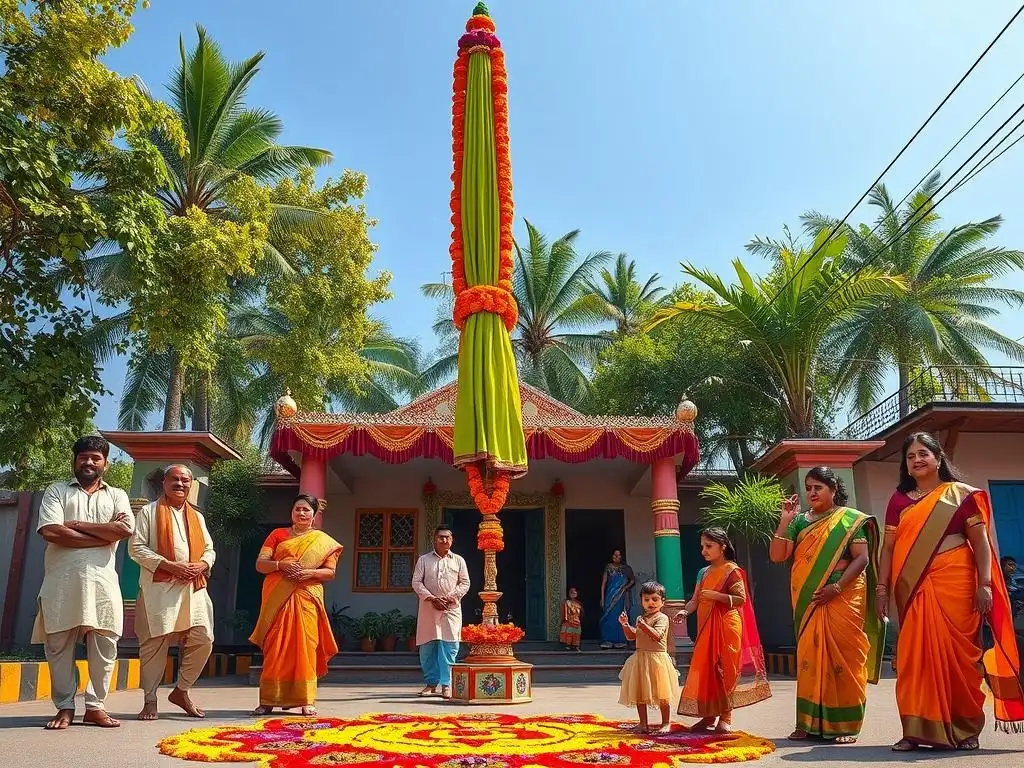
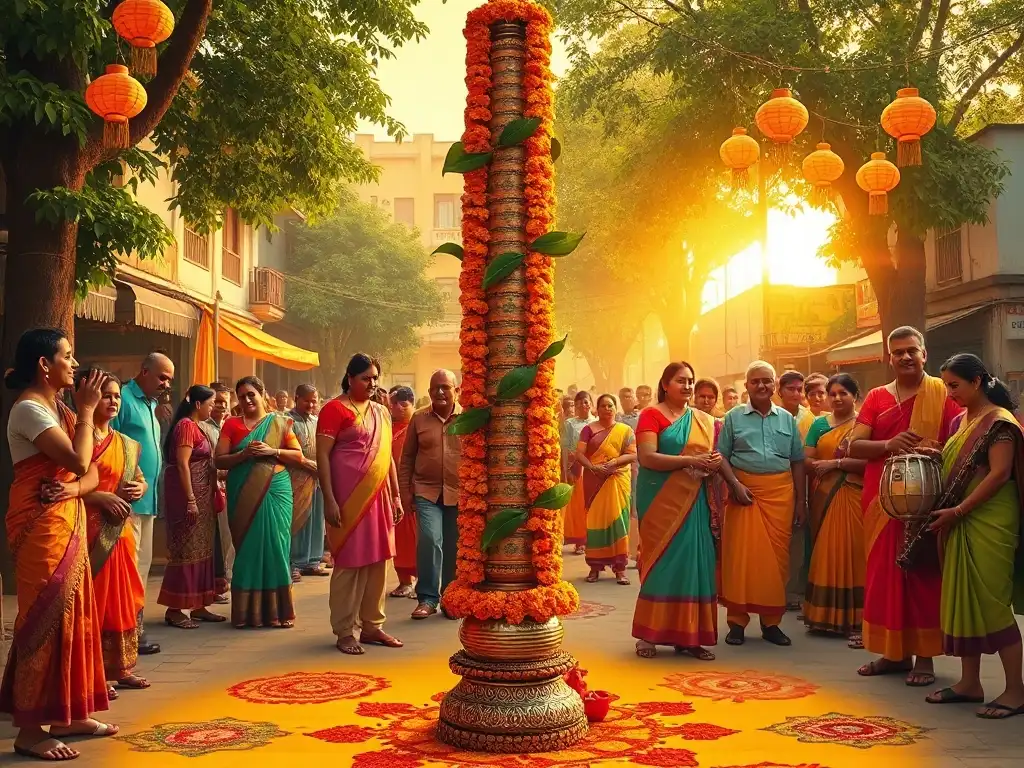
- Hoisting the Gudi: A decorated pole (Gudi) is raised outside homes, symbolizing victory and the welcoming of the new year.
- Puja: Families perform puja (worship) to deities, seeking blessings for health, wealth, and prosperity.
- Traditional Cuisine: Special dishes, including sweet and savory items, are prepared and enjoyed with family members.
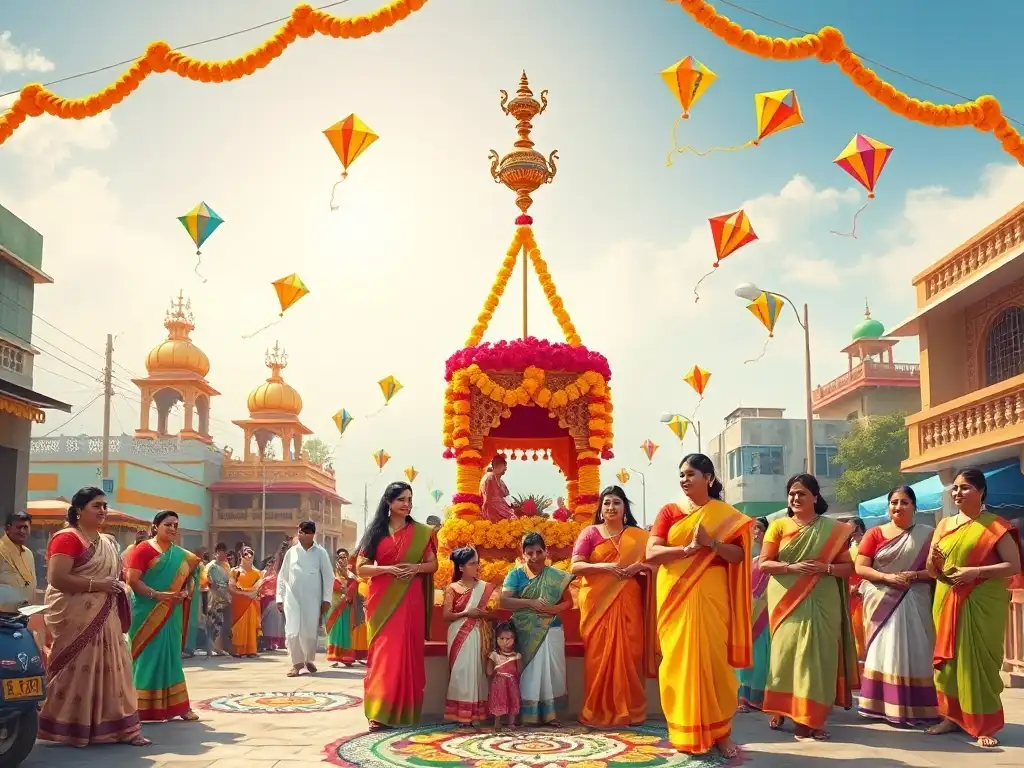
- Cultural Elements: The festival is marked by lively processions, folk songs, and dances, showcasing the rich cultural tapestry of Maharashtra.
Significance of Gudi Padwa in Maharashtra
Gudi Padwa holds immense significance in Maharashtra, both culturally and spiritually. It encapsulates the essence of Maharashtrian identity and reflects the values of unity and renewal. Here are several dimensions of its significance:
- Cultural Identity: The festival reinforces the cultural identity of the Marathi people. The rituals performed during Gudi Padwa serve as a reminder of their rich history and heritage.
- Agricultural Significance: As a harvest festival, Gudi Padwa plays a crucial role in the agricultural calendar of Maharashtra. It marks the end of the harvest season and the beginning of new agricultural activities, symbolizing abundance and prosperity.
- Social Cohesion: Gudi Padwa is a time for families and communities to come together. The celebration fosters social bonds, as neighbors and relatives visit each other and partake in the festivities, promoting harmony and goodwill.
- Spiritual Renewal: The festival is not just a celebration of the new year; it is also a time for spiritual renewal. The rituals performed are believed to cleanse the home and the spirit, paving the way for a prosperous year ahead.
In essence, Gudi Padwa is a festival that embodies the spirit of Maharashtra, intertwining the threads of history, culture, and community, making it a cherished celebration for its people.
Historical Background of Gudi Padwa
Origins of Gudi Padwa Celebrations
Gudi Padwa, celebrated as the New Year in Maharashtra, has its roots deeply embedded in ancient Indian traditions. The festival marks the onset of the Hindu lunar calendar, falling on the first day of Chaitra month, typically in March or April. This celebration is believed to have originated from the ancient agricultural practices of the region, symbolizing the beginning of the harvest season.
The term "Gudi" refers to a flag or a banner, and "Padwa" signifies the first day of the lunar month. Historically, it is said that the festival commemorates the victory of Chhatrapati Shivaji Maharaj over the Mughals in the 17th century, when he hoisted the Gudi flag to signify victory and prosperity. The Gudi itself, adorned with a bright cloth and placed on a pole, is a significant symbol of welcome and prosperity, representing the victory of good over evil.
Evolution of Gudi Padwa Through the Ages
Over centuries, Gudi Padwa has evolved from a purely agrarian festival to a multifaceted celebration encompassing various elements of Maharashtrian culture. Initially celebrated by farmers, the festival has now integrated urban festivities, reflecting a blend of traditional and modern practices.
- Agricultural Significance: Traditionally, the festival was primarily a time for farmers to celebrate the harvest, ensuring gratitude to deities for bountiful crops.
- Cultural Integration: As Maharashtra urbanized, Gudi Padwa began to reflect broader cultural themes. The rituals expanded to include family gatherings, cultural performances, and community feasts, enhancing social bonds.
- Economic Impacts: In contemporary times, Gudi Padwa also coincides with the start of the financial year for many businesses, making it a time for new ventures and economic prosperity.
This evolution illustrates how Gudi Padwa has maintained its relevance through changing societal structures while preserving its historical essence.
Gudi Padwa in Ancient Texts and Literature
The significance of Gudi Padwa is also documented in various ancient texts and literary works, highlighting its cultural importance.
- Puranic References: Texts such as the Vishnu Purana recount the celebration of the lunar new year, linking it to cosmic cycles and agricultural practices. It is believed that the day signifies the creation of the universe and the reign of Lord Rama.
- Folklore and Legends: Numerous folk tales narrate the historical and mythological significance of Gudi Padwa, emphasizing themes of victory, renewal, and prosperity. These stories have been passed down through generations, enriching the festival's cultural narrative.
- Literary Works: Classical Marathi literature often reflects the essence of Gudi Padwa, with poets and playwrights weaving the themes of renewal and celebration into their works, thus preserving the festival’s significance in the cultural memory of Maharashtra.
Gudi Padwa rituals and history are rich and diverse, rooted in ancient agricultural practices, celebrated through evolving traditions, and preserved in literature, making it a vital part of Maharashtra's cultural heritage.
Gudi Padwa Rituals and Traditions
Preparation for Gudi Padwa Celebrations
Gudi Padwa marks the beginning of the New Year according to the lunar calendar in Maharashtra and is celebrated with great enthusiasm. The preparation for this vibrant festival encompasses a series of rituals that reflect the rich cultural heritage of the region.
Cleaning and Decorating Homes
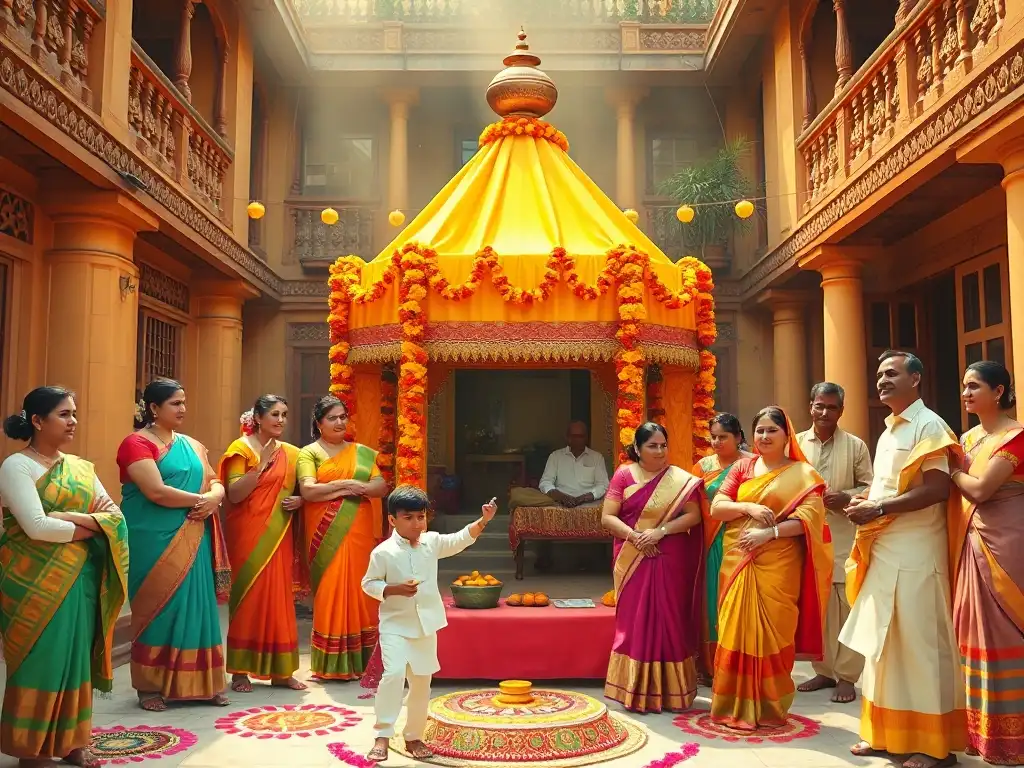
One of the most significant aspects of Gudi Padwa is the thorough cleaning and decorating of homes. This practice symbolizes the removal of negativity and the welcoming of positivity for the new year. Families engage in:
- Sweeping and Mopping: Homes are meticulously cleaned, with special attention given to corners and spaces that are often overlooked.
- Rangoli Designs: Beautiful rangoli (colorful patterns made with colored powders) are drawn at the entrance of homes. These designs not only beautify the space but also invite prosperity and good luck.
- Hanging Torans: Fresh mango leaves and marigold flowers are hung at the entrance of homes to symbolize abundance and prosperity.
Creating the Gudi (the flag)
The Gudi, an important symbol of the festival, is prepared with great care. It is a decorated pole that signifies victory and the arrival of the New Year. The Gudi is created through a series of steps:
- Material Gathering: A bamboo stick is used as the base, which is then adorned with a bright cloth, often saffron or green, representing auspiciousness.
- Copper or Silver Pot: At the top of the Gudi, a pot is placed upside down, symbolizing prosperity. This pot is usually made of copper or silver.
- Decorative Elements: The Gudi is further embellished with flowers, garlands, and sometimes even a mirror, reflecting glory and success.
Key Gudi Padwa Rituals
The rituals performed during Gudi Padwa are deeply rooted in tradition and are aimed at invoking blessings for the coming year.
Rituals Performed at Dawn
The day of Gudi Padwa begins with several auspicious rituals performed at dawn, believed to bring good fortune:
- Abhyanga Snan: People perform a ritual bath using a mixture of fragrant oils, which is thought to purify the body and mind.
- Prayers and Pujas: Families gather to offer prayers to their deities, seeking blessings for health, wealth, and prosperity in the new year.
- Raising the Gudi: The Gudi is hoisted outside homes, facing the sky, as a mark of celebration and a call for divine blessings.
Offerings Made to Deities
During Gudi Padwa, special offerings are made to deities, which hold significant meaning:
- Puran Poli: A sweet flatbread stuffed with jaggery and lentils is prepared and offered, symbolizing the sweetness of life.
- Neem and Jaggery: A mixture of neem leaves and jaggery is consumed, believed to balance bitter and sweet experiences in life.
- Fruits and Sweets: Fresh fruits and various sweets are offered at home altars, showing gratitude to the deities and inviting prosperity.
The rituals of Gudi Padwa not only celebrate the onset of a new year but also reflect the cultural ethos of Maharashtra, making it a vibrant and cherished occasion.
Symbolism Behind Gudi Padwa Rituals
Gudi Padwa, celebrated primarily in Maharashtra, is rich in symbolism, reflecting the cultural heritage and spiritual beliefs of the region. Each ritual and tradition associated with this festival carries profound meanings that not only celebrate the arrival of the new year but also pay homage to the values of life, prosperity, and community.
One of the most significant aspects of Gudi Padwa rituals is the display of the "Gudi," a decorated pole that symbolizes victory and prosperity. It embodies the advent of spring and the renewal of life, marking the end of the old year and the beginning of new opportunities. The rituals performed during Gudi Padwa are a blend of thanking the deities, especially Lord Brahma, and invoking blessings for health, wealth, and happiness.
Moreover, Gudi Padwa is interwoven with agricultural significance, celebrating the harvest season. This connection to agriculture not only reflects the agrarian roots of Indian society but also highlights the importance of nature and the environment in sustaining life.
The Meaning of the Gudi Flag
The Gudi flag, a pivotal part of the Gudi Padwa celebration, is made of a bright green or yellow cloth, often adorned with brocade or other decorative materials. The flag is hoisted on a tall pole, known as the "Gudi," and symbolizes various elements of life and cultural beliefs.
- Victory and Triumph: The Gudi is said to represent the victory of Chhatrapati Shivaji Maharaj, a revered figure in Maharashtra's history. Displays of the Gudi flag thus invoke a sense of pride and remembrance for the glorious past of the region.
- Prosperity and Good Fortune: The flag is believed to attract good luck and prosperity into the household. The colors chosen for the Gudi, particularly green and yellow, symbolize fertility, growth, and abundance.
- Spiritual Significance: The Gudi is often topped with a silver or copper pot (kalash), which is believed to ward off evil spirits and bring blessings from the divine. The act of hoisting the Gudi is a ritual offering to deities, seeking their grace for the upcoming year.
The Gudi flag thus serves as a powerful emblem that encapsulates the hopes, aspirations, and cultural identity of the people celebrating Gudi Padwa.
The Significance of Traditional Foods
Traditional foods play a crucial role in the Gudi Padwa celebrations, symbolizing abundance, harmony, and communal spirit. The dishes prepared during this festival are not merely culinary delights; they are imbued with cultural significance and are often associated with specific rituals.
- Puran Poli: This sweet flatbread filled with a mixture of jaggery and split yellow gram is a staple during Gudi Padwa. It represents the sweetness of life and the joy of new beginnings. Sharing Puran Poli among family members signifies unity and goodwill.
- Neem and Jaggery: A unique dish combining neem leaves and jaggery is prepared to symbolize the balance of life’s bitter and sweet experiences. Consuming this mixture is believed to promote health and impart the wisdom to face life's challenges with resilience.
- Sweets and Savories: Various other sweets like "Modak" and "Ladoo," along with savory snacks, are prepared to celebrate the festive spirit. These dishes are often shared with friends and family, reinforcing social bonds and fostering community ties.
The traditional foods of Gudi Padwa thus encapsulate not only the celebratory essence of the festival but also the philosophical understanding of life's dualities and the importance of togetherness in facing them.
Cultural Significance of Gudi Padwa
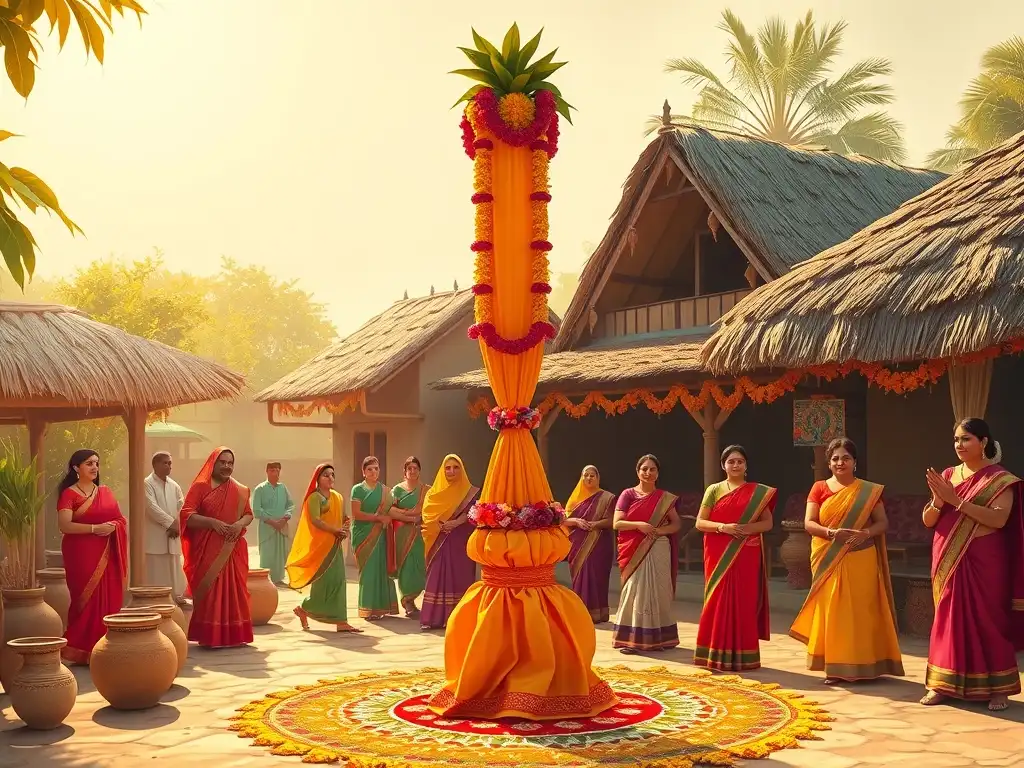
Gudi Padwa, celebrated as the New Year in Maharashtra, holds profound cultural significance, embodying the essence of renewal and prosperity. This festival marks the onset of the spring season and the harvest of crops, symbolizing the rejuvenation of life and nature. It is intricately linked to the agricultural calendar, heralding a new beginning for farmers and the community at large.
The rituals associated with Gudi Padwa are deeply rooted in the historical context of the region. The festival is believed to commemorate the coronation of Chhatrapati Shivaji Maharaj, the founder of the Maratha Empire, symbolizing courage, valor, and the spirit of Maharashtra. The Gudi itself, a pole adorned with a bright cloth, sugar garlands, and a brass or silver vessel, represents victory and the divine. Its raising is a way to invite prosperity and ward off evil, reflecting the resilience and aspirations of the Marathi people.
Gudi Padwa and the Marathi Identity
Gudi Padwa is not merely a festival; it is a reflection of the Marathi identity and cultural heritage. The celebrations are steeped in customs that reinforce the social fabric of the community. Families come together to clean their homes, prepare traditional delicacies, and invoke blessings for a prosperous year ahead. The use of mango leaves and kairi (raw mango) in decorations symbolizes freshness and new beginnings.
In many households, the day begins with a ritualistic bath, followed by the preparation of Puran Poli, a sweet flatbread stuffed with lentils, and Shrikhand, a yogurt-based dessert. These dishes are not just culinary delights but also carry stories passed down through generations, representing the agricultural bounty of Maharashtra.
Moreover, the act of hoisting the Gudi serves as a reminder of the Maratha pride and cultural ethos. This tradition reinforces the collective identity of the Marathi people, instilling a sense of belonging and continuity amidst changing times.
Community Celebrations and Gatherings
Community celebrations play a pivotal role in the Gudi Padwa festivities, fostering unity and camaraderie among the people. In neighborhoods and villages, the festival is marked by vibrant processions, traditional music, and folk dances. Local communities come together to organize cultural programs that showcase the rich heritage of Maharashtra, including Lavani and Tamasha performances.
The festive atmosphere is further enlivened by the preparation of community feasts, where traditional dishes are shared among families and neighbors. This act of sharing food strengthens bonds and reinforces the spirit of togetherness, making Gudi Padwa a truly communal celebration.
Additionally, many people participate in local fairs, which feature stalls selling handicrafts, traditional attire, and festive sweets. These fairs not only celebrate the festival but also promote local artisans and their crafts, ensuring the preservation of ancient skills and traditions.
Gudi Padwa in Modern Times
In modern times, Gudi Padwa has evolved, yet it retains its core significance. Urbanization has transformed the way the festival is celebrated, with many families adapting traditional practices to fit contemporary lifestyles. For instance, while some may still raise a Gudi at home, others might opt for digital celebrations, sharing greetings and festive wishes through social media platforms.
Despite these changes, the essence of Gudi Padwa remains intact. The festival continues to be an occasion for family reunions, with people traveling from afar to celebrate together. Many organizations also recognize the importance of Gudi Padwa, organizing events that educate younger generations about the rituals and history associated with the festival.
Moreover, the recognition of Gudi Padwa as an official holiday has helped preserve its significance in the modern context, allowing it to thrive alongside other cultural celebrations. The festival serves as a touchstone for the Marathi identity, reminding the community of its rich heritage and the values of unity, peace, and prosperity that it embodies.
Gudi Padwa is a vibrant celebration of life and culture, weaving together the threads of history, tradition, and community spirit. Its rituals and festivities not only honor the past but also inspire future generations to embrace their cultural identity with pride.
Conclusion
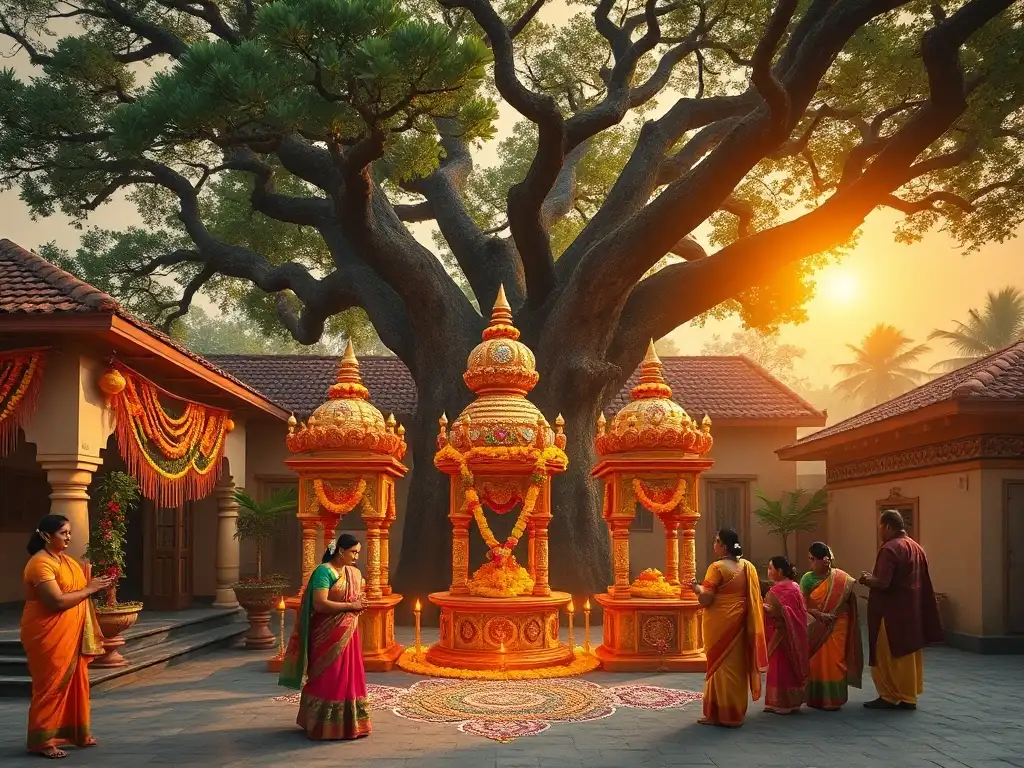
Recap of Gudi Padwa Rituals and History
Gudi Padwa, celebrated as the Marathi New Year, is steeped in rich traditions and deeply rooted in the cultural heritage of Maharashtra. This festival marks the onset of spring and the beginning of the harvesting season, symbolizing new beginnings, prosperity, and joy. The rituals associated with Gudi Padwa are a beautiful amalgamation of religious significance and cultural practices.
The primary ritual involves raising the Gudi, a decorated pole adorned with a bright cloth, neem leaves, and a sugar garland, which is believed to ward off evil and invite prosperity into homes. The Gudi symbolizes victory and the arrival of spring. Families also prepare a special dish called Puran Poli, which serves as a culinary highlight of the festival, representing the sweetness of life and the new year.
Additionally, the day is marked by rituals such as Pratipada puja, where prayers are offered to deities, especially Lord Ganesha and Lord Brahma, seeking blessings for the year ahead. The custom of exchanging gifts and visiting relatives strengthens community bonds and fosters a spirit of unity. Overall, Gudi Padwa is not just a festivity but a reflection of the historical and cultural richness of Maharashtra.
The Importance of Preserving Gudi Padwa Traditions
Preserving the traditions of Gudi Padwa is essential for several reasons. Firstly, these rituals are a repository of ancient knowledge and practices that provide insights into the customs and values of our ancestors. They encapsulate the essence of community living, shared beliefs, and collective identity.
Moreover, the celebration of Gudi Padwa fosters a sense of belonging and continuity among the younger generations. Engaging in traditional practices helps instill cultural pride and awareness. As society evolves, maintaining these rituals ensures that the cultural heritage is not lost, allowing future generations to connect with their roots.
In addition, the preservation of Gudi Padwa traditions contributes to the diversity of India's cultural landscape. It highlights the unique identity of Maharashtra within the broader spectrum of Indian culture. By celebrating and educating others about Gudi Padwa, we promote cultural tourism and appreciation, allowing more people to experience and learn from these rich traditions.
Understanding and preserving the Gudi Padwa rituals and history is vital not only for cultural identity but also for the promotion of unity and harmony in a diverse society. The vibrant celebrations and meaningful customs associated with Gudi Padwa serve as a reminder of the enduring legacy of ancient Indian civilizations and their contributions to the culture we celebrate today.
Additional Resources
Recommended Readings on Gudi Padwa
To deepen your understanding of Gudi Padwa and its significance in Maharashtra, consider exploring the following recommended readings:
- "Festivals of India" by N. A. Wadia
- This book provides an overview of various festivals across India, including Gudi Padwa, detailing their historical backgrounds and cultural significance.
- "The Cultural Heritage of Maharashtra" by V. S. Bhat
- An in-depth exploration of Maharashtra's rich traditions, this work includes sections dedicated to Gudi Padwa rituals, festive practices, and their implications in contemporary society.
- "Rituals and Beliefs: The Ethnography of Indian Festivals" by R. K. Sharma
- This ethnographic study examines various Indian festivals, offering insights into the rituals associated with Gudi Padwa and their historical contexts.
- "Maharashtra: An Overview of History and Culture" by S. R. Kulkarni
- This comprehensive guide covers the history and culture of Maharashtra, with specific chapters on traditional celebrations including Gudi Padwa.
- "The Essence of Indian Festivals" by Anjali Mehta
- This book focuses on the significance of different Indian festivals, with a dedicated section on Gudi Padwa, exploring its rituals and customs.
Gudi Padwa is just one of many vibrant festivals rooted in ancient Indian traditions. Here are some related festivals and traditions that reflect the cultural diversity of ancient India:
- Makar Sankranti
- Celebrated in January, this festival marks the transition of the sun into the zodiac sign of Capricorn. It involves kite flying, feasting on traditional foods, and community gatherings.
- Vaisakhi
- A harvest festival celebrated primarily in Punjab, Vaisakhi marks the beginning of the new solar year and is associated with the harvest of Rabi crops. It holds religious significance for Sikhs and Hindus alike.
- Pongal
- This Tamil festival, celebrated in January, honors the sun god and the harvest. It includes cooking a special dish called Pongal and various rituals to thank the deities for a bountiful harvest.
- Diwali
- Known as the Festival of Lights, Diwali is celebrated across India and symbolizes the victory of light over darkness. It includes rituals such as lighting oil lamps, performing prayers, and exchanging gifts.
- Holi
- The festival of colors, Holi marks the arrival of spring and is celebrated with vibrant powders, music, and dancing. It has roots in ancient Hindu mythology and symbolizes love and unity.
These festivals not only celebrate agricultural cycles but also embody the rich tapestry of ancient Indian culture and beliefs, reflecting the significance of community, spirituality, and seasonal changes.
Frequently Asked Questions
What is Gudi Padwa?
Gudi Padwa is a Maharashtrian festival that marks the beginning of the New Year according to the Hindu calendar, celebrated with various rituals and traditions.
What are the main rituals of Gudi Padwa?
The main rituals include hoisting the Gudi, which symbolizes victory and prosperity, and preparing traditional dishes like puran poli to celebrate the occasion.
How is Gudi Padwa historically significant?
Gudi Padwa is believed to commemorate the coronation of Chhatrapati Shivaji Maharaj and represents the rich cultural heritage of Maharashtra.
What are some traditional decorations for Gudi Padwa?
Homes are often adorned with mango leaves, rangoli, and the Gudi itself, which is a flag made of a pole, cloth, and a metal pot, symbolizing prosperity.
How do people celebrate Gudi Padwa?
Celebrations include family gatherings, prayers, and various cultural activities, emphasizing the unity and joy of the community during this important festival.
Final Reflection: Embracing the Spirit of Gudi Padwa
Understanding the rituals and history of Gudi Padwa is not just about celebrating a new year; it is about reconnecting with our roots and honoring the traditions that shape our identity. In today's fast-paced world, where cultural practices can easily fade into obscurity, the significance of Gudi Padwa rituals serves as a powerful reminder of the importance of heritage and community. As we embrace the new year, let us not forget the values and stories that have been passed down through generations, enriching our lives and fostering a sense of belonging.
Celebrating Gudi Padwa is more than a festive occasion; it is a celebration of resilience, renewal, and the vibrant tapestry of Maharashtra's culture. The rituals associated with this festival encapsulate the essence of hope and new beginnings, reminding us of the beauty in our diversity. As Mahatma Gandhi once said, “A nation’s greatness is measured by how it treats its weakest members.” This quote resonates deeply with the spirit of Gudi Padwa, as it encourages us to honor our traditions while fostering inclusivity and understanding within our communities.
As you reflect on the lessons of Gudi Padwa, I invite you to consider how you can incorporate these values into your own life. Take a moment to appreciate the traditions that shape your identity and think about how you can share these with others. Whether through participating in local celebrations, learning about your own cultural heritage, or simply sharing stories with friends and family, let the spirit of Gudi Padwa inspire you to cultivate a deeper connection with your roots and contribute to the vibrant tapestry of our shared human experience.
Embrace the Spirit of Gudi Padwa!
Thank you for exploring the rich traditions of Gudi Padwa with us! We hope you’ve gained a deeper understanding of this vibrant celebration and its significance in Maharashtra’s culture. Now it's time to take that knowledge and make it come alive!
Here are some fun and engaging ways to celebrate and share the essence of Gudi Padwa:
- Host a Gudi Padwa Celebration: Gather your friends and family, and create a festive atmosphere with traditional decor, delicious Maharashtrian cuisine, and cultural performances. Don't forget to raise your Gudi!
- Learn a Traditional Recipe: Dive into the culinary traditions by trying your hand at a special dish like Puran Poli or puris. Share your cooking experience on social media and tag your favorite food channels!
- Share Your Knowledge: Write a blog post or create a video about what you’ve learned. Encourage others to appreciate and celebrate the rich cultural diversity of India.
What unique way will you celebrate Gudi Padwa this year?