
The Rituals of Chhath Puja: Sun Worship and Its Cultural Significance

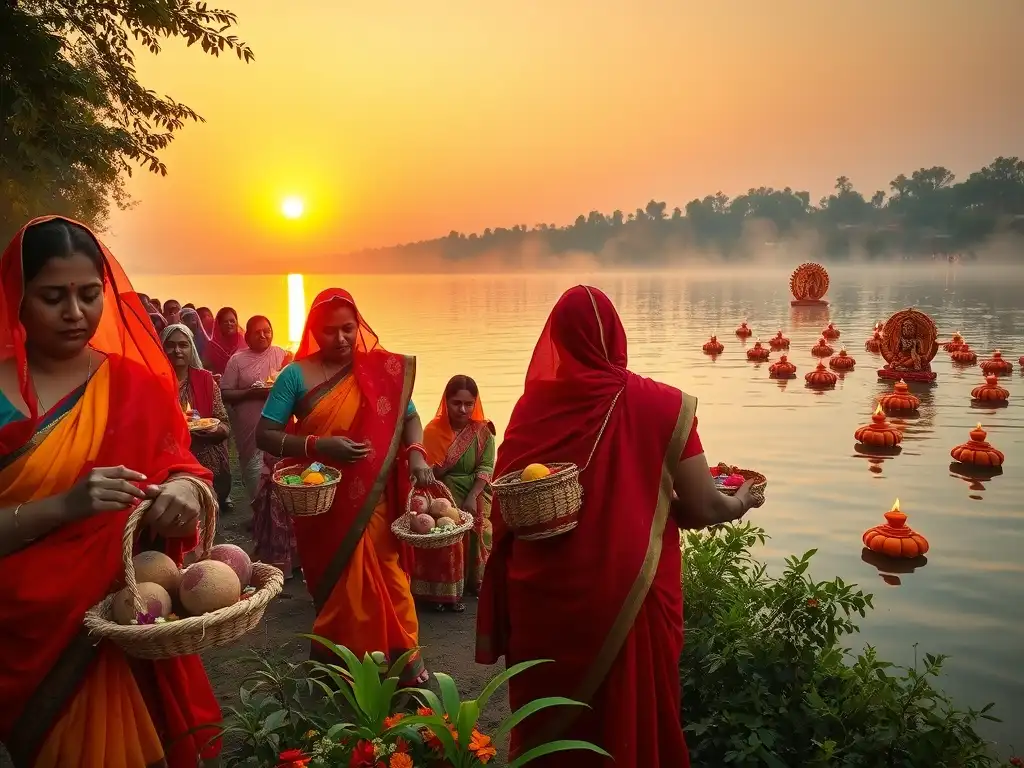
Welcome to Ancient India History, where we embark on a fascinating journey through the rich tapestry of ancient Indian civilizations. Today, we delve into the vibrant traditions that have shaped our cultural landscape, focusing on the Chhath Puja and its profound cultural significance. What makes this festival a cornerstone of devotion and community spirit? As you explore the rituals and beliefs surrounding Sun Worship, prepare to uncover the layers of meaning that connect us to our heritage. Join us in this exploration and discover why Chhath Puja continues to resonate across generations!
- Introduction to Chhath Puja: An Overview of Sun Worship
- The Rituals of Chhath Puja: A Step-by-Step Breakdown
- Chhath Puja Cultural Significance: Deep-rooted Traditions
- The Historical Context of Chhath Puja
- Regional Variations of Chhath Puja Celebrations
- The Impact of Chhath Puja on Contemporary Society
- Conclusion: The Enduring Legacy of Chhath Puja Cultural Significance
- Frequently Asked Questions
- Final Reflection: Embracing the Cultural Significance of Chhath Puja
- Embrace the Spirit of Chhath Puja Today!
Introduction to Chhath Puja: An Overview of Sun Worship
Chhath Puja is a significant festival celebrated primarily in the Indian states of Bihar, Jharkhand, and Uttar Pradesh, as well as in various parts of Nepal. This ancient ritual is dedicated to the Sun God, Surya, and his wife, Usha, emphasizing the importance of solar worship in Indian culture.
As an integral part of the Hindu tradition, Chhath Puja embodies rich cultural significance, showcasing the deep reverence for nature and the life-giving power of the sun. The festival typically lasts for four days and involves a series of rituals and offerings that highlight the importance of community, family, and spirituality.
The cultural significance of Chhath Puja extends beyond mere religious observance. It reflects the values, beliefs, and traditions of the people who celebrate it. From the elaborate preparations to the communal gatherings at riverbanks, the festival serves as a reminder of the interconnectedness of life and the environment. By exploring the rituals of Chhath Puja, we gain deeper insights into the spiritual and cultural heritage of ancient Indian civilizations, illustrating how these practices continue to resonate in contemporary society.
Understanding Chhath Puja and Its Origins
Chhath Puja's origins can be traced back to ancient Indian texts and traditions, where the worship of the sun is depicted as a vital element of life and sustenance. The festival is believed to have evolved from the Vedic customs that revered the sun as a source of energy, health, and prosperity. Historical accounts suggest that the festival has been celebrated for centuries, with roots in the agrarian society of ancient India, where the sun played a crucial role in agriculture and crop cultivation.
The rituals of Chhath Puja are unique in that they are predominantly performed by women, who undertake fasting and various rites to express gratitude to Surya for his blessings. The observance typically includes offerings of traditional foods, such as thekua (a sweet), and the gathering of devotees at riverbanks or water bodies during sunrise and sunset. This practice highlights the festival's connection to the lunar calendar, as it is celebrated on the sixth day after the full moon in the month of Kartik.
The Role of the Sun in Ancient Indian Culture
The sun has held a central place in ancient Indian culture, symbolizing life, energy, and renewal. In various Vedic texts, the sun is revered not only as a celestial body but also as a divine entity embodying strength and vitality. Sun worship, or Surya Vandana, is rooted in the belief that the sun's rays possess healing properties and can purify the mind, body, and soul.
Moreover, the integration of solar worship into cultural practices, such as Chhath Puja, underscores the philosophical and spiritual dimensions of ancient Indian civilizations. The sun represents the cyclical nature of life, illuminating the relationship between humans and the cosmos. Festivals like Chhath Puja serve as a testament to this profound connection, reinforcing the idea that recognizing and honoring nature is essential for harmonious living.
The exploration of Chhath Puja and its cultural significance not only enriches our understanding of ancient Indian practices but also highlights the timeless relevance of these traditions in contemporary society. By delving into the historical roots of this festival and the reverence for the sun, we can appreciate the enduring legacy of sun worship in India's vibrant cultural tapestry.
The Rituals of Chhath Puja: A Step-by-Step Breakdown
Day 1: Nahay Khay - Purification and Preparation
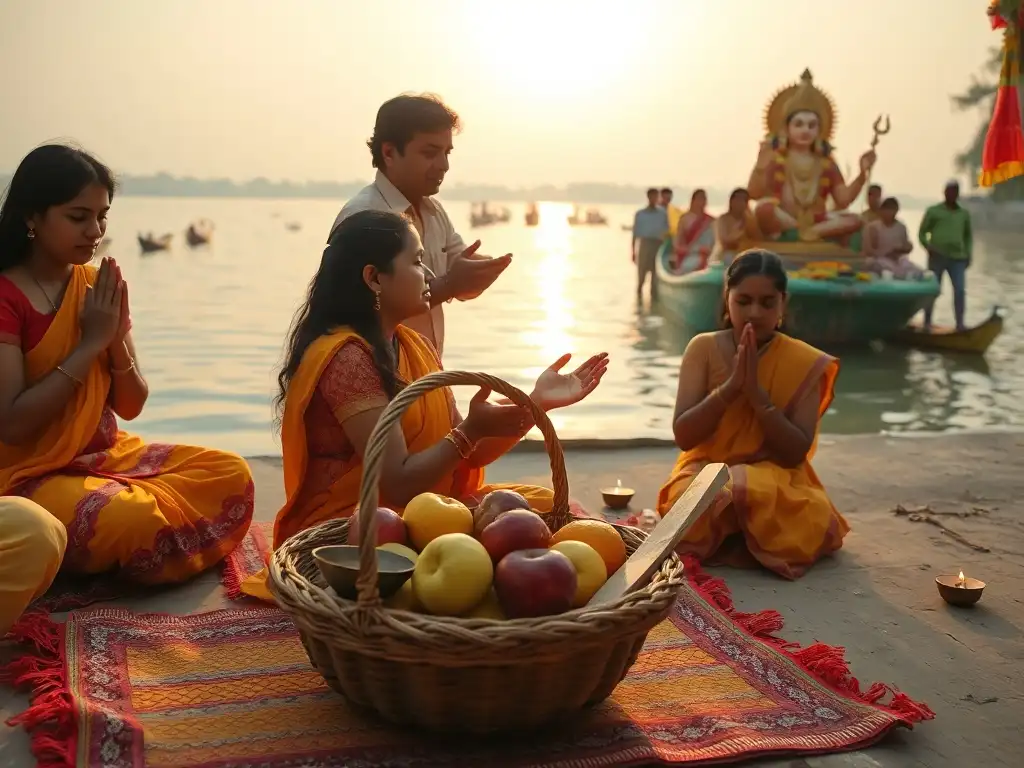
The first day of Chhath Puja, known as Nahay Khay, is dedicated to purification and preparation. This day marks the beginning of the festival and sets the tone for the rituals that follow. Devotees start the day by taking a holy dip in a river or a water body, symbolizing the cleansing of the body and mind. This act of purification is vital, as it aligns with the spiritual ethos of the festival, emphasizing the importance of cleanliness in worship.
After the ritual bath, devotees prepare a special meal consisting of rice, lentils, and seasonal vegetables. This meal is cooked without salt and is meant to be simple, reflecting the austere nature of the festival. The offerings are then placed on a traditional brass plate called thali, which is decorated with flowers and other auspicious items.
In many regions, families come together to celebrate this day, reinforcing social bonds and community ties. The essence of Nahay Khay lies not only in personal purification but also in the collective spirit of devotion that permeates the community. As families gather, they share stories, songs, and prayers, creating a sense of unity and shared purpose.
Day 2: Kharna - Fasting and Offerings
Kharna, the second day of Chhath Puja, is characterized by fasting and making offerings to the Sun God. Devotees observe a rigorous fast from sunrise until the evening, refraining from food and water. This day is considered a time for reflection, devotion, and gratitude towards Surya, the Sun God, who is believed to provide sustenance and life to all beings.
As the sun sets, devotees prepare a special evening meal, which typically includes kheer (a sweet rice pudding made with milk and sugar), roti (unleavened bread), and seasonal fruits. This meal symbolizes the end of the fast and is offered first to the Sun God before being shared among family members. The preparation of these dishes is a communal activity, often involving multiple family members and creating a festive atmosphere.
During Kharna, devotees also engage in singing traditional songs known as Chhath geet, which extol the virtues of the Sun God and express their wishes and prayers. The act of singing serves to strengthen the emotional and spiritual connection to the rituals. The day culminates with the offering of arghya (water) to the setting sun, a gesture of gratitude for the blessings received.
Day 3: Sandhya Arghya - Evening Offerings to the Sun
The final day of Chhath Puja is the most significant, known as Sandhya Arghya. This day is dedicated to making evening offerings to the Sun God, marking the culmination of the rituals performed over the past two days. Devotees gather at riverbanks or water bodies, carrying meticulously arranged thalis filled with offerings, including thekua (a traditional sweet), fruits, and sugarcane.
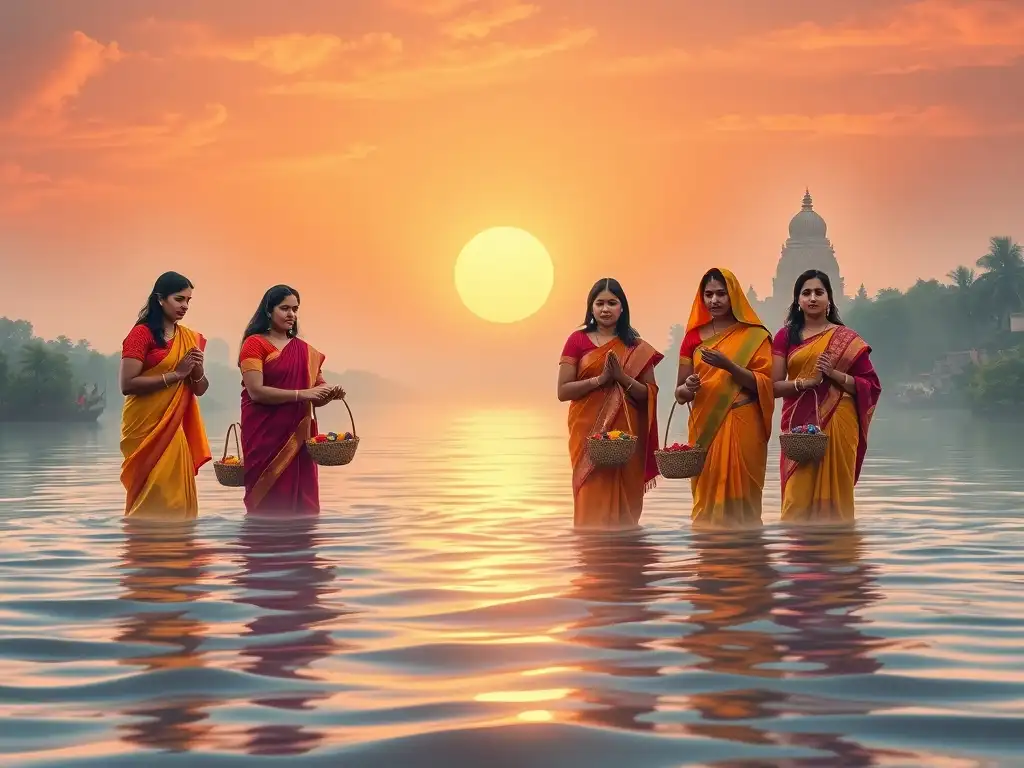
As the sun begins to set, devotees stand in the water, facing the sun, and offer arghya—a ritual of pouring water from their palms towards the sun, accompanied by prayers and chants. This act is believed to invoke blessings and prosperity for oneself and one’s family. The collective gathering of devotees creates a vibrant and spiritual atmosphere, with the setting sun casting a golden hue over the waters, enhancing the sacredness of the moment.
The rituals of Sandhya Arghya are deeply rooted in the cultural significance of Chhath Puja, reflecting themes of gratitude, respect, and reverence for nature. The festival emphasizes the connection between humans and the natural world, showcasing the importance of environmental consciousness within ancient Indian traditions. As the final offerings are made, devotees express their hopes and wishes for health, happiness, and prosperity, reinforcing the communal bonds that are central to the festival.
Day 4: Usha Arghya - Morning Offerings and Conclusion of Rituals
The final day of Chhath Puja, known as Usha Arghya, marks the culmination of a series of elaborate rituals dedicated to the Sun God, Surya, and his consort, Usha. This day is particularly significant as devotees express their gratitude and seek blessings for health, prosperity, and well-being. The Usha Arghya is performed at dawn, emphasizing the importance of sunrise in the cycle of life and the rejuvenating energy of the Sun.
The Morning Rituals
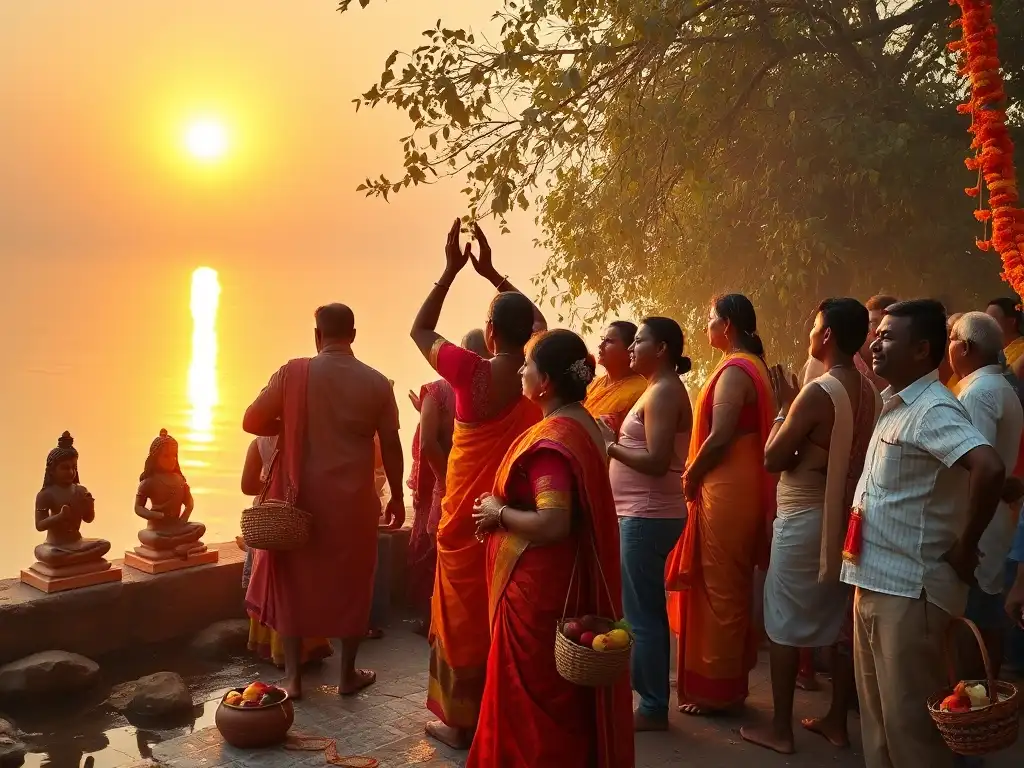
On the morning of Usha Arghya, devotees wake before dawn, performing their last round of purification rituals, which often include bathing in sacred rivers or water bodies. This act is symbolic of cleansing the spirit and preparing oneself for the final offering to the Sun God. As the first rays of the sun break the horizon, families gather at their designated ghats or riverbanks, equipped with their offerings, which typically include:
- Thekku (sugarcane)
- Fruits (bananas, apples, and pomegranates)
- Prasad (sweets and savory dishes prepared during the festival)
- Kheer (a traditional rice pudding)
The offerings are arranged on a bamboo basket known as "soop," decorated with marigold flowers and other auspicious items to create a vibrant display symbolizing abundance and gratitude.
The Offering Ceremony
As the sun rises, devotees chant hymns and mantras, invoking the blessings of Surya. They hold the offerings aloft, performing the Usha Arghya ritual, which entails pouring water while facing the rising sun. This act is rich in symbolism, representing the devotion and reverence the community has for nature and its sustaining forces. The participants often recite traditional prayers that encapsulate their hopes and aspirations, reinforcing the bond between the individual and the divine.
Cultural Significance
The Usha Arghya ritual holds profound cultural significance within the Chhath Puja celebrations. It signifies the end of the fast and the success of the devotee's spiritual journey over the past four days. The act of worshipping the Sun God is not merely a ritual; it reflects the core values of ancient Indian civilization regarding nature's role in sustaining life. The reverence shown during Usha Arghya encapsulates the essence of communal harmony, where families come together to celebrate the bounty of nature and express collective gratitude.
In essence, Usha Arghya symbolizes renewal, hope, and the cyclical nature of existence. As the rituals conclude, the spirit of Chhath Puja lingers in the hearts of the participants, fostering a deeper connection to their cultural roots and the environment. The festival not only strengthens familial bonds but also serves as a reminder of the importance of sustainability and respect for nature, principles deeply embedded in ancient Indian traditions.
Chhath Puja Cultural Significance: Deep-rooted Traditions
Chhath Puja stands as a testament to the enduring cultural significance of ancient Indian rituals, particularly in the context of sun worship. This festival, dedicated to the Sun God (Surya) and Chhathi Maiya, embodies a rich tapestry of spiritual beliefs, practices, and communal values that have been passed down through generations.
At its core, Chhath Puja highlights the intrinsic link between nature and humanity, emphasizing the importance of environmental harmony and gratitude towards celestial bodies. The rituals performed during this festival, including rigorous fasting and offerings, are steeped in symbolic meanings that resonate deeply with the agrarian lifestyle of many communities in India.
This observance also showcases the resilience of cultural practices, adapting over time while maintaining their original spiritual essence. The festival serves not only as an occasion for personal devotion but also as a communal celebration that strengthens socio-cultural ties among participants.
The Symbolism of Sun Worship in Chhath Puja
Sun worship in Chhath Puja is emblematic of the broader Indian ethos that venerates natural elements as vital sources of life and sustenance. The Sun, revered as the giver of energy and prosperity, plays a central role in the agricultural calendar, making it essential for the well-being of society.
During Chhath, devotees engage in various rituals that symbolize their respect for the Sun. These include:
- Arghya: Offering water and various items like fruits, sweets, and thekua (a traditional sweet) to the Sun at dawn and dusk.
- Fasting: Observers engage in strict fasting, which demonstrates their dedication and purifies their spirit.
- Sankalp: The act of making vows or commitments, often tied to personal desires or communal well-being.
These practices highlight a profound respect for the Sun's life-giving properties and foster a sense of unity among participants. The rituals serve not only as acts of worship but also as a medium for expressing gratitude for the harvest and invoking blessings for future prosperity.
Community and Family Bonding During Chhath Puja Celebrations
Chhath Puja transcends individual devotion, fostering a spirit of community and family bonding. The festival is characterized by collective participation, where families and neighborhoods come together to celebrate and support each other.
Key aspects of community bonding during Chhath Puja include:
- Collective Preparation: Families often collaborate in preparing offerings and traditional dishes, reinforcing communal ties and shared cultural heritage.
- Shared Rituals: The rituals of Chhath are often performed in groups, enhancing the sense of belonging and unity. It is common for groups of devotees to gather at riverbanks or designated puja sites, reinforcing social connections.
- Cultural Exchange: As participants share stories, songs, and prayers, Chhath Puja becomes a vibrant platform for cultural exchange, allowing individuals to learn from one another and appreciate their diverse practices.
The festival's emphasis on community and familial relationships underscores its cultural significance, making it a vital part of the social fabric in regions where it is celebrated. By participating in Chhath Puja, individuals not only honor their spiritual commitments but also strengthen the bonds that unite them within their communities, ensuring that these traditions continue to thrive for generations to come.
The Historical Context of Chhath Puja
Chhath Puja is a significant festival celebrated primarily in the Indian states of Bihar, Jharkhand, and Uttar Pradesh, as well as among the diaspora worldwide. Its roots can be traced back to ancient times, with a rich tapestry of historical practices that underscore the Chhath Puja cultural significance. This festival is dedicated to the Sun God, Surya, and his wife, Usha, and it symbolizes gratitude for the sustenance provided by nature.
Chhath Puja in Ancient Texts and Literature
Chhath Puja finds its mention in several ancient texts and scriptures, highlighting its long-standing tradition.
- Vedic References: The earliest references to sun worship can be traced back to the Vedas, particularly the Rigveda, which contains hymns dedicated to Surya. These hymns emphasize the importance of the Sun in sustaining life and agriculture, laying the groundwork for rituals that would evolve into Chhath Puja.
- Puranic Accounts: Various Puranas, such as the Skanda Purana, also reference the worship of the Sun God. They describe elaborate rituals and the significance of offering prayers to Surya, which align closely with the practices observed during Chhath Puja.
- Folklore and Myths: In addition to religious texts, local folklore narrates tales of the Sun God’s benevolence. One popular myth recounts how the Pandavas, after their exile, performed the Chhath rituals to seek blessings for victory and prosperity. This connection to the epic narrative further cements the festival's cultural relevance.
These ancient texts not only provide insight into the spiritual framework of Chhath Puja but also illustrate its role in the social fabric of ancient Indian society.
The Evolution of Chhath Puja Through the Ages
Over the centuries, Chhath Puja has evolved, absorbing various cultural influences while retaining its core significance.
- Regional Variations: While the essence of the festival remains unchanged, it manifests differently across regions. In Bihar, devotees participate in rigorous fasting and rituals that span four days, while in other states, the celebrations may be less elaborate but still honor the Sun.
- Integration with Local Cultures: As communities migrated and settled in new regions, they brought their traditions with them. This resulted in the incorporation of local customs into Chhath Puja. For instance, in some areas, unique offerings and songs have been added, reflecting the diversity of the people who celebrate the festival.
- Modern-Day Recognition: The 21st century has seen a resurgence in the popularity of Chhath Puja, particularly among the younger generations. Social media platforms have played a pivotal role in spreading awareness and showcasing the rituals, thus encouraging participation.
- Environmental Awareness: In recent years, there has been a growing emphasis on environmental consciousness during the celebrations. Devotees are increasingly aware of the ecological impact of their rituals, leading to initiatives aimed at cleaning water bodies and promoting sustainable practices.
Through these transformations, Chhath Puja has not only maintained its spiritual significance but has also adapted to contemporary societal changes, thus ensuring its continued relevance in the cultural landscape of India.
Regional Variations of Chhath Puja Celebrations
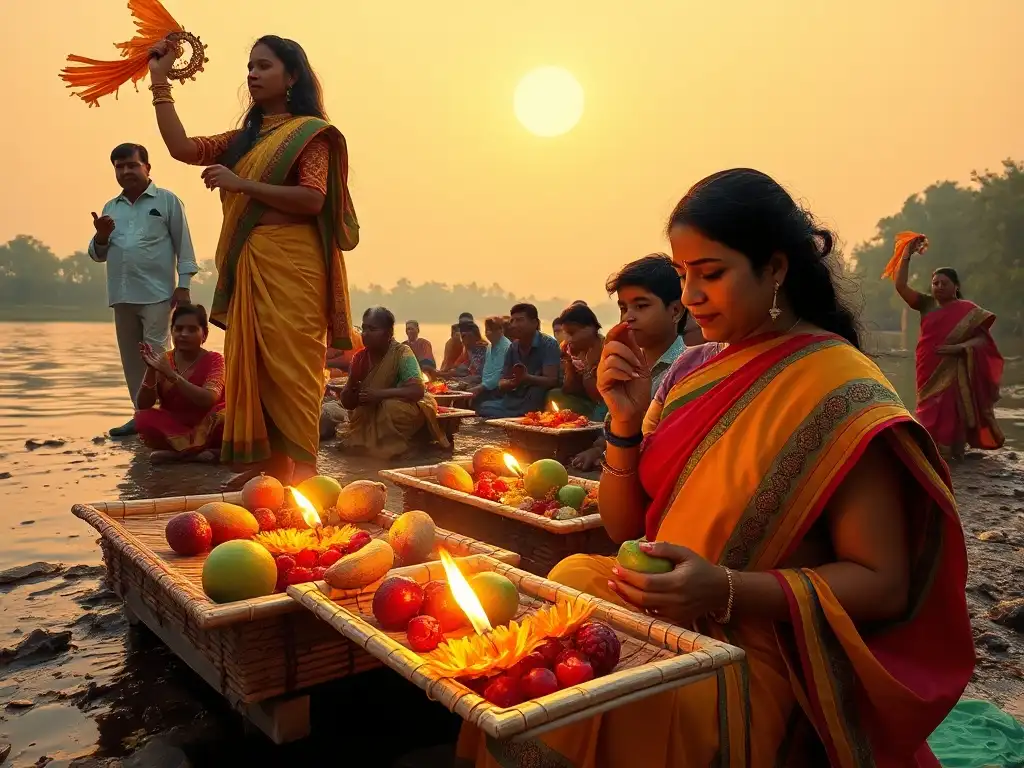
Chhath Puja Practices in Different States of India
Chhath Puja, a significant festival dedicated to the Sun God, exhibits a rich tapestry of regional variations across India. While the core essence of the festival remains the same, the practices and rituals can differ markedly from one state to another, reflecting the local culture and traditions.
- Bihar: Often considered the heartland of Chhath Puja, Bihar celebrates this festival with immense fervor. The rituals are performed over four days, starting with Nahay Khay, where devotees cleanse themselves and prepare special offerings. The second day, Kharna, involves fasting from sunrise to sunset, culminating with the preparation of sweet dishes like kheer and the offering of the first meal to the Sun. The main day, known as "Chhath," sees devotees gathering at riverbanks or ponds to offer Arghya to the setting sun, followed by the same ritual at sunrise the next day.
- Uttar Pradesh: In Uttar Pradesh, especially in regions like Varanasi, Chhath Puja is celebrated with similar rituals to Bihar. However, local customs infuse unique elements, such as the singing of devotional songs and the use of specific varieties of fruits and vegetables in offerings. The aesthetics of the celebration are heightened by colorful decorations and community gatherings along the ghats.
- Jharkhand: The state of Jharkhand also honors Chhath Puja with great enthusiasm, emphasizing community participation. The rituals mirror those in Bihar, but the use of local flora and fauna in the offerings is notable. Devotees often indulge in folk songs and dances, adding a festive spirit to the solemn observance.
- Madhya Pradesh: In Madhya Pradesh, the festival is celebrated predominantly by the Bihari diaspora. Here, the celebration incorporates local elements, such as the use of regional sweets and the involvement of local folk artists to enhance the festivities.
- Other Regions: In states like West Bengal and Assam, where the festival is observed, the practices may take on distinct characteristics influenced by local cultures. For instance, the offerings may include fish and rice, reflecting regional dietary preferences, while the rituals remain fundamentally aligned with the devotion to the Sun God.
Influence of Local Traditions on Chhath Puja
The cultural significance of Chhath Puja is deeply intertwined with local traditions, which shape the way the festival is observed across different regions.
- Integration with Local Festivals: In many states, Chhath Puja coincides with harvest festivals, leading to a blending of rituals. For example, in Punjab, the festival is celebrated alongside Baisakhi, marking the harvest season. This integration reflects the agrarian roots of the festival, where the Sun God is revered for bountiful crops.
- Adaptation of Rituals: The core rituals of Chhath Puja are often adapted to fit local contexts. In coastal regions, the use of coastal flora and seafood in offerings is common, while in mountainous areas, the rituals incorporate herbs and plants native to those regions. This adaptation not only respects local biodiversity but also enhances the cultural significance of the festival.
- Community Involvement: Local traditions also influence the communal aspect of Chhath Puja. In many regions, the festival fosters a sense of unity and collective identity among communities. People come together to prepare offerings, sing traditional songs, and share their experiences, reinforcing social bonds and cultural heritage.
- Artistic Expression: The artistic expressions associated with Chhath Puja vary significantly across regions. In Bihar, intricate rangoli designs adorn the pathways to water bodies, while in Jharkhand, folk dances are performed as part of the festivities. These expressions not only enhance the aesthetic appeal of the festival but also convey the cultural significance of celebrating the Sun God.
The regional variations of Chhath Puja are a testament to the adaptability of cultural practices in ancient Indian civilizations. By honoring local traditions, the festival not only preserves its core significance but also enriches the cultural tapestry of India. Through these diverse practices, the Chhath Puja cultural significance is celebrated, reflecting the deep-rooted reverence for nature and community in ancient Indian culture.
The Impact of Chhath Puja on Contemporary Society
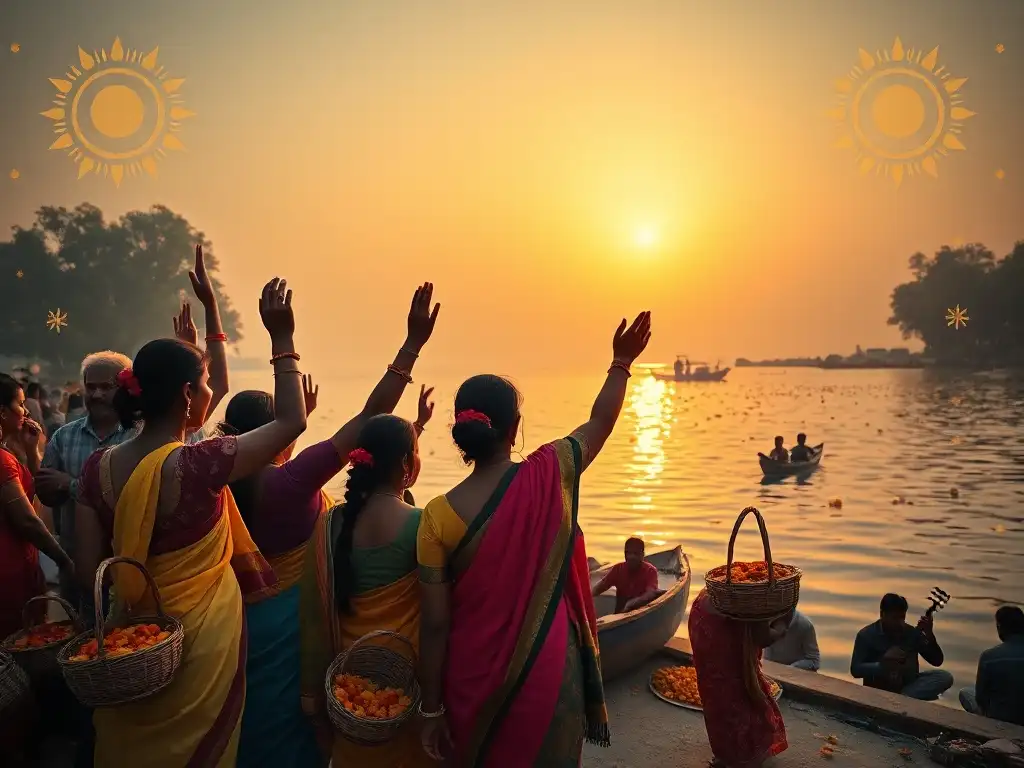
Chhath Puja as a Cultural Identity Marker
Chhath Puja serves as a profound cultural identity marker for many communities, particularly among the people of Bihar, Uttar Pradesh, and Jharkhand in India, as well as in Nepal. This festival, dedicated to the Sun God (Surya) and his consort Chhathi Maiya, embodies deep-rooted traditions and symbolizes the rich heritage of these regions. Its observance transcends mere ritual; it is a powerful expression of community bonding, familial ties, and cultural pride.
During Chhath Puja, families come together to perform various rituals over four days, including bathing in sacred rivers, preparing offerings, and singing traditional songs. This collective participation reinforces a sense of belonging and cultural continuity among individuals, especially for those living away from their native places. The festival not only connects them with their roots but also fosters a sense of unity and solidarity among members of the community.
Moreover, the practices associated with Chhath Puja have been instrumental in preserving the local dialects, folk songs, and culinary traditions. For instance, the preparation of traditional foods like "thekua" and "kheer" during the festival highlights the unique culinary heritage of the region.
Key aspects of Chhath Puja as a cultural identity marker include:
- Community Participation: The festival involves collective rituals that strengthen community bonds.
- Cultural Transmission: It serves as a means to pass down traditions, customs, and local folklore to younger generations.
- Symbol of Resilience: For many, Chhath Puja represents resilience and the ability to maintain cultural practices in the face of modernization.
Environmental Awareness and the Rituals of Chhath Puja
Chhath Puja is not just a festival of worship; it also embodies a significant message of environmental consciousness. The rituals involved in Chhath Puja promote respect for nature and foster a strong connection between the devotees and their natural surroundings.
The observance of this festival typically involves activities like bathing in rivers, collecting natural offerings, and maintaining cleanliness around water bodies. Participants often gather at riverbanks or other water sources, emphasizing the importance of clean water and healthy ecosystems. Such practices raise awareness about environmental protection and the sustainable use of natural resources, instilling a sense of responsibility among the devotees.
Additionally, the festival encourages reforestation and the preservation of local flora, as offerings often include various plants and herbs. The act of worshipping the Sun God, who is vital for agricultural productivity, further reinforces the significance of solar energy and its role in sustaining life on Earth.
In recent years, there has been a growing movement among Chhath Puja devotees to promote eco-friendly practices, such as:
- Using natural materials for offerings instead of plastic or synthetic items.
- Organizing clean-up drives post-celebrations to ensure that riverbanks remain pollution-free.
- Planting trees as part of the festivities to enhance local biodiversity.
The rituals of Chhath Puja thereby serve as a reminder of the symbiotic relationship between humans and nature, promoting a culture of sustainability and environmental stewardship that is crucial in today's context of global ecological challenges.
Conclusion: The Enduring Legacy of Chhath Puja Cultural Significance
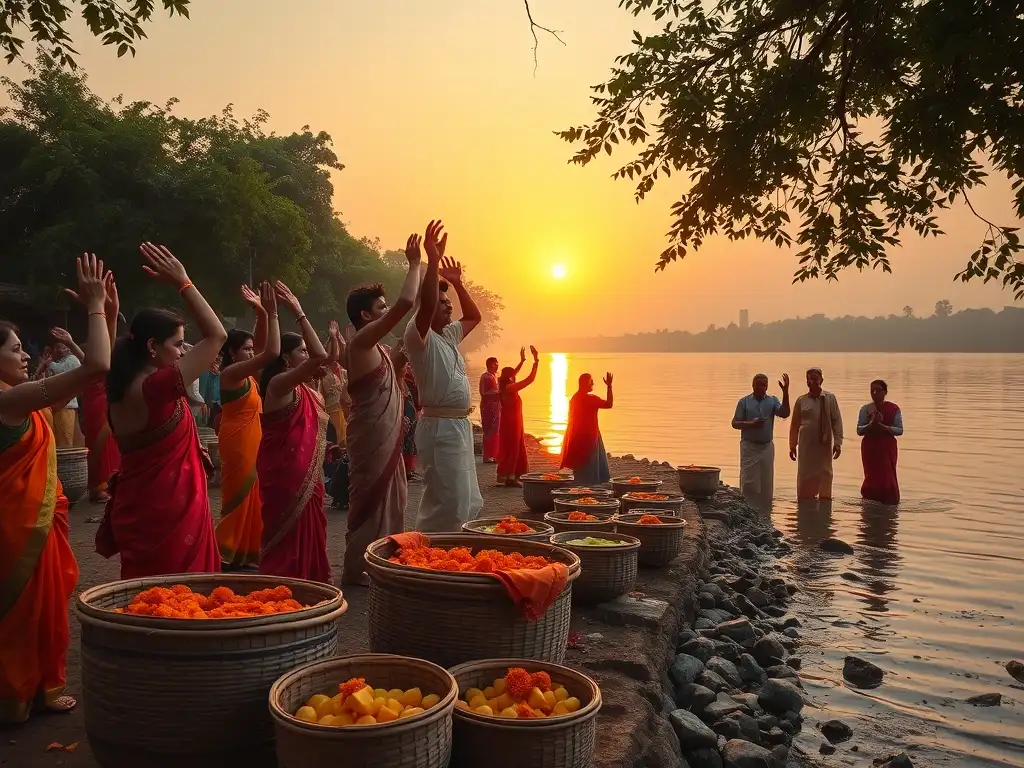
Chhath Puja stands as a remarkable testament to the enduring cultural significance of ancient Indian rituals. This festival, dedicated to the Sun God, Surya, is not merely a celebration but a profound expression of gratitude and reverence for nature and its life-giving forces. The practices and traditions surrounding Chhath Puja encapsulate the spiritual, social, and cultural fabric of the communities that observe it, particularly in the regions of Bihar, Jharkhand, and Uttar Pradesh.
The rituals performed during Chhath Puja, from the rigorous fasting to the offerings made at sunrise and sunset, highlight the deep connection between the devotees and the celestial bodies. This connection harks back to ancient beliefs that emphasized the Sun's vital role in sustaining life on Earth. Consequently, the cultural significance of Chhath Puja extends beyond mere observance; it acts as a bridge between the past and present, allowing modern generations to connect with their heritage.
Reflections on the Importance of Chhath Puja in Modern Times
As society evolves, the rituals of Chhath Puja remain a vibrant part of the cultural landscape. In modern times, this festival has not only retained its traditional essence but has also adapted to contemporary contexts. The communal aspect of Chhath Puja fosters unity among diverse groups, bringing people together regardless of their backgrounds.
The festival serves as a reminder of the values of discipline, respect for nature, and familial bonds. Many families use this occasion to strengthen ties and celebrate their cultural identity. Additionally, Chhath Puja has gained recognition beyond regional boundaries, attracting participants from various parts of India and the diaspora, thus highlighting its universal appeal and relevance.
In urban settings, the celebration of Chhath Puja has taken on a new dimension, with community gatherings, organized events, and public celebrations that engage a wider audience. This shift reflects a growing awareness and appreciation of cultural heritage among younger generations, who seek to understand and participate in traditions that define their identity.
Future of Chhath Puja and Its Cultural Relevance
Looking ahead, the future of Chhath Puja appears bright, with potential for further cultural exchange and appreciation. As globalization continues to influence local traditions, Chhath Puja can serve as a model for how ancient practices can coexist with modern lifestyles.
The festival's environmental significance, particularly its emphasis on water conservation and ecological awareness through rituals like the immersion of offerings, aligns with contemporary sustainability movements. This aspect can inspire new generations to embrace and promote ecological responsibility as part of their cultural practices.
Moreover, the digital age presents opportunities for Chhath Puja to reach a global audience. Social media platforms enable people to share their experiences, rituals, and the rich narratives surrounding the festival, thus fostering a sense of community among devotees worldwide.
The cultural significance of Chhath Puja is not only a reflection of ancient traditions but also a dynamic practice that continues to evolve. Its ability to adapt while retaining core values ensures that this festival remains relevant and revered, celebrating the timeless bond between humanity and the celestial forces that govern life.
Frequently Asked Questions
What is Chhath Puja?
Chhath Puja is a Hindu festival dedicated to the worship of the Sun God, Surya, and his wife, Usha. It is celebrated primarily in the Bihar, Jharkhand, and Uttar Pradesh regions of India.
Why is Chhath Puja important in ancient Indian history?
The festival has deep cultural significance, reflecting the solar worship traditions that date back to ancient Indian civilizations. It showcases the harmonious relationship between nature and humanity.
What rituals are performed during Chhath Puja?
Rituals include fasting, offering prayers at sunrise and sunset, and preparing special offerings, such as thekua and fruits. Devotees often perform these rituals near water bodies.
How does Chhath Puja promote community bonding?
Chhath Puja fosters a sense of community and togetherness as families and neighbors come together to celebrate. It encourages collective participation in rituals, enhancing social ties.
What are some unique aspects of Chhath Puja?
Unlike many other Hindu festivals, Chhath Puja involves no idol worship. It focuses on nature and the elements, emphasizing the importance of gratitude towards the sun for sustenance and health.
Final Reflection: Embracing the Cultural Significance of Chhath Puja
The rituals of Chhath Puja are not merely ceremonial acts; they embody a profound connection between spirituality and community that resonates deeply in today's world. As we navigate through the complexities of modern life, the essence of Chhath Puja serves as a reminder of the importance of gratitude, respect for nature, and the bonds that unite us. This ancient festival, celebrated with fervor and devotion, highlights the timeless values that continue to shape our cultural identity.
The cultural significance of Chhath Puja extends beyond its rituals; it is a celebration of resilience, unity, and reverence for the environment. Each year, families come together, transcending geographical boundaries to honor the Sun God and express their hopes and aspirations. This collective experience fosters a sense of belonging and strengthens community ties. As Mahatma Gandhi once said, "> The best way to find yourself is to lose yourself in the service of others." This quote encapsulates the spirit of Chhath Puja, where selflessness and devotion pave the way for personal and communal growth.
As you reflect on the lessons of Chhath Puja, consider how you can incorporate its values into your daily life. Take a moment to appreciate the natural world around you, nurture your relationships, and express gratitude for the blessings you have. Let the spirit of Chhath Puja inspire you to create meaningful connections and cultivate a deeper understanding of your cultural heritage. In doing so, you not only honor the traditions of the past but also pave the way for a more harmonious future.
Embrace the Spirit of Chhath Puja Today!
Thank you for joining us on this enriching journey into the heart of Chhath Puja. We hope you’ve gained valuable insights into the significance of sun worship and its profound cultural impact. Now, let's take that knowledge to the next level with actionable steps you can embrace today!
- Participate in Your Local Festival: Seek out nearby Chhath Puja celebrations and immerse yourself in the community traditions. Don't just observe, engage!
- Share the Knowledge: Discuss the significance of Chhath Puja with friends and family, or share this article on your social media platforms to spread awareness about this vibrant festival.
- Create Your Own Ritual: Consider incorporating elements of sun worship into your daily routine, even outside of the festival. For example, a morning gratitude practice facing the sun could brighten your day.
As you reflect on the beauty of this celebration, we invite you to ponder: How can you incorporate the values of gratitude and community from Chhath Puja into your everyday life?