
Legendary Battles of Ancient India: Stories of Valor and Strategy

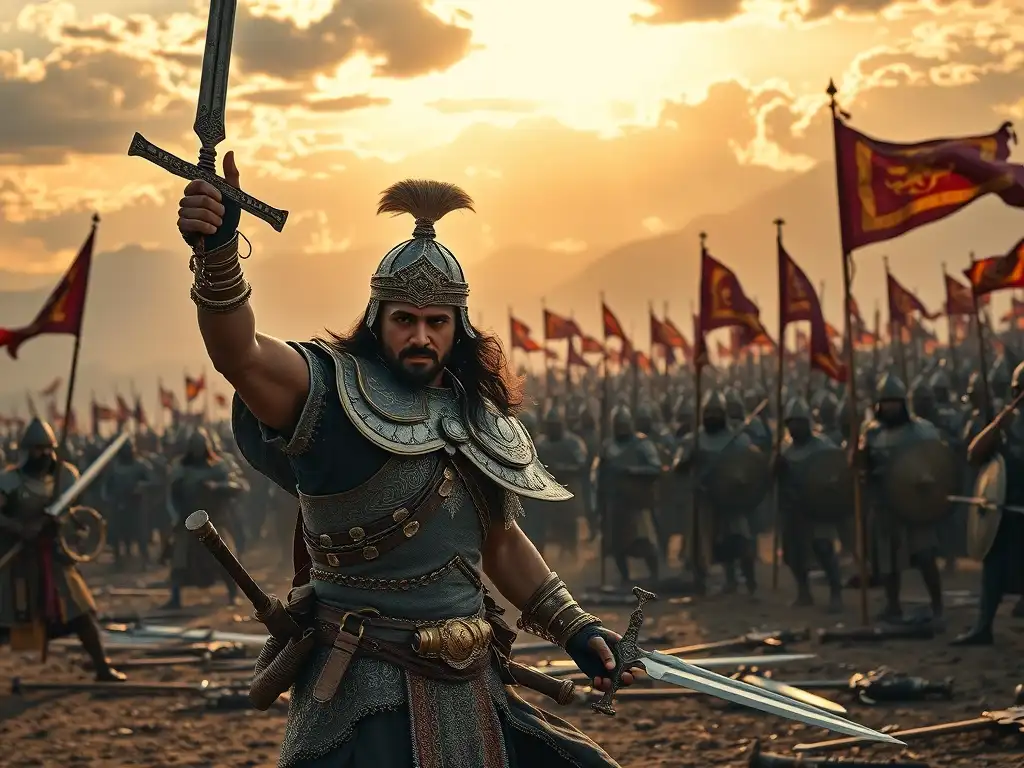
Welcome to Ancient India History, where we take you on a captivating journey through the rich tapestry of India's past. In this exploration, we delve into the legendary battles of ancient India, tales that echo with valor, strategy, and the indomitable spirit of warriors. From the fierce confrontations of the Indus Valley civilization to the strategic brilliance of the Gupta Empire, these stories not only highlight military prowess but also illuminate the cultural significance behind each conflict.
Prepare to unlock the mysteries and insights of a time that shaped a civilization, as you embark on a compelling adventure through the annals of military history. Let the stories of heroism and tactical genius inspire your curiosity—dive deeper to uncover the legends that defined an era!
- Introduction to Legendary Battles of Ancient India
- The Indus Valley Civilization and Early Warfare
- The Vedic Period: Battles and Strategies
- The Maurya Empire: A New Era of Conquest
- The Gupta Empire: Golden Age of Warfare
- The Role of Mythology in Ancient Indian Warfare
- The Decline of Ancient Indian Warfare
- Conclusion
-
Frequently Asked Questions
- What were some of the most significant legendary battles in ancient India?
- How did valor and strategy play a role in these battles?
- What were the outcomes of these legendary battles?
- How did these battles influence Indian culture?
- Where can I learn more about the historical context of these battles?
- Final Reflection: The Enduring Legacy of Valor and Strategy in Ancient India
- Unleash the Warrior Within: Take Action Now!
Introduction to Legendary Battles of Ancient India
The history of ancient India is richly woven with tales of valor and strategy, where legendary battles not only shaped the destinies of empires but also reflected the intricate tapestry of culture, philosophy, and social organization. From the formidable armies of the Indus Valley Civilization to the strategic brilliance of the Gupta Empire, the military engagements in ancient India were characterized by a profound understanding of warfare, which encompassed tactics, chivalry, and the art of negotiation.
This article delves into the epic confrontations that defined ancient Indian warfare, exploring the significance of these battles and the remarkable strategies employed by various civilizations. As we navigate through these historical narratives, we will uncover the valor of warriors, the complexities of ancient military doctrines, and the enduring legacy of these legendary battles in shaping Indian history.
Importance of Warfare in Ancient Indian History
Warfare played a pivotal role in the evolution of ancient Indian societies, influencing political structures, territorial boundaries, and cultural exchanges. The significance of warfare can be observed through several key aspects:
- Political Power and Control: Battles were often fought to establish or expand dominion over regions. Conquests led to the formation of vast empires, such as the Maurya and Gupta dynasties, which were instrumental in unifying diverse cultures under a centralized authority.
- Cultural Exchange and Influence: Armed conflicts frequently facilitated the exchange of ideas, technologies, and trade. For instance, interactions between warring states often resulted in the assimilation of artistic styles, religious beliefs, and military techniques from conquered territories.
- Military Innovations: The necessity of effective warfare led to the development of advanced military strategies and technologies. Ancient texts such as the Arthashastra, attributed to Chanakya, provide insights into the strategic thought processes and logistical planning that characterized ancient Indian military operations.
- Heroism and Legacy: Legendary battles contributed to the cultural ethos of heroism and valor. Stories of legendary figures like Arjuna from the Mahabharata not only served as moral lessons but also inspired generations to honor their heritage of courage and sacrifice.
Overview of Ancient Indian Civilizations and Their Military Strategies
The military history of ancient India encompasses a variety of civilizations, each with distinct strategies and approaches to warfare. Here are some notable examples:
- Indus Valley Civilization: Although direct evidence of warfare is limited, archaeological findings suggest that cities like Mohenjo-Daro had fortified structures, indicating some level of military preparedness.
- Maurya Empire: Under Chandragupta Maurya and his successor Ashoka, the Mauryan military was renowned for its organization and use of war elephants. The strategic deployment of these formidable beasts in battles like the Kalinga War showcased a blend of brute strength and tactical acumen.
- Gupta Empire: Often referred to as the Golden Age of India, the Gupta period witnessed sophisticated military strategies that included the use of cavalry, infantry, and advanced archery techniques. The Gupta rulers emphasized not only military prowess but also diplomatic strategies, often engaging in alliances to strengthen their positions.
- South Indian Kingdoms: Kingdoms like the Chola and Pandya dynasties were known for their naval strength, enabling them to control trade routes. Their military campaigns extended beyond the Indian subcontinent, reflecting a comprehensive approach to warfare that included both land and sea strategies.
Through these various civilizations, ancient Indian warfare emerged as a complex interplay of strategy, technology, and cultural identity, setting the stage for the legendary battles that would come to define its rich historical narrative.
The Indus Valley Civilization and Early Warfare
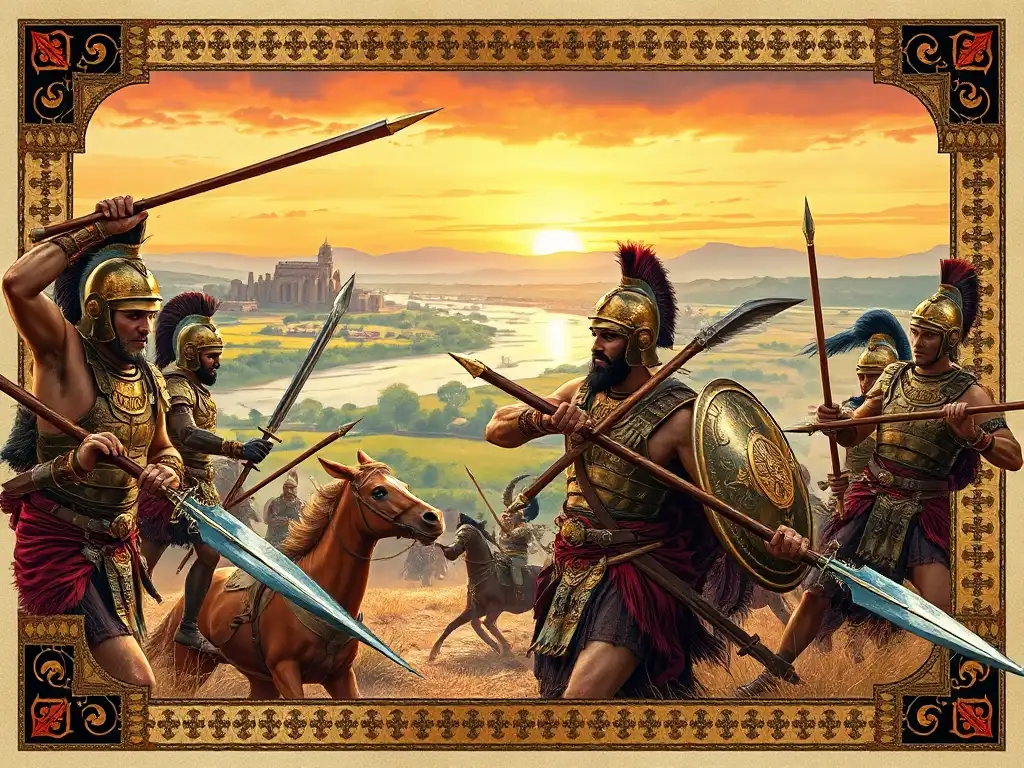
The Indus Valley Civilization (IVC), flourishing between 3300 BCE and 1300 BCE, is renowned for its advanced urban planning, trade networks, and cultural achievements. While the civilization is often celebrated for its peaceful attributes, evidence suggests that warfare and military organization were integral to its societal framework. The strategic location of the IVC, with access to the Indus River and proximity to the Himalayas, played a crucial role in its defense and military strategy.
Military Structure and Defense Mechanisms
The military structure of the Indus Valley Civilization, though not as extensively documented as later Indian empires, can be inferred from archaeological findings. The cities of Harappa and Mohenjo-Daro exhibit features that suggest a level of military organization:
- Fortifications: Many IVC cities were equipped with massive walls, built from baked bricks, indicating a need for defense against potential invaders. These fortifications were not only for protection but also served as a symbol of power.
- Strategic Location: The cities were often situated near rivers, which provided both a resource for agriculture and a natural barrier against invaders. The Indus River offered a route for trade and communication, enhancing the civilization's ability to mobilize resources and troops.
- Weapons and Tools: Archaeological excavations have uncovered tools and artifacts that hint at a martial culture. Copper and bronze weapons like daggers, swords, and arrowheads indicate that the IVC had a degree of technological advancement in warfare.
- Military Leadership: While specific leaders are not documented, the hierarchical nature of IVC society suggests the presence of military leaders or chiefs who would have commanded forces during conflicts.
Notable Conflicts and Their Impact on Society
While specific battles from the Indus Valley Civilization are not well-documented, the existence of fortified cities and military artifacts suggests that conflicts occurred, likely driven by competition over resources, trade routes, and territorial expansion. The impacts of these conflicts on society can be analyzed through various lenses:
- Social Structure: Warfare likely contributed to the stratification of society, with military leaders gaining prominence and wealth. This would have resulted in the consolidation of power among certain classes, influencing the political landscape.
- Trade Relations: Conflicts may have disrupted trade networks, impacting the economy. Conversely, successful military campaigns could have expanded trade routes, facilitating cultural exchange and economic growth.
- Cultural Exchange: Interaction with neighboring regions, whether through conflict or diplomacy, would have led to cultural diffusion. This is evidenced by the spread of artifacts and techniques across regions, indicating a complex interplay between warfare and cultural development.
- Decline of the Civilization: The eventual decline of the IVC around 1300 BCE may have been influenced by a combination of factors, including climate change, resource depletion, and possible invasions. The effects of warfare in the region could have contributed to destabilizing the society, leading to its eventual fragmentation.
While the Indus Valley Civilization is often characterized by its achievements in urbanization and trade, the evidence of military structure and conflict underscores the complexity of its society. The legendary battles of ancient India began with these early civilizations, setting the stage for the military history that would follow in subsequent empires.
The Vedic Period: Battles and Strategies
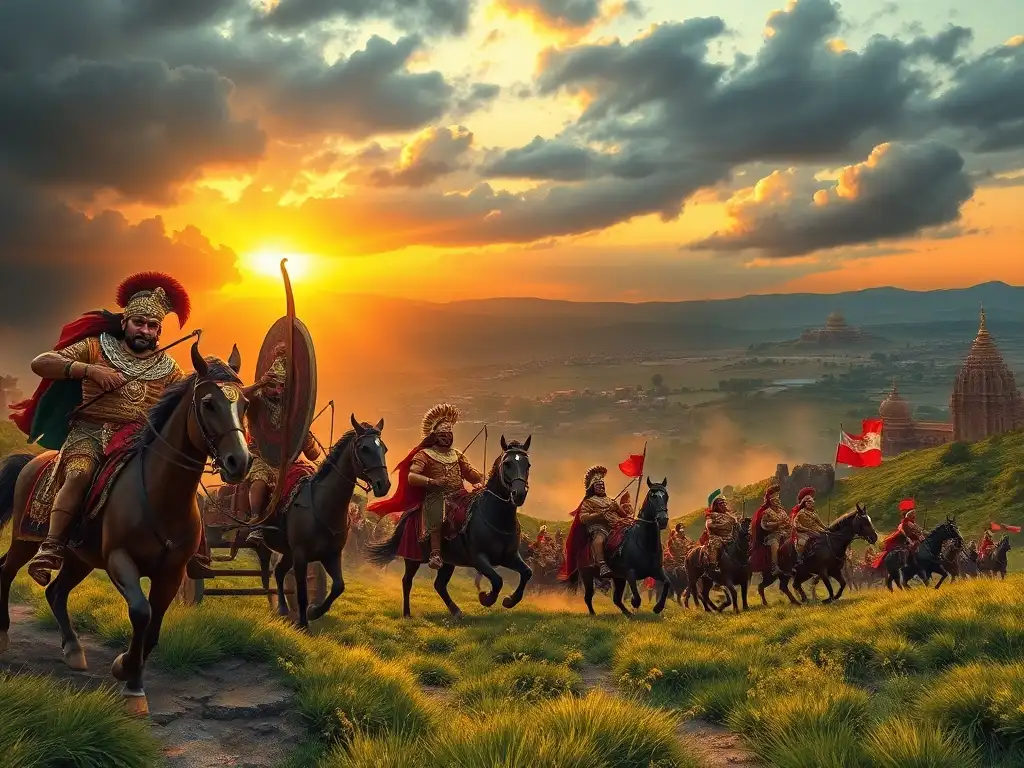
The Vedic Period, spanning from approximately 1500 BCE to 500 BCE, is characterized by the emergence of distinct societal structures, including the varna system, which played a critical role in shaping warfare during this time. The battles fought during this era were not merely conflicts for territory, but also contests of honor, dharma, and the assertion of power among the tribes.
The Role of Kshatriyas in Warfare
The Kshatriyas, one of the four main varnas in ancient Indian society, were primarily responsible for military duties and governance. Their role in warfare was multifaceted, encompassing not only the act of fighting but also the strategic planning and leadership of military campaigns. The Kshatriyas were expected to uphold dharma, which included protecting their subjects and maintaining order within their realms.
Key responsibilities included:
- Military Leadership: Kshatriyas often led their armies into battle, wielding authority and inspiring valor among their troops.
- Training and Strategy: They were expected to be well-versed in martial arts, weaponry, and battlefield tactics, ensuring their armies were both disciplined and effective.
- Defense and Expansion: Kshatriyas defended their territories from invasions while also seeking to expand their influence through conquests.
This warrior class not only fought on the battlefield but also played a crucial role in the socio-political landscape of Vedic society, emphasizing the importance of valor and strategy in ancient Indian warfare.
Key Battles: The Battle of the Ten Kings
One of the most notable conflicts during the Vedic Period is the Battle of the Ten Kings ( Dasarajna), which is described in the Rigveda. This battle illustrates the complexities of tribal alliances and the strategic maneuvering that defined warfare at the time.
- Participants: The battle was fought between the Bharata tribe, led by King Sudas, and a coalition of ten other tribes, including the Purus, Druhyus, and others.
- Location: The exact location is debated, but it is generally believed to have taken place near the Ravi River.
- Outcome: The Bharatas emerged victorious, which not only solidified Sudas's power but also marked the beginning of the rise of the Bharata dynasty.
The significance of this battle extends beyond its immediate outcome; it represented a shift in power dynamics among the tribes of ancient India and set the stage for future conflicts and alliances.
Analysis of Warfare Tactics Used
The tactics employed during the Vedic Period, particularly in the Battle of the Ten Kings, reveal a sophisticated understanding of warfare. Key strategies included:
- Chariots and Cavalry: The use of chariots was a defining feature of warfare in this era. They provided mobility and allowed for quick strikes against enemy formations.
- Formation and Discipline: Armies were often organized into specific formations, and maintaining discipline was crucial for success. The Bharata army, for instance, was noted for its cohesion and strategic maneuvers.
- Intelligence and Alliances: Gathering intelligence about enemy movements and forging alliances with other tribes were essential tactics. The Bharatas managed to outmaneuver their opponents by anticipating their strategies and forming temporary alliances when necessary.
These tactics highlight the blend of physical prowess and strategic acumen that characterized warfare during the Vedic Period, laying the groundwork for the military practices that would evolve in subsequent ages.
The battles of the Vedic Period, particularly the Battle of the Ten Kings, showcase not only the martial prowess of the Kshatriyas but also the rich tapestry of strategic thought that underpinned ancient Indian warfare. The legacy of these legendary battles continues to influence the understanding of military history in ancient India.
The Maurya Empire: A New Era of Conquest
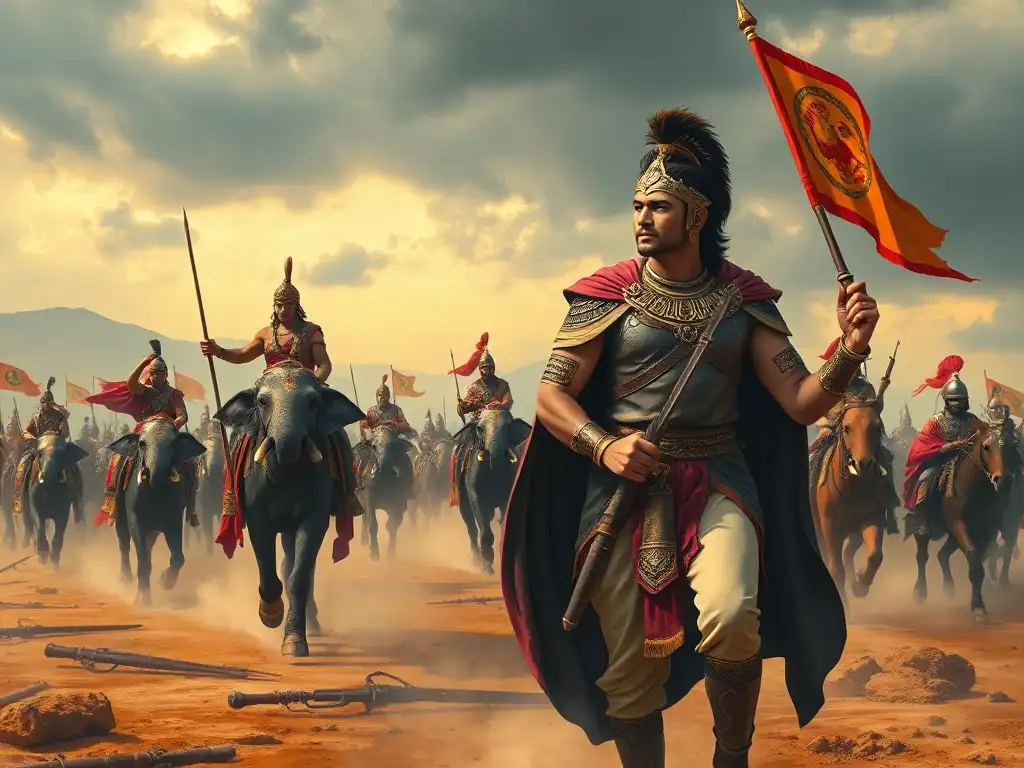
The Maurya Empire, established in 322 BCE, marked a significant turning point in Indian history. Under the leadership of Chandragupta Maurya, this empire not only unified a fragmented India but also introduced a new era of military strategy and governance. The Maurya Empire expanded rapidly, utilizing a combination of military prowess and diplomatic acumen to conquer vast territories.
The empire is often credited with creating one of the largest and most powerful empires in ancient India, stretching from the northwestern regions of the subcontinent to parts of modern-day Bangladesh. This unification laid the groundwork for future empires and significantly influenced the socio-political landscape of the region.
Chandragupta Maurya: The Unifier of India
Chandragupta Maurya, the founder of the Maurya Empire, is renowned for his strategic mind and leadership qualities. He began his journey by overthrowing the Nanda Dynasty, which had ruled over parts of northern India. With the guidance of his mentor, Chanakya, a learned Brahmin and political strategist, Chandragupta developed a formidable army and employed innovative military tactics.
- Key Strategies:
- Alliance Building: Chandragupta formed alliances with local rulers and influential families to strengthen his position.
- Guerrilla Warfare: Employing unconventional tactics, he effectively disrupted larger forces, making his military campaigns more efficient.
- Intelligence Networks: Strategic espionage helped Chandragupta gather critical information about enemy movements and weaknesses.
Chandragupta’s reign established a centralized administration, which was crucial for managing his expansive empire. His policies promoted trade, agriculture, and cultural exchange, contributing to the prosperity of the Maurya Empire.
Legendary Battles: Kalinga War
The Kalinga War, fought around 261 BCE, stands out as one of the most legendary battles of ancient India. This conflict between the Maurya Empire and the Kalinga state was not only a significant military engagement but also a transformative moment for Emperor Ashoka, Chandragupta's grandson.
- Significance of the Kalinga War:
- Military Expansion: The war marked the Maurya Empire's expansion into eastern India, incorporating Kalinga's rich resources and strategic coastline.
- Moral Turning Point: The enormous loss of life and suffering witnessed during this war profoundly impacted Ashoka's philosophy and approach to governance.
Causes and Consequences of the Kalinga War
The Kalinga War arose from multiple factors, including territorial ambitions, economic interests, and the desire to establish dominance over the region.
- Causes:
- Strategic Location: Kalinga's geographical position made it vital for trade and military routes.
- Economic Resources: The region was rich in resources, including fertile land and access to maritime trade, attracting Mauryan interest.
- Political Unrest: Kalinga was fragmented, and Ashoka sought to unify these territories under Mauryan rule.
- Consequences:
- Devastation and Loss: The war led to significant casualties, with estimates suggesting over 100,000 soldiers and civilians lost their lives.
- Ashoka’s Transformation: The aftermath of the war prompted Ashoka to embrace Buddhism, leading him to renounce violence and promote non-violence.
- Edicts of Ashoka: Following the war, Ashoka issued edicts encouraging moral conduct and social welfare, emphasizing principles of dharma (righteousness).
Strategies Employed by Ashoka
Ashoka, unlike his grandfather, adopted a distinctive approach to warfare and governance after the Kalinga War. His strategies reflected a fundamental shift in focus from conquest to consolidation and ethical administration.
- Diplomatic Engagement: Post-war, Ashoka preferred diplomacy over military action, forging alliances and promoting peace with neighboring states.
- Cultural Integration: He encouraged the spread of Buddhism, which emphasized compassion and non-violence, reinforcing his commitment to a more humane governance model.
- Public Welfare Initiatives: Ashoka invested in infrastructure, including roads, hospitals, and educational institutions, enhancing the quality of life for his subjects and fostering loyalty.
The Kalinga War and Ashoka's subsequent policies epitomize the legendary battles of ancient India, demonstrating how warfare can lead to profound transformations in leadership and societal values. The legacy of the Maurya Empire continues to influence Indian culture and governance to this day.
The Gupta Empire: Golden Age of Warfare
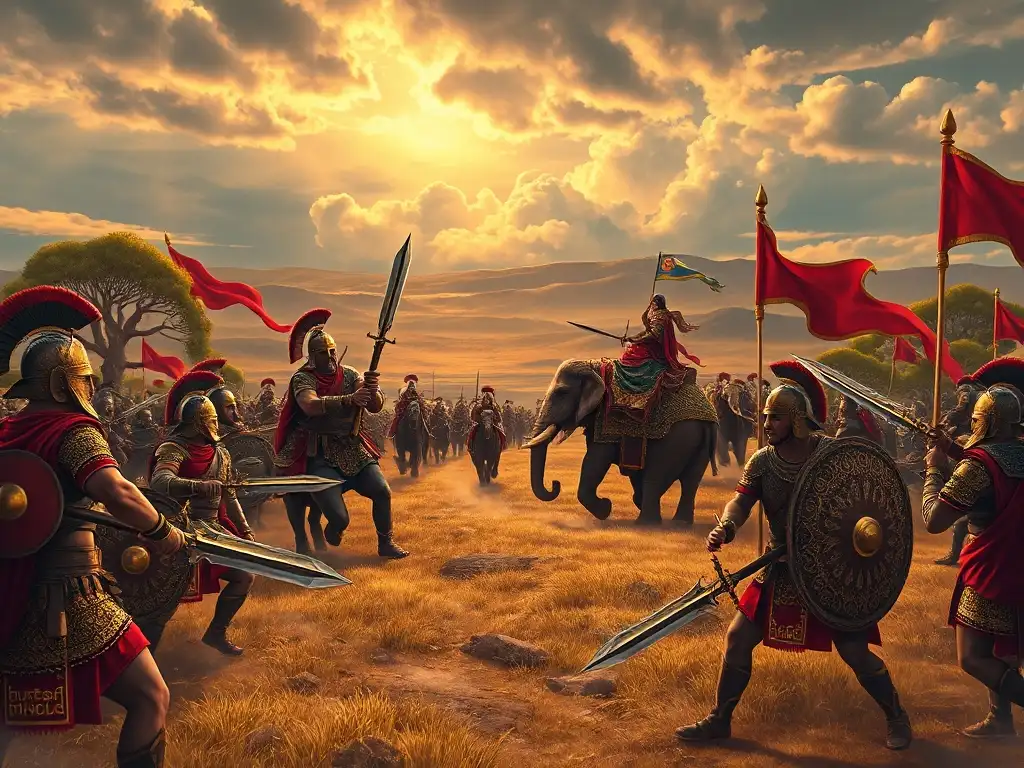
The Gupta Empire, which flourished from approximately 320 to 550 CE, is often referred to as the Golden Age of India due to its remarkable achievements in various fields, including art, science, and philosophy. However, the military prowess of the Guptas is equally noteworthy, as they employed innovative strategies and technologies that shaped the course of ancient Indian warfare.
The Gupta military system was characterized by its use of cavalry, elephants, and infantry, alongside the development of advanced weapons and strategic formations. This comprehensive approach to warfare allowed the Guptas to protect their expansive territory and engage in successful campaigns against rival kingdoms, demonstrating the sophisticated nature of their military organization.
Military Innovations and Strategies
The military innovations of the Gupta Empire played a crucial role in their success on the battlefield. The Guptas were pioneers in several areas:
- Cavalry Tactics: The Gupta cavalry was well-trained and utilized in flanking maneuvers, allowing them to outpace and outmaneuver their enemies. Their horsemen were equipped with bows and arrows, enabling them to engage foes effectively from a distance.
- War Elephants: The use of elephants in warfare was a hallmark of Gupta military strategy. These formidable beasts not only provided a psychological advantage but also served as mobile platforms for archers and warriors, creating chaos within enemy ranks.
- Fortifications and Siege Techniques: The Guptas constructed strong fortifications and developed advanced siege tactics, allowing them to defend their territories and effectively conduct sieges against fortified cities.
- Naval Warfare: Although less documented, there is evidence suggesting the Guptas also engaged in limited naval operations, which helped secure trade routes and facilitate maritime commerce.
The combination of these innovative strategies and technologies made the Gupta military a formidable force during its time, solidifying its reputation in the legendary battles of ancient India.
Iconic Battles: The Battle of the Durgama
The Battle of the Durgama is one of the most iconic confrontations during the Gupta Empire, showcasing their military ingenuity and the valor of their leaders. This battle, fought against the powerful Vakataka dynasty, was pivotal in establishing Gupta dominance in the region.
Leadership and Valor in Battle
The leadership displayed during the Battle of the Durgama epitomized the courage and strategic acumen of Gupta generals. The commander, known for his tactical brilliance, executed a series of well-planned maneuvers that capitalized on the terrain and the elements of surprise.
- Strategic Positioning: The Guptas adeptly chose the battlefield, leveraging the geographical advantages to counter the Vakataka forces. This positioning allowed them to create bottlenecks and ambush points, effectively neutralizing the enemy’s numerical superiority.
- Heroic Acts: Accounts of individual valor emerged from this conflict, with several Gupta warriors distinguishing themselves through acts of bravery that inspired their comrades. These stories became legendary, echoing through generations and contributing to the cultural memory of the Gupta Empire.
The leadership and valor displayed during the Battle of the Durgama not only secured a significant victory but also cemented the Gupta Empire’s reputation as a dominant military power.
Effects on Gupta Expansion
The outcome of the Battle of the Durgama had far-reaching implications for the Gupta Empire, significantly influencing its expansion and consolidation of power.
- Territorial Gains: The victory over the Vakatakas opened new territories for the Guptas, enabling them to expand their influence across central India. This expansion allowed for the integration of diverse cultures and resources into the Gupta Empire, further enhancing its richness.
- Political Prestige: Winning such a crucial battle elevated the political stature of the Gupta rulers, fostering alliances with neighboring states and deterring potential aggressors. The display of military strength contributed to the perception of the Gupta Empire as a formidable force in ancient India.
- Cultural Exchange: The expansion following the battle facilitated cultural interactions, leading to increased trade and the exchange of ideas. This not only enriched Gupta society but also contributed to the broader cultural tapestry of ancient India.
The Battle of the Durgama stands as a testament to the military innovations, leadership, and strategic prowess of the Gupta Empire, highlighting the legendary battles of ancient India that shaped its historical trajectory.
The Role of Mythology in Ancient Indian Warfare
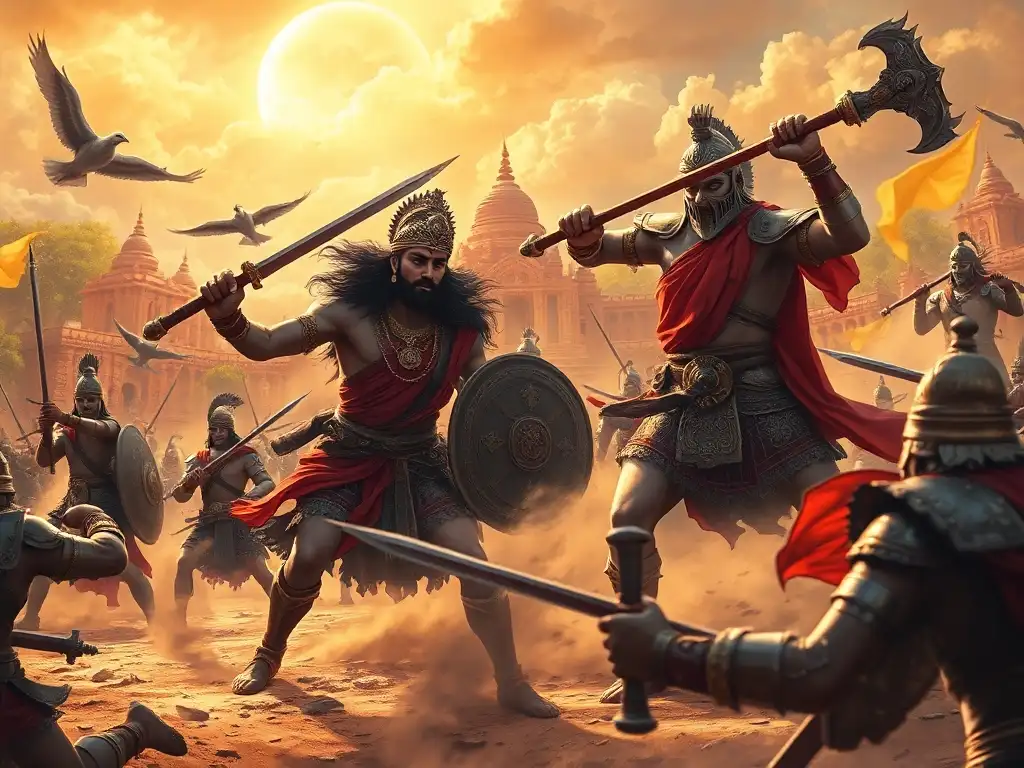
Mythology played a crucial role in shaping the military strategies and warfare practices of ancient India. It provided not only a narrative framework for understanding conflicts but also a set of moral and ethical guidelines that influenced leaders and warriors. The epics and legends of ancient India, particularly the Ramayana and Mahabharata, served as both inspiration and cautionary tales for military leaders. This intertwining of mythology and warfare helped to cultivate a rich tradition of valor, honor, and strategy that defined ancient Indian civilization.
How Epics Influenced Military Tactics: The Mahabharata
The Mahabharata, one of the longest epic poems in the world, offers profound insights into ancient Indian military tactics and strategies. The epic's narrative revolves around the Kurukshetra War, a colossal conflict between the Pandavas and Kauravas, and it reveals several strategic elements that were integral to warfare during that era.
- Divine Guidance:
- The characters in the Mahabharata frequently sought counsel from divine beings. Krishna's role as Arjuna's charioteer exemplifies the importance of spiritual guidance in decision-making during battles.
- Leaders often turned to sages and seers for prophecies and advice, which influenced their strategic choices.
- Psychological Warfare:
- The Mahabharata highlights the use of psychological tactics, such as the infamous "Gandhari's curse," which had profound impacts on morale and strategy.
- Strategies to demoralize the enemy or instill fear were prevalent, showcasing the mental aspect of warfare.
- Formation and Strategy:
- The epic describes various formations, such as the "Chakra Vyuha," illustrating advanced strategic planning.
- The tactical deployment of forces and the use of terrain were critical aspects gleaned from the narratives, influencing real-world military engagements.
Legendary Figures: Arjuna and Karna
Arjuna and Karna stand out as legendary figures within the context of ancient Indian warfare, each embodying different virtues and approaches to battle.
- Arjuna:
- As a central character in the Mahabharata, Arjuna symbolizes the ideal warrior. His skills in archery and mastery of various weapons are legendary.
- The "Bhagavad Gita," a dialogue between Krishna and Arjuna, not only outlines his internal struggles but also reflects on the moral dilemmas faced by warriors. Arjuna's commitment to dharma (righteousness) in battle serves as a guiding principle for many subsequent leaders.
- Karna:
- Karna, often portrayed as a tragic hero, represents loyalty and honor, fighting for the Kauravas despite his noble birth. His unparalleled skills as a warrior are matched only by his unwavering commitment to his friend Duryodhana.
- His character illustrates the complexities of loyalty and the consequences of choices made in the context of war. Karna's use of divine weaponry and his strategic acumen highlight the significance of both skill and ethical considerations in warfare.
Both Arjuna and Karna have left an indelible mark on the narrative of ancient Indian warfare, illustrating the interplay between personal valor, ethical quandaries, and strategic genius in the legendary battles of ancient India.
The Decline of Ancient Indian Warfare
The decline of ancient Indian warfare is a multifaceted phenomenon that encompasses various social, political, and technological factors. By examining the period from the later stages of the Gupta Empire to the onset of the medieval era, we can identify critical changes that influenced military strategies and the overall landscape of warfare in ancient India.
Factors Leading to Changes in Military Strategies
Several factors contributed to the evolution and eventual decline of ancient Indian warfare strategies:
-
Political Fragmentation:
As the Gupta Empire weakened, India experienced significant political fragmentation. Regional powers emerged, leading to a lack of unified military strategy. This decentralization made it challenging to coordinate large-scale military campaigns.
-
Shifts in Warfare Technology:
The introduction of new military technologies, such as the use of cavalry and improved archery techniques, necessitated adaptations in strategy. However, many ancient Indian kingdoms struggled to keep pace with these changes, leading to outdated tactics.
-
Economic Strain:
The cost of maintaining large armies became increasingly burdensome for many kingdoms. As trade routes shifted and economic stability waned, kings found it difficult to fund their military endeavors, resulting in smaller, less effective forces.
-
Cultural Changes:
The rise of Buddhism and Jainism promoted non-violence and pacifism, which influenced societal attitudes towards warfare. This cultural shift may have contributed to a decline in the valorization of military prowess, leading to less emphasis on training and strategy.
-
External Influences:
The interaction with neighboring regions and the introduction of new warfare doctrines from invaders and traders altered traditional practices. The adoption of foreign tactics sometimes led to confusion and inefficiency in existing military frameworks.
The Impact of Invasions on Indian Warfare
Invasions played a crucial role in shaping the military landscape of ancient India, leading to both immediate changes and long-term consequences:
-
Bactrian and Scythian Invasions:
The incursions of the Bactrians and Scythians in the 2nd century BCE brought new combat techniques and military organization. These invaders introduced heavy cavalry and more aggressive tactics, which were adopted by local rulers to counter these threats.
-
Huna Invasions:
The Huna invasions in the 5th and 6th centuries CE further destabilized the region, leading to the decline of the Gupta Empire. The Huna's swift and brutal tactics forced Indian kingdoms to adapt rapidly, often resulting in the loss of traditional warfare practices.
-
Islamic Invasions:
The arrival of Islamic armies in the 11th century marked a significant turning point in Indian warfare. The tactics employed by these invaders, including the use of siege warfare and mobile cavalry units, revolutionized military engagements in the subcontinent. This period saw the rise of fortified cities and innovative defensive strategies.
-
Cultural Exchange and Adaptation:
Each wave of invasion brought cultural exchanges that influenced military tactics. The infusion of new ideas often resulted in hybrid strategies, blending traditional Indian warfare with foreign methodologies. This adaptation sometimes weakened the indigenous military identity, leading to confusion in command and control during battles.
The decline of ancient Indian warfare was not an abrupt phenomenon but rather a gradual process influenced by several interconnected factors. From the fragmentation of political power to the impact of invasions, these changes reshaped the landscape of warfare, ultimately leading to a new era in Indian military history.
Conclusion
The legendary battles of ancient India not only narrate tales of valor and strategy but also serve as a rich tapestry that weaves together the cultural, political, and social fabric of the time. These battles, fought with unmatched bravery and intellect, reflect the complexities of ancient Indian warfare and the profound impact it had on the course of history. The stories of these heroic confrontations, from the strategic prowess displayed in the Mahabharata to the tactical maneuvers of the Mauryan Empire, resonate through the ages, illustrating the importance of military might and diplomatic acumen.
Legacy of Legendary Battles in Ancient India
The legacy of legendary battles in ancient India is multifaceted, encompassing military, cultural, and philosophical dimensions. Not only did these conflicts shape the geopolitical landscape of the subcontinent, but they also laid down principles of governance, ethics in warfare, and notions of heroism that continue to influence Indian society today.
-
Military Innovations
Ancient Indian warfare introduced various military tactics and technologies that have left a lasting legacy. Innovations such as the use of war elephants, chariots, and strategic formations like the "Chakra Vyuha" from the Mahabharata showcased sophisticated military thinking. These tactics influenced later military strategies and continue to be studied in military academies around the globe.
-
Cultural Narratives
Many legendary battles have become integral to the cultural narratives of India. The epic tales of heroism and sacrifice are immortalized in literature, art, and folklore. For example, the story of the Kurukshetra War not only serves as a historical account but also as a moral and philosophical guide, encapsulating themes of dharma (duty) and righteousness.
-
Philosophical Insights
The philosophies that emerged from these battles, particularly those articulated in texts like the Bhagavad Gita, provide profound insights into the moral complexities of war. The discussions surrounding duty, justice, and the ethics of conflict remain relevant today, influencing contemporary discourse on warfare and peace.
Reflection on the Influence of Ancient Warfare on Modern India
The influence of ancient warfare on modern India is palpable, extending beyond historical studies into the realms of national identity and military strategy. The valor and tactics of ancient warriors inspire contemporary military leaders and soldiers, instilling a sense of pride in India's rich martial heritage.
-
National Identity and Pride
The stories of legendary battles foster a sense of national pride and unity. They celebrate the bravery of warriors from diverse regions and cultures, emphasizing a collective history that transcends regional differences. This shared narrative helps to forge a cohesive national identity rooted in a glorious past.
-
Military Strategy and Doctrine
Modern Indian military strategy often draws lessons from historical battles. The emphasis on strategic depth, mobility, and the integration of various military branches can find parallels in the tactics employed by ancient Indian kingdoms. Moreover, the rich history of warfare encourages ongoing discourse on military ethics and the role of armed forces in society.
-
Cultural Celebrations
Festivals and commemorations of historical battles, such as Dussehra, keep the spirit of these legendary confrontations alive. They serve as reminders of the heroism and sacrifices made by past generations, reinforcing the importance of courage and resilience in the face of adversity.
The legendary battles of ancient India provide invaluable insights into the military prowess, cultural richness, and philosophical depth of Indian civilization. Their legacy continues to shape modern India, reminding us of the timeless values of valor, strategy, and honor.
Frequently Asked Questions
What were some of the most significant legendary battles in ancient India?
Some significant battles include the Mahabharata War, the Kalinga War, and the Battle of Tarain. Each of these battles showcases strategic brilliance and profound cultural impacts on Indian history.
How did valor and strategy play a role in these battles?
Valor and strategy were crucial in ancient Indian battles. Leaders like Arjuna and Chandragupta Maurya exemplified these traits, displaying courage in combat and tactical ingenuity on the battlefield.
What were the outcomes of these legendary battles?
The outcomes varied, with some battles leading to great empires' rise, such as the Mauryan Empire, while others resulted in significant losses and changes in regional power dynamics, like the Kalinga War's aftermath.
How did these battles influence Indian culture?
These battles influenced Indian culture by instilling values of bravery, honor, and sacrifice, which are reflected in literature, art, and folklore throughout Indian history.
Where can I learn more about the historical context of these battles?
You can explore detailed accounts and analyses of these battles on resources like Ancient India History, which provides insights into the rich cultural heritage and strategic significance of ancient conflicts.
Final Reflection: The Enduring Legacy of Valor and Strategy in Ancient India
The legendary battles of ancient India not only shaped the course of history but also continue to resonate with us today, reminding us of the profound impact of courage and strategic thinking. As we delve into the tales of valor and strategy, we uncover lessons that transcend time, offering insights into leadership, resilience, and the human spirit's capacity to overcome adversity. The stories of these battles echo through the ages, serving as a testament to the strength and ingenuity of those who fought for their beliefs and their land.
The influence of these legendary battles extends far beyond the pages of history; they have woven themselves into the cultural fabric of India, inspiring generations to honor their heritage and values. The narratives of warriors like Arjuna and Bhishma, and the strategies employed in battles such as the Mahabharata, continue to inspire not just historians and scholars, but also artists, filmmakers, and storytellers. As Mahatma Gandhi once said, “The history of India is the history of a great civilization,” reminding us that the valor displayed in these battles is a reflection of the enduring spirit of the Indian people.
As we reflect on these legendary battles, let us draw inspiration from the courage and strategic brilliance that defined them. I invite you to explore these stories in your own life, embracing the lessons of bravery and wisdom they impart. Whether facing personal challenges or navigating the complexities of modern society, remember that the spirit of these ancient warriors lives on within us. Let their tales guide you to act with integrity, think strategically, and face your battles with unwavering resolve.
Unleash the Warrior Within: Take Action Now!
Thank you for diving into the inspiring world of India's legendary battles! You've explored tales of valor and strategy that shaped history—now it's time to embrace that spirit of courage in your own life. Here’s how you can transform inspiration into action:
- Explore deeper: Choose a legendary battle that resonated with you and research its broader impact on modern India. Document your findings and share them on social media to inspire others.
- Connect with history enthusiasts: Join or initiate a local discussion group focused on historical battles—exchange stories, perspectives, and strategies that resonate with the group.
- Re-enact a strategy: Challenge yourself and friends to recreate a famous battle strategy through teamwork in a fun, interactive way, perhaps in a game or historical workshop.
What battle strategy or story of valor inspires you the most, and how could it influence your actions today? Share your thoughts below!