
Exploring the Legacy of Northern India's Great Kings: Ashoka, Chandragupta, and Beyond


Welcome to Ancient India History, where we embark on an enthralling journey through the rich tapestry of India's past. In our featured article, Exploring the Legacy of Northern India's Great Kings: Ashoka, Chandragupta, and Beyond, we delve into the remarkable stories and contributions of legendary rulers who shaped the very fabric of civilization. From the iconic edicts of Ashoka to the strategic brilliance of Chandragupta, discover how these monarchs not only defined their era but also left an indelible mark on history. Are you ready to uncover the secrets of their enduring legacies? Let your exploration begin!
-
Exploring the Legacy of Northern India's Great Kings
- Introduction to the Legacy of Northern Indian Kings
- Overview of Northern India's Historical Significance
- Importance of Kings in Shaping Ancient Indian Civilization
- The Great Kings of Northern India
- The Impact of Northern Indian Kings on Culture and Society
- Comparative Analysis of the Legacies of Ashoka and Chandragupta
- The Legacy of Subsequent Northern Indian Dynasties
- Conclusion: The Enduring Legacy of Northern Indian Kings
- Further Reading on the Legacy of Northern Indian Kings
-
Frequently Asked Questions
- What is the legacy of Northern Indian kings like Ashoka and Chandragupta?
- How did Ashoka promote Buddhism in his reign?
- What were the achievements of Chandragupta Maurya?
- In what ways did the Gupta Empire contribute to India's cultural and scientific advancements?
- Why is the study of the legacy of Northern Indian kings important today?
- Final Reflection: Embracing the Legacy of Northern Indian Kings
- Unleash the Power of Northern India's Legacy!
Exploring the Legacy of Northern India's Great Kings
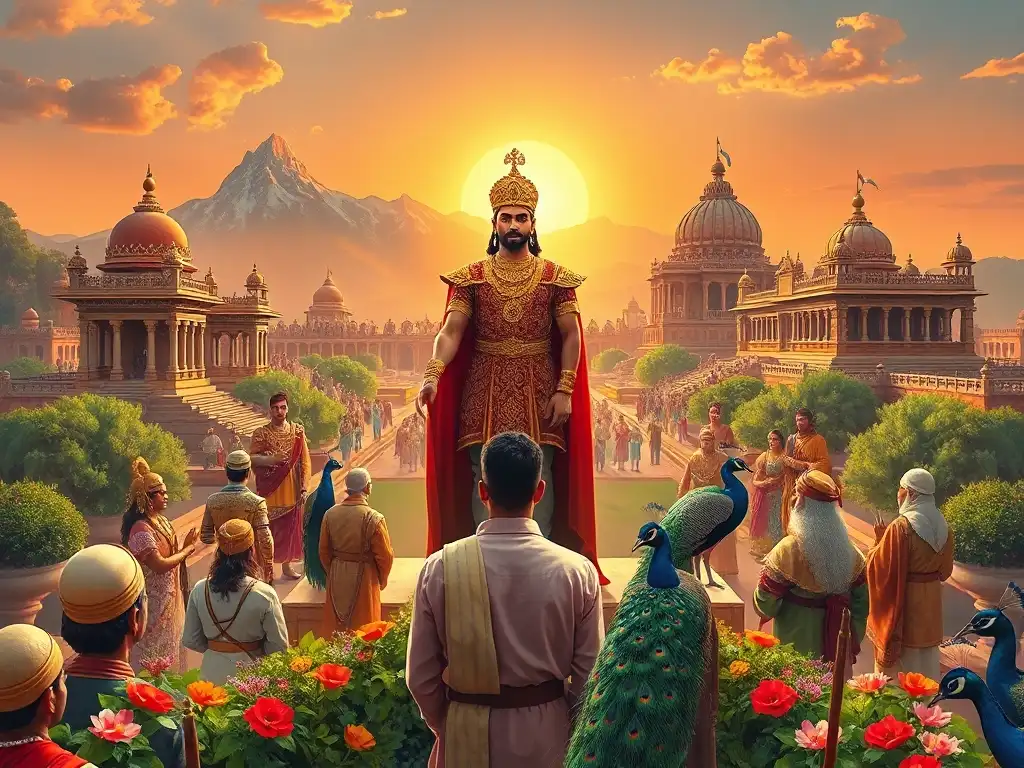
Introduction to the Legacy of Northern Indian Kings
The legacy of Northern India's great kings is a monumental chapter in the saga of ancient Indian history, showcasing how leadership, governance, and culture shaped the subcontinent. From the Indus Valley civilization to the flourishing empires of the Mauryas and Guptas, the rulers of this region played pivotal roles in establishing political structures, fostering economic prosperity, and promoting religious and philosophical thought. This article delves into the remarkable contributions of legendary figures such as Ashoka and Chandragupta Maurya, highlighting their enduring impact on Indian civilization and beyond.
Overview of Northern India's Historical Significance
Northern India has long been recognized as a cradle of civilization, rich in cultural diversity and historical significance. Key factors contributing to its prominence include:
- Geographical Advantage: The fertile plains of the Ganges and the strategic location along major trade routes facilitated commerce and cultural exchange.
- Diverse Civilizations: Home to various dynasties and cultures, Northern India has witnessed the rise and fall of many empires, each contributing unique elements to the societal fabric.
- Religious and Philosophical Hub: This region is the birthplace of major religions such as Hinduism and Buddhism, with its kings often promoting these faiths and their philosophies.
Importance of Kings in Shaping Ancient Indian Civilization
The kings of Northern India were not just rulers; they were visionaries who influenced various aspects of life. Their roles can be summarized as follows:
- Governance: Implementing systems of administration and law that provided stability and order.
- Cultural Patronage: Supporting the arts, literature, and architecture which flourished under their reign.
- Social Reform: Promoting social welfare initiatives and religious tolerance, contributing to a more unified society.
The Great Kings of Northern India
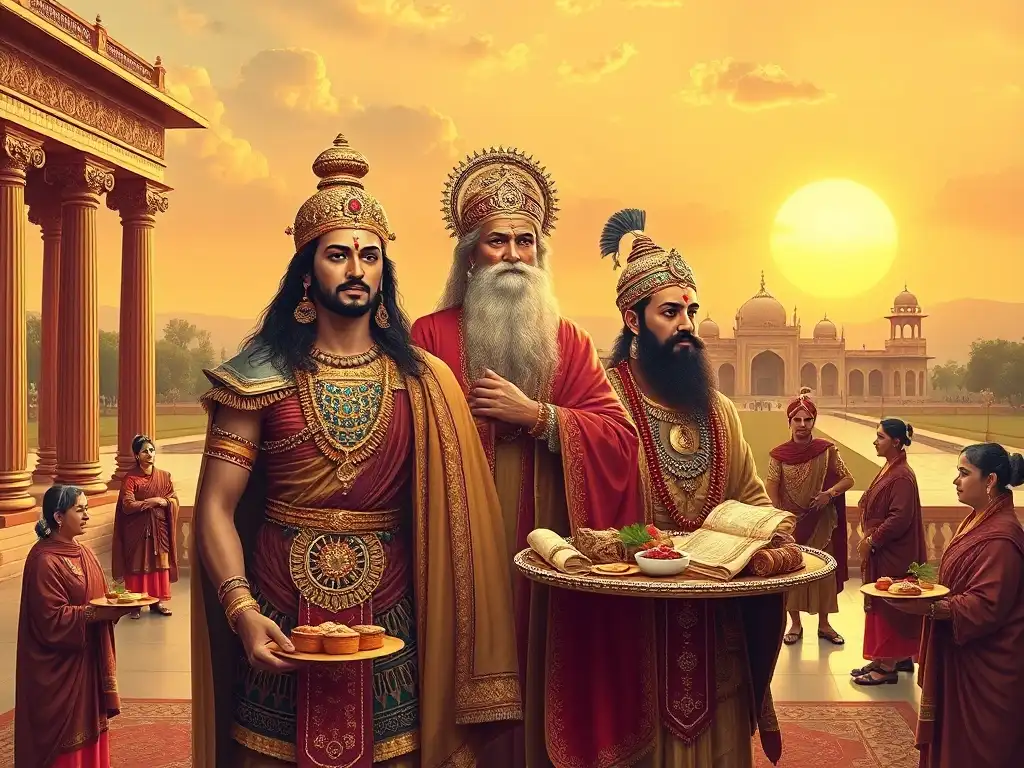
Ashoka: The Pillar of Peace and Governance
Ashoka, the third emperor of the Maurya Dynasty, is renowned for his transformative reign. After witnessing the horrors of war, particularly during the Kalinga conflict, he embraced Buddhism and adopted a policy of non-violence and compassion. Key aspects of his legacy include:
- Edicts of Ashoka: A series of inscriptions promoting ethical governance and moral conduct, inscribed on pillars and rocks across his empire.
- Buddhism Promotion: Actively spreading Buddhism, he established monasteries and sent missionaries across Asia, influencing cultures far beyond India.
- Infrastructure Development: Ashoka's initiatives in building roads, hospitals, and irrigation systems significantly improved the welfare of his subjects.
Chandragupta Maurya: The Founding Father of an Empire
Chandragupta Maurya, the founder of the Maurya Empire, is celebrated for unifying Northern India under a centralized administration. His reign marked the beginning of a new era in Indian history. His contributions include:
- Strategic Alliances: Forming alliances and employing military strategies that enabled the consolidation of various kingdoms.
- Administrative Innovation: Establishing a bureaucratic system that balanced local governance with centralized authority.
- Economic Prosperity: Promoting trade and agriculture, leading to increased wealth and stability within the empire.
Through the legacies of these kings and their impactful governance, Northern India laid the groundwork for future civilizations, leaving an indelible mark on India's historical narrative.
The Impact of Northern Indian Kings on Culture and Society
The legacy of Northern Indian kings, particularly figures such as Ashoka and Chandragupta, has had a profound and lasting impact on the culture and society of the region. Their reigns were marked by significant advancements that not only shaped the political landscape but also influenced social structures, cultural practices, and the overall ethos of ancient Indian civilization.
One of the most notable impacts was the promotion of societal welfare, exemplified by Ashoka's edicts, which emphasized moral governance and the well-being of subjects. His policies fostered an inclusive society that encouraged the welfare of all, including marginalized communities. This ethos resonated throughout the ages and laid the groundwork for future rulers to consider the implications of their governance on societal welfare.
Moreover, the kings' patronage of various art forms and cultural practices led to the flourishing of diverse traditions. They played a crucial role in the synthesis of local customs with broader Indian and even global influences, creating a rich tapestry of cultural heritage that persists today.
Architectural Achievements and Monumental Structures
The architectural achievements during the reigns of Northern Indian kings are among the most enduring symbols of their legacy. Ashoka, in particular, is renowned for his monumental structures, including the famous stupas, which served as both religious sites and symbols of his commitment to Buddhism. The Great Stupa at Sanchi stands as a testament to the architectural ingenuity of the time, featuring intricate carvings and remarkable structural design.
Additionally, the construction of pillars with edicts inscribed on them not only served as landmarks but also communicated the king's philosophies and decrees to the populace. These pillars, such as the Lion Capital of Ashoka, have become iconic representations of Indian heritage and are revered as symbols of power and moral authority.
Chandragupta Maurya, on the other hand, is credited with establishing the Mauryan Empire's capital at Pataliputra, which became a hub of political and cultural activity. The city was characterized by impressive fortifications, palaces, and public buildings, reflecting the administrative sophistication and architectural prowess of that era.
Contributions to Art, Literature, and Science
The contributions of Northern Indian kings to art, literature, and science significantly enriched the cultural landscape of ancient India. Under their patronage, various forms of art flourished, including sculpture, painting, and pottery. The intricate sculptures found at sites like Sanchi and Ajanta exemplify the artistic prowess of the period, showcasing themes from mythology and everyday life.
In literature, the period saw the emergence of texts that captured the philosophical and moral dimensions of life. The teachings of Buddhism and Jainism were documented and disseminated, influencing literary traditions that emphasized ethics and morality. Furthermore, the period witnessed the compilation of various scientific treatises that advanced knowledge in fields such as mathematics, astronomy, and medicine, laying the groundwork for future discoveries.
The cross-pollination of ideas between different regions due to trade and cultural exchanges during the Mauryan period also contributed to a vibrant intellectual environment, fostering innovation and the sharing of knowledge across communities.
The Role of Religion and Philosophy in Governance
Religion and philosophy played a pivotal role in the governance of Northern Indian kings. Ashoka's reign is particularly notable for the integration of Buddhist principles into statecraft. His commitment to Dhamma, or moral law, not only defined his leadership style but also influenced the administrative framework of his empire. By prioritizing ethical governance, Ashoka sought to create a just society where compassion and non-violence were central tenets.
Chandragupta, influenced by the teachings of Kautilya, also recognized the importance of philosophy in governance. His approach to ruling involved pragmatic strategies, as outlined in the Arthashastra, which emphasized realpolitik and the importance of statecraft. This blend of utilitarian governance with philosophical underpinnings established a comprehensive framework for managing the complexities of empire.
Both kings understood that the moral fabric of society was essential for maintaining order and stability, thus intertwining governance with religious and philosophical ideals that resonated with their subjects.
Comparative Analysis of the Legacies of Ashoka and Chandragupta
The legacies of Ashoka and Chandragupta Maurya represent two distinct, yet interrelated, facets of Northern Indian history. While both kings were instrumental in the establishment and expansion of the Mauryan Empire, their approaches to governance and the ideologies they espoused set them apart, leaving a nuanced legacy that continues to be examined by historians today.
Similarities in Leadership Styles and Governance
Despite their differing philosophies, Ashoka and Chandragupta shared several leadership qualities that defined their rule. Both kings exhibited a keen understanding of statecraft, employing strategies that emphasized the importance of strong centralized governance. They recognized the necessity of a capable administrative apparatus to manage the diverse needs of their subjects across vast territories.
Furthermore, both monarchs displayed a commitment to the well-being of their people. Ashoka’s promotion of Dhamma reflected a moral approach to leadership, while Chandragupta's policies were pragmatic, guided by the principles outlined in Kautilya's Arthashastra, which advocated for the welfare of the state through effective governance.
Differences in Philosophies and Approaches to Rule
The most striking difference between Ashoka and Chandragupta lies in their philosophical outlook and approach to rule. Ashoka's transformation after the Kalinga War marked a significant shift towards a policy of non-violence and compassion, influenced by Buddhism. His governance was characterized by an emphasis on moral authority, with a focus on ethical behavior and the promotion of peace.
In contrast, Chandragupta's reign was marked by a more pragmatic and sometimes ruthless approach. His strategies were more aligned with realpolitik, as he navigated the complexities of power through military might and political maneuvering. While he laid the foundations of a vast empire, his methods were often driven by the necessity of maintaining control rather than a philosophical commitment to ethical governance.
This dichotomy in their philosophies reflects broader themes in the history of governance, highlighting how individual beliefs can shape the trajectory of empires and their lasting legacies.
The Legacy of Subsequent Northern Indian Dynasties
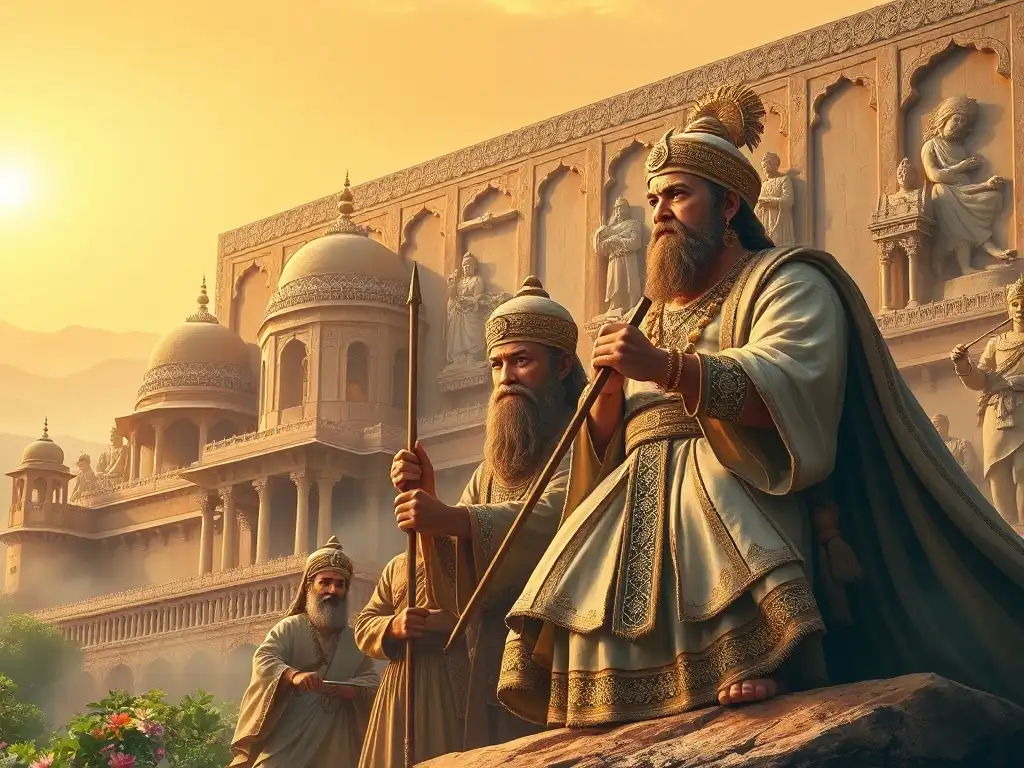
The legacy of the great kings of Northern India did not end with the Maurya and Gupta Empires; rather, it laid a foundational stone for subsequent dynasties that followed. The influence of these early rulers can be observed in various aspects of governance, culture, and society. Dynasties such as the Vardhanas, the Pala Empire, and the Rajputs drew upon the ideals set by their predecessors, continuing the tradition of strong leadership and cultural patronage.
The Vardhana dynasty, which flourished in the 7th century under King Harsha, is a prime example of this continuity. Harsha was known for his patronage of the arts, religion, and education, mirroring the Gupta emphasis on cultural development.
Similarly, the Pala Empire, which emerged in the 8th century, played a crucial role in the preservation and dissemination of Buddhist teachings, continuing the religious tolerance initiated by Ashoka the Great. These dynasties not only kept the legacy of the great kings alive but also adapted and evolved it to meet the needs of their times, demonstrating the dynamic nature of Northern Indian history.
The Gupta Empire: Continuation of Great Kings' Ideals
The Gupta Empire (c. 320 to 550 CE) is often referred to as the Golden Age of India, a period marked by remarkable achievements in arts, science, and literature. This empire was built upon the ideals of its predecessors, particularly the Mauryan Empire. Chandragupta I, the founder of the Gupta dynasty, established a strong centralized government that resonated with the administrative prowess of Chandragupta Maurya.
Under the rule of Samudragupta, the empire expanded significantly, showcasing military prowess while also encouraging cultural and intellectual pursuits. The era saw the emergence of great scholars like Aryabhata and Kalidasa, whose works laid the groundwork for future intellectual endeavors. The Gupta Empire's legacy is evident in its advancements in mathematics, astronomy, and literature, reinforcing the idea that the values instilled by earlier kings continued to flourish.
Furthermore, the Gupta rulers adopted a policy of religious tolerance similar to that espoused by Ashoka, promoting both Hinduism and Buddhism. This inclusivity helped maintain social harmony and fostered a rich cultural tapestry that influenced various regions of India and beyond.
Influence of Later Kings on Northern Indian Culture
Following the Gupta Empire, several dynasties, including the Rajputs and the Mughals, played pivotal roles in shaping Northern Indian culture. The Rajput kings, known for their valor and chivalry, contributed significantly to the military and feudal systems in Northern India. Their courts became centers of art and literature, reflecting the cultural richness inherited from the great kings of the past.
In the Mughal era, starting in the 16th century, the legacy of the ancient kings was further enriched by a unique blend of Persian and Indian cultures. Rulers like Akbar not only continued the tradition of effective governance but also promoted cultural syncretism, which resulted in new forms of art, architecture, and music. The Mughal architectural marvels, such as the Taj Mahal, stand as a testament to this cultural amalgamation and continue to inspire awe today.
The legacy of Northern Indian kings is thus evident in the diverse cultural practices, art forms, and social structures that emerged in the subsequent eras, showcasing an ongoing dialogue between past and present.
Conclusion: The Enduring Legacy of Northern Indian Kings
The legacy of Northern Indian kings resonates profoundly through the ages. Their contributions to governance, culture, and society have left an indelible mark on the Indian subcontinent. The ideals of leadership, justice, and cultural patronage established by figures like Ashoka and Chandragupta have influenced countless generations, shaping the political and cultural landscape of India.
Reflection on Their Contributions to Modern India
In modern India, the contributions of these ancient kings can be seen in various spheres, including democratic governance, social justice, and cultural diversity. The emphasis on tolerance and inclusivity, championed by kings like Ashoka, remains relevant in contemporary society as India continues to navigate its complex social fabric. Moreover, the rich historical narratives and cultural legacies have become integral to India's national identity, fostering pride and unity among its citizens.
The Importance of Studying Ancient Kings in Understanding Today’s India
Studying the legacy of Northern Indian kings is crucial for understanding the foundations of modern Indian society. Their policies, philosophies, and cultural contributions provide insights into the evolution of governance and social structures over millennia. By examining the past, we gain valuable perspectives on the challenges and achievements of contemporary India. This historical context not only enriches our understanding of India's diverse heritage but also serves as a guide for future generations in shaping a harmonious and progressive society.
Further Reading on the Legacy of Northern Indian Kings
Understanding the legacy of Northern Indian kings requires a deep dive into various resources that encapsulate their contributions to history, culture, and governance. Here are some recommended readings and sites that illuminate the grandeur and impact of these rulers.
Recommended Books and Resources
-
"The History of India: From the Earliest Times to the Present Day" by James Talboys Wheeler
This comprehensive volume offers insights into the evolution of Indian civilization, with detailed sections on prominent kings such as Ashoka and Chandragupta Maurya. It provides a chronological approach, making it easier for readers to grasp the historical context.
-
"Ashoka: The Search for the True India" by Charles Allen
This biography of Ashoka delves into his life, reign, and the principles of governance that he enacted. It discusses the cultural and religious transformations during his rule, shedding light on his commitment to spreading Buddhism.
-
"Maurya and Post-Maurya Period" by Upinder Singh
This book offers a scholarly analysis of the Mauryan Empire, focusing on the political and economic structures that defined the era. Singh's work is critical for understanding how the Mauryan kings like Chandragupta influenced subsequent rulers.
-
"The Art of the Mauryan Empire" by Vidya Dehejia
This resource explores the artistic contributions of the Mauryan period, highlighting how the legacies of kings were reflected in sculptures, architecture, and urban planning. It’s a must-read for those interested in the cultural aspects of their rule.
-
Online Academic Journals
Journals such as the Indian Historical Review and Journal of Ancient Indian History often publish research articles and papers on the legacy of Northern Indian kings, providing the latest academic insights and interpretations.
Key Historical Sites to Explore in Northern India
Exploring the legacy of Northern Indian kings can be experienced firsthand through visits to significant historical sites. Here are some key locations that embody the rich history of this region:
-
Sarnath
Located near Varanasi, Sarnath is where Ashoka delivered his first sermon after attaining enlightenment. The site features the Dhamek Stupa and numerous ancient ruins, making it a pivotal location for understanding Ashoka's legacy in Buddhism.
-
Pataliputra (Modern Patna)
As the capital of the Mauryan Empire, Pataliputra was a center of political power and culture. Ruins of palaces and ancient fortifications can be explored, providing insights into the administrative prowess of Chandragupta Maurya.
-
Nalanda University
Once a renowned center of learning during the Gupta Empire, Nalanda attracted scholars from across the globe. The ruins of this ancient university represent the intellectual legacy that flourished during the reigns of its great kings.
-
Lumbini
Believed to be the birthplace of Buddha, Lumbini is significant in understanding Ashoka's role in promoting Buddhism. The Ashoka Pillar located here is a testament to his contributions and commitment to spreading Buddhist principles.
-
Hampi
Although primarily associated with the Vijayanagara Empire, Hampi has remnants from earlier kingdoms that highlight the architectural and cultural influences of Northern Indian rulers. The ruins here exhibit the grandeur of ancient Indian civilization.
These resources and sites provide a comprehensive perspective on the legacy of Northern Indian kings, allowing one to appreciate their historical significance and cultural richness.
Frequently Asked Questions
What is the legacy of Northern Indian kings like Ashoka and Chandragupta?
The legacy of kings like Ashoka and Chandragupta includes significant contributions to political structure, culture, and the spread of Buddhism, influencing India and beyond.
How did Ashoka promote Buddhism in his reign?
Ashoka used edicts and monuments to spread Buddhism, encouraging non-violence and moral living, which profoundly impacted Indian society and religion.
What were the achievements of Chandragupta Maurya?
Chandragupta Maurya established the Maurya Empire, unified diverse regions, and laid the foundation for a centralized administrative system, setting a precedent for future rulers.
In what ways did the Gupta Empire contribute to India's cultural and scientific advancements?
The Gupta Empire is known for its golden age of art, literature, and science, including advancements in mathematics, astronomy, and the flourishing of classical literature.
Why is the study of the legacy of Northern Indian kings important today?
Studying the legacy of these kings helps us understand the historical context, cultural evolution, and the foundations of modern Indian society, enriching our appreciation of India's heritage.
Final Reflection: Embracing the Legacy of Northern Indian Kings
The legacy of Northern Indian kings like Ashoka and Chandragupta continues to resonate profoundly in today's world, reminding us of the enduring power of leadership and ethical governance. Their reigns were not merely periods of conquest and expansion; they were also times of cultural flourishing and moral introspection. As we navigate the complexities of modern leadership, the lessons from these great kings become increasingly relevant, urging us to reflect on how our actions shape the future.
The impact of these historical figures is evident in the cultural and social fabric of contemporary India and beyond. Their philosophies and governance styles have influenced generations, inspiring movements for justice, peace, and unity. As we witness the ongoing struggles for equality and ethical leadership in various parts of the world, we can draw strength from the words of Ashoka, who proclaimed, “Let us all live happily, free from enmity.” This sentiment encapsulates the essence of their legacy, reminding us that true leadership is rooted in compassion and the well-being of all.
As you reflect on the lessons from the great kings of Northern India, consider how their values can be integrated into your own life and leadership practices. Embrace the call to be a leader in your community, fostering a spirit of inclusivity and ethical responsibility. Let the legacy of Ashoka, Chandragupta, and their contemporaries inspire you to create a positive impact, ensuring that their timeless wisdom continues to guide future generations.
Unleash the Power of Northern India's Legacy!
Thank you for taking the time to dive into the fascinating world of Northern India's great kings! You’ve explored the incredible stories of Ashoka, Chandragupta, and their enduring legacies. Now, let’s transform that inspiration into action!
Here’s how you can further engage with this rich history:
- Start a conversation! Share your insights on social media or in the comments below. Discuss what you've learned about these remarkable leaders and their profound impact on society.
- Dive deeper! Choose one of the kings you’ve read about and research an intriguing aspect of their reign to uncover more about their contributions and the challenges they faced.
- Join a community! Seek out local history clubs or online forums focused on ancient history to connect with fellow enthusiasts who share your passion.
Which aspect of these great kings inspires you the most, and how can you apply their lessons to your life today?