
The Role of Northern India in the Spread of Hinduism Across the Subcontinent

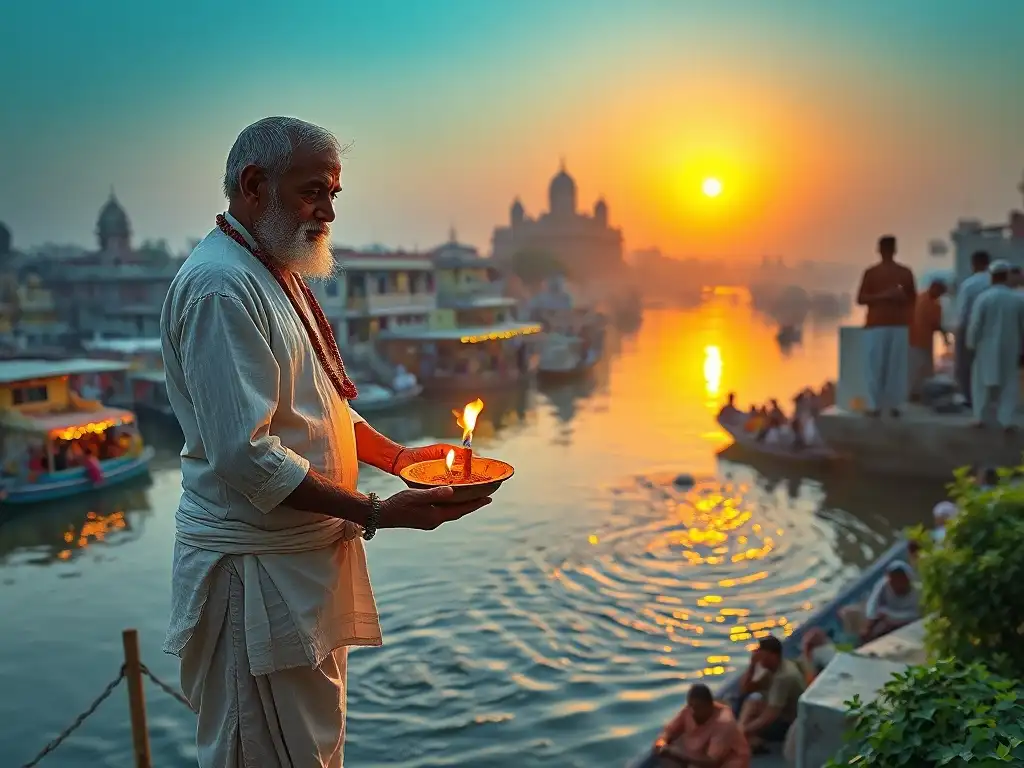
Welcome to Ancient India History, where we embark on an intriguing journey through the vibrant tapestry of ancient Indian civilizations. In this exploration, we delve into the spread of Hinduism in Northern India, a pivotal chapter that shaped not only the spiritual landscape of the region but also influenced cultures across the subcontinent.
Prepare to uncover the fascinating dynamics that facilitated this profound transformation, as we unravel the stories, beliefs, and historical events that contributed to the rise of one of the world's oldest religions. Join us as we ignite your curiosity and invite you to learn more about the remarkable role Northern India played in this enduring legacy.
Introduction to the Spread of Hinduism in Northern India
The Spread of Hinduism in Northern India marks a crucial chapter in the broader narrative of the Indian subcontinent’s religious evolution. This ancient faith, characterized by a rich tapestry of beliefs, practices, and philosophical thought, has its roots deeply embedded within the diverse cultures and societies of Northern India.
The region's unique geographical features, political dynamics, and cultural exchanges played a significant role in facilitating the proliferation of Hinduism, shaping not just regional identities but also influencing neighboring territories. Understanding this complex interplay offers insights into how Hinduism established itself as a predominant religion across the Indian subcontinent, fostering a legacy that continues to resonate today.
Overview of Hinduism and Its Origins
Hinduism, often regarded as one of the oldest religions in the world, boasts a diverse array of beliefs and practices that evolved over millennia. Its origins can be traced back to the Indus Valley Civilization (circa 2500-1500 BCE), where early forms of spiritual practices began to take shape. Unlike many religions, Hinduism does not have a singular founder or a defined dogma; instead, it encompasses various philosophies, rituals, and cultural traditions that have developed through the ages.
Key elements of Hinduism include:
- Dharma (duty/ethics): Guiding principles that dictate moral conduct.
- Karma (action): The law of cause and effect governing individual actions.
- Moksha (liberation): The ultimate goal of life, representing the release from the cycle of birth and rebirth.
These concepts, deeply rooted in the cultural fabric of Northern India, contributed to the religion's adaptability and resilience, allowing it to flourish and spread throughout the region.
Significance of Northern India in Ancient Religious Development
Northern India has historically been a melting pot of cultures, languages, and ideas, making it a fertile ground for the development of religious thought. The region's strategic location, with its proximity to trade routes and neighboring civilizations, facilitated the exchange of cultural and religious ideas. Cities like Varanasi, Mathura, and Ayodhya became significant centers of spiritual learning and practice, contributing to the growth and dissemination of Hinduism.
The significance of Northern India can be summarized as follows:
- Cultural Exchange: Interactions with various civilizations, including the Persians and Greeks, enriched Hindu beliefs and practices.
- Philosophical Development: Northern India was home to influential thinkers and sages who contributed to Hindu philosophy, shaping its core tenets.
- Religious Institutions: The establishment of temples and educational institutions played a pivotal role in promoting Hindu practices and teachings.
Historical Context of Hinduism in Northern India
To understand the Spread of Hinduism in Northern India, it is essential to contextualize its historical development through various significant eras. This historical lens reveals the transformative journey of Hinduism, influenced by social, political, and cultural factors.
The Indus Valley Civilization and Early Hindu Practices
The early religious practices of the Indus Valley Civilization laid the foundation for what would evolve into Hinduism. Archaeological findings suggest that elements such as ritual bathing, worship of fertility symbols, and a reverence for animals were prevalent during this period. These practices hinted at an early form of spirituality that would later integrate into Hindu customs.
Key aspects of this early practice include:
- Sacred Symbols: The discovery of seals depicting figures in yogic postures suggests early meditative practices.
- Water Rituals: The importance of water in spiritual cleansing can be traced back to this civilization, influencing later Hindu rituals.
Influence of Vedic Traditions in Northern India
The arrival of the Vedic texts around 1500 BCE marked a transformative period for Northern India. These texts not only codified rituals and hymns but also introduced the concept of rituals performed by priests, which became central to Hindu practice. The Vedic tradition emphasized the importance of sacrificial rituals and the worship of deities, fostering a structured religious environment that would enhance the spread of Hinduism.
Notable influences include:
- Sanskrit Language: The use of Sanskrit in Vedic texts facilitated the preservation and dissemination of religious knowledge.
- Caste System: The emergence of societal stratification, based on Vedic teachings, played a role in organizing religious practices.
Emergence of Major Kingdoms and Their Role in Religious Expansion
The establishment of powerful kingdoms in Northern India, such as the Maurya and Gupta Empires, significantly contributed to the spread of Hinduism. These empires promoted Hindu ideals and practices, supporting the construction of temples and patronizing scholars. During the Gupta period, often referred to as the "Golden Age" of India, Hinduism solidified its influence across the subcontinent.
Key developments during this era include:
- Temple Architecture: The construction of grand temples served as centers for worship and community gatherings.
- Cultural Patronage: Kings and rulers supported artists and philosophers who contributed to the enrichment of Hindu culture.
Through these historical contexts, the Spread of Hinduism in Northern India can be seen as a dynamic and multifaceted process, influenced by various cultural, social, and political factors that shaped not only the region but also the entire Indian subcontinent.
Key Factors Contributing to the Spread of Hinduism
The spread of Hinduism in Northern India can be attributed to several interrelated factors that facilitated its growth and adaptation throughout the subcontinent. These factors include geographical advantages, cultural exchanges through trade, the development of language and literature, as well as the establishment of influential urban centers. Each of these elements played a crucial role in not only promoting Hindu beliefs but also ensuring their integration into various aspects of daily life in Northern India.
Geographical Impact on the Spread of Hinduism
Northern India’s geography has significantly influenced the spread of Hinduism. The region is characterized by the Indo-Gangetic Plain, which boasts fertile land and a conducive climate for agriculture. This agricultural abundance supported large populations and the establishment of complex societies. Additionally, the presence of major rivers, such as the Ganges and Yamuna, provided vital resources and transportation routes that enabled the movement of people, goods, and ideas.
The mountains to the north, particularly the Himalayas, acted as both barriers and conduits. They protected the Indian subcontinent from invasions, allowing Hindu culture and practices to flourish internally. At the same time, the passes through the mountains facilitated the exchange of ideas and religious beliefs with neighboring regions, further spreading Hinduism's influence.
Cultural Exchanges and Trade Routes Facilitating Hindu Beliefs
Trade routes played a pivotal role in the dissemination of Hinduism throughout Northern India and beyond. The ancient trade networks, such as the Grand Trunk Road, connected various regions, allowing merchants and travelers to exchange not only goods but also cultural and religious ideas. This interaction led to the syncretism of beliefs, with Hindu practices merging with those of other cultures encountered along the trade routes.
Markets and trade hubs became melting pots of diverse cultures, where the teachings of Hinduism could reach a broader audience. Festivals, rituals, and religious texts were shared in these bustling centers, creating a fertile ground for the growth of Hinduism among different communities. The resulting cultural exchanges enriched Hindu practices, making them more accessible and relatable to various populations.
The Role of Language and Literature in Promoting Hinduism
Language and literature have been vital in promoting and preserving Hinduism in Northern India. The emergence of Sanskrit as a scholarly language allowed for the codification of religious texts, including the Vedas, Upanishads, and epics like the Mahabharata and Ramayana. These texts not only served as spiritual guides but also as cultural touchstones that unified diverse groups under the Hindu umbrella.
Moreover, the translation of these texts into local languages helped bridge the gap between different communities, making Hindu teachings more approachable. The proliferation of poetry, prose, and philosophical writings in regional dialects further facilitated the spread of Hindu beliefs by resonating with the common people. This literary engagement with Hinduism promoted the religion's principles and values, embedding them deeply into the cultural fabric of Northern India.
Important Regions in Northern India and Their Contributions
The contributions of various regions in Northern India have been instrumental in shaping the spread of Hinduism. Each area brought unique elements that enriched Hindu practices and beliefs, fostering a diverse yet cohesive religious landscape.
The Ganges River Valley: A Hub of Hindu Activity
The Ganges River Valley is often considered the heartland of Hindu culture and spirituality. This region has been a significant site for religious activities, pilgrimage, and the establishment of sacred texts. The river itself is revered in Hinduism, symbolizing purity and the flow of life. Major pilgrimage sites, such as Varanasi and Haridwar, attract millions of devotees seeking spiritual renewal and blessings.
The valley's fertile land supported the growth of powerful kingdoms, such as the Mauryas and Guptas, which further promoted Hinduism through patronage of temples, arts, and scholarship. The convergence of various traditions in this area allowed for a vibrant exchange of ideas, leading to the flourishing of philosophical schools that contributed to the evolution of Hindu thought.
The Role of the Himalayan Region in Hindu Beliefs
The Himalayan region holds a special place in Hindu mythology and religious practice. It is often regarded as the abode of gods and a source of spiritual inspiration. Many sacred texts and epics feature the Himalayas as a backdrop for divine encounters and teachings, which have significantly influenced Hindu beliefs.
The mountains also serve as pilgrimage routes to revered sites such as Kedarnath and Badrinath, attracting devotees seeking spiritual enlightenment. The isolation of these high-altitude locations preserved ancient traditions and practices, allowing for the continued evolution of Hinduism distinct from external influences. This region's spiritual significance reinforces Hinduism's resilience and adaptability.
Influence of Urban Centers like Varanasi and Mathura
Urban centers such as Varanasi and Mathura have played a crucial role in the spread of Hinduism in Northern India. Varanasi, known as Kashi, is one of the oldest inhabited cities and a major pilgrimage destination. It serves as a center for learning and practice, where rituals and festivals are deeply intertwined with daily life. The city’s ghats along the Ganges provide a setting for religious ceremonies, promoting the continuity of Hindu rituals and beliefs.
Similarly, Mathura, the birthplace of Lord Krishna, is a focal point for devotees and a significant site for celebrating various Hindu festivals. The rich cultural heritage of Mathura, with its temples and teachings, has inspired countless followers. The activities in these urban centers not only reinforce religious practices but also attract visitors from across the subcontinent, facilitating the further spread and integration of Hinduism into diverse communities.
Prominent Figures and Texts in the Spread of Hinduism
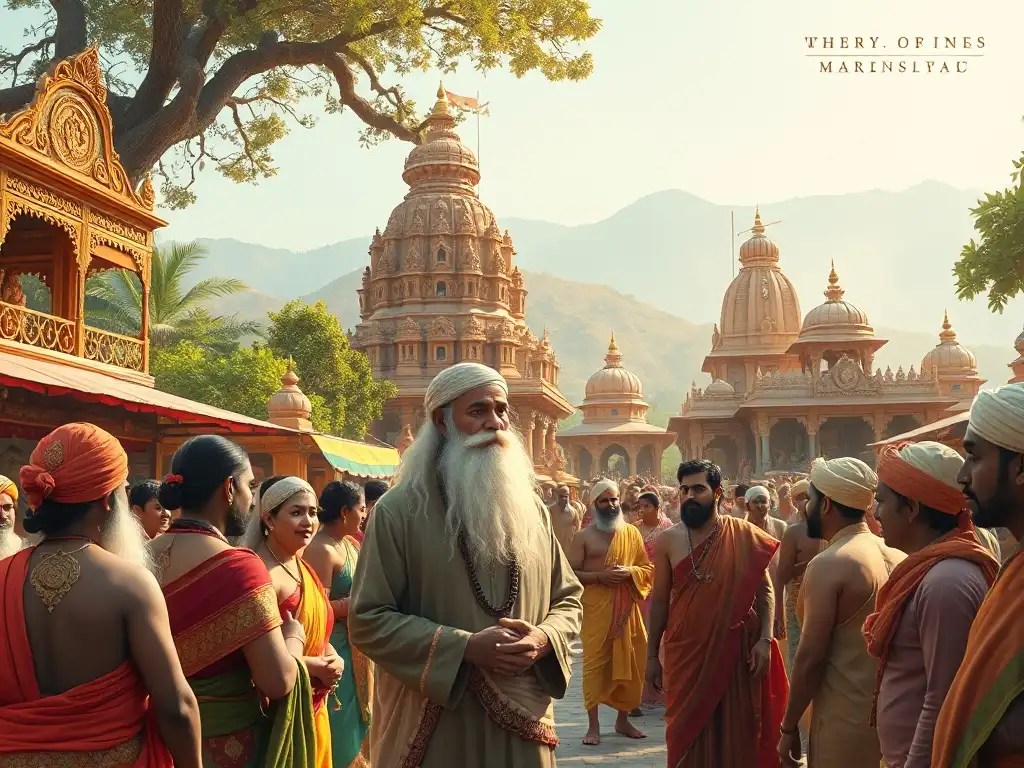
The spread of Hinduism in Northern India is deeply intertwined with the contributions of notable figures and sacred texts that shaped its development and dissemination. Throughout history, key philosophers, scholars, and ancient scriptures played pivotal roles in popularizing Hindu thought and practices. These individuals not only influenced religious teachings but also helped integrate various cultural and philosophical ideas into the broader framework of Hinduism.
The Vedas, Upanishads, and later texts like the Puranas and the epics (Mahabharata and Ramayana) provided foundational teachings that guided the beliefs and rituals of Hindu practitioners. The ideas encapsulated in these texts were disseminated through oral traditions, rituals, and the establishment of educational institutions, significantly contributing to the spread of Hinduism across Northern India.
Key Philosophers and Scholars Promoting Hindu Thought
Among the prominent figures in the promotion of Hindu thought were philosophers like Adi Shankaracharya, who lived in the early 8th century CE. Shankaracharya is renowned for consolidating the doctrine of Advaita Vedanta, a non-dualistic interpretation of the Vedas, which emphasized the unity of the individual soul (Atman) with the ultimate reality (Brahman). His extensive travels across Northern India, along with the establishment of monastic centers, helped in the revival and spread of Hindu philosophy.
Another key figure is Ramanuja, whose teachings in the 11th century emphasized the concept of Vishishtadvaita or qualified non-dualism. His works, which sought to make Hindu philosophy more accessible, contributed to the rise of devotional movements (Bhakti) that spread across the subcontinent.
The contributions of scholars like Madhva and later thinkers in the Bhakti movement, such as Kabir and Mirabai, also played crucial roles in promoting the spread of Hinduism. These figures not only engaged with the common populace through their poetry and teachings but also emphasized personal devotion and a direct relationship with the divine, further enhancing the appeal of Hindu worship and practices.
The Impact of Sacred Texts on Hindu Practice
Sacred texts have always been central to the practice of Hinduism, providing guidelines on rituals, ethics, and philosophy. The Vedas, which are the oldest scriptures, laid the groundwork for many religious practices and societal norms in Northern India. They encompass a vast array of hymns, rituals, and philosophical discourses that influenced various aspects of life, from daily rituals to societal governance.
The Upanishads introduced philosophical ideas that encouraged introspection and the pursuit of knowledge about the self and the universe. This shift towards internal exploration marked a significant evolution in Hindu thought, leading to practices centered around meditation and spiritual growth.
Furthermore, the epics, particularly the Mahabharata and Ramayana, played a vital role in shaping moral values and cultural identity. These texts not only entertained but also imparted lessons on dharma (duty/righteousness), illustrating the complexities of human behavior and ethical dilemmas. Their narratives became deeply embedded in the cultural fabric of Northern India, influencing art, literature, and social norms, thereby facilitating the spread of Hinduism through shared cultural experiences.
The Interaction of Hinduism with Other Religions
The history of Northern India is marked by a rich tapestry of interactions between Hinduism and other religions. This interplay resulted in a unique blend of beliefs and practices that enriched the religious landscape of the region. The coexistence of Hinduism with Buddhism and Jainism, as well as the influence of Islamic culture, played significant roles in shaping the evolution of Hindu practices.
Coexistence with Buddhism and Jainism in Northern India
Buddhism and Jainism, both originating in Northern India, coexisted alongside Hinduism for centuries. This coexistence often led to a mutual exchange of ideas, rituals, and philosophies. For instance, the concept of non-violence (ahimsa), which is central to Jainism, found resonance within Hinduism, especially through the teachings of various sects that emerged in response to the ascetic traditions of Buddhism and Jainism.
During the Mauryan Empire, particularly under Emperor Ashoka, Buddhism spread widely, and its emphasis on moral conduct and community welfare influenced Hindu practices. Concurrently, Hinduism adapted some Buddhist elements, leading to the incorporation of certain rituals and philosophies in temple architecture and iconography.
The Bhakti movement also saw a blending of ideas, where devotional practices emerged that transcended religious boundaries, fostering a sense of community among diverse groups. This interaction helped in the evolution of a syncretic culture that characterized Northern India.
Influence of Islamic Culture on Hindu Practices
The arrival of Islam in Northern India, particularly during the medieval period, profoundly impacted Hindu practices. The establishment of Muslim rule introduced new cultural and religious dynamics that facilitated the exchange of ideas between the two faiths. Sufi mysticism, for instance, emphasized love and devotion to God, which resonated with the Bhakti movement in Hinduism, creating a shared spiritual ethos.
Many Hindu practices were influenced by Islamic culture, leading to the incorporation of new rituals, music, and art forms. The blending of architectural styles is evident in the construction of temples and mosques, showcasing a synthesis of Hindu and Islamic elements.
Moreover, the interactions between Hindu and Muslim communities led to the emergence of syncretic traditions, such as the worship of saints and the celebration of festivals that embraced both religious customs. This rich tapestry of cultural exchange not only enriched Hindu practices but also contributed to the social cohesion in Northern India, fostering a legacy of multiculturalism that continues to resonate today.
The Legacy of Hinduism’s Spread in Northern India
The legacy of Hinduism's spread in Northern India is profound and multifaceted, influencing not only the religious landscape but also the cultural, artistic, and social frameworks of the region. Starting from the early Vedic period, Northern India served as a fertile ground for the development and expansion of Hindu thought and practices. The synthesis of indigenous beliefs with Vedic traditions led to a rich tapestry of beliefs that shaped the identity of Northern India.
The establishment of important religious texts, such as the Upanishads and the Puranas, during this time further solidified the philosophical foundations of Hinduism. Additionally, the rise of significant religious centers such as Varanasi and Mathura played a pivotal role in attracting pilgrims and scholars alike, contributing to the dissemination of Hindu teachings across the subcontinent.
The integration of local deities and practices into the Hindu mainstream also highlighted the adaptability of Hinduism, allowing it to resonate with diverse populations. This cultural assimilation fostered a sense of unity among various communities while preserving regional identities, which has continued to influence the practice of Hinduism to this day.
Lasting Cultural Contributions and Practices
The cultural contributions stemming from the spread of Hinduism in Northern India are extensive. Festivals such as Diwali, Holi, and Navaratri, which originated in this region, are celebrated with great fervor and have transcended geographical boundaries, becoming significant events in the cultural calendars of many communities across India and beyond.
Artistic expressions, including classical dance forms like Kathak and various regional music traditions, also draw heavily from Hindu themes and narratives. The intricate carvings and sculptures found in temples, such as those in Khajuraho and the Ajanta Caves, serve as testaments to the artistic flourishes that flourished under the patronage of Hindu rulers.
Moreover, the philosophical schools and teachings that emerged from Northern India, including Advaita Vedanta and Bhakti movements, have had a lasting impact on spiritual thought. The emphasis on personal devotion and the quest for knowledge continues to shape the spiritual journeys of countless individuals today.
The Evolution of Hinduism in Modern India
In contemporary India, Hinduism is characterized by a dynamic evolution that reflects the socio-political changes and globalization trends of the recent past. The spread of Hinduism in Northern India has led to a re-examination of traditional beliefs and practices, as younger generations seek to reconcile their modern identities with their cultural heritage.
The rise of various socio-political movements, often rooted in Hindu identity, has also changed the landscape of religious practice. While some movements advocate for the revival of ancient practices and values, others focus on reforming Hinduism to address contemporary issues such as gender equality and environmental concerns.
Additionally, the digital revolution has played a crucial role in the dissemination of Hindu teachings, allowing for greater access to religious texts and practices. Online platforms and social media are increasingly used to connect communities and promote discussions around Hindu philosophy, providing a space for both traditional and progressive interpretations to coexist.
Conclusion: The Enduring Impact of Northern India on Hinduism
The enduring impact of Northern India on the spread of Hinduism is both significant and far-reaching. From its early foundations in the Vedic texts to its transformation through various cultural and philosophical movements, Northern India has been instrumental in shaping the trajectory of Hinduism across the subcontinent.
Summary of Key Points on the Spread of Hinduism
- Cultural Synthesis: The amalgamation of indigenous beliefs with Vedic traditions in Northern India led to a rich and diverse form of Hinduism.
- Influential Centers: The establishment of key religious centers facilitated the dissemination of Hindu philosophy and practices.
- Art and Festivals: The cultural contributions of Northern India, including art, music, and festivals, have left an indelible mark on the broader Indian culture.
- Modern Adaptations: Contemporary movements reflect both a reverence for traditional practices and an adaptation to modern societal needs.
Reflection on the Future of Hinduism in Northern India
Looking forward, the future of Hinduism in Northern India appears to be one of continued evolution and adaptation. As society grapples with modern challenges, Hinduism's ability to integrate contemporary values while retaining its core beliefs will be crucial. The ongoing dialogue between tradition and modernity will shape the practice of Hinduism, ensuring that it remains relevant in the lives of future generations.
The resilience of Hinduism, rooted in the rich historical legacy of Northern India, promises to foster a vibrant religious landscape that honors its past while embracing the complexities of the present and future.
- Introduction to the Spread of Hinduism in Northern India
- Historical Context of Hinduism in Northern India
- Key Factors Contributing to the Spread of Hinduism
- Important Regions in Northern India and Their Contributions
- Prominent Figures and Texts in the Spread of Hinduism
- The Interaction of Hinduism with Other Religions
- The Legacy of Hinduism’s Spread in Northern India
- Conclusion: The Enduring Impact of Northern India on Hinduism
- What was the significance of Northern India in the spread of Hinduism?
- How did the Geography of Northern India influence Hinduism?
- What role did trade routes play in the spread of Hinduism?
- How did the Gupta Empire contribute to the growth of Hinduism in Northern India?
- Were there any challenges to the spread of Hinduism in Northern India?
Frequently Asked Questions
What was the significance of Northern India in the spread of Hinduism?
Northern India served as a cultural and religious hub, facilitating the dissemination of Hindu beliefs, practices, and texts throughout the subcontinent.
How did the Geography of Northern India influence Hinduism?
The geographical features, including rivers and mountains, provided natural barriers and routes that helped in the movement of people, ideas, and religious practices.
What role did trade routes play in the spread of Hinduism?
Trade routes were crucial in connecting different regions, allowing merchants to share Hindu philosophies and rituals, thereby enhancing the religion's reach across diverse populations.
How did the Gupta Empire contribute to the growth of Hinduism in Northern India?
The Gupta Empire promoted Hinduism through patronage of temples, scholars, and the arts, leading to a cultural renaissance that solidified Hindu practices and beliefs in the region.
Were there any challenges to the spread of Hinduism in Northern India?
Yes, the spread of Buddhism and later Islam presented challenges, as these religions offered alternative spiritual paths that influenced local populations and communities.
Final Reflection: The Enduring Legacy of Hinduism's Spread in Northern India
The spread of Hinduism in Northern India remains a pivotal chapter in the narrative of cultural and spiritual evolution across the subcontinent. Today, as we witness a resurgence of interest in ancient traditions and philosophies, the historical pathways through which Hinduism expanded offer profound insights into our collective identity. The intricate tapestry of beliefs, practices, and regional adaptations that emerged from Northern India not only shaped the religious landscape but also fostered a sense of unity amidst diversity.
Clearly, the influence of Hinduism on the social and cultural fabric of India is profound and ongoing. The traditions and teachings that originated in Northern India continue to resonate, shaping contemporary practices and beliefs. As we navigate a rapidly changing world, the lessons from this rich heritage remind us of the importance of understanding and embracing our roots. Tradition is not the worship of ashes, but the preservation of fire.
This quote encapsulates the essence of how the spread of Hinduism has ignited a flame of cultural continuity that inspires generations.
As you reflect on the themes presented in this article, consider how the principles and values of Hinduism can be integrated into your own life. Embrace the diversity of thought and practice that has emerged from Northern India, and let it inspire you to cultivate a deeper understanding of your own beliefs and those of others. The journey of Hinduism is not just a historical account; it is an invitation to explore spirituality, community, and the shared human experience. Engage with these ideas, and allow them to guide you toward a more inclusive and harmonious future.
Unveil the Rich Legacy of Hinduism – Join the Journey Today!
Thank you for exploring the fascinating role of Northern India in the spread of Hinduism! We hope this journey has inspired you to appreciate the intricate cultural tapestry woven through history. Now, let's take steps to deepen your understanding and connection to this ancient tradition.
Here are some actions you can take right now:
- Dive deeper into local practices by visiting a nearby temple or attending a cultural event to experience Hindu rituals firsthand.
- Explore further by researching the diverse regional variations of Hinduism across different states in India, and discover how these traditions shape communities and practices today.
- Share your insights! Discuss this article with friends or family, or join online forums dedicated to cultural exploration, and spark engaging conversations around this topic.
What aspect of Hinduism's rich heritage across the subcontinent resonates with you the most, and why? Your thoughts could fuel enlightening discussions!