
The Family as a Unit of Social Stability in Ancient India

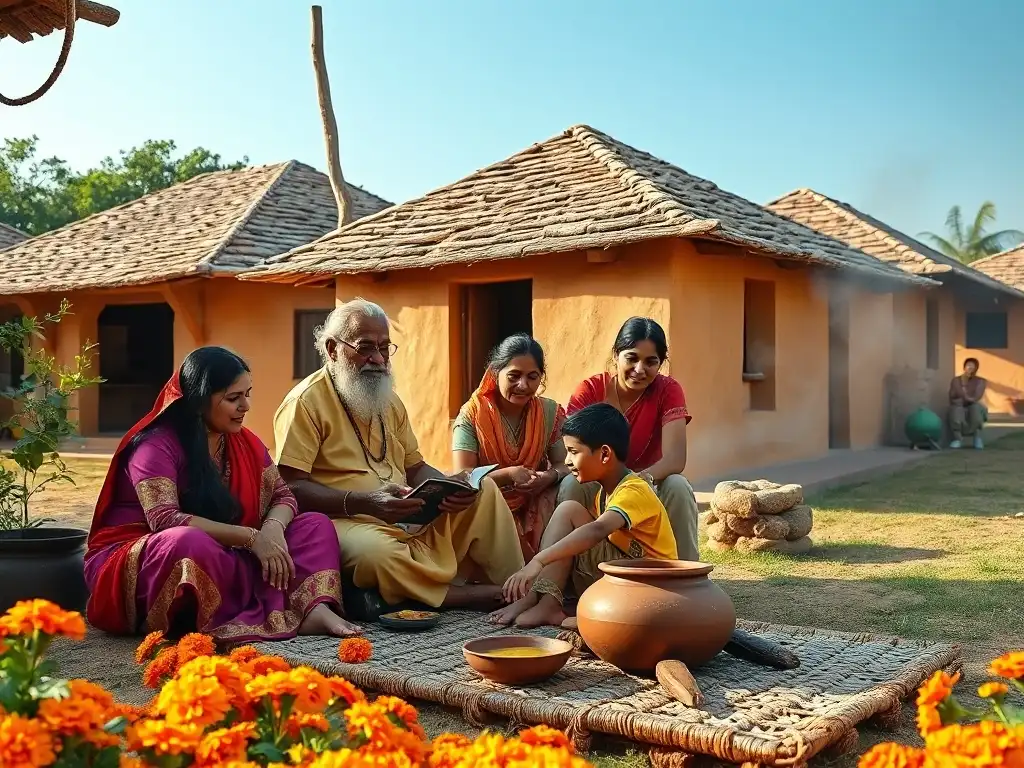
Welcome to Ancient India History, where we invite you on a fascinating journey through the rich tapestry of one of the world's oldest civilizations. In our featured article, “The Family as a Unit of Social Stability in Ancient India,” we delve into the intricate social structures that underpinned daily life and fostered resilience across centuries. Discover how familial bonds and communal values shaped the very fabric of ancient Indian society, and why understanding this aspect is crucial to appreciating the profound contributions of this remarkable era.
Are you ready to explore the secrets of social stability that have influenced generations? Dive in and uncover the legacy that continues to resonate today!
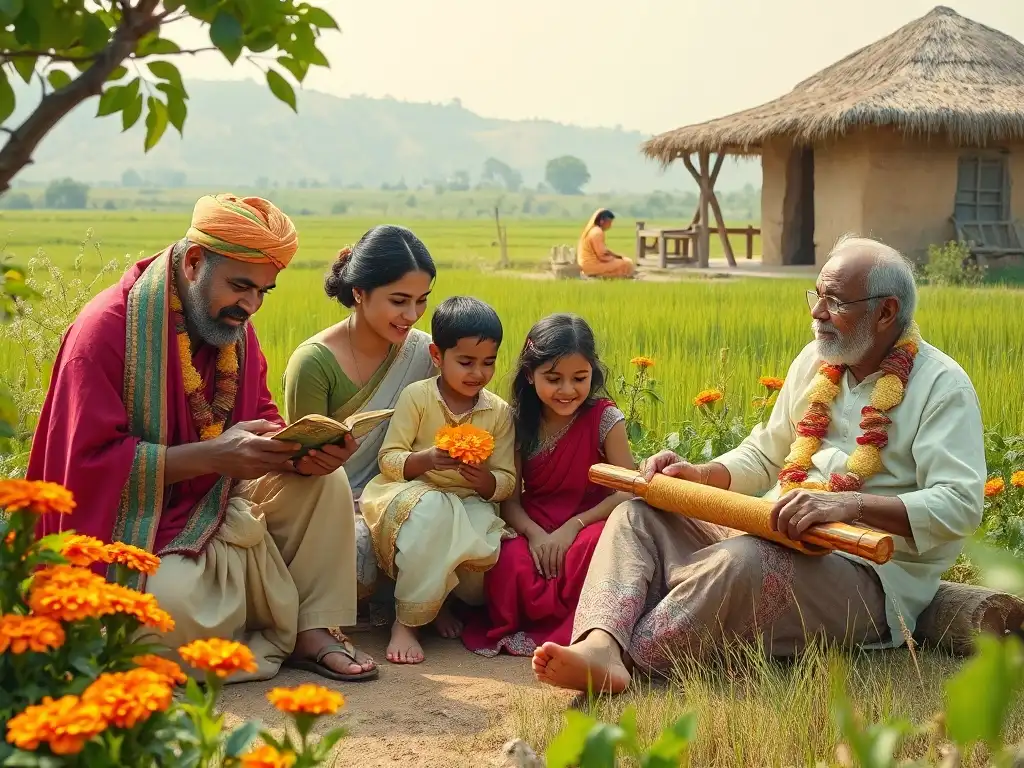
The concept of social stability in ancient India is deeply intertwined with the family structure, which served as the cornerstone of societal organization and harmony. In the context of ancient Indian civilizations, families were not merely units of kinship but also critical agents of social order. They provided a framework for emotional support, economic collaboration, and cultural transmission, which were essential for sustaining societal balance. Understanding how families functioned within various ancient Indian societies unveils the intricate relationship between familial bonds and social stability, highlighting the importance of these dynamics in the larger narrative of Indian history.
Defining Social Stability
Social stability can be defined as a condition where societal structures, norms, and relationships maintain order and continuity over time. In ancient India, this stability was often reflected in the well-defined roles and responsibilities within the family unit, which included:
- Hierarchy: Clear generational and gender roles that established authority and respect.
- Cooperation: Collaborative efforts among family members for economic and social well-being.
- Tradition: Transmission of values, beliefs, and practices through familial lines, ensuring cultural continuity.
This stability was vital for the overall functioning of society, fostering an environment where individuals could thrive within the safety of their familial ties.
Importance of Family in Ancient Indian Society
The family in ancient India was not just a social unit; it was a microcosm of the larger society. The significance of family can be highlighted through several key aspects:
- Support System: Families provided emotional, financial, and social support, ensuring the well-being of their members.
- Cultural Transmission: Families played a critical role in passing down traditions, customs, and knowledge from one generation to the next.
- Social Identity: Family lineage often determined one’s social status, caste, and community affiliation, which were crucial for social interactions and opportunities.
These functions reinforced the idea that the family was integral to maintaining social stability in ancient India, as it created a network of relationships that upheld societal norms and values.
Historical Context of Families in Ancient India
Understanding the historical context of families in ancient India involves exploring the rich tapestry of civilizations that flourished over millennia. Each civilization contributed uniquely to the evolution of family structures and their role in society.
Overview of Ancient Indian Civilizations
Ancient India was home to several significant civilizations, including:
- Indus Valley Civilization (c. 3300–1300 BCE): Known for its advanced urban planning and trade systems, families in this civilization likely emphasized community living and cooperation.
- Vedic Period (c. 1500–500 BCE): Marked by the composition of the Vedas, this era saw the emergence of patrilineal family structures and the importance of rituals and religious duties within the family.
- Maurya Empire (c. 322–185 BCE) and Gupta Empire (c. 240–550 CE): These periods witnessed the consolidation of family roles in governance and the arts, with families playing a crucial role in political alliances and cultural patronage.
Each of these civilizations laid the groundwork for understanding how families contributed to social stability through their unique structures and practices.
The Role of Families in Different Dynasties
Throughout various dynasties, the role of families evolved, yet their importance in maintaining social stability remained constant. For instance:
- Maurya Dynasty: Families often acted as political units, where marriages were arranged to forge alliances.
- Gupta Empire: The family unit expanded to include extended family members, highlighting the significance of joint families in providing economic stability and social support.
This historical perspective illustrates that while the dynamics of family structures may have changed, their foundational role in fostering social stability in ancient India remained integral to the overall health of society.
Structure of Families in Ancient India
The structure of families in ancient India was fundamental to maintaining social stability, as it influenced personal relationships, economic activities, and cultural continuity. Families served as the primary social unit, often encompassing multiple generations living together. This structure was not just a matter of personal preference but a reflection of the prevailing cultural norms and economic necessities of the time.
Joint Family System
The joint family system was prevalent in ancient India, where extended families consisting of grandparents, parents, children, and sometimes even uncles and aunts lived together under one roof. This system fostered a sense of unity and collective responsibility, with family members sharing resources and responsibilities. The joint family served several crucial functions:
- Economic Support: By pooling resources, families could ensure better financial stability and security. This collective approach allowed for shared labor in agriculture and trade, enhancing economic productivity.
- Social Welfare: The joint family structure provided emotional and social support, particularly during times of crisis, such as illness or financial hardship. Younger generations learned from the wisdom of elders, ensuring the transmission of knowledge and cultural values.
- Cultural Continuity: Rituals and traditions were preserved and passed down through generations within the joint family, reinforcing cultural identity and social norms.
Nuclear Family Dynamics
In contrast to the joint family system, the nuclear family began to emerge, particularly in urban areas and among certain social classes. A nuclear family typically consisted of two parents and their children living independently. This family structure brought about a different set of dynamics:
- Independence and Privacy: Nuclear families offered more privacy and autonomy, allowing parents to make decisions without extensive consultation with extended family members.
- Adaptability: The nuclear family was more adaptable to changes in society, such as urbanization and industrialization, where mobility and individualism became valued traits.
- Changing Gender Roles: With the rise of nuclear families, traditional gender roles began to shift, as both partners often needed to contribute to the family income, leading to increased participation of women in the workforce.
Gender Roles within the Family Unit
Gender roles within the family unit were deeply entrenched in ancient Indian society, influenced by cultural, religious, and economic factors. Men were typically viewed as the primary breadwinners and decision-makers, while women were often responsible for household management and child-rearing. This division of labor served several purposes:
- Societal Expectations: Men were expected to uphold family honor and perform rituals, while women were tasked with nurturing and maintaining the household, ensuring the stability and continuity of family life.
- Economic Contributions: While men engaged in external economic activities, women contributed to the family economy through activities such as weaving, pottery, and farming. Their roles, though often undervalued, were essential for the household's overall functioning.
- Religious and Cultural Influences: Religious texts and cultural practices often reinforced these gender roles, shaping expectations and responsibilities within the family. This dynamic contributed to the social stability of ancient Indian society, as families operated within a clearly defined structure.
Cultural Practices and Family Life
Cultural practices played a significant role in shaping family life in ancient India, reinforcing social stability through shared values and traditions. These practices included marriage customs, religious rituals, and festivals that united families and communities.
Marriage Customs and Their Impact on Stability
Marriage in ancient India was not merely a personal union but a crucial social contract that linked families and communities. The customs surrounding marriage were designed to ensure social stability:
- Arranged Marriages: Families often arranged marriages to solidify alliances, enhance social standing, and maintain cultural traditions. This practice ensured that marriages were based on economic and social compatibility rather than purely romantic inclinations.
- Dowry System: The dowry system, while controversial, was a common practice that provided financial support to newlyweds. It also functioned as a means of ensuring the family's financial stability and social standing.
- Ritual Significance: Marriage ceremonies were rich in rituals and symbolism, reinforcing cultural values and expectations. These events strengthened family ties and created networks of support among families, contributing to overall social stability.
Rituals and Festivals Strengthening Family Bonds
Rituals and festivals were integral to family life in ancient India, serving as occasions for families to come together and strengthen their bonds. These events fostered a sense of belonging and community:
- Seasonal Festivals: Festivals such as Diwali and Holi brought families together to celebrate, reinforcing social ties and shared cultural practices. These communal celebrations often included rituals that emphasized family unity and cooperation.
- Ceremonial Rites: Important life events, such as births, marriages, and deaths, were marked by significant rituals that involved the entire family. These rites provided opportunities for families to gather, support each other, and reaffirm their cultural identity.
- Religious Observances: Regular religious observances and family prayers created a shared spiritual experience, fostering a sense of stability and continuity within the family structure.
Economic Responsibilities and Family Structure
Economic responsibilities were closely tied to family structure in ancient India, shaping the roles and interactions of family members. The family's economic function influenced its stability and cohesion:
- Division of Labor: In joint families, tasks were often divided among members based on age, gender, and skill. This division ensured that all necessary work was completed, contributing to both economic stability and family harmony.
- Support Systems: Families functioned as support systems during economic hardships, pooling resources to navigate challenges such as crop failures or illness. This collective approach to economic responsibilities reinforced the importance of family unity.
- Inheritance Practices: Inheritance laws and customs dictated the distribution of property and wealth within families. Practices such as primogeniture ensured that family assets remained within the family, contributing to long-term stability and continuity.
By understanding these various aspects of family structure and cultural practices, we can appreciate how the family unit served as a vital pillar of social stability in ancient India, shaping the lives of individuals and the broader society in profound ways.
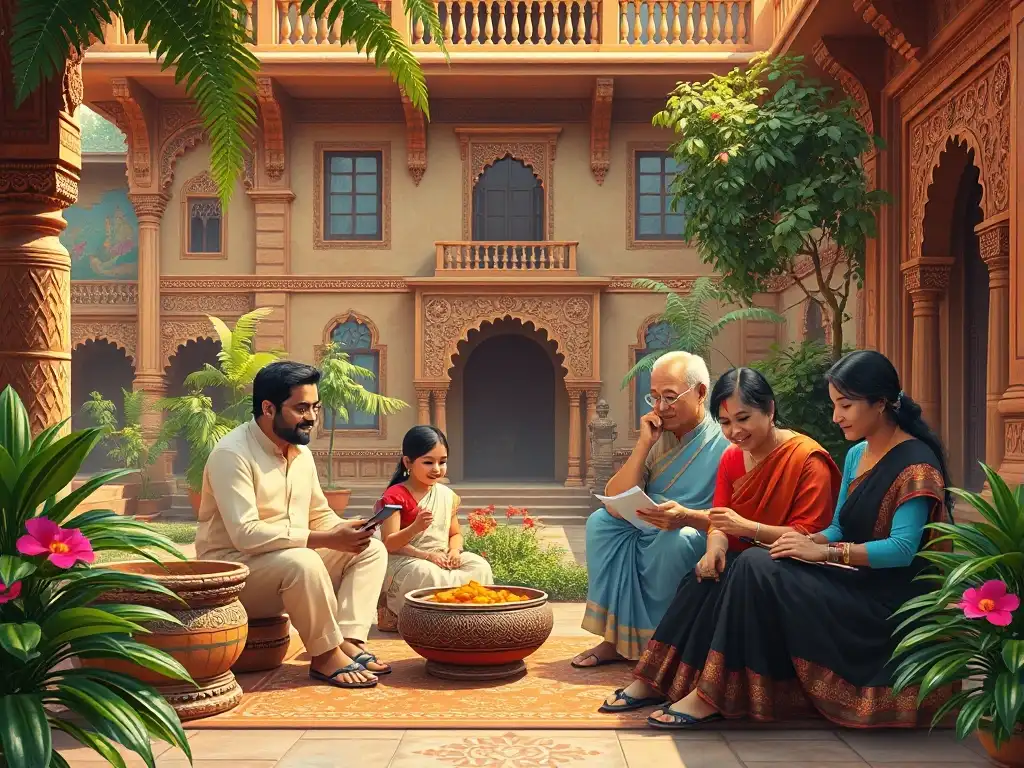
The family served as a fundamental social institution in ancient India, acting as the cornerstone of societal structure and stability. Families in this context were usually extended, comprising not only the nuclear family members but also grandparents, uncles, aunts, and cousins. This broader family network played a crucial role in maintaining social order and cohesion, providing emotional and financial support to its members. The family unit was often intertwined with various aspects of life, including religion, tradition, and economic activities, thereby reinforcing social norms and values that contributed to the overall stability of ancient Indian society.
In ancient Indian civilization, the family was not just a biological grouping but also a social entity that upheld cultural practices and rituals. The concept of dharma, or duty, was central to family life, where each member had specific roles and responsibilities. This adherence to duty helped in the smooth functioning of the family and, by extension, the community. The family's decisions impacted local governance, economic transactions, and even religious practices, showcasing its integral role in everyday life.
The Family's Role in Social Hierarchies
Social hierarchies in ancient India were predominantly influenced by the family structure, particularly through the caste system. Families belonged to specific caste groups, which dictated their social status, occupation, and relationships within society. The rigidity of these hierarchies meant that family lineage played a vital role in determining one's place in the social order. Families often sought to maintain their status through strategic marriages and alliances, which not only secured social stability but also facilitated the transmission of wealth and resources.
Furthermore, families acted as the primary units for the perpetuation of caste norms and practices. The adherence to caste duties was crucial for maintaining social equilibrium, as it reinforced the expected behaviors and responsibilities of individuals within their respective groups. This interconnectedness of family and caste contributed to a well-defined social order, which was essential for stability in ancient India.
Family Influence on Education and Knowledge Transmission
Education and knowledge in ancient India were often passed down within families, with the family serving as the primary educational unit. Traditional methods of learning, such as oral transmission of knowledge, were prevalent, particularly in the context of religious texts and cultural practices. Elders in the family played a crucial role as educators, instilling moral values, social norms, and skills necessary for the family's livelihood.
The Vedic texts highlight the importance of family-based education, where the guru-shishya (teacher-student) relationship often extended to familial lines. This system not only ensured the continuity of knowledge but also reinforced family bonds and shared identities. Consequently, families were pivotal in shaping the intellectual and cultural landscape of society, promoting a collective identity that contributed to social stability.
Family Networks and Community Support Systems
Family networks in ancient India extended beyond immediate kinship ties, forming intricate webs of relationships that provided community support systems. These networks facilitated cooperation and mutual assistance among families, ensuring that members had access to resources and emotional support during times of need. In agricultural societies, for instance, families often collaborated in farming activities, sharing labor and resources, which bolstered their economic stability.
Additionally, these familial connections played a significant role in conflict resolution and social cohesion. Families acted as mediators in disputes, utilizing their networks to restore harmony within the community. This collective approach to problem-solving reinforced social bonds and fostered a sense of belonging, contributing to the overall stability of ancient Indian society.
Challenges to Family Structures in Ancient India
Despite the foundational role of families in promoting social stability, they faced numerous challenges that threatened their structures. External pressures, such as invasions, economic changes, and shifts in political power, disrupted traditional family dynamics. These challenges often forced families to adapt to new realities, which sometimes led to conflicts and fragmentation within family units.
External Pressures Impacting Family Stability
External pressures, including invasions by foreign powers and the rise of new political entities, significantly impacted family stability in ancient India. The instability caused by such events often forced families to relocate, dispersing kinship ties and weakening the support systems that traditionally held them together. Additionally, economic changes, such as the transition from agrarian to more urbanized economies, disrupted traditional roles and responsibilities, leading to a reevaluation of family dynamics.
Moreover, the introduction of new ideologies and belief systems, including Buddhism and Jainism, challenged existing social structures centered around traditional family roles and caste hierarchies. As families navigated these external pressures, their ability to maintain social stability was tested, often resulting in significant changes in family organization and function.
Changes in Family Dynamics Over Time
Over time, the dynamics of families in ancient India evolved in response to various social, economic, and political changes. The increasing influence of trade and urbanization began to alter family structures, leading to a gradual shift from extended families to more nuclear setups in certain regions. This transformation reflected broader societal changes, as individuals sought greater autonomy and adapted to new economic opportunities.
Additionally, with the advent of new religious and philosophical ideas, family roles and responsibilities began to be questioned. The emphasis on individual merit and personal achievement, as seen in the teachings of various reform movements, prompted families to reevaluate their traditional roles. Such shifts in dynamics not only affected family relationships but also had wider implications for social stability, as the foundations of collective identity began to change.
Response of Families to Social Changes
Families in ancient India displayed remarkable resilience in responding to social changes. In the face of external pressures and evolving dynamics, families often adapted by redefining their roles and responsibilities. This adaptability was crucial for maintaining their social standing and ensuring the well-being of their members.
For instance, families might have embraced new economic ventures, such as trade and commerce, to secure their livelihoods in a changing environment. Alternatively, some families maintained traditional practices while incorporating new ideas, thus creating a blend of old and new that allowed them to navigate the complexities of their time. This ability to respond to social changes not only helped families survive but also contributed to the overall resilience and stability of ancient Indian society.
The concept of family in ancient India was not merely a social construct; it served as a fundamental unit that played a critical role in maintaining social stability. The intricate relationships within families, bolstered by cultural norms and rituals, fostered a sense of belonging and continuity that reinforced societal values. Families provided emotional support, economic cooperation, and a framework for education and moral development, ensuring that traditions were passed down through generations. This intergenerational bond was essential in crafting a cohesive society that was resilient to external changes and challenges.
The legacy of the family as a unit of social stability continues to resonate in contemporary India. Although modern societal dynamics have evolved, the core values that families instilled in ancient times—respect, duty, and interdependence—still influence current social structures. The family remains a pillar of support and stability, illustrating the enduring impact of ancient practices on today's societal framework.
Reflection on Family's Role in Ancient Indian Society
In ancient Indian society, the family was the cornerstone of social organization. It provided a framework for social interactions, cultural practices, and economic activities. Families were often extended, with multiple generations living under one roof, which reinforced social bonds and collective responsibility. This structure allowed families to pool resources, share knowledge, and cultivate a sense of unity, which was vital for the survival and prosperity of its members.
Moreover, family roles were clearly defined, with expectations based on gender and age, contributing to a stable social order. The patriarchal system often placed the eldest male as the head of the family, while women played crucial roles in maintaining the household and nurturing the next generation. This division of labor created a balance that facilitated social harmony and cohesion, further emphasizing the importance of the family unit in promoting social stability in ancient India.
Insights for Understanding Modern Social Structures
Understanding the historical significance of family in ancient India provides valuable insights into modern social structures. The principles of cooperation, mutual respect, and shared responsibilities that characterized ancient families can still be observed in contemporary family dynamics. As societies face rapid changes and challenges, such as urbanization and globalization, the foundational values instilled in families can serve as a guide for fostering resilience and stability.
Additionally, exploring the evolution of family roles over time highlights how societal changes influence family structures. For instance, the increasing recognition of gender equality and shifting economic roles are reshaping traditional family dynamics. By examining these trends through the lens of ancient practices, we can appreciate the adaptability of family systems and their ongoing importance in ensuring social stability in the face of modern challenges.
References
Key Texts and Resources on Social Stability in Ancient India
- "The Family in Ancient India" by R. S. Sharma - This text provides a comprehensive overview of family structures in ancient Indian society and their role in maintaining social order.
- "Social Stability and Change in Ancient India" by A. L. Basham - This work delves into the social dynamics of ancient India, emphasizing the family’s influence on societal stability.
- "Cultural Heritage of India" (Volumes I-IV) edited by K. R. Gupta - A collection of essays that discuss various aspects of ancient Indian culture, including family and social stability.
Suggested Further Reading on Family and Marriage Practices
- "Marriage and Family in India" by G. S. Ghurye - This book examines the evolution of marriage practices and family structures throughout Indian history.
- "Family and Kinship in India" by R. K. Sharma - A detailed analysis of the kinship systems in ancient and modern India, exploring their significance in social stability.
- "Traditions and Practices of Indian Families" by A. Sharma - This text offers insights into the customs and rituals that have shaped family life in India, highlighting their importance in social cohesion.
- Introduction to Social Stability in Ancient India
- Historical Context of Families in Ancient India
- Structure of Families in Ancient India
- Cultural Practices and Family Life
- Family as a Social Institution
- Challenges to Family Structures in Ancient India
- Conclusion: The Lasting Legacy of Family in Social Stability
- References
- What role did the family play in social stability in ancient India?
- How did the structure of families contribute to social hierarchy?
- Were there any specific practices that promoted family cohesion?
- How did ancient Indian literature reflect the importance of family?
- Did economic factors influence family structure in ancient India?
Frequently Asked Questions
The family unit was central to ensuring social stability in ancient India, providing support and security to its members and maintaining social order.
Families were often organized in a hierarchical structure, with roles clearly defined by caste and gender, which helped to reinforce social norms and maintain stability.
Were there any specific practices that promoted family cohesion?
Yes, practices such as joint family systems, rituals, and shared responsibilities encouraged cohesion, fostering a sense of belonging and mutual support among family members.
How did ancient Indian literature reflect the importance of family?
Ancient texts often emphasized the values of duty (dharma) and loyalty within families, highlighting their role in sustaining social stability and moral integrity in society.
Did economic factors influence family structure in ancient India?
Absolutely, economic needs and resources shaped family structures, with families often working together to manage agriculture and trade, further ensuring their stability within the community.
The concept of family as a cornerstone of social stability in ancient India remains profoundly relevant today. In a world where societal structures are constantly evolving, the lessons from ancient Indian family dynamics provide insight into the importance of unity, support, and resilience in fostering a stable community. The intricate relationships and roles within families not only shaped individual identities but also laid the groundwork for a cohesive society, reminding us that the strength of a community often lies in the bonds of its families.
Culture and social norms are deeply influenced by the familial structures that have persisted through generations. The family unit in ancient India was not merely a social construct; it was a vital institution that upheld moral values, traditions, and social responsibilities. As we navigate contemporary challenges, the echoes of these ancient practices continue to resonate. The family is the nucleus of civilization,
a sentiment that underscores the vital role families play in nurturing social stability and cultural continuity. This enduring influence invites us to reflect on how our own familial relationships can contribute to a more harmonious society.
As we conclude our exploration of the family’s role in social stability, I encourage you to reflect on your own family dynamics and their impact on your life and community. Consider how the values and lessons passed down through generations can inspire you to foster stability and support in your own relationships. Let us embrace the wisdom of the past and actively cultivate strong family ties that contribute to a resilient and thriving society, ensuring that the legacy of social stability in ancient India continues to guide us into the future.
Embrace the Wisdom of Ancient Family Ties!
Thank you for exploring the vital role of family as a pillar of social stability in ancient India. Your interest in this topic highlights the importance of understanding our roots and the values that shaped societies. Now, it's time to take that knowledge and put it into action!
Here are a few powerful steps you can take to connect deeper with the principles of family unity and stability:
- Reflect on your own family dynamics and consider how you can strengthen those ties today. Start by scheduling a family gathering or reaching out to a relative you haven’t spoken to in a while.
- Delve into ancient Indian practices by exploring resources such as books or documentaries that highlight the rich traditions and family structures of that era.
- Share your insights! Engage with friends or on social media about how the family structures in ancient India can inspire modern relationships, using the hashtag #AncientFamilyWisdom.
What steps will you take to enhance the stability and unity within your own family?