
How Ancient Indian Philosophers Viewed the Caste System

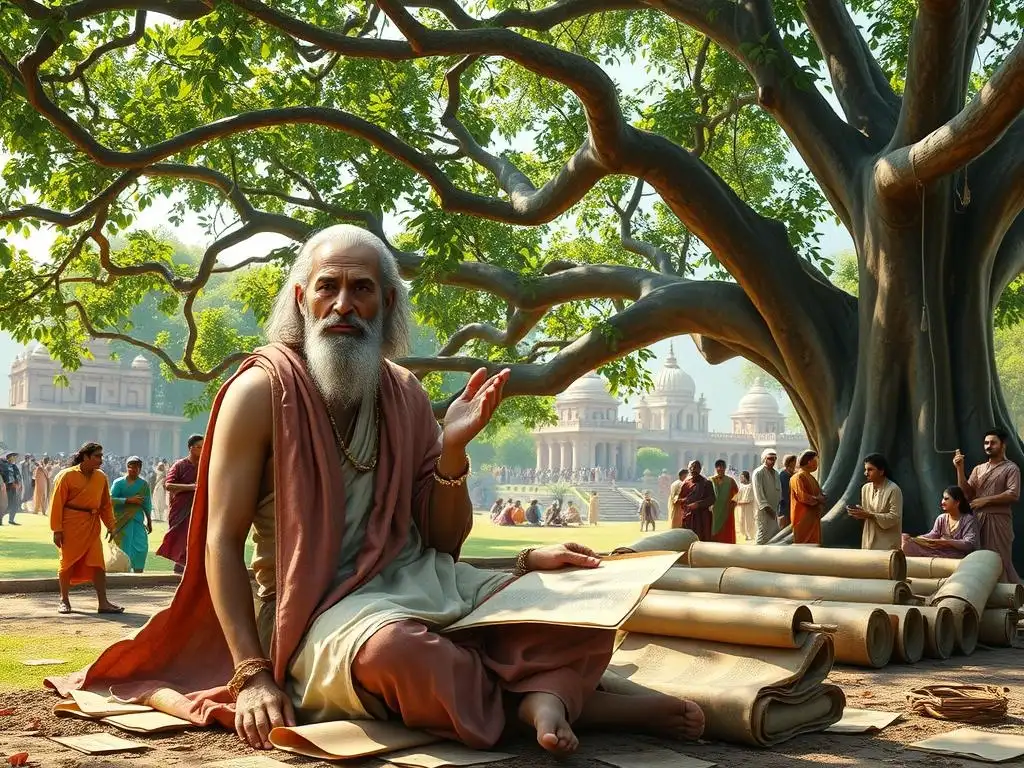
Welcome to Ancient India History, where we embark on a captivating journey through the rich tapestry of ancient Indian civilizations. In our featured article, "How Ancient Indian Philosophers Viewed the Caste System," we delve into the profound insights of thinkers who shaped societal structures and philosophies that still resonate today. What did these philosophers truly believe about the caste system, and how did their ideas influence daily life in ancient India?
Join us as we uncover the complexities of this pivotal topic and explore the cultural legacies that emerged from this remarkable era. Your adventure into the depths of history begins here!
- Introduction to Ancient Indian Philosophers and the Caste System
- Historical Context of the Caste System in Ancient India
- Key Ancient Indian Philosophers and Their Views on the Caste System
- The Philosophical Debate on Caste Among Ancient Thinkers
- Modern Interpretations of Ancient Indian Philosophers’ Views on the Caste System
- Conclusion: The Legacy of Ancient Indian Philosophers on the Caste System
- References and Suggested Readings
-
Frequently Asked Questions
- What was the perspective of ancient Indian philosophers on the caste system?
- Did any ancient Indian philosophers challenge the caste system?
- How did the caste system influence ancient Indian society?
- What were the philosophical underpinnings of the caste system in ancient India?
- How did the Gupta Empire view the caste system?
- Final Reflection: Understanding the Caste System Through Ancient Indian Philosophy
- Unveil the Wisdom of Ancient Indian Philosophy!
Introduction to Ancient Indian Philosophers and the Caste System
The caste system in ancient India is a complex and deeply rooted social structure that has shaped the lives and interactions of its people for centuries. Ancient Indian philosophers, with their profound insights and varied perspectives, played a pivotal role in examining, critiquing, and sometimes endorsing this system.
By exploring their views, we can better understand not only the philosophical underpinnings of caste but also how these ideas influenced the social fabric of ancient Indian civilization. This article delves into the thoughts of prominent philosophers on the caste system, revealing the intricate relationship between philosophy and social hierarchy in ancient India.
Overview of Ancient Indian Philosophy
Ancient Indian philosophy encompasses a diverse range of thoughts and schools, including Vedanta, Samkhya, Buddhism, and Jainism. Each of these philosophies offered distinct perspectives on morality, ethics, and society. Philosophers such as Adi Shankaracharya, Gautama Buddha, and Mahavira contributed significantly to the discourse on caste, often challenging prevailing norms or providing frameworks that justified social stratification.
- Key Schools of Thought:
- Vedanta: Focused on the ultimate reality (Brahman) and the concept of Dharma, which often influenced caste duties.
- Buddhism: Advocated for equality and rejected caste distinctions, promoting a more egalitarian view.
- Jainism: Emphasized non-violence and the idea that one's actions, rather than birth, determine one's place in society.
This philosophical diversity provides a rich tapestry through which we can examine the varying interpretations and critiques of the caste system.
Importance of the Caste System in Ancient India
The caste system, known as "varna" in ancient texts, divided society into four primary categories: Brahmins (priests and scholars), Kshatriyas (warriors and rulers), Vaishyas (traders and agriculturists), and Shudras (laborers and service providers). This hierarchical structure was not merely a matter of social organization but was deeply intertwined with religious beliefs and duties.
- Key Aspects:
- Religious Justification: Many ancient texts, including the Manusmriti, provided a divine rationale for caste, linking it to cosmic order.
- Social Cohesion: The caste system facilitated social cohesion and stability, albeit at the cost of individual freedom and mobility.
- Economic Function: Each caste had specific roles that contributed to the economy and functioning of society, creating an interdependent community.
Understanding the importance of the caste system is crucial for grasping the broader social dynamics of ancient India and the various philosophical responses to it.
Objective of the Article
This article aims to explore how ancient Indian philosophers viewed the caste system by analyzing their texts, arguments, and the historical context in which they operated. By doing so, we seek to:
- Uncover Philosophical Perspectives: Highlight the differing views on caste among key philosophers and their implications for society.
- Analyze Historical Context: Provide insight into how the historical and cultural milieu influenced these philosophical stances.
- Engage with Contemporary Relevance: Reflect on how these ancient discussions can inform modern perspectives on caste and social justice.
Through this examination, we hope to contribute to a deeper understanding of the intricate relationship between philosophy and social structure in ancient India, ultimately enriching the discourse on caste and its enduring legacy.
Historical Context of the Caste System in Ancient India
Origins of the Caste System
The origins of the caste system in ancient India are complex and multifaceted, deeply interwoven with the social, religious, and economic fabric of the time. The concept of Varna, which translates to "color," is often cited as a foundational aspect of this system. Initially, Varna classified society into four main groups:
- Brahmins (priests and scholars)
- Kshatriyas (warriors and rulers)
- Vaishyas (traders and agriculturists)
- Shudras (laborers and service providers)
These classifications were not merely occupational but also carried significant religious connotations, with the Brahmins occupying the highest spiritual and social status. The emergence of these categories can be traced back to the Vedic texts, notably the Rigveda, where references to the Purusha Sukta hymn describe the cosmic being (Purusha) whose sacrifice led to the creation of these four Varnas.
Over time, the rigid boundaries of these categories became more pronounced, leading to the birth of jatis or sub-castes, which further diversified the social hierarchy. The transition from a flexible, functional classification to a more rigid and hereditary system marked the early development of the caste system, deeply entrenching it into the societal norms of ancient India.
The Varna system played a crucial role in shaping the social structure of ancient Indian society. Each Varna was assigned specific duties and responsibilities, forming the basis of what would later evolve into a more complex caste system.
- Brahmins were tasked with spiritual leadership, performing rituals, and preserving sacred knowledge, thus becoming the custodians of religious and intellectual traditions.
- Kshatriyas were responsible for governance and protection, embodying the ideals of valor and heroism, often seen as the enforcers of dharma (moral order).
- Vaishyas facilitated economic growth through trade and agriculture, contributing to the wealth and sustenance of society.
- Shudras, the labor class, provided essential services and manual labor, often relegated to the lowest social standing.
The interaction between these Varnas formed a dynamic yet hierarchical system, where each group’s standing was often justified through religious texts and societal norms. Ancient Indian philosophers, such as Manu, articulated these roles in texts like the Manusmriti, which codified the laws governing social conduct and interactions between different Varnas. This legal framework not only reinforced the social hierarchy but also intertwined it with religious and moral obligations, making the caste system a deeply rooted aspect of ancient Indian life.
Influence of Geography and Culture on Caste Development
The development of the caste system in ancient India was profoundly influenced by geographical diversity and cultural variations across regions. The vastness of the Indian subcontinent, with its varied climates, topographies, and resources, led to distinct social practices and economic activities.
- In the Gangetic plains, for instance, fertile land supported agriculture, leading to a stronger emphasis on agrarian communities and the rise of Vaishyas. Conversely, in the hilly regions, the need for defense and governance fostered the prominence of Kshatriyas.
- Cultural exchanges through trade routes facilitated the mixing of ideas and practices, which, while enriching, also contributed to the stratification of society. As various groups interacted, distinct practices surrounding marriage, occupation, and social status emerged, leading to the establishment of localized jatis.
Furthermore, the emergence of religious sects and the influence of Buddhism and Jainism challenged the existing caste norms by promoting ideas of equality and social justice, although these movements had varying impacts on the caste system's rigidity.
In essence, the interplay of geography and culture in ancient India created a dynamic environment where the caste system evolved, reflecting the complexities of societal organization and identity. This multifaceted evolution is a testament to the adaptability and resilience of ancient Indian civilization in the face of changing circumstances.
Key Ancient Indian Philosophers and Their Views on the Caste System
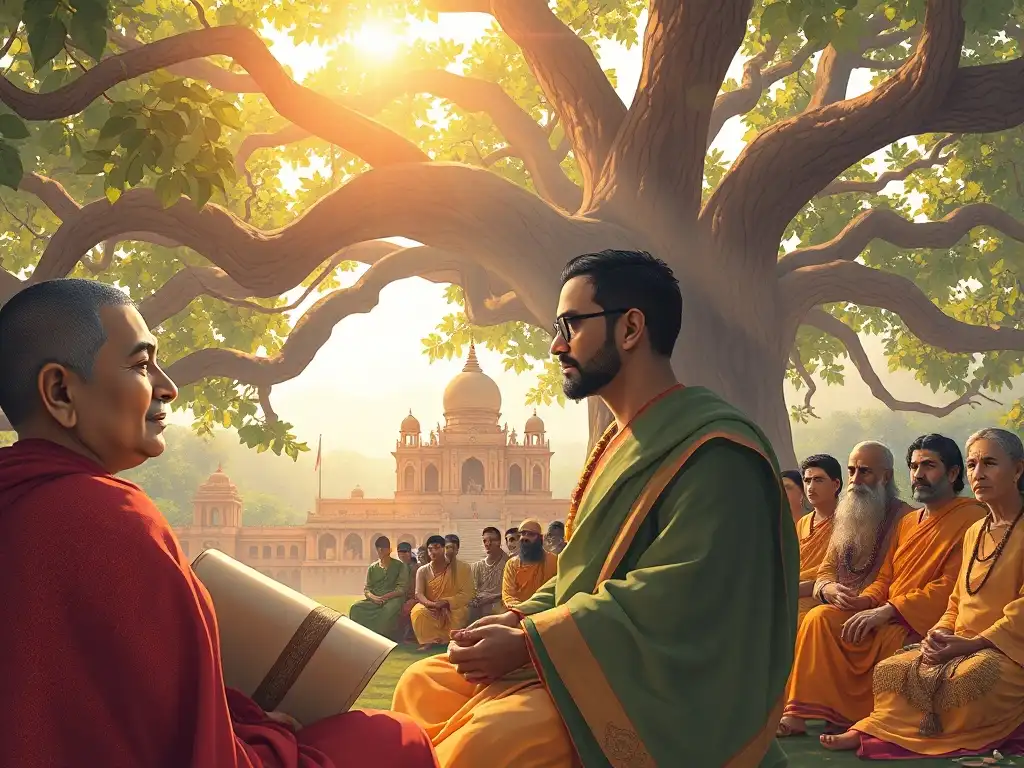
Vedic Philosophers and the Early Concept of Caste
The Vedic period laid the foundational philosophies that shaped the understanding of the caste system in ancient India. It is during this time that the earliest references to social stratification can be found, primarily in the texts known as the Vedas. Among these texts, the Rigveda stands out as a critical source, providing insights into how social roles were perceived.
The Rigveda and Social Stratification
The Rigveda, one of the oldest sacred texts of Hinduism, contains hymns that reference the division of society into different groups. The most notable mention is in the Purusha Sukta, which describes the cosmic being (Purusha) from whose body the four varnas (social classes) emerged:
- Brahmins (priests and teachers)
- Kshatriyas (warriors and rulers)
- Vaishyas (traders and agriculturists)
- Shudras (laborers and service providers)
This hymn is often interpreted as an allegorical representation rather than a strict social hierarchy. However, it established a framework that would later be codified into a more rigid caste system. The Vedic philosophers approached the caste system as a natural and divine order, essential for maintaining societal harmony.
The Brahmanas and Social Duties
Following the Vedic texts, the Brahmanas elaborated on the roles and responsibilities associated with each varna. These texts provided detailed instructions on rituals, sacrifices, and the duties (dharma) expected of each class. The emphasis was on the performance of duties according to one’s caste as a means of maintaining cosmic order (rita).
- Brahmins were tasked with performing rituals and preserving sacred knowledge.
- Kshatriyas were expected to protect and govern.
- Vaishyas focused on trade and agriculture.
- Shudras served the needs of the other three varnas.
This delineation of duties reinforced the idea that each varna had a specific role to play in society, which was seen as necessary for its stability and functionality.
Upanishadic Perspectives on Caste
As philosophical thought evolved, the Upanishads presented a more nuanced view of caste. These texts moved away from rigid classifications based solely on birth and began to explore deeper metaphysical concepts.
The Concept of Dharma and Social Order
In the Upanishads, the concept of dharma is central to understanding social order. It emphasizes that one’s duty is determined by their nature and actions rather than by birth alone. This perspective opened a dialogue about the ethical implications of the caste system, suggesting that moral conduct and personal merit should define an individual's role in society.
Philosophers such as Yajnavalkya and Bhartrihari contributed to this discourse, arguing that adherence to dharma transcended caste boundaries. They advocated for a society where individuals could rise based on their actions, knowledge, and spiritual growth, rather than being confined to the limitations of their birth.
The Notion of Atman and Equality
The Upanishadic teachings also introduced the concept of Atman, the individual soul, which is inherently equal and divine in nature. This philosophical stance posited that all beings are manifestations of the same ultimate reality (Brahman), challenging the hierarchical nature of the caste system.
Prominent thinkers like Adi Shankaracharya later reinforced this notion, advocating for the idea that spiritual realization could be achieved by anyone, regardless of their caste. The message was clear: true knowledge and liberation (moksha) are accessible to all, which sowed the seeds for future critiques of the caste system.
Ancient Indian philosophers provided a spectrum of views on the caste system, ranging from its initial acceptance as a divine order to a more egalitarian approach that emphasized individual merit and spiritual equality. These philosophical explorations laid the groundwork for ongoing discussions and reforms concerning social stratification in India.
The Teachings of Gautama Buddha on Caste
Gautama Buddha, the founder of Buddhism, presented a revolutionary perspective on the caste system during a time when this social stratification was deeply entrenched in Indian society. His teachings challenged the established norms and emphasized a more egalitarian approach to social relations.
Rejection of Caste Hierarchy
Buddha's rejection of the caste hierarchy was a cornerstone of his philosophy. He asserted that one's social status should not dictate their worth or spiritual potential. In his sermons, he often emphasized that birth alone does not determine a person's value. This view directly contradicted the prevailing belief that higher castes were inherently superior due to their lineage. Instead, he encouraged his followers to look beyond caste distinctions and to recognize the shared humanity among all individuals, regardless of their social standing.
Buddha's rejection of caste was evident in his acceptance of people from all backgrounds into his monastic community. This inclusivity not only attracted many followers from lower castes but also established a model for a society where individuals could seek enlightenment based on their actions and intentions rather than their birth.
Emphasis on Individual Merit and Ethics
Central to Buddha's teachings was the idea that individual merit and ethical conduct were paramount. He taught that one's character and actions were what truly mattered, rather than their caste affiliation. This principle is encapsulated in the Buddhist concept of karma, which posits that good deeds lead to positive outcomes, while bad deeds result in suffering.
By focusing on individual merit, Buddha encouraged his followers to cultivate virtues such as compassion, wisdom, and moral integrity. He believed that through ethical living, anyone could achieve spiritual awakening, regardless of their caste background. This perspective not only undermined the rigid caste system but also inspired a sense of personal responsibility among individuals to work towards their own spiritual growth.
Jain Philosophers and Their Views on Caste
Jain philosophy also offered a unique perspective on the caste system, emphasizing principles that aligned closely with ethical living and social equality. Jain thinkers, like Mahavira, the 24th Tirthankara, advocated for a society that practiced non-violence and respect for all living beings.
Non-Violence and Inclusivity
The principle of ahimsa (non-violence) is central to Jain philosophy and extends beyond physical harm to encompass social attitudes as well. Jain philosophers preached that all beings possess a soul, deserving of respect and compassion, regardless of their caste. This belief fostered an inclusive ideology that valued each individual's right to spiritual growth.
Jains often engaged in practices that promoted social harmony, like providing support to the marginalized and advocating for the welfare of all. Their commitment to non-violence and inclusivity led to a society that could transcend the limitations imposed by the caste system, challenging the notion that higher castes were inherently superior.
The Role of Karma in Social Status
In Jain philosophy, karma plays a critical role in determining one's social status, but it also highlights the possibility of change and growth. Jain thinkers believed that one's current position in the caste system was a result of accumulated karma from past lives. However, they emphasized that individuals have the power to change their circumstances through good deeds and ethical behavior.
By focusing on the transformative potential of karma, Jain philosophers encouraged their followers to pursue spiritual goals that transcended caste limitations. This outlook inspired many to engage in charitable acts and to strive for personal development, fostering a society where social mobility was possible through ethical living rather than rigid adherence to caste hierarchies.
The Philosophical Debate on Caste Among Ancient Thinkers
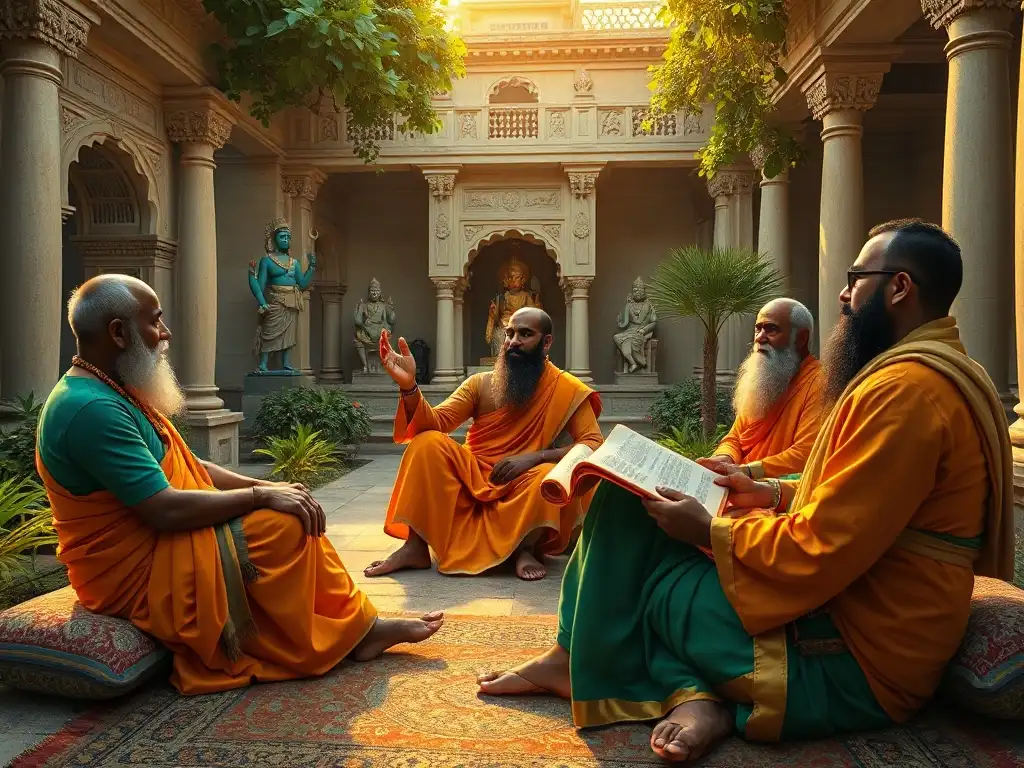
Conflicting Perspectives on Caste and Society
The caste system in ancient India has been a subject of intense philosophical debate among various thinkers and schools of thought. Ancient Indian philosophers offered a range of perspectives, reflecting the complexities of social hierarchy and individual worth.
- Hindu Philosophers: Figures such as Manu, in his Manusmriti, upheld the caste system as divinely ordained, arguing that it was essential for maintaining societal order. He categorically defined the four primary varnas—Brahmins, Kshatriyas, Vaishyas, and Shudras—each with distinct duties and responsibilities, which he believed were determined by birth. This rigid classification reinforced the status quo and justified social inequalities.
- Buddhist Thought: In contrast, Buddhist philosophers like Gautama Buddha challenged the legitimacy of the caste system. They argued for the inherent equality of all beings, emphasizing personal merit over birth. The Sutra Pitaka contains numerous references to the Buddha’s disdain for caste distinctions, advocating for a society based on compassion and ethical conduct rather than rigid social stratification.
- Jain Philosophy: Jain thinkers also critiqued the caste system, promoting the idea of ahimsa (non-violence) and the equality of all souls. They emphasized individual effort in spiritual development, which transcended caste boundaries. Their texts often highlight the futility of rigid social classifications in the pursuit of liberation.
This stark contrast between the traditional views upheld by Brahminical texts and the egalitarian ideals of Buddhism and Jainism illustrates the philosophical tension surrounding the caste system in ancient Indian society.
The philosophies espoused by ancient Indian thinkers significantly influenced social practices and cultural norms surrounding the caste system.
- Reinforcement of Caste Norms: The endorsement of the caste system by Hindu philosophers led to its institutionalization in society. Rituals, marriage customs, and even occupational roles became strictly defined along caste lines, creating a deeply entrenched social order that persisted for centuries.
- Buddhism and Social Reform: The Buddhist critique of caste prompted social movements that sought to dismantle these hierarchies. As Buddhism spread, it attracted followers from various strata of society, including those marginalized by the caste system. This inclusivity marked a significant shift in social dynamics, fostering a culture of acceptance and equality.
- Jain Contributions to Social Equality: Jain philosophy’s emphasis on non-violence and equality contributed to a gradual evolution in social attitudes. While Jain communities maintained some form of social stratification, their teachings encouraged a more fluid understanding of social roles and responsibilities, promoting the idea that spiritual purity and ethical living could transcend caste.
These philosophical influences played a crucial role in shaping societal attitudes towards the caste system, affecting everything from daily interactions to larger social hierarchies.
Evolution of Thought: From Rigidity to Fluidity
The discourse surrounding the caste system in ancient India underwent significant changes over time, moving from rigid classifications to more fluid interpretations.
- Early Texts: Early references in texts like the Vedas hint at a more flexible understanding of social roles, where duties were based on one’s qualities and actions rather than strictly on birth. This perspective began to shift with the rise of more prescriptive texts, establishing a rigid caste hierarchy.
- Philosophical Reinterpretations: By the time of the Upanishads and later philosophical texts, thinkers began to reinterpret the concepts of varna and jati (sub-castes). For instance, the Bhagavad Gita suggests that one’s duty (dharma) is determined by their nature (svabhava) rather than by birth, introducing the idea that social roles could be more fluid and adaptable.
- Influence of Reform Movements: The emergence of religious reform movements in later centuries, including those led by figures like Kabir and Ravidas, further promoted the notion that spiritual attainment and moral character were more significant than caste identity. These movements laid the groundwork for future social reform, advocating for a more egalitarian society.
The philosophical debate on the caste system among ancient Indian philosophers illustrates a complex interplay of ideas that evolved over time. From the rigid classifications endorsed by some to the egalitarian ideals promoted by others, these diverse perspectives have shaped the historical trajectory of the caste system in India.
Modern Interpretations of Ancient Indian Philosophers’ Views on the Caste System

Relevance of Ancient Philosophical Insights in Contemporary Society
The views of ancient Indian philosophers on the caste system remain highly relevant in today’s society, as they provide a framework for understanding social stratification and its implications. Philosophers such as Manu, Buddha, and Jain thinkers offered various perspectives that can inform current discussions about caste and social justice.
- Manu: In the Manusmriti, Manu articulated a hierarchical social order based on four varnas: Brahmins, Kshatriyas, Vaishyas, and Shudras. While his work is often critiqued for justifying social inequality, it also reflects the ancient Indian understanding of duty and dharma, emphasizing the importance of societal roles.
- Buddhist Philosophy: In contrast, Gautama Buddha challenged the rigid structures of the caste system. His teachings emphasized personal merit and ethical conduct over birth status, promoting a more egalitarian approach. This perspective is echoed in contemporary movements advocating for social equality.
- Jainism: Jain philosophers also contributed to the discourse by promoting the idea of ahimsa (non-violence) and equality among all beings, irrespective of their caste. This principle can be leveraged in modern dialogues about compassion and societal reform.
These philosophical insights encourage contemporary societies to reflect on their own social hierarchies and consider how ancient wisdom can guide efforts towards inclusivity and equality.
Lessons from Ancient Indian Philosophy for Modern Caste Issues
Ancient Indian philosophy offers valuable lessons that can be applied to modern caste issues, providing a rich tapestry of thought that advocates for social harmony and ethical living.
- Emphasis on Individual Merit: Many ancient philosophers stressed the importance of individual actions and character over caste lineage. This idea is pivotal today, as it encourages systems that recognize merit in education and employment, promoting social mobility.
- Dharma and Social Responsibility: The concept of dharma highlights the ethical duty individuals have towards their community. This can inspire modern citizens to engage in community service and social activism, fostering a sense of responsibility that transcends caste boundaries.
- Dialogue Over Division: Ancient texts often encouraged dialogue as a means to resolve conflicts and misunderstandings. In today’s context, promoting open conversations among different caste groups can help bridge divides and foster mutual respect.
- Critical Examination of Traditions: Philosophers like Buddha and Mahavira encouraged questioning established norms. This approach can lead to a critical examination of contemporary caste practices, pushing societies to reevaluate and reform unjust structures.
The insights from ancient Indian philosophers regarding the caste system serve as a philosophical foundation for addressing modern social challenges. By integrating these lessons into contemporary discussions, society can work towards a more equitable and harmonious future.
Conclusion: The Legacy of Ancient Indian Philosophers on the Caste System
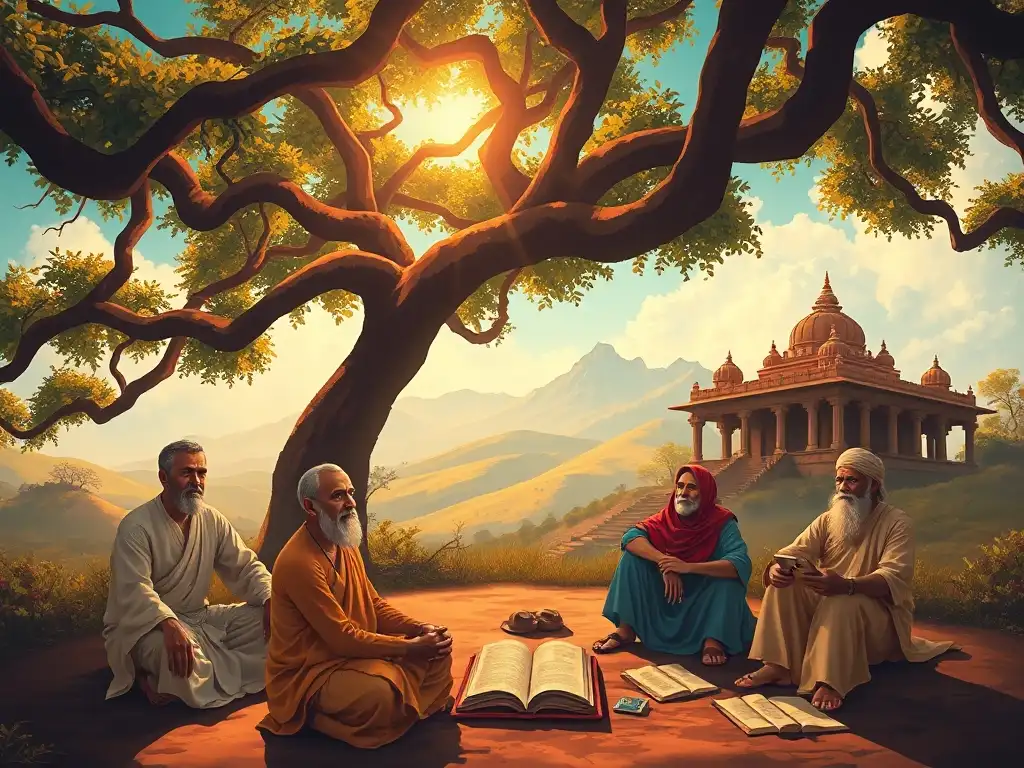
Summary of Key Insights
The examination of ancient Indian philosophers reveals a complex and nuanced understanding of the caste system that transcends simplistic interpretations. Key insights from philosophical texts and discussions include:
- Diverse Perspectives: Philosophers such as Manu, Buddha, and Mahavira offered varied views on the caste system, reflecting the diversity of thought in ancient India. While Manu articulated a hierarchical framework, Buddhist and Jain teachings emphasized equality and moral conduct over birth status.
- Moral and Ethical Dimensions: Many philosophers critiqued the rigidities of the caste system, advocating for a society driven by virtue and ethical behavior rather than inherited status. This philosophical stance laid the groundwork for future debates on social justice.
- Integration of Dharma and Social Roles: The concept of dharma (duty) was often linked to one's caste, suggesting that fulfilling one's responsibilities was essential for societal harmony. However, this perspective was not universally accepted, leading to significant philosophical discourse on its implications.
- Call for Reform: The writings of philosophers like Buddha and Mahavira challenged the status quo, advocating for reforms that would reduce caste-based discrimination. Their emphasis on compassion and non-violence contributed to a broader social movement towards egalitarianism.
The philosophical discourse surrounding the caste system in ancient India has left an enduring legacy that continues to shape modern social structures. This influence is evident in several ways:
- Modern Reform Movements: The ethical arguments put forth by ancient philosophers have inspired contemporary reformers and activists who seek to dismantle caste-based discrimination. Leaders like B.R. Ambedkar drew upon these philosophical foundations to advocate for social justice and equality.
- Cultural Narratives: Ancient texts that critique the caste system have become part of India's cultural narrative, influencing literature, art, and education. These narratives promote critical thinking about social hierarchies and encourage questioning of inherited norms.
- Philosophical Debates: The discussions initiated by ancient philosophers continue within academic and social circles, where scholars and thinkers engage with their ideas to address modern issues related to caste and social stratification. This ongoing dialogue is vital for understanding the complexities of Indian society today.
- Legislation and Policy: Insights from ancient Indian philosophy inform contemporary legislation aimed at promoting equality and protecting the rights of marginalized communities. The philosophical foundations advocate for a more just society by emphasizing ethical governance and moral responsibility.
The views of ancient Indian philosophers on the caste system not only provide a historical perspective but also serve as a critical lens through which modern society can evaluate and address ongoing issues related to caste and social inequality. Their legacy continues to inspire movements aimed at fostering a more equitable society, reflecting the timeless relevance of their teachings.
References and Suggested Readings
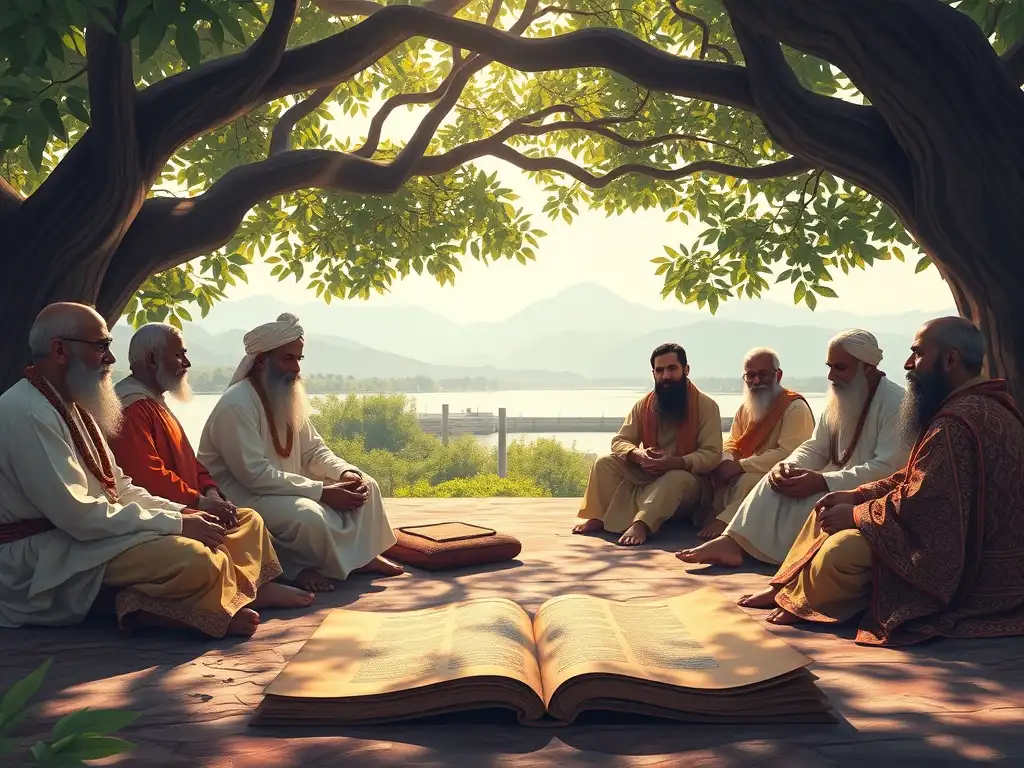
Understanding the perspectives of ancient Indian philosophers on the caste system requires a deep dive into both historical texts and contemporary analyses. This section provides a curated list of key texts and modern interpretations that illuminate the complexities of the caste system as viewed by these thinkers.
Key Texts by Ancient Indian Philosophers
- The Rigveda
- The Rigveda, one of the oldest texts in Indian literature, contains hymns that reference the social structure of the time. It includes the famous Purusha Sukta hymn that describes the cosmic being (Purusha) from which the four varnas (social classes) emerged. This text is foundational for understanding early conceptualizations of social hierarchy.
- The Manusmriti
- Often considered a pivotal legal and moral text, the Manusmriti elaborates on the roles and duties of different castes, providing insights into the ethical and social frameworks that governed ancient Indian society. The text has been both revered and critiqued for its prescriptions regarding caste.
- The Upanishads
- These philosophical texts, particularly the Chandogya Upanishad, discuss the nature of reality and the self (Atman) in relation to Brahman. They provide a philosophical backdrop that influenced later interpretations of caste and individual identity, emphasizing spiritual equality over social stratification.
- The Arthashastra
- Written by Kautilya (Chanakya), the Arthashastra offers a pragmatic view on governance, economics, and social order. It reflects on the roles of different castes in maintaining societal stability, which is crucial for understanding the practical implications of caste in ancient governance.
- Buddhist Texts
- The teachings of Siddhartha Gautama (Buddha) in texts like the Dhammapada challenge the caste system by promoting the idea that one's actions (karma) define one's worth, rather than birth. This perspective contributes significantly to the discourse surrounding social equality.
- Jain Scriptures
- Jain philosophy, particularly in texts like the Tattvartha Sutra, provides an ethical framework that emphasizes non-violence (ahimsa) and spiritual liberation, often critiquing the rigidities of the caste system. Jain thinkers' views on caste and social conduct offer a contrasting perspective to those of Brahmanical traditions.
Modern Analyses of the Caste System and Philosophy
- "Caste: A Historical Perspective" by G. S. Ghurye
- This seminal work analyzes the historical evolution of the caste system in India, offering insights into how ancient philosophical thought has shaped contemporary social structures. Ghurye's research emphasizes the need to view caste within the broader context of Indian history.
- "The Argumentative Indian" by Amartya Sen
- In this collection of essays, Sen discusses the diversity of Indian thought and challenges the static notions of caste. He argues for a more nuanced understanding of how ancient philosophies can inform modern social dynamics.
- "Caste and Class in India" by M. N. Srinivas
- Srinivas’s work examines the interplay between caste and class structures in contemporary India, drawing connections to ancient philosophical ideas. His analysis highlights the fluidity of caste identity and its implications for social mobility.
- "Postcolonial Perspectives on the Caste System" by N. R. Narayana
- This text critiques how colonial interpretations have influenced modern understandings of the caste system. Narayana explores ancient philosophies and their relevance in contemporary discussions on caste and identity.
- "Rethinking Caste: From the Sacred to the Secular" by Susan Bayly
- Bayly offers a modern interpretation of caste that considers both its historical roots and contemporary implications. She discusses how ancient philosophical frameworks can aid in understanding the persistence of caste in modern society.
The exploration of ancient Indian philosophers' views on the caste system reveals a rich tapestry of thought that continues to influence contemporary discussions. The key texts and modern analyses listed here serve as essential resources for anyone seeking to understand this complex social structure in depth.
Frequently Asked Questions
What was the perspective of ancient Indian philosophers on the caste system?
Ancient Indian philosophers had varied views on the caste system; some supported it as a means of social order, while others criticized its rigidity and advocated for equality.
Did any ancient Indian philosophers challenge the caste system?
Yes, philosophers like Buddha and Mahavira challenged the caste system, promoting ideas of equality and non-discrimination, urging followers to look beyond social hierarchies.
How did the caste system influence ancient Indian society?
The caste system played a crucial role in shaping social structure, dictating one's occupation, marriage, and social interactions, impacting the lives of millions throughout ancient India.
What were the philosophical underpinnings of the caste system in ancient India?
Philosophically, the caste system was often linked to dharma (duty) and karma, suggesting that one's social position was a result of their actions in past lives, thus legitimizing the system.
How did the Gupta Empire view the caste system?
During the Gupta Empire, the caste system became more rigid, with increased social stratification; however, some philosophers still voiced critiques, advocating for a more just society.
Final Reflection: Understanding the Caste System Through Ancient Indian Philosophy
The insights of ancient Indian philosophers on the caste system remain profoundly relevant today, as they challenge us to reconsider the foundations of social stratification and its implications for modern society. The philosophical inquiries of figures like Manu and Buddha not only shaped the historical context of the caste system but also provide a lens through which we can examine contemporary issues of inequality and discrimination. Their teachings compel us to confront the enduring legacy of these ancient beliefs and their impact on our current social fabric.
The discourse initiated by these philosophers continues to resonate in our cultural and social landscape, urging us to reflect on the values we uphold in our communities. Their perspectives on duty, morality, and social order invite us to question the rigid classifications that persist today. As Mahatma Gandhi once said, "> The caste system is a blot on Hinduism, and it is a sin against humanity." This sentiment echoes the ongoing struggle for social justice and equality, reminding us that the philosophical foundations laid centuries ago still influence our collective consciousness.
As we contemplate the lessons from ancient Indian philosophers regarding the caste system, I encourage you to reflect on your own beliefs and actions in relation to social hierarchies. Consider how you can contribute to dismantling prejudices and fostering inclusivity in your environment. By embracing the wisdom of the past, we can forge a path toward a more equitable future, where the ideals of justice and compassion transcend the divisions that have long plagued humanity.
Unveil the Wisdom of Ancient Indian Philosophy!
Thank you for taking the time to explore the profound insights of ancient Indian philosophers on the caste system. We hope you’ve gained a deeper understanding of how these influential thinkers shaped societal norms and values. Now, let's harness that knowledge and take meaningful steps toward awareness and dialogue.
Here are a few ways you can actively engage with this topic:
- Reflect on your own beliefs: Take a moment to examine how the ideas presented resonate with your perspective on contemporary social structures.
- Share your thoughts! Discuss the concepts from this article with friends or on social media to spark conversation and enhance understanding.
- Explore further: Dive into related texts or resources to uncover more about the philosophies that continue to influence modern society.
What new insights has this exploration provided regarding the role of philosophy in shaping societal values?