
The Role of Rituals and Customs in Maintaining Caste Distinctions

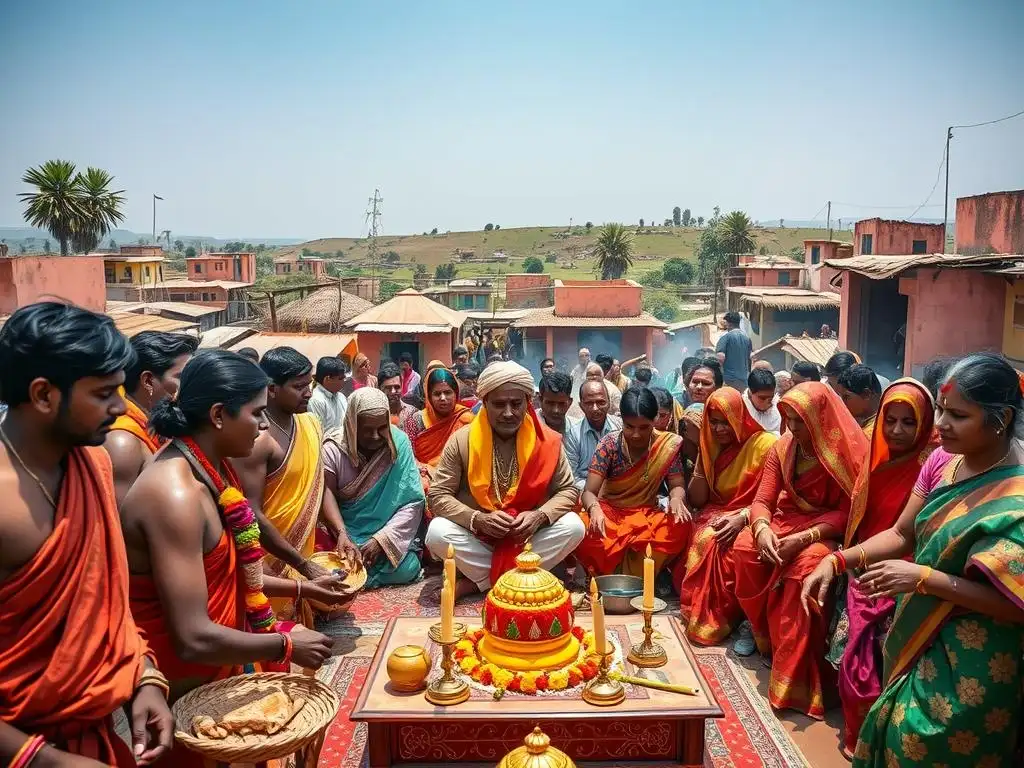
Welcome to Ancient India History, where we embark on a fascinating journey through the rich and diverse tapestry of ancient Indian civilizations. From the enigmatic Indus Valley to the illustrious Gupta Empire, our exploration unveils the intricate layers of history, culture, and contributions that have shaped one of the world's oldest societies. In this article, we delve into the caste system rituals in India, illuminating how these customs have played a pivotal role in maintaining caste distinctions throughout the ages.
Prepare to uncover the profound significance of these rituals and what they reveal about daily life and society in ancient India. Let your curiosity guide you as we unravel the mysteries of a civilization that continues to influence modern society.
- Introduction to Caste System Rituals in India
- Historical Context of Caste System Rituals
- Key Rituals and Customs in Caste Systems
- The Impact of Rituals on Social Hierarchies
- Changes and Adaptations in Caste System Rituals
- Conclusion: The Ongoing Significance of Caste System Rituals in India
- References
-
Frequently Asked Questions
- What are the caste system rituals in India?
- How do rituals contribute to the caste system?
- What is the historical significance of the caste system in ancient India?
- Are there any customs associated with the caste system that are still practiced today?
- How have modern reforms impacted caste system rituals in India?
- Final Reflection: The Enduring Legacy of Caste System Rituals in India
- Unveil the Power of Rituals in Shaping Culture!
Introduction to Caste System Rituals in India
The caste system in India, a complex social hierarchy, has shaped the lives of millions for centuries. It is deeply entwined with the country's ancient traditions, customs, and rituals, which serve to reinforce and maintain these social distinctions. In this article, we will delve into the pivotal role that rituals and customs play in perpetuating the caste system, examining how these practices not only define social interactions but also influence the cultural fabric of Indian society. Understanding the intricacies of caste system rituals in India offers vital insights into the historical and contemporary implications of social stratification.
Understanding the Caste System: An Overview
The caste system is traditionally divided into four main categories, known as varnas:
- Brahmins: Priests and scholars, tasked with performing religious rituals and preserving sacred texts.
- Kshatriyas: Warriors and rulers, responsible for protection and governance.
- Vaishyas: Merchants and landowners, engaged in trade and agriculture.
- Shudras: Laborers and service providers, performing tasks for the other three varnas.
Beyond these four varnas, there exists a multitude of subcastes, or jatis, which further complicate the social structure. This hierarchical arrangement is not merely a classification of professions but is deeply rooted in religious texts and societal norms, often dictating one's occupation, social interactions, and even dietary practices.
Rituals and customs associated with each caste play a crucial role in maintaining these distinctions. For instance, specific rites of passage, marriage customs, and daily rituals often vary significantly across castes, reinforcing the boundaries between them.
Importance of Rituals and Customs in Indian Society
Rituals and customs are integral to the daily lives of individuals in India, serving both spiritual and social purposes. They are not only expressions of devotion but also mechanisms for social cohesion and identity within each caste. Some key aspects include:
- Social Identity: Participating in caste-specific rituals helps individuals affirm their identity and belonging within their community.
- Cultural Continuity: These practices ensure the transmission of traditions and values across generations, creating a sense of stability and continuity.
- Community Engagement: Rituals often involve collective participation, fostering a sense of unity and solidarity among members of a particular caste.
In essence, rituals and customs serve as the lifeblood of the caste system, reinforcing its structures and norms while simultaneously shaping the cultural landscape of India. Understanding these elements is crucial for comprehending how the caste system continues to influence contemporary Indian society.
Historical Context of Caste System Rituals
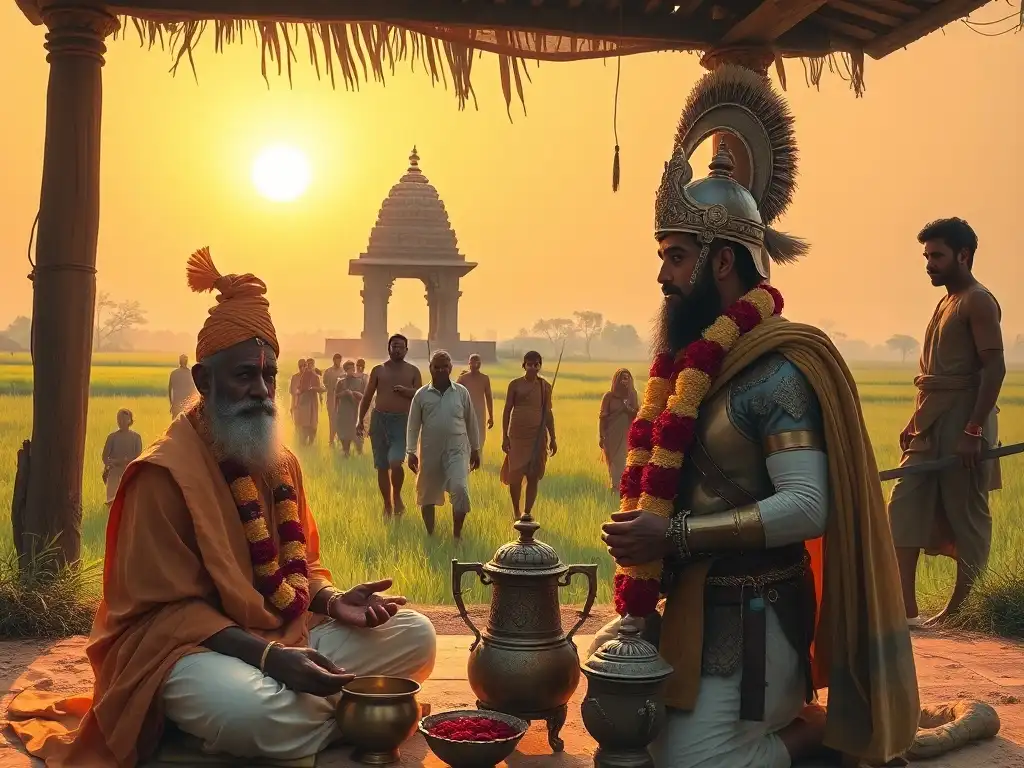
Origins of Caste Distinctions in Ancient India
The roots of the caste system in India can be traced back to the Vedic period (approximately 1500 – 500 BCE), where early societal divisions began to emerge. The Vedas, particularly the Rigveda, reference a fourfold varna system that categorized society into four primary groups:
- Brahmins (priests and scholars)
- Kshatriyas (warriors and rulers)
- Vaishyas (traders and agriculturists)
- Shudras (laborers and service providers)
This classification began as a functional division of labor, with each group contributing uniquely to society's sustenance. However, over time, the varna system transformed into a more rigid caste system, influenced by various factors, including regional variations, economic needs, and cultural practices.
Rituals played a crucial role in maintaining these distinctions. For example, rituals such as samskaras (sacraments) marked significant life events, reinforcing the identity and social status of each caste. The performance of specific rituals was often restricted to certain castes, thereby perpetuating social hierarchy and exclusivity.
As a result, the caste system became deeply embedded in Indian social fabric, influencing not only personal identity but also community interactions and societal norms.
Evolution of Ritual Practices over Time
The evolution of rituals associated with the caste system in India reflects the dynamic interplay between tradition and social change. Initially, rituals were primarily religious in nature, serving as a means to connect individuals with the divine and affirm their social roles. However, as the caste system became more entrenched, these rituals took on additional layers of social significance.
- Religious Rituals: Many caste-based rituals were tied to Hindu religious practices. For instance, the Homa (fire sacrifice) was traditionally performed by Brahmins, establishing their spiritual authority and reinforcing the sanctity of their caste. Likewise, certain rituals, such as Upanayana (the sacred thread ceremony), were exclusive to the higher castes, symbolizing initiation into spiritual and social responsibilities.
- Social Rituals: Over time, rituals evolved to include social customs that reflected caste identity. Marriage rituals, for example, became heavily influenced by caste considerations, with practices such as endogamy (marrying within one’s caste) becoming a norm to preserve caste boundaries. The elaborate ceremonies surrounding marriages often served as demonstrations of caste status, further entrenching the social hierarchy.
- Rituals of Purification: Rituals of purification, such as Brahmana Snana (bathing rituals), became essential for maintaining caste purity. These rituals often dictated daily life and interactions between different castes, emphasizing the importance of ritual cleanliness and adherence to caste norms.
- Modern Adaptations: In contemporary India, while many traditional rituals persist, there is a growing movement towards reinterpretation and reform. Social reforms and movements have challenged caste-based rituals, advocating for equality and inclusivity. Nonetheless, remnants of caste system rituals still influence social behavior and cultural practices.
Rituals related to the caste system in India have evolved significantly over time, reflecting both historical traditions and contemporary societal changes. Understanding these rituals provides insight into the complex interplay of religion, culture, and social structure in ancient and modern India.
Key Rituals and Customs in Caste Systems
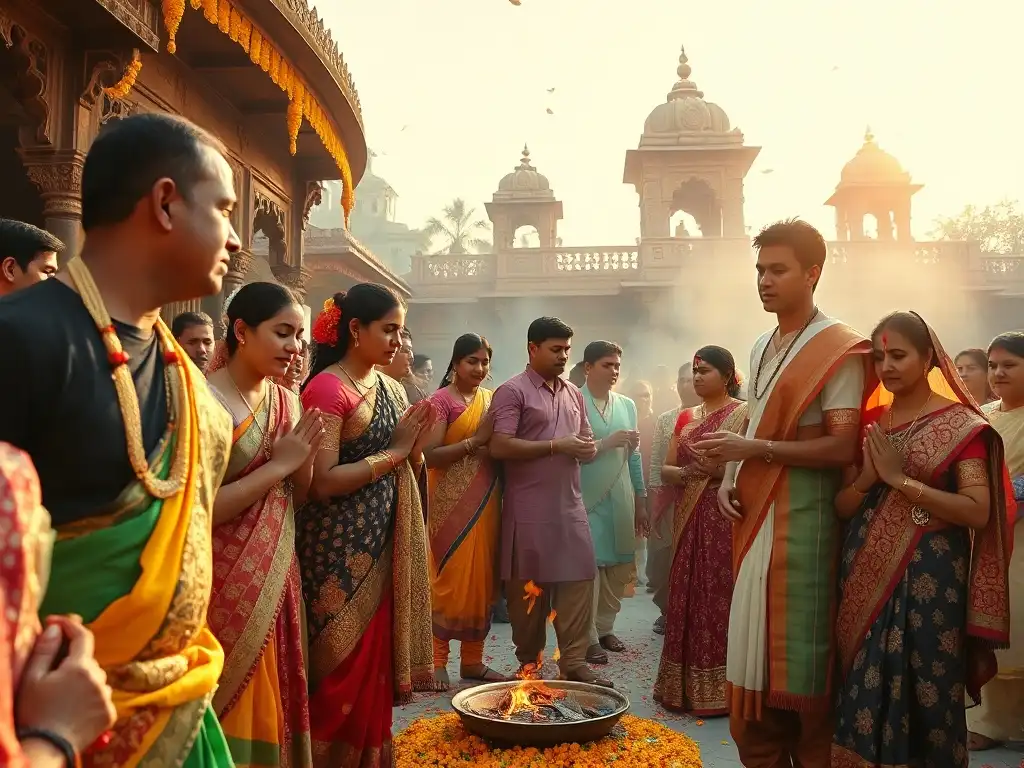
The caste system in India, a complex social hierarchy, is deeply intertwined with various rituals and customs that serve not only to define but also to preserve caste distinctions. These rituals and customs are pivotal in maintaining the social fabric of caste identities, influencing relationships, marriage, religious practices, and daily routines. Understanding these key rituals provides insight into how the caste system has persisted through centuries, shaping the lives of millions.
Marriage Rituals and Their Role in Caste Preservation
Marriage is one of the most significant rituals that uphold caste distinctions in India. It is often seen as a means of ensuring the continuity of caste identity and preserving social boundaries.
- Endogamy: One of the primary customs is endogamy, where individuals marry within their own caste. This practice is crucial for maintaining caste purity and preventing the dilution of caste-specific traits. For instance, a Brahmin will typically marry another Brahmin, reinforcing the social hierarchy and ensuring the transmission of cultural values.
- Arranged Marriages: Arranged marriages are prevalent, with families often choosing partners based on caste compatibility. This practice is not merely a tradition but a strategic decision to maintain social standing. Families might even conduct extensive background checks on potential partners' caste lineage to ensure adherence to caste norms.
- Dowry System: The dowry system, although criticized, is still prevalent in many communities and is often influenced by caste status. The amount and nature of the dowry can reflect the family's caste position, further entrenching caste divisions.
These marriage rituals not only dictate personal relationships but also serve as a communal reinforcement of caste identity, ensuring that the boundaries remain intact.
Religious Ceremonies and Festivals: A Reflection of Caste Identity
Religious ceremonies and festivals play a significant role in reinforcing caste identity and distinctions. They are often marked by specific customs and practices unique to each caste, showcasing their heritage and values.
- Festivals: Major festivals, such as Diwali, Holi, and Navratri, are celebrated differently across castes. For example, the way rituals are conducted, the type of food prepared, and the manner of worship can vary significantly, highlighting caste differences. Certain festivals may even involve specific caste-related rituals that exclude other groups, thus maintaining social separation.
- Puja and Offerings: In many cases, the types of puja (worship) and offerings made during religious ceremonies are dictated by caste. Higher castes may perform more elaborate rituals, while lower castes might engage in simpler forms of worship. This disparity not only reflects social hierarchy but also perpetuates the notion of purity and pollution associated with different castes.
- Pilgrimages: Pilgrimages to sacred sites often see caste-based participation. Certain temples may have restrictions on lower castes, reinforcing the existing hierarchies. Such practices are a reminder of the deeply rooted beliefs that mold caste identities and influence community interactions.
Through these religious observances, caste identities are publically affirmed, and the communal ties within each caste group are strengthened.
Daily Practices: Rituals That Reinforce Caste Boundaries
Daily life in India is steeped in rituals that reinforce caste boundaries, from dietary habits to daily interactions, which are often governed by caste norms.
- Dietary Restrictions: Food practices are one of the most evident manifestations of caste distinctions. Each caste typically has specific dietary restrictions—such as vegetarianism for Brahmins and certain food prohibitions for lower castes. These practices serve not only as personal choices but also as communal identifiers.
- Social Interactions: Interactions between different castes are often regulated by unspoken rules. For instance, lower castes may be required to maintain a physical distance from higher castes in social settings, reflecting the ingrained notions of purity and pollution.
- Ritual Cleanliness: Daily rituals of cleanliness, including bathing and the use of specific utensils, vary by caste. For example, while higher castes may use metal utensils deemed pure, lower castes may be restricted to using clay pots. This practice underscores the importance placed on ritual purity and its link to caste identity.
These daily rituals contribute to a lived experience that continuously reinforces caste distinctions, embedding them deeply within the social fabric of Indian society.
The rituals and customs associated with the caste system in India serve as powerful mechanisms for maintaining caste distinctions. By examining marriage rituals, religious ceremonies, and daily practices, we can gain a deeper understanding of how these customs shape individual identities and community structures within the complex landscape of Indian society.
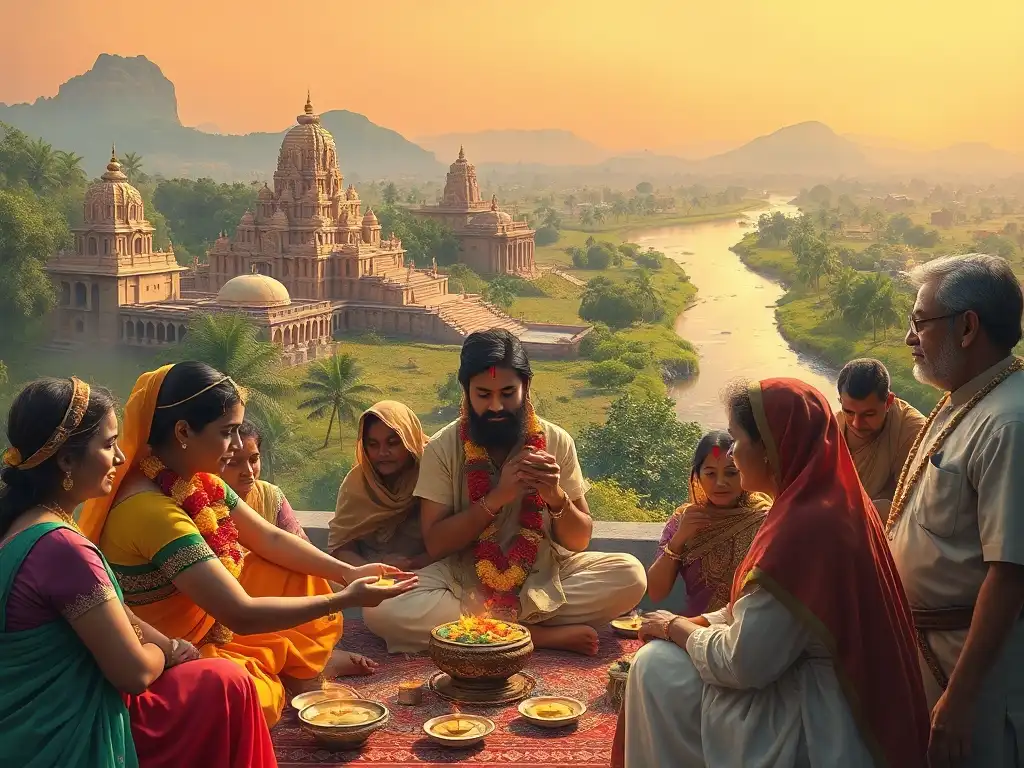
Rituals play a crucial role in reinforcing and maintaining social hierarchies within the caste system in India. These practices serve not only as expressions of cultural identity but also as mechanisms for delineating boundaries between different caste groups. The significance of rituals can be understood through various lenses, including religious, social, and historical contexts.
How Rituals Maintain Caste Distinctions
Rituals are deeply embedded in the daily lives of individuals across different castes, providing a framework that supports the existing social order. Here are several ways in which these rituals contribute to maintaining caste distinctions:
- Religious and Ceremonial Practices:
- Puja and Offerings: Specific rituals within Hinduism, such as pujas (worship) and offerings to deities, often vary by caste. Higher castes may perform elaborate rituals that lower castes are prohibited from participating in, reinforcing social boundaries.
- Sacred Texts: The interpretation and recitation of sacred texts are often restricted to certain castes, particularly Brahmins, who are seen as custodians of knowledge. This exclusivity perpetuates both reverence for and submission to the caste hierarchy.
- Ritual Purity and Pollution:
- Concept of Shuddhi: In many rituals, the idea of purity (shuddhi) is paramount. Practices surrounding cleanliness and pollution dictate who can participate in certain rituals. For instance, lower castes may be considered impure, preventing them from engaging in communal worship, thus maintaining social stratification.
- Food Practices: Dietary restrictions are also a critical aspect of rituals. Foods considered pure for higher castes may be deemed impure for lower castes, which not only shapes personal identity but also influences social interactions.
- Life Cycle Rituals:
- Samskaras: Life cycle rituals (samskaras) mark significant transitions in life, from birth to death. Each caste has specific customs associated with these rituals, which serve to reinforce caste identity and adherence to social norms.
- Marriage Rituals: Marriages within the caste system are often strictly regulated by ritual practices. Endogamy, or marrying within one’s own caste, is a fundamental principle that is upheld through elaborate wedding ceremonies that emphasize caste distinctions.
- Festivals and Community Gatherings:
- Caste-Specific Festivals: Certain festivals are celebrated exclusively by particular castes, fostering a sense of belonging and reinforcing social divisions. These gatherings often highlight caste-based roles and responsibilities, further entrenching social hierarchies.
- Ritualized Social Interactions: The way individuals from different castes interact during communal gatherings, often dictated by ritual norms, reinforces the distinctions present in everyday life.
Case Studies: Specific Examples of Caste System Rituals
To illustrate the impact of rituals on caste distinctions, let’s explore a few specific examples of rituals that exemplify this phenomenon:
- Kumbh Mela:
- The Kumbh Mela is one of the largest religious gatherings in the world, where millions come to bathe in sacred rivers. Participation is often determined by caste, with higher castes enjoying greater visibility and prominence during the event. The rituals performed here serve to reinforce social hierarchies, as higher caste participants often dictate the terms of engagement.
- Diwali Celebrations:
- Diwali, the festival of lights, is celebrated by various castes, but the customs and rituals differ significantly. For instance, the wealthier castes may engage in elaborate celebrations and rituals that highlight their status, while lower castes may partake in simpler observances. The disparity in celebrations reinforces the socio-economic and caste distinctions.
- Brahminical Initiation Rituals:
- The Upanayana ceremony, marking a boy’s initiation into the study of sacred texts, is predominantly reserved for Brahmin boys. This ritual not only signifies a transition into a higher spiritual status but also cements the educational and social privilege of the Brahmin caste, highlighting the exclusivity of rituals aligned with caste identity.
- Death Rituals:
- The rituals surrounding death also reflect caste distinctions. For example, cremation practices differ among castes, with higher castes often receiving more elaborate ceremonies. The manner in which these rituals are performed reinforces the caste system's hierarchical nature, dictating how social status is honored even in death.
Rituals and customs serve as powerful tools in maintaining caste distinctions in India. By examining specific practices, it becomes evident that these rituals not only reflect the existing social order but also actively contribute to its perpetuation through cultural reinforcement and community engagement.
Changes and Adaptations in Caste System Rituals
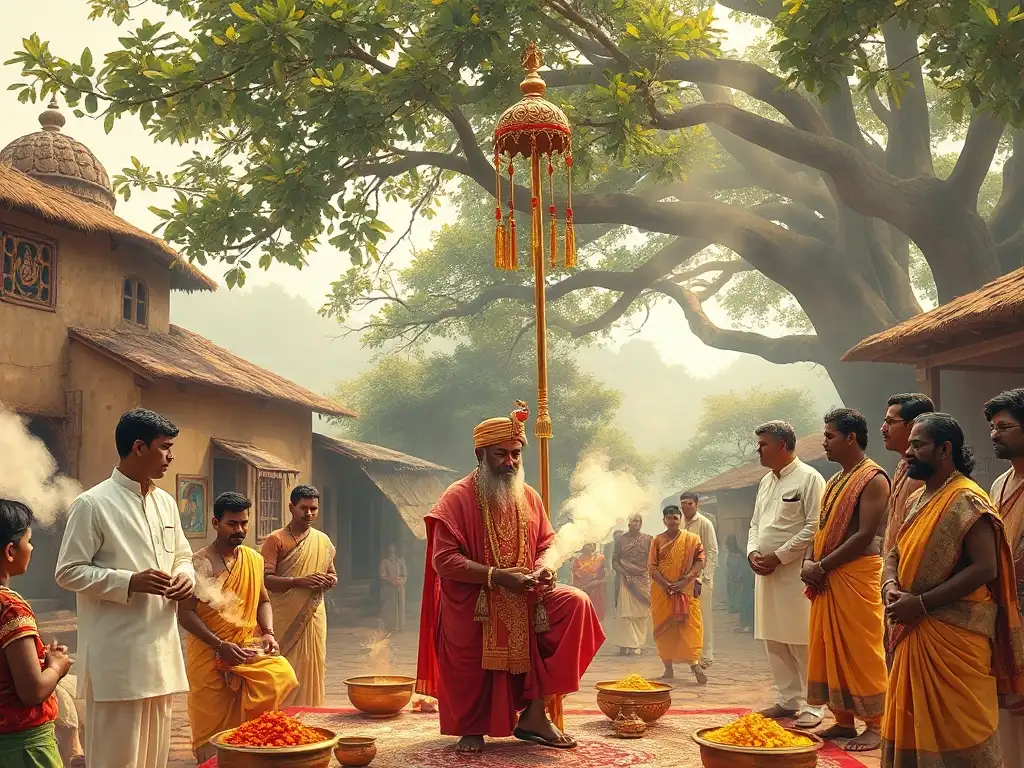
The caste system in India has long been a complex social hierarchy influencing various aspects of daily life, including rituals and customs. Over centuries, these rituals have undergone significant changes and adaptations, reflecting the dynamic interplay between tradition and modernity. The evolution of caste system rituals illustrates how societal transformations have impacted the ways in which caste identities are maintained and expressed.
Modern Influences on Traditional Rituals
In contemporary India, traditional caste rituals face numerous influences that challenge their strict adherence. Globalization, urbanization, and increased educational opportunities have led to a re-evaluation of caste practices.
- Globalization: With the advent of global communication, cross-cultural interactions have introduced new ideas and practices that often blend with traditional customs. For instance, many young individuals participate in mixed-gender social gatherings that defy conventional caste boundaries, thereby altering traditional ritualistic practices.
- Urbanization: The migration of individuals from rural areas to urban centers has led to a more cosmopolitan lifestyle where caste distinctions are less pronounced. In cities, social interactions often transcend caste lines, leading to modifications in rituals. For example, marriages that once strictly adhered to caste norms may now involve partners from different backgrounds, thus reshaping the ritualistic framework surrounding marriage ceremonies.
- Education and Awareness: As educational levels rise, particularly among lower castes, there is a growing awareness of social inequalities. This has prompted many to question and reject outdated caste rituals. Educational institutions often promote inclusivity, encouraging students from various castes to participate in communal activities, thereby diminishing the significance of caste in ritual participation.
In light of these influences, traditional rituals are increasingly adapted to reflect contemporary values, emphasizing equality and inclusiveness while still acknowledging their historical roots.
The Role of Reform Movements in Altering Caste Practices
Throughout history, various reform movements have significantly impacted the caste system in India, leading to alterations in caste practices and rituals.
- Brahmo Samaj and Arya Samaj: Founded in the 19th century, these reform movements aimed to eradicate social evils associated with caste. They promoted a more egalitarian approach to worship and social interactions. Members of these movements often rejected caste-based rituals, encouraging followers to participate in rituals that emphasized spiritual equality rather than caste distinctions.
- Dalit Movements: The emergence of Dalit movements in the 20th century, particularly under the leadership of figures like B.R. Ambedkar, marked a significant shift in how caste rituals were perceived and practiced. These movements sought to dismantle caste hierarchies and promote social justice, leading to the rejection of traditional rituals that upheld caste distinctions. In many cases, Dalit communities developed their own rituals and customs that reflected their identity and resistance to oppression.
- Modern Hindu Reformers: Contemporary reformers continue to challenge caste-based rituals. They advocate for a spiritual practice that transcends caste divisions, promoting rituals that focus on individual devotion rather than communal identity. This has led to the creation of inclusive spaces for worship where individuals from different castes can participate equally.
As a result of these reform movements, caste rituals have been redefined to align more closely with contemporary values of equality and social justice, paving the way for a more inclusive understanding of cultural practices in India.
The role of rituals and customs in maintaining caste distinctions is undergoing a transformation influenced by modernity and reform movements. As society evolves, so too do the rituals that reflect its values, highlighting the ongoing dialogue between tradition and progress in the context of the caste system in India.
Conclusion: The Ongoing Significance of Caste System Rituals in India
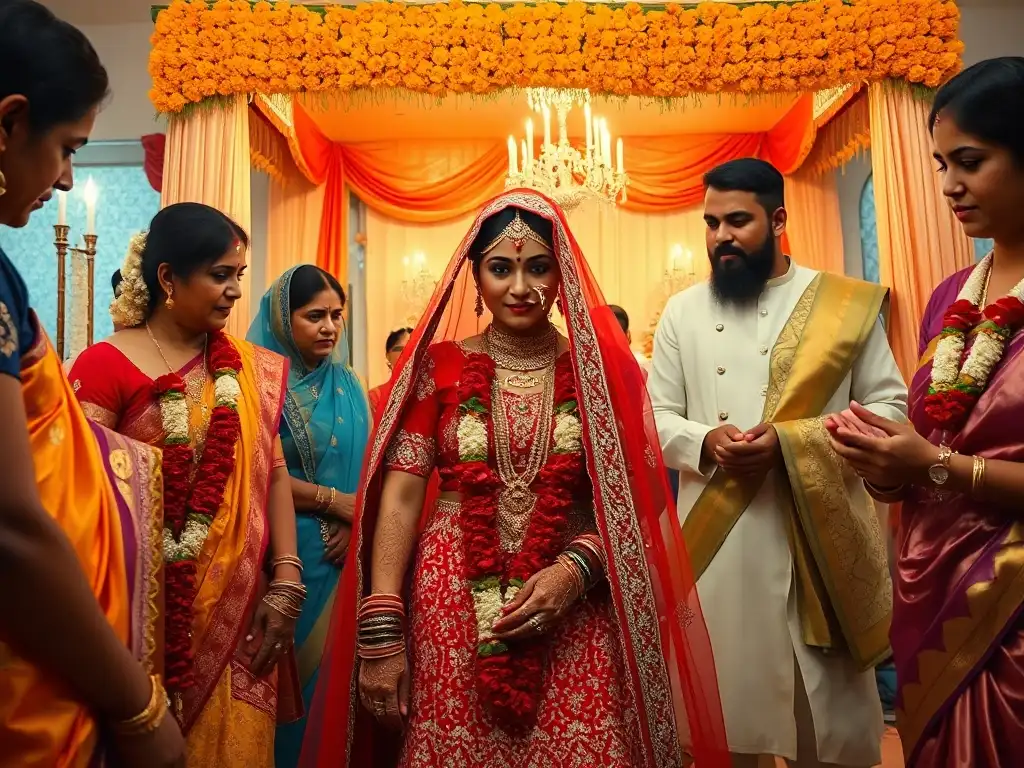
The caste system in India has been an enduring aspect of social organization, and rituals play a pivotal role in maintaining and reinforcing these distinctions. These rituals, rooted in ancient traditions, serve not only as expressions of cultural identity but also as mechanisms for social regulation. They often dictate the interactions among different castes, shaping the framework within which individuals navigate their roles and responsibilities in society.
Reflections on the Future of Caste Rituals and Customs
As India progresses towards modernization, the relevance and practice of caste system rituals are being challenged. While many rituals remain deeply embedded in the lives of individuals, there is a growing trend towards questioning and redefining these customs.
- Modern Influences: The impact of globalization and urbanization has led to a dilution of traditional practices. Many younger generations are increasingly inclined to adopt more egalitarian values, often moving away from rigid caste distinctions.
- Legal Framework: India's constitution prohibits caste-based discrimination, which has spurred movements advocating for the abolition of caste rituals that perpetuate inequality.
- Cultural Preservation vs. Social Change: There exists a tension between preserving cultural heritage and the need for social reform. Some argue that rituals can be reinterpreted to promote inclusivity, while others believe that they should be eradicated entirely to foster a more equitable society.
The future of caste rituals in India may hinge on this balance between tradition and modernity, with potential pathways including the adaptation of existing rituals to reflect contemporary values or the complete abandonment of practices that reinforce caste hierarchies.
Rituals within the caste system serve as a lens through which to understand the complexities of social structure in India. They are not merely ceremonial acts but are imbued with meaning that reflects historical contexts, social hierarchies, and cultural values.
- Social Cohesion: Rituals often act as a glue that binds community members together, reinforcing shared beliefs and practices. They provide a sense of belonging and identity within a caste, which can be crucial for social cohesion.
- Enforcement of Hierarchies: Conversely, rituals can also reinforce existing hierarchies, often leading to exclusion and discrimination. The manner in which rituals are practiced can serve to delineate boundaries between different caste groups, making them a powerful tool in maintaining caste distinctions.
- Evolving Practices: As society evolves, so too do these rituals. The interpretation and significance of rituals can shift, reflecting broader changes in societal attitudes and norms.
The role of rituals in the caste system is multifaceted and continues to evolve in response to social dynamics. While they play a significant role in maintaining caste distinctions, the ongoing dialogue about their relevance and impact may shape the future of social structures in India. As such, understanding these rituals is essential for grasping the complexities of daily life and society in ancient and modern India alike.
References
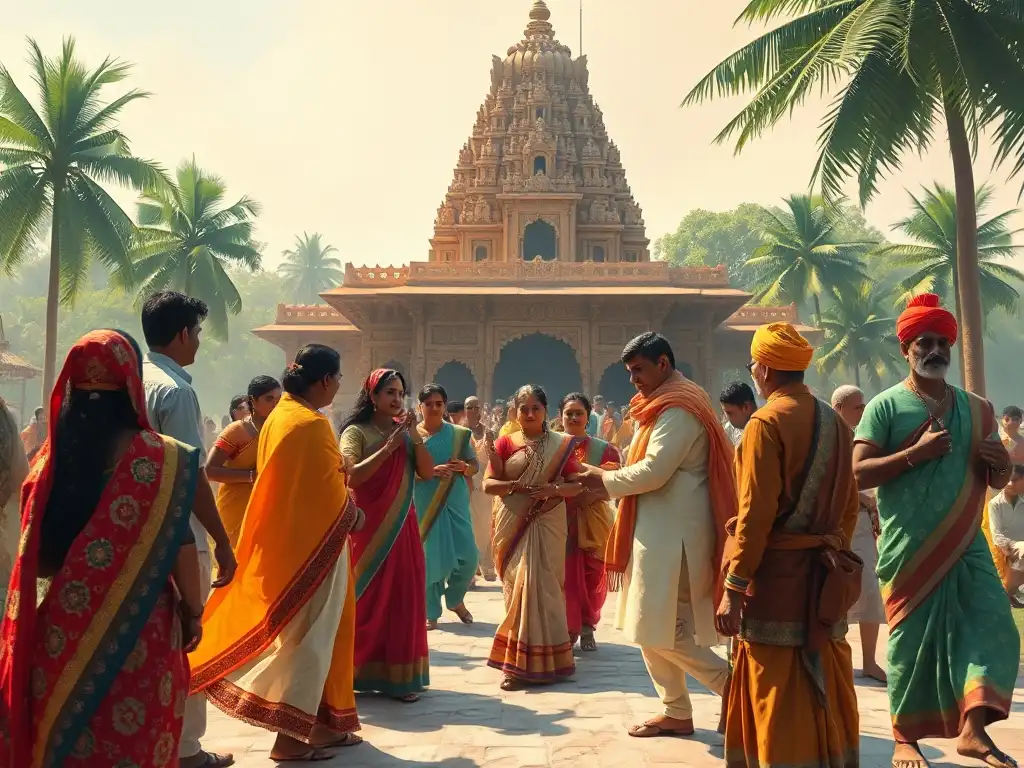
The study of the caste system and its rituals in ancient India is enriched by various scholarly works and historical references. The complexity of these social structures is reflected in the extensive literature available on the subject. Below are some key references that provide valuable insights into the rituals and customs associated with caste distinctions.
Suggested Reading on Caste System and Rituals in India
-
"Caste: The Origins of Our Discontents" by Isabel Wilkerson
This book explores the intricacies of caste systems globally, including a detailed analysis of the Indian caste system. Wilkerson's narrative provides a contemporary lens through which ancient rituals can be understood.
-
"The Caste System in India: A Historical Perspective" by D. N. Majumdar
This historical examination focuses on the evolution of the caste system, highlighting how various rituals helped to reinforce caste distinctions throughout Indian history.
-
"Ritual and Power: A Study of the Caste System in India" by Arjun Appadurai
Appadurai delves into the interplay between rituals and social hierarchy, illustrating how rituals serve to sustain caste boundaries.
-
"The Sacred and the Profane: The Nature of Religion" by Mircea Eliade
While not specific to India, this foundational text provides a comparative approach to understanding how rituals function in religious contexts, including those that affect social structures like caste.
-
"Caste and Class in India" by R. K. Jain
Jain’s work critically assesses the intersection of caste and class, offering insights into the rituals that delineate boundaries within these social systems.
-
"Rituals of Resistance: Caste and Politics in Contemporary India" by R. N. Sharma
This book provides a modern perspective on how rituals associated with caste continue to influence socio-political dynamics in India today.
| Resource Title | Author(s) | Year | Description |
|---|---|---|---|
| "The Hindu Caste System: An Overview" | K. M. Shrimali | 2015 | A comprehensive overview of the origins and development of the Hindu caste system, including key rituals. |
| "Caste Distinctions: Historical and Contemporary Views" | A. B. Chakravarti | 2018 | This work discusses historical contexts of caste rituals and their adaptations in contemporary society. |
| "Caste, Society, and Politics in India" | R. K. Sharma | 2020 | Analyzes the political ramifications of caste rituals and their impact on social structures in ancient and modern India. |
| "Rituals and Beliefs in Ancient India" | P. N. Rao | 2021 | Examines the various rituals practiced in ancient India and their significance in maintaining social order. |
| "Understanding Caste: From Ancient to Modern India" | S. C. Bhattacharya | 2019 | A critical exploration of the evolution of the caste system, emphasizing the role of rituals in shaping caste identities. |
These references and resources provide a robust foundation for understanding the intricate relationship between rituals and the caste system in ancient India. They reflect the diverse perspectives and methodologies employed by scholars to analyze how rituals not only maintained caste distinctions but also influenced the daily lives of individuals within these social frameworks.
Frequently Asked Questions
What are the caste system rituals in India?
The caste system rituals in India are a set of traditional practices that reinforce social hierarchies and distinctions among various castes, often involving ceremonies, festivals, and daily customs.
How do rituals contribute to the caste system?
Rituals serve to maintain caste distinctions by creating a sense of identity and belonging among members of a specific caste, while also establishing boundaries with other groups through restrictions on social interactions.
What is the historical significance of the caste system in ancient India?
The caste system played a crucial role in the social structure of ancient India, influencing occupational roles, marriage practices, and interactions, thus shaping the cultural landscape of the time.
Are there any customs associated with the caste system that are still practiced today?
Yes, many customs associated with the caste system, such as marriage rituals and ceremonial practices, continue to be observed in various communities, reflecting the enduring legacy of caste distinctions.
How have modern reforms impacted caste system rituals in India?
Modern reforms have aimed to reduce caste-based discrimination and promote social equality, leading to changes in many caste system rituals, although some traditional practices still persist in certain regions.
Final Reflection: The Enduring Legacy of Caste System Rituals in India
The exploration of caste system rituals in India reveals a profound connection between tradition and social structure that remains relevant today. As we navigate a rapidly changing world, understanding how these rituals perpetuate caste distinctions is crucial. The persistence of these customs not only shapes individual identities but also reinforces societal hierarchies, making it imperative for us to critically examine their role in contemporary society.
The influence of caste system rituals extends beyond mere tradition; they are woven into the very fabric of Indian culture and social interactions. These rituals often dictate personal relationships, professional opportunities, and even access to resources, perpetuating inequalities that can be difficult to dismantle.
As Mahatma Gandhi once said, “The true measure of any society can be found in how it treats its most vulnerable members.” > This quote resonates deeply with the ongoing struggles against caste-based discrimination, reminding us that the impact of these rituals is not just historical but a present-day challenge that calls for our attention and action.
As we reflect on the lessons drawn from the examination of caste system rituals, let us consider our own roles in this complex social landscape. How can we challenge the status quo and advocate for a more equitable society? I invite you to engage with these ideas, to question the rituals that shape your own life and community, and to take action that promotes inclusivity and understanding. Together, we can work towards a future where the bonds of tradition do not confine us but rather empower us to create a more just and harmonious society.
Unveil the Power of Rituals in Shaping Culture!
Thank you for exploring the pivotal role of rituals and customs in maintaining social distinctions throughout history. Your engagement with this profound topic helps deepen our understanding of social dynamics in ancient cultures. Now, let’s take meaningful steps to expand your knowledge and share these insights with others!
Here are some actions you can take:
- Dive Deeper: Explore additional historical texts and scholarly articles on ancient rituals to broaden your perspective on their significance.
- Share Your Insights: Discuss your thoughts with friends or on social media using relevant hashtags and start a conversation about the relevance of these rituals today.
- Join a Community: Engage with online forums or local groups focused on history and culture to share experiences and learn from fellow enthusiasts.
What aspects of rituals do you find most fascinating, and how do you think they continue to influence modern society?