
The Unraveling Myths of Bhogali Bihu: A Celebration of Abundance

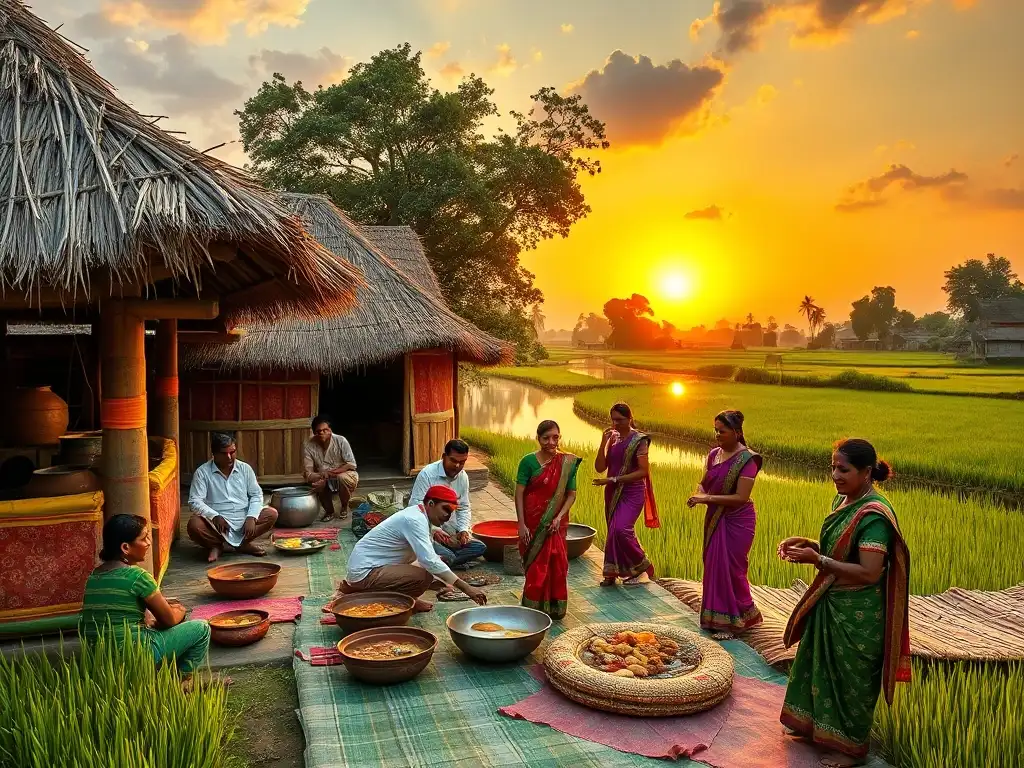
Welcome to Ancient India History, where we embark on a fascinating journey through time, uncovering the vibrant tapestry of ancient Indian civilizations. In this exploration, we delve into the history of the Bhogali Bihu celebration, a festival that embodies the spirit of abundance and community. As you navigate through the rich narratives of the Indus Valley to the Gupta Empire, prepare to be captivated by the traditions that have shaped our culture.
Discover how Bhogali Bihu weaves together folklore, agriculture, and festivity, inviting you to ponder the stories behind its vibrant celebrations. Join us as we unravel the myths and truths of this cherished festival, and let your curiosity guide you deeper into the enchanting world of ancient Indian heritage.
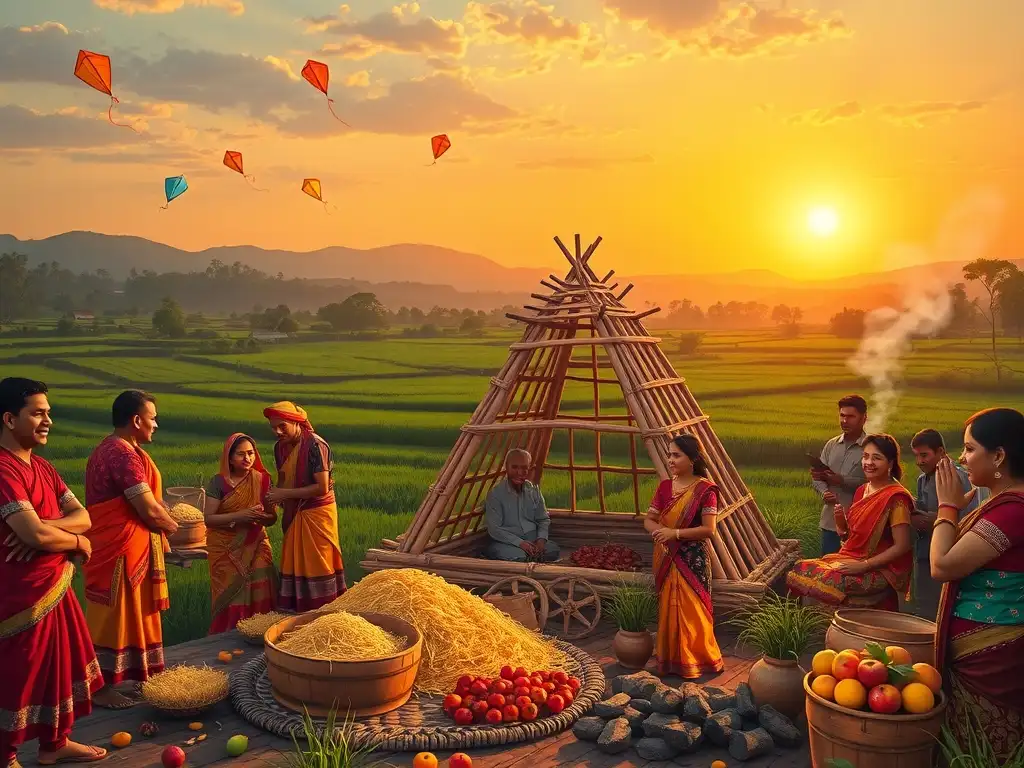
The Bhogali Bihu, also known as Magh Bihu, is a vibrant festival celebrated primarily in Assam, marking the culmination of the harvest season. This festival, rich in tradition and cultural significance, encapsulates the spirit of abundance and gratitude towards nature. While it is cherished for its joyful festivities, the deeper historical narratives that surround Bhogali Bihu often remain obscured by myths and misconceptions.
This article aims to unravel these myths, exploring the authentic history and significance of the Bhogali Bihu celebration. By delving into the roots of this festival, we uncover its profound impact on Assamese culture and the broader context of ancient Indian traditions.
Introduction to Bhogali Bihu
Bhogali Bihu is celebrated in the month of Magh, typically coinciding with mid-January, and signifies the end of the harvesting season. The festival is characterized by feasting, community gatherings, and various traditional rituals intended to honor the agricultural bounty. During this time, Assamese people engage in various activities such as constructing temporary huts called 'bhelaghar' made of bamboo and thatch, where festivities take place. The essence of Bhogali Bihu lies in its celebration of life, community spirit, and the agricultural roots that underpin Assamese society.
Significance of Bhogali Bihu in Assamese Culture
The significance of Bhogali Bihu extends beyond mere celebration; it embodies the cultural ethos of Assam. The festival serves as a reminder of the agrarian lifestyle, fostering a sense of community among the people. Key elements of the celebration include:
- Community Feasting: Families and neighbors come together to share meals, symbolizing unity and togetherness. Traditional dishes, often made from newly harvested rice and other local ingredients, are prepared and enjoyed.
- Traditional Games and Performances: Various folk games and dance forms such as Bihu dance become integral to the festivities, showcasing the rich artistic heritage of Assam.
- Ritualistic Offerings: Devotional practices are performed to invoke blessings for prosperity and well-being, emphasizing the spiritual connection between the community and the natural world.
By participating in Bhogali Bihu, people reinforce their identity and heritage, passing down traditions to future generations.
Overview of Bhogali Bihu Celebration History
The history of Bhogali Bihu is steeped in ancient traditions and agricultural practices. The festival has its origins in the agrarian calendars of ancient India, where the changing seasons dictated the rhythm of life. Key historical aspects include:
- Agricultural Roots: The festival is linked to the harvesting of crops like rice and is celebrated at the end of the agricultural cycle, reflecting the ancient Indian reliance on agriculture for sustenance.
- Mythological Connections: Bhogali Bihu is often associated with the worship of deities and spirits believed to protect crops and ensure bountiful harvests. This connection to mythology enriches the festival with deeper cultural narratives.
- Evolution Over Time: While the core essence of Bhogali Bihu has remained intact, the celebration has evolved, incorporating various regional influences and modern elements while retaining its traditional roots.
The Bhogali Bihu celebration history is a tapestry woven with threads of agricultural significance, cultural traditions, and mythological narratives, making it an indispensable part of Assamese identity and heritage. As we explore this festival further, we will unveil the rich layers that constitute the essence of Bhogali Bihu.
- Introduction to Bhogali Bihu
- Significance of Bhogali Bihu in Assamese Culture
- Overview of Bhogali Bihu Celebration History
Myths Surrounding Bhogali Bihu
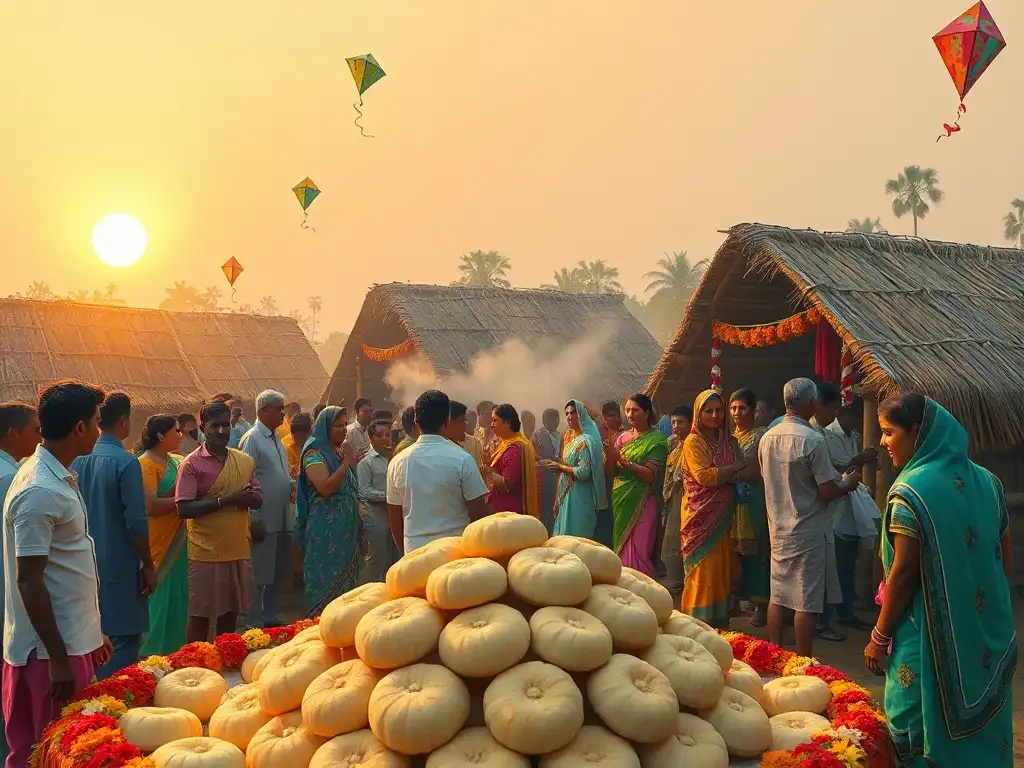
Myth 1: Bhogali Bihu is Just a Harvest Festival
While it is widely recognized that Bhogali Bihu is celebrated to mark the harvest season, this perception simplifies its significance. The festival, celebrated in January, is rooted deeply in cultural traditions that extend beyond mere agricultural practices.
- Cultural Significance: Bhogali Bihu encapsulates the essence of community bonding. It is a time when families come together to celebrate not just the abundance of crops but also the richness of their cultural heritage. The festival includes various traditional games, folk dances, and communal feasting, which serve to strengthen social ties.
- Historical Context: The celebration has historical links to ancient agrarian societies in Assam, where the festival was a way to honor the earth and its bounty. Over centuries, this festival has integrated various local customs, making it a vibrant tapestry of traditions rather than a singular agricultural event.
- Symbolism of the Festival: The festival is also a time of renewal and hope for the upcoming agricultural cycle. It symbolizes gratitude towards nature, which is pivotal for the sustenance of life. Hence, Bhogali Bihu goes beyond being merely a harvest festival; it is a celebration of life, community, and continuity.
Myth 2: Bhogali Bihu Celebrations are Only for Farmers
Another prevalent myth is that Bhogali Bihu is an exclusive celebration for farmers and their families. This perspective undermines the festival's inclusive nature, which invites participation from all segments of society.
- Community Involvement: The festival is celebrated with great enthusiasm across all communities in Assam, regardless of their agricultural background. Urban dwellers also engage in the festivities, showcasing the festival's widespread appeal. The celebrations include bonfires, traditional games, and social gatherings, which are enjoyed by everyone.
- Cultural Exchange: Bhogali Bihu serves as a platform for cultural exchange. It brings together people from different walks of life, fostering unity and understanding among diverse communities. The interplay of various cultural expressions during the festival highlights its role as a melting pot of traditions.
- Economic Impact: The festivities also have economic implications, drawing tourists and visitors from outside the region. This influx not only enhances local economies but also promotes cultural appreciation. As such, Bhogali Bihu transcends its agricultural roots, celebrating the collective spirit of the community.
Myth 3: Bhogali Bihu has No Religious Significance
Contrary to the belief that Bhogali Bihu is devoid of religious connotations, the festival is deeply intertwined with spiritual practices and rituals.
- Rituals and Offerings: During Bhogali Bihu, various rituals are performed to seek blessings from deities and to express gratitude for the harvest. Traditional offerings, known as "bhog", are made to local gods and goddesses, reinforcing the spiritual aspect of the celebration.
- Connection to Nature: The festival emphasizes a connection to nature, where participants express reverence for the elements that sustain life. The rituals performed during Bhogali Bihu serve as a reminder of the interdependence between humans and nature, echoing the ancient Indian philosophy of harmony with the environment.
- Mythological Roots: Many stories and legends associated with Bhogali Bihu reflect its religious significance. For example, the festival is linked to the worship of Goddess Lakshmi, the deity of wealth and prosperity. This connection reinforces the notion that Bhogali Bihu is not merely a social event but also a time for spiritual reflection and devotion.
The myths surrounding Bhogali Bihu often overlook its multifaceted significance in ancient Indian culture. Understanding the true essence of this festival enriches our appreciation of its history and the traditions that continue to shape it today.
The Reality Behind Bhogali Bihu Celebrations
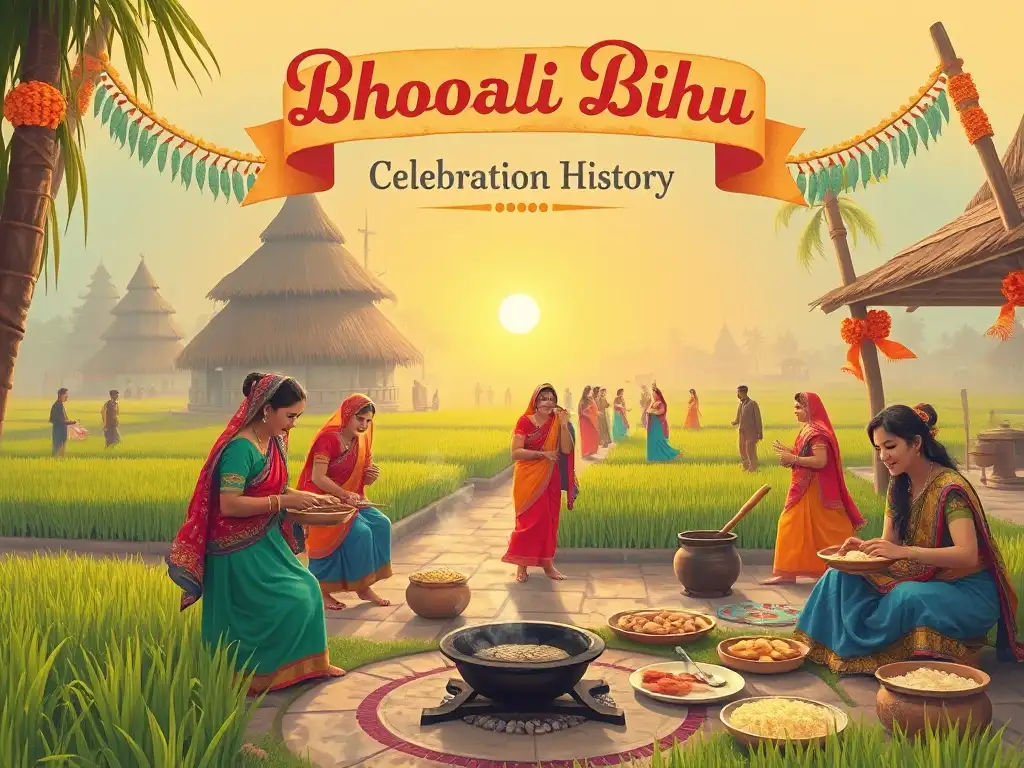
Bhogali Bihu, also known as Magh Bihu, is an important festival celebrated in Assam, India, marking the end of the harvesting season. It is a time of festivity and feasting, deeply rooted in the agricultural practices of the region. The festival encapsulates the essence of gratitude towards nature for the bountiful harvest, while also fostering community ties and spiritual connections. Understanding the history of the Bhogali Bihu celebration reveals the intricate tapestry of cultural traditions and agricultural significance that have evolved over centuries.
The Agricultural Roots of Bhogali Bihu
The origins of the Bhogali Bihu celebration can be traced back to the agrarian lifestyle of ancient Assamese society. It is intrinsically linked to the agricultural calendar, specifically the harvest of winter crops such as rice and mustard. The festival typically occurs in January, during the time when farmers reap the rewards of their hard work.
- Harvest Timing: The festival marks the completion of the harvest, a time when the fields are full of golden grains. This period is crucial for farmers as it signifies abundance and prosperity.
- Rituals and Practices: Traditional practices during Bhogali Bihu include the preparation of special dishes made from freshly harvested produce. Dishes such as pitha (rice cakes) are central to the celebrations, symbolizing the community's connection to the land.
- Crops and Offerings: Farmers often perform rituals to thank the deities for a fruitful harvest. Offerings are made using the first yield of the harvest, showcasing reverence for the earth's bounty.
Bhogali Bihu as a Community Celebration
Bhogali Bihu transcends individual families and becomes a vibrant community celebration, bringing people together in a spirit of unity and joy. The festival is characterized by various communal activities that strengthen social bonds.
- Community Gatherings: Villagers come together to celebrate, often constructing makeshift huts known as "bhelaghars" where they gather for feasts and festivities. These structures symbolize hospitality and togetherness.
- Traditional Games and Competitions: The festival is marked by various traditional games, including egg fights, boat races, and tug-of-war, which encourage camaraderie and friendly competition among participants.
- Cultural Performances: Folk dances and music play an essential role during Bhogali Bihu. Performances of Bihu dance, accompanied by traditional instruments, reflect the rich cultural heritage of Assam and engage the community in a shared experience of joy.
Spiritual and Ritualistic Aspects of Bhogali Bihu
Beyond the agricultural and communal facets, Bhogali Bihu is imbued with spiritual significance, reflecting the deep-rooted beliefs and traditions of the Assamese people.
- Ritual Offerings: The festival involves various rituals dedicated to deities associated with agriculture and fertility. People prepare offerings of food and other items to honor these deities, seeking blessings for future harvests.
- Fire Rituals: A notable aspect of Bhogali Bihu is the bonfire, often referred to as "Meji." It symbolizes the end of the harvest season and is used to burn the bhelaghars, representing the purification of the old and welcoming the new.
- Spiritual Reflections: The festival also serves as a time for introspection and gratitude. Participants take a moment to reflect on their blessings and the interconnectedness of community, nature, and spirituality.
The Bhogali Bihu celebration history is a rich amalgamation of agricultural roots, community spirit, and spiritual beliefs. It embodies the essence of Assamese culture and traditions, fostering an appreciation for the land and the bonds shared among its people.
Traditional Practices During Bhogali Bihu
Preparations and Rituals Before the Festival
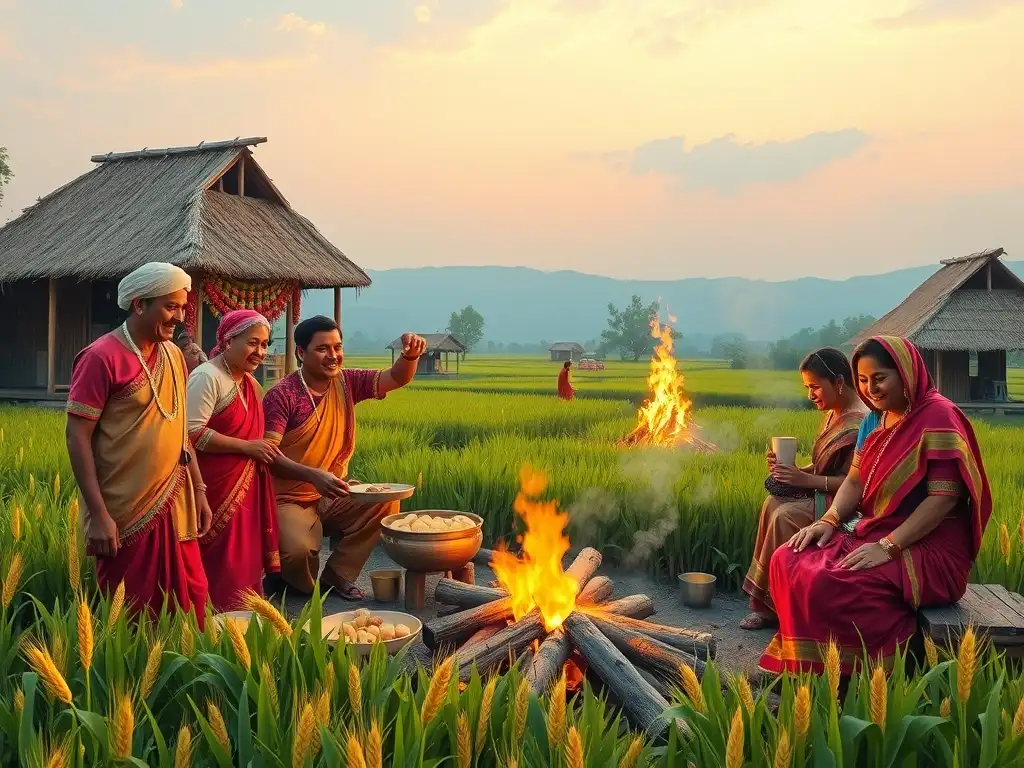
The Bhogali Bihu celebration history is steeped in rich traditions and practices that reflect the agricultural lifestyle of the Assamese people. The preparations for this festival typically begin days in advance, showcasing a blend of cultural rituals and community participation.
- Construction of Bhelaghar:
- Villagers construct temporary huts known as Bhelaghar made of bamboo and thatch. These serve as a central place for celebrations and are adorned with traditional decorations.
- The construction is often a community effort, reinforcing social bonds and collective spirit.
- Gathering of Ingredients:
- The preparation of Bhogali Bihu involves gathering essential ingredients for the festivities. Fresh produce, especially rice, sesame seeds, and various fruits, are collected from local farms.
- This gathering not only signifies abundance but also reflects gratitude towards nature and the agricultural cycle.
- Ritual Offerings:
- Prior to the festival, families perform rituals to honor the deities and seek blessings for prosperity. Offerings of rice and other produce are made to the Goddess of Wealth, symbolizing the community's hope for a bountiful harvest.
- Sankranti, which marks the transition of the sun into the zodiac sign of Capricorn, is also celebrated with rituals including the lighting of bonfires, known as Meji, to signify the end of the harvesting season.
Unique Dishes and Culinary Traditions of Bhogali Bihu
Culinary traditions play a pivotal role in the Bhogali Bihu celebrations, with a focus on seasonal ingredients and traditional Assamese recipes. The variety of dishes prepared during this festival is a reflection of the region's agricultural bounty.
- Pitha (Rice Cakes):
- A hallmark of Bhogali Bihu, various types of Pithas are made using rice flour, filled with sweet or savory ingredients. Common varieties include Til Pitha (filled with sesame and jaggery) and Narikol Pitha (coconut-filled).
- Meat and Fish Dishes:
- Non-vegetarian dishes also hold a significant place during the celebrations. Traditional preparations involve local fish, such as Masor Tenga (sour fish curry), and meat dishes that are often slow-cooked with indigenous spices.
- Traditional Sweets and Snacks:
- Sweets made from jaggery and coconut, such as Khar and Gur Payas, are prepared and shared among families and neighbors, symbolizing goodwill and community spirit.
Folk Dances and Music Associated with Bhogali Bihu
The Bhogali Bihu celebration is incomplete without vibrant folk dances and music that encapsulate the joyous spirit of the festival. These art forms serve as both entertainment and a means of cultural expression.
- Bihu Dance:
- The Bihu Dance is a traditional dance form performed during the festival, characterized by energetic movements and rhythmic beats. Dancers, adorned in traditional attire, perform in groups, often accompanied by live music.
- The dance symbolizes the joy of harvesting and is performed both in rural and urban settings, attracting participants of all ages.
- Musical Instruments:
- The music accompanying the dance features traditional instruments such as the dhol (drum), pepah (flute), and gogona (a type of mouth organ). These instruments create a lively atmosphere, encouraging community participation.
- Song Lyrics:
- The lyrics of Bhogali Bihu songs often narrate stories of love, nature, and agricultural life, reflecting the deep connection between Assamese culture and their surroundings. These songs are passed down through generations, preserving the rich heritage of the region.
The vibrant practices during Bhogali Bihu not only celebrate agricultural abundance but also strengthen communal ties and cultural identity, making the festival a significant event in Assamese society.
The Evolution of Bhogali Bihu Celebrations
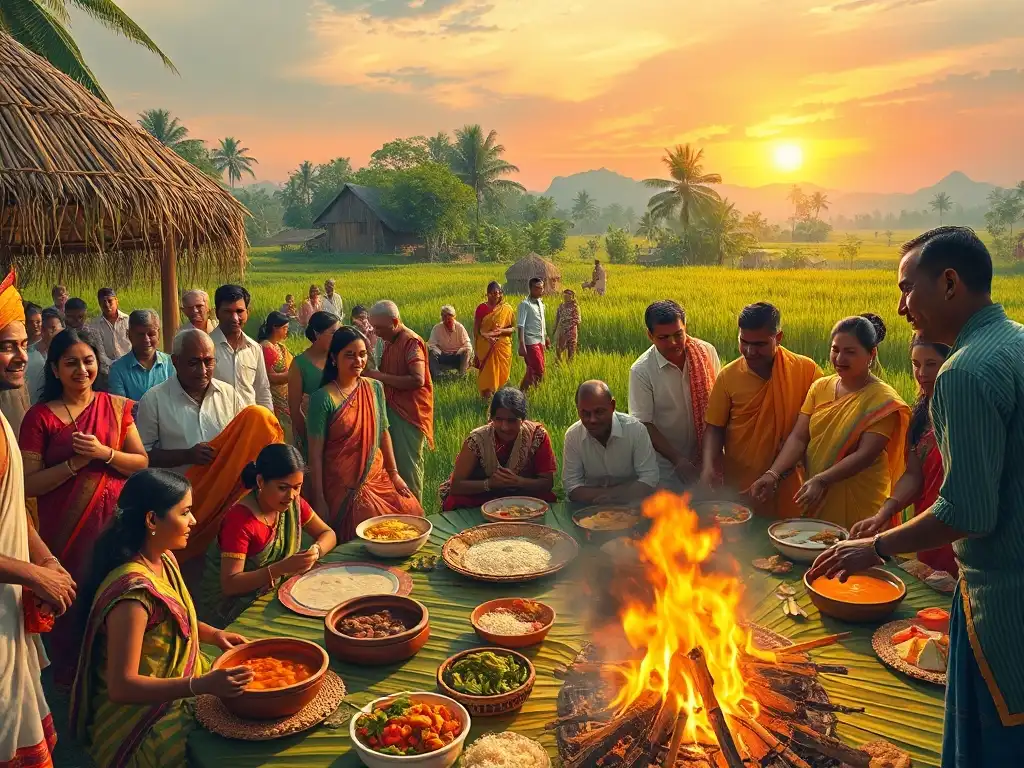
The festive occasion of Bhogali Bihu, celebrated primarily in the state of Assam, India, marks the end of the harvest season and is a vibrant tribute to agricultural abundance. This festival, deeply rooted in the agrarian culture of Assam, has undergone significant transformations throughout history, reflecting the socio-cultural dynamics of the region. The festivities are characterized by communal feasting, traditional games, and various rituals that honor the bounty of nature. Understanding the evolution of Bhogali Bihu celebrations provides insight into the changing societal values and practices over centuries.
Historical References to Bhogali Bihu in Ancient Texts
The origins of Bhogali Bihu can be traced back to ancient agrarian practices, with references found in texts that highlight the seasonal changes in agricultural cycles. The festival is associated with the harvest of rice, which has been a staple food in Assam for centuries. Historical accounts suggest that Bhogali Bihu was not merely a celebration of the harvest but also a time for communities to come together in gratitude for the earth’s generosity.
- Ancient Scriptures and Texts: The Brahmanas and Puranas, ancient Hindu scriptures, contain mentions of harvest festivals that resemble modern-day Bihu celebrations. These texts indicate the significance of agrarian rituals and communal gatherings, emphasizing the importance of the harvest in sustaining life.
- Local Folklore: Folkloric traditions also play a crucial role in documenting the historical significance of Bhogali Bihu. Stories passed down through generations often highlight the connection between agricultural practices and the celebration of abundance. For instance, tales of the legendary figure of Makarajit, who is believed to bless the harvest, are frequently recounted during the festivities.
These historical references not only underscore the significance of the harvest but also illustrate how the festival has been woven into the cultural fabric of Assamese society.
Changes in Bhogali Bihu Celebrations Over Time
As Assam has evolved, so too have the celebrations surrounding Bhogali Bihu. The festival has witnessed various changes influenced by cultural exchanges, colonial history, and modernization.
- Colonial Influence: During the British colonial period, traditional celebrations faced challenges as colonial policies reshaped agricultural practices and community structures. However, resilience among the Assamese people led to the preservation of many customs associated with Bhogali Bihu.
- Post-Independence Era: Following India’s independence in 1947, Bhogali Bihu experienced a resurgence as a symbol of cultural identity. The festival became a platform for showcasing Assamese heritage, with increased emphasis on traditional songs, dances, and culinary practices.
- Modern Adaptations: In contemporary times, Bhogali Bihu has embraced modernity while retaining its core values. The integration of technology, social media, and public celebrations has expanded the reach of the festival, allowing the diaspora to participate in the celebrations from afar. Traditional rituals are often complemented by contemporary entertainment, including music festivals and cultural exhibitions.
Contemporary Bhogali Bihu: Tradition Meets Modernity
Today, Bhogali Bihu stands as a testament to the enduring spirit of Assamese culture, embodying a unique blend of tradition and modernity.
- Rituals and Customs: The festival retains its essential rituals, such as the construction of Meji (a bonfire made of bamboo and firewood) and the preparation of traditional dishes like Pitha (rice cakes). These customs serve as a reminder of the agricultural roots of the festival while fostering community bonds.
- Cultural Significance: Contemporary celebrations often include cultural performances that showcase traditional music, dance, and art forms. Events such as Bihu dance competitions and folk music concerts attract large crowds, highlighting the festival's role in cultural preservation.
- Global Recognition: With the rise of digital platforms, Bhogali Bihu has garnered international attention, attracting tourists and scholars interested in the rich cultural practices of Assam. This global recognition has led to increased tourism, contributing to the local economy.
The Bhogali Bihu celebration history reflects a rich tapestry of agricultural heritage, cultural evolution, and modern adaptation, symbolizing the resilience and vibrancy of Assamese identity throughout the ages.
Conclusion
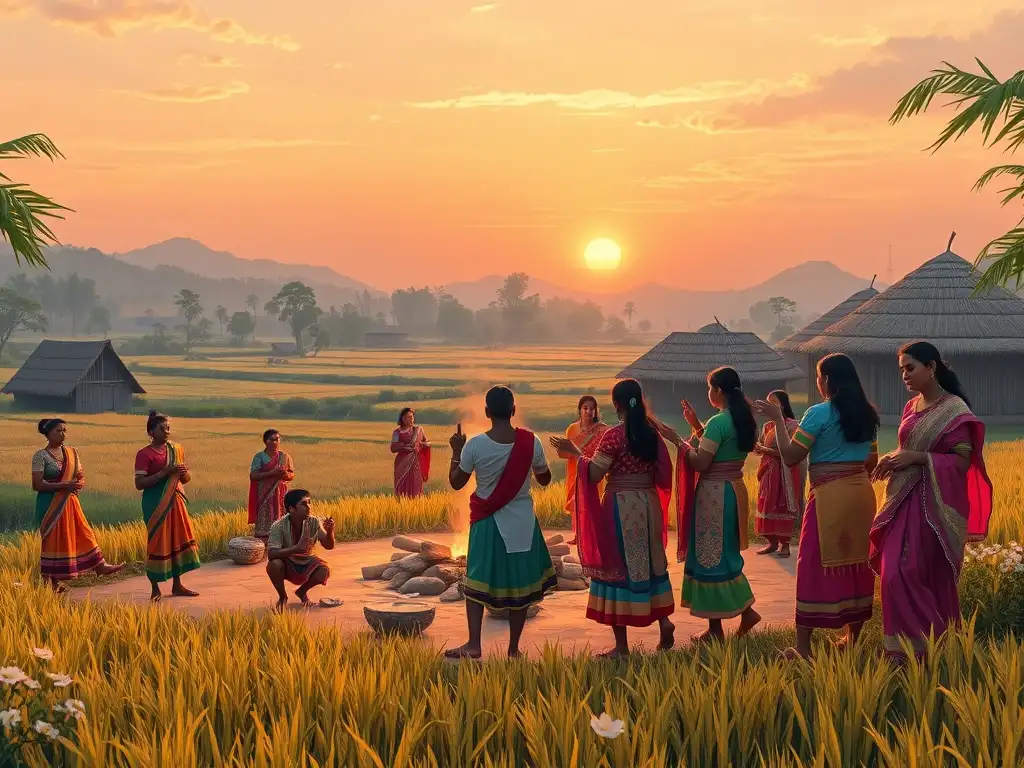
The Bhogali Bihu celebration, steeped in rich traditions and historical significance, encapsulates the essence of abundance and gratitude in Assamese culture. As we unravel the myths surrounding this vibrant festival, it becomes clear that its roots run deep in the agrarian practices of ancient India. Understanding the Bhogali Bihu celebration history not only enriches our appreciation for this festival but also highlights the intricate tapestry of beliefs, rituals, and customs that have shaped Assamese identity over the centuries.
The Importance of Understanding Bhogali Bihu Celebration History
Grasping the history of the Bhogali Bihu celebration is crucial for several reasons:
- Cultural Identity: Bhogali Bihu acts as a reflection of the Assamese people's connection to their land and agricultural practices. The festival's customs, such as feasting and bonfire rituals, symbolize the community's gratitude for a bountiful harvest.
- Historical Continuity: This celebration has evolved significantly over the years, yet many of its core tenets remain unchanged. Understanding its historical context allows us to appreciate how ancient traditions have been preserved and adapted through generations.
- Social Cohesion: The festival fosters unity among communities, as people come together to celebrate. By studying its history, we can see how Bhogali Bihu serves as a glue that binds individuals, families, and societies, promoting social harmony.
- Culinary Heritage: The foods associated with Bhogali Bihu, such as pitha (rice cakes), are not just delicacies but are steeped in historical significance. They represent the agricultural bounty of the region and the culinary practices passed down through ages.
Embracing the Richness of Assamese Festivals and Traditions
The Bhogali Bihu celebration is just one of the many vibrant festivals that showcase the richness of Assamese culture. Embracing these traditions encourages a deeper understanding of the diverse cultural landscape of India. Here are some key aspects to consider:
- Festivals as Cultural Narratives: Each festival, including Bhogali Bihu, tells a story that is interwoven with historical events, agricultural cycles, and seasonal changes. These narratives offer insights into the values and beliefs that have shaped Assamese society.
- Artistic Expressions: The celebration often involves various forms of art, including traditional music and dance. Engaging with these artistic expressions fosters appreciation for the craftsmanship and creativity inherent in Assamese culture.
- Interconnectedness of Festivals: Bhogali Bihu is part of a larger cycle of festivals celebrated in Assam and beyond. Understanding its connections with other festivals, such as Rongali Bihu and Magh Bihu, highlights the interwoven nature of cultural traditions across regions.
- Educational Opportunities: By exploring the history of Bhogali Bihu and other Assamese festivals, educators and cultural enthusiasts can develop programs that promote awareness and appreciation of this rich heritage among younger generations.
The Bhogali Bihu celebration history serves as a vital key to unlocking the treasures of Assamese culture. By embracing these traditions, we not only honor the past but also pave the way for future generations to continue the celebration of abundance, gratitude, and community spirit.
Frequently Asked Questions
What is Bhogali Bihu?
Bhogali Bihu, also known as Magh Bihu, is a significant harvest festival celebrated in Assam, marking the end of the harvesting season and the start of a new agricultural year.
How is Bhogali Bihu celebrated?
The celebration involves various cultural rituals, including feasting on traditional foods, building mejis (temporary bonfires), and participating in games and dances that highlight the community spirit.
What is the historical significance of Bhogali Bihu?
The festival has deep historical roots, connecting ancient agricultural practices with the celebration of abundance and prosperity, as communities come together to express gratitude for the harvest.
Are there any myths associated with Bhogali Bihu?
Yes, there are several myths related to Bhogali Bihu that explain its origins and the rituals performed, often linked to local deities and the agricultural legacy of Assam.
How does Bhogali Bihu differ from other Bihu celebrations?
While all Bihu festivals celebrate the agricultural cycle, Bhogali Bihu specifically focuses on the harvest's abundance, featuring unique customs and foods that distinguish it from Rongali Bihu or Kongali Bihu.
Final Reflection: Embracing the Truths of Bhogali Bihu Celebration History
The exploration of Bhogali Bihu's celebration history reveals not only the rich tapestry of Assamese culture but also its profound relevance in today's world. As we navigate through a time marked by rapid change and uncertainty, the traditions and rituals of Bhogali Bihu serve as a reminder of the importance of community, gratitude, and the cyclical nature of life. This celebration, steeped in history, encourages us to reconnect with our roots and appreciate the abundance that surrounds us.
Culturally, Bhogali Bihu continues to shape our social landscape by fostering a sense of unity and belonging among people. The vibrant festivities, communal feasts, and the spirit of sharing that characterize this celebration highlight the significance of togetherness in a world that often feels fragmented. As noted by a prominent cultural historian, Traditions like Bhogali Bihu are not just remnants of the past; they are living expressions of our identity that bind us together.
This ongoing influence underscores the need to honor and preserve such traditions, ensuring they thrive for future generations.
As you reflect on the lessons embedded within the Bhogali Bihu celebration history, I invite you to consider how you can incorporate the values of gratitude, community, and abundance into your own life. Take a moment to appreciate the richness of your surroundings and the people who contribute to your journey.
Let the spirit of Bhogali Bihu inspire you to celebrate not just the harvests of the earth, but also the relationships and experiences that nourish your soul. Embrace the opportunity to create your own traditions that honor the past while paving the way for a brighter, more connected future.
Thank you for diving into the vibrant traditions of Bhogali Bihu with us! We hope you gained insights into its rich history and the celebration of abundance that it embodies. Now, it's time to take action and keep the spirit of this festival alive!
Here are a few ways you can engage further:
- Join a local celebration: Explore communities or cultural events in your area that celebrate Bhogali Bihu. Experience the festivities firsthand!
- Share your insights: Discuss what you learned about Bhogali Bihu with friends or on social media to spread awareness of this rich cultural heritage.
- Try traditional recipes: Prepare a Bhogali Bihu dish at home and invite friends to enjoy a feast, bringing the festival to life in your own way!
What unique traditions or stories related to Bhogali Bihu have you encountered in your experiences? We would love to hear your thoughts!