
How the Great Bath of MohenjoDaro Showcased Advanced Engineering

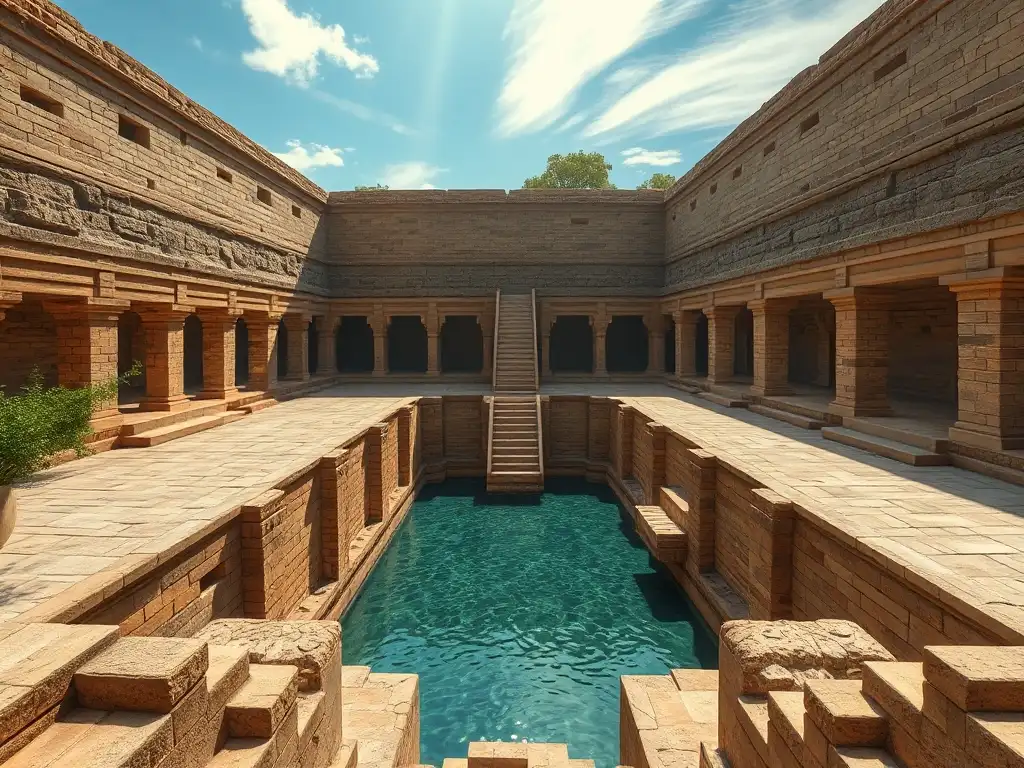
Welcome to Ancient India History, where we embark on a captivating journey through the rich tapestry of time that shaped one of the world's oldest civilizations. In today's article, we delve into the fascinating world of advanced engineering in ancient India, spotlighting the remarkable Great Bath of Mohenjo-Daro. This iconic structure not only exemplifies the ingenuity of ancient builders but also serves as a testament to the sophisticated urban planning and technological advancements of the Indus Valley civilization.
Are you ready to uncover the secrets behind this architectural marvel? Let’s dive deeper into the innovations that laid the foundation for future generations!
- Introduction to Advanced Engineering in Ancient India
- The Great Bath of Mohenjo-Daro: An Architectural Marvel
- Advanced Engineering Techniques Demonstrated in the Great Bath
- Cultural Significance of the Great Bath in Ancient India
- Comparisons with Other Ancient Engineering Feats
- Conclusion: The Legacy of Advanced Engineering in Ancient India
- References and Further Reading on Advanced Engineering in Ancient India
-
Frequently Asked Questions
- What is the Great Bath of Mohenjo-Daro?
- How did the Great Bath demonstrate advanced engineering?
- What significance did the Great Bath have in ancient society?
- What other examples of advanced engineering exist in ancient India?
- How did advanced engineering contribute to the Indus Valley Civilization's success?
- Final Reflection: The Legacy of Advanced Engineering in Ancient India
- Uncover the Secrets of Ancient Engineering!
Introduction to Advanced Engineering in Ancient India
The engineering marvels of ancient India reflect a level of sophistication that continues to astound historians and archaeologists alike. Among these wonders, the Great Bath of Mohenjo-Daro stands out as a testament to the advanced engineering techniques utilized by the Indus Valley Civilization. This impressive structure not only served a significant cultural and religious purpose but also exemplified the technological innovations that characterized a society deeply attuned to the principles of urban planning and public health.
Understanding the intricacies of such engineering feats provides valuable insights into the capabilities and achievements of ancient Indian civilizations, positioning them as pioneers in the field of engineering long before the modern era. In this article, we will delve into the details of Mohenjo-Daro and the broader context of engineering in ancient India.
Overview of Mohenjo-Daro and Its Significance
Mohenjo-Daro, one of the principal settlements of the Indus Valley Civilization, dates back to approximately 2500 BCE. This archaeological site, located in present-day Pakistan, showcases a meticulously planned urban layout featuring advanced drainage systems, standardized fired-brick structures, and public amenities, including the Great Bath.
The Great Bath is believed to have been a communal space used for ritualistic bathing, which highlights the importance of hygiene and social interaction in this ancient society. Its construction demonstrates a remarkable understanding of hydraulic engineering, as it includes a sophisticated water supply and drainage system designed to maintain cleanliness and manage water flow efficiently.
Key features of the Great Bath include:
- Dimensions: The bath measures approximately 12 meters long, 7 meters wide, and 2.4 meters deep.
- Waterproofing: The structure was lined with bricks set in bitumen, ensuring it was watertight and capable of holding considerable volumes of water.
- Access: Steps on either side lead down into the bath, facilitating easy entry and exit for users.
Mohenjo-Daro's urban planning and architectural layout, particularly the Great Bath, signify a high level of engineering expertise and a sophisticated understanding of urban infrastructure, marking it as a pivotal site in the study of ancient Indian history.
The Importance of Engineering in Ancient Civilizations
Engineering played a crucial role in the development of ancient civilizations, and India was no exception. The innovative techniques employed in construction and urban planning not only enhanced the quality of life but also reflected the cultural and social values of the time.
In ancient India, engineering contributed to:
- Urban Development: Cities like Mohenjo-Daro and Harappa were designed with grid patterns, wide streets, and advanced drainage systems, showcasing an understanding of city planning that prioritized public health and sanitation.
- Water Management: The ability to harness and manage water resources was vital, especially in arid regions. Structures such as wells, reservoirs, and canals were developed to support agriculture and daily living.
- Cultural Significance: Engineering achievements often had religious or cultural implications, with structures being designed to enhance communal activities, rituals, and gatherings.
By exploring the engineering prowess of ancient Indian civilizations, we gain a deeper appreciation for their innovative spirit and the lasting legacy they have left in the realm of engineering and construction techniques.
The Great Bath of Mohenjo-Daro: An Architectural Marvel
Description of the Great Bath
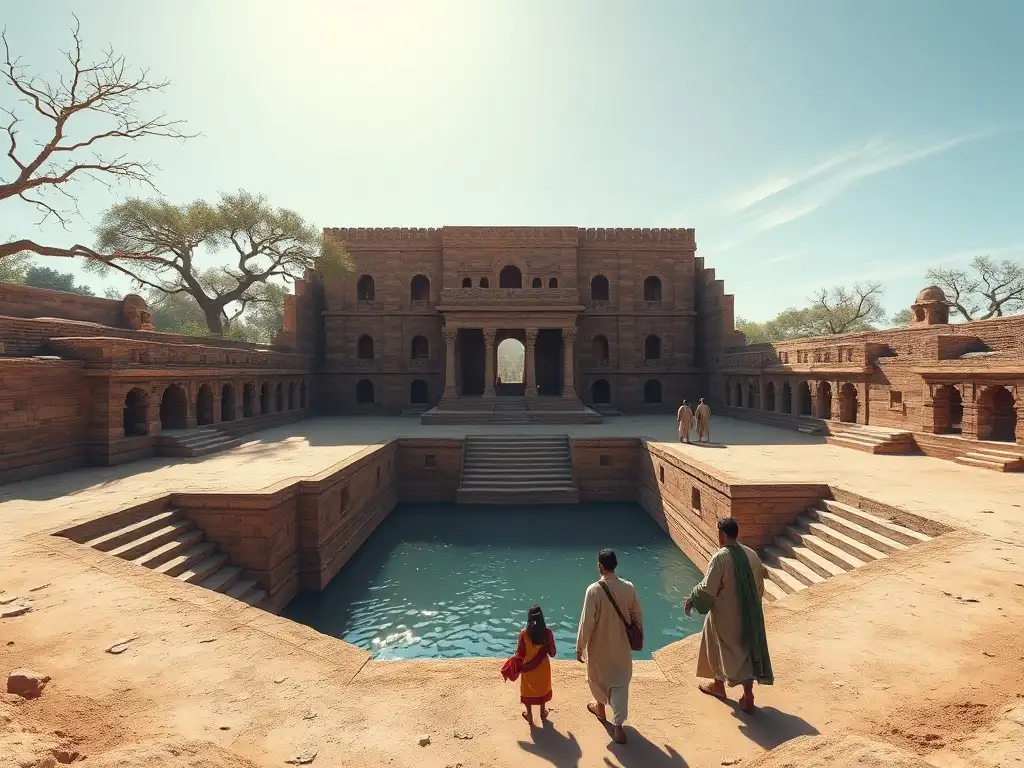
The Great Bath, located in the ancient city of Mohenjo-Daro, is one of the most significant remnants of the Indus Valley Civilization, illustrating the sophistication of advanced engineering in ancient India. This monumental structure, believed to have been built around 2500 BCE, served not only as a public bathing facility but also likely held religious and social significance.
The Great Bath is rectangular in shape, measuring approximately 12 meters long and 7 meters wide. It is surrounded by a thick wall that provides insulation and maintains water temperature. The structure features a large rectangular pool, which is around 2.4 meters deep, and was likely filled with water from a nearby well or water source.
The intricate layout of the Great Bath suggests that it was designed for communal use, possibly for ritualistic bathing or gatherings. Its existence reflects the advanced urban planning of the Indus Valley people, emphasizing their understanding of hydrology and community needs.
Dimensions and Design Features of the Great Bath
The Great Bath's dimensions and design highlight remarkable engineering capabilities. The pool is lined with fired bricks, which were meticulously placed and sealed with a layer of bitumen to ensure water retention. This innovative approach illustrates the advanced waterproofing techniques employed by the builders.
Key Design Features:
- Symmetry: The Great Bath’s symmetrical layout reveals a sophisticated aesthetic sense and an understanding of balance in architecture.
- Steps: The structure includes steps leading down to the pool from two sides, enabling easy access for bathers.
- Drainage System: A complex drainage system is integrated into the design, allowing for water to be drained from the pool effectively and efficiently, showcasing the engineering prowess of the time.
The careful planning of the Great Bath demonstrates that the builders had a deep understanding of geometry and spatial organization, which is a hallmark of advanced engineering in ancient India.
Construction Materials and Techniques Used
The construction of the Great Bath involved the use of locally sourced materials and advanced techniques that underscore the ingenuity of the Indus Valley civilization.
Materials Used:
- Fired Bricks: The use of standardized fired bricks, which were uniform in size, indicates a high level of craftsmanship and an organized production process.
- Bitumen: This natural asphalt was employed as a waterproofing agent, ensuring that the pool retained water without leaking.
Techniques Employed:
- Layering: The construction technique involved layering bricks and sealing them with bitumen to create a waterproof structure. This method is a testament to the builders' understanding of materials and their properties.
- Urban Infrastructure: The Great Bath is part of a broader urban infrastructure that included sophisticated drainage systems, suggesting that the builders designed the city with sanitation and public health in mind.
The advanced engineering practices demonstrated in the construction of the Great Bath of Mohenjo-Daro not only highlight the technical skills of ancient Indian civilizations but also their ability to create lasting structures that catered to the needs of their society.
Advanced Engineering Techniques Demonstrated in the Great Bath
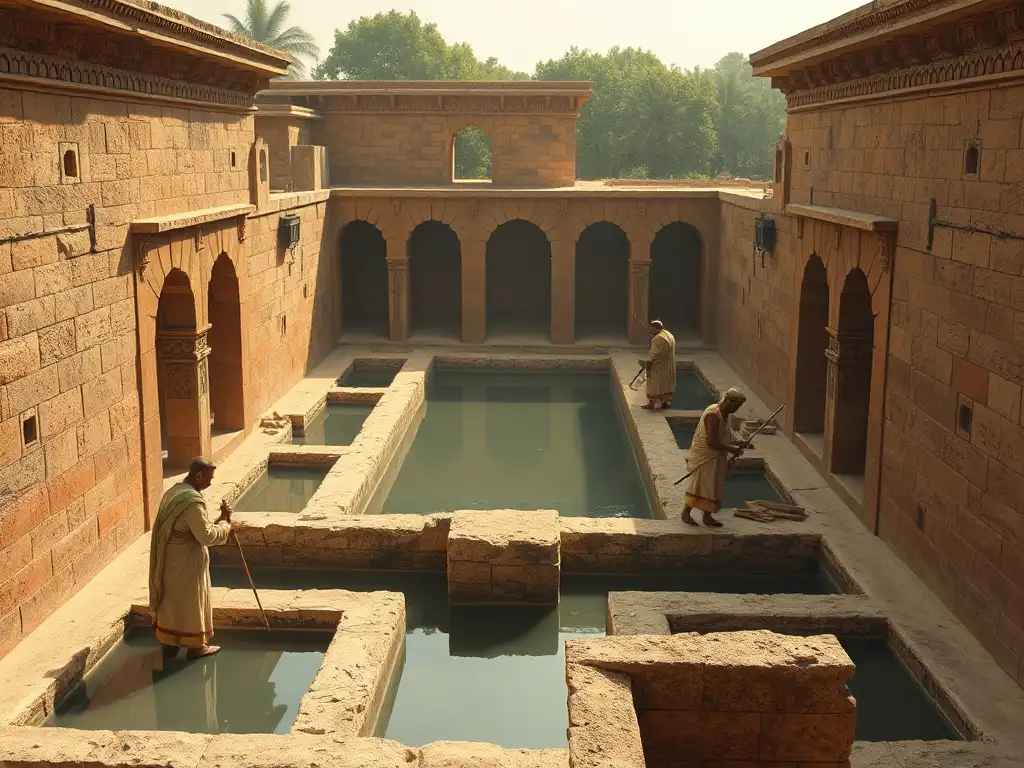
The Great Bath of Mohenjo-Daro is a remarkable testament to the advanced engineering in ancient India, exemplifying sophisticated techniques in water management, structural design, and urban planning. This monumental structure not only served a ceremonial purpose but also showcased the ingenuity of the Indus Valley Civilization in dealing with the challenges of urban infrastructure. Its design reflects a deep understanding of civil engineering principles that were far ahead of their time, highlighting the technical capabilities and innovative spirit of ancient Indian architects.
Water Management Systems in Mohenjo-Daro
The Great Bath's water management systems are particularly noteworthy, reflecting an advanced understanding of hydraulics and civil engineering.
Drainage and Sewage Systems
The drainage system in Mohenjo-Daro is one of the oldest and most sophisticated known from ancient times. Each house in the city was equipped with its own drainage system, which connected to a main sewer line.
- Key Features:
- Covered Drains: The drains were covered with stone slabs, preventing debris from entering and ensuring cleanliness.
- Slope Design: The drains were built with a slight slope to facilitate the smooth flow of wastewater, showcasing an understanding of gravitational principles.
- Regular Maintenance Access: Inspection holes were incorporated, allowing for easy maintenance and cleaning of the drains, which indicates a proactive approach to urban sanitation.
These elements demonstrate that the Indus Valley people had a comprehensive plan for waste management that significantly reduced health risks associated with stagnant water.
Water Supply and Reservoirs
The Great Bath was fed by an intricate system of water supply and reservoirs, highlighting the engineers’ expertise in sourcing and managing water resources.
- Key Features:
- Water Inlet System: A sophisticated inlet system allowed for the continuous flow of fresh water into the Great Bath, ensuring that the water remained clean and usable.
- Reservoirs: Large reservoirs were constructed to store water, which could be drawn upon when needed, indicating foresight in managing seasonal variations in water availability.
- Rainwater Harvesting: Evidence suggests that the civilization might have engaged in rainwater harvesting, further enhancing their water supply reliability.
This comprehensive water management system illustrates the advanced engineering capabilities of ancient Indian society, marking it as a pioneer in urban planning.
Geometric and Structural Innovations
The architectural design of the Great Bath reflects advanced geometric and structural innovations that were crucial for its function and durability.
Use of Fired Bricks and Mortar
The construction materials utilized in the Great Bath were critical to its longevity and structural integrity.
- Key Features:
- Fired Bricks: The use of fired bricks, which were more durable than sun-dried bricks, indicates a sophisticated level of technology. These bricks were uniform in size, allowing for precise construction and stability.
- Mortar Composition: The mortar used in construction included a mix of lime, which provided additional strength and resilience to the structure, showcasing an advanced understanding of material science.
The choice of materials not only enhanced the durability of the Great Bath but also demonstrated the engineers' commitment to quality and sustainability.
The Layout and Symmetry of the Great Bath
The layout of the Great Bath is a striking example of geometric precision and symmetry, reflecting aesthetic sensibilities alongside functional requirements.
- Key Features:
- Symmetrical Design: The rectangular shape of the Great Bath is perfectly symmetrical, which would have been visually appealing and is indicative of a well-planned architectural vision.
- Room Arrangements: Surrounding the bath were changing rooms and steps leading down into the water, designed for both accessibility and privacy. This thoughtful arrangement shows an understanding of user experience.
- Proportional Dimensions: The proportions of the bath suggest a keen awareness of scale and human interaction with space, indicating advanced principles of architectural design.
Such geometric innovations not only served practical purposes but also reflected cultural values, emphasizing the importance of ritual bathing in ancient Indian society.
The Great Bath of Mohenjo-Daro stands as a remarkable example of advanced engineering in ancient India, illustrating the civilization's sophisticated approach to urban infrastructure and architectural design.
Cultural Significance of the Great Bath in Ancient India
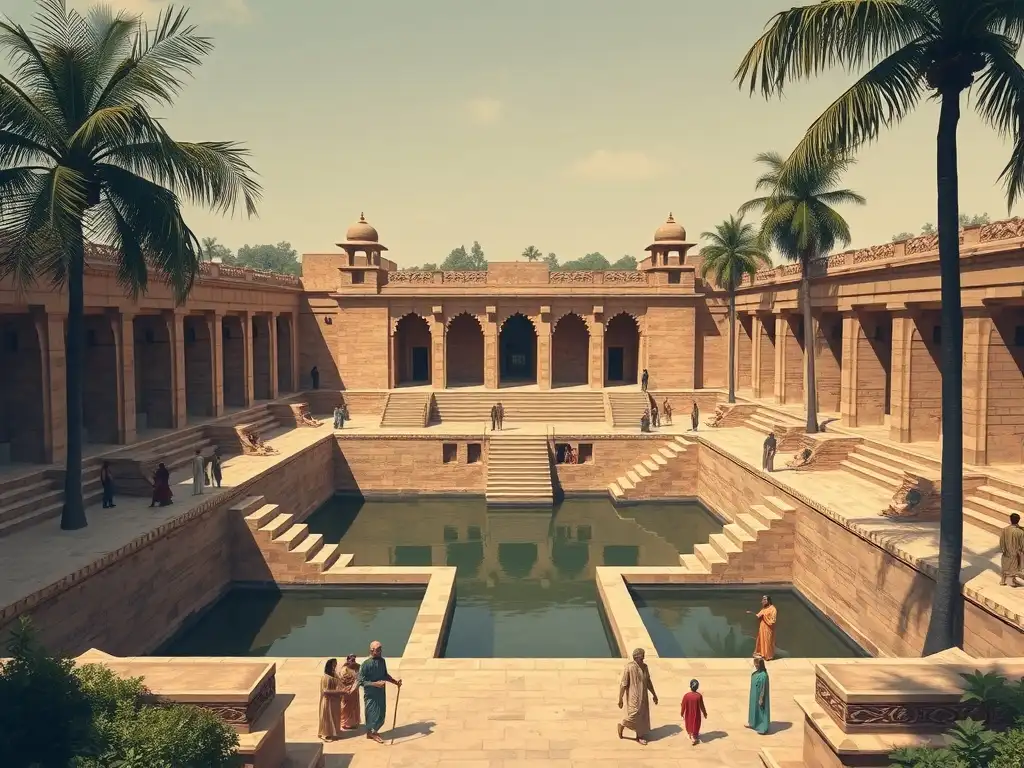
The Great Bath of Mohenjo-Daro stands as a monumental feature of the Indus Valley Civilization, illustrating not only advanced engineering in ancient India but also its profound cultural significance. This impressive structure is believed to have served multiple purposes that went beyond mere utility, reflecting the values, beliefs, and social dynamics of the civilization.
The Great Bath likely played a vital role in the religious practices of the Indus Valley Civilization. Archaeological evidence suggests that water held significant symbolic value, representing purity and ritualistic cleansing. The design of the Great Bath, with its large pool and surrounding steps, indicates it was an ideal venue for communal bathing rituals, perhaps associated with fertility rites or other religious observances.
- Ritual Purity: The act of bathing might have been seen as a way to cleanse oneself spiritually before participating in religious ceremonies.
- Community Gathering: The Great Bath could have functioned as a communal space, fostering social interactions and reinforcing community bonds. It might have been a place where people gathered not only for purification but also to engage in social activities.
- Symbol of Power: The construction and maintenance of such an elaborate structure would have required significant resources and organization, possibly reflecting the power of religious leaders or the governing body of the time.
The Role of the Great Bath in the Indus Valley Civilization
The Great Bath is a testament to the advanced engineering skills of the Indus Valley Civilization. Its sophisticated construction features highlight the ingenuity of ancient Indian architects and engineers:
- Water Management: The Great Bath was designed with precise engineering to ensure water supply and drainage. It included an intricate system of drains, which indicates a high level of understanding of hydraulic engineering. This system not only facilitated regular cleaning but also prevented water stagnation, showcasing advanced engineering practices in ancient India.
- Materials and Techniques: The use of fired bricks, along with a waterproof layer made from bitumen, reveals the knowledge of durable construction materials and techniques that were employed to ensure the longevity of the structure.
- Civic Planning: The positioning of the Great Bath within the urban layout of Mohenjo-Daro suggests that it was a central feature of the city, reflecting the importance of public spaces in the social and cultural life of the civilization. The careful planning behind its construction emphasizes the level of civic organization present in ancient India.
The Great Bath of Mohenjo-Daro is not merely an architectural marvel; it embodies the advanced engineering in ancient India while serving as a focal point for religious and social activities. Its multifaceted role underscores the complexity and sophistication of the Indus Valley Civilization, making it an enduring symbol of cultural heritage.
Comparisons with Other Ancient Engineering Feats
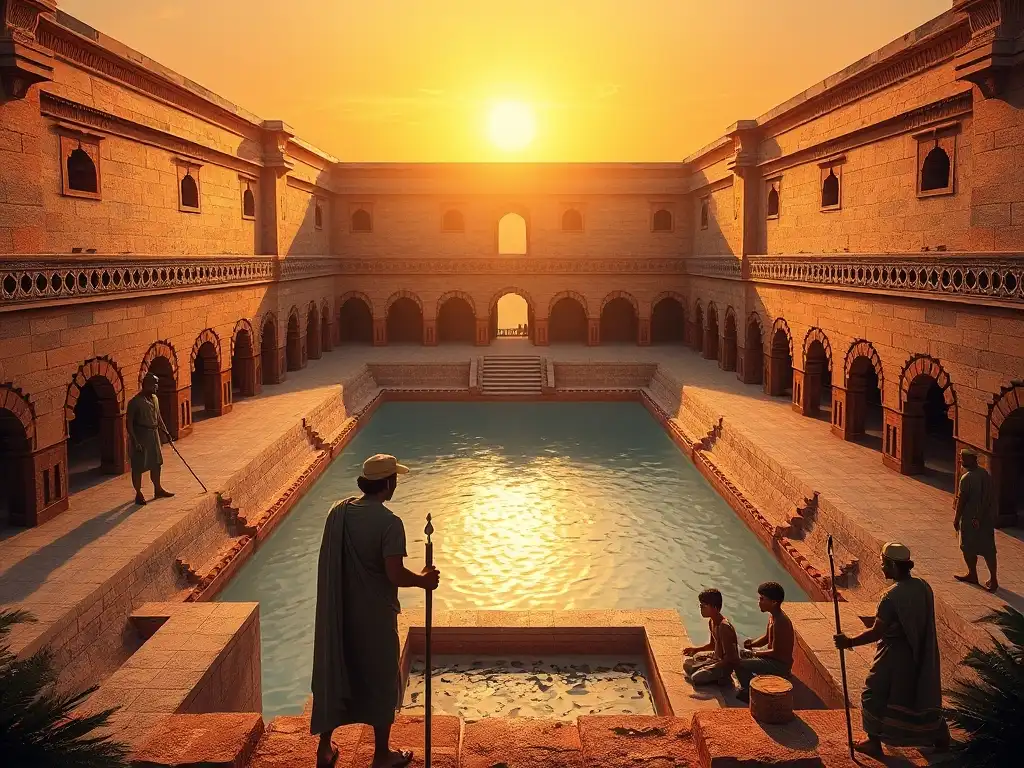
The Great Bath vs. Other Bathing Structures in Ancient Civilizations
The Great Bath of Mohenjo-Daro stands out as a remarkable example of advanced engineering in ancient India, particularly when compared to bathing structures from other ancient civilizations. The design and functionality of the Great Bath reflect a sophisticated understanding of hydraulics, water management, and social needs.
- The Great Bath of Mohenjo-Daro:
- Dimensions: Approximately 12 meters long, 7 meters wide, and 2.4 meters deep.
- Construction: Made of fired bricks with a waterproof layer of bitumen, showcasing ingenuity in materials.
- Purpose: Believed to be used for ritualistic bathing, indicating a cultural emphasis on cleanliness and possibly spiritual purification.
- Ancient Egyptian Baths:
- Structures: The Egyptians built baths primarily for the elite, often within lavish palaces.
- Design: Typically smaller and less sophisticated than the Great Bath, these baths did not feature the same advanced drainage or water management systems.
- Purpose: While cleanliness was important, the Egyptian baths were more focused on luxury rather than communal or ritualistic purposes.
- Roman Baths:
- Scale: Roman baths, such as the Baths of Caracalla, were grand complexes featuring heated water and social spaces.
- Engineering: Utilized hypocaust systems for heating water, showcasing advanced engineering techniques.
- Cultural Significance: While Romans emphasized social interaction, their bathing practices often lacked the spiritual connotations seen in the Great Bath.
- Indus Valley Civilization vs. Others:
- Comparative Size: The Great Bath's scale is notable in the context of contemporary bathing structures, highlighting its significance in the urban planning of Mohenjo-Daro.
- Materials: The use of fired bricks and waterproofing techniques in the Great Bath is a testament to advanced engineering, surpassing many contemporary practices.
While several ancient civilizations constructed bathing facilities, the Great Bath of Mohenjo-Daro is distinguished by its engineering sophistication and cultural importance, marking it as a pivotal achievement in ancient Indian engineering.
Innovations in Engineering: Mohenjo-Daro vs. Contemporary Structures
The engineering innovations of the Great Bath at Mohenjo-Daro not only reflect the capabilities of the Indus Valley Civilization but also serve as a benchmark against contemporary engineering structures.
- Water Management Systems:
- The Great Bath features an advanced drainage system, demonstrating early hydraulic engineering.
- Contemporary comparison: Modern swimming pools often employ similar systems for filtration and drainage, emphasizing that ancient engineers were ahead of their time in understanding water flow and management.
- Materials and Construction Techniques:
- The use of fired bricks and bitumen waterproofing highlights the innovative materials utilized at Mohenjo-Daro.
- Comparison: Today’s civil engineering projects still utilize similar principles of waterproofing and durable materials, showcasing the lasting impact of ancient techniques on modern construction.
- Social and Cultural Spaces:
- The Great Bath served not just as a physical space but as a community hub, reflecting sophisticated urban planning.
- Contemporary relevance: Modern public pools and recreational centers continue to serve as social spaces, indicating a continued appreciation for the communal values that were present in ancient times.
- Sustainability Practices:
- The engineering of the Great Bath indicates an early understanding of sustainable practices, with efficient use of resources for water supply.
- Modern parallels: Today’s architects are increasingly focused on sustainable designs, often looking back to ancient practices for inspiration.
The Great Bath of Mohenjo-Daro exemplifies advanced engineering in ancient India, with innovations that resonate with contemporary engineering practices. The enduring legacy of this structure illustrates the timeless nature of effective design and community-oriented engineering.
Conclusion: The Legacy of Advanced Engineering in Ancient India
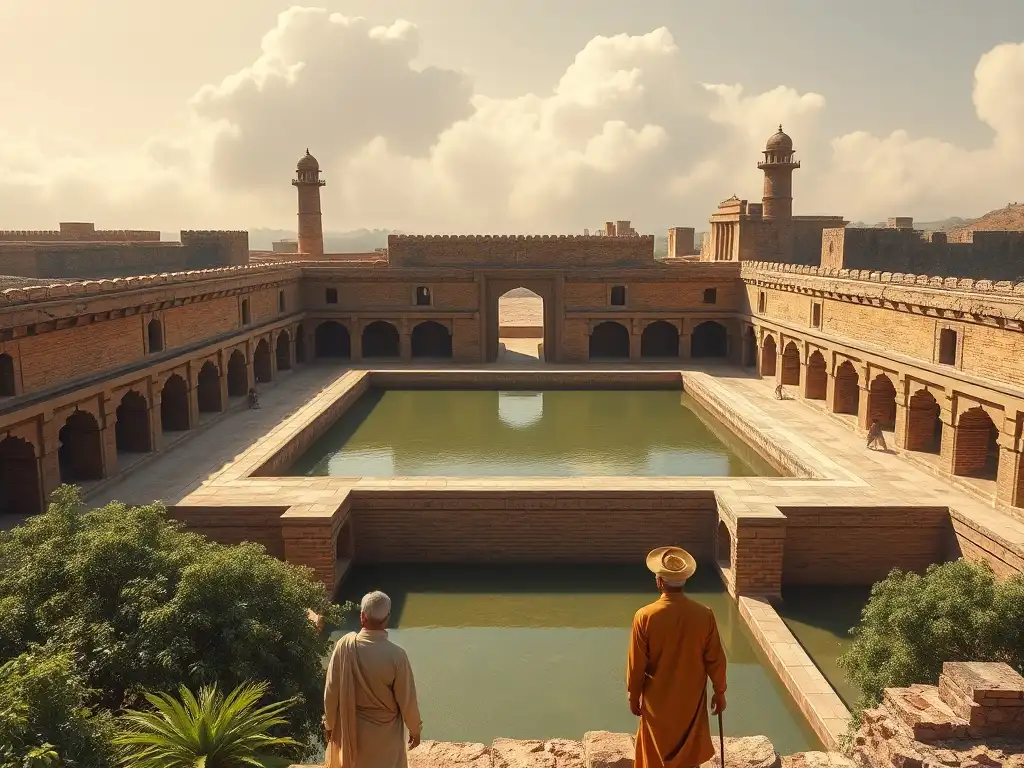
The Great Bath of Mohenjo-Daro stands as a testament to the advanced engineering in ancient India, reflecting the remarkable capabilities of the Harappan civilization. Constructed around 2500 BCE, this structure not only served a ceremonial or ritualistic purpose but also highlighted the sophisticated understanding of hydraulics, drainage, and urban planning that characterized the Indus Valley civilization.
The engineering techniques employed in the Great Bath are indicative of a society that prioritized sanitation and public health. The meticulous construction using fired bricks, combined with a complex system of drainage and water supply, reveals a level of planning and execution that was unmatched in its time. This emphasis on infrastructure and community facilities laid the groundwork for future developments in engineering across the Indian subcontinent.
Influence on Modern Engineering Practices
The principles of advanced engineering in ancient India, as showcased by the Great Bath, continue to influence modern engineering practices in several ways:
- Urban Planning: The grid layout of Mohenjo-Daro and its sophisticated drainage system have inspired modern urban planners. The emphasis on organized street layouts and effective waste management systems is echoed in contemporary city designs.
- Water Management: The Great Bath's hydraulic engineering principles are relevant today, especially in the context of sustainable water management. Techniques for rainwater harvesting and wastewater treatment can trace their roots back to innovations observed in ancient Indian civilizations.
- Material Use: The use of fired bricks in the Great Bath has paved the way for advancements in construction materials. Modern engineering continues to explore the benefits of durable and environmentally friendly materials, reflecting ancient practices.
- Cultural Heritage: The integration of cultural and spiritual elements in engineering solutions, such as the Great Bath's symbolic significance, is increasingly recognized in modern architecture, where cultural identity plays a critical role in design.
The Continuing Fascination with Ancient Indian Innovations
The engineering marvels of ancient India, particularly those exemplified by the Great Bath of Mohenjo-Daro, have sparked enduring interest among historians, engineers, and archaeologists alike. This fascination can be attributed to several factors:
- Technological Ingenuity: The advanced engineering techniques of ancient India challenge contemporary assumptions about the capabilities of ancient civilizations. The innovative approaches to construction, such as the use of sophisticated drainage systems, continue to inspire awe and research.
- Cultural Significance: The Great Bath represents more than just an engineering feat; it is a symbol of the social and cultural priorities of the Harappan civilization. The intersection of engineering and culture provides rich material for exploration and discussion.
- Educational Interest: Institutions worldwide are increasingly incorporating studies of ancient engineering into their curricula, recognizing the importance of these historical advancements in understanding modern engineering challenges.
- Tourism and Preservation: Sites like Mohenjo-Daro are not only archaeological treasures but also vital components of cultural heritage tourism. Efforts to preserve and promote these sites highlight the importance of ancient innovations in shaping contemporary society.
The Great Bath of Mohenjo-Daro exemplifies the impressive advanced engineering in ancient India, leaving a legacy that continues to influence modern practices and captivate the imagination of those who study and appreciate the rich history of Indian civilization.
References and Further Reading on Advanced Engineering in Ancient India
Recommended Books and Articles
-
"The Indus Valley Civilization" by Jane McIntosh
This comprehensive book delves into the architectural innovations and urban planning of the Indus Valley, offering insights into the advanced engineering techniques that shaped cities like Mohenjo-Daro. McIntosh meticulously analyzes artifacts and site layouts to demonstrate the sophistication of ancient Indian engineering.
-
"Ancient Indian Technology: A Historical Perspective" by V. K. Sharma
Sharma's work provides an in-depth examination of various technological advancements in ancient India, focusing on engineering principles applied in construction, irrigation, and urban planning. This book highlights how the Great Bath of Mohenjo-Daro serves as a prime example of advanced sanitation and water management systems.
-
"Indus Valley: The Cradle of Civilization" by Arjun Rao
This article explores the technological and architectural marvels of the Indus Valley Civilization, emphasizing the innovations in drainage systems and public baths. Rao contextualizes these advancements within the broader scope of ancient Indian history.
-
"Engineering Marvels of Ancient India" by R. S. Gupta
Gupta discusses various engineering feats throughout ancient India, including the Great Bath. The book compares these achievements to contemporary standards, showcasing the ingenuity of ancient engineers.
Online Resources for Exploration
-
Digital Library of India
A treasure trove of digitized books and manuscripts related to Indian history and engineering. Researchers can find primary sources and contemporary analyses of ancient engineering practices.
-
The Archaeological Survey of India (ASI)
The ASI website provides access to reports, excavation findings, and publications that detail various archaeological sites, including Mohenjo-Daro. It is an essential resource for understanding the engineering techniques of ancient civilizations.
-
Ancient History Encyclopedia
This online platform offers articles, timelines, and illustrations related to ancient Indian engineering. The section on the Indus Valley Civilization includes discussions on advanced sanitary systems and urban planning.
-
YouTube Channels: "History Buffs" and "The Engineering Mindset"
These channels feature videos that explore the engineering capabilities of ancient civilizations, including detailed analyses of structures like the Great Bath of Mohenjo-Daro, highlighting their innovative designs and functions.
-
Online Courses on Platforms like Coursera and edX
Many universities offer courses focused on ancient civilizations and their engineering practices. These courses often include modules specifically dedicated to the Indus Valley Civilization and its engineering techniques, providing a structured learning experience.
By utilizing these references and resources, readers can gain a deeper understanding of the advanced engineering in ancient India, particularly as exemplified by the Great Bath of Mohenjo-Daro.
Frequently Asked Questions
What is the Great Bath of Mohenjo-Daro?
The Great Bath of Mohenjo-Daro is an ancient structure believed to be used for ritual bathing, showcasing the advanced engineering skills of the Indus Valley Civilization.
How did the Great Bath demonstrate advanced engineering?
The Great Bath featured waterproofing techniques, sophisticated drainage systems, and precise brickwork, highlighting the engineering prowess of ancient Indian builders.
What significance did the Great Bath have in ancient society?
The Great Bath likely served as a center for social and religious activities, reflecting the importance of purity and cleanliness in the culture of ancient India.
What other examples of advanced engineering exist in ancient India?
In addition to the Great Bath, ancient India showcased advanced engineering in structures like the stepwells, urban planning of Harappa, and the aqueducts of the Gupta Empire.
How did advanced engineering contribute to the Indus Valley Civilization's success?
The advanced engineering techniques allowed for effective urban planning, drainage, and water management, which were crucial for the sustainability and growth of the Indus Valley Civilization.
Final Reflection: The Legacy of Advanced Engineering in Ancient India
The Great Bath of Mohenjo-Daro stands as a testament to the remarkable ingenuity of ancient Indian engineering, illustrating how sophisticated urban planning and architectural prowess were integral to early civilizations. Today, as we grapple with modern engineering challenges, the lessons from this ancient marvel remind us of the timeless principles of innovation and sustainability that can guide our future endeavors. The Great Bath not only served a practical purpose but also reflected the cultural and social values of its time, emphasizing the importance of communal spaces in fostering community and well-being.
The influence of the Great Bath extends beyond its physical structure; it has become a symbol of the advanced engineering capabilities that characterized ancient India. As we explore the remnants of this civilization, we recognize that such achievements were not isolated incidents but part of a broader narrative of human progress. The past is never dead. It's not even past.
— William Faulkner. This quote resonates deeply as we reflect on how the innovations of our ancestors continue to shape our understanding of engineering and architecture today, inspiring contemporary practices that prioritize efficiency and environmental harmony.
As we conclude this exploration of the Great Bath and its significance, I invite you to reflect on the lessons it imparts. Consider how the principles of advanced engineering in ancient India can inform your own life and work.
Whether you are an engineer, a student, or simply a curious mind, let the ingenuity of the past inspire you to think creatively and sustainably in your pursuits. Embrace the challenge of building a future that honors the wisdom of those who came before us, and strive to create spaces and structures that foster community and resilience in our ever-evolving world.
Uncover the Secrets of Ancient Engineering!
Thank you for diving into the fascinating world of the Great Bath of Mohenjo-Daro with us! You've gained insights into an extraordinary feat of engineering that not only shaped ancient society but also reveals the ingenuity of our ancestors. Now, it's time to take your exploration further!
Here's how you can connect with this remarkable piece of history:
- Explore more: Visit historical sites or take virtual tours of archaeological museums to experience the wonders of ancient engineering.
- Join the conversation: Share your thoughts about the Great Bath on social media or engage with local history groups.
- Create a project: Consider starting a personal blog or an art project that reflects your understanding of the achievements of ancient civilizations!
How do you think ancient engineering influences our modern designs and infrastructure today?