
Celebrating Togetherness: Festivals and Family in Ancient Indian Life

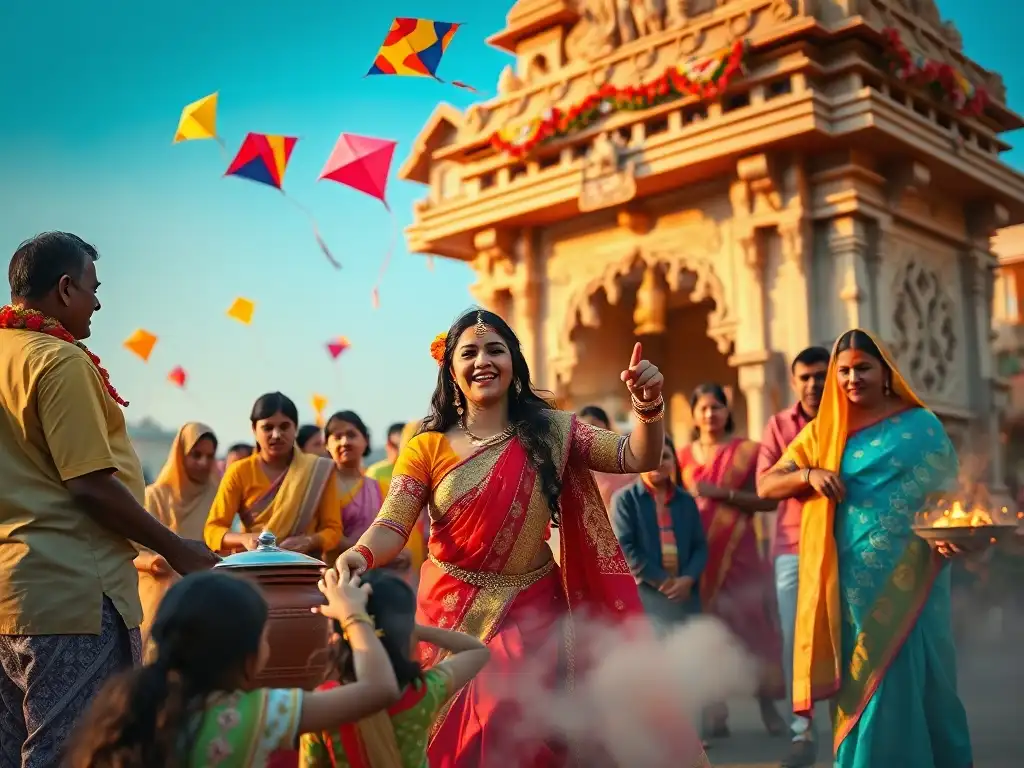
Welcome to Ancient India History, where we embark on a fascinating journey through the rich tapestry of ancient Indian civilizations. In our exploration today, we delve into the vibrant world of Ancient Indian festivals and family, uncovering how these cherished traditions shaped social bonds and cultural identity.
From the joyous celebrations of the Indus Valley to the grand festivities during the Gupta Empire, each festival tells a story of togetherness and community. Prepare to be captivated as we unravel the significance of these ancient customs and their enduring legacy in today’s society—let's celebrate the spirit of family and festivity together!
Introduction to Ancient Indian Festivals and Family
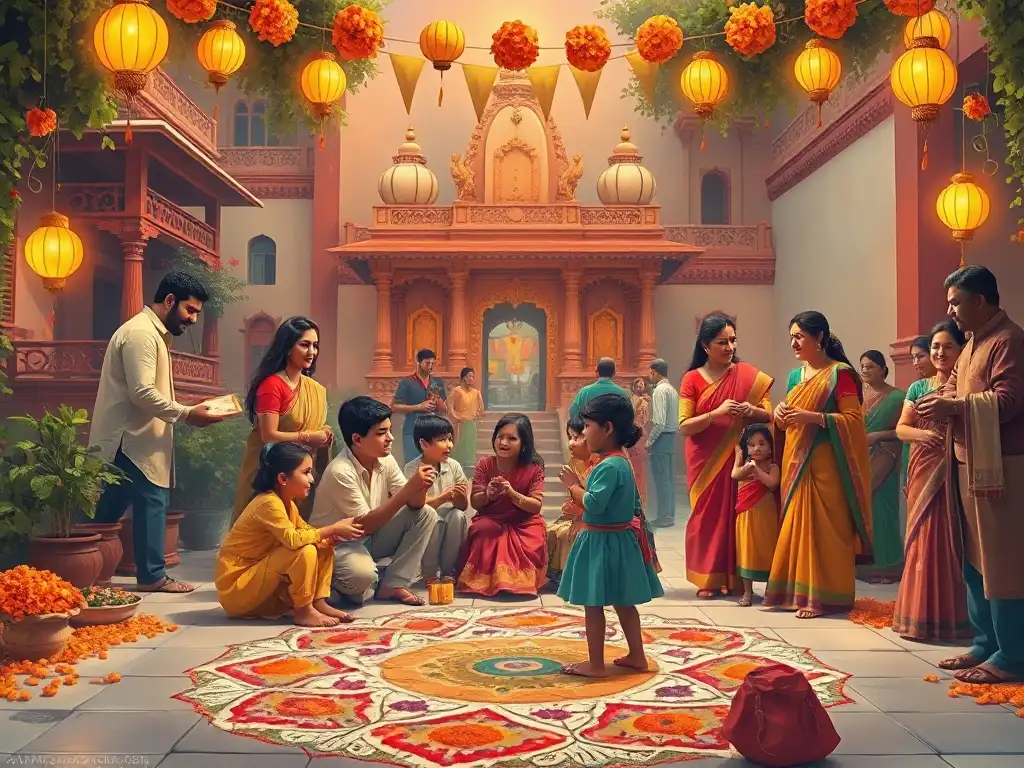
In ancient India, the tapestry of life was intricately woven with the threads of family bonds and vibrant festivals. These two elements were not merely aspects of society; they were the very heartbeat of ancient Indian culture, reflecting a deep sense of community, tradition, and spirituality. Festivals served as joyous occasions that brought families together, fostering a spirit of unity and collective celebration.
As we explore the rich landscape of ancient Indian festivals and their connection to family life, we will uncover how these celebrations shaped societal values and reinforced familial ties. This exploration not only highlights the significance of ancient Indian festivals and family but also sheds light on the cultural practices that defined daily life in ancient civilizations, from the Indus Valley to the Gupta Empire.
The Importance of Family in Ancient Indian Society
Family held a central role in ancient Indian society, often viewed as the foundational unit of social structure. The concept of family extended beyond the nuclear unit to include extended relatives, creating a web of support and responsibility. This interconnectedness was vital, as families engaged in various activities that strengthened their bonds, including shared rituals, agricultural tasks, and communal living.
- Emphasis on Values: Ancient Indian texts often emphasized virtues such as respect for elders, loyalty, and collective responsibility, which were crucial for maintaining harmony within the family unit.
- Rituals and Traditions: Family rituals, particularly during festivals, reinforced these values. Celebrations often involved collective worship, feasting, and storytelling, which served to pass down traditions and strengthen familial ties.
- Social Status and Identity: Familial connections also played a significant role in determining social status and identity within the broader community, influencing marriage alliances and social responsibilities.
Overview of Festivals and Their Significance
Festivals in ancient India were more than mere celebrations; they were deeply embedded in the cultural and spiritual life of the people. Each festival carried its own significance, often linked to religious beliefs, seasonal changes, or historical events.
- Religious Significance: Many festivals were rooted in the worship of deities, reflecting the rich tapestry of beliefs that characterized ancient Indian spirituality. They provided an opportunity for families to come together in devotion and celebration.
- Cyclical Nature of Life: Festivals often marked the changing seasons and agricultural cycles, serving as a reminder of the interconnectedness of nature and human life. This cyclical rhythm reinforced agricultural communities' reliance on family collaboration for sustenance.
- Cultural Transmission: Through festivals, families passed down stories, music, and traditions from one generation to the next, ensuring the continuity of their cultural heritage.
Major Ancient Indian Festivals Celebrated with Family
The celebration of festivals was a cornerstone of ancient Indian life, providing a platform for families to unite in joy and reverence. Below are some of the major festivals that were celebrated within families across different ancient Indian civilizations.
Festivals of the Indus Valley Civilization
The Indus Valley Civilization, one of the earliest urban cultures, had a rich array of festivals that centered around agriculture and seasonal changes. While specific details about their festivals remain elusive due to limited written records, archaeological findings suggest that:
- Harvest Festivals were likely celebrated to mark the end of the agricultural cycle, allowing families to come together and give thanks to the deities for a bountiful harvest.
- Rituals involving natural elements such as water and fire were possibly integral to their celebrations, emphasizing their connection to the environment.
Vedic Festivals and Their Family Traditions
The Vedic period laid the foundation for many of the festivals that are still celebrated in India today. Vedic festivals were characterized by elaborate rituals and communal participation.
- Soma Yajna: This festival involved the preparation and offering of the Soma drink during rituals, bringing families and communities together for worship and feasting.
- Seasonal Celebrations: Festivals like Makar Sankranti marked the transition of seasons and were celebrated with family gatherings, kite flying, and shared meals, emphasizing the importance of togetherness during these times.
Festivals during the Maurya and Gupta Empires
As Indian civilization progressed into the Maurya and Gupta Empires, festivals became more organized and diverse, reflecting the growing complexity of society.
- Ashoka's Edicts: Festivals during the Mauryan period included public proclamations of moral and ethical values, where families participated in communal activities that promoted societal welfare.
- Navaratri: This nine-night festival dedicated to the goddess Durga became a significant occasion for families to engage in worship, dance, and festivities, showcasing the blend of spirituality and family bonding during this era.
Through the examination of these festivals and the role of family in ancient Indian society, we can appreciate the rich cultural heritage that continues to influence contemporary practices. The celebration of togetherness through festivals remains a testament to the enduring legacy of ancient Indian civilization.
Role of Festivals in Strengthening Family Bonds
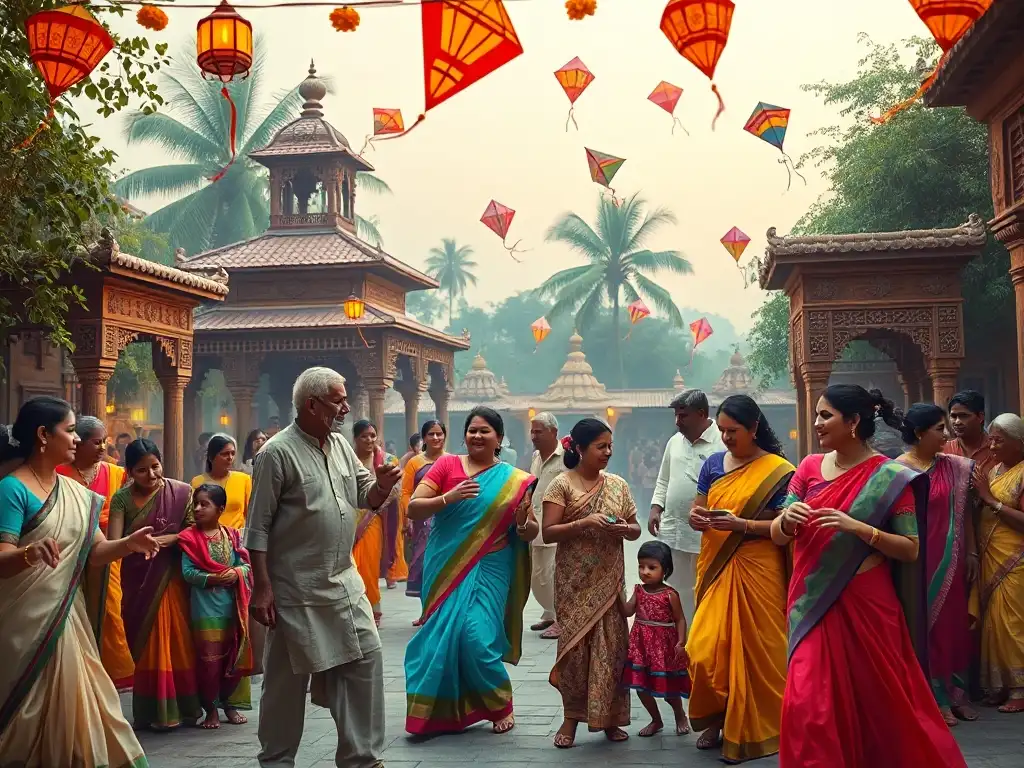
Festivals in ancient India served as pivotal moments for families to come together, reinforcing their relationships and shared identities. These celebrations transcended mere rituals; they embodied the essence of familial unity and community spirit. During festivals, families would engage in various activities, such as preparing traditional dishes, decorating their homes, and participating in communal prayers. This collective engagement fostered a sense of belonging and nurtured intergenerational ties, as elders imparted wisdom and traditions to the younger members.
The significance of festivals also extended to the strengthening of social networks. Families often invited relatives and friends, creating a larger community atmosphere that emphasized support and solidarity. This shared experience during festivals not only enhanced familial bonds but also contributed to the broader communal fabric of ancient Indian society. Events like Diwali, Holi, and Pongal were not just celebrations of cultural heritage but also occasions for families to renew their commitments to one another, reinforcing the values of love, respect, and cooperation.
Rituals and Customs: Connecting Families through Celebrations
Rituals and customs associated with ancient Indian festivals played a crucial role in connecting families. Each festival had its unique set of rites that families would perform together, which often included prayers, offerings, and symbolic acts. For instance, during the festival of Raksha Bandhan, sisters would tie a protective thread (rakhi) around their brothers' wrists, while brothers would pledge to protect their sisters. This ritual not only celebrated sibling bonds but also highlighted the mutual responsibilities that family members shared.
Moreover, the preparation for festivals involved collective efforts. Families would often gather to clean their homes, create decorations, and cook traditional meals. This process of collaboration strengthened familial ties as members worked side by side, sharing stories and laughter. The act of participating in these rituals reinforced family values, such as respect for elders and the importance of unity. Through these shared customs, families not only celebrated their cultural heritage but also deepened their emotional connections.
Shared Responsibilities and Community Participation
Shared responsibilities during festivals were vital in enhancing family bonds and community participation. In ancient Indian society, it was common for family members to divide tasks according to their abilities and roles, ensuring that everyone contributed to the celebrations. This division of labor not only made the preparation process more efficient but also fostered a sense of teamwork and collaboration.
Community participation was another significant aspect of ancient Indian festivals. Families would often engage with their neighbors and extended family members in collective celebrations, creating an inclusive atmosphere. For example, during the harvest festival of Makar Sankranti, families would participate in kite flying, showcasing their competitive spirit while simultaneously promoting camaraderie among participants. This collaboration between families helped to build stronger community ties, emphasizing the interconnectedness of family units within the larger society.
Symbolism of Family in Ancient Indian Festivities
The symbolism of family during ancient Indian festivals was deeply embedded in the cultural fabric of society. Festivals served as a canvas to express familial values, ethics, and relationships, often reflecting the core principles of love, duty, and respect that were fundamental to family life. The rituals and traditions observed during these celebrations encapsulated the essence of familial bonds, showcasing the integral role families played in the social structure.
Families were often depicted as the foundational units of society, and the festivals highlighted their significance through various symbolic representations. For instance, the worship of deities during festivals often included family members as a unit, showcasing their collective faith and devotion. Such practices underscored the idea that families were not only essential for individual well-being but also for the spiritual and cultural continuity of society.
Family Representation in Mythology and Epics
Ancient Indian festivals frequently drew inspiration from mythology and epics, where family representation played a prominent role. Narratives from texts like the Mahabharata and Ramayana illustrated the importance of family values, loyalty, and sacrifice. Festivals such as Dussehra and Diwali were rooted in these epic tales, emphasizing the triumph of good over evil and the significance of familial support in overcoming challenges.
Characters like Lord Rama and the Pandavas epitomized the ideals of familial love, duty, and righteousness. During festivals, families would recount these stories, reinforcing the moral lessons they convey. This storytelling not only served to entertain but also acted as a means of imparting values to younger generations, ensuring that the essence of family remained alive within the cultural consciousness.
Festivals as a Reflection of Family Values and Ethics
Festivals in ancient India were not just occasions for celebration; they were also reflections of the values and ethics upheld by families. The customs and traditions associated with various festivals often demonstrated principles such as generosity, gratitude, and compassion. For example, during the festival of Pongal, families would prepare special dishes and offer them to the less fortunate, exemplifying the value of sharing and caring for others.
Moreover, festivals provided opportunities for families to engage in acts of devotion, fostering a sense of responsibility towards their community and environment. The observance of ethical practices during these celebrations, such as eco-friendly rituals during Ganesh Chaturthi, highlighted the evolving understanding of family roles in promoting sustainability and respect for nature.
In essence, ancient Indian festivals served as a microcosm of family values, encapsulating the virtues that were essential for harmonious living. Through these celebrations, families not only honored their cultural heritage but also reinforced the ethical foundations that guided their interactions with one another and the broader community.
Regional Variations in Festivals and Family Celebrations
Ancient Indian festivals and family celebrations are deeply rooted in the cultural fabric of various regions across the subcontinent. Each region boasts its unique customs, rituals, and practices that reflect the local traditions and the historical context of the communities. The interplay of geography, climate, and social norms has resulted in a rich tapestry of celebrations that honor the familial bonds and community ties.
In North India, for example, festivals are often grand and colorful, marked by elaborate rituals and vibrant gatherings. In contrast, South Indian celebrations may emphasize simplicity and spirituality, incorporating local customs and traditional music. Eastern and Western India also present diverse approaches to celebrating family and festivals, illustrating how regional influences shape the way people connect during these important occasions.
North Indian Festivals and Family Practices
In North India, festivals such as Diwali, Holi, and Raksha Bandhan are significant familial events that bring relatives together. Diwali, the festival of lights, symbolizes the victory of light over darkness and is celebrated with the lighting of lamps and sharing sweets among family members. Families often partake in elaborate pujas (prayer rituals) together, reinforcing their spiritual connections.
Holi, the festival of colors, encourages playful interactions among family members and neighbors, fostering a sense of community. This celebration involves throwing colored powders and water at one another, symbolizing joy and the arrival of spring. Raksha Bandhan, which celebrates the bond between brothers and sisters, sees sisters tying a protective thread (rakhi) on their brothers' wrists, followed by the exchange of gifts and sweets, further emphasizing familial love.
South Indian Traditions and Their Unique Celebrations
In South India, festivals are deeply intertwined with religious observances and local agricultural practices. Pongal, a harvest festival, celebrates the bounty of the fields and emphasizes gratitude. Families come together to cook the traditional dish of Pongal, made from newly harvested rice, and offer it to the Sun God. This festival not only marks the change of seasons but also strengthens family ties through collective cooking and worship.
Another important celebration is Onam, primarily observed in Kerala, which includes activities such as boat races, floral decorations, and traditional dance forms. Families engage in the preparation of a grand feast called Onam Sadhya, which comprises a variety of vegetarian dishes served on banana leaves. The communal aspect of these celebrations highlights the importance of family gatherings in South Indian culture.
Eastern and Western Festivals: Family Dynamics and Customs
In Eastern India, festivals like Durga Puja and Bhai Dooj exemplify the importance of family unity. Durga Puja, dedicated to the goddess Durga, involves elaborate decorations, rituals, and cultural performances that draw families together for a shared experience of devotion and celebration. Bhai Dooj further strengthens sibling bonds, similar to Raksha Bandhan, where brothers and sisters come together to honor each other with gifts and blessings.
Western India is known for its vibrant celebrations, particularly during Ganesh Chaturthi, where families welcome the idol of Lord Ganesha into their homes. The festival includes prayers, music, and dance, culminating in a grand immersion ceremony. The preparation and participation in these festivities encourage family bonding and community involvement, illustrating the interconnectedness of cultural practices and familial relationships.
The Influence of Ancient Festivals on Modern Family Practices
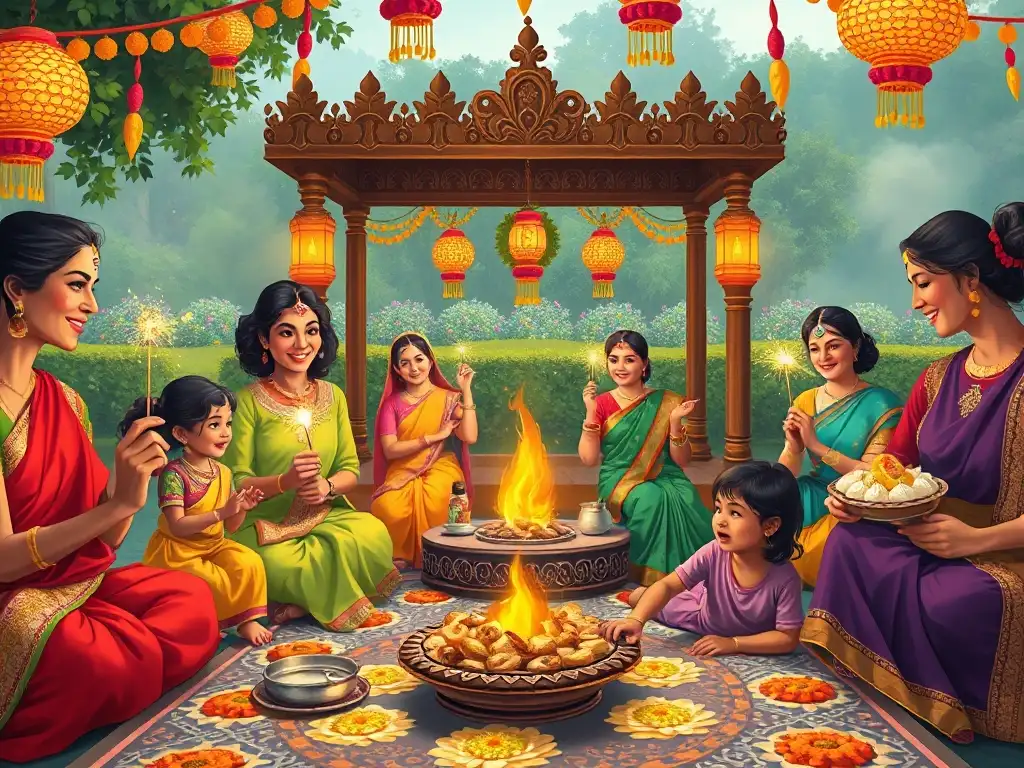
The rich tapestry of ancient Indian festivals continues to influence contemporary family practices, reflecting a blend of tradition and modernity. Many modern families still celebrate these ancient festivals, which serve as a reminder of their cultural heritage. This continuity not only fosters a sense of identity but also reinforces the values of togetherness and shared heritage.
Continuity and Change: How Ancient Traditions Shape Today’s Celebrations
While many festivals maintain their core rituals and meanings, some aspects have evolved to adapt to changing societal norms. For instance, the traditional gender roles observed during festivals have gradually shifted, with more inclusive practices emerging. Families now often encourage the participation of all members, regardless of gender, in rituals and celebrations, allowing for a more holistic family experience.
Moreover, the digital age has transformed how families celebrate festivals. Virtual gatherings, social media sharing, and online shopping for festive essentials have made it easier for families to connect, even when physically apart. This blend of ancient traditions with modern technology illustrates the dynamic nature of cultural practices and their ability to adapt while still honoring their roots.
Celebrating Togetherness: Lessons from the Past
The festivals of ancient India impart valuable lessons on the importance of family togetherness. They remind us of the significance of family bonds, shared experiences, and community participation. As families continue to embrace these celebrations, they not only preserve their cultural heritage but also cultivate values such as love, support, and unity.
Exploring ancient Indian festivals and family practices allows us to appreciate the deep connections that have historically defined familial relationships. By celebrating these traditions, families today can draw inspiration from the past, fostering a sense of belonging and togetherness that transcends generations.
Conclusion: The Enduring Legacy of Ancient Indian Festivals and Family
The rich tapestry of ancient Indian festivals and family life is woven with threads of tradition, spirituality, and social cohesion. As we reflect on the vibrant celebrations that marked the lives of ancient Indians, it becomes evident that these festivals were not merely occasions for merriment; they were pivotal in strengthening familial bonds and fostering community ties. The rituals, customs, and communal activities associated with these festivals laid the groundwork for the cultural identity that continues to influence modern Indian society.
Ancient Indian festivals served as a platform for families to come together, share their joys, and uphold their collective heritage. The values of togetherness, respect, and love, deeply embedded in these celebrations, have transcended time, leaving an indelible mark on contemporary practices. Today, many of these festivals persist, echoing the sentiments of unity and familial love that were celebrated in ancient times. The legacy of these festivals is a testament to the enduring nature of familial relationships and the importance of cultural continuity in shaping identities across generations.
The Impact of Festivals on Family Life in Ancient India
Festivals in ancient India played a crucial role in reinforcing family structures and relationships. These events provided families with opportunities to engage in communal activities, share meals, and participate in rituals that fostered a sense of belonging. During festivals, families would often gather to perform pujas (worship rituals), exchange gifts, and prepare traditional delicacies, thereby enhancing familial bonds.
Moreover, festivals were instrumental in imparting cultural values and traditions to younger generations. Elders would share stories about the significance of various festivals, educating children about their heritage and the family’s role within the larger community. This transmission of knowledge ensured that customs and practices remained alive, contributing to the continuity of family traditions.
The celebration of festivals also encouraged social interaction beyond immediate family. Extended family members and neighbors would come together, creating a network of support and fostering a sense of community. Such interactions were vital for maintaining social harmony and cooperation among different families, reflecting the collective spirit that characterized ancient Indian society.
Embracing Togetherness: The Cultural Heritage of Festivals
The cultural heritage of ancient Indian festivals is a profound expression of togetherness, where communal participation and shared experiences were central to the celebrations. Each festival, whether it was Diwali, Holi, or Makar Sankranti, encapsulated unique stories, rituals, and practices that highlighted the importance of unity and connection.
These festivals often involved elaborate preparations that brought families together. From cleaning and decorating homes to cooking special dishes, each activity was a collaborative effort that reinforced family ties. The joyous atmosphere fostered during these celebrations encouraged families to reflect on their shared values and heritage, creating lasting memories.
Moreover, many festivals were linked to agricultural cycles, celebrating harvests and nature’s bounty. This connection to the land not only emphasized the importance of sustainability but also illustrated how ancient Indian families lived in harmony with their environment. The cyclical nature of these celebrations mirrored the rhythms of life, reinforcing the idea of togetherness and the interdependence of families, communities, and nature.
References
Key Texts and Sources on Ancient Indian Festivals and Family
- "The Festivals of India" by Anil D. Shah - This comprehensive text explores various festivals celebrated across India, detailing their significance and the cultural practices associated with them.
- "Family and Society in Ancient India" by R. S. Sharma - A scholarly examination of family structures and societal norms in ancient Indian civilizations, providing context for the role of festivals in family life.
- "Cultural Heritage of India: Festivals and Traditions" edited by S. K. Dutta: - A collection of essays that delves into the rich cultural heritage of India, focusing on the interrelation between festivals and familial practices.
Further Reading on Family and Marriage Practices in Ancient India
- "Marriage in Ancient India" by R. M. Gupta - This book investigates the various marriage customs and practices in ancient India, offering insights into the social norms that surrounded family life.
- "The Role of Women in Ancient Indian Society" by A. N. Sharma - A detailed analysis of women's roles in ancient Indian families, highlighting their contributions during festivals and family ceremonies.
- "Indian Society and Culture: Continuity and Change" by P. K. Sharma: - This work examines the evolution of family and societal structures in ancient India, providing a broader understanding of how festivals fit into the cultural landscape.
- Introduction to Ancient Indian Festivals and Family
- The Importance of Family in Ancient Indian Society
- Overview of Festivals and Their Significance
- Major Ancient Indian Festivals Celebrated with Family
- Role of Festivals in Strengthening Family Bonds
- Symbolism of Family in Ancient Indian Festivities
- Regional Variations in Festivals and Family Celebrations
- The Influence of Ancient Festivals on Modern Family Practices
- Conclusion: The Enduring Legacy of Ancient Indian Festivals and Family
- References
- What role did festivals play in ancient Indian life?
- How did ancient Indian festivals reflect the cultural diversity of the region?
- What were some of the most significant festivals celebrated in ancient India?
- How did family structures influence the celebration of festivals in ancient India?
- In what ways did festivals contribute to the social fabric of ancient Indian society?
Frequently Asked Questions
What role did festivals play in ancient Indian life?
Festivals were essential in strengthening family bonds and community ties. They provided opportunities for families to come together, celebrate traditions, and share in cultural practices.
How did ancient Indian festivals reflect the cultural diversity of the region?
Ancient Indian festivals showcased the rich tapestry of cultures across different regions. Each festival often had unique rituals and customs that highlighted the local traditions and belief systems.
What were some of the most significant festivals celebrated in ancient India?
Significant festivals included Diwali, Holi, and Makar Sankranti, which celebrated themes of light, harvest, and renewal. These festivals often involved elaborate rituals and family gatherings.
How did family structures influence the celebration of festivals in ancient India?
Family structures played a crucial role in festival celebrations, as they dictated the roles and responsibilities of family members during rituals. Larger families often hosted more elaborate celebrations, reinforcing kinship ties.
Festivals fostered a sense of community and togetherness, promoting social cohesion. They provided a platform for families and friends to engage in shared experiences, strengthening societal bonds and cultural continuity.
Final Reflection: Embracing Togetherness Through Ancient Indian Festivals
The essence of family and community is timeless, and the celebration of ancient Indian festivals serves as a powerful reminder of this truth. In a world increasingly driven by individualism and technology, the rich tapestry of ancient Indian festivals offers a vital connection to our roots, emphasizing the importance of togetherness. These festivals were not merely events on a calendar; they were the lifeblood of communities, fostering bonds that transcended generations and shaped cultural identities.
The influence of these ancient traditions continues to resonate in today's society, reminding us of the value of unity and shared experiences. As we navigate the complexities of modern life, the lessons from our ancestors about celebrating togetherness become even more significant. Festivals are the heartbeats of our culture, echoing the values of love, respect, and community.
This enduring legacy encourages us to cherish our familial ties and communal bonds, reinforcing the idea that our identities are woven together through shared celebrations and rituals.
As you reflect on the themes of this article, consider how you can incorporate the spirit of these ancient festivals into your own life. Take a moment to celebrate your family and community, fostering connections that honor the past while enriching the present. Whether through organizing a gathering, sharing stories, or participating in cultural traditions, let the essence of togetherness inspire you to create lasting memories and strengthen the bonds that define us. Embrace the wisdom of the past as you forge a brighter, more connected future.
Embrace the Spirit of Togetherness Today!
Thank you for taking the time to explore the vibrant world of festivals and family in ancient India! Your interest in this rich cultural tapestry is invaluable. Now, let's carry the essence of these traditions into our lives.
Here are some simple yet impactful actions you can take right now:
- Host a family festival night: Celebrate with loved ones by recreating a traditional festival at home. Cook authentic dishes, share stories, and embrace the spirit of communal joy!
- Share your favorite festival memories: Post a photo or write about a cherished family celebration on social media. Use the hashtag #AncientIndianFestivals to connect with others who cherish these traditions.
- Explore your family heritage: Research the origins of your family’s celebrations or rituals. Engage with your elders to discover untold stories that enrich your understanding and appreciation of your cultural roots.
Which festival from ancient India resonates most with you, and how would you love to incorporate its spirit into your modern life?