
The Interplay of Occupations and Cultural Practices in Ancient India

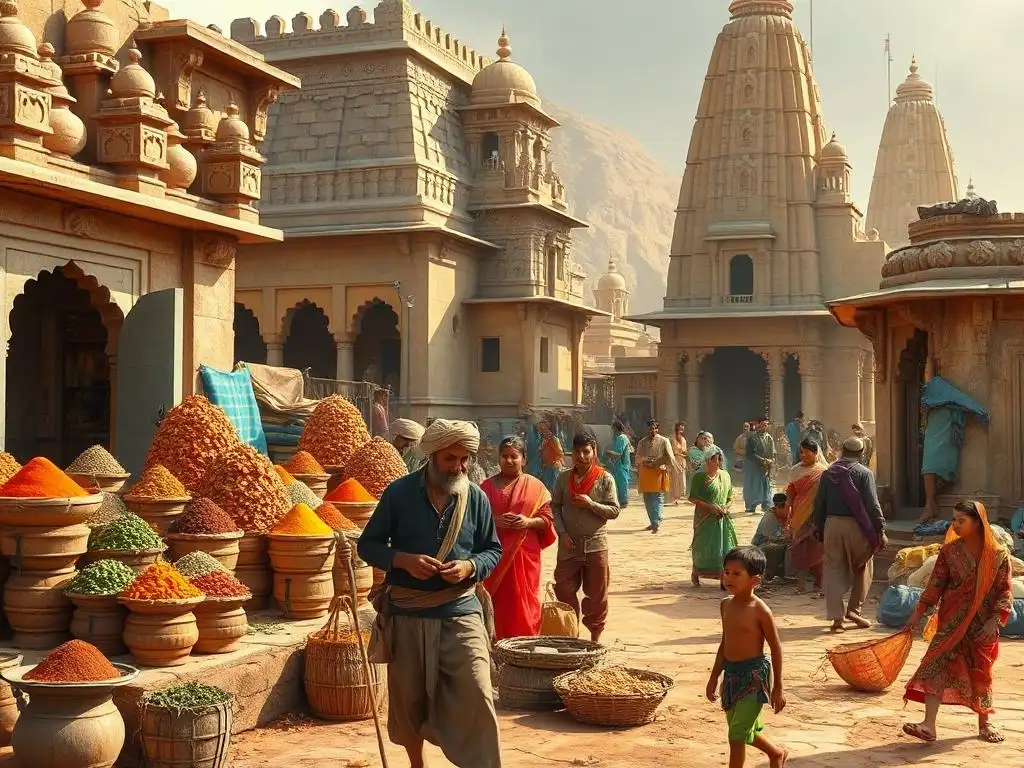
Welcome to Ancient India History, where we embark on an enlightening journey through the fascinating tapestry of ancient Indian occupations and culture. From the ingenious artisans of the Indus Valley to the scholarly pursuits of the Gupta Empire, the interplay between various occupations and cultural practices shaped a civilization rich in diversity and innovation.
As you delve into our featured article, "The Interplay of Occupations and Cultural Practices in Ancient India," prepare to uncover the intricacies of daily life and societal roles that defined an era. Join us as we explore how these elements intertwined to create a legacy that continues to inspire and intrigue!
Introduction to Ancient Indian Occupations and Culture
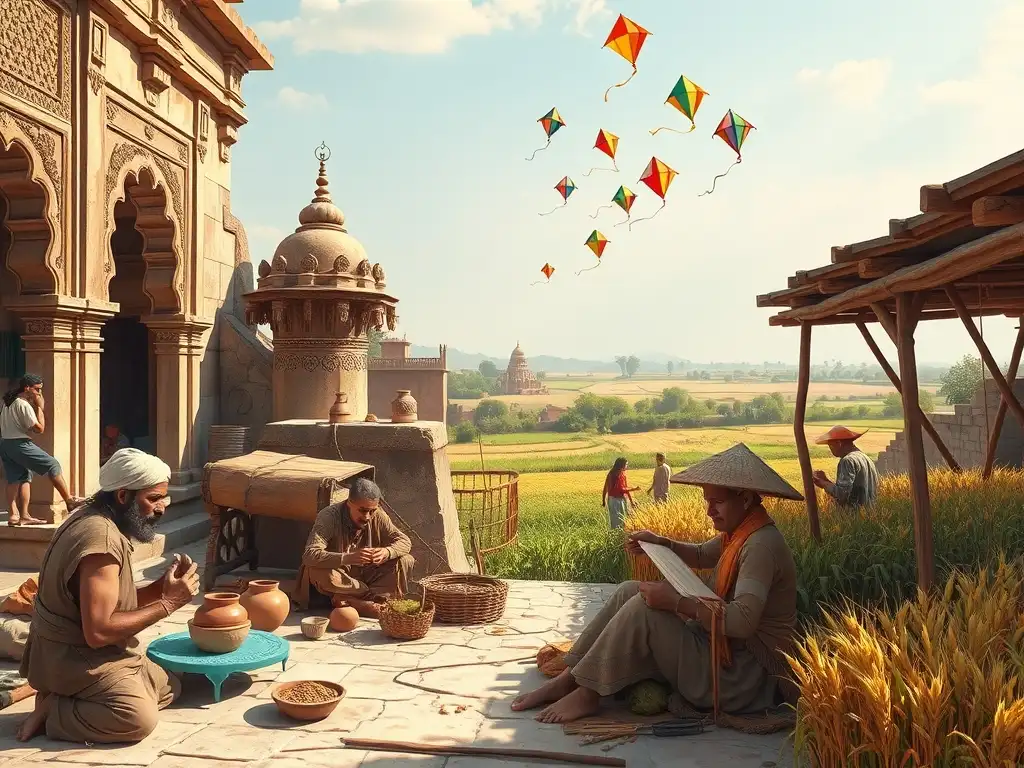
The interplay of occupations and cultural practices in ancient India paints a vibrant picture of a society that was not only rich in diversity but also deeply interconnected. From the bustling markets of the Indus Valley to the philosophical discussions in Gupta universities, the occupations of ancient Indians were shaped by their cultural beliefs, social structures, and economic necessities.
Understanding this relationship is crucial to appreciating how various labor systems evolved and influenced daily life in ancient Indian civilizations. This exploration of ancient Indian occupations and culture reveals the multifaceted ways in which work and cultural identity were intertwined, laying the groundwork for subsequent developments in Indian history.
Overview of Ancient India’s Diverse Workforce
Ancient India was home to a wide array of occupations that reflected its diverse geography, climate, and cultural practices. The workforce comprised farmers, artisans, merchants, and scholars, each contributing uniquely to the economy and society.
- Agricultural Workers: The backbone of the economy, these individuals cultivated a variety of crops, including rice, wheat, and barley, adapting their methods to regional conditions.
- Artisans and Craftsmen: Skilled in various crafts such as pottery, weaving, and metallurgy, artisans played a vital role in producing goods for local and trade markets.
- Traders: Engaging in commerce both domestically and internationally, traders facilitated the exchange of goods and ideas, linking ancient India with distant lands.
- Scholars and Priests: These individuals were the custodians of knowledge and tradition, often involved in religious and philosophical pursuits, influencing both culture and society.
The complexity of this workforce highlights how ancient Indian society was organized around specific roles that were often dictated by caste, community, and cultural norms.
Significance of Cultural Practices in Shaping Occupations
Cultural practices in ancient India were not merely a backdrop but actively shaped and influenced various occupations. The caste system, a fundamental aspect of Indian society, dictated the professions individuals could pursue, creating a structured labor system where social identity was closely linked to occupation.
- Religious Influence: Many occupations were viewed as sacred, with certain tasks deemed worthy of spiritual significance. For example, agricultural rituals were often intertwined with the farming calendar, reflecting a deep connection between work and spirituality.
- Gender Roles: Cultural norms also dictated the roles of men and women in the workforce. While men often took on roles as farmers and tradesmen, women engaged in domestic crafts and local trade, shaping the socio-economic landscape of their communities.
- Regional Variations: Different regions developed unique cultural practices that influenced local occupations; for instance, coastal areas thrived on fishing and trade, while hinterlands focused on agriculture and animal husbandry.
This cultural framework provided a lens through which occupations were viewed, further embedding them in the fabric of ancient Indian identity.
The Evolution of Occupations in Ancient Indian Society
As ancient Indian society evolved, so too did its occupations, adapting to changing economic conditions, technological advancements, and cultural shifts. This section delves into key historical periods that shaped the labor landscape.
Early Occupations in the Indus Valley Civilization
The Indus Valley Civilization (c. 3300–1300 BCE) showcased some of the earliest forms of organized labor and occupational specialization. Archaeological evidence suggests:
- Urban Planning: The cities of Mohenjo-Daro and Harappa exhibited sophisticated urban planning, with specialized workers involved in construction, sanitation, and administration.
- Craft Production: Artifacts reveal advanced techniques in pottery, bead-making, and textile production, indicating a thriving craft economy.
- Trade Networks: The presence of seals and weights points to a complex trade system, facilitating commerce with neighboring regions.
This early civilization laid the groundwork for future occupational systems, establishing a precedent for specialization and economic interaction.
The Role of Agriculture in Ancient Indian Occupations
Agriculture remained a cornerstone of ancient Indian society, evolving significantly over time. Key points include:
- Crop Diversity: Farmers cultivated a variety of crops, with regional specialties emerging based on climate and soil conditions, from rice in the east to wheat in the northwest.
- Irrigation Practices: Innovations in irrigation, such as canals and wells, allowed for increased productivity and the expansion of arable land, supporting larger populations.
- Feudal Systems: As society progressed, feudal systems emerged, where landowners and tenant farmers developed a complex relationship that influenced social and economic dynamics.
The agricultural sector not only sustained the populace but also served as a foundation for trade and commerce.
Craftsmanship and Trade in Ancient India
The growth of craftsmanship and trade was pivotal in shaping ancient Indian occupations. This period saw:
- Urban Centers: The rise of cities like Varanasi and Pataliputra became hubs of trade and craftsmanship, fostering a rich culture of artisanship.
- Guilds and Associations: Artisans often organized into guilds, which regulated trade practices, maintained quality standards, and provided social support to members.
- Cultural Exchange: Trade routes facilitated cultural exchange, bringing in ideas, techniques, and goods that enriched local practices and contributed to a more interconnected world.
Through these developments, ancient Indian craftsmanship and trade flourished, enhancing the economy and cultural richness of the time.
Cultural Influences on Occupations in Ancient India
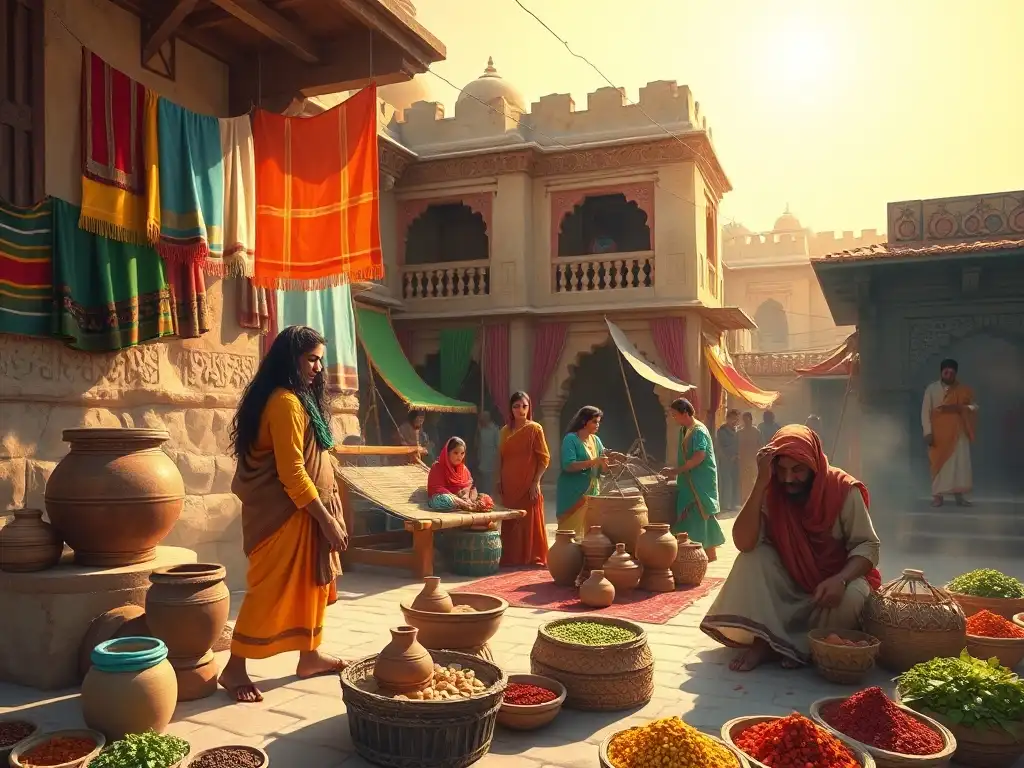
The tapestry of ancient Indian society is richly woven with threads of cultural influences that intricately shaped various occupations. These influences stem from religious beliefs, social structures, and community practices, all of which played a crucial role in determining the nature of work and the status of different professions. The relationship between culture and occupation is evident in how labor was not merely a means of survival but an expression of identity and community values.
Religious beliefs, for instance, often dictated the types of jobs individuals could hold, while festivals and rituals provided a structured rhythm to work patterns. Furthermore, the caste system, a significant social framework, allocated specific occupations to different groups, thereby intertwining cultural identity with professional roles. This complex interplay underscores the profound impact of cultural practices on the occupational landscape of ancient India.
Religious Practices and Their Impact on Labor
Religious practices in ancient India significantly influenced occupational roles, as many professions were directly tied to the prevailing religious beliefs and rituals. For example, priests and temple workers played vital roles in maintaining religious sites and conducting ceremonies, thus holding esteemed positions within society. The performance of rituals often required specialized knowledge, leading to the establishment of certain families or communities as custodians of religious practices.
Moreover, many occupations were viewed through a spiritual lens, with workers believing that their labor was a form of worship. This notion is particularly evident in the agricultural sector, where farmers performed rituals to appease deities for a bountiful harvest. Such practices not only reinforced the spiritual significance of their work but also fostered a connection to the land and community, ultimately embedding religious values within the fabric of daily labor.
How Festivals Shaped Work Patterns and Occupations
Festivals in ancient India were more than mere celebrations; they were pivotal in shaping work patterns and influencing various occupations. During festival seasons, specific trades and crafts gained prominence, with artisans and merchants actively preparing for the increased demand for goods and services. For instance, the festival of Diwali saw a surge in the production of sweets, decorative items, and clothing, creating a bustling economy around these festivities.
Additionally, festivals often provided a break from regular labor, allowing communities to engage in collective celebrations that reinforced social bonds. This temporary shift in work patterns highlighted the importance of cultural practices in influencing occupational rhythms, as families and communities came together to celebrate their shared heritage and traditions. Thus, the cyclical nature of work and festivity illustrated the deep interconnection between culture and labor.
The Influence of Caste System on Occupational Roles
The caste system played a fundamental role in defining occupational roles in ancient India, as it categorized society into distinct groups, each associated with specific professions. This hierarchical structure often dictated one's career path from birth, restricting social mobility and reinforcing traditional labor divisions. For example, Brahmins typically held roles related to education and religious rituals, while Kshatriyas focused on military and administrative duties.
Shudras, often the lowest caste, were predominantly engaged in manual labor and service-oriented jobs. This rigid occupational structure not only maintained social order but also contributed to the preservation of specialized skills within particular communities, enriching the cultural landscape of ancient India. The interplay of occupation and caste thus served to reinforce social identities and cultural practices, ensuring the continuity of traditions through generations.
Major Occupations and Their Cultural Significance
Major occupations in ancient India were not merely economic activities; they were imbued with cultural significance and contributed to the broader tapestry of Indian civilization. Each occupation reflected the values, traditions, and norms of the society, showcasing the intricate link between labor and cultural identity. Understanding these occupations provides insight into how ancient Indians navigated their social and economic lives while adhering to their rich cultural heritage.
Artisans and Craftsmen: The Cultural Legacy of Their Work
Artisans and craftsmen occupied a central place in ancient Indian society, their work reflecting not only skill but also cultural significance. From potters and weavers to metalworkers and sculptors, each artisan group contributed to the rich artistic heritage of the region. The intricate designs and patterns used in their crafts often drew inspiration from religious motifs, nature, and mythology, illustrating the seamless blend of labor and culture.
The legacy of these craftsmen is evident in the architectural marvels and art forms that have survived through centuries. For instance, the exquisite carvings found in temples across India serve as a testament to the craftsmanship of ancient artisans, with each piece telling a story that connects the past to the present. This cultural legacy underscores the importance of artisanship as not only an occupation but also a vital expression of identity and creativity within ancient Indian society.
Farmers and Agricultural Practices: Cultural Rituals and Festivals
Farming was the backbone of ancient Indian society, influencing not just the economy but also cultural practices and rituals. Agricultural work was often accompanied by various cultural rituals aimed at ensuring a successful harvest. Farmers engaged in ceremonies to honor deities, seek blessings, and express gratitude for the land’s bounty. These rituals reinforced the connection between the community and the agricultural cycle, highlighting the spiritual significance of farming.
Festivals such as Makar Sankranti and Pongal celebrated the harvest, allowing farmers to come together in gratitude and joy. These events not only marked the changing seasons but also served as opportunities for social bonding and cultural expression. The intertwining of agriculture with cultural practices thus illustrates how ancient Indian farmers navigated their livelihoods while fostering a deep connection to their heritage.
Merchants and Trade: Cultural Exchange and Economic Growth
Merchants played a crucial role in ancient Indian society, facilitating trade and cultural exchange both within the subcontinent and with foreign lands. Trade routes connected various regions, allowing for the exchange of goods, ideas, and cultural practices. Merchants not only dealt in commodities like spices, textiles, and precious stones but also served as cultural ambassadors, introducing new traditions and practices to different communities.
The flourishing trade contributed significantly to economic growth and urbanization, as cities became centers of commerce and cultural interaction. Festivals and fairs often revolved around trade activities, further emphasizing the significance of merchants in the socio-cultural landscape. The dynamic interplay between commerce and culture thus showcases how ancient Indian merchants contributed to the richness of cultural diversity and economic vitality in society.
Case Studies of Specific Occupations and Cultural Practices
Ancient Indian society was a complex tapestry woven from various occupations and cultural practices that not only defined the roles of individuals but also shaped the communal identity. Each occupation came with its own unique set of cultural practices, rituals, and social expectations that contributed to the overall fabric of society. By examining specific case studies of occupations such as priests, scribes, and warriors, we can better understand the intricate interplay between work and culture in ancient India.
The Role of Priests in Religious and Social Life
Priests held a paramount position within ancient Indian society, serving as the intermediaries between the divine and the mortal. Their responsibilities encompassed performing rituals, conducting sacrifices, and safeguarding sacred knowledge, which were vital for the spiritual well-being of the community. The priestly class, often hereditary, was deeply respected and played a crucial role in maintaining societal order through their religious duties.
Culturally, priests were not just religious figures; they were also educators and custodians of oral traditions. They preserved ancient texts like the Vedas and Upanishads, ensuring the transmission of knowledge across generations. The rituals led by priests often involved elaborate ceremonies that reinforced community bonds and cultural identity. Festivals, which were a blend of religious devotion and social gatherings, relied heavily on the priestly class for their organization and execution. Thus, their role extended beyond spirituality, influencing various aspects of daily life, including governance and social stratification.
The Significance of Scribes in Documentation and Culture
Scribes were essential to the administrative and cultural development of ancient India. Tasked with documenting transactions, religious texts, and historical events, they served as the backbone of governance and cultural preservation. Scribes were trained in the art of writing and often belonged to a literate elite, which facilitated their involvement in both government and trade.
The significance of scribes extended beyond mere record-keeping. They played a crucial role in the cultural life of society, as their writings contributed to the development of literature, philosophy, and legal systems. Scribes were also instrumental in the dissemination of knowledge, as they copied and translated texts, making them accessible to a wider audience. This contributed to the cultural continuity and intellectual growth of ancient Indian civilization, highlighting the integral connection between their occupational role and cultural heritage.
Warriors and Their Cultural Representation in Society
Warriors were central figures in ancient Indian society, celebrated for their valor and martial skills. Their role was not limited to warfare; they were also custodians of dharma (righteousness) and protectors of the realm. Culturally, warriors were revered in epics and folklore, often depicted as heroic figures embodying ideals of courage, honor, and loyalty.
The importance of warriors extended to their contributions in shaping social structures, as they often belonged to the kshatriya varna, which conferred them a higher social status. The warrior ethos was deeply ingrained in the cultural narrative of ancient India, influencing art, literature, and even religious practices. Festivals and rituals often celebrated martial achievements, reinforcing the cultural significance of warriors within society.
The Interrelationship Between Occupations and Daily Life
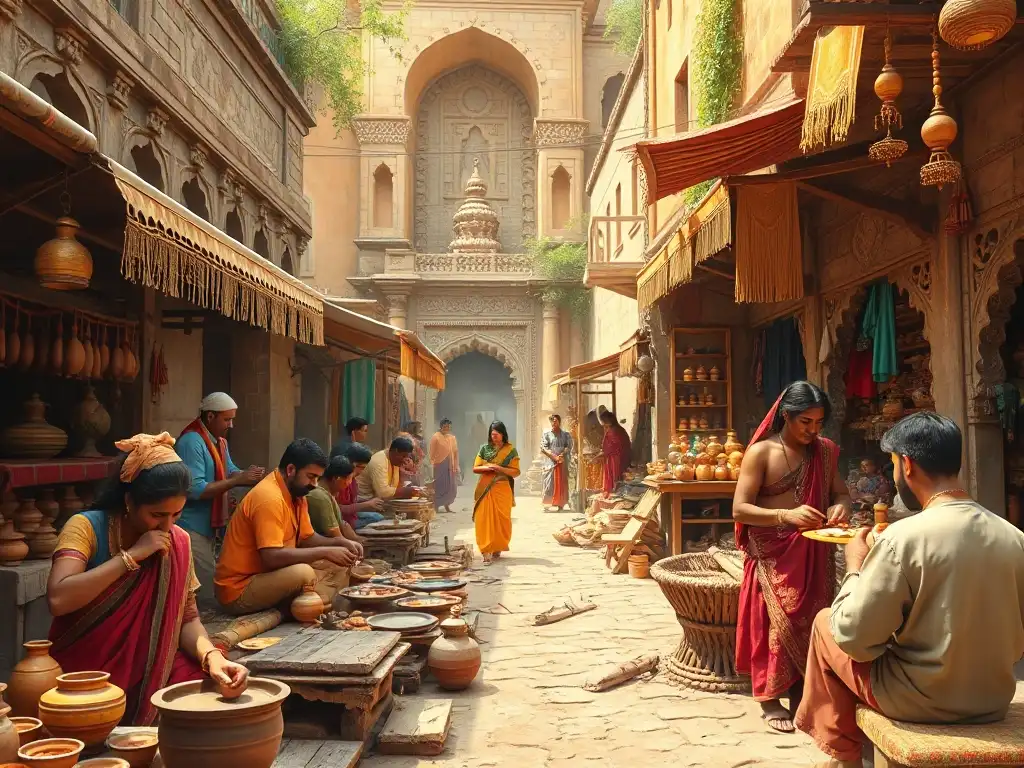
The interplay between occupations and daily life in ancient India was profound, as various jobs shaped not only individual livelihoods but also the broader social structure. The nature of one's occupation influenced social interactions, family dynamics, and community relationships, creating a network of interdependencies that defined ancient Indian society.
How Occupations Influenced Social Hierarchies
Occupations played a pivotal role in establishing social hierarchies within ancient India. The caste system, which categorized individuals based on their professions, created a structured society where certain occupations were deemed superior or inferior. For instance, priests and warriors typically occupied higher rungs on the social ladder, while artisans and laborers were often relegated to lower statuses.
This hierarchical division influenced interpersonal relationships and social mobility, as individuals’ opportunities for advancement were largely determined by their caste and occupation. The rigid boundaries established by these occupational categories often dictated marriage alliances, social interactions, and access to resources, thereby shaping the fabric of daily life.
The Impact of Occupations on Family Structures and Relationships
Occupations significantly impacted family dynamics and relationships in ancient India. Many professions were hereditary, leading to a continuity of skills and trades within families. This hereditary nature ensured that knowledge and practices were passed down through generations, establishing a clear sense of identity and belonging tied to one’s occupation.
Moreover, the demands of certain occupations often dictated family roles and responsibilities. For example, families of farmers worked collaboratively, with each member contributing to agricultural activities. In contrast, families of merchants might have focused on trade and commerce, fostering a different set of skills and priorities. This interplay between occupation and family life not only shaped individual identities but also influenced community structures and social cohesion.
Cultural Practices that Enhanced Occupational Skills
Cultural practices in ancient India often complemented and enhanced occupational skills. Various rituals, festivals, and traditions were designed to honor and promote specific trades and crafts. For instance, artisans participated in community celebrations that showcased their work, fostering a sense of pride and encouraging skill development.
Additionally, training and apprenticeship were integral parts of occupational culture. Young individuals often learned their trades through direct mentorship from family members or community elders, ensuring the transmission of expertise. This cultural emphasis on skill development not only nurtured individual talent but also contributed to the overall economic stability and cultural richness of ancient Indian society.
Conclusion: The Legacy of Ancient Indian Occupations and Culture
The intricate relationship between occupations and cultural practices in ancient India has left an indelible mark on the subcontinent's historical narrative. From the agrarian societies of the Indus Valley to the skilled artisans of the Gupta Empire, each occupation contributed not only to the economic framework but also to the cultural identity of the people. This legacy is evident in the traditions, festivals, and rituals that continue to shape contemporary Indian society. The values, skills, and knowledge systems inherent in these occupations have been passed down through generations, forming a rich tapestry of cultural heritage that informs modern practices.
Moreover, the diverse occupational structures fostered a sense of community and interdependence among different social groups, allowing for the growth of cooperative ventures and cultural exchanges. As ancient Indian civilizations thrived, they created a unique blend of work and culture that influenced art, literature, and philosophy, showcasing the profound understanding of life that these societies possessed.
Reflection on the Interplay of Work and Cultural Practices
The interplay between work and cultural practices in ancient India reveals a nuanced understanding of life that goes beyond mere survival. Occupations were not just job titles; they were deeply intertwined with social roles, spiritual beliefs, and cultural expressions. For example, agricultural festivals like Makar Sankranti and Pongal were not only celebrations of harvest but also reflected the agrarian lifestyle that defined many communities. Such events reinforced social cohesion and provided a platform for the transmission of cultural values.
Additionally, craftspeople and artisans often infused their work with cultural significance, creating items that were not only functional but also laden with symbolic meaning. The meticulous craftsmanship seen in pottery, textiles, and metalwork showcases how labor was elevated to an art form, reflecting the aesthetic sensibilities of the time. Thus, understanding this interplay allows us to appreciate the holistic nature of ancient Indian society, where work and culture coalesced into a singular experience that defined daily life.
The Lasting Impact of Ancient Indian Occupations on Modern Society
The impact of ancient Indian occupations on modern society is profound and multifaceted. Many contemporary professions can trace their roots back to ancient practices that have evolved over centuries. For instance, agriculture remains a cornerstone of the Indian economy, with traditional farming techniques still in use alongside modern innovations. The importance of artisan crafts continues to be celebrated, with handloom textiles and handicrafts gaining recognition on global platforms.
Furthermore, the caste system, which emerged from ancient occupational divisions, continues to influence social dynamics in India today. While modern reforms have sought to dismantle rigid caste boundaries, the historical context of these occupations shapes contemporary discussions about social identity and equity. The cultural practices associated with various occupations have also persisted, influencing festivals, rituals, and local customs that are integral to community life across the nation.
References
Suggested Readings on Ancient Indian Occupations and Culture
- "The Culture of Ancient India" by M. S. Krishna - A comprehensive overview of the cultural practices that emerged from various occupations in ancient India.
- "Indian Society: A Historical Perspective" by R. S. Sharma: - This book explores the socio-economic structures of ancient Indian society, highlighting the relationship between work and culture.
- "The Ancient Indian Economy" by A. K. Bagchi - A detailed examination of the economic frameworks that supported various occupations and their cultural implications.
Academic Sources for Further Research on Cultural Practices in Ancient India
- "Cultural History of India" edited by R. C. Majumdar - This collection offers insights into the cultural practices that were influenced by occupational roles throughout Indian history.
- "The Decline of the Ancient Indian Economy" by I. M. R. Rao - This academic work analyzes the transition of occupations over time and their impact on societal structures.
- "Crafts and Craftsmen of Ancient India" by S. P. Gupta - An exploration of the artisanal traditions in ancient India, detailing the cultural significance of various crafts and their historical contexts.
- Introduction to Ancient Indian Occupations and Culture
- Overview of Ancient India’s Diverse Workforce
- Significance of Cultural Practices in Shaping Occupations
- The Evolution of Occupations in Ancient Indian Society
- Cultural Influences on Occupations in Ancient India
- Major Occupations and Their Cultural Significance
- Case Studies of Specific Occupations and Cultural Practices
- The Interrelationship Between Occupations and Daily Life
- Conclusion: The Legacy of Ancient Indian Occupations and Culture
- References
- What were the primary occupations in ancient India?
- How did cultural practices influence occupations in ancient India?
- What role did trade play in ancient Indian culture?
- How did ancient Indian civilizations contribute to craftsmanship?
- In what ways did the Gupta Empire impact ancient Indian occupations and culture?
Frequently Asked Questions
What were the primary occupations in ancient India?
In ancient India, major occupations included agriculture, craftsmanship, and trade. These roles were crucial for the development of economic systems and cultural exchange.
How did cultural practices influence occupations in ancient India?
Cultural practices, such as religious beliefs and social norms, shaped the types of occupations people engaged in. Certain jobs were often linked to specific castes, reflecting the social hierarchy of the time.
What role did trade play in ancient Indian culture?
Trade was vital in ancient Indian culture, facilitating the exchange of goods and ideas. It helped to spread cultural influences and fostered interactions with civilizations beyond India.
How did ancient Indian civilizations contribute to craftsmanship?
Ancient Indian civilizations are renowned for their craftsmanship in textiles, pottery, and metalwork. These skills not only showcased their artistic talents but also contributed significantly to their economies.
In what ways did the Gupta Empire impact ancient Indian occupations and culture?
The Gupta Empire is often regarded as a golden age for ancient India, marked by advancements in science, literature, and art. This period saw a flourishing of various occupations, enhancing both cultural and economic development.
Final Reflection: The Enduring Legacy of Ancient Indian Occupations and Culture
The intricate relationship between ancient Indian occupations and cultural practices remains profoundly relevant today, as it sheds light on the foundations of our modern societal structures. Understanding how various professions shaped cultural norms and values in ancient India not only enriches our historical perspective but also offers insights into the complexities of contemporary identity and community. The legacy of these occupations continues to resonate, reminding us that our present is deeply intertwined with our past.
Cultural practices rooted in ancient occupations have left an indelible mark on the social landscape of India, influencing everything from art to cuisine. The diverse tapestry of professions, from artisans to farmers, has fostered a rich cultural heritage that weaves together the stories of countless individuals. As we navigate our modern lives, it is essential to recognize the wisdom embedded in these traditions. Culture is the widening of the mind and of the spirit.
– Jawaharlal Nehru. This quote encapsulates the essence of how ancient practices continue to inspire and shape our collective consciousness.
As we reflect on the interplay of occupations and culture, I invite you to consider how these ancient legacies can inform your own life and community. Embrace the lessons of the past, and let them guide you in fostering a deeper understanding of your own cultural identity. Engage with the traditions that resonate with you, and contribute to the ongoing dialogue of cultural evolution. By doing so, we honor the rich history of ancient Indian occupations and culture while paving the way for a more inclusive and vibrant future.
Unveil the Rich Tapestry of Ancient Indian Culture!
Thank you for diving into the fascinating world of ancient India's occupations and cultural practices! Your curiosity helps illuminate the vibrant history that shapes our understanding today. Now, it’s time to take that inspiration and turn it into action.
Here are a few ways you can deepen your exploration of this captivating topic:
- Join a Local Workshop: Participate in a traditional art or craft workshop that reflects ancient Indian practices. Experience firsthand the techniques that have been passed down through generations.
- Explore More Resources: Check out our other articles on ancient Indian history to broaden your knowledge. Begin with the influence of religion on daily life.
- Share Your Insights: Connect with others who are passionate about history by sharing what you've learned on social media or in community groups focused on ancient cultures.
Are you ready to uncover more hidden gems of knowledge about ancient India and share your journey with others? Which cultural practice from ancient India intrigues you the most, and how do you think it impacts our lives today?