
The Forgotten Techniques of Ancient Indian Shipbuilding

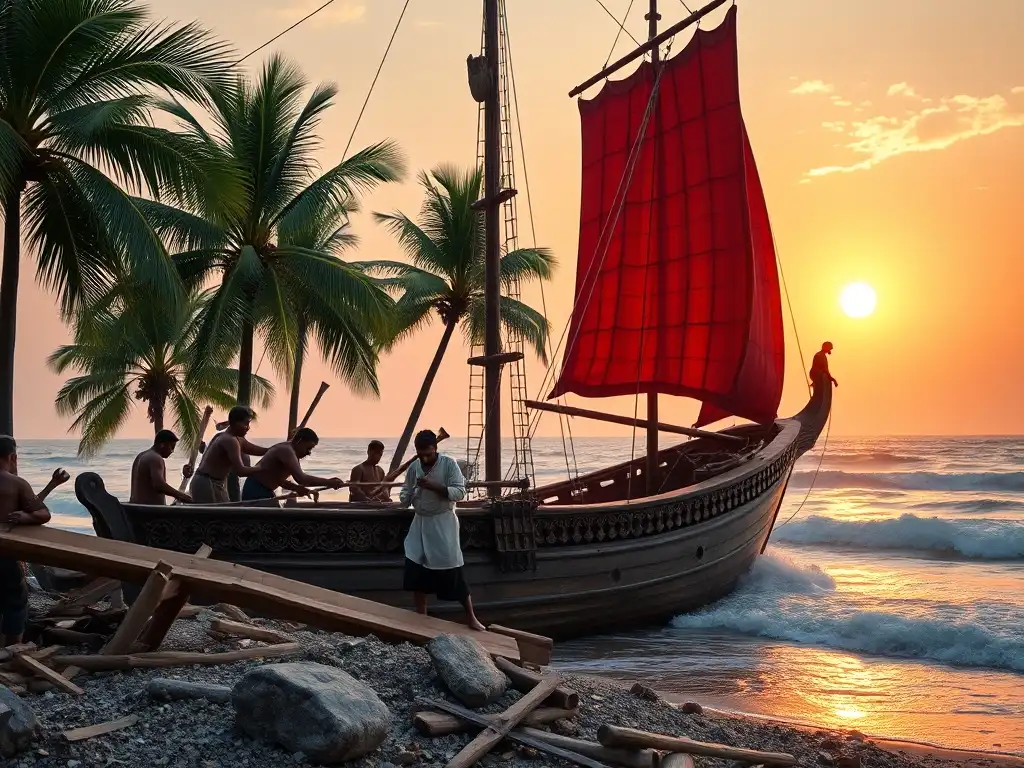
Welcome to Ancient India History, where we take you on a fascinating journey through the intricate tapestry of ancient Indian civilizations. In our featured article, "The Forgotten Techniques of Ancient Indian Shipbuilding," we delve into the remarkable innovations that shaped maritime prowess long before the modern age. Ever wondered how these ancient artisans crafted vessels that navigated vast waters? Prepare to uncover the secrets of their shipbuilding techniques and explore how they influenced trade, culture, and technology. Join us as we set sail into the depths of history and ignite your curiosity about India's rich maritime heritage!
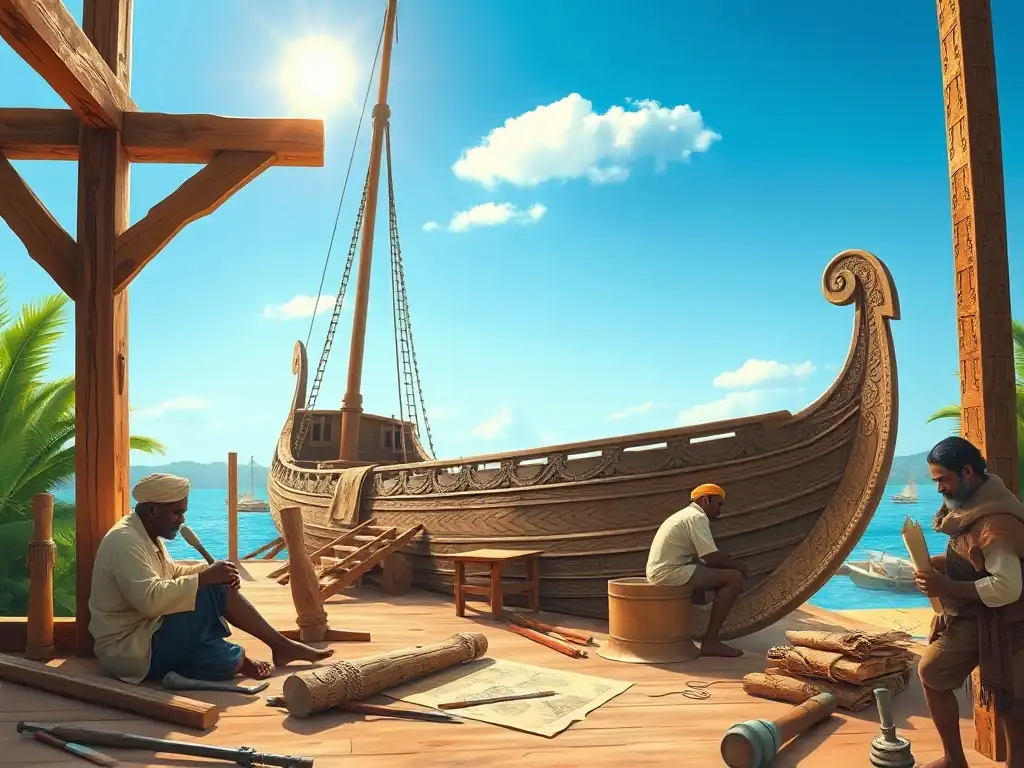
Introduction to Ancient Indian Shipbuilding Techniques
The history of ancient Indian shipbuilding techniques is a fascinating tapestry woven through the rich maritime heritage of India. Spanning thousands of years, these techniques not only showcase the ingenuity of ancient Indian civilizations but also their profound understanding of engineering and the natural world.
From the sophisticated vessels of the Indus Valley Civilization to the impressive maritime prowess of the Gupta Empire, ancient Indian shipbuilding reflects a blend of cultural influences, technological advancements, and a deep connection to the sea. This article delves into the intricate methods used in ship construction, revealing how these forgotten techniques contributed to the expansion of trade, cultural exchange, and naval power in ancient India.
Overview of Shipbuilding in Ancient India
Shipbuilding in ancient India was a complex process that involved various skills, materials, and knowledge of local conditions. Traditionally, the construction of ships was reliant on indigenous materials such as:
- Wood: Different types of timber were used, with teak and neem being prominent due to their durability.
- Bamboo and Coir: Often used for smaller boats and canoes.
- Natural Resins and Oils: These were employed for waterproofing and enhancing the longevity of vessels.
The shipbuilding process itself was meticulous, often involving:
- Designing: Crafting detailed designs that considered the vessel's purpose—be it trade, fishing, or warfare.
- Construction Techniques: Techniques varied from region to region, with notable methods including plank construction, lashed and sewn boats, and the use of mortise and tenon joints.
- Finishing Touches: Decorative elements and protective coatings were applied to ensure both functionality and aesthetic appeal.
Importance of Maritime Trade in Indian Civilization
Maritime trade played a crucial role in the economic and cultural development of ancient Indian civilizations. The Indian Ocean, with its strategic routes, facilitated trade with distant lands, including:
- Southeast Asia
- East Africa
- Arabia
This trade not only fostered economic prosperity but also led to significant cultural exchanges. Indian shipbuilders were instrumental in the creation of trade networks that allowed for the exchange of goods such as spices, textiles, and precious stones, while also introducing Indian culture and ideas to other civilizations.
Historical Context of Ancient Indian Shipbuilding
Major Periods of Shipbuilding in Ancient India
The evolution of shipbuilding techniques in India can be segmented into several major periods:
- Indus Valley Civilization (c. 3300–1300 BCE): Early evidence suggests the existence of riverine trade routes and the construction of simple boats.
- Maurya and Post-Maurya Periods (c. 322–185 BCE): This era witnessed advancements in ship design and increased maritime activity, particularly during the reign of Emperor Ashoka.
- Gupta Empire (c. 320–550 CE): Marked by significant maritime prowess, this period saw the development of larger vessels capable of long-distance trade.
Influence of Geography on Shipbuilding Techniques
Geography played a pivotal role in shaping the shipbuilding techniques of ancient India. The vast coastline along the Arabian Sea and the Bay of Bengal provided ample opportunities for maritime activity. Key geographical features include:
- Rivers and Lakes: Many ancient Indian civilizations thrived along major rivers, which were vital for trade and transportation.
- Coastal Regions: The diverse coastal ecosystems influenced the types of materials available for shipbuilding.
The interplay of geography and local resources led to the development of unique shipbuilding practices tailored to specific environments and trade needs, ensuring that ancient Indian ships were not only functional but also adapted to the challenges of their maritime surroundings.
Key Techniques Used in Ancient Indian Shipbuilding
Ancient Indian shipbuilding techniques were highly advanced and varied, reflecting the ingenuity and resourcefulness of the civilizations that developed them. These techniques were influenced by geographical, climatic, and cultural factors, leading to diverse methods tailored to local conditions. Some key techniques include:
- Plank Construction: Ancient Indian shipbuilders primarily used a method known as "plank-on-frame" construction, where wooden planks were fastened together to form the hull. This technique allowed for the creation of larger vessels capable of undertaking long sea voyages.
- Lashing and Fastening: Instead of relying exclusively on nails, Indian shipbuilders often utilized lashing techniques with ropes made from natural fibers. This method provided flexibility and resilience to the ship's structure, crucial for withstanding the forces of the sea.
- Caulking: To ensure the ships were watertight, ancient builders employed caulking techniques using cotton, jute, or other fibers along the seams of the planks. This not only contributed to the durability of the vessels but also improved their overall performance in water.
Wood Selection and Treatment in Ancient Indian Shipbuilding
Wood selection was a critical factor in ancient Indian shipbuilding, as the right type of wood determined the vessel's strength, durability, and resistance to pests and decay. Builders preferred hardwoods such as teak and sal, known for their robustness and longevity.
- Teak (Tectona grandis): Highly valued for its natural oils that provide resistance to moisture and pests, teak was often the material of choice for constructing the hull and decks of ships.
- Sal (Shorea robusta): Another popular choice, sal wood was used for structural components due to its strength and availability in many regions.
Once selected, the wood underwent treatment processes to enhance its properties. Techniques included:
- Soaking in Water: This method was employed to make the wood pliable, allowing for easier bending and shaping during the construction process.
- Application of Natural Oils: Shipbuilders often treated wood with naturally occurring oils to increase water resistance and prolong its service life.
Joinery Techniques and Craftsmanship
The craftsmanship involved in ancient Indian shipbuilding was remarkable, characterized by intricate joinery techniques that ensured the structural integrity of the vessels.
- Mortise and Tenon Joints: This traditional joinery technique involved cutting a hole (mortise) into one piece of wood and a corresponding projection (tenon) on another. The two were joined together, providing a strong connection that aided the hull’s durability.
- Dovetail Joints: Used for securing components, dovetail joints provided excellent strength and a degree of flexibility, essential for enduring the pressures of oceanic voyages.
- Skilled Artisanship: The mastery of these techniques was typically passed down through generations, with artisans honing their skills in both aesthetics and functionality, ensuring that each vessel was not only robust but also beautifully crafted.
Advanced Rigging and Sail Design
Sailing technology in ancient India was sophisticated, marked by innovative rigging and sail designs that maximized the efficiency of maritime travel.
- Lateen Sails: The use of triangular sails, known as lateen sails, allowed ships to harness wind from various directions, enhancing maneuverability and speed.
- Rigging Systems: Ancient shipbuilders implemented complex rigging systems consisting of ropes and pulleys, which enabled sailors to adjust the sails effectively depending on wind conditions. This adaptability was crucial for long-distance voyages across diverse maritime environments.
- Stability and Balance: Knowledge of balance and stability was essential for designing ships that could carry heavy loads without capsizing. Builders often constructed wider hulls and used weighted keels to improve stability at sea.
Tools and Materials in Ancient Indian Shipbuilding
The tools and materials utilized in ancient Indian shipbuilding played a significant role in the efficiency and effectiveness of the construction process.
Common Tools Used by Ancient Shipbuilders
The toolset of ancient Indian shipbuilders was diverse and specialized to meet the unique demands of boat construction. Some of the primary tools included:
- Adzes: Essential for shaping and smoothing wood, adzes were indispensable for preparing planks and frames.
- Chisels: Used for intricate joinery work and detailed carvings, chisels allowed craftsmen to achieve precision in their constructions.
- Hammers and Mallets: These were employed for driving pegs, fasteners, and securing joints, playing a crucial role in assembly.
- Ropes and Lines: Made from natural fibers, ropes were vital for lashing components together and rigging sails.
Types of Wood and Other Materials Utilized
The choice of materials was paramount in ancient Indian shipbuilding, influencing not just the durability but also the performance of the vessels.
- Wood Types: As previously mentioned, teak and sal were commonly used, but other local woods such as mango and neem also found their place in ship construction, particularly for smaller vessels.
- Natural Fibers: Materials such as jute, cotton, and coir were used for making ropes and sails, showcasing the resourcefulness of ancient builders in utilizing locally available resources.
- Resins and Oils: Resins and natural oils were applied to wooden surfaces for waterproofing and protection against marine organisms, demonstrating an understanding of preservation techniques that enhanced the longevity of ships.
The combination of advanced techniques, skilled craftsmanship, and the thoughtful selection of materials made ancient Indian shipbuilding an exemplary practice, contributing significantly to maritime history and trade in the region.
Comparative Analysis of Ancient Indian Shipbuilding Techniques
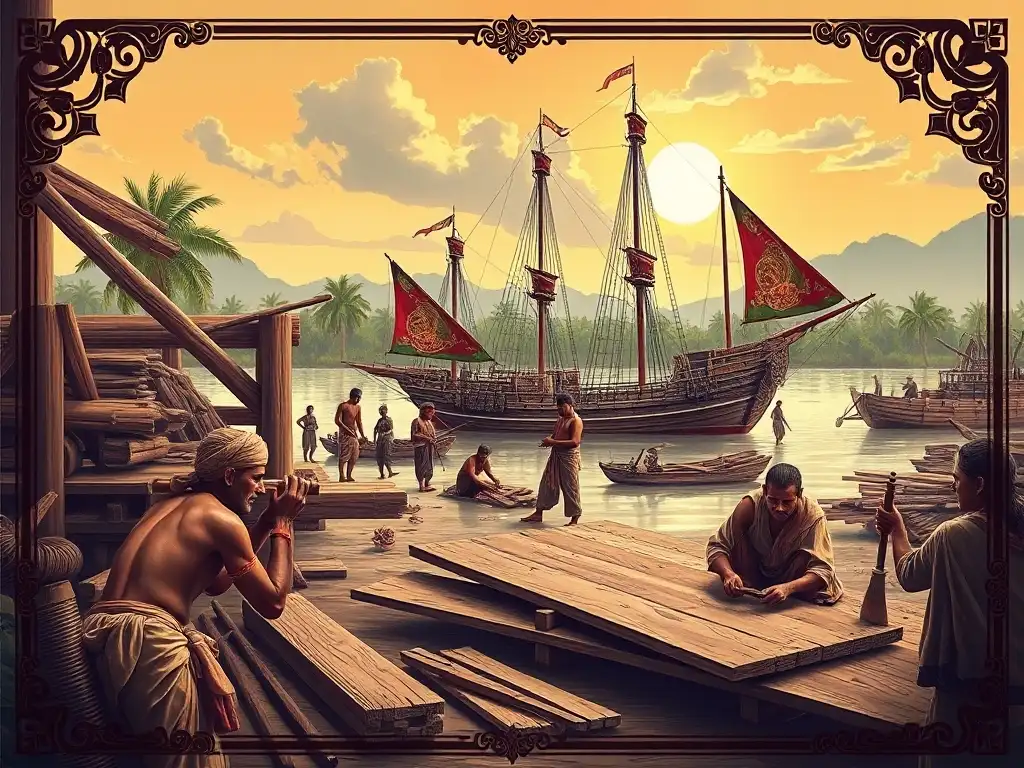
Ancient Indian shipbuilding techniques were a remarkable blend of indigenous knowledge, environmental adaptation, and cultural exchange. These methods not only reflect the technological prowess of ancient Indian civilizations but also highlight their contributions to maritime trade and exploration. A comparative analysis reveals both unique features and shared practices with other contemporary cultures, illustrating the significance of ancient Indian shipbuilding in the broader context of global maritime history.
The primary materials used in ancient Indian shipbuilding included wood, bamboo, and reeds, often sourced from local forests and riverine ecosystems. The construction techniques varied, with some ships built using a mortise-and-tenon joint system, while others utilized lashing methods, akin to those found in Southeast Asia and parts of the Mediterranean. This adaptability underscores the indigenous understanding of local resources and climatic conditions, which is a hallmark of ancient engineering practices.
Similarities and Differences with Other Ancient Civilizations
When examining ancient shipbuilding techniques, similarities can be drawn between ancient India and other civilizations such as the Egyptians, Greeks, and Phoenicians. For instance, the use of wooden hulls and sails for propulsion was common across these cultures. However, ancient Indian shipbuilders demonstrated unique innovations, particularly in their approach to hull design. Indian vessels often featured a wide beam and shallow draught, making them ideally suited for navigating the coastal waters and estuaries of the Indian subcontinent.
Differences also emerged in the decorative and functional aspects of ships. Indian ships were often ornately carved, reflecting the rich cultural narratives and spiritual beliefs of the time. In contrast, vessels from other civilizations, while also decorative, often emphasized functionality and efficiency in design. Additionally, the use of specific regional woods, such as teak and sal, provided ancient Indian ships with durability and strength, setting them apart from their contemporaries.
Influence of Ancient Indian Techniques on Maritime Cultures
The influence of ancient Indian shipbuilding techniques extended beyond its borders, impacting maritime cultures in Southeast Asia and the Arabian Peninsula. Indian seafarers played a crucial role in facilitating trade routes, sharing their knowledge of navigation and ship construction. The introduction of the "catamaran," a type of multi-hulled ship, is believed to have originated from ancient Indian designs, which were adopted and adapted by various maritime cultures in the region.
Moreover, the exchange of goods, ideas, and technologies through the Indian Ocean trade networks fostered a cross-cultural dialogue that shaped the maritime practices of several civilizations. Ancient Indian shipbuilding not only contributed to economic prosperity but also facilitated the spread of cultural and technological innovations, reinforcing India's status as a pivotal player in ancient maritime history.
Case Studies of Prominent Ancient Indian Ships
The Maritime Legacy of the Indus Valley Civilization
The Indus Valley Civilization (IVC) stands as one of the earliest examples of advanced urban planning and engineering, and its maritime legacy is no exception. Archaeological findings suggest that the IVC possessed sophisticated shipbuilding techniques, evidenced by seals and terracotta models depicting various types of vessels.
These ships were likely used for trade and fishing, navigating the rivers and coastal waters of the Sindh region. The craftsmanship involved in constructing these vessels indicates a deep understanding of hydrodynamics and material properties. The IVC's strategic location along trade routes facilitated maritime exchanges with Mesopotamia and beyond, showcasing the significance of their shipbuilding practices in establishing economic networks.
Gupta Era Shipbuilding Innovations
The Gupta Empire (c. 320-550 CE) marked a golden age of cultural and scientific advancements in ancient India, which extended to shipbuilding innovations. During this period, significant improvements in naval architecture were evident, with the development of larger vessels capable of long-distance voyages across the Indian Ocean.
Historians note that Gupta shipbuilders incorporated advanced techniques, such as the use of planks and dowels for stronger hull construction, enabling ships to withstand rough sea conditions. Additionally, the introduction of navigational tools, including the astrolabe and improved maps, enhanced maritime exploration. The flourishing of trade during the Gupta period, particularly in spices and textiles, was significantly supported by these shipbuilding advancements, affirming India's role as a leader in maritime commerce.
Challenges Faced by Ancient Indian Shipbuilders
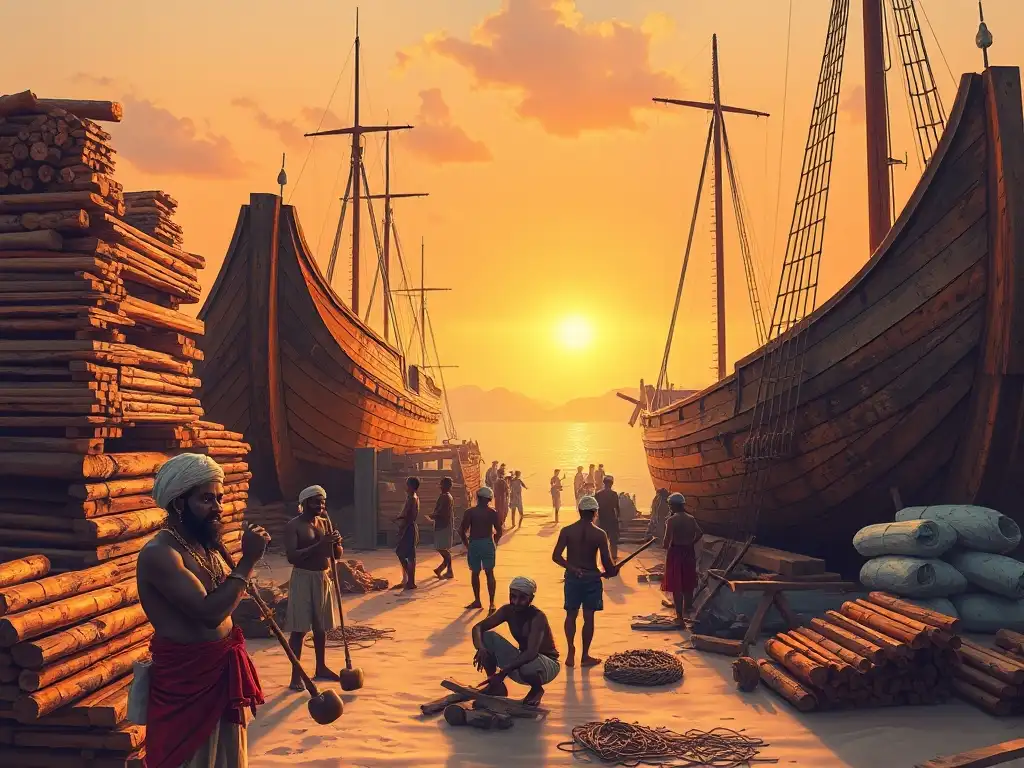
Ancient Indian shipbuilders encountered a myriad of challenges that tested their ingenuity and resilience. These challenges were both environmental and socio-political, significantly influencing the development and evolution of shipbuilding techniques in ancient India.
One of the primary challenges was the availability of materials. Shipbuilders required specific types of wood, such as teak and sal, known for their durability and resistance to water damage. Geographic limitations often dictated access to these resources, compelling builders to travel great distances in search of suitable materials. In addition to wood, other materials like tar and natural fibers for caulking were essential, and their scarcity could hinder ship construction.
Another significant challenge was the environmental conditions along the Indian coastline. The monsoon season, with its heavy rains and turbulent seas, posed risks not only during the shipbuilding process but also for vessels once they were launched. Shipbuilders had to design their crafts to withstand such conditions, resulting in innovative techniques that prioritized stability and resilience.
Furthermore, the socio-political landscape often influenced shipbuilding activities. The rise and fall of kingdoms could lead to changes in maritime policies, impacting trade routes and the demand for ships. Political instability sometimes resulted in the loss of knowledge transfer, disrupting the continuity of traditional shipbuilding practices.
Environmental Factors Affecting Shipbuilding
The environmental factors that impacted ancient Indian shipbuilding were largely tied to the coastal geography and climate of the Indian subcontinent. The diverse ecosystem presented both advantages and challenges. Coastal regions varied from the sandy beaches of Gujarat to the rocky cliffs of the Malabar Coast, each requiring different shipbuilding approaches and designs.
The monsoonal climate was particularly influential. The heavy rains and strong winds during the monsoon season necessitated the construction of ships that could endure rough waters. This led to the development of robust hull designs and the use of specific joining techniques to ensure the vessels could withstand the intense forces of nature.
Additionally, the availability of natural resources like specific types of timber directly affected shipbuilding techniques. Builders had to adapt their methods based on the quality and type of wood they could source locally, influencing the overall design and durability of the ships.
Socio-Political Factors Influencing Maritime Activities
The socio-political landscape of ancient India played a crucial role in shaping maritime activities, including shipbuilding. Various dynasties and kingdoms had different priorities, which influenced the focus on naval power and trade. For instance, during the Maurya and Gupta empires, there was a significant emphasis on trade, leading to advancements in shipbuilding techniques to facilitate long-distance maritime commerce.
Political alliances and conflicts also shaped maritime endeavors. In times of war, shipbuilding might pivot towards creating vessels for military purposes, impacting the traditional shipbuilding practices aimed at trade. The need for defense against foreign invasions or piracy often led to innovations in ship design, enhancing speed and maneuverability.
Furthermore, the patronage from rulers significantly impacted shipbuilding. Kings who recognized the importance of a strong navy supported the development of shipyards, training centers for shipbuilders, and the sharing of knowledge across regions. This patronage not only enhanced the techniques used but also fostered a culture of innovation in maritime activities.
Rediscovering Ancient Indian Shipbuilding Techniques
In recent years, there has been a growing interest in rediscovering ancient Indian shipbuilding techniques. These techniques, often overlooked in favor of more contemporary methods, hold valuable insights into sustainable practices and craftsmanship. Researchers and historians are now delving into ancient texts, archaeological findings, and oral traditions to piece together the sophisticated knowledge that existed in ancient maritime civilizations.
The study of historical artifacts, such as shipwrecks and ancient ports, has revealed the intricate designs and construction methods used by ancient shipbuilders. These findings are crucial in understanding how ancient Indian civilizations managed maritime trade and defense, reflecting their advanced engineering capabilities.
Moreover, modern technology, such as computer modeling and simulations, is being used to analyze and reconstruct ancient ships. These reconstructions provide a tangible understanding of the design principles and materials used, facilitating a revival of these forgotten techniques in contemporary shipbuilding practices.
Modern Applications of Ancient Techniques
The rediscovery of ancient Indian shipbuilding techniques is not merely an academic exercise; it has practical applications in today's world. Modern shipbuilders and engineers are increasingly looking to the past for inspiration, particularly in areas such as sustainable construction and eco-friendly materials.
One notable example is the emphasis on natural materials. Ancient shipbuilders often used locally sourced wood and natural fibers, which are now being revisited in efforts to reduce the environmental impact of modern shipbuilding. Techniques such as the use of traditional caulking methods made from natural resins are being explored for their effectiveness and sustainability.
Additionally, the design principles of ancient ships, which prioritized stability and efficiency, are being adapted to create vessels that are better suited for contemporary maritime challenges. The blending of ancient wisdom with modern technology is paving the way for innovative maritime solutions that honor traditional practices while meeting current demands.
Preservation of Traditional Shipbuilding Knowledge
Preserving traditional shipbuilding knowledge is essential for ensuring that the skills and techniques developed by ancient Indian craftsmen are not lost to time. Various initiatives are underway to document and revive these practices, including workshops, training programs, and cultural heritage projects.
Local communities, especially in coastal regions, play a crucial role in this preservation. Engaging skilled artisans who possess knowledge of traditional techniques is vital for passing down this expertise to future generations. Collaborative efforts between historians, archaeologists, and local craftsmen are helping to create a framework for revitalizing ancient shipbuilding skills.
Furthermore, educational institutions are incorporating traditional shipbuilding techniques into their curricula, emphasizing the importance of understanding historical methods in the context of modern engineering. This fusion of old and new not only preserves cultural heritage but also enriches contemporary maritime practices, ensuring that the legacy of ancient Indian shipbuilders continues to influence the future.
Conclusion: The Legacy of Ancient Indian Shipbuilding Techniques
The legacy of ancient Indian shipbuilding techniques is a testament to the ingenuity and craftsmanship of early Indian civilizations. These techniques not only facilitated trade and cultural exchange across vast maritime routes but also reflected the socio-economic dynamics of the time. The ships constructed using these methods were pivotal in establishing India as a significant player in regional and international maritime activities. As we delve deeper into the intricacies of these ancient practices, it becomes evident that they were not merely functional; they were also a reflection of the rich cultural heritage and technological advancements of the period.
The influence of ancient Indian shipbuilding can still be traced in modern maritime practices, particularly in the subcontinent. By understanding these techniques, we can appreciate the complexities of ancient trade networks and the role they played in shaping civilizations. The craftsmanship and materials used, such as wood selection and the application of natural resins for waterproofing, highlight a sophisticated knowledge of local resources and environmental adaptation. This legacy continues to inspire contemporary shipbuilders and historians alike, emphasizing the need to preserve and study these ancient methodologies.
Reflection on the Cultural Significance of Shipbuilding
Shipbuilding in ancient India was intrinsically linked to the cultural and social fabric of society. The construction of ships was not just a technical endeavor; it was a communal activity that brought together artisans, craftsmen, and traders. This collaboration fostered a sense of unity and identity within coastal communities, reflecting their reliance on the sea for sustenance and commerce. The art of shipbuilding involved rituals and traditions passed down through generations, often infused with local folklore and beliefs.
Moreover, the ships built by these ancient civilizations served as cultural ambassadors, facilitating the exchange of ideas, religions, and art across vast distances. Maritime trade routes connected India with regions such as Southeast Asia, the Middle East, and Africa, leading to a rich tapestry of cultural intermingling. This interaction not only enriched the local cultures but also left a lasting impact on the languages, customs, and artistic expressions of the people involved. Therefore, the significance of shipbuilding extends beyond mere construction; it is a reflection of the interconnectedness of ancient societies and their enduring legacies.
Future Research Directions in Ancient Indian Maritime History
The study of ancient Indian maritime history, particularly shipbuilding techniques, presents numerous avenues for future research. One promising direction is the archaeological exploration of coastal sites that may yield remnants of ancient shipyards, tools, and vessels. Such findings could provide invaluable insights into the construction techniques employed and the materials used, thereby enhancing our understanding of ancient maritime technology.
Another area of exploration is the comparative study of ancient Indian shipbuilding techniques with those of other contemporary civilizations, such as the Greeks and Romans. This comparison could reveal similarities and differences in design, materials, and cultural significance, shedding light on the global maritime practices of the time. Additionally, examining historical texts, inscriptions, and literature may uncover references to shipbuilding that have yet to be analyzed comprehensively.
Finally, interdisciplinary approaches that integrate maritime archaeology, anthropology, and history could offer a more holistic view of ancient Indian shipbuilding. By understanding the socio-economic, political, and environmental contexts in which these techniques developed, researchers can better appreciate their historical significance and legacy. As more attention is directed toward this fascinating aspect of ancient Indian history, we can expect to uncover new narratives that enrich our understanding of maritime practices and their impact on civilization.
- Introduction to Ancient Indian Shipbuilding Techniques
- Historical Context of Ancient Indian Shipbuilding
- Key Techniques Used in Ancient Indian Shipbuilding
- Tools and Materials in Ancient Indian Shipbuilding
- Comparative Analysis of Ancient Indian Shipbuilding Techniques
- Similarities and Differences with Other Ancient Civilizations
- Influence of Ancient Indian Techniques on Maritime Cultures
- Case Studies of Prominent Ancient Indian Ships
- Challenges Faced by Ancient Indian Shipbuilders
- Rediscovering Ancient Indian Shipbuilding Techniques
- Conclusion: The Legacy of Ancient Indian Shipbuilding Techniques
- What were the primary materials used in ancient Indian shipbuilding?
- How did ancient Indian shipbuilding techniques influence maritime trade?
- What are some notable ancient Indian ships mentioned in history?
- How did the geography of India impact shipbuilding techniques?
- Why are ancient Indian shipbuilding techniques considered forgotten?
Frequently Asked Questions
What were the primary materials used in ancient Indian shipbuilding?
Ancient Indian shipbuilders primarily used wood, particularly from trees like teak and sal, due to their durability and resistance to water. Bamboo was also commonly utilized for smaller vessels.
How did ancient Indian shipbuilding techniques influence maritime trade?
The advanced shipbuilding techniques of ancient India facilitated extensive maritime trade routes, enhancing connections with other civilizations and contributing to the economic growth of the region.
What are some notable ancient Indian ships mentioned in history?
Historically, ships such as the 'dhow' and 'tanki' are notable for their design and use in trade. These vessels showcased the skill and innovation of ancient Indian shipbuilders.
How did the geography of India impact shipbuilding techniques?
The coastline and river systems of India provided abundant resources and strategic locations for trade, which influenced the design and construction of ships to cater to different maritime conditions.
Why are ancient Indian shipbuilding techniques considered forgotten?
Many techniques and knowledge associated with ancient Indian shipbuilding have been lost over time due to a lack of documentation and the modernization of shipbuilding practices, overshadowing their historical significance.
Final Reflection: Rediscovering the Legacy of Ancient Indian Shipbuilding Techniques
The exploration of ancient Indian shipbuilding techniques reveals a profound connection between our past and present. As we navigate the complexities of modern maritime practices, the wisdom embedded in these forgotten techniques offers invaluable insights into sustainable and innovative approaches to shipbuilding. The craftsmanship and ingenuity of ancient artisans remind us that the roots of our maritime heritage run deep, and understanding this legacy is crucial for shaping the future of our oceans.
Cultural and social landscapes are continually influenced by the traditions we choose to remember and honor. The techniques of ancient Indian shipbuilding not only reflect a remarkable understanding of materials and design but also embody the spirit of exploration and trade that defined an era. As we look back, we can see the echoes of these practices in contemporary maritime endeavors. To know the past is to understand the present and shape the future.
This quote resonates deeply as we recognize that the lessons from our ancestors can guide us in creating a more sustainable and respectful relationship with our marine environments.
I invite you to reflect on how the principles of ancient Indian shipbuilding can inspire your own journey. Consider the importance of craftsmanship, sustainability, and innovation in your life and work. As we embrace the wisdom of the past, let us commit to honoring these techniques by integrating their lessons into our modern practices. Together, we can ensure that the legacy of ancient Indian shipbuilding not only survives but thrives in the future, guiding us toward a more harmonious existence with our planet and its resources.
Embark on a Journey to Master Ancient Shipbuilding Techniques!
Thank you for diving into the fascinating world of ancient Indian shipbuilding! You've explored methods that not only shaped maritime history but also showcase incredible innovation and craftsmanship. Now, it's time to take the next step and deepen your connection to this rich heritage.
Here are a few engaging actions you can take:
- Experiment with a DIY model: Gather materials and create a small ship model using techniques inspired by ancient methods. Share your creation with friends or on social media!
- Join an online community: Connect with other history enthusiasts or shipbuilding aficionados. Participate in discussions and share insights or projects related to ancient techniques.
- Research and share: Discover lesser-known facts about ancient Indian maritime practices. Write a blog post or host a discussion, inviting others to engage and learn.
What ancient shipbuilding technique would you love to try in your own projects? We invite you to share your thoughts in the comments below!