
The Ancient Indian Military Calendar: Timing Battles and Campaigns

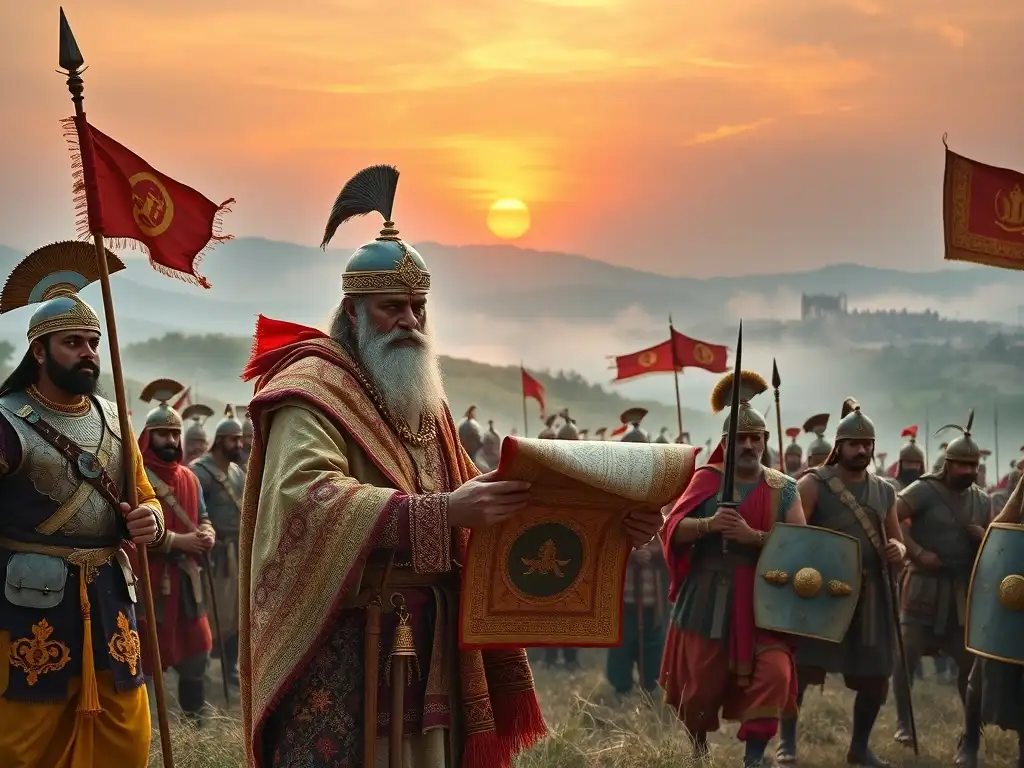
Welcome to Ancient India History, where we embark on a fascinating journey through the intricate tapestry of ancient Indian civilizations. Here, we delve into the rich and diverse history, culture, and enduring contributions that have shaped our world. In this edition, we invite you to explore the compelling realm of Ancient Indian military strategies, specifically through the lens of "The Ancient Indian Military Calendar: Timing Battles and Campaigns."
Discover how strategic timing played a crucial role in the successes of legendary battles and campaigns, and unlock the secrets of a civilization that mastered the art of warfare. Join us as we unravel the past and inspire your curiosity to learn more about these remarkable histories!
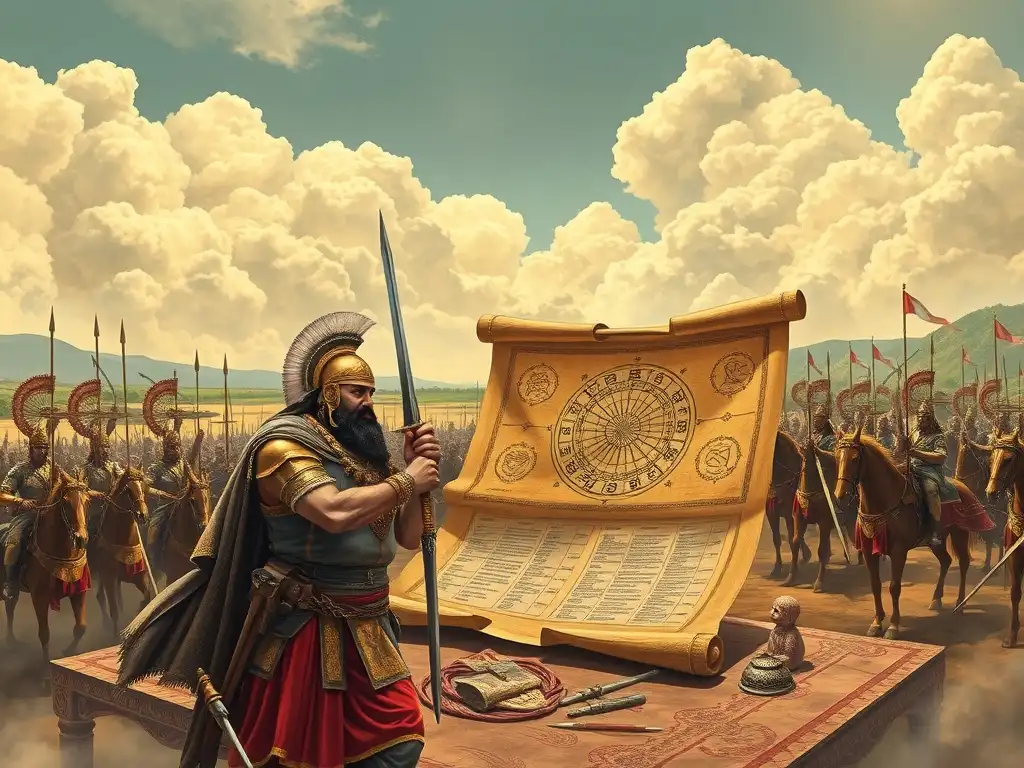
The ancient Indian military calendar played a crucial role in shaping the strategies and outcomes of warfare throughout India's storied past. The meticulous timing of battles, campaigns, and even the selection of auspicious days for military actions were deeply intertwined with cultural, religious, and environmental factors.
Understanding these elements provides valuable insights into the ancient Indian military strategies that contributed significantly to the prowess of civilizations from the Indus Valley to the Gupta Empire. This article delves into the intricacies of the military calendar, exploring the critical timing of operations and how it influenced the effectiveness of military strategies in ancient India.
Introduction to Ancient Indian Military Strategies
Ancient Indian military strategies were not merely focused on brute force; they encompassed a sophisticated understanding of tactics, logistics, and psychological warfare. Indian commanders employed a variety of strategies that were informed by centuries of experience and adaptation to the unique challenges posed by their environment. The military calendar served as a cornerstone in planning campaigns, dictating when armies would mobilize, engage in skirmishes, or retreat.
Overview of the Military Calendar in Ancient India
The military calendar in ancient India was a complex system that integrated astronomical observations, seasonal changes, and religious beliefs. It comprised:
- Lunar and Solar Cycles: Aligning military actions with lunar cycles for favorable conditions.
- Seasonal Considerations: Choosing times based on monsoon patterns, ensuring supplies and troop movements were feasible.
- Festivals and Auspicious Days: Utilizing specific days deemed favorable for engaging in battle, often derived from astrological calculations.
Understanding this calendar allowed military leaders to maximize their strategic advantages while minimizing risks associated with environmental challenges.
Importance of Timing in Warfare
Timing was paramount in ancient Indian warfare. Key aspects included:
- Initiating Battles: Choosing the right moment to attack could be the difference between victory and defeat.
- Logistical Planning: Coordinating the movement of troops and supplies to coincide with seasonal advantages.
- Psychological Warfare: Timing attacks to coincide with enemy vulnerabilities, such as during festivals or periods of rest.
The meticulous planning involved in timing battles underscores the advanced nature of ancient Indian military thought.
Historical Context of Military Strategies in Ancient India
To fully appreciate the ancient Indian military calendar and its significance, it is essential to consider the broader historical context of military strategies.
Evolution of Ancient Indian Military Tactics
Over centuries, ancient Indian military tactics evolved significantly, influenced by:
- Cultural Exchanges: Interactions with neighboring civilizations led to the adoption and adaptation of various military techniques.
- Technological Advancements: The introduction of new weapons and armor transformed battle strategies, demanding new approaches to warfare.
- Key Historical Events: Major battles and conflicts, such as the ones chronicled in epics like the Mahabharata, provided practical lessons that shaped military doctrines.
This evolution reflects the dynamic nature of Indian warfare, characterized by continuous learning and adaptation.
Influence of Geography on Military Campaigns
Geography played a critical role in shaping military strategies in ancient India. The diverse landscapes—from the towering Himalayas to the vast plains of the Ganges—dictated the tactics employed by various kingdoms. Important factors included:
- Natural Barriers: Mountains and rivers often determined the routes armies could take, influencing both offensive and defensive strategies.
- Regional Resources: Access to local resources dictated the sustainability of campaigns, impacting decisions on when and where to engage in battle.
By understanding the geographical influences, we can better appreciate how ancient Indian military strategies were not only a product of cultural intricacies but also of the physical landscape in which they were employed.
The Structure of the Ancient Indian Military Calendar
The Ancient Indian Military Calendar was a sophisticated system that intricately linked warfare with the cycles of nature, religious practices, and societal norms. This calendar was not merely a tool for tracking time; it was a crucial framework that influenced the timing of battles and military campaigns. It was characterized by a combination of lunar and solar cycles, which dictated the various seasons and festivals that were pivotal in planning military actions.
The calendar was divided into specific months and seasons, each with its own significance. The months were often named after deities or agricultural cycles, which provided a cultural context that guided military leaders in their strategic planning. This alignment with the natural world was essential for determining the best times for mobilizing troops, conducting training exercises, and launching campaigns. Understanding the structure of this calendar allowed commanders to leverage favorable conditions, ensuring that their forces were well-prepared and strategically positioned.
Key Components of the Military Calendar
Key components of the Ancient Indian Military Calendar included:
- Lunar Months: The calendar was primarily based on lunar cycles, with months beginning with the new moon. Each month had specific characteristics that influenced military activities.
- Solar Festivals: Major solar festivals marked significant agricultural periods, which were often used to initiate military campaigns. The timing of these festivals was critical, as they aligned with the harvest seasons, ensuring that soldiers were well-fed and supported by their communities.
- Seasonal Phases: The calendar recognized distinct seasons, such as the monsoon and dry periods, which greatly affected troop movements and logistics. The dry season was preferred for marching and battles, while the monsoon posed challenges due to difficult terrain and supply issues.
- Religious Days: Certain auspicious days were deemed favorable for initiating battles. Military leaders often consulted astrologers and religious figures to determine the most propitious times to act, ensuring divine favor in their endeavors.
Seasonal Considerations in Ancient Indian Warfare
Seasonal considerations played a crucial role in Ancient Indian warfare, as they directly impacted military strategies and outcomes. The primary seasons—summer, monsoon, and winter—each presented unique challenges and opportunities for military campaigns.
- Summer: This season was often the most favorable for battles due to clear weather and dry conditions, allowing for effective troop movements and the use of chariots and cavalry. Commanders would initiate campaigns during this period to capitalize on the favorable climate.
- Monsoon: The arrival of the monsoon posed significant challenges, with heavy rainfall leading to difficult terrain and logistical complications. Military leaders typically avoided engaging in battles during this season, instead using the time for training and fortifying positions.
- Winter: As the weather cooled and the rains subsided, winter became another strategic period for warfare. The clear skies and cooler temperatures allowed for mobility and visibility, making it a prime time for launching surprise attacks or sieges.
The understanding of these seasonal variations allowed ancient Indian military leaders to optimize their strategies, ensuring that their forces were not only prepared but also positioned to exploit the environment to their advantage.
Major Festivals and Their Significance in Military Campaigns
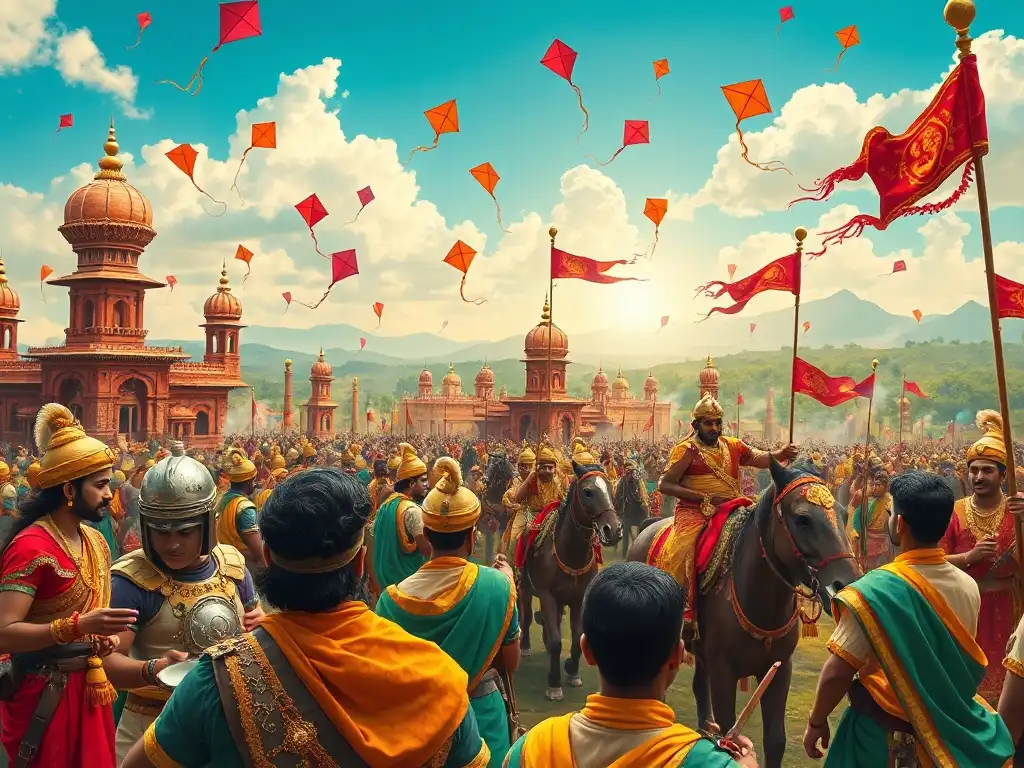
Major festivals in ancient India were more than just cultural or religious events; they served as pivotal moments in military campaigns. These festivals were imbued with significance that extended beyond the spiritual realm, often impacting recruitment, morale, and the timing of military actions.
Religious Observances and Battle Timing
Religious observances were integral to the ancient Indian military calendar, with many battles strategically timed to coincide with significant religious festivals. These observances served as a means of seeking divine blessings for military endeavors. Key examples include:
- Navaratri: This nine-night festival dedicated to the goddess Durga was considered an auspicious time for launching military campaigns. Warriors would often pray for victory and protection during this period, aligning their actions with the goddess's strength.
- Maha Shivaratri: Celebrated in honor of Lord Shiva, this festival was another critical time for warriors. Many believed that engaging in battle during this period would invoke Shiva's blessings, ensuring success and valor.
Such timing not only provided spiritual support but also motivated soldiers, as they participated in rituals that reinforced their commitment to their cause.
Festivals Facilitating Recruitment and Morale
Festivals also played a significant role in recruitment and maintaining troop morale. During these times, the sense of community and celebration could be leveraged to gather support for military campaigns.
- Harvest Festivals: Events like Makar Sankranti and Pongal celebrated agricultural bounty and were used to rally local populations to support military efforts. These festivals provided opportunities for commanders to recruit soldiers from the community, as the mood of celebration fostered a spirit of camaraderie and readiness to defend their land.
- Victory Celebrations: Festivals celebrating previous military victories, such as Vijayadashami, were crucial for morale. They served not only to honor past achievements but also to inspire soldiers to emulate their forebears, reinforcing their resolve in upcoming battles.
The ancient Indian military calendar was a complex interplay of natural cycles, religious beliefs, and social dynamics, all of which shaped the strategies and outcomes of military campaigns. Understanding these elements offers valuable insights into the ancient Indian military strategies and the profound connections between culture and warfare.
Strategic Planning Based on Lunar and Solar Cycles
In ancient India, military campaigns were meticulously planned around astronomical phenomena, particularly the lunar and solar cycles. This strategic approach was rooted in the belief that certain times of the year were more auspicious for warfare, and that celestial alignments could influence the outcome of battles. By observing the movements of the moon and sun, military leaders could choose optimal times to launch attacks and mobilize troops, ensuring they harnessed the natural rhythms of the environment to their advantage.
The synchronization of military actions with these cycles not only reflected the deep connection between warfare and astronomy in ancient Indian culture but also showcased the sophisticated understanding of timekeeping among Indian civilizations. The lunar calendar, with its fluctuating phases, and the solar calendar, marking seasonal changes, provided a framework for strategic planning that was integral to successful military operations.
Understanding Lunar Months in Military Strategy
The lunar calendar, consisting of twelve months based on the phases of the moon, played a crucial role in determining the timing of military campaigns. Each lunar month, or "maasa," had specific characteristics and was believed to possess unique energies that could influence human activities, including warfare. For example, the full moon was often seen as a powerful time for launching attacks, as it symbolized strength and clarity, while the new moon might be viewed as a period for preparation and stealth.
Military leaders meticulously calculated these lunar phases to align their strategies with favorable conditions. Texts like the "Arthashastra," attributed to Kautilya, detail the importance of timing in warfare, emphasizing that campaigns should be initiated during auspicious lunar phases to maximize the chances of victory. This understanding reflects a broader cultural belief in the interplay between cosmic forces and human affairs, demonstrating how deeply embedded these practices were in ancient Indian military thought.
Solar Calendar and Its Impact on Campaigns
The solar calendar, which tracks the sun's position throughout the year, also significantly influenced military strategies in ancient India. The changing seasons dictated not only the availability of resources but also the conditions on the battlefield. For instance, campaigns during the monsoon season were often avoided due to adverse weather affecting troop movements and logistics.
Ancient strategists recognized the importance of seasonal timing, using the solar calendar to plan campaigns that would leverage favorable weather conditions. The transition from winter to spring, for example, was often considered ideal for launching offensives, as it provided better visibility and more accessible terrain. Consequently, planning around the solar calendar allowed for more effective logistics and troop management, which were crucial for sustaining prolonged military engagements.
Case Studies of Significant Battles Timed by the Military Calendar
Examining specific historical battles reveals how the ancient Indian military calendar informed strategic decisions and influenced the outcomes of conflicts. The timing of these battles, intricately linked to lunar and solar cycles, provides insight into the tactical thinking of ancient Indian commanders and their reliance on celestial phenomena.
Analysis of the Battle of Kalinga and its Timing
The Battle of Kalinga, fought in 261 BCE, serves as a prominent example of how timing influenced military outcomes in ancient India. This significant conflict between Emperor Ashoka of the Maurya Dynasty and the Kalingan kingdom was not only a struggle for territorial dominance but also a pivotal moment in the history of Indian warfare.
Ashoka's forces were meticulously timed to engage during a period when the lunar cycle was believed to favor victory. The campaign's success was attributed to the careful preparation and alignment of military actions with the lunar phases. Moreover, Ashoka's subsequent transformation from a conqueror to a proponent of peace and Buddhism was heavily influenced by the devastating consequences of the battle, further underscoring the importance of timing in shaping historical narratives.
Impact of Timing on the Outcome of the Battle of Panipat
The First Battle of Panipat, fought in 1526, was another critical conflict where timing played a decisive role. Babur, the founder of the Mughal Empire, strategically chose to engage Ibrahim Lodi during a period of favorable environmental conditions. This was not only a tactical decision based on military strength but also a calculated choice reflecting the understanding of seasonal advantages.
Babur's forces capitalized on the winter season, which allowed for better mobility and surprise tactics against the larger army of Lodi. The decision to engage at this specific time, alongside the effective use of artillery and cavalry formations, ultimately led to a decisive victory for Babur. This battle illustrates how the careful consideration of timing, aligned with the solar calendar, could significantly impact the outcomes of military confrontations in ancient India.
The Role of Astrology in Military Decisions
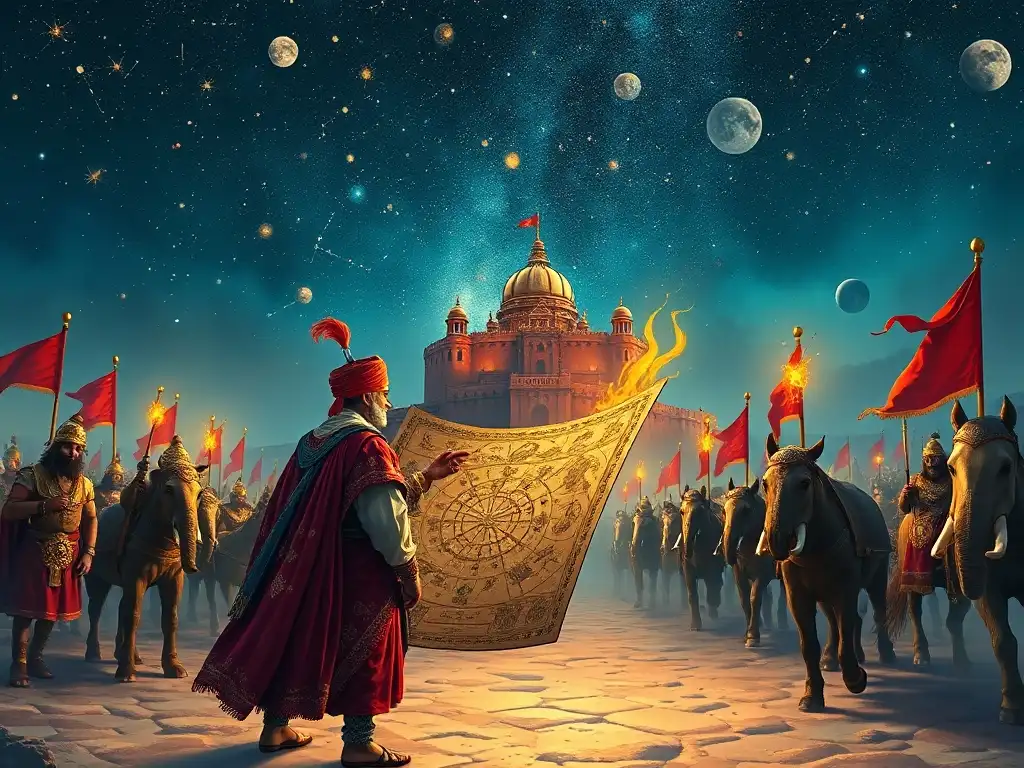
Astrology played a significant role in the military decisions of ancient Indian civilizations. The belief that celestial bodies influenced earthly events extended to the timing of battles and campaigns. Military leaders and kings would consult astrologers and celestial charts to determine auspicious times for launching attacks or initiating defensive measures. This reliance on astrology was not just superstition; it was deeply woven into the fabric of the culture, where celestial alignments were believed to impact human fortunes, including success in warfare.
The use of astrology in military strategy reflects a broader worldview in ancient India, where the cosmos was viewed as interconnected with human affairs. Kings and commanders sought to align their military actions with favorable astrological configurations to ensure victory and minimize losses. This practice underscored the importance of timing in ancient Indian military strategies, influencing not only the outcomes of battles but also the morale and belief systems of the troops involved.
Astrological Beliefs and Their Influence on Warfare
Astrological beliefs in ancient India were characterized by a complex system that included the zodiac, planetary positions, and lunar cycles. Military leaders would often wait for specific planetary alignments or lunar phases that were deemed auspicious for warfare. For example, the waxing moon was considered favorable for offensive actions, while the waning moon was associated with retreat or defensive measures.
Astrologers would analyze the horoscopes of both the leaders and the enemy, providing insights into the potential success or failure of military endeavors. This practice was not limited to ancient India; various cultures around the world have similarly used astrology to guide military decisions. However, the integration of astrology into the military calendar in ancient India showcases the unique cultural perspective that elevated the significance of celestial events in strategic planning.
Examples of Astrology Affecting Battle Timing
One notable example of astrology's influence on military timing can be found in the accounts of the Mahabharata, an epic narrative that highlights the importance of timing in warfare. In the epic, the Kauravas and Pandavas consulted astrologers to determine the most favorable moments for initiating battles. The great Kurukshetra War was meticulously planned around astrological predictions, with warriors and leaders believing that aligning their actions with cosmic events would ensure victory.
Another historical instance involves King Ashoka, who is known for his military campaigns during the Mauryan Empire. It is documented that he sought astrological guidance before launching significant military operations, leading to successful expansions of his empire. These examples illustrate how deeply ingrained astrological beliefs shaped the strategic considerations of ancient Indian military leaders, ultimately impacting the outcomes of crucial conflicts.
Conclusion: The Legacy of Ancient Indian Military Strategies
The legacy of ancient Indian military strategies is multifaceted, reflecting a blend of tactical innovation and cultural beliefs. The incorporation of astrology into military decision-making highlights a unique approach to warfare that transcended mere tactical considerations. By understanding the celestial influences on their actions, ancient Indian leaders aimed to harness a greater cosmic order in their favor, which has left an enduring mark on military history.
Lasting Impacts on Modern Military Practices
While modern military practices have evolved significantly, the concept of timing remains a crucial element in strategic planning. The emphasis on careful timing in launching operations can be traced back to ancient practices, including those influenced by astrology. Today's military leaders still consider various factors, such as intelligence reports and environmental conditions, before making decisions, echoing the ancient Indian understanding of the importance of aligning actions with favorable circumstances.
Moreover, the reverence for strategic timing can be seen in modern warfare doctrines that emphasize planning and reconnaissance, ensuring that operations are executed at the most opportune moments. The ancient Indian military calendar serves as a historical reminder of how cultural beliefs can shape military practices, influencing strategies that persist in contemporary contexts.
Reflection on the Importance of Timing in Warfare
The significance of timing in warfare cannot be overstated. Ancient Indian military strategies, particularly those intertwined with astrological beliefs, reveal a profound understanding of how timing can affect the outcome of conflicts. Effective military leadership requires not only tactical prowess but also an acute awareness of when to act. This understanding has been a consistent theme throughout military history, as leaders across cultures have recognized that success often hinges on the precise timing of their actions.
The exploration of ancient Indian military strategies, particularly through the lens of astrology, highlights a unique intersection of culture and warfare. The legacy of these practices continues to resonate, reminding modern strategists of the timeless nature of timing in achieving military objectives.
Further Reading on Ancient Indian Military Strategies
Exploring the ancient Indian military calendar provides valuable insights into the strategic planning and timing of battles and campaigns. For those interested in delving deeper into ancient Indian military strategies, there are a variety of resources available that cover various aspects of military history, tactics, and technological advancements.
Recommended Books and Articles
- "The Art of War in Ancient India" by R. S. Sharma
- This book offers a comprehensive analysis of military strategies employed by ancient Indian civilizations. It examines key texts like the Arthashastra and their implications for warfare, governance, and economic policies.
- "War and Society in Ancient India" edited by A. A. B. Choudhury
- A collection of essays that explore the relationship between warfare and societal structures in ancient India, focusing on how military needs shaped cultural and political developments.
- "Kautilya's Arthashastra: A New Translation" by L. N. Rangarajan
- This essential text for understanding ancient Indian military strategies provides insights into the principles of statecraft, espionage, and warfare as articulated by Kautilya, one of ancient India's great strategists.
- "Ancient Indian Warfare: History and Historiography" by S. B. Roy
- An in-depth look at the evolution of warfare in ancient India, this book discusses the historiography of military events and the importance of archaeological findings in understanding ancient battles.
- "The Military History of India: From Ancient Times to the Present" by R. S. Narayan
- This comprehensive work covers the military history of India across various periods, providing context for understanding ancient military strategies within a broader historical framework.
Related Topics in Ancient Indian Military History
- The Role of Elephants in Warfare
- Elephants were a significant aspect of ancient Indian military strategy, serving as both a mode of transportation and a powerful weapon in battles. Their psychological impact on the battlefield and strategic use in formations are crucial topics of study.
- Fortifications and Military Architecture
- Ancient Indian civilizations were known for their advanced fortifications. Exploring the architectural designs of forts and their strategic significance can provide insights into military planning and defense mechanisms.
- Naval Warfare in Ancient India
- Although often overshadowed by land battles, naval strategies played a vital role in the security of trade routes and coastal regions. Research into ancient Indian naval tactics reveals the complexities of maritime conflict and control.
- Influence of Religion and Philosophy on Warfare
- The interplay between religion, philosophy, and military strategies is a fascinating aspect of ancient Indian history. Understanding how texts like the Bhagavad Gita shaped the moral and ethical considerations of warfare is essential for a complete picture.
- Military Alliances and Diplomacy
- Ancient Indian states often engaged in alliances to strengthen their military capabilities. Investigating the diplomatic strategies used to forge these alliances can shed light on the complexities of ancient politics and warfare.
These resources and topics provide a well-rounded foundation for anyone looking to deepen their understanding of ancient Indian military strategies and their historical context.
- Introduction to Ancient Indian Military Strategies
- Historical Context of Military Strategies in Ancient India
- The Structure of the Ancient Indian Military Calendar
- Major Festivals and Their Significance in Military Campaigns
- Strategic Planning Based on Lunar and Solar Cycles
- Case Studies of Significant Battles Timed by the Military Calendar
- The Role of Astrology in Military Decisions
- Conclusion: The Legacy of Ancient Indian Military Strategies
- Further Reading on Ancient Indian Military Strategies
- What was the Ancient Indian Military Calendar used for?
- How did ancient Indian military strategies differ from other civilizations?
- What role did the weather play in ancient Indian military campaigns?
- Can you name some significant battles influenced by the Ancient Indian Military Calendar?
- How did the Gupta Empire utilize military strategies in their conquests?
Frequently Asked Questions
What was the Ancient Indian Military Calendar used for?
The Ancient Indian Military Calendar was utilized to determine the optimal timing for battles and campaigns, ensuring military actions were aligned with seasonal changes and auspicious dates.
How did ancient Indian military strategies differ from other civilizations?
Ancient Indian military strategies often incorporated spiritual beliefs and astrology, using the Military Calendar to choose favorable times, unlike the purely tactical approaches seen in many other civilizations.
What role did the weather play in ancient Indian military campaigns?
Weather played a crucial role in ancient Indian military strategies, as commanders relied on the Military Calendar to plan campaigns around monsoon seasons and other climatic conditions that could affect troop movements.
Can you name some significant battles influenced by the Ancient Indian Military Calendar?
Several significant battles, such as those during the Mauryan and Gupta empires, were strategically planned according to the Military Calendar, allowing leaders to exploit favorable conditions for victory.
How did the Gupta Empire utilize military strategies in their conquests?
The Gupta Empire effectively employed advanced military strategies, including the use of the Military Calendar, to time their conquests and ensure the readiness of their forces for decisive battles.
Final Reflection: The Timeless Wisdom of Ancient Indian Military Strategies
The intricate relationship between timing and strategy in ancient Indian military practices remains profoundly relevant today. As we navigate a world increasingly defined by rapid change and uncertainty, the lessons drawn from the meticulous planning of ancient Indian military campaigns serve as a reminder of the importance of foresight and preparation in achieving success. The ancient military calendar, with its emphasis on astrological and seasonal considerations, underscores the notion that victory is often a product of careful timing as much as it is of strength and tactics.
Cultural narratives surrounding military strategies have shaped not only historical outcomes but also contemporary perspectives on leadership and decision-making. The principles derived from ancient Indian military strategies continue to influence modern military thought and organizational leadership, emphasizing the need for adaptability and strategic foresight. > “In the midst of chaos, there is also opportunity.” This quote encapsulates the essence of how ancient wisdom can guide us through the complexities of modern challenges, reminding us that understanding the past can illuminate our path forward.
As we reflect on the insights gained from exploring the ancient Indian military calendar, I invite you to consider how these lessons can be applied in your own life. Take a moment to contemplate the timing of your decisions and the strategies you employ in your personal and professional endeavors. Embrace the wisdom of the past as you forge your own path, recognizing that the careful alignment of action and timing can lead to profound success in all areas of life.
Embrace the Legacy of Timing Wars!
Thank you for diving into the fascinating world of the Ancient Indian Military Calendar! You’ve uncovered the strategic brilliance behind timing battles and campaigns that shaped history. Now, it's time to take the next step and explore how these ancient practices can inspire modern strategies.
Here are some specific actions you can take to deepen your understanding and appreciation of this rich topic:
- Dive deeper: Research a significant battle from ancient India and analyze how the timing of events influenced its outcome. Consider sharing your findings with friends or a local history group!
- Share the knowledge: Discuss this article on your social media platforms to spark interest among fellow history enthusiasts.
- Join a community: Engage with history buffs by participating in forums or local clubs that focus on ancient military strategies.
What intriguing insights can you uncover when applying the wisdom of ancient military calendars to contemporary strategies? We invite you to share your thoughts below!