
The Role of Ancient Indian Universities in Preserving Oral Traditions

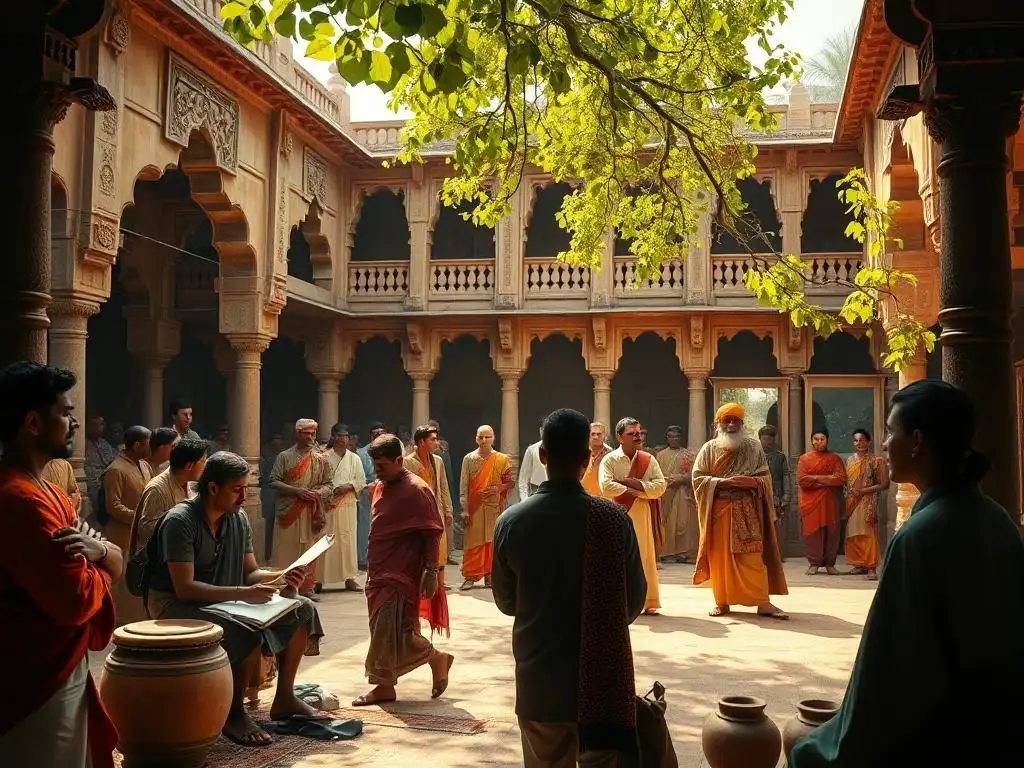
Welcome to Ancient India History, where we embark on a fascinating journey through the rich tapestry of ancient Indian civilizations. Our focus today shines a light on the remarkable role of ancient Indian universities in preserving oral traditions—a cornerstone of cultural heritage that shaped the educational landscape of the time. How did these institutions safeguard the knowledge and wisdom of their eras? As you delve deeper into our exploration, prepare to uncover the profound impact these universities had on education, culture, and the continuity of history. Join us as we unravel the stories that have echoed through the ages!
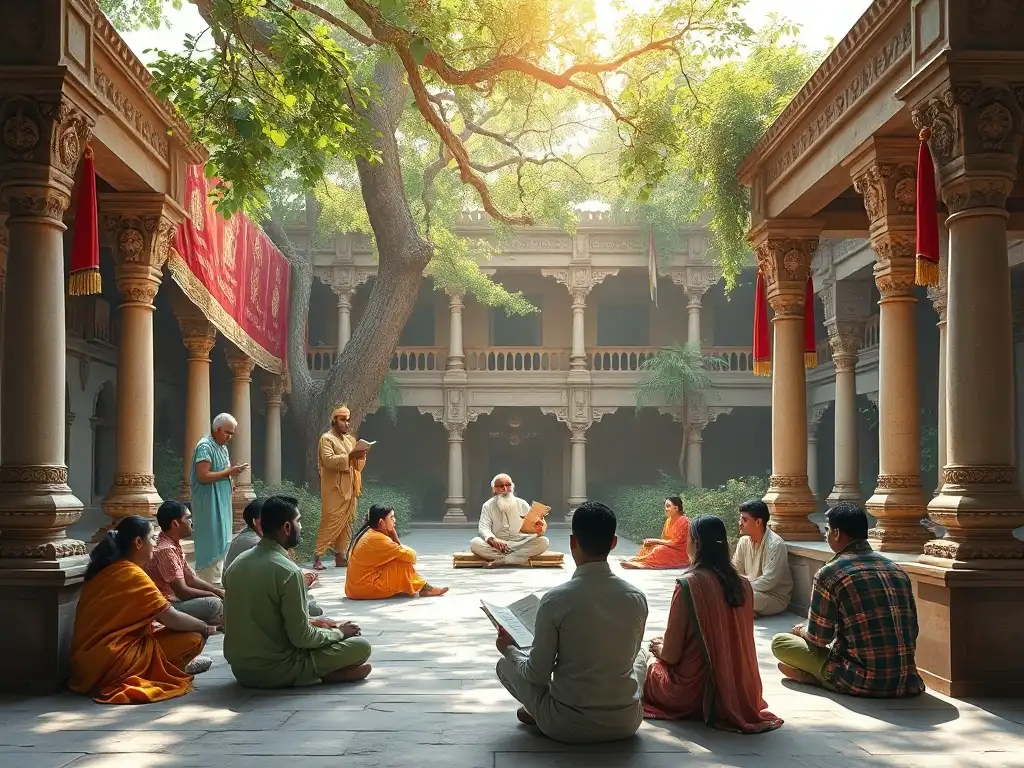
The legacy of ancient Indian universities is a remarkable aspect of India's rich historical tapestry. These institutions, such as the renowned Nalanda and Takshashila, served not only as centers of higher learning but also as vital custodians of knowledge and culture. In particular, they played a crucial role in preserving oral traditions—an essential component of India's diverse cultural heritage.
As we delve into the significance of these universities, we will explore how they contributed to the preservation and transmission of oral traditions, which have been instrumental in shaping the identity and values of ancient Indian civilizations. This article will provide a comprehensive understanding of ancient Indian universities and their impact on oral traditions, shedding light on their relevance in contemporary society.
Introduction to Ancient Indian Universities
Ancient Indian universities were more than just places of academic learning; they were hubs of intellectual exchange and cultural dialogue. Established as early as the 5th century BCE, these institutions attracted scholars from various regions, fostering an environment of inquiry and debate.
Overview of Ancient Indian Educational Institutions
- Nalanda University: Founded in the 5th century CE, Nalanda was one of the world's first residential universities, housing thousands of students and scholars. It specialized in a wide range of subjects, including philosophy, medicine, mathematics, and linguistics.
- Takshashila: Often considered the precursor to Nalanda, Takshashila dates back to the 6th century BCE. It was known for its diverse curriculum and attracted students from across the Indian subcontinent and beyond.
- Vikramshila: Established in the 8th century CE, Vikramshila focused on Tantric Buddhism and was another significant center for education in ancient India.
These universities not only imparted knowledge but also played a pivotal role in the preservation of oral traditions, ensuring that the narratives, myths, and teachings of past generations were carried forward.
Importance of Oral Traditions in Ancient Indian Culture
Oral traditions are the lifeblood of cultural heritage in ancient India. They encompass a wide array of narratives, including folktales, epics, songs, and spiritual teachings.
- Cultural Transmission: Oral traditions facilitated the transmission of cultural values and societal norms from one generation to the next.
- Historical Documentation: Many oral narratives serve as historical accounts, offering insights into the lives, customs, and beliefs of ancient civilizations.
- Identity Formation: Through storytelling, communities were able to forge a collective identity, reinforcing shared values and experiences.
Historical Context of Oral Traditions in India
Understanding the role of oral traditions requires a look into their historical context within ancient Indian society.
Definition and Significance of Oral Traditions
Oral traditions refer to the practices of storytelling, singing, and recitation that have been passed down through generations. They are significant for several reasons:
- Preservation of Knowledge: Oral traditions are crucial for preserving knowledge that may not have been documented in written form.
- Cultural Resilience: They allow cultures to adapt and survive through changing times, maintaining continuity in the face of external influences.
- Engagement of Audiences: Oral storytelling fosters a dynamic relationship between the storyteller and the audience, encouraging participation and interpretation.
Oral Traditions in the Context of Ancient Indian Civilizations
In ancient India, oral traditions were deeply intertwined with various aspects of life, including religion, education, and community bonding.
- Religious Texts: Many important texts, such as the Vedas and Upanishads, were originally transmitted orally before being written down, highlighting the significance of oral traditions in spiritual education.
- Scholarly Practices: Ancient Indian universities often integrated oral traditions into their curricula, ensuring that students learned the art of storytelling and the importance of preserving cultural narratives.
Ancient Indian universities played a vital role in preserving oral traditions, serving as platforms where knowledge was shared, debated, and enriched. This interplay between education and oral culture not only shaped the intellectual landscape of ancient India but also ensured the survival of its rich cultural heritage.
Prominent Ancient Indian Universities and Their Influence
Ancient Indian universities served as vital centers for learning, culture, and the preservation of knowledge, significantly influencing the educational landscape of the time. Institutions such as Nalanda and Takshashila not only attracted students from various regions but also played a crucial role in safeguarding oral traditions. These universities acted as melting pots of ideas, philosophies, and artistic expressions, where scholars engaged in vibrant dialogues that enriched their understanding of subjects ranging from philosophy and medicine to mathematics and astronomy.
The influence of these universities extended beyond their geographical borders, impacting educational systems in neighboring regions, including Central Asia and the Middle East. The methods employed in these institutions emphasized oral transmission of knowledge, which was pivotal for the preservation and continuation of cultural traditions. The legacy of these universities is reflected in their contributions to various fields and the way they fostered a culture of inquiry and debate, ensuring that oral traditions were not only preserved but also evolved through generations.
Nalanda University: A Hub of Knowledge
Nalanda University, founded in the 5th century CE, is often hailed as one of the first residential universities in the world. It attracted thousands of students from across Asia, including scholars from China, Korea, Japan, Tibet, Mongolia, and Sri Lanka. The university was renowned for its extensive curriculum, which encompassed subjects such as philosophy, medicine, law, and the arts.
A significant aspect of Nalanda's educational philosophy was its commitment to oral traditions. Knowledge was primarily passed down through lectures and discussions, allowing for an interactive and dynamic learning environment. Eminent scholars like Nagarjuna and Dharmakirti taught there, emphasizing the importance of oral transmission in understanding complex philosophical concepts. The oral traditions fostered at Nalanda enabled students to engage deeply with texts, encouraging critical thinking and debate, which were essential for mastering intricate subjects.
Takshashila University: The Pioneering Institution
Takshashila, also known as Taxila, is recognized as one of the earliest centers of higher learning in the world, flourishing from around the 6th century BCE to the 5th century CE. This ancient university offered a diverse range of subjects, including warfare, astronomy, medicine, and economics, attracting students not only from India but also from distant regions.
The unique characteristic of Takshashila was its method of education, which heavily relied on oral traditions. Instruction was delivered through oral lectures and discussions, where students participated actively, ensuring a robust exchange of ideas. This approach not only preserved knowledge but also allowed for adaptations and interpretations, keeping the educational content relevant to the changing societal contexts. The prominence of oral traditions at Takshashila laid the groundwork for later educational practices in India, emphasizing the significance of dialogue and discourse in learning.
Methods of Preserving Oral Traditions in Ancient Indian Universities
Ancient Indian universities employed various methods to preserve and transmit oral traditions, ensuring that cultural narratives and knowledge were maintained across generations. These methods were instrumental in fostering a rich educational environment that valued the spoken word and communal learning.
Teaching Practices Emphasizing Oral Learning
The teaching practices in ancient Indian universities were fundamentally rooted in oral learning methodologies. Professors often delivered lectures that were not merely monologues but rather interactive sessions that encouraged student participation. This pedagogical style allowed students to ask questions, engage in debates, and clarify doubts, which helped solidify their understanding of complex concepts.
Additionally, the use of mnemonic devices and rhythmic patterns facilitated the memorization of texts and teachings. Students learned to recite verses and mantras, which not only aided in memorization but also connected them to their cultural heritage. The emphasis on oral learning practices ensured that knowledge was not static but rather evolved through the contributions and interpretations of successive generations.
The Role of Storytelling and Recitation in Education
Storytelling and recitation were integral components of the educational framework in ancient Indian universities. These methods served as powerful tools for knowledge transmission, allowing scholars to convey complex ideas through engaging narratives.
Instructors often used stories from epics like the Mahabharata and Ramayana to illustrate moral lessons and philosophical concepts, making learning relatable and memorable for students. Recitation of texts, whether religious or philosophical, was a common practice that helped inculcate a deep understanding of the subject matter. The rhythmic and lyrical nature of recitation not only facilitated memorization but also encouraged students to appreciate the aesthetic aspects of language.
Overall, the interplay between storytelling, recitation, and oral learning in ancient Indian universities played a critical role in preserving oral traditions, ensuring that the rich cultural heritage of India was kept alive for future generations.
Case Studies of Oral Tradition Preservation in Ancient Indian Universities
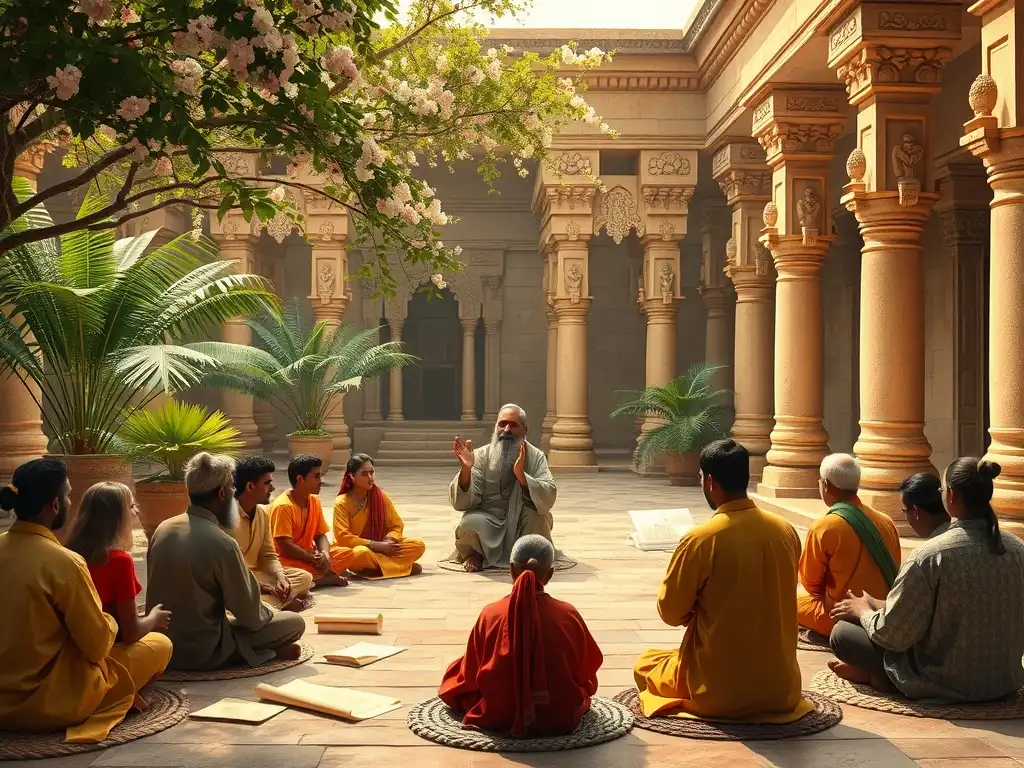
The preservation of oral traditions in ancient Indian universities was a cornerstone of educational practices. These institutions not only facilitated the transmission of knowledge but also played a vital role in the documentation and perpetuation of cultural narratives. Oral traditions, which encompass myths, legends, historical accounts, and philosophical discourses, were integral to the curriculum, ensuring that students engaged with their cultural heritage.
Ancient Indian universities like Nalanda and Takshashila employed various methods to preserve these oral traditions. This included the use of oral storytelling, recitation, and debate as pedagogical tools. Students were encouraged to memorize texts and engage in discussions that would reinforce these traditions, ensuring their survival through generations. The emphasis on oral transmission created a dynamic learning environment where knowledge was continuously interpreted and reinterpreted, reflecting the evolving nature of culture and society.
Specific Examples from Nalanda University
Nalanda University stands as a paradigm of the preservation of oral traditions. Established in the 5th century CE, it attracted scholars from various parts of Asia, fostering a rich intellectual environment. One of the notable practices at Nalanda was the Gurukula system, where students lived with their teachers (gurus) and learned through direct oral instruction. This method emphasized memorization and recitation, with students often required to repeat texts verbatim.
Another significant aspect of Nalanda was its focus on debate and discourse as a means of learning. Scholars engaged in rigorous discussions, which not only helped in the retention of knowledge but also in the critical analysis of ideas. For instance, the famous scholar Vasubandhu was known for his debates on Buddhist philosophy, which were recorded and passed down through oral tradition. This practice ensured that complex philosophical concepts were accessible and preserved in a manner that was both engaging and educational.
Specific Examples from Takshashila University
Takshashila University, considered one of the earliest universities in the world, also played a crucial role in the preservation of oral traditions. Founded around the 6th century BCE, it was a melting pot of diverse cultures and ideologies. The university's curriculum included not just religious texts but also subjects like medicine, mathematics, and military science, all taught through oral methods.
One of the standout features of Takshashila was its use of storytelling as an educational tool. Instructors would narrate historical events and moral stories, which were essential for instilling values and cultural identity among students. The tales of Chandragupta Maurya, for example, were shared orally, emphasizing leadership and strategic thinking.
Moreover, Takshashila's emphasis on memory techniques allowed students to memorize vast amounts of information. Techniques such as mnemonic devices and rhythmic recitation were employed, ensuring that oral traditions remained intact and were easily transmitted to future generations.
The Impact of Ancient Indian Universities on Modern Education Systems
The influence of ancient Indian universities on modern education systems is profound, particularly in the realm of pedagogical methods and the integration of oral traditions. As contemporary educational institutions strive to create inclusive learning environments, the principles derived from these ancient practices continue to inspire and shape modern curricula.
Influence on Contemporary Pedagogical Approaches
Modern educational frameworks increasingly recognize the value of oral traditions in promoting active learning and critical thinking. The Socratic method, which emphasizes dialogue and questioning, echoes the ancient practices observed in universities like Nalanda and Takshashila. By encouraging students to engage in discussions, educators foster a deeper understanding of subjects and promote collaborative learning experiences.
Furthermore, the incorporation of storytelling as a pedagogical tool has gained traction in contemporary classrooms. Educators use narratives to make learning more relatable and to instill cultural values, much like ancient Indian scholars did. This approach not only aids memory retention but also enhances students' ability to connect with the material on a personal level, ensuring that cultural narratives continue to thrive.
Legacy of Oral Traditions in Modern Indian Academia
The legacy of oral traditions in modern Indian academia is evident in the continued emphasis on debate, discussion, and public speaking. Many universities in India still promote these methods as essential components of their curriculum. These practices not only honor the rich tradition established by ancient universities but also prepare students for real-world scenarios where communication skills are paramount.
Additionally, the revival of folklore studies and oral history in universities reflects an ongoing commitment to preserving and understanding cultural narratives. Scholars are increasingly recognizing the importance of oral sources in historical research, thereby bridging the gap between ancient practices and contemporary academic inquiry. This continuity ensures that the oral traditions that once thrived in ancient Indian universities remain a vital part of India’s educational landscape today.
Conclusion
The role of ancient Indian universities in preserving oral traditions is a testament to the rich educational heritage of India. These institutions were not merely centers of learning; they were vibrant hubs where knowledge was transmitted, debated, and preserved through oral means. The interplay between oral traditions and formal education created a dynamic learning environment that allowed for the transmission of cultural values, philosophical thoughts, and historical narratives across generations.
Summary of the Role of Ancient Indian Universities in Oral Tradition Preservation
Ancient Indian universities, such as Nalanda and Takshashila, were pivotal in maintaining and disseminating oral traditions. These institutions facilitated a unique educational model that emphasized dialogue, debate, and personal interaction between teachers and students. This approach was particularly significant in preserving oral traditions, as it:
- Fostered a culture of storytelling, where scholars would recount and discuss ancient texts and teachings.
- Encouraged memorization and recitation, ensuring that knowledge was not only learned but also retained within the community.
- Integrated oral traditions into the curriculum, allowing students to engage with texts through reading and oral interpretation.
- Promoted the role of the guru, whose teachings were often conveyed through oral communication, further embedding these traditions within the educational framework.
As a result, these universities played a crucial role in safeguarding the vast array of oral traditions that defined much of India's cultural and educational landscape.
Final Thoughts on the Importance of Oral Traditions in Ancient Education
The significance of oral traditions in ancient Indian education cannot be overstated. They were essential not only for the preservation of knowledge but also for the fostering of community identity and cultural continuity. Oral traditions served as a bridge, connecting past generations to the present and ensuring that wisdom and cultural heritage were not lost over time.
In a rapidly changing world, the principles underlying these ancient practices remain relevant. The value of oral traditions in education highlights the importance of interpersonal communication, storytelling, and the collective memory of communities. As we explore the legacy of ancient Indian universities, it becomes clear that their commitment to preserving oral traditions laid the foundation for a rich educational culture that continues to influence contemporary learning paradigms. The fusion of oral traditions with formal education exemplifies how knowledge can thrive in diverse forms, enriching both individual understanding and societal cohesion.
- Introduction to Ancient Indian Universities
- Historical Context of Oral Traditions in India
- Prominent Ancient Indian Universities and Their Influence
- Methods of Preserving Oral Traditions in Ancient Indian Universities
- Case Studies of Oral Tradition Preservation in Ancient Indian Universities
- The Impact of Ancient Indian Universities on Modern Education Systems
- Conclusion
- What were ancient Indian universities known for?
- How did these universities contribute to oral traditions?
- What subjects were taught at ancient Indian universities?
- How did oral traditions influence education in ancient Indian universities?
- Are there any surviving examples of ancient Indian oral traditions?
Frequently Asked Questions
What were ancient Indian universities known for?
Ancient Indian universities, such as Nalanda and Takshashila, were renowned for their scholarly excellence and attracted students from across the world to study various fields of knowledge.
How did these universities contribute to oral traditions?
These universities played a vital role in preserving oral traditions by fostering a culture of debate, discussion, and storytelling, ensuring that ancient texts and teachings were transmitted securely.
What subjects were taught at ancient Indian universities?
Students at ancient Indian universities studied a wide range of subjects, including philosophy, mathematics, astronomy, medicine, and the arts, highlighting the diversity of knowledge in ancient India.
How did oral traditions influence education in ancient Indian universities?
Oral traditions were crucial in education as they enabled the sharing of knowledge and cultural values through recitation and memorization, reinforcing learning and community bonding.
Are there any surviving examples of ancient Indian oral traditions?
Yes, many epics, poems, and historical narratives have survived, showcasing the rich oral traditions of ancient India that continue to influence literature and culture today.
Final Reflection: The Enduring Legacy of Ancient Indian Universities and Oral Traditions
The preservation of oral traditions by ancient Indian universities remains a vital thread in the fabric of our cultural heritage. In an age where digital communication often overshadows face-to-face interactions, the significance of these oral traditions is more relevant than ever. They serve as a reminder of the wisdom passed down through generations, emphasizing the importance of storytelling and communal knowledge in shaping our identities. The role of these universities in safeguarding this rich legacy is a testament to their enduring impact on society.
The influence of ancient Indian universities on the cultural landscape is profound and continues to resonate today. These institutions were not merely centers of learning; they were vibrant hubs where knowledge was shared, debated, and celebrated. The oral traditions they preserved fostered a sense of community and continuity, connecting individuals to their roots. As Mahatma Gandhi once said, “A nation's culture resides in the hearts and in the soul of its people.” This connection to our past is essential for understanding our present and shaping our future.
As we reflect on the lessons from ancient Indian universities, let us embrace the power of oral traditions in our own lives. I invite you to engage with your own stories and those of your community, recognizing the value they hold. By sharing and preserving these narratives, we contribute to a collective memory that enriches our cultural landscape. Let us honor the legacy of our ancestors by ensuring that their voices continue to resonate in our lives and the lives of future generations.
Ignite Your Curiosity: Dive Deeper into Oral Traditions!
Thank you for joining us on this fascinating journey through the role of ancient Indian universities in preserving oral traditions. We hope you found new insights into how history and culture are intricately woven together through storytelling and education. Now, it's time to take action and explore these rich traditions further!
Here are a few steps you can take:
- Join a local storytelling group or workshop to experience and share oral traditions firsthand.
- Research a specific oral tradition or story from your background and create a short presentation to share with friends and family.
- Connect with us! Share your thoughts or experiences with oral traditions in the comments below, or reach out on our social media platforms.
What story from your past do you believe deserves to be preserved and passed on? Let's discuss in the comments!