
The Role of Cultural Festivals in Strengthening IndoGreek Ties

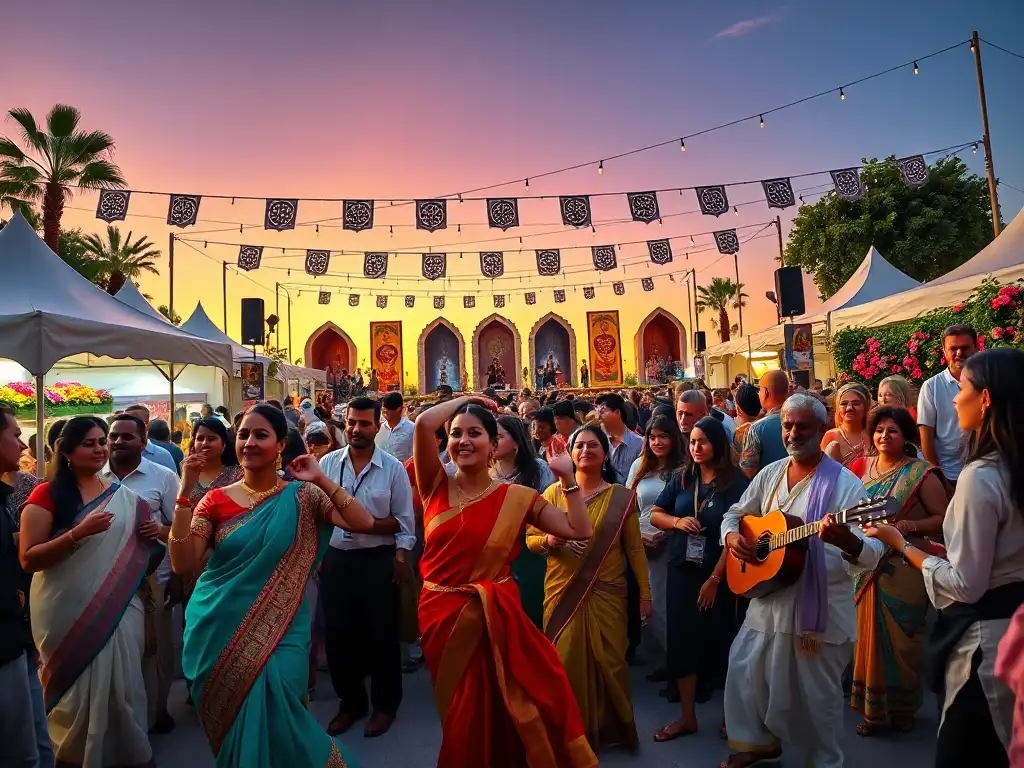
Welcome to Ancient India History, where we embark on a captivating journey through the rich tapestry of ancient Indian civilizations. Delve into the remarkable narratives of the Indus Valley to the Gupta Empire, and discover how the threads of culture and history intertwine across time. In our featured article, we explore the significance of IndoGreek cultural festivals and their profound impact on strengthening ties between two great civilizations. What secrets do these festivals hold? Join us as we unveil the layers of shared heritage and cultural exchange that continue to resonate today. Your adventure into the past begins here!
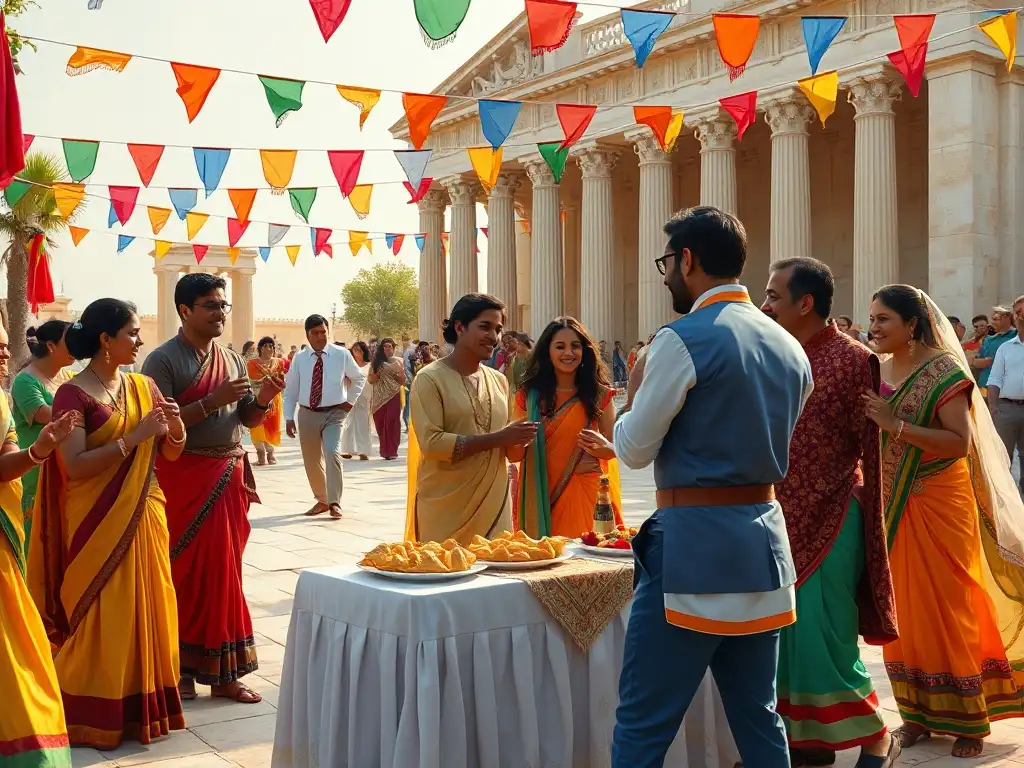
Introduction to IndoGreek Cultural Festivals
Cultural festivals have always played a pivotal role in fostering relationships between civilizations, serving as platforms for exchange, celebration, and mutual understanding. The IndoGreek cultural festivals, in particular, exemplify how art, religion, and social practices can bridge diverse communities, promoting harmony and collaboration. These festivals not only showcase the rich tapestry of traditions but also highlight the historical interactions between ancient Indian and Greek civilizations. By exploring their significance, we can gain insights into how these vibrant celebrations have strengthened ties and influenced cultural dynamics across regions.
Overview of IndoGreek Relations
The relationship between India and Greece dates back to the era of Alexander the Great's invasion in the 4th century BCE. This encounter laid the groundwork for significant cultural interactions that would shape the identities of both civilizations. Over the centuries, trade routes flourished, facilitating the exchange of goods, ideas, philosophies, and art forms. The arrival of Hellenistic influences in India, particularly in regions like Gandhara, led to a unique blend of Greek and Indian cultures. This amalgamation is reflected in various art forms, architectural styles, and, notably, the cultural festivals that emerged from this rich historical backdrop.
Importance of Cultural Festivals in Historical Context
Cultural festivals serve multiple purposes in the context of historical interactions. They act as:
- Platforms for Exchange: Festivals encourage the sharing of ideas, customs, and traditions between cultures, fostering a spirit of collaboration.
- Preservation of Heritage: By celebrating ancient traditions, festivals help preserve the unique cultural identities of civilizations, ensuring that they are passed down through generations.
- Strengthening Community Bonds: Festivals bring people together, creating a sense of belonging and unity within diverse communities, which is vital in maintaining peaceful coexistence.
The significance of IndoGreek cultural festivals extends beyond mere celebration; they embody the essence of historical ties and the mutual respect cultivated over centuries.
Historical Significance of IndoGreek Cultural Festivals
The historical significance of IndoGreek cultural festivals can be traced back to their role in facilitating exchanges that were not only cultural but also economic and political. These festivals provided opportunities for diplomacy and trade, allowing for a more profound understanding between the two civilizations.
Ancient Festivals and Their Role in Cultural Exchange
In ancient times, festivals such as the Kumbh Mela and various Greek religious celebrations served as avenues for cultural exchange. They attracted visitors from far and wide, creating a melting pot of ideas and traditions. For example:
- Cultural Performances: Theatrical performances and dance forms often blended Indian and Greek styles, showcasing the artistic influences that permeated both societies.
- Artistic Collaborations: Sculptors and artisans engaged in cross-cultural exchanges, leading to the creation of hybrid art forms, as seen in the famous Gandhara sculptures which exhibit Greek artistic techniques alongside Indian themes.
Key IndoGreek Festivals of Historical Importance
Several key festivals stand out in the historical landscape of IndoGreek relations:
- Buddha Purnima: Celebrated by both cultures, this festival symbolizes peace and enlightenment, promoting shared values across civilizations.
- Diwali: While primarily an Indian festival, Diwali saw adaptations and celebrations among Greek communities, particularly in regions where cultural exchanges were prominent.
- Greek Panhellenic Festivals: Events such as the Olympic Games inspired various Indian sporting events, showcasing how cultural festivals can transcend borders and influence local traditions.
Through these festivals, the IndoGreek cultural legacy continues to thrive, reminding us of the enduring connections forged between ancient civilizations.
The Modern Relevance of IndoGreek Cultural Festivals
IndoGreek cultural festivals serve as a vibrant reminder of the historical and cultural connections that have existed between India and Greece. In today's globalized world, these festivals foster a sense of unity and understanding among diverse communities, drawing from a shared heritage that dates back to the Hellenistic period. The significance of these festivals goes beyond mere celebration; they are instrumental in promoting cultural diplomacy, tourism, and mutual respect between the two nations.
The resurgence of interest in ancient ties has led to a renewed appreciation for the IndoGreek legacy, with festivals highlighting the artistic, philosophical, and culinary exchanges that shaped both civilizations. By engaging in these cultural festivities, participants can explore the richness of IndoGreek traditions, deepening their understanding of how these interactions have influenced modern society. Such events also serve as platforms for dialogue, allowing individuals from both cultures to connect and collaborate, thereby reinforcing the importance of cultural heritage in contemporary society.
Contemporary Celebrations Reflecting Ancient Ties
Today, various festivals across India and Greece celebrate the enduring legacy of their historical ties. These contemporary celebrations often include reenactments of ancient traditions, showcasing the arts, crafts, and philosophies that flourished during the IndoGreek era. Events such as the "IndoGreek Cultural Festival" in Delhi or the "Hellenic Festival" in major Greek cities draw large crowds, offering a rich tapestry of experiences that reflect the shared history of these civilizations.
Participants can immerse themselves in diverse activities, including traditional music performances, dance recitals, and workshops on ancient art forms. These contemporary celebrations not only honor the past but also inspire new generations to appreciate the intricate tapestry of IndoGreek culture. Additionally, educational programs and lectures are often integrated into these festivals, providing insights into the historical context and significance of the IndoGreek interactions.
Case Studies of Recent IndoGreek Cultural Festivals
Recent festivals have demonstrated the increasing interest in IndoGreek cultural exchanges, with successful events held in both India and Greece. For instance, the "IndoGreek Art and Culture Festival" in Athens showcased the works of Indian and Greek artists, fostering collaboration and understanding between the two communities. The festival featured exhibitions of traditional and contemporary art, along with workshops that invited participants to engage in artistic creation inspired by IndoGreek themes.
Another notable example is the "Greece-India Cultural Festival" held in Mumbai, which focused on the historical connections between the two nations through music, dance, and culinary experiences. Participants enjoyed performances by renowned artists and chefs who blended traditional Greek and Indian cuisines, creating a unique culinary journey that celebrated both cultures. These case studies exemplify how IndoGreek cultural festivals not only revive ancient ties but also pave the way for innovative expressions of cultural identity.
Cultural Exchange Through IndoGreek Festivals
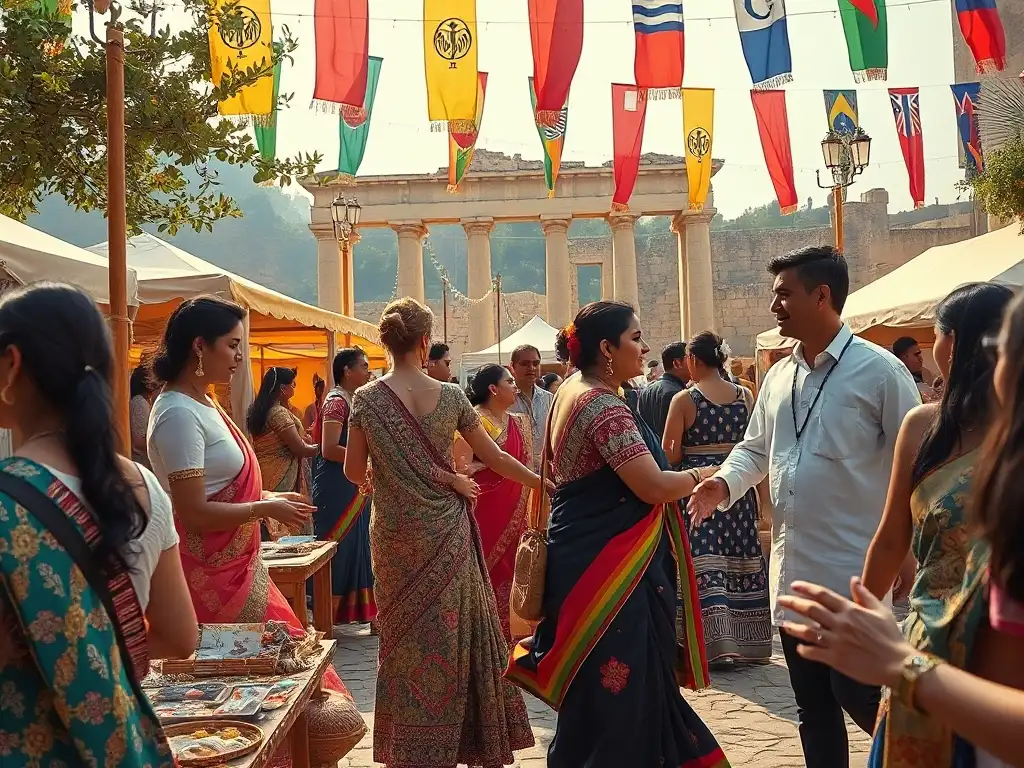
Cultural festivals serve as a dynamic platform for the exchange of ideas, traditions, and artistic expressions between India and Greece. By facilitating interactions among artists, scholars, and the general public, these festivals promote a deeper understanding of each other's cultures, enhancing the ties that bind the two nations.
Art, Music, and Dance: Forms of Cultural Expression
Art, music, and dance are integral components of IndoGreek cultural festivals, showcasing the rich heritage and unique styles of both civilizations. Traditional Indian dance forms like Bharatanatyam and Kathak often find a place alongside Greek dances such as Sirtaki and Kalamatianos, creating a vibrant tapestry of movement and rhythm.
Visual arts also play a critical role, with exhibitions featuring classical and contemporary works that reflect the aesthetic philosophies of both cultures. These artistic expressions not only entertain but also educate audiences about the cultural narratives and historical contexts that have shaped IndoGreek relations over the centuries. Through collaborative performances and art installations, participants experience firsthand the beauty of cultural exchange, fostering an appreciation for diversity and creativity.
Culinary Influences: A Taste of IndoGreek Fusion
Culinary exchanges are another significant aspect of IndoGreek cultural festivals, with food serving as a delicious bridge between the two traditions. Traditional dishes from both cultures often feature prominently in festival menus, showcasing the flavors and techniques that have influenced one another over time.
For example, the use of spices in Indian cuisine has found its way into Greek cooking, while Greek dishes like moussaka and tzatziki have been adapted with Indian ingredients and flair. Food stalls and cooking demonstrations during festivals allow attendees to explore these culinary fusions, offering a taste of how cultural interactions can lead to innovative gastronomical experiences. The shared love for food acts as a unifying force, bringing people together and highlighting the significance of culinary heritage as a vital component of IndoGreek cultural identity.
Socio-Political Impact of IndoGreek Cultural Festivals
IndoGreek cultural festivals play a pivotal role in shaping the socio-political landscape of India and Greece. These festivals serve as a melting pot for diverse cultural expressions, facilitating dialogue and collaboration between the two nations. The vibrant exchange of art, music, food, and traditions during these events fosters a shared identity and a sense of belonging among participants. This cultural amalgamation not only enriches both societies but also strengthens the ties that bind them.
Moreover, the socio-political impact of these festivals extends to the realm of governance. By promoting collaboration between local governments and cultural organizations, IndoGreek festivals create opportunities for joint projects that can enhance tourism, boost local economies, and promote cultural preservation. Additionally, they provide a platform for discussing contemporary issues that affect both nations, thereby nurturing a spirit of cooperation and mutual respect.
Fostering Community Ties and Mutual Understanding
One of the most significant outcomes of IndoGreek cultural festivals is their ability to foster community ties and mutual understanding. These festivals bring together people from various backgrounds, encouraging them to engage in meaningful interactions. By participating in traditional customs, culinary experiences, and performing arts, attendees develop a deeper appreciation for each other’s cultures.
This cultural exchange creates an atmosphere of camaraderie, reducing stereotypes and misconceptions that may exist between the two communities. As individuals share their stories and experiences, they build relationships that transcend geographical boundaries. The resulting friendships and partnerships can lead to collaborative initiatives, further reinforcing the social fabric of both Indian and Greek societies.
Festivals as a Platform for Diplomatic Relations
IndoGreek cultural festivals also serve as vital platforms for diplomatic relations. These events allow government officials, cultural ambassadors, and business leaders to engage in dialogue and build networks that can lead to fruitful collaborations. By showcasing each nation’s cultural heritage, these festivals provide a unique opportunity for both countries to strengthen their diplomatic ties.
At the heart of many IndoGreek festivals are discussions on trade, investment, and cultural exchanges, which can pave the way for enhanced bilateral relations. The visibility and representation of both cultures during these events can encourage political goodwill, leading to initiatives aimed at addressing shared challenges and promoting sustainable development.
IndoGreek Cultural Festival Significance in Education and Awareness
IndoGreek cultural festivals are not only celebrations of heritage but also crucial for education and awareness. These events play an essential role in educating both communities about their shared history, cultural contributions, and mutual influences. By emphasizing the significance of IndoGreek ties, these festivals help cultivate a sense of pride and ownership of the shared cultural legacy.
Educational Programs and Workshops During Festivals
Many IndoGreek cultural festivals incorporate educational programs and workshops that delve into various aspects of both cultures. These programs often feature lectures, discussions, and hands-on activities that allow participants to explore traditional crafts, culinary arts, and historical narratives. By engaging with experts and practitioners, attendees gain valuable insights into the richness of IndoGreek heritage.
Such educational initiatives are particularly beneficial for younger generations, as they instill a sense of cultural awareness and appreciation from an early age. Schools and educational institutions often participate in these festivals, enabling students to engage with their peers in a celebratory and educational environment. This engagement not only enhances knowledge but also inspires future cultural ambassadors who will continue to strengthen IndoGreek relations.
Promoting Awareness of IndoGreek Heritage
The significance of IndoGreek cultural festivals extends to the promotion of awareness regarding the rich heritage shared by both civilizations. Through exhibitions, performances, and storytelling, these festivals highlight the historical connections that have shaped the cultural landscape of both India and Greece.
By showcasing traditional music, dance, and art forms, festival organizers aim to educate attendees about the profound influences that each culture has had on the other. This awareness fosters appreciation and respect for the unique elements of both heritages, encouraging communities to take pride in their cultural identities. Ultimately, the promotion of IndoGreek heritage through these festivals contributes to a more inclusive understanding of history and cultural diversity, bridging gaps between the past and present.
Challenges Faced by IndoGreek Cultural Festivals
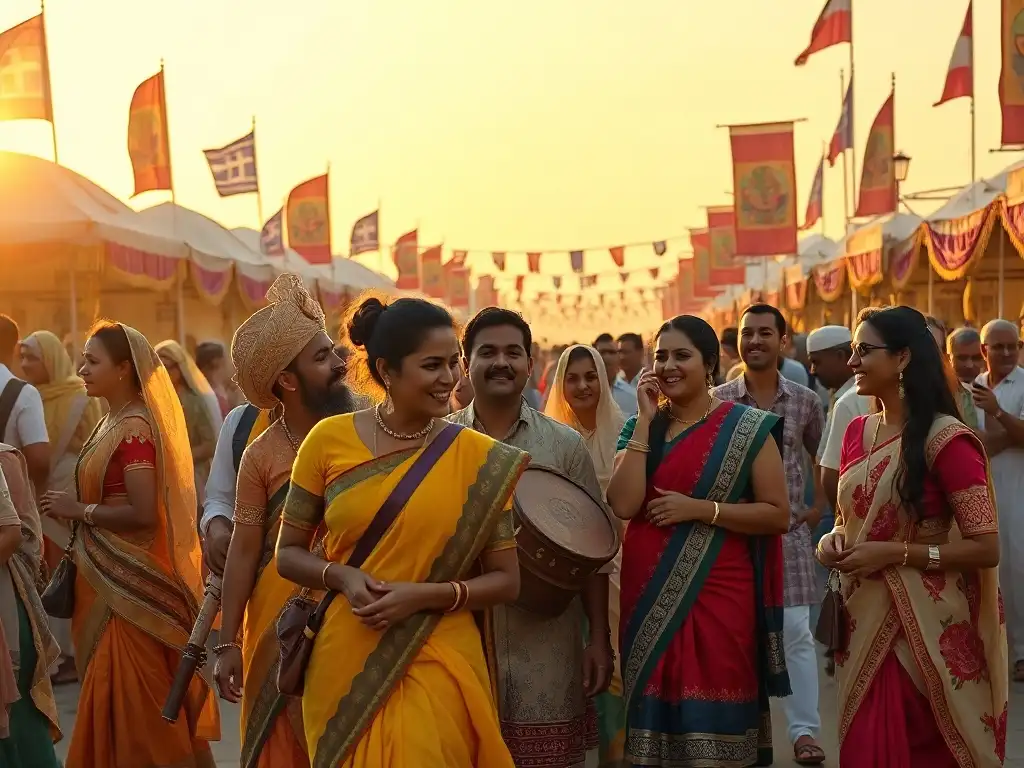
IndoGreek cultural festivals are vibrant celebrations that bring together the rich traditions of Indian and Greek civilizations. However, these festivals face several challenges that can hinder their full potential in fostering deeper ties between the two cultures. Understanding these challenges is crucial for ensuring that these festivals continue to thrive and effectively promote IndoGreek relations.
Preservation of Authenticity in Modern Celebrations
One of the primary challenges in organizing IndoGreek cultural festivals is maintaining the authenticity of the cultural expressions being showcased. In an age where globalization has led to the blending of traditions, there is a risk that the unique characteristics of both Indian and Greek cultures may become diluted.
To combat this, festival organizers must prioritize the inclusion of traditional practices, art forms, and cuisine that accurately represent each culture. This involves engaging with cultural experts and community leaders to ensure that the programs reflect genuine heritage rather than a superficial amalgamation. For instance, showcasing traditional Greek dances alongside classical Indian music can provide a platform for authentic cultural exchange.
Furthermore, educational workshops can be integrated into festival activities, offering attendees insights into the historical significance and origins of each cultural practice. This not only preserves authenticity but also fosters appreciation and understanding among diverse audiences.
Addressing Misconceptions and Stereotypes
Misconceptions and stereotypes can significantly undermine the objectives of IndoGreek cultural festivals. Many individuals may arrive with preconceived notions about either culture, which can lead to misunderstandings and disengagement during the events.
To address this challenge, it is essential to incorporate educational components that dispel myths and promote a more nuanced understanding of both cultures. For example, presentations that highlight the historical interactions between India and Greece, such as the exchanges during the Hellenistic period, can enrich the audience's perspective.
Additionally, involving community leaders and cultural ambassadors who can share personal stories and experiences can humanize the cultural narratives. This grassroots approach encourages dialogue, fosters empathy, and builds stronger connections between participants, thereby enhancing the overall impact of the festivals.
The Future of IndoGreek Cultural Festivals
As we look to the future, IndoGreek cultural festivals hold the potential to evolve and adapt to changing societal dynamics. By embracing innovation while staying true to cultural roots, these festivals can continue to play a vital role in promoting cross-cultural understanding and collaboration.
Trends in Cultural Festival Organizing
Emerging trends in cultural festival organizing indicate a shift towards more inclusive and participatory experiences. Future IndoGreek festivals may increasingly incorporate interactive elements, such as workshops and live demonstrations, allowing attendees to engage directly with the cultures being presented.
Moreover, the focus on sustainability and eco-friendliness is becoming more prevalent. Organizers may opt for environmentally conscious practices, such as reducing waste and promoting local artisans, thereby supporting both the community and the planet.
Collaborations with educational institutions and cultural organizations can also enhance the scope of these festivals, allowing for a broader exchange of ideas and practices. This cooperative approach can foster a sense of ownership and pride within the communities involved.
The Role of Technology in Enhancing Festival Experiences
Technology is set to play a transformative role in the future of IndoGreek cultural festivals. The integration of digital platforms can enhance accessibility and engagement, allowing a wider audience to participate in these celebrations, even from afar. Virtual reality experiences, for example, can transport users to ancient Indian and Greek sites, enriching their understanding of the historical context behind the cultures.
Social media can be utilized to promote festivals and share live updates, creating a sense of community before, during, and after events. Furthermore, mobile applications can provide attendees with information on schedules, artist backgrounds, and cultural significance, enhancing their overall experience.
By leveraging technology, festival organizers can create immersive and educational environments that resonate with both younger and older generations, ensuring that the rich tapestry of IndoGreek heritage continues to thrive in the modern world.
Conclusion
The exploration of IndoGreek cultural festivals reveals their profound significance in fostering relationships between the two civilizations. These festivals serve not only as occasions for celebration but also as platforms for cultural exchange and mutual respect. By highlighting shared traditions, arts, and values, these events reinforce the historical connections that have existed between India and Greece since ancient times.
Cultural festivals act as a bridge that connects communities, allowing individuals from both cultures to appreciate and learn from one another. As we reflect on the past and celebrate these ties, it is essential to recognize the role of such festivals in promoting peace, understanding, and collaboration in a globalized world.
Summary of IndoGreek Cultural Festival Significance
The significance of IndoGreek cultural festivals lies in their ability to:
- Promote Cultural Exchange: These festivals provide a unique opportunity for people from both cultures to share their traditions, art forms, and culinary practices, enriching the cultural tapestry of each community.
- Enhance Bilateral Relations: By celebrating shared heritage, these festivals contribute to building stronger diplomatic ties between India and Greece, fostering goodwill and cooperation in various fields.
- Educate and Inform: Cultural festivals serve as educational platforms where attendees can learn about the rich histories of both civilizations, deepening their understanding of each other's contributions to global heritage.
- Encourage Tourism: By attracting tourists from both regions, these festivals boost local economies and encourage intercultural dialogue, further cementing ties between nations.
- Strengthen Community Bonds: These events foster a sense of belonging and community, encouraging participation from diverse groups and promoting unity among individuals from different backgrounds.
Call to Action: Engaging in Cultural Celebrations for Strengthening Ties
As we observe the profound impact of IndoGreek cultural festivals, it is crucial for individuals, communities, and governments to actively engage in and support these celebrations. Here are some ways to get involved:
- Participate in Local Festivals: Attend or volunteer at cultural festivals in your area to experience the rich traditions firsthand and meet individuals from the IndoGreek community.
- Promote Cultural Awareness: Share your experiences and knowledge about IndoGreek culture through social media, community events, or educational programs to foster greater understanding and appreciation.
- Support Cultural Organizations: Contribute to or collaborate with organizations dedicated to promoting IndoGreek cultural activities, helping to ensure that these important traditions continue for future generations.
- Encourage Intercultural Dialogues: Organize discussions, workshops, or seminars that focus on IndoGreek history and culture, providing a platform for individuals to explore and engage with these themes deeply.
By actively engaging in cultural celebrations and supporting initiatives that highlight IndoGreek ties, we can contribute to a more interconnected world, celebrating our shared heritage and fostering lasting relationships between cultures.
- Introduction to IndoGreek Cultural Festivals
- Historical Significance of IndoGreek Cultural Festivals
- The Modern Relevance of IndoGreek Cultural Festivals
- Cultural Exchange Through IndoGreek Festivals
- Socio-Political Impact of IndoGreek Cultural Festivals
- IndoGreek Cultural Festival Significance in Education and Awareness
- Challenges Faced by IndoGreek Cultural Festivals
- The Future of IndoGreek Cultural Festivals
- Conclusion
- What is the significance of the IndoGreek cultural festival?
- How do cultural festivals contribute to strengthening ties?
- What historical aspects are celebrated at these festivals?
- Are there specific activities featured in the IndoGreek cultural festival?
- How can participation in these festivals benefit attendees?
Frequently Asked Questions
What is the significance of the IndoGreek cultural festival?
The IndoGreek cultural festival serves to showcase the historical ties and cultural exchanges between India and Greece, highlighting their shared heritage and artistic influences.
How do cultural festivals contribute to strengthening ties?
Cultural festivals promote mutual understanding and collaboration between nations, fostering a sense of community and encouraging exchange of ideas and traditions.
What historical aspects are celebrated at these festivals?
Festivals often celebrate historical events, art forms, and cultural practices that exemplify the rich interactions between ancient Indian and Greek civilizations.
Are there specific activities featured in the IndoGreek cultural festival?
Yes, the festival typically includes dance performances, art exhibitions, and culinary showcases that reflect the diverse traditions of both cultures.
How can participation in these festivals benefit attendees?
Attendees can gain a deeper appreciation for cultural diversity, enhance their knowledge of history, and build connections with others who share an interest in IndoGreek heritage.
Final Reflection: The Significance of IndoGreek Cultural Festivals in Today's World
The exploration of IndoGreek cultural festivals reveals their profound significance in fostering connections between two rich heritages. In a world increasingly characterized by division and misunderstanding, these festivals serve as vibrant platforms for dialogue, celebration, and mutual respect. They remind us that cultural exchange is not merely an event but a vital process that strengthens the bonds between communities and promotes a shared understanding of our diverse histories.
Cultural festivals have long been a mirror reflecting the evolving relationship between India and Greece, showcasing how traditions can intertwine and flourish together. The ongoing celebration of these festivals continues to influence the cultural landscape, creating a tapestry of shared experiences that enrich both societies. As noted by cultural historian Dr. Eleni Papadopoulos, Cultural exchange is the heartbeat of diplomacy; it transcends politics and speaks to the soul of humanity.
This sentiment underscores the importance of these festivals in nurturing not just cultural appreciation but also fostering friendships that can bridge geographical divides.
As we look to the future, I invite you to reflect on the role you can play in promoting cultural understanding and appreciation. Consider attending an IndoGreek festival, engaging with the stories behind the traditions, and sharing these experiences with others. By participating in these celebrations, you contribute to a legacy of unity and understanding, ensuring that the significance of IndoGreek cultural festivals continues to resonate for generations to come. Embrace the opportunity to be a part of this vibrant cultural dialogue, and let it inspire you to foster connections in your own community.
Unveil the Vibrant Connection: Join the Cultural Celebration!
Thank you for exploring the significance of cultural festivals in strengthening the ties between India and Greece. By gaining insight into these rich traditions, you’ve taken the first step toward celebrating the beautiful connections that exist between our cultures. Now, let’s transform that understanding into action!
Here are a few ways you can actively participate:
- Embark on a local cultural festival hunt: Seek out and attend festivals that celebrate the heritage of both India and Greece in your area. Immerse yourself in the music, dance, and art—experience the culture firsthand!
- Share your cultural experiences: Post about your festival visit on social media to inspire others to appreciate the vibrant tapestry of Indo-Greek traditions.
- Connect with your community: Engage with local organizations that promote Indo-Greek culture and discover how you can volunteer or participate in upcoming events.
As we celebrate these connections, consider this: What unique traditions or experiences would you like to share that could further enhance our understanding of the relationship between India and Greece?