
Understanding the Role of Merchants in the Silk Road Trade

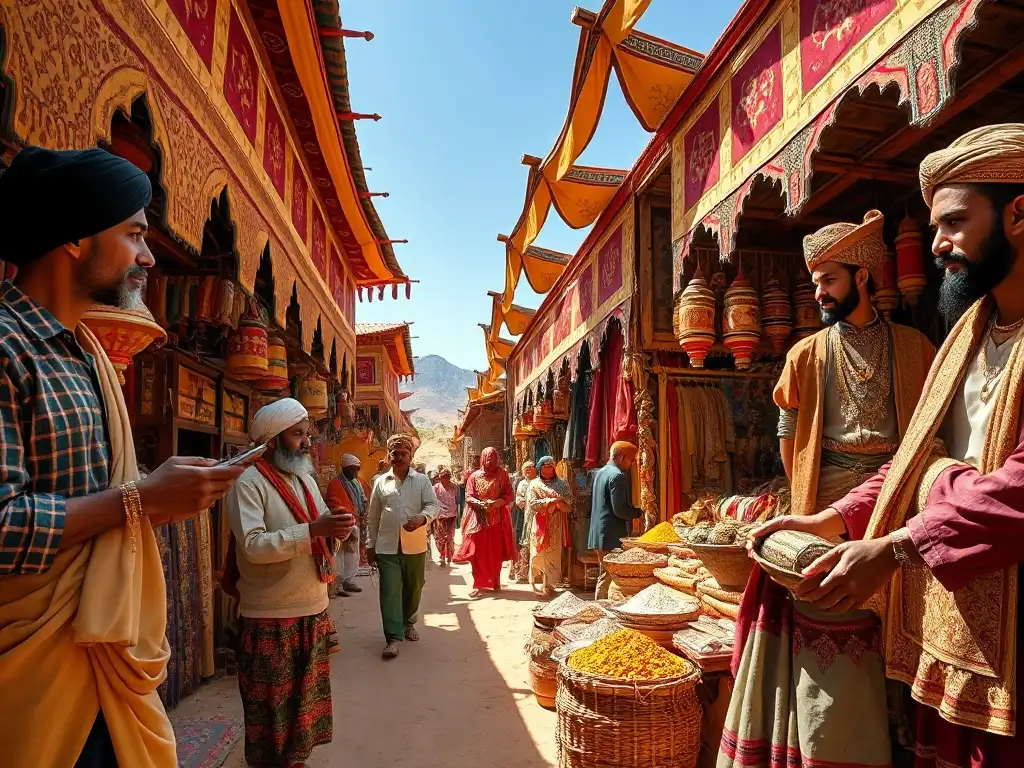
Welcome to Ancient India History, where we embark on a fascinating journey through time to uncover the rich tapestry of ancient Indian civilizations. Today, we delve into the captivating world of the Silk Road trade in ancient India, exploring the pivotal role of merchants who connected cultures and facilitated the exchange of goods, ideas, and innovations.
What secrets did these traders hold, and how did their journeys shape the very fabric of society? Join us as we unravel the intricate stories behind this vibrant trade network, inviting you to discover more about the daily lives and societal influences that flourished along these ancient routes.
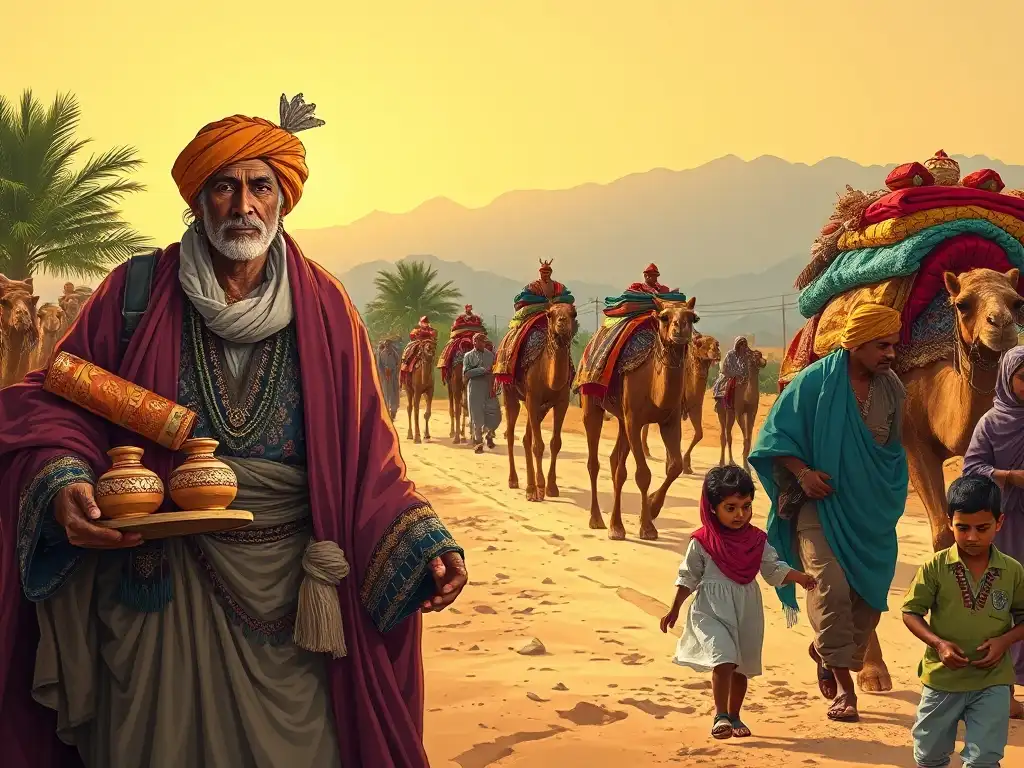
The Silk Road trade in ancient India represents a pivotal chapter in the narrative of human civilization, intertwining the destinies of diverse cultures and economies across vast distances. Spanning several centuries, this intricate network of trade routes facilitated not only the exchange of goods but also the transfer of ideas, technologies, and cultural practices between the East and the West.
With its origins tracing back to the Han Dynasty and extending into the Gupta Empire, the Silk Road became a conduit for merchants who played a crucial role in shaping the economic landscape of ancient India. This article delves into the significance of these merchants, examining their contributions to trade dynamics, cultural exchanges, and the overall societal structure of ancient Indian civilizations.
Introduction to the Silk Road Trade in Ancient India
The Silk Road was not merely a singular path but a complex web of trade routes that connected Asia with Europe and parts of Africa. From the Indus Valley Civilization to the flourishing cities of the Gupta Empire, ancient India was a vital hub along this network.
- Key Goods Traded:
- Silk: While silk originated in China, Indian merchants played a crucial role in its trade to the West.
- Spices: India was renowned for its diverse array of spices, such as pepper and cardamom, which were highly sought after.
- Textiles: Cotton and woolen textiles from India adorned the wardrobes of elites across various regions.
The importance of these trade routes cannot be overstated; they enabled the movement of not just goods but also cultural exchanges, including religion, art, and technology. The interaction between different cultures along the Silk Road paved the way for a rich tapestry of shared knowledge and practices that would influence societies for generations.
Importance of Merchants in Ancient Indian Society
Merchants held a prominent position in ancient Indian society, serving as the backbone of the economy and the facilitators of cultural exchange. Their roles extended beyond mere trade; they were also agents of social change and cultural diffusion.
- Economic Impact:
- Merchants were responsible for the distribution of goods, which stimulated local economies and contributed to urban growth.
- They established trade guilds that regulated commerce and provided mutual support, ensuring stability within the market.
- Cultural Role:
- As they traveled along the Silk Road, merchants not only carried goods but also exchanged ideas and beliefs, such as Buddhism and Hinduism, which spread significantly due to their efforts.
- They contributed to the cultural landscape by introducing foreign art, music, and culinary practices, enriching local traditions.
- Social Structure:
- The rise of merchant classes led to the development of new social hierarchies. Successful merchants often achieved wealth and influence, sometimes rivaling traditional aristocratic families.
- This shift fostered a more dynamic society, where social mobility was possible through trade and commerce.
The role of merchants in the Silk Road trade in ancient India was multifaceted, influencing not only the economy but also the cultural and social fabric of the time. Their legacy remains an integral part of understanding ancient Indian civilization and its far-reaching impact on global history.
Key Characteristics of Merchants in the Silk Road Trade
Merchants played a pivotal role in the Silk Road trade, which was not merely a series of routes but a complex network of cultural and economic exchange. Key characteristics of these merchants included adaptability, cultural fluency, and a strong sense of entrepreneurship. They often operated across diverse regions, navigating various languages, customs, and political landscapes. This adaptability allowed them to establish trust and foster long-lasting relationships with local populations, which was essential in an era where formal contracts were rare.
Moreover, merchants were typically well-educated individuals, often coming from a lineage of traders. Their backgrounds included exposure to various cultures, languages, and trade practices, which equipped them with the necessary skills to thrive in a competitive marketplace. Many merchants specialized in specific goods, such as silk, spices, or precious metals, allowing them to develop expertise and a reputation that facilitated trade across vast distances.
Types of Merchants Involved
The Silk Road saw a variety of merchants, each contributing uniquely to the trade network. These can be broadly categorized into:
- Local Merchants: Often based in towns along the Silk Road, they facilitated trade within their regions, connecting local producers with larger trade networks. Their knowledge of local markets and customs was invaluable.
- Long-Distance Traders: These merchants traveled vast distances to trade goods, often forming caravans for safety and efficiency. They typically dealt in high-value commodities such as silk and spices, which were in demand across multiple cultures.
- Specialized Merchants: Some traders focused on particular goods, such as textiles, precious stones, or medicinal herbs. Their specialization allowed them to gain deeper knowledge and become influential within their niche markets.
- Middlemen: These merchants acted as intermediaries between producers and consumers, facilitating the exchange of goods across regions. They played a crucial role in the distribution of products along the trade routes.
Skills and Knowledge Required
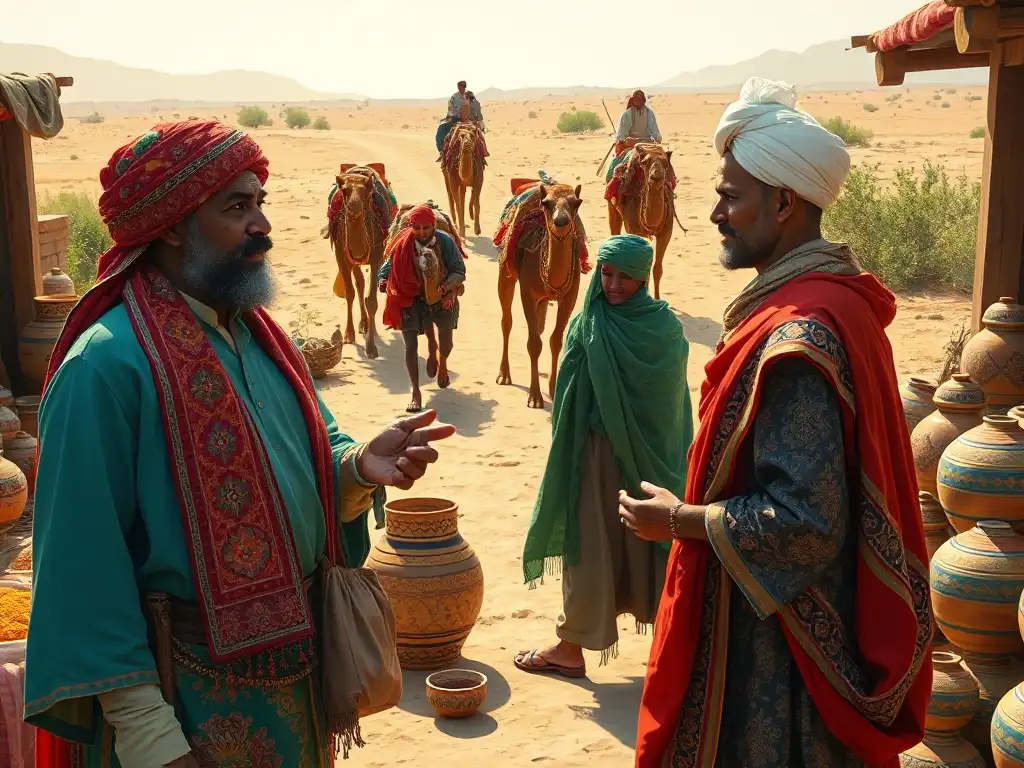
Successful merchants in the Silk Road trade possessed a diverse set of skills and knowledge that were essential for navigating the complexities of cross-cultural trade. Key skills included:
- Negotiation Skills: The ability to negotiate favorable terms was crucial, as merchants often had to navigate varying customs and practices across cultures.
- Cultural Awareness: Understanding the nuances of different cultures helped merchants build relationships and avoid misunderstandings that could jeopardize trade.
- Logistical Expertise: Merchants needed to plan routes carefully, considering geography, climate, and political conditions to ensure successful and safe journeys.
- Financial Acumen: Managing finances, understanding currency exchange, and assessing the value of goods were vital skills, as merchants often operated in diverse economic environments.
- Language Proficiency: Knowledge of multiple languages facilitated communication and fostered trust between merchants and local patrons.
The Role of Merchants in Facilitating Trade
Merchants were instrumental in the Silk Road trade, not just as traders but as facilitators of cultural and economic exchanges. Their role encompassed various aspects that contributed to the overall functioning of this vast trade network.
Establishing Trade Routes
Merchants were often the pioneers in establishing trade routes. By exploring new paths and identifying potential markets, they expanded the network of trade. These routes were not only crucial for the movement of goods but also for the exchange of ideas and cultural practices. Merchants often documented their journeys, providing valuable insights into the geography and demographics of the regions they traversed.
Negotiating Trade Agreements
Effective negotiation was a hallmark of successful merchants. They engaged in discussions with local rulers and other merchants to establish trade agreements that benefited all parties involved. These agreements could include terms such as tariffs, trade rights, and protection for caravans, which were essential for ensuring the safety and profitability of trade.
Cultural Exchange and Communication
Beyond mere commerce, merchants acted as conduits for cultural exchange. They introduced new ideas, technologies, and customs to various regions along the Silk Road. This exchange went both ways; merchants brought back innovations and cultural practices from distant lands, enriching their home societies. The interactions between merchants and local populations often led to the sharing of knowledge in fields such as art, science, and religion, further enhancing the cultural tapestry of ancient India and beyond.
Goods Traded by Merchants on the Silk Road
The Silk Road was not merely a single route but a vast network of trade paths that connected various civilizations, including ancient India. Merchants played an essential role in facilitating the exchange of goods, ideas, and cultures along these routes. The diverse array of products traded on the Silk Road reflects the rich resources and craftsmanship of the regions involved, particularly India.
Silk and Other Textiles
Silk, considered the most luxurious fabric of the time, was the hallmark of trade along the Silk Road. Originating from the sericulture practices in China, silk was highly sought after in India and beyond. Indian merchants became adept at weaving silk into intricate garments and textiles, which showcased vibrant colors and elaborate designs.
In addition to silk, other textiles such as cotton, wool, and linen were also traded. Indian cotton textiles, known for their quality and craftsmanship, gained widespread popularity. The trade of these textiles not only satisfied the demand for luxury goods but also influenced fashion trends across regions, leading to a blending of styles and techniques.
Spices and Aromatics
Ancient India was renowned for its spices, which were a significant component of the Silk Road trade. Spices such as black pepper, cardamom, and cinnamon were exported to various parts of the world, including Rome and Arabia. The demand for these aromatic substances was driven by their use in cooking, medicine, and religious rituals.
The spice trade was lucrative, with merchants often testing their bargaining skills to secure the best prices. The exchange of spices also facilitated cultural interactions, as various societies incorporated these flavors into their cuisines, further enriching their culinary traditions.
Precious Metals and Gems
The trade of precious metals and gems was another vital aspect of the Silk Road, with Indian merchants playing a crucial role. India was known for its wealth in valuable resources such as gold, silver, and diamonds. The country was particularly famous for its exquisite gemstones, including rubies, sapphires, and emeralds.
These precious goods were not only traded for their intrinsic value but also served as symbols of status and wealth among elites. The exchange of such valuable items contributed significantly to the economic dynamics of the regions involved, as they were often exchanged for other high-demand goods along the Silk Road.
The Impact of Silk Road Trade on Ancient Indian Economy
The Silk Road trade had profound effects on the economy of ancient India, transforming it into a vibrant hub of commercial activity. This exchange not only enriched merchants but also stimulated overall economic growth and development throughout the region.
Economic Growth and Prosperity
The influx of goods, wealth, and ideas through the Silk Road trade contributed to significant economic growth in ancient India. Merchants, who became increasingly wealthy from their trade activities, stimulated local economies by investing in infrastructure, such as roads and marketplaces.
The rise of trade led to the emergence of a merchant class that played a vital role in the economy, resulting in increased job opportunities and a flourishing market for various local goods. As trade routes expanded, so did the overall prosperity of the region, establishing India as a key player in international commerce.
Development of Urban Centers
With the growth of Silk Road trade, several urban centers in ancient India flourished. Cities such as Taxila, Ujjain, and Varanasi became vital trading hubs, attracting merchants from different regions. These urban centers evolved into melting pots of cultures, where diverse populations interacted, leading to the exchange of not only goods but also ideas, languages, and customs.
The urbanization spurred by trade necessitated advancements in administration and governance, resulting in more structured political systems in these cities. Improved infrastructure, including roads, ports, and marketplaces, facilitated the movement of goods and contributed to the overall development of urban life.
Influence on Agricultural Practices
The Silk Road trade also had a significant impact on agricultural practices in ancient India. The demand for various goods fueled the need for agricultural production, leading to innovations in farming techniques and crop cultivation.
Merchants brought new agricultural products and techniques from other regions, which were integrated into Indian farming practices. This exchange not only diversified the types of crops grown but also improved yield and efficiency. As a result, the agricultural sector became more robust, supporting the growing population and the urban centers that emerged as a result of Silk Road trade.
The role of merchants in the Silk Road trade was pivotal in shaping the ancient Indian economy through the exchange of goods, fostering urban development, and transforming agricultural practices.
Challenges Faced by Merchants in the Silk Road Trade
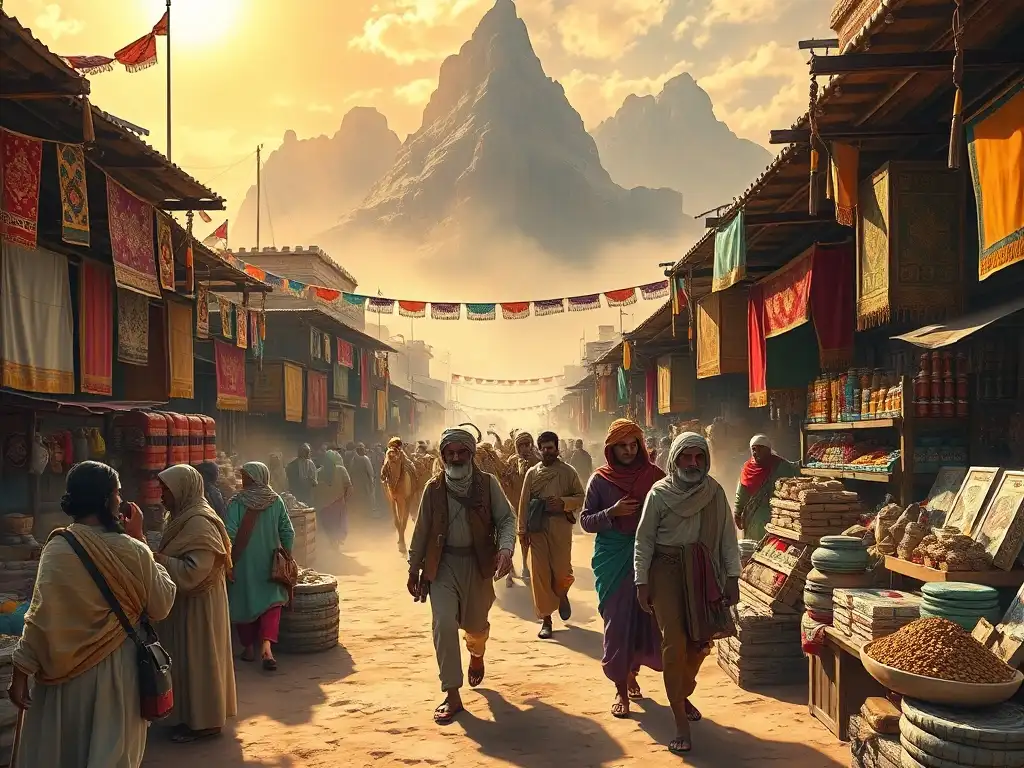
The Silk Road, a vast network of trade routes connecting the East and West, presented numerous challenges for merchants operating in ancient India. These obstacles not only affected the way trade was conducted but also shaped the very nature of commerce along these routes. Understanding these challenges provides insight into the resilience and adaptability of merchants during this dynamic period in history.
Geographic Barriers and Difficult Terrain
One of the most significant challenges faced by merchants on the Silk Road was the geographic barriers and difficult terrain. The routes traversed diverse landscapes, including:
- Mountains: The towering Himalayan ranges and the rugged terrain of the Pamirs presented formidable obstacles. High altitudes and harsh weather conditions made travel treacherous.
- Deserts: The vast expanses of the Thar and Gobi Deserts posed additional risks, with extreme temperatures and scarce water sources leading to difficulties in maintaining supply chains.
- Rivers and Valleys: Navigating through river valleys often required crossing turbulent waters, which added to the complexity of the journey.
Merchants had to be well-versed in the geography of these regions, often relying on local guides and their knowledge to traverse the challenging landscapes. The risks associated with these natural barriers meant that many goods were delayed or lost, impacting trade timelines and profitability.
Political Instability and Safety Concerns
Political instability along the Silk Road also posed a significant risk to merchants. The shifting alliances and territorial disputes among various kingdoms and empires created an unpredictable environment for trade. Key issues included:
- Banditry: The presence of bandits and hostile groups along trade routes heightened the dangers faced by merchants. Many would travel in caravans for safety, but even then, ambushes were common.
- Political Turmoil: Changes in political regimes could lead to sudden tax increases, trade restrictions, or outright bans on certain goods, which disrupted established trade patterns.
- Cultural Conflicts: Diverse cultures along the Silk Road sometimes led to misunderstandings and tensions, further complicating the merchants' ability to trade freely.
Merchants often had to negotiate not only with buyers but also with local authorities, navigating complex political landscapes to ensure their safety and the security of their goods.
Competition and Market Dynamics
The Silk Road was a bustling marketplace, and competition among merchants was fierce. Several factors influenced market dynamics:
- Variety of Goods: Merchants traded in a wide array of products, from spices and textiles to precious metals and gemstones. This diversity led to intense competition among traders vying for the best prices and customers.
- Market Information: Knowledge of market trends and demands was crucial. Successful merchants often relied on networks of information to gauge the needs of different regions and adapt their offerings accordingly.
- Bartering Practices: The practice of bartering was prevalent, and merchants had to be skilled negotiators to secure favorable deals. This often involved understanding the cultural nuances of different regions to build rapport.
As merchants navigated these competitive landscapes, their ability to adapt and innovate in response to market conditions played a crucial role in their success and the overall flow of trade along the Silk Road.
Conclusion: Legacy of Merchants in the Silk Road Trade
The role of merchants in the Silk Road trade significantly impacted ancient Indian society and its economy. Despite the numerous challenges they faced, their persistence and adaptability facilitated the exchange of goods, culture, and ideas across vast distances.
The legacy of these merchants is evident in several ways:
- Cultural Exchange: They played a vital role in the dissemination of knowledge, art, and religion, leading to a richer tapestry of cultural interactions between East and West.
- Economic Development: The trade routes contributed to the prosperity of various cities and kingdoms in India, enhancing economic interdependence and growth.
- Innovation in Trade Practices: The experiences of these merchants led to the development of various trade practices and systems that laid the groundwork for future commercial endeavors.
The resilience of merchants in the Silk Road trade not only highlights their importance in ancient Indian history but also showcases their enduring influence on global trade practices that continue to resonate in modern commerce.
Reflection on the Influence of Silk Road Trade in Ancient Indian Civilization
The Silk Road trade had a profound impact on ancient Indian civilization, shaping its economy, culture, and social dynamics. This extensive network of trade routes connected India with various regions, including Central Asia, the Middle East, and parts of Europe. As merchants traversed these routes, they not only exchanged goods but also ideas, technologies, and cultural practices, leading to a rich tapestry of influences that sculpted Indian society.
One of the most significant influences of the Silk Road trade was the economic prosperity it brought to India. Indian merchants became pivotal players in the trade of valuable commodities such as spices, textiles, precious stones, and metals. The demand for these goods was immense, and India emerged as a central hub for trade. The flourishing trade led to the establishment of bustling marketplaces and urban centers, facilitating economic growth that benefited various strata of society. These trade activities contributed to the development of local crafts and industries, enhancing the overall livelihood of the population.
Culturally, the Silk Road was a conduit for the exchange of knowledge and ideas. The interactions between Indian traders and merchants from diverse cultures led to the transmission of philosophies, religions, and artistic expressions. Buddhism, for instance, spread beyond Indian borders along these trade routes, influencing regions such as Central Asia, China, and beyond. This cultural diffusion not only enriched Indian civilization but also contributed to the global spread of Indian philosophies and religious practices.
Moreover, the Silk Road trade fostered a spirit of cosmopolitanism in ancient Indian civilization. The influx of foreign traders and travelers led to a mingling of cultures, creating a society that was more open and diverse. Cities like Taxila and Pataliputra became melting pots of different cultures, where various languages, customs, and culinary traditions coexisted. This exchange not only broadened the worldview of the Indian populace but also instilled a sense of unity amid diversity.
Trade along the Silk Road also necessitated advancements in infrastructure and governance. The need for secure and efficient trade routes led to the development of better roads, caravanserais, and trading posts. This infrastructure facilitated not only commerce but also communication and cultural exchange, further intertwining the fates of the civilizations along the Silk Road.
The influence of Silk Road trade on ancient Indian civilization was multifaceted, encompassing economic prosperity, cultural exchange, and social transformation. The legacy of this vibrant trade network can still be observed today in the rich cultural heritage and economic practices that have evolved over centuries in the Indian subcontinent. The Silk Road was not merely a pathway for goods; it was a bridge that connected civilizations, leaving an indelible mark on the history of ancient India.
- Introduction to the Silk Road Trade in Ancient India
- Importance of Merchants in Ancient Indian Society
- Key Characteristics of Merchants in the Silk Road Trade
- Types of Merchants Involved
- Skills and Knowledge Required
- The Role of Merchants in Facilitating Trade
- Goods Traded by Merchants on the Silk Road
- The Impact of Silk Road Trade on Ancient Indian Economy
- Challenges Faced by Merchants in the Silk Road Trade
- Conclusion: Legacy of Merchants in the Silk Road Trade
- Reflection on the Influence of Silk Road Trade in Ancient Indian Civilization
- What was the Silk Road and its significance in ancient India?
- How did merchants contribute to the Silk Road trade in ancient India?
- What were some of the key goods traded along the Silk Road through ancient India?
- How did the Silk Road trade influence ancient Indian culture?
- What impact did the Silk Road have on the economy of ancient India?
Frequently Asked Questions
What was the Silk Road and its significance in ancient India?
The Silk Road was a network of trade routes connecting East and West, facilitating the exchange of goods, culture, and ideas. Ancient India played a vital role as a commercial hub, promoting trade in silk, spices, and precious stones.
How did merchants contribute to the Silk Road trade in ancient India?
Merchants were essential in the Silk Road trade by transporting goods, negotiating deals, and establishing trade networks. They helped foster cultural exchanges and introduced various art and philosophies across regions.
What were some of the key goods traded along the Silk Road through ancient India?
Key goods traded included silk, spices, textiles, and precious stones. These items were highly sought after in both Eastern and Western markets, enhancing India's reputation as a trade center.
How did the Silk Road trade influence ancient Indian culture?
The Silk Road trade influenced ancient Indian culture by introducing new art forms, religions, and technologies. It led to a blend of cultures, enhancing India's diversity and contributing to its rich heritage.
What impact did the Silk Road have on the economy of ancient India?
The Silk Road significantly boosted the economy of ancient India by creating wealth through trade. It led to the development of urban centers, increased commercial activity, and enhanced the prosperity of various Indian kingdoms.
Final Reflection: The Enduring Legacy of Silk Road Trade in Ancient India
The Silk Road trade in ancient India was not merely a series of transactions; it was a vibrant tapestry of cultures, ideas, and innovations that shaped the course of history. Today, as we navigate an increasingly interconnected world, the lessons from this ancient trade route resonate more than ever. The ability of merchants to bridge diverse cultures and facilitate exchanges reminds us of the power of collaboration and understanding in overcoming modern challenges.
The influence of the Silk Road trade extends far beyond its historical context; it continues to shape our cultural and social landscapes. The interconnectedness fostered by these ancient merchants laid the groundwork for globalization as we know it today. As we reflect on this legacy, we can appreciate how trade has always been a catalyst for cultural exchange and mutual growth. Trade is the greatest teacher of peace and cooperation.
This quote encapsulates the essence of the Silk Road, urging us to recognize the importance of dialogue and partnership in our contemporary society.
As we conclude this exploration of the Silk Road trade, I invite you to reflect on your own role in fostering connections and understanding in your community. Consider how you can embody the spirit of the ancient merchants by embracing diversity, sharing knowledge, and promoting collaboration. The lessons from the Silk Road are not confined to history; they are a call to action for us all, inspiring us to build bridges in our own lives and contribute to a more harmonious world.
Unveil the Secrets of Silk Road Merchants!
Thank you for exploring the fascinating world of Silk Road trade with us! You've discovered how vital merchants were in shaping not only commerce but also cultural exchanges across civilizations. Now, it's time to put that knowledge into action!
Here are some engaging next steps you can take:
- Dive deeper into the stories of specific merchants and their journeys by researching accounts in historical texts or documentaries.
- Share your newfound knowledge with friends or on social media – start a conversation about how trade influenced different cultures!
- Join a local history group or an online community to discuss topics related to the Silk Road and trade dynamics with fellow history enthusiasts.
What aspect of Silk Road trade intrigues you the most, and why? Let's keep the conversation going!