
Trade Routes and Merchants: How Commerce Shaped Ancient India

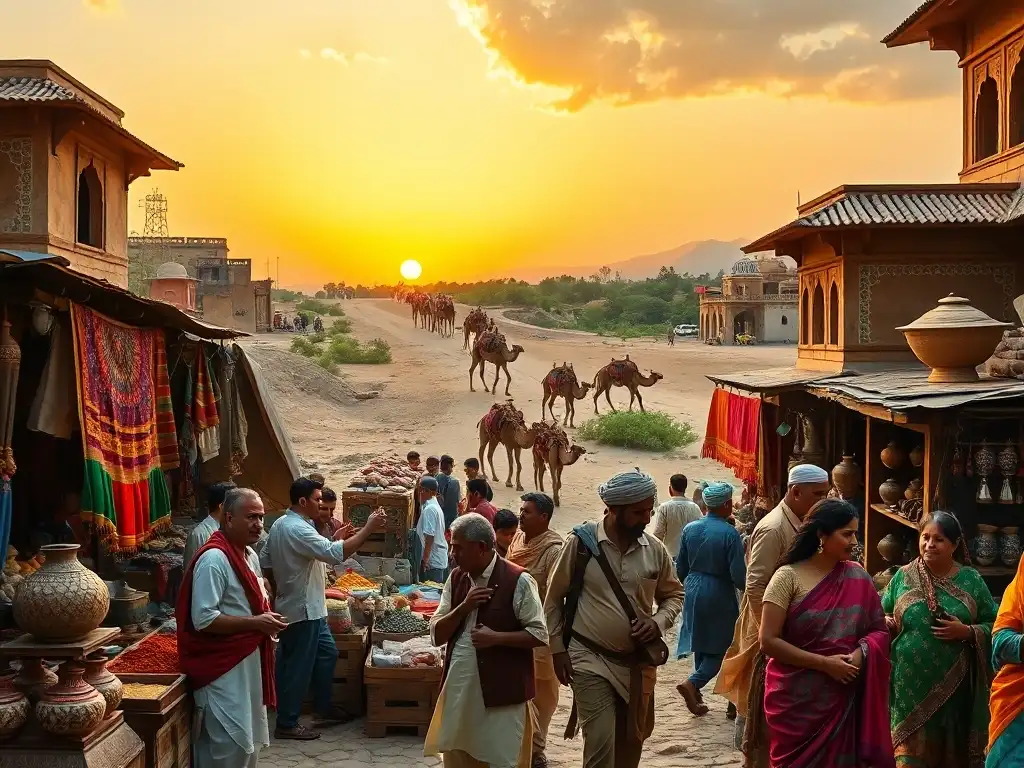
Welcome to Ancient India History, where we embark on a fascinating journey through the vibrant tapestry of ancient Indian civilizations. In our feature article, “Trade Routes and Merchants: How Commerce Shaped Ancient India,” we delve into the intricate ancient Indian trade routes that not only connected diverse cultures but also played a pivotal role in the development of society and economy.
Discover how these pathways facilitated the exchange of goods, ideas, and innovations, shaping the very essence of daily life in ancient India. Join us as we unravel the stories behind these routes and the merchants who navigated them, inviting you to explore the rich legacy that continues to inspire us today!
- Introduction to Ancient Indian Trade Routes
- The Development of Trade Routes in Ancient India
- Key Merchants and Their Contributions
- Types of Goods Traded Along Ancient Indian Trade Routes
- The Impact of Trade on Ancient Indian Society
- Challenges Faced by Merchants and Trade Routes
- The Legacy of Ancient Indian Trade Routes
- Conclusion: The Importance of Ancient Indian Trade Routes
- Frequently Asked Questions
- Final Reflection: The Enduring Legacy of Ancient Indian Trade Routes
- Uncover the Hidden Legacies of Ancient Commerce!
Introduction to Ancient Indian Trade Routes
Throughout history, trade has played a pivotal role in shaping human societies, and ancient India is no exception. The intricate web of ancient Indian trade routes not only facilitated the exchange of goods but also served as conduits for cultural, technological, and social interactions across vast distances.
From the bustling markets of the Indus Valley Civilization to the flourishing trade networks established during the Gupta Empire, commerce was a defining factor in the development of ancient Indian society. This article delves into the various trade routes and the merchants who navigated them, exploring how commerce influenced the economy, culture, and daily life in ancient India.
Overview of Ancient Indian Trade
Ancient Indian trade was characterized by a diverse network of routes that connected various regions within the subcontinent as well as neighboring countries. These trade routes can be classified into two main categories: overland and maritime.
- Overland Trade Routes: Major arteries such as the Silk Road and the Grand Trunk Road facilitated the movement of goods between India and Central Asia, the Middle East, and beyond. Goods like silk, spices, and precious stones were commonly traded.
- Maritime Trade Routes: Ancient Indian merchants also ventured across the seas, establishing trade links with regions such as Southeast Asia, Africa, and the Arabian Peninsula. Ports like Lothal and Kalyan became bustling hubs for the exchange of goods including textiles, gems, and metals.
The trade networks were supported by a sophisticated system of roads, ports, and marketplaces, enabling the movement of not just goods but also ideas and innovations.
Significance of Trade in Ancient Indian Society
Trade in ancient India was not merely an economic activity; it was deeply intertwined with the cultural and social fabric of society. The significance of commerce can be understood through several key aspects:
- Economic Prosperity: Trade contributed significantly to the wealth of various kingdoms and empires. The influx of goods and resources enriched local economies, leading to urbanization and the growth of cities.
- Cultural Exchange: The interaction between different cultures along trade routes led to the exchange of art, religion, and ideas. For instance, Buddhism and Hinduism spread to Southeast Asia largely through trade connections.
- Social Structure: The rise of a merchant class created new social dynamics, contributing to the stratification of society. Merchants often held significant power and influence, impacting political decisions and social norms.
- Technological Advancements: Trade necessitated advancements in navigation, shipbuilding, and road construction, fostering innovation that benefited society as a whole.
Ancient Indian trade routes were crucial in shaping not only the economy but also the cultural and social landscape of the time, leaving a lasting legacy that continues to influence the region today.
The Development of Trade Routes in Ancient India
Early Trade Routes and Their Origins
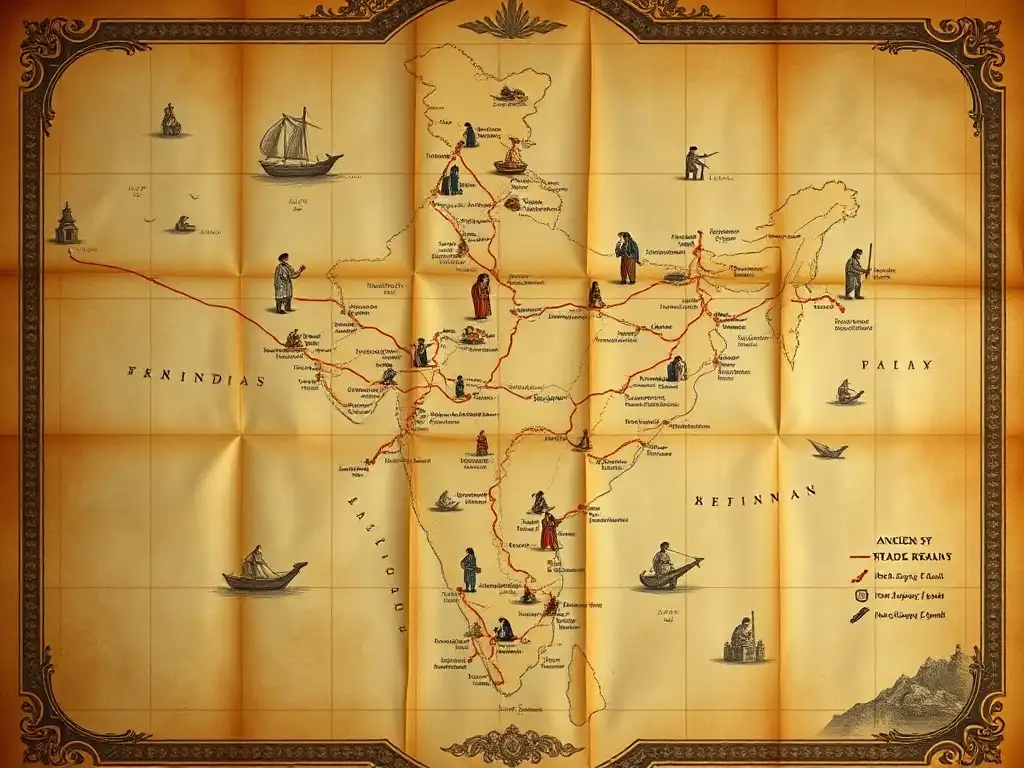
The origins of ancient Indian trade routes can be traced back to the Indus Valley Civilization, which thrived between 3300 BCE and 1300 BCE. The early inhabitants of this region established vital trade connections that facilitated the exchange of goods, culture, and ideas. Initially, these trade routes were primarily local, enabling the movement of commodities such as agricultural produce, textiles, and pottery among neighboring settlements.
As trade expanded, routes began to connect the Indus Valley with other regions, including Mesopotamia and the Arabian Peninsula. Archaeological findings indicate that merchants from the Indus Valley engaged in long-distance trade, exporting goods like cotton textiles, beads, and metalwork. The use of seals with inscriptions and symbols also played a crucial role in trade, serving as identifiers for merchants and facilitating transactions.
The establishment of trade routes was further influenced by the development of urban centers in cities like Harappa and Mohenjo-Daro. These cities acted as bustling hubs of commerce where traders gathered, exchanging not only goods but also cultural practices. The flourishing trade during this period laid the foundation for the later, more complex trade networks that emerged across India.
Major Trade Routes of the Indus Valley Civilization
The Indus Valley Civilization boasted several significant trade routes that connected various regions both within and beyond its borders:
- Northwest Trade Route: This route linked the Indus Valley with regions like Bactria (modern-day Afghanistan) and Mesopotamia. It was characterized by the movement of luxury goods such as lapis lazuli, carnelian, and other precious stones.
- Coastal Trade Routes: The Arabian Sea provided access to maritime trade, allowing merchants to connect with distant lands like Arabia and East Africa. The ports of Lothal and Dholavira emerged as critical centers for maritime commerce, facilitating the exchange of goods such as spices, textiles, and pottery.
- Overland Caravan Routes: These routes facilitated trade with Central Asia and the Silk Road network. Merchants transported silk, spices, and other materials, which were highly coveted in Indian markets and beyond.
- Inland River Routes: Rivers like the Indus and Ganges served as essential highways for transporting goods. The fertile plains along these rivers supported agriculture, enabling surplus production that could be traded.
The interconnectedness of these routes not only enhanced economic growth but also fostered cultural exchanges, shaping the social fabric of ancient Indian civilization.
The Role of Geography in Shaping Trade Routes
The geography of ancient India played a pivotal role in the development and expansion of trade routes. Several geographical features contributed to the formation of these networks:
- Mountain Ranges: The Himalayas and the Vindhya ranges acted as natural barriers but also facilitated trade through passes such as the Khyber Pass, which became crucial for overland trade with Central Asia.
- Rivers: Major river systems, including the Indus, Ganges, and Brahmaputra, provided fertile land for agriculture and served as vital transportation routes. The accessibility of these rivers enabled merchants to move goods efficiently and supported the growth of settlements along their banks.
- Coastal Areas: The extensive coastline along the Arabian Sea and the Bay of Bengal allowed for maritime trade, connecting India to distant lands. The presence of natural harbors facilitated the docking of ships and trade activities.
- Climate: The monsoon climate played a crucial role in agriculture, impacting the availability of goods for trade. The seasonal rains ensured bountiful harvests, which were essential for sustaining trade and commerce.
The interplay of geography, climate, and early innovations in trade practices laid the groundwork for the intricate trade routes that characterized ancient Indian commerce. These routes not only fostered economic growth but also enriched the cultural landscape, contributing significantly to the legacy of ancient Indian civilizations.
Key Merchants and Their Contributions
Prominent Merchants of Ancient India
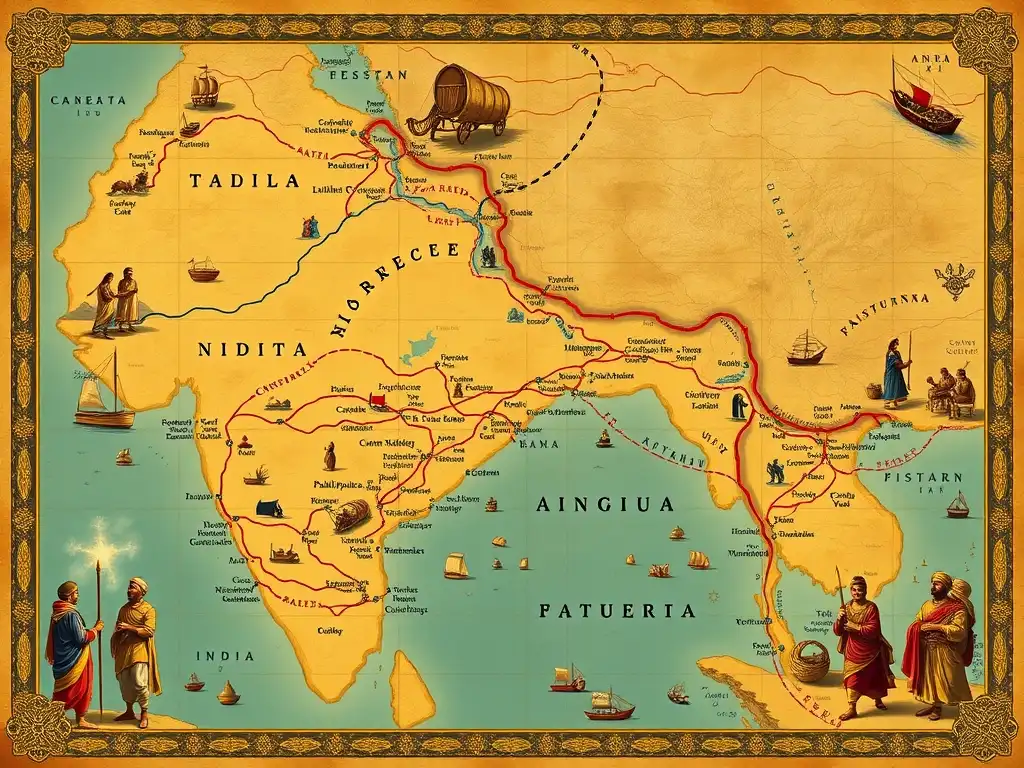
The landscape of ancient Indian trade was significantly shaped by a few key merchants whose contributions not only facilitated commerce but also influenced socio-economic dynamics across the subcontinent. Prominent among these were merchants like Kautilya (Chanakya), who is often credited with outlining the principles of trade and governance in his work, the Arthashastra. His insights into economic strategy laid the groundwork for future mercantile practices.
Another notable figure is Tapasvi, a merchant from the Indus Valley Civilization, known for his extensive trade networks that stretched as far as Mesopotamia. His ability to navigate and cultivate relationships with foreign markets exemplified the interconnectedness of ancient Indian trade routes.
Moreover, the Silk Road, which passed through northwestern India, saw the rise of numerous merchant families who specialized in silk, spices, and precious stones. Families like the Bhandari and Soni played pivotal roles in establishing trade links, facilitating not just economic transactions but also cultural exchanges.
| Merchant | Region | Key Contribution |
|---|---|---|
| Kautilya | Magadha | Economic principles in Arthashastra |
| Tapasvi | Indus Valley | Trade with Mesopotamia |
| Bhandari | Northwestern India | Silk and spice trade on the Silk Road |
| Soni | Central India | Precious stones and jewelry trade |
The Role of Guilds in Trade and Commerce
Guilds, known as shrenis, played an essential role in the regulation and facilitation of trade in ancient India. These organizations were formed by groups of merchants and artisans who banded together for mutual benefit, establishing a structured approach to commerce.
Functions of Guilds:
- Standardization of Weights and Measures: Guilds ensured that trade was fair by standardizing measurements, which minimized disputes during transactions.
- Protection of Members: They provided protection against external threats, such as banditry, and ensured the safety of their members during trade expeditions.
- Training and Apprenticeship: Guilds were responsible for training new merchants and artisans, maintaining the quality of goods and services offered in the market.
Guilds also played a significant role in the cultural landscape of ancient India. They often commissioned religious and cultural works, thus intertwining commerce with art and spirituality. For example, the Jain and Buddhist guilds were known for their contributions to temple architecture, indicating how commerce and culture flourished together.
Influence of Merchants on Cultural Exchange
Merchants were not merely traders; they acted as cultural ambassadors, facilitating the exchange of ideas, religions, and customs across different regions. The ancient Indian trade routes were conduits for cultural interactions that had lasting impacts on the civilizations involved.
Key Aspects of Cultural Exchange:
- Spread of Religions: Trade routes were instrumental in the dissemination of Buddhism and Jainism beyond India. Merchants often carried religious texts and artifacts, aiding in the spread of these philosophies to Central Asia and beyond.
- Culinary Exchange: The movement of goods along trade routes introduced various spices and cooking techniques, leading to the rich culinary diversity seen in ancient Indian kitchens. For example, the exchange of saffron from Persia and spices from Southeast Asia transformed local cuisines.
- Art and Literature: The interaction between different cultures led to a fusion of artistic styles. For instance, the Gandhara art, influenced by Greco-Roman styles, emerged due to the cross-cultural exchanges facilitated by trade.
Merchants’ travels and interactions also inspired literary works, as seen in the Panchatantra, which reflects themes of trade, wisdom, and moral lessons derived from the experiences of merchants.
The vibrant tapestry of ancient Indian trade routes was not only about commerce; it was a dynamic network that shaped the cultural, social, and economic fabric of society, with merchants at the heart of this evolution.
Types of Goods Traded Along Ancient Indian Trade Routes
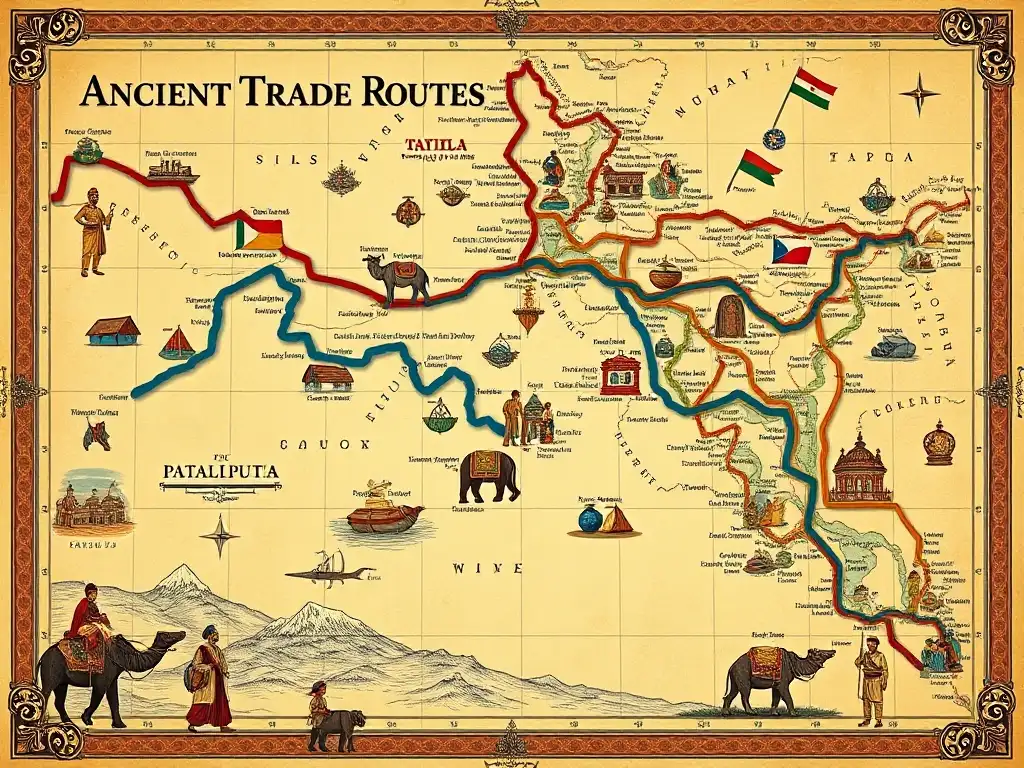
The ancient Indian trade routes served as vital conduits for the exchange of a variety of goods, fostering not only economic prosperity but also cultural interchange across regions. Understanding the types of goods traded provides insight into the daily lives, social structures, and the economic fabric of ancient Indian civilizations. Here, we explore the key categories of goods that were integral to trade along these routes.
Agricultural Products and Their Trade
Agricultural products formed the backbone of ancient Indian trade. The fertile plains of the Indus Valley and the Ganges River basin produced a rich variety of crops. Key agricultural exports included:
- Rice: A staple food, particularly from the Ganges delta.
- Wheat: Majorly cultivated in the northwestern regions.
- Pulses: Various legumes, which were essential for nutrition.
- Oilseeds: Such as sesame and mustard, utilized for cooking and trade.
The surplus of these products was often exchanged for goods from distant lands. For example, rice and wheat were traded for luxury items from the Mediterranean and Middle Eastern regions. The establishment of granaries and storage facilities along trade routes facilitated this exchange, ensuring a steady supply of food commodities.
Textiles and Handicrafts as Major Exports
One of the most significant aspects of ancient Indian trade was the export of textiles and handicrafts. Indian artisans were renowned for their skills, producing intricate and high-quality goods that were in demand far beyond their borders. Key highlights include:
- Cotton Textiles: India was one of the first countries to cultivate cotton and produce fabric. Cotton garments were light, durable, and highly sought after, particularly in markets like Mesopotamia and Rome.
- Silk: Although less common, silk was also produced, especially in regions like Kanchipuram. The trade of silk would later become a major part of the Silk Road.
- Handicrafts: Items such as pottery, metalwork, and jewelry were crafted with exceptional artistry. For instance, the metalwork from the Deccan region and the pottery from Gujarat were traded extensively.
The flourishing textile industry not only generated wealth but also strengthened cultural ties through the exchange of artistic techniques and designs.
The Trade in Spices and Other Luxury Items
Spices played a pivotal role in ancient Indian trade, often dubbed "the spice coast" for its abundance. These luxury items were not just culinary essentials but also held medicinal and preservative properties, making them highly desirable. Notable spices included:
- Black Pepper: Known as "black gold," it was one of the most valuable spices, traded extensively across the world.
- Cardamom and Cloves: These spices were prized for their flavor and aroma, often used in both cooking and traditional medicine.
- Sandalwood: Sought after for its fragrance and used in religious rituals, sandalwood was a significant export item.
The demand for these spices led to the establishment of trade networks that connected India with Southeast Asia, the Middle East, and Europe. The lucrative spice trade not only enriched local economies but also attracted foreign traders, enhancing cultural exchanges and interactions.
The trade routes of ancient India were thus instrumental in shaping the economy and culture of the region, with a diverse array of goods reflecting the richness of Indian civilization. Each category of traded goods contributed to the intricate tapestry of commerce that defined ancient Indian trade routes, showcasing the skills, resources, and innovations of the time.
The Impact of Trade on Ancient Indian Society
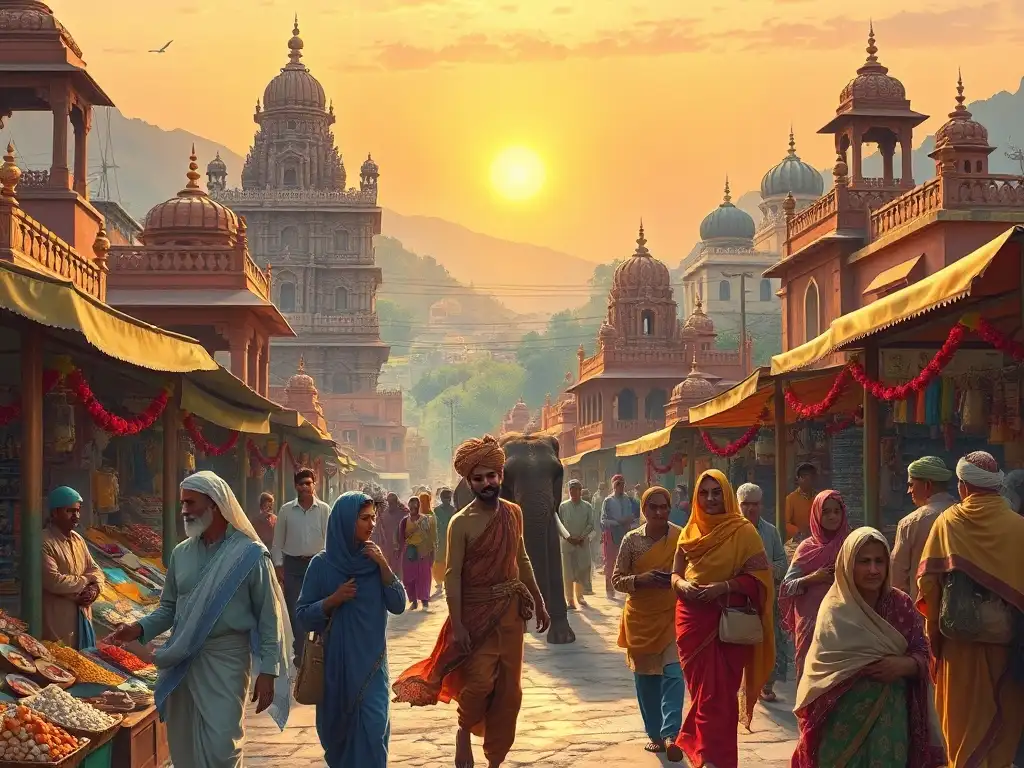
Ancient Indian trade routes were not merely pathways for the exchange of goods; they were dynamic conduits that shaped the economic, social, and political landscapes of the civilizations that flourished along them. From the bustling markets of the Indus Valley to the thriving ports of the Deccan, trade played a pivotal role in the evolution of ancient Indian society.
Economic Growth and Urban Development
The establishment of extensive ancient Indian trade routes catalyzed significant economic growth, leading to the rise of urban centers.
- Key Trade Routes: Major routes such as the Silk Road and the Maritime Spice Route facilitated the exchange of not only goods but also ideas and culture. Cities like Taxila, Pataliputra, and Lothal emerged as vibrant trade hubs, drawing merchants from across Asia and beyond.
- Wealth Accumulation: As trade flourished, so did the wealth of city-states. The influx of resources and luxury goods spurred local economies, allowing for investments in infrastructure, such as roads, ports, and warehouses, which further enhanced trade capabilities.
- Craftsmanship and Specialization: The demand for unique products led to specialization in crafts. Artisans began to produce textiles, pottery, and metalwork, catering to both local and foreign markets. This economic diversification contributed to urbanization, as people migrated to cities for work.
| Trade Goods | Regions Involved | Impact on Economy |
|---|---|---|
| Spices | India, Southeast Asia | Increased demand and trade volume |
| Textiles | India, Middle East | Growth of textile industry |
| Gems and Jewels | India, Persia | Luxury markets expanded |
| Agricultural Products | India, Central Asia | Enhanced agricultural practices |
The flourishing of trade also profoundly impacted the social fabric of ancient India.
- Emergence of Merchant Classes: The growing wealth from trade led to the rise of a prosperous merchant class, known as the Vaishyas in the traditional varna system. This class played a critical role in economic transactions and began to gain social status, challenging the traditional dominance of the Brahmins and Kshatriyas.
- Cultural Exchange: As traders interacted with diverse cultures, they facilitated the exchange of ideas, religions, and practices. This cultural amalgamation enriched Indian society, giving rise to new philosophies and art forms.
- Community Structures: Trade led to the formation of guilds and trading communities, such as the Shreshthas and Srenis, which provided mutual support and established codes of conduct. These organizations not only regulated trade but also contributed to the social security of their members.
Trade was the lifeblood of ancient Indian society, intertwining commerce with culture and community.
The Influence of Trade on Political Power and Alliances
Trade was not just an economic activity; it was intricately linked to political power and alliances.
- Strategic Alliances: Control over trade routes often dictated political alliances. Rulers sought to align with powerful merchant guilds and neighboring states to secure trade benefits, leading to the formation of strategic partnerships that influenced regional politics.
- Taxation and Revenue: The wealth generated from trade provided a significant source of revenue for ancient states. Rulers imposed taxes on trade goods, which funded military campaigns and public works, further entrenching their power.
- Influence on Conflict: Competition for control over lucrative trade routes sometimes led to conflicts between city-states and kingdoms. Historical accounts indicate that major powers, including the Mauryas and the Guptas, engaged in military campaigns to secure vital trade routes, demonstrating the connection between commerce and military might.
The interplay of trade with societal structures and political dynamics in ancient India underscores its foundational role in shaping the civilization. The ancient Indian trade routes not only facilitated the exchange of goods but also transformed the very essence of Indian society, paving the way for future developments in the region.
Challenges Faced by Merchants and Trade Routes
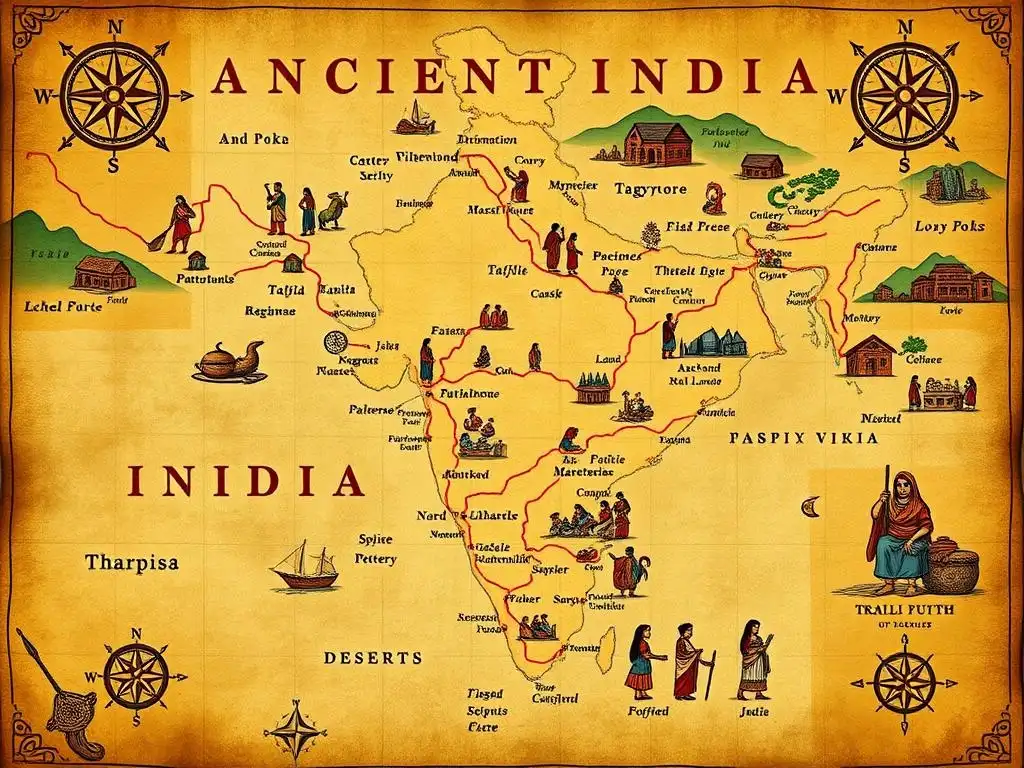
Trade in ancient India flourished due to the extensive network of trade routes that connected distinct regions and cultures. However, this commerce was not without its challenges. Merchants faced numerous obstacles that could hinder the flow of goods and disrupt economic stability. Understanding these challenges reveals much about the resilience and adaptability of ancient Indian trade.
Natural Obstacles and Their Impact on Trade
Natural obstacles played a significant role in shaping the ancient Indian trade routes. Merchants often encountered various geographical features that could impede their journeys, including:
- Mountain Ranges: The Himalayas and the Vindhya ranges created formidable barriers that necessitated the use of specialized routes. Trade caravans had to navigate through narrow passes, which slowed down transportation and increased the risk of losing goods.
- Rivers and Deserts: The Indus and Ganges rivers provided essential trade pathways, but seasonal flooding could disrupt commerce. Conversely, the arid Thar Desert posed challenges for merchants, requiring them to plan journeys meticulously to avoid the harsh conditions.
- Climate Variability: Monsoon patterns significantly impacted trade schedules. Variations in rainfall could lead to crop failures, affecting the supply of goods and increasing prices, thereby influencing trade dynamics across regions.
The interplay of these natural obstacles necessitated that merchants develop strategic planning and adaptability, leading to diverse methods of transport and trade, such as utilizing boats on rivers or employing pack animals in difficult terrains.
Political Instability and Its Effect on Commerce
Political instability was another critical challenge that influenced ancient Indian trade routes. The following factors exemplify how governance affected commerce:
- Warfare and Conflict: Frequent wars among regional powers often disrupted trade routes, making them unsafe for merchants. The invasion of foreign armies could lead to the pillaging of goods and the destruction of essential trade infrastructure.
- Changing Alliances: Alliances and rivalries among kingdoms could impact trade relations. Merchants had to navigate complex political landscapes, where shifting loyalties could either open new markets or close off previously accessible ones.
- Taxation and Regulation: Different regions imposed varying taxes and regulations on trade. High tariffs, for instance, could deter commerce, while favorable conditions might encourage it. Merchants had to be astute in understanding the political climate to maximize their profits.
The need for merchants to adapt to these fluctuations fostered a culture of negotiation and diplomacy, helping to maintain some level of stability in the trade network despite external pressures.
The Role of Security in Protecting Trade Routes
Security was paramount for the sustainability of ancient Indian trade routes. Several aspects contributed to the protection of these vital pathways:
- Guardians and Patrols: Merchants often employed guards to protect their caravans against banditry and theft. Communities along trade routes sometimes formed alliances to patrol and secure their areas, allowing for safer passage.
- Fortified Trading Posts: The establishment of fortified cities and trading posts along key routes provided safe havens for merchants. These centers facilitated trade by offering protection, storage facilities, and markets for goods.
- Legal Frameworks: Ancient Indian rulers often instituted laws to protect traders and their goods. Merchants could seek redress for grievances, which encouraged commerce by ensuring a level of security and trust in the trade system.
The emphasis on security not only fostered trade but also contributed to the overall economic stability of regions, allowing them to thrive amidst challenges.
By understanding the multifaceted challenges faced by merchants on ancient Indian trade routes, we can appreciate the intricate relationship between geography, politics, and commerce in shaping the economic landscape of the time. The resilience of these traders highlights the dynamic nature of ancient Indian trade, which was marked by adaptation and strategic navigation of obstacles.
The Legacy of Ancient Indian Trade Routes
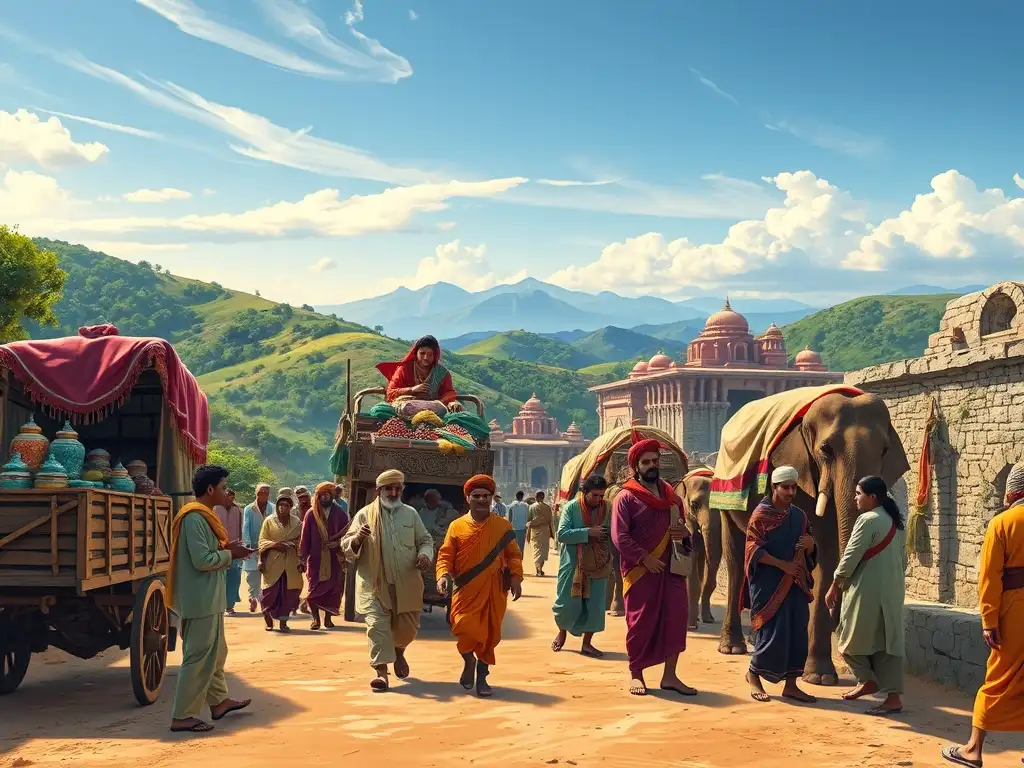
The ancient Indian trade routes were crucial in shaping not only the economy of ancient civilizations but also the socio-cultural landscape of the subcontinent. These routes facilitated the exchange of goods, ideas, and culture across vast distances, linking India with various regions, including Central Asia, the Middle East, and beyond. The legacy of these trade routes can still be seen today in modern commerce, cultural practices, and the global economy.
Long-lasting Effects on Modern Indian Trade
The impact of ancient Indian trade routes can be observed in several key areas of modern trade:
- Infrastructure Development: Many ancient routes laid the groundwork for modern transportation systems. For example, roads originally used for trade, such as the Grand Trunk Road, continue to be vital arteries for commerce today.
- Economic Networks: The trade networks established during ancient times have evolved into contemporary trade relations. The connections formed between Indian merchants and foreign traders facilitated the growth of industries, such as textiles and spices, which remain significant to India’s economy.
- Cultural Exchange: Merchants were not just traders; they were also carriers of culture and ideas. The cultural exchanges that took place along these routes contributed to the rich tapestry of Indian society. Today, this is reflected in India's diverse cuisine, art, and languages, which showcase influences from various cultures encountered through trade.
- Global Trade Position: Ancient Indian trade practices positioned India as a central player in global commerce. This prominence has persisted, as India continues to be a major economy in the global market, exporting goods and services worldwide.
Cultural and Historical Significance of Ancient Trade Practices
The cultural and historical significance of ancient trade practices in India cannot be overstated. These routes facilitated not only the exchange of goods but also cultural and technological innovations:
- Cultural Interactions: Trade routes were conduits for the exchange of ideas, philosophies, and religions. Buddhism, for instance, spread from India to other parts of Asia primarily through merchant interactions.
- Technological Advancements: The need for efficient transportation and trading methods led to innovations in shipbuilding, navigation, and caravanning techniques. For example, the development of the dhows allowed for longer sea voyages, expanding trade beyond the Indian Ocean.
- Market Evolution: The establishment of markets and trading posts along these routes fostered urbanization and the growth of cities. Ancient cities like Taxila and Pataliputra became thriving commercial hubs, known for their vibrant marketplaces that attracted traders from across the globe.
How Ancient Indian Trade Influenced Global Commerce
Ancient Indian trade routes significantly influenced global commerce through the following aspects:
- Silk Road Integration: India was a crucial link in the Silk Road trade network, connecting the East and West. Indian merchants played a pivotal role in trading silk, spices, and precious stones, establishing India as a key player in international trade.
- Spices and Other Commodities: Indian spices were highly sought after in global markets, leading to the establishment of trade relations with various empires. The demand for products like black pepper and cardamom not only boosted India’s economy but also sparked interest from foreign powers, ultimately influencing global trade dynamics.
- Cultural Exchanges: The interaction between Indian traders and other cultures led to the exchange of artistic styles, scientific knowledge, and technological innovations. The spread of mathematical concepts, such as the decimal system, is one notable example of how trade facilitated the sharing of knowledge that would shape the world.
The legacy of ancient Indian trade routes is vast and multifaceted, impacting modern Indian trade, cultural practices, and global commerce. Understanding this legacy offers valuable insights into the intricate tapestry of India’s historical and economic development.
Conclusion: The Importance of Ancient Indian Trade Routes
Summary of Key Points
The ancient Indian trade routes played a pivotal role in shaping the economic and cultural landscape of the Indian subcontinent. Key points regarding their significance include:
- Geographical Reach: Trade routes in ancient India connected different regions, from the Indus Valley to the southern tip of the subcontinent, and extended north to the Silk Road, facilitating not only the exchange of goods but also ideas and cultural practices.
- Diverse Commodities: Merchants traded a variety of goods, including spices, textiles, precious stones, and metals. The demand for Indian products like silk and spices led to international trade relationships, with India becoming a central hub in global commerce.
- Cultural Exchange: Beyond goods, these trade routes facilitated the exchange of cultural practices, religions, and languages. The spread of Buddhism and Hinduism to other regions is often attributed to the movements along these routes.
- Economic Impact: The flourishing of trade boosted local economies, supported the rise of urban centers, and led to the emergence of a merchant class, which played a crucial role in the socio-economic structure of ancient Indian society.
- Infrastructure Development: The need for safe passage along these routes resulted in the development of infrastructure, such as caravanserais and way stations, which not only supported trade but also improved connectivity between various regions.
Final Thoughts on the Role of Commerce in Shaping Ancient India
The role of commerce in ancient India cannot be overstated. The interconnectedness fostered by ancient Indian trade routes not only contributed to economic prosperity but also laid the groundwork for cultural diversity and exchange. As merchants traversed these routes, they brought with them not just goods, but also innovations and ideas that enriched Indian civilization.
The strategic location of India made it a focal point for trade between the East and the West. This position led to interactions with various cultures, including the Greeks, Persians, and later the Romans, which influenced art, architecture, and even governance in ancient India.
In essence, ancient Indian trade routes were more than mere pathways for commerce; they were vital arteries of cultural and social evolution. The legacy of these trade networks continues to be felt today, as they shaped not only the history of India but also that of the wider world. The understanding of these routes is crucial for comprehending the complexities of ancient Indian society and its lasting impact on global history.
Frequently Asked Questions
What were the main ancient Indian trade routes?
The main ancient Indian trade routes included the Silk Road, which connected India to Central Asia, and the Maritime Routes that linked India to Southeast Asia and the Arabian Peninsula.
How did commerce influence ancient Indian civilizations?
Commerce played a crucial role in the development of ancient Indian civilizations, facilitating cultural exchanges, economic prosperity, and the establishment of powerful empires like the Maurya and Gupta.
Who were the prominent merchants in ancient India?
Prominent merchants in ancient India included the Sindh traders, who were known for their extensive networks and the Jains, who were influential in trade due to their emphasis on ethics and business practices.
What goods were commonly traded along these routes?
Commonly traded goods included spices, textiles, precious stones, and metals, which were highly sought after in both domestic and international markets.
How did ancient Indian trade routes impact cultural exchange?
The ancient Indian trade routes significantly impacted cultural exchange by facilitating the spread of religions, art, and ideas, leading to the enrichment of both Indian and foreign cultures.
Final Reflection: The Enduring Legacy of Ancient Indian Trade Routes
The intricate web of ancient Indian trade routes not only facilitated the exchange of goods but also fostered cultural and intellectual connections that resonate in our modern world. Today, as we navigate a global economy, the lessons from these historical pathways remind us of the importance of collaboration and understanding across borders. The spirit of trade, which once linked diverse civilizations, continues to shape our interactions and economic landscapes, emphasizing that commerce is not merely about transactions but about building relationships.
The influence of ancient Indian trade routes extends far beyond the past; it has woven itself into the cultural fabric of societies across the globe. The exchange of ideas, art, and technology that occurred along these routes laid the groundwork for a rich tapestry of cultural heritage. As we reflect on this, we are reminded of the words of historian Will Durant: Civilization exists by geological consent, subject to change without notice.
This observation underscores the dynamic nature of trade and culture, highlighting how interconnectedness can lead to both prosperity and transformation.
As we look to the future, let us embrace the lessons learned from ancient Indian trade routes and apply them to our lives today. Consider how you can foster connections in your own community and beyond, recognizing that every interaction has the potential to enrich our understanding of one another. By cultivating a spirit of openness and collaboration, we can honor the legacy of those ancient merchants and continue to build bridges that transcend time and geography.
Thank you for diving into the fascinating world of ancient trade routes and merchants! You’ve uncovered how commerce shaped the vibrant culture of India. Now, let’s translate that knowledge into action and exploration!
Here’s how you can continue the journey:
- Explore a Local Market: Visit a nearby marketplace to experience the trading culture firsthand. Observe the variety of goods available and engage with local vendors, just as ancient merchants did!
- Share Your Insights: Discuss your newfound knowledge about trade routes with friends or family. Initiate a conversation about how commerce continues to connect our world today.
- Research Further: Choose a specific trade route or merchant from ancient India and delve deeper into their story. Consider sharing your findings in a blog post or through social media!
What aspect of ancient trade inspires you the most, and how do you think it has influenced modern commerce?