
Understanding the Symbolism of the Mahabharata: More than Just a Story

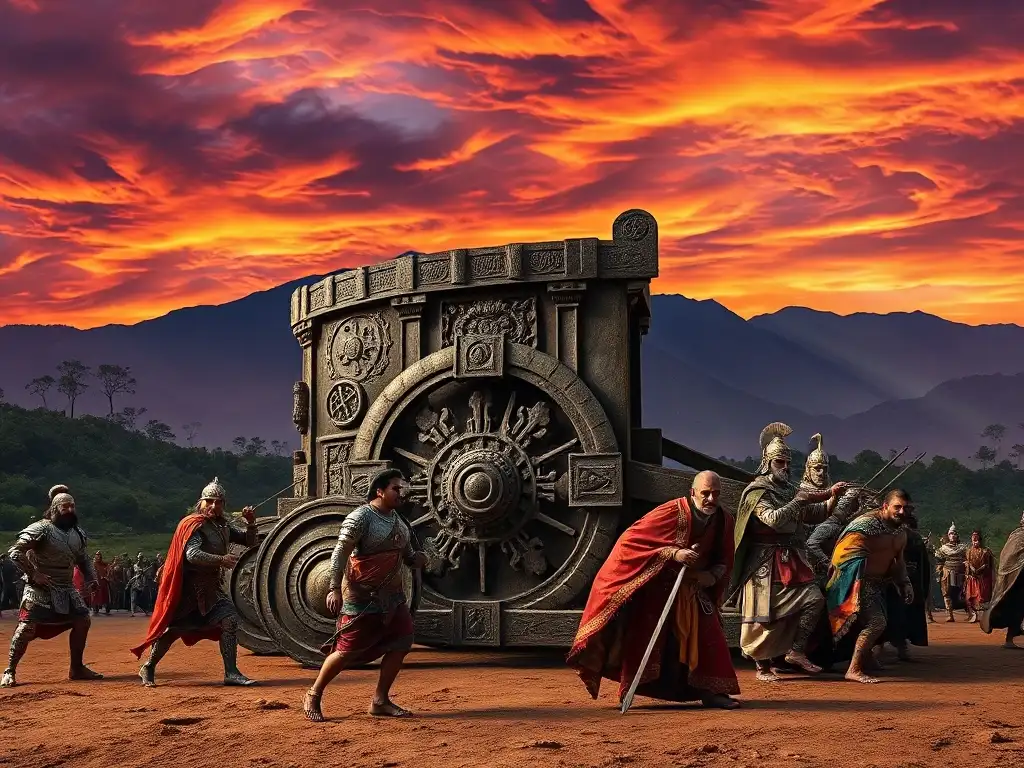
Welcome to Ancient India History, where we delve into the rich tapestry of India’s past, uncovering the profound stories that shaped civilizations. In our featured article, "Understanding the Symbolism of the Mahabharata: More than Just a Story," we invite you to explore the layers of meaning behind this epic tale. Discover how the Mahabharata is not merely a narrative of conflict but a treasure trove of symbolism and significance that resonates through time.
Join us on this journey as we unravel the wisdom embedded within its verses and understand its impact on culture and philosophy. Get ready to embark on an exploration that will open your eyes to the depths of ancient Indian thought!
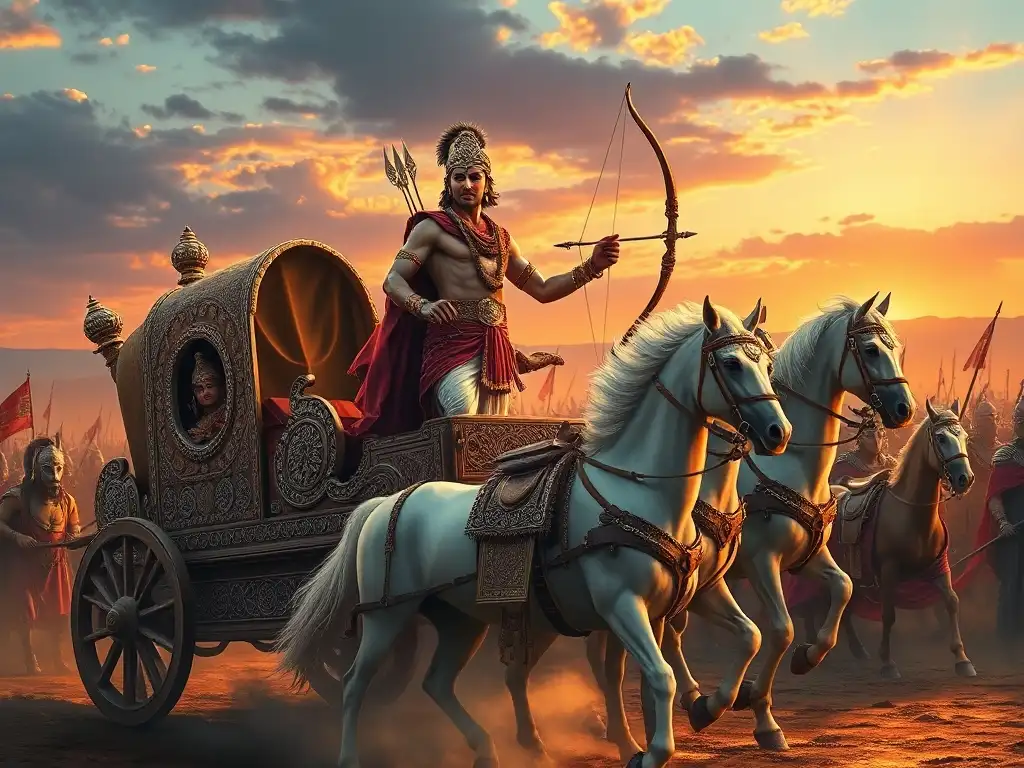
Introduction to Mahabharata Symbolism and Significance
The Mahabharata is not merely a tale of conflict and heroism; it is a profound repository of symbolism and significance that reflects the complexities of human nature, societal values, and philosophical inquiries. Composed over centuries, this ancient Indian epic weaves together narratives that transcend time and space, offering insights into the moral dilemmas faced by its characters.
Understanding the symbolism embedded within the Mahabharata allows readers to appreciate the deeper meanings that resonate within its verses, inviting contemplation on themes such as duty (dharma), justice, and the nature of reality. In this exploration, we will delve into the layers of symbolism that enrich the Mahabharata, examining its historical context and cultural significance.
Overview of the Mahabharata as an Epic
The Mahabharata, attributed to the sage Vyasa, is one of the longest epics in world literature, containing over 100,000 verses. It narrates the story of the Kurukshetra War, a monumental conflict between the Pandavas and Kauravas, two branches of a royal family. However, beyond the surface narrative, the epic encompasses diverse tales, philosophical discourses, and moral teachings, including the revered Bhagavad Gita. This multifaceted text serves not only as a historical record but also as a philosophical guide, influencing countless generations across various domains of life, including politics, ethics, and spirituality.
Importance of Symbolism in Ancient Texts
Symbolism plays a crucial role in ancient texts, serving as a vehicle for conveying complex ideas and emotions. Through symbols, authors can express abstract concepts in tangible forms, allowing readers to engage with the material on multiple levels. In the context of the Mahabharata, symbolism enriches the narrative, enabling it to address universal themes such as conflict, morality, and the quest for identity. The use of archetypal characters and events creates a connection between the text and the reader's own experiences, fostering a deeper understanding of the human condition.
The Layers of Symbolism in the Mahabharata
Historical Context of the Mahabharata
To fully grasp the symbolism of the Mahabharata, it is essential to consider its historical context. Composed during a period of significant social, political, and philosophical evolution in ancient India, the epic reflects the values and dilemmas of its time. The interplay between the Kshatriya ideals of valor and honor, alongside the emerging philosophical thoughts on governance and ethics, showcases the dynamic landscape of ancient Indian society. This historical backdrop provides a framework for interpreting the characters' actions and the outcomes of their choices, revealing how their stories resonate with broader social themes.
Cultural Significance of Symbolism in Ancient Indian Literature
The Mahabharata is not an isolated text but part of a rich tapestry of ancient Indian literature that employs symbolism to convey profound truths. The use of symbols and allegories in these narratives is a hallmark of Indian storytelling, serving to impart wisdom and ethical guidance.
Themes of sacrifice, loyalty, and the struggle between good and evil are intricately woven into the fabric of the Mahabharata, reflecting the cultural values of the time. By analyzing these symbols, we gain insight into the moral frameworks that guided ancient Indian civilization, allowing us to appreciate the relevance of the Mahabharata in contemporary discussions of ethics and human behavior.
The symbolism of the Mahabharata extends far beyond its narrative, inviting readers to explore the depths of its meaning and significance. By understanding these layers, we can unlock the wisdom that this monumental work offers, illuminating our own paths in the journey of life.
Key Symbols in the Mahabharata
The Mahabharata is rich in symbolism, weaving a complex tapestry that reflects the human experience and philosophical dilemmas. Each symbol is imbued with layers of meaning, providing insight into the characters’ motivations and the overarching themes of the epic. These symbols serve not only as narrative devices but also as conduits for deeper understanding of the moral and ethical questions posed by the text. Among the most significant symbols are the dice game, the Bhagavad Gita, and the contrasting figures of the Pandavas and Kauravas, each representing essential aspects of the human condition.
The Dice Game: Fate and Free Will
The dice game in the Mahabharata stands as a pivotal moment that encapsulates the tension between fate and free will. When Yudhishthira gambles away his kingdom, wealth, and even his brothers, it symbolizes the unpredictability of life and the consequences of choices made under duress. The act of gambling itself represents a surrender to chance, contrasting sharply with the notion of dharma—righteous duty.
This event serves as a catalyst for the subsequent conflict of the Kurukshetra War, highlighting how individual decisions can alter the course of destiny. The symbolism of the dice game emphasizes that while fate plays a role in human affairs, individuals are also responsible for their choices, illustrating the intricate balance between predestination and autonomy.
The Gita: Spirituality and Duty
The Bhagavad Gita, a key component of the Mahabharata, symbolizes the quest for spiritual understanding and the execution of one’s duty (dharma). Set on the battlefield, the dialogue between Arjuna and Krishna transcends the immediate context of war, delving into profound philosophical inquiries about life, morality, and the nature of existence.
Krishna's teachings to Arjuna illuminate the importance of fulfilling one’s duties without attachment to the outcomes. This symbolism embodies the struggle of the human spirit to reconcile personal desires with ethical responsibilities, advocating for a life guided by righteousness and inner peace. The Gita thus serves as a spiritual guide, offering insights that extend beyond the narrative into the realms of ethics and existential philosophy.
The Pandavas and Kauravas: Duality of Human Nature
The contrasting figures of the Pandavas and Kauravas symbolize the duality of human nature, embodying the perpetual struggle between virtue and vice. The Pandavas represent righteousness, selflessness, and adherence to dharma, while the Kauravas epitomize ambition, jealousy, and moral corruption. This dichotomy invites readers to reflect on their own values and choices.
The rivalry between these two factions is not merely a backdrop for the epic's battles; it reflects the inner conflicts faced by individuals in their quest for identity and purpose. Through the lens of these characters, the Mahabharata explores themes such as loyalty, betrayal, and the complexities of familial relationships, illustrating that both light and darkness exist within every individual.
Themes Reflected Through Symbolism in the Mahabharata
The symbolism in the Mahabharata elucidates several profound themes that resonate deeply with human experiences. From the struggle between good and evil to the exploration of morality and the roles of women, these themes invite readers to engage with the text on multiple levels, prompting reflection on the nature of existence and ethical conduct.
The Struggle Between Good and Evil
At its core, the Mahabharata is a narrative about the struggle between good and evil, a theme that is intricately woven into its symbolism. The conflict between the Pandavas and Kauravas exemplifies this struggle, with each side representing different moral standings. The epic illustrates that good and evil are not absolute; rather, they coexist within individuals and societies.
This theme encourages readers to consider the complexities of moral choices and the consequences that arise from actions taken in the name of righteousness or ambition. The ongoing battle underscores the idea that every individual faces their own internal conflicts, navigating the gray areas of morality in pursuit of their beliefs and values.
Concepts of Dharma and Morality
Dharma, or duty, is a central concept in the Mahabharata, and its symbolism reflects the intricate relationship between personal obligations and moral righteousness. The characters are continuously faced with dilemmas that challenge their understanding of what is right and just. The choices made by Yudhishthira, Arjuna, and even the Kauravas highlight the complexities of adhering to dharma in a world rife with conflicting interests and desires.
Through various narratives, the Mahabharata emphasizes that morality is often situational, requiring individuals to navigate their responsibilities while considering the broader implications of their actions. This exploration of dharma serves as a moral compass for readers, prompting them to contemplate the ethical dimensions of their own lives.
The Role of Women and Gender Dynamics
The Mahabharata also delves into the role of women and gender dynamics, offering insights into the societal norms of ancient India. Characters like Draupadi and Kunti embody strength, resilience, and agency, challenging traditional gender roles. Draupadi’s humiliation in the court serves as a poignant symbol of the struggles faced by women in patriarchal societies.
This theme highlights the complexities of female identity and the societal expectations that dictate behavior and roles. By portraying the experiences of women within the epic, the Mahabharata invites readers to reflect on the evolution of gender dynamics and the enduring fight for dignity and respect in a male-dominated world.
The Mahabharata's Symbolism in Modern Context
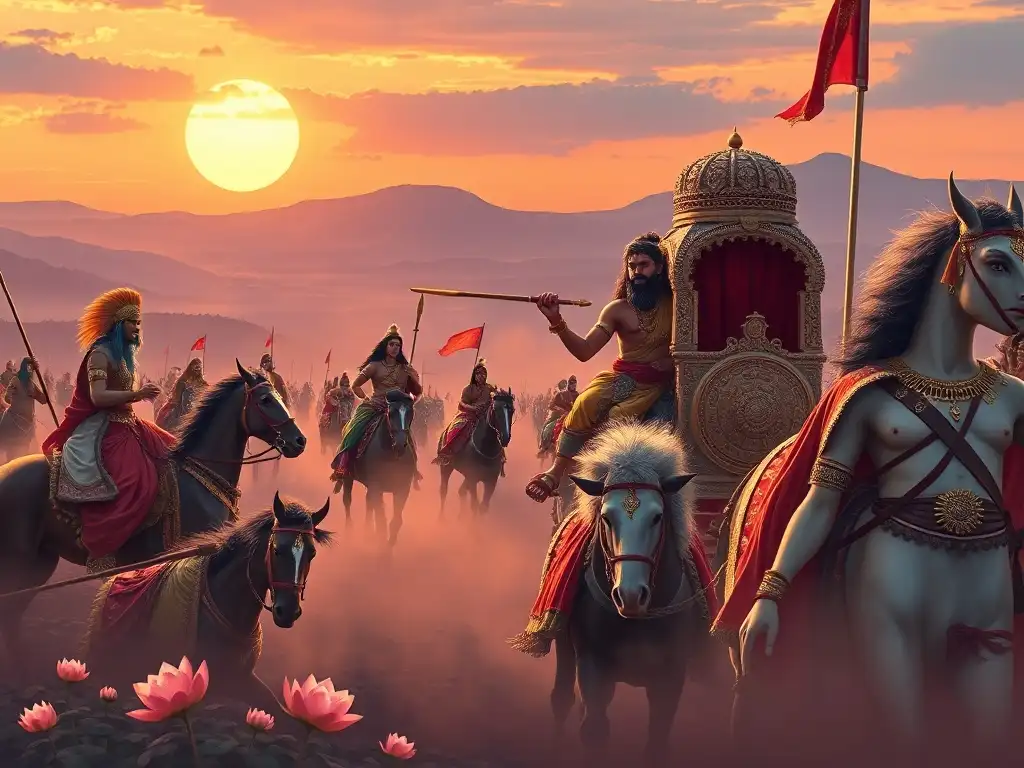
The Mahabharata, one of the longest epic poems in the world, transcends its narrative of conflict and morality to resonate with contemporary audiences. Its symbolism offers profound insights that remain relevant, addressing the complexities of human nature, ethics, and societal dynamics. In today's fast-paced world, the themes of duty (dharma), righteousness, and the consequences of choices found within the Mahabharata serve as a mirror reflecting modern dilemmas. The epic reminds us that the battles fought by its characters are not just historical but allegorical, representing the internal and external conflicts individuals face daily.
Moreover, the characters and their journeys embody various aspects of the human psyche, allowing readers and audiences to connect with their struggles on a personal level. For instance, Arjuna's hesitance on the battlefield can be likened to the moral quandaries faced in contemporary life, where individuals must often choose between personal desires and societal expectations. The ongoing relevance of these symbols demonstrates the Mahabharata's capability to adapt and maintain its significance across generations.
Relevance of Mahabharata Symbolism in Contemporary Society
In contemporary society, the symbolism of the Mahabharata manifests in various ways, influencing political discourse, social justice movements, and cultural expressions. The epic’s exploration of justice, power dynamics, and the consequences of war provides a framework for understanding current global issues. For instance, the struggle between the Pandavas and Kauravas can be seen as a commentary on the conflicts between good and evil, justice and injustice, that are prevalent in modern politics.
Furthermore, the themes of sacrifice and loyalty resonate deeply with current societal challenges, such as the fight for equality and the quest for truth. As people grapple with moral dilemmas and seek guidance in their actions, the Mahabharata serves as a source of wisdom, encouraging individuals to reflect on their values and the impact of their choices. The epic's rich symbolism thus remains a vital component in discussions surrounding ethics and governance, making it not just a historical artifact but a living document that speaks to the human condition.
Adaptations and Interpretations of Mahabharata Themes
The Mahabharata has inspired countless adaptations and interpretations across various media, including literature, theatre, film, and television. Each reinterpretation often highlights specific themes pertinent to the contemporary context. For example, modern retellings may emphasize gender dynamics by focusing on characters like Draupadi, whose experiences can shed light on issues of women’s rights and empowerment today.
Additionally, graphic novels and animated series have made the epic accessible to younger audiences, presenting its complex narratives in engaging formats. These adaptations not only preserve the original symbolism but also reinterpret it to resonate with current generations. By exploring themes of conflict resolution, ethical leadership, and moral ambiguity, these works encourage discussions that are crucial in today's world.
Conclusion: The Enduring Significance of Mahabharata Symbolism
The Mahabharata's symbolism is a powerful reminder of the complexities of life and the eternal struggles faced by humanity. Its ability to adapt to changing societal contexts while maintaining its core messages is a testament to its enduring significance. As we navigate an increasingly complex world, the lessons embedded within the Mahabharata continue to provide insights into our moral compass and collective consciousness.
Lessons Learned from the Mahabharata
The epic teaches invaluable lessons about the nature of duty, the importance of choices, and the inevitability of consequences. Characters in the Mahabharata often face dilemmas that force them to confront their values, highlighting that ethical decisions are rarely black-and-white. For instance, Yudhishthira's adherence to truth amidst deception exemplifies the struggle to uphold one's principles in a morally ambiguous world.
Moreover, the Mahabharata emphasizes the impact of familial relationships and the ripple effects of individual actions on society. These lessons remain relevant as they encourage introspection and self-awareness, urging individuals to consider the broader implications of their decisions.
The Mahabharata as a Reflection of Human Experience
At its core, the Mahabharata serves as a profound reflection of human experience, illustrating the timeless themes of love, loss, ambition, and redemption. The characters, with their flaws and virtues, mirror the multifaceted nature of humanity, making the epic relatable across cultures and eras. The narrative's exploration of existential questions, such as the meaning of life and the quest for identity, resonates deeply in a world where individuals continuously seek purpose.
The Mahabharata’s rich tapestry of stories and symbols invites readers to engage with their own journeys, encouraging them to confront their challenges with resilience and wisdom. As we delve into the depths of this ancient epic, we find not only a narrative of a great war but also a guide to navigating the complexities of our own lives.
Further Reading and Resources on Mahabharata Symbolism
To fully appreciate the intricate layers of symbolism within the Mahabharata, a variety of literature and online resources can provide deeper insights. These resources delve into the text's philosophical themes, cultural context, and historical significance, enriching your understanding of this epic.
Recommended Literature on Mahabharata Studies
-
"The Mahabharata: A Modern Rendering" by Ramesh Menon
This contemporary retelling of the Mahabharata maintains the epic's essence while making it accessible to modern readers. Menon highlights the symbolic meanings behind key events and characters, making it an excellent starting point for understanding the deeper layers of the text.
-
"Mahabharata and the Bhagavad Gita" by Kamala Subramaniam
This work not only provides a narrative of the Mahabharata but also focuses on the philosophical and ethical dilemmas presented in the Bhagavad Gita, a crucial part of the epic. Subramaniam's analysis emphasizes the significance of duty (dharma) and righteousness, essential themes in the Mahabharata's symbolism.
-
"The Mahabharata: An Inquiry in the Human Condition" by Gurcharan Das
Gurcharan Das explores the Mahabharata's relevance to contemporary issues, including morality, governance, and personal choices. His interpretations provide valuable insights into the symbolic representation of human emotions and conflicts within the epic.
-
"The Symbolism of the Mahabharata: A Study of the Epic's Themes" by R. N. Dandekar
This scholarly work examines the Mahabharata's themes, such as conflict, power, and spirituality, through a symbolic lens. Dandekar's analysis is essential for those seeking an academic perspective on the epic's deeper meanings.
-
"Mahabharata: A Critical Edition" by Bibek Debroy
This edition offers a comprehensive translation of the Mahabharata, accompanied by critical essays that dissect its symbolism and thematic elements. Debroy's work is particularly useful for readers interested in authentic interpretations of the original text.
Online Resources for Deeper Understanding of Symbolism in Epic Literature
-
The Mahabharata Project
An extensive online resource that provides translations, commentaries, and analyses of the Mahabharata. It includes scholarly articles on symbolism and thematic studies, making it a valuable tool for researchers and enthusiasts alike.
-
Epic India: The Mahabharata
This website features a collection of essays and articles discussing various aspects of the Mahabharata, including its symbolic significance. The content is curated by experts in Indian literature and culture, offering diverse perspectives.
-
Academia.edu
A platform where scholars share their research papers, many of which focus on the symbolism in the Mahabharata. Searching for "Mahabharata symbolism" yields numerous articles that explore different interpretations and analyses.
-
YouTube Channels on Indian Mythology
Several channels delve into the stories of the Mahabharata, often discussing the symbolic meanings behind characters and events. These videos can provide visual and narrative contexts that enhance understanding.
-
Online Courses on Indian Epic Literature
Platforms like Coursera and edX offer courses that cover the Mahabharata and its symbolism. These courses typically include lectures from renowned scholars, providing structured learning about the epic's themes and significance.
By exploring these resources, readers can gain a comprehensive understanding of the Mahabharata's symbolism and significance, allowing for a richer appreciation of this monumental work of epic literature.
- Introduction to Mahabharata Symbolism and Significance
- The Layers of Symbolism in the Mahabharata
- Key Symbols in the Mahabharata
- Themes Reflected Through Symbolism in the Mahabharata
- The Mahabharata's Symbolism in Modern Context
- Conclusion: The Enduring Significance of Mahabharata Symbolism
- Further Reading and Resources on Mahabharata Symbolism
Frequently Asked Questions
What is the significance of the Mahabharata in ancient Indian culture?
The Mahabharata is not just an epic but a cultural cornerstone that illustrates the values, philosophy, and moral dilemmas of ancient Indian society.
How does the Mahabharata reflect the complexities of human nature?
The symbolism in the Mahabharata showcases the duality of good and evil, highlighting the moral conflicts faced by its characters, which resonate with human experiences.
What are some key symbols found in the Mahabharata?
Symbols such as the game of dice, Krishna's teachings, and the battlefield of Kurukshetra represent concepts like fate, dharma, and the struggle between righteousness and injustice.
How has the Mahabharata influenced modern Indian society?
The Mahabharata's teachings continue to inspire contemporary discussions on ethics, governance, and personal responsibility, making it relevant even today.
What lessons can be derived from the Mahabharata?
The Mahabharata imparts valuable lessons about duty, sacrifice, and the consequences of choices, encouraging readers to reflect on their own lives and decisions.
Final Reflection: The Enduring Significance of Mahabharata Symbolism
The Mahabharata stands as a profound narrative that transcends time, offering insights into human nature, morality, and the complexities of life. In today's world, where conflicts and ethical dilemmas abound, the symbolism embedded in this epic serves as a guiding light, reminding us of the importance of understanding our choices and their consequences. The lessons drawn from the Mahabharata are not merely historical; they resonate deeply with our contemporary struggles, urging us to reflect on our own paths.
The symbolism of the Mahabharata continues to shape our cultural and social landscape, influencing literature, art, and philosophy across generations. Its themes of duty, righteousness, and the eternal battle between good and evil are as relevant today as they were thousands of years ago. As Mahatma Gandhi once said, "> The Mahabharata is a book of life; it is not just a story but a guide to living." This perspective highlights the ongoing relevance of the epic, inviting us to explore its depths and apply its teachings in our daily lives.
As we conclude our exploration of the Mahabharata's symbolism, I invite you to reflect on its lessons and consider how they can enrich your own life. Take a moment to ponder the choices you face and the values that guide you. Let the wisdom of this ancient text inspire you to navigate your own battles with integrity and purpose, ensuring that the legacy of the Mahabharata continues to illuminate the path for future generations.
Unlock the Wisdom of the Mahabharata Today!
Thank you for diving into the rich tapestry of the Mahabharata with us! We hope you gained valuable insights into its profound symbolism and its enduring influence throughout history. Now, let’s take those learnings a step further!
Here are some simple yet impactful actions you can take:
- Reflect on a symbol from the Mahabharata that resonated with you. Write a short journal entry about how it applies to your life today.
- Share your insights! Discuss the symbolism you discovered with friends or on social media to spark deeper conversations.
- Explore further—read a new book or watch a documentary about the Mahabharata or its themes to expand your understanding of its cultural significance.
What symbol or lesson from the Mahabharata do you believe holds the most relevance in today's world? Share your thoughts below!