
Caste, Class, and Power: A Triad in Ancient Indian Society

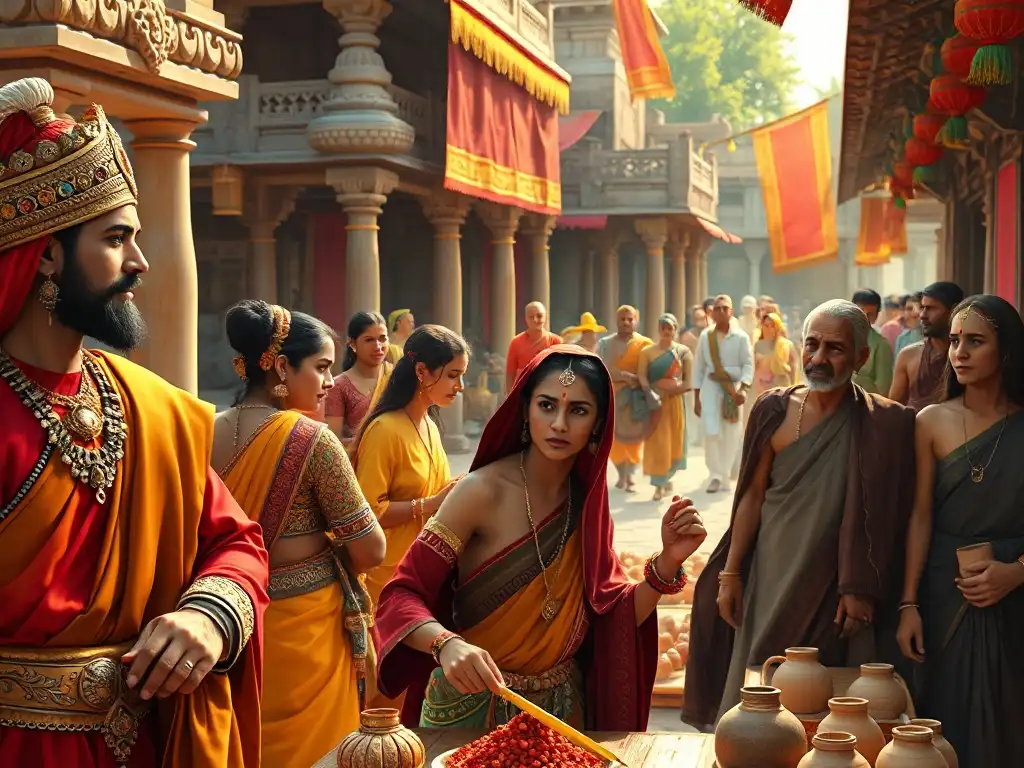
Welcome to Ancient India History, where we embark on an enthralling journey through time to uncover the rich tapestry of ancient Indian civilizations. From the groundbreaking innovations of the Indus Valley to the cultural zenith of the Gupta Empire, our exploration delves into the very essence of what shaped these remarkable societies. In today’s featured article, “Caste, Class, and Power: A Triad in Ancient Indian Society,” we invite you to unravel the complexities of the ancient Indian social hierarchy.
Discover how social structures influenced daily life, governance, and cultural practices, sparking questions that will deepen your understanding of this captivating era. Dive in and let the past ignite your curiosity!
- Introduction to Ancient Indian Social Hierarchy
- The Concept of Caste in Ancient Indian Society
- The Class Structure in Ancient India
- The Interplay of Caste, Class, and Power
- Evolution of the Caste and Class System
- Critiques and Reforms of the Caste System
- Conclusion: The Lasting Impact of Caste, Class, and Power
- Further Reading and Resources
- Frequently Asked Questions
- Final Reflection: Understanding the Legacy of Ancient Indian Social Hierarchy
- Unveil the Legacy: Take Action Today!
The social hierarchy of ancient India is a complex and multifaceted system that has shaped the lives of millions over centuries. Understanding the intricacies of this social structure provides invaluable insights into the daily lives, cultural practices, and power dynamics that characterized ancient Indian civilizations.
From the well-documented stratifications during the Indus Valley Civilization to the nuanced class systems of the Gupta Empire, the concept of caste and class played a pivotal role in determining one's social status, occupation, and relationships. This article delves into the triad of caste, class, and power, aiming to unravel the layers of ancient Indian social hierarchy and its lasting impact on society.
Overview of Ancient India
Ancient India is a tapestry woven from diverse cultures, religions, and social structures that evolved over millennia. The earliest known civilization, the Indus Valley Civilization (circa 3300–1300 BCE), laid the groundwork for urban planning and social organization, featuring advanced city layouts and trade networks. As societies transitioned through various eras, including the Vedic period (circa 1500–500 BCE) and the Maurya and Gupta Empires (circa 322 BCE–550 CE), the social fabric became increasingly intricate.
The Vedic texts introduced the concept of varna, which divided society into four main categories:
- Brahmins (priests and scholars)
- Kshatriyas (warriors and rulers)
- Vaishyas (traders and agriculturists)
- Shudras (laborers and service providers)
These categories not only defined occupational roles but also influenced social interactions and religious practices. Over time, this framework evolved into a more rigid caste system, known as jati, which further fragmented society into numerous sub-castes based on regional, occupational, and ritualistic factors.
Importance of Caste, Class, and Power Dynamics
The interplay of caste, class, and power in ancient Indian society was crucial for maintaining order and cohesion. The caste system dictated not just one's profession but also their social status, rights, and privileges. This stratification played a significant role in governance, with rulers often relying on the support of higher caste groups to legitimize their authority.
- Caste provided a framework for social organization, reinforcing norms and expectations within communities.
- Class distinctions, influenced by wealth and education, further complicated social relations, creating layers of privilege among the elite and those in lower strata.
- Power dynamics were evident in how different groups interacted, with Brahmins often holding significant sway in political and spiritual matters, while Kshatriyas managed military and administrative tasks.
Understanding these elements is key to grasping the broader implications of social hierarchy in ancient India, as they shaped not only individual lives but also the course of Indian history itself. The legacy of this social structure continues to resonate in contemporary society, making it a vital area of study for historians and sociologists alike.
The Concept of Caste in Ancient Indian Society
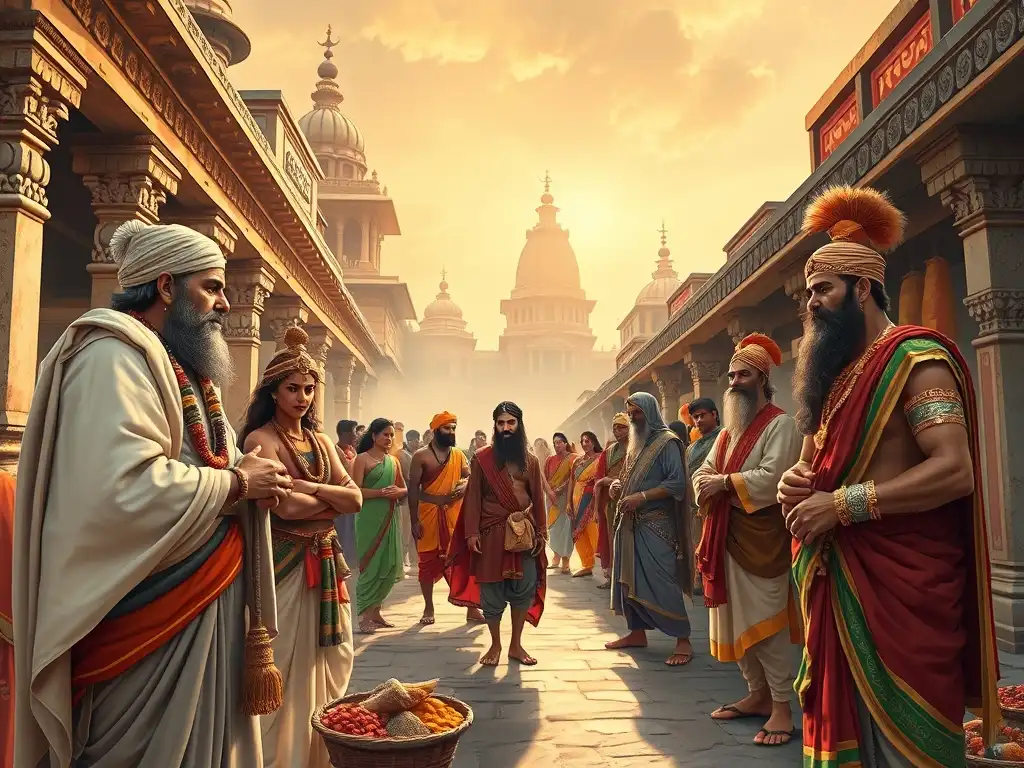
The intricate tapestry of ancient Indian society was woven with various threads, one of the most significant being the caste system. This system not only shaped social interactions but also influenced the political and economic landscapes of ancient India. To understand the nuances of the ancient Indian social hierarchy, we must delve into the definitions, origins, and religious influences that molded this complex structure.
Defining Caste: Varna and Jati
In ancient India, the caste system was primarily categorized into two significant frameworks: Varna and Jati.
- Varna: This term refers to the four-fold classification of society, which consists of:
- Brahmins: The priestly class, responsible for religious rituals and the preservation of sacred knowledge.
- Kshatriyas: The warrior and ruler class, tasked with governance and protection of the realm.
- Vaishyas: The merchant and agricultural class, engaged in trade and agriculture.
- Shudras: The laboring class, responsible for serving the above three varnas.
- Jati: This term denotes the sub-castes or groups that emerged within the broader varna framework. Jati classifications were more localized and varied significantly across regions. For example, within the Vaishya varna, one could find various jatis like traders, farmers, and artisans, each with specific roles and responsibilities.
This dual structure of Varna and Jati allowed for a nuanced understanding of social roles, which were often dictated by birth and occupation, leading to a complex yet organized societal framework.
Historical Origins of the Caste System
The origins of the caste system can be traced back to the Vedic period (approximately 1500-500 BCE), when the initial divisions were made based on occupational roles. The Rigveda, one of the oldest texts of Indian literature, hints at the early classification of society into different groups.
- Early Textual References: The Purusha Sukta hymn of the Rigveda describes the cosmic being (Purusha) from whose body the four varnas were created. This mythological perspective provides insight into how caste was perceived as divinely ordained.
- Post-Vedic Developments: Over time, with the rise of urban centers and increased social complexity, the rigidness of the caste system evolved. The emergence of new jatis, particularly during the Maurya and Gupta empires, reflected the changing economic and social dynamics. As trade flourished, new groups gained prominence, challenging traditional hierarchies.
- Regional Variations: The caste system was not uniform across ancient India. Different regions developed unique practices and variations of caste, influenced by local customs, economic activities, and interactions with other cultures. For instance, the Dravidian regions had distinct caste practices that often diverged from those in Aryan-dominated areas.
The Role of Religion in Caste Formation
Religion played a pivotal role in the formation and perpetuation of the caste system in ancient India. Religious texts and practices provided the ideological foundation that justified and maintained these social divisions.
- Hindu Scriptures: Texts such as the Manusmriti codified the duties and responsibilities associated with each varna and emphasized the importance of adhering to one's caste. This scripture delineated social norms and sanctioned the hierarchical structure, reinforcing the idea that one's caste was a reflection of previous lives and karma.
- Rituals and Social Mobility: Participation in religious rituals often dictated social mobility within the caste system. Higher castes engaged in elaborate rituals that reinforced their status, while lower castes had limited access to these practices. This created a cycle of social stratification, where caste identity became intertwined with spiritual purity and moral worth.
- Alternative Religious Movements: Despite the predominance of the caste system, various movements emerged that challenged its rigidity. Figures like Gautama Buddha and Mahavira advocated for equality and rejected caste-based discrimination, promoting a more inclusive approach to spirituality. These movements, while not fundamentally dismantling the caste system, introduced alternative ideologies that encouraged social reform.
The ancient Indian social hierarchy was a multifaceted system shaped by historical, religious, and cultural factors. Understanding the concept of caste, its origins, and the role of religion provides a clearer picture of how ancient Indian society functioned and the lasting impact of these social structures on contemporary India.
The Class Structure in Ancient India
Understanding Class Distinctions
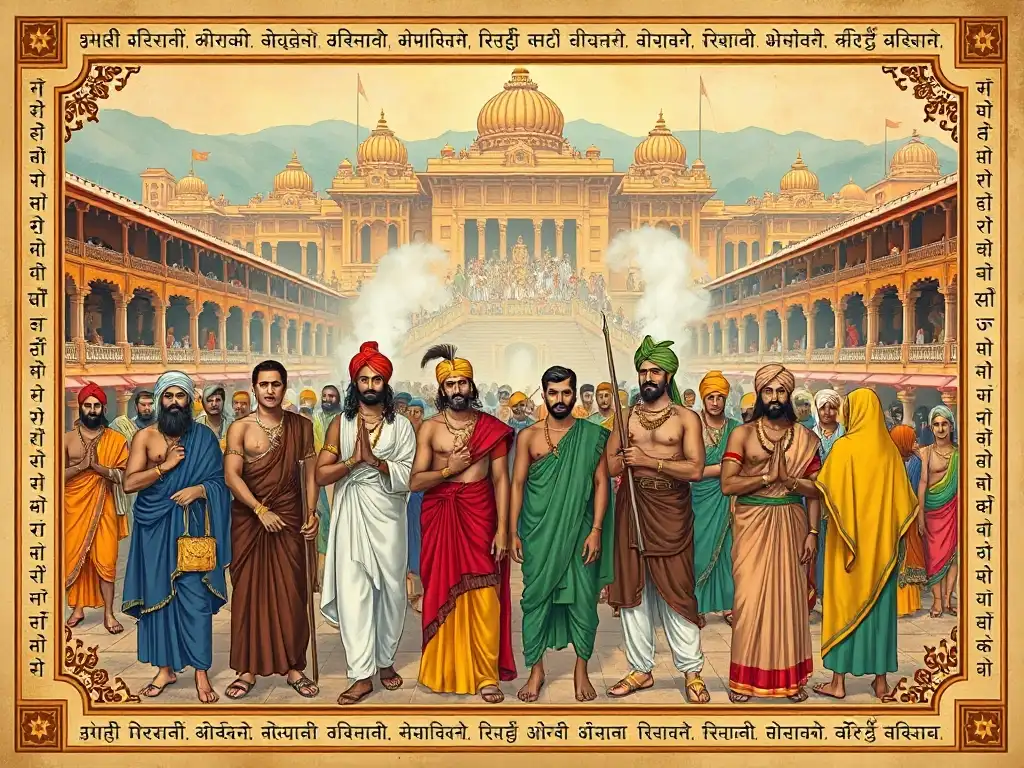
The ancient Indian social hierarchy was characterized by a complex system of class distinctions that played a pivotal role in shaping society. Unlike a simple caste system, the class structure in ancient India was multifaceted, encompassing various social roles, responsibilities, and privileges. This framework allowed for a diverse range of occupations and social interactions, which were influenced by factors such as region, economy, and historical context.
Central to the understanding of class distinctions is the recognition that these roles were not solely defined by birth. While many individuals inherited their family’s social status, there were instances where personal merit and achievements could alter one's position within the hierarchy. This flexibility, although limited, introduced a dynamic aspect to the ancient Indian social framework.
The class structure was intricately linked to the Varna system, which categorized society into four main groups. While these categories provided a foundation for social order, it is essential to understand that the actual social practices were more nuanced and varied across different regions and time periods.
Major Classes in Ancient Indian Society
Ancient Indian society was broadly divided into four major classes, each with distinct roles and responsibilities. These classes, while often referred to as Varnas, were further stratified into numerous sub-castes or jatis, which reflected local customs and practices.
The Brahmins: Priests and Scholars
The Brahmins were the highest class in the ancient Indian social hierarchy, primarily responsible for religious rituals, teaching, and maintaining sacred knowledge. They were revered as the custodians of the Vedas and other sacred texts, and their influence extended into various domains, including politics and education.
- Roles and Responsibilities:
- Conducting religious ceremonies and sacrifices
- Educating the youth in spiritual and philosophical matters
- Serving as advisors to kings and rulers
The Brahmins enjoyed significant privileges, including land grants and tax exemptions, which solidified their status. Their position was characterized by a deep commitment to preserving cultural and spiritual traditions, making them essential to the continuity of ancient Indian civilization.
The Kshatriyas: Warriors and Rulers
The Kshatriyas formed the warrior class, tasked with the protection and governance of the realm. They were responsible for upholding justice, leading armies, and engaging in warfare to defend their territories.
- Roles and Responsibilities:
- Governing kingdoms and administering justice
- Protecting subjects from external threats
- Engaging in warfare and military training
Kshatriyas were often seen as the embodiment of valor and strength, and their status was reinforced through martial prowess. They played a crucial role in the political landscape of ancient India, often engaging in alliances and conflicts that shaped regional dynamics.
The Vaishyas: Merchants and Landowners
The Vaishyas were primarily engaged in agriculture, trade, and commerce. This class formed the backbone of the economy, contributing to the wealth and prosperity of ancient Indian society.
- Roles and Responsibilities:
- Cultivating land and managing agricultural production
- Engaging in trade and commerce, both locally and internationally
- Accumulating wealth and resources to support societal needs
Vaishyas held a vital position within the social hierarchy, as their economic activities funded various cultural and religious endeavors. Their contributions were essential for the sustenance of the broader society, allowing for the flourishing of arts, crafts, and trade.
The Shudras: Laborers and Servants
The Shudras represented the lowest class in the ancient Indian social hierarchy, primarily tasked with serving the other three classes. They engaged in various forms of manual labor, domestic service, and crafts, playing a crucial role in the daily functioning of society.
- Roles and Responsibilities:
- Performing labor-intensive tasks in agriculture and construction
- Providing services to higher classes, including domestic work
- Engaging in craftsmanship and skilled trades
Despite their essential contributions, Shudras often faced social stigma and limited opportunities for upward mobility. Their position within the hierarchy underscored the inequalities present in ancient Indian society, highlighting the complexities of the social structure that defined this era.
The ancient Indian social hierarchy, with its intricate class distinctions, remains a significant aspect of the study of ancient Indian history. Understanding these classes provides insight into the cultural, economic, and political dynamics that shaped one of the world's earliest civilizations.
The Interplay of Caste, Class, and Power
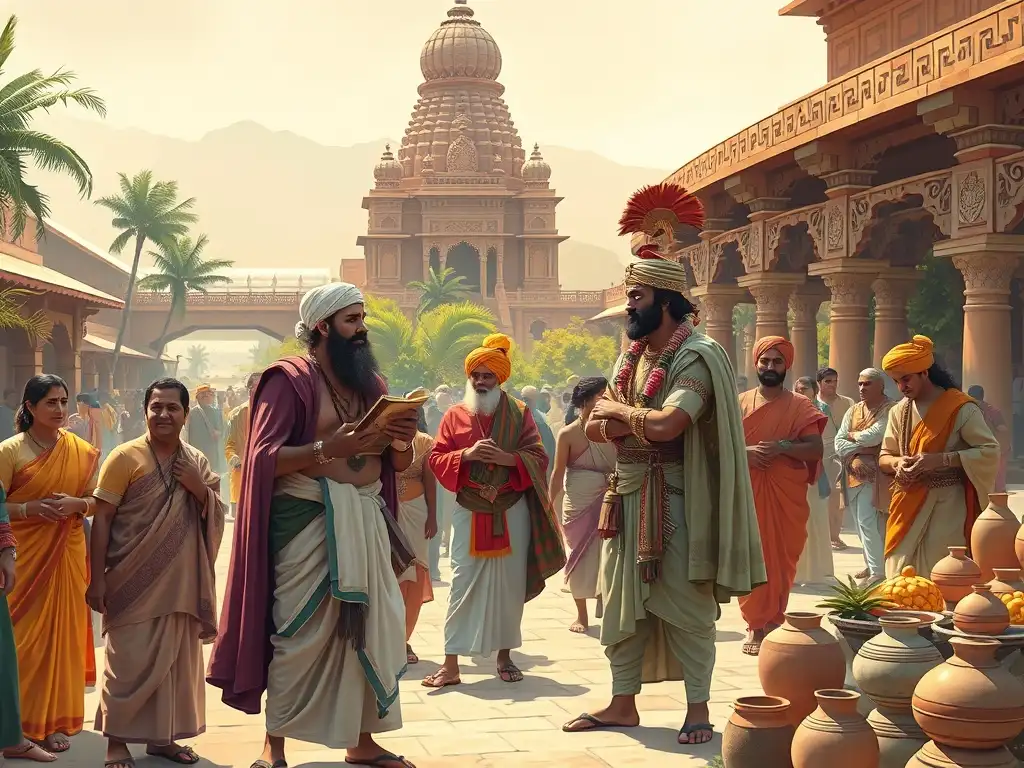
The intricate relationship between caste, class, and power in ancient Indian society forms the backbone of its social hierarchy. This triad not only shaped individual identities but also influenced the broader socio-political landscape. The caste system, as a rigid social stratification, was deeply intertwined with class distinctions, which were often fluid and based on factors such as wealth, occupation, and influence. Understanding this interplay is essential for comprehending the complexities of ancient Indian social hierarchy.
Caste played a pivotal role in determining social power dynamics throughout ancient India. The system was primarily divided into four major categories, known as varnas: Brahmins (priests and scholars), Kshatriyas (warriors and rulers), Vaishyas (traders and agriculturists), and Shudras (laborers and service providers). Each caste had prescribed duties and societal roles, which significantly influenced their power and status within the community.
- Religious Authority: Brahmins held considerable sway due to their control over religious practices and knowledge. They were seen as intermediaries between the divine and the mortal, granting them not only spiritual authority but also social prestige. This influence allowed them to shape societal values and norms.
- Political Influence: Kshatriyas, as rulers and warriors, wielded power through military strength and governance. Their status enabled them to enact laws and protect their realms, often leading to alliances and conflicts with other powerful families or kingdoms.
- Economic Control: The Vaishyas, who were primarily involved in trade and agriculture, played a crucial role in the economy. Their wealth allowed them to gain influence, sometimes rivaling the traditional power held by Kshatriyas and Brahmins.
- Social Mobility: While the caste system was predominantly rigid, certain periods saw migration and economic success leading to a degree of social mobility, particularly among the Vaishyas and even some Shudras. This fluidity, though limited, occasionally allowed individuals to rise in status, thereby challenging the established power dynamics.
The Political Implications of Caste and Class
The political landscape of ancient India was significantly shaped by the caste and class systems. The intertwining of these two elements influenced governance, law, and societal cohesion.
- Dynastic Politics: Many dynasties leveraged the caste system to legitimize their rule. For instance, the Mauryan Empire established a centralized administration that integrated various castes into the governance structure, ensuring loyalty and stability. This approach helped maintain order and facilitated the integration of diverse communities within a vast empire.
- Legislation and Social Order: Ancient texts, such as the Manusmriti, provided legal frameworks that reinforced caste distinctions. These texts often dictated the rights and responsibilities of each caste, influencing both daily life and governance. The adherence to these codes was vital for maintaining social order and avoiding unrest.
- Coalitions and Conflicts: Caste affiliations often played a critical role in forming political alliances. Marriages between different caste families could strengthen political ties, while conflicts could arise when caste interests were threatened. For example, the rise of the Gupta Empire saw the consolidation of power through strategic marriages across various castes, enhancing their political legitimacy and stability.
Case Studies: Power Structures in Different Dynasties
To illustrate the dynamics of caste, class, and power, several key dynasties in ancient India provide valuable insights into how these elements interacted in practice.
| Dynasty | Caste Structure | Power Dynamics |
|---|---|---|
| Maurya | Integration of castes | Centralized power with diverse representation |
| Gupta | Brahmin dominance | Cultural and religious consolidation, patronage of arts |
| Chola | Merchant influence | Economic power led to political strength and regional control |
| Mughal | Fluid class distinctions | Co-optation of local elites and integration of diverse communities |
- Maurya Dynasty: The Mauryan Empire is notable for its attempts to integrate various castes into its administrative framework, which not only unified the vast empire but also ensured loyalty from different social groups. This integration was crucial for maintaining control over a diverse population.
- Gupta Empire: The Gupta period is often referred to as the "Golden Age" of India, marked by significant advancements in art, science, and culture. The Brahmin class played a central role in this era, with the establishment of a cultural hegemony that reinforced their power and status.
- Chola Dynasty: The Cholas exemplified the importance of economic power in political structures. The merchant class gained significant influence, leading to a unique power dynamic where wealth could translate into political authority.
- Mughal Empire: The Mughals demonstrated a more fluid approach to caste and class, often co-opting local elites from various castes to strengthen their rule. This strategy not only facilitated governance but also contributed to a rich tapestry of cultural exchange within their realms.
The interplay of caste, class, and power in ancient Indian society was complex and dynamic, significantly influencing social hierarchies and political structures. Understanding these relationships is crucial for grasping the nuances of ancient Indian history and its lasting impact on contemporary society.
Evolution of the Caste and Class System
Changes Over Time: From Vedic Period to Gupta Empire
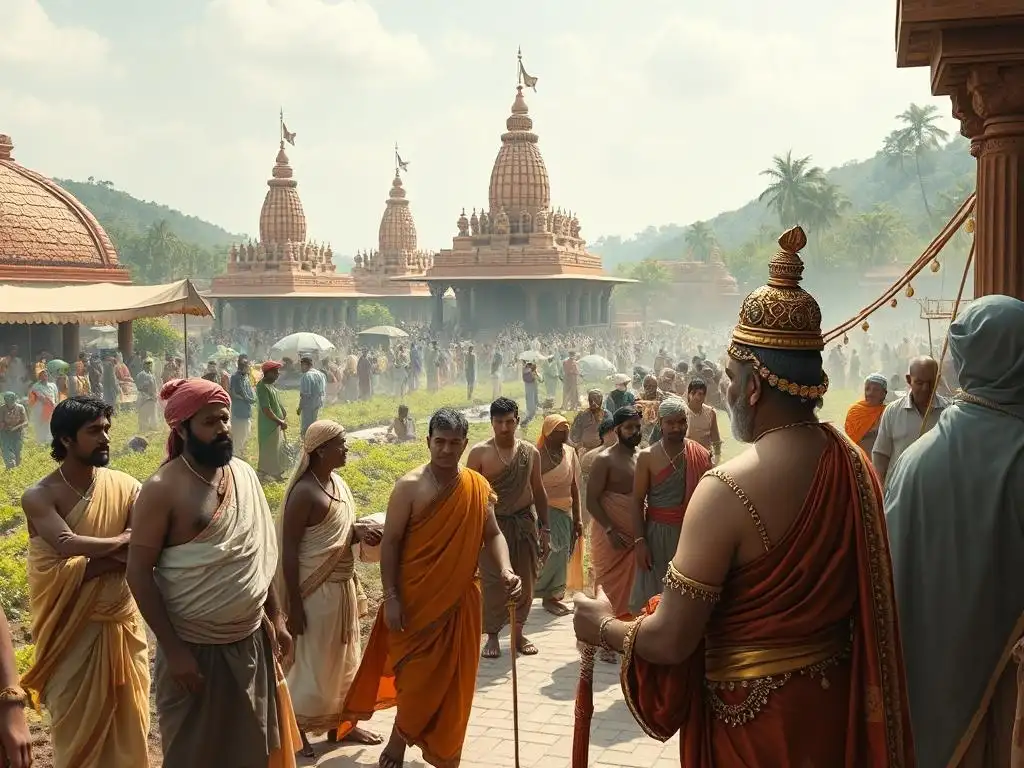
The evolution of the ancient Indian social hierarchy is a complex narrative that spans several centuries, marked by significant transformations from the Vedic period to the Gupta Empire. Initially, during the Vedic period (circa 1500-500 BCE), society was organized around a relatively fluid structure, primarily based on occupational roles rather than strict hereditary lines. The four primary varnas (social groups) identified in the Rigveda—Brahmins (priests), Kshatriyas (warriors), Vaishyas (merchants), and Shudras (laborers)—provided a foundational framework for understanding social organization.
As time progressed, particularly during the later Vedic period, the rigidification of these categories began to take shape. The emergence of jatis (sub-castes) introduced a more granular classification based on specific professions, leading to an increasingly complex social stratification system. This trend continued into the Mauryan period (circa 322-185 BCE) and further solidified during the Gupta Empire (circa 320-550 CE).
Under Gupta rule, the social hierarchy became more pronounced, with the jati system expanding and intertwining with the varna framework. This era saw the codification of rules surrounding marriage, occupation, and daily conduct, which were often enforced through religious texts like the Manusmriti. As a result, the ancient Indian social hierarchy became deeply entrenched, influencing individual identities and community structures for centuries to come.
Influence of External Cultures on Caste and Class
The ancient Indian social hierarchy did not develop in isolation; rather, it was significantly influenced by external cultures and interactions. Trade, conquests, and migrations brought diverse groups into contact with Indian society, leading to exchanges that impacted the caste and class dynamics.
For instance, the arrival of the Indo-Aryans introduced new cultural practices and religious beliefs that integrated with existing local traditions. Additionally, the spread of Buddhism and Jainism during the 6th century BCE challenged the prevailing norms of the caste system, advocating for social equality and individual merit over hereditary status. This ideological shift prompted some segments of society to reassess their positions within the rigid hierarchy.
During the Gupta Empire, increased interactions along the Silk Road led to the influx of Hellenistic influences, which further diversified social practices. The incorporation of foreign merchants and settlers into the Indian social fabric necessitated adaptations in the caste system, as new professions emerged and traditional roles were redefined. This dynamic interplay between indigenous customs and external influences contributed to the fluidity of the ancient Indian social hierarchy, allowing for changes that would resonate throughout history.
Economic conditions played a pivotal role in shaping the ancient Indian social hierarchy and facilitating social mobility. The agrarian economy, prevalent during much of this period, provided a basis for wealth accumulation and social status. Land ownership, in particular, became a significant determinant of caste and class positioning. Wealthy landowners, often belonging to the Kshatriya or Vaishya varnas, enjoyed elevated social status, while those without land, particularly Shudras, remained marginalized.
However, as trade routes expanded and urban centers flourished, new economic opportunities emerged, allowing for upward mobility among certain jatis. Merchants and artisans, for instance, could accumulate wealth and influence, challenging traditional hierarchies. The rise of urbanization during the Gupta period saw a burgeoning middle class, where economic success began to transcend rigid caste boundaries.
Moreover, the patronage of arts, education, and religious institutions by wealthy individuals contributed to shifts in societal power dynamics. The ability to fund temples or support scholars could elevate one's status, irrespective of their caste origin.
While the ancient Indian social hierarchy was often perceived as rigid and unchanging, it was, in fact, a dynamic construct influenced by historical developments, external cultures, and economic factors, allowing for varying degrees of social mobility and transformation over time.
Critiques and Reforms of the Caste System
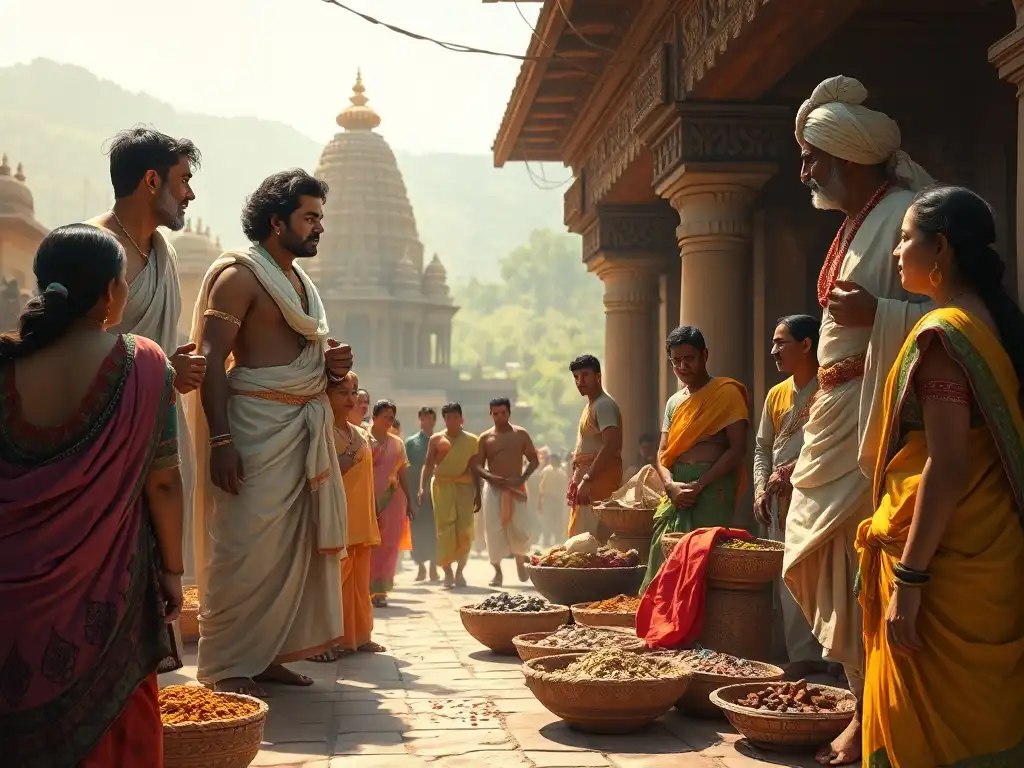
The caste system in ancient India has been a subject of extensive critique and reform throughout its history. While it served to organize society into distinct groups based on occupation and social status, it also led to discrimination and social stratification. This section explores the historical reactions to the caste hierarchy, key figures of reform, and the legacy of caste and class in contemporary Indian society.
Historical Reactions to the Caste Hierarchy
Throughout history, various thinkers and movements have emerged to challenge the rigid structures of the caste system. The critiques can be broadly categorized into religious, social, and political reactions.
- Religious Critiques:
- Buddhism and Jainism: Both religions arose as reactions to the prevailing Vedic traditions that upheld the caste hierarchy. Buddhism, founded by Siddhartha Gautama (Buddha), emphasized samsara (the cycle of rebirth) and karma (the law of cause and effect), arguing that spiritual liberation was accessible to all, regardless of caste. Jainism similarly promoted the idea of equality and non-violence, rejecting the caste-based discrimination prevalent in society.
- Social Movements:
- Bhakti Movement: Emerging in the medieval period, the Bhakti Movement sought to transcend caste divisions through devotion to a personal god. Saints such as Kabir and Mira Bai emphasized love and devotion over caste identity, advocating for a more egalitarian social order.
- Sufi Influence: Sufism also played a significant role in promoting equality among followers, often blurring the lines of caste distinction through communal worship and shared spiritual practices.
- Political Resistance:
- Revolts and Uprisings: Various uprisings, such as the Revolt of 1857, saw participation from different caste groups united against colonial oppression. These movements highlighted the potential for social solidarity across caste lines.
Key Figures in Caste Reform Movements
Numerous influential figures emerged in the modern era to challenge and reform the caste system, advocating for social justice and equality. Some of the most notable include:
- Jyotirao Phule (1827-1890): A prominent social reformer, Phule criticized the caste system and advocated for the rights of the lower castes, especially women. He founded the Satyashodhak Samaj in 1873 to promote education and social equality.
- B. R. Ambedkar (1891-1956): As the principal architect of the Indian Constitution, Ambedkar was a fierce critic of caste discrimination. He championed the rights of the Dalits (formerly known as "untouchables") and called for their social and political empowerment. Ambedkar's conversion to Buddhism in 1956 symbolized a rejection of the caste system and a quest for equality.
- E. V. R. Periyar (1879-1973): A radical social reformer, Periyar founded the Self-Respect Movement, advocating for the rights of the lower castes and promoting rationalism and gender equality. His efforts aimed to dismantle the caste hierarchy and empower marginalized communities.
Legacy of Caste and Class in Modern Indian Society
The legacy of the ancient Indian social hierarchy continues to influence contemporary Indian society, manifesting in various forms.
- Social Stratification: Despite legal measures to abolish caste discrimination, social stratification persists, affecting access to education, employment, and political representation. The concept of reservations (affirmative action) for Scheduled Castes and Scheduled Tribes has been implemented to address historical injustices, although it remains a contentious issue.
- Cultural Identity: Caste still plays a significant role in shaping cultural identities, influencing marriage practices, community affiliations, and social interactions. Many communities celebrate their unique traditions while grappling with the implications of caste-based identities.
- Political Dynamics: The caste system has also influenced political alignments, with various political parties mobilizing support based on caste identities. This has led to both empowerment of marginalized groups and, at times, exacerbation of caste-based tensions.
The critique and reform of the caste system highlight a complex interplay between tradition and progress, reflecting ongoing struggles for equality and social justice in modern India. As society continues to evolve, the dialogue surrounding caste and class remains crucial in shaping a more inclusive future.
Conclusion: The Lasting Impact of Caste, Class, and Power
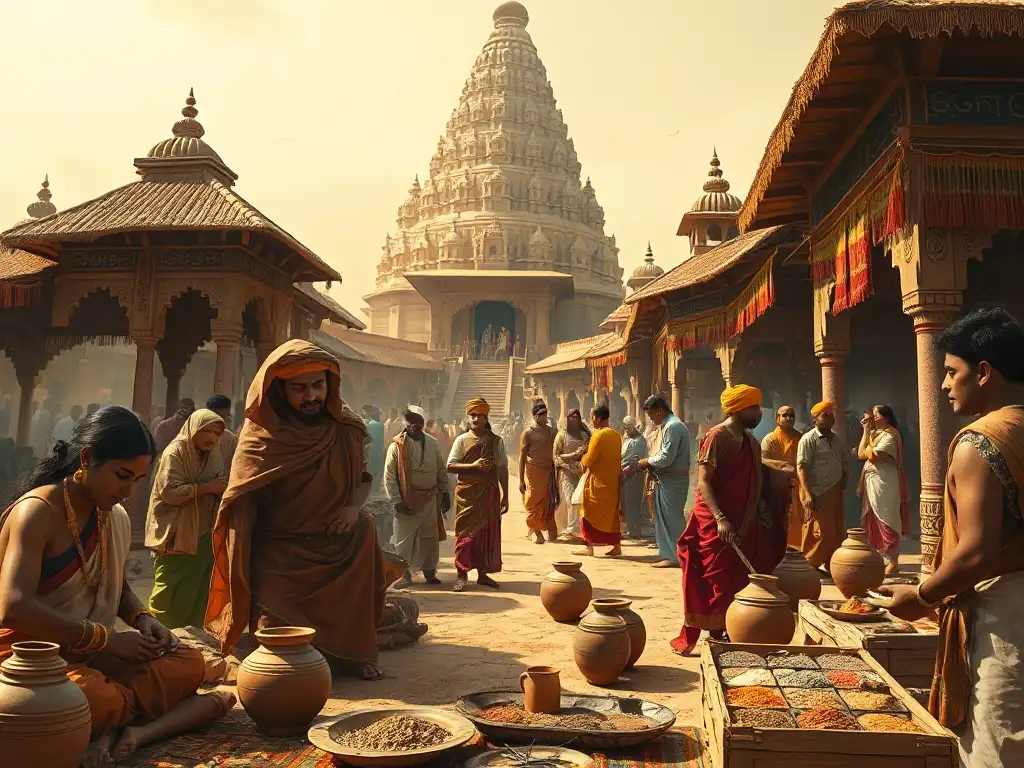
The ancient Indian social hierarchy was a complex system that intricately intertwined caste and class, exerting significant influence on daily life and social interactions. Key points include:
- Varna System: The foundational structure of ancient Indian society, categorizing individuals into four primary groups—Brahmins (priests and scholars), Kshatriyas (warriors and rulers), Vaishyas (traders and agriculturists), and Shudras (laborers and service providers). Each varna had specific duties (dharma) and responsibilities.
- Jati System: A more localized and intricate subdivision of the varna system, comprising thousands of sub-castes (jatis) that emerged based on occupation, region, and social status. This system allowed for greater flexibility and adaptation to local contexts while maintaining overarching hierarchical principles.
- Power Dynamics: The interplay between caste and class significantly influenced social mobility and power distribution in ancient India. Higher castes often held political and economic power, while lower castes faced social restrictions and discrimination, shaping societal structures and interactions.
- Religious and Cultural Impacts: The caste system was reinforced by religious texts, including the Vedas and Dharma Shastras, which codified the roles and duties of each caste. Cultural practices, rituals, and social norms were also deeply influenced by the caste hierarchy, contributing to a rich tapestry of ancient Indian culture.
- Economic Interactions: Trade and economic activities were also stratified, with specific castes taking on roles in commerce and agriculture, reflecting the interdependence of caste and economic status in ancient Indian society.
Reflection on the Relevance of Ancient Structures Today
The caste system, while officially abolished in modern India, continues to have a profound impact on contemporary society. The historical framework of the ancient Indian social hierarchy is still relevant in several ways:
- Social Identity: Many individuals in modern India identify with their caste, which can influence social interactions, marriage, and community affiliations. This enduring identity illustrates how deeply entrenched the notions of caste remain in the collective consciousness.
- Political Landscape: Caste politics plays a crucial role in contemporary Indian elections, with political parties often mobilizing support based on caste affiliations. This reflects the continued significance of caste in shaping political power and representation.
- Economic Disparities: Historical inequalities rooted in the caste system have led to persistent economic disparities among different groups. Despite affirmative action policies, many lower castes still face socioeconomic challenges, highlighting the long-term effects of ancient social structures.
- Cultural Practices: Traditional customs and rituals associated with specific castes still influence many aspects of daily life, from festivals to dietary practices. These cultural legacies are a testament to the enduring nature of caste in shaping community life.
The ancient Indian social hierarchy, characterized by a complex interplay of caste, class, and power, has left an indelible mark on modern society. Understanding these historical frameworks provides valuable insights into the ongoing challenges and dynamics within contemporary India.
Further Reading and Resources
-
The Caste System in India: A Historical Perspective by Dr. R. S. Sharma
This book delves into the origins and evolution of the caste system in ancient India, providing a comprehensive analysis of its socio-economic implications throughout various periods.
-
Caste and Class in India: A Study of Social Structure by Dr. S. M. Bhat
Dr. Bhat's work explores the intricate relationship between caste and class, offering insights into how these two concepts have shaped ancient Indian society and influenced power dynamics.
-
Ancient Indian Society: Caste and Society in Historical Perspective by Dr. Meera Kumar
This book examines the role of caste in ancient Indian society, focusing on how social hierarchy influenced daily life, governance, and cultural practices.
-
The Origins of Indian Caste: Theories and Evidence by Dr. Anjali Verma
Dr. Verma provides an analysis of various theories surrounding the origins of the caste system, supplemented with archaeological and literary evidence that paints a vivid picture of ancient Indian social hierarchy.
-
History of Ancient India: From the Earliest Times to the Present by Dr. Romila Thapar
This extensive history book provides context to the social structures of ancient India, including a detailed examination of the caste system and its evolution over time.
Academic Journals and Articles for In-Depth Study
-
"The Dynamics of Caste in Ancient India" - Journal of Historical Sociology
This article analyzes the changing dynamics of caste relationships during key historical events, highlighting how political shifts affected the ancient Indian social hierarchy.
-
"Caste and Power Relations in Early Indian States" - Indian Historical Review
This study investigates how caste systems influenced governance and power distribution in early states of ancient India, providing case studies from various regions.
-
"Revisiting the Caste System: A Socio-Economic Analysis" - Economic and Political Weekly
This research paper discusses the economic implications of the caste system, focusing on how it shaped ancient Indian trade, labor, and class mobility.
-
"Caste, Class, and the Politics of Identity in Ancient India" - Journal of South Asian Studies
This article explores the intersectionality of caste and class, examining how identities were formed and redefined within the context of ancient Indian society.
-
"Caste System in Ancient India: A Historical Overview" - Asian Journal of Social Science
This overview article provides a succinct yet detailed examination of the historical development of the caste system, addressing its roots and transformations throughout ancient Indian history.
Frequently Asked Questions
The ancient Indian social hierarchy refers to a structured system of social stratification, primarily defined by the caste system, which influenced people's roles, occupations, and interactions.
How did the caste system impact ancient Indian society?
The caste system created a rigid framework that determined social status, occupational roles, and marriage prospects, significantly shaping the cultural and social dynamics of ancient India.
What were the main castes in ancient Indian society?
The primary castes included the Brahmins (priests and scholars), Kshatriyas (warriors and rulers), Vaishyas (traders and agriculturists), and Shudras (laborers and service providers), each with specific duties and privileges.
During the Gupta Empire, the social hierarchy became more pronounced, with an emphasis on Brahmanical authority and the codification of varna systems, leading to increased social stratification.
What role did power dynamics play in ancient Indian society?
Power dynamics in ancient India were closely linked to the social hierarchy, where political power often aligned with caste status, influencing governance, economic control, and social relations across the civilization.
The intricate web of caste, class, and power in ancient Indian society continues to resonate in today's world, reminding us that social hierarchies are not merely historical artifacts but living realities that shape our interactions and institutions. As we navigate the complexities of modern society, it is crucial to recognize how the foundations laid in ancient times still influence contemporary social dynamics, often perpetuating inequalities that demand our attention and action.
The enduring impact of ancient Indian social hierarchy is evident in the ongoing discussions surrounding caste and class in contemporary India and beyond. The structures established centuries ago have evolved but remain deeply embedded in societal norms, affecting access to resources, education, and opportunities. The past is never dead. It's not even past.
– William Faulkner. This quote underscores the importance of acknowledging our history, as it continues to inform our present and future, urging us to confront the legacies of power and privilege that still exist today.
As we reflect on the lessons from ancient Indian society, let us challenge ourselves to dismantle the remnants of these hierarchies in our own lives. Consider how you can contribute to a more equitable society by advocating for inclusivity and understanding, recognizing the value of every individual beyond the constraints of caste and class. By engaging in this critical reflection and action, we can honor the complexities of our past while paving the way for a more just and harmonious future.
Unveil the Legacy: Take Action Today!
Thank you for joining us on this journey through the complexities of ancient Indian society. You've gained insights into the intricate relationships between caste, class, and power. Now, it’s time to put that knowledge into action!
Here are a few steps you can take to deepen your understanding and share this fascinating history:
- Dive Deeper into the topic by reading about specific dynasties and their impact on class structures. Explore resources on ancient texts that can enrich your perspective.
- Share Your Insights with friends or on social media. Engaging in discussions helps spread awareness and cultivates a richer understanding of our shared history.
- Join Our Community! Participate in our forums where you can discuss your thoughts and learn from others who are passionate about ancient Indian history.
What aspect of ancient Indian society intrigues you the most, and how do you think it shapes our modern understanding of social structures?