
The Artistic Fusion: How Indian Motifs Inspired Greek Art

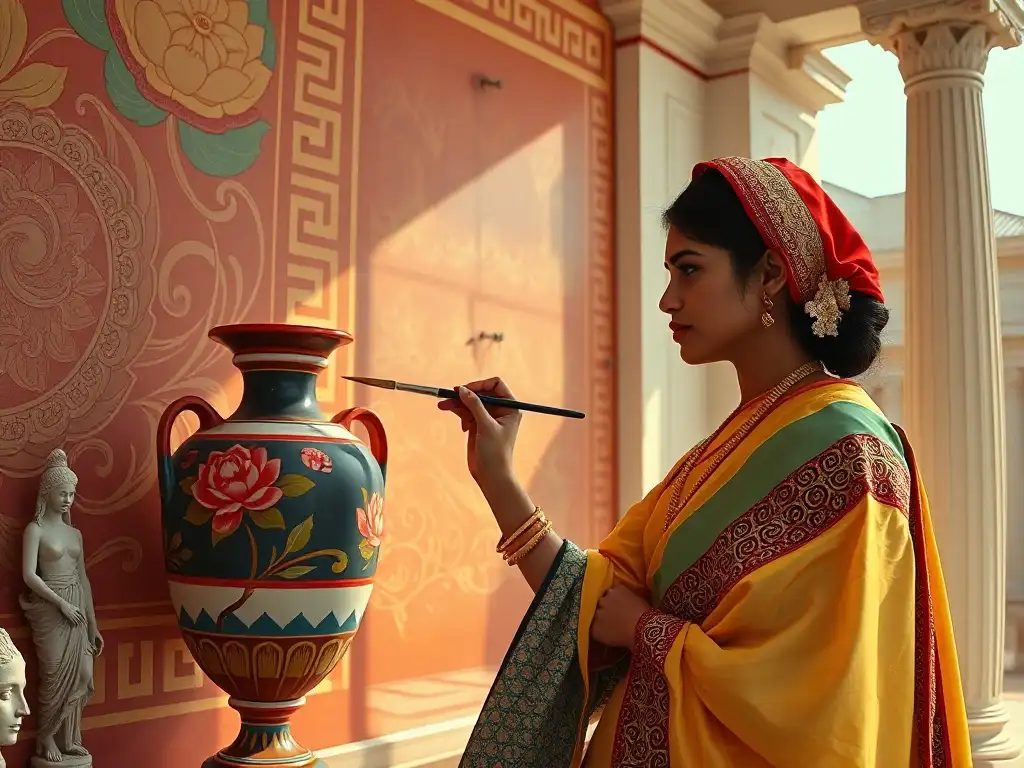
Welcome to Ancient India History, where we embark on a thrilling journey through the vibrant tapestry of India's past. Our exploration unveils the fascinating interactions with other civilizations, revealing how the elegance of Indian motifs in Greek art serves as a testament to the profound cultural exchanges that shaped ancient societies. Curious about how these artistic influences unfolded? Join us as we delve into the captivating story of artistic fusion and discover the remarkable connections that define our shared history. Your adventure through the wonders of ancient India awaits!
Introduction to Indian Motifs in Greek Art
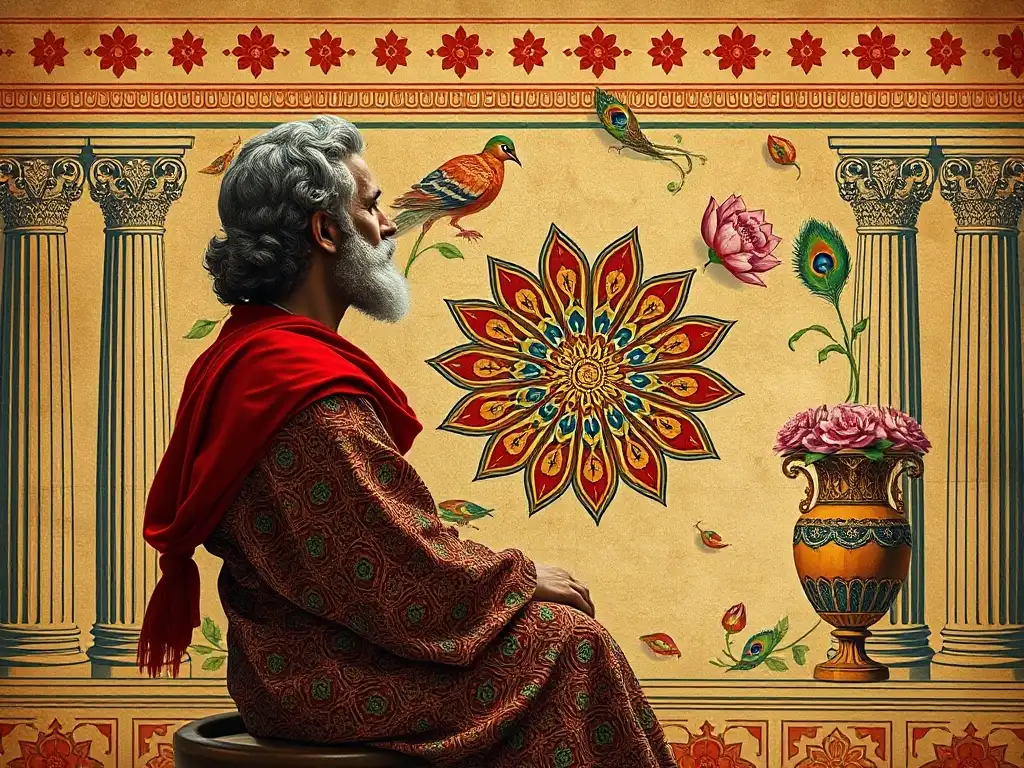
The interplay between diverse cultures has long been a subject of fascination, particularly when examining the artistic expressions that emerge from such interactions. One of the most significant yet often overlooked relationships in ancient history is that between Indian and Greek civilizations. This article delves into the captivating artistic fusion that occurred as Indian motifs found their way into Greek art, highlighting how these motifs enriched Greek aesthetics and provided new narratives. By exploring the profound influence of Indian culture on Greek artistic practices, we can appreciate the dynamic exchanges that shaped the visual landscapes of both civilizations.
Overview of Indian Motifs
Indian motifs are characterized by intricate designs and symbolic representations that reflect the spiritual, natural, and social aspects of life in ancient India. These motifs often include:
- Floral Patterns: Representing nature's beauty and fertility.
- Geometric Shapes: Signifying order and harmony.
- Mythological Figures: Depicting deities and legendary creatures.
These elements not only served decorative purposes but also conveyed deeper meanings, often rooted in philosophical and religious beliefs. For instance, the lotus flower symbolizes purity and enlightenment, while the peacock represents grace and beauty. As Indian artisans honed their skills over centuries, these motifs evolved, becoming emblematic of the rich cultural tapestry of the subcontinent.
Significance of Greek Art in Ancient History
Greek art, renowned for its emphasis on realism, proportion, and harmony, played a pivotal role in shaping Western artistic traditions. From the classical sculptures of the Parthenon to the intricate pottery designs, Greek art sought to capture the human experience and the beauty of the world. Its significance lies in several key areas:
- Cultural Identity: Greek art was a reflection of the values and philosophies of its time, encapsulating the ideals of democracy, heroism, and the human condition.
- Influence on Later Art Movements: The principles established by Greek artists have profoundly influenced subsequent art movements, including the Renaissance and Neoclassicism.
- Symbolism and Narrative: Greek artworks often conveyed complex narratives through symbolism, making them rich sources of historical and cultural insight.
In exploring how Indian motifs were integrated into this context, it becomes clear that the fusion of these two rich artistic traditions resulted in a unique visual language that enriched both cultures.
Historical Context of Indian-Greek Relations
The relationship between India and Greece, particularly during the Hellenistic period, was shaped by various factors including trade, diplomacy, and cultural exchange. This historical context is crucial for understanding how Indian motifs made their way into Greek art.
Trade Routes Between India and Greece
The establishment of trade routes, such as the Silk Road and maritime pathways, facilitated not only the exchange of goods but also ideas and artistic influences. Key points include:
- Silk Road: A network of trade routes connecting Asia with Europe, enabling the flow of silk, spices, and art.
- Maritime Trade: Sea routes that linked Indian ports with Greek cities, promoting cultural interactions and the exchange of artistic techniques.
Through these routes, Indian artisans and traders brought their motifs, textiles, and craftsmanship to the Hellenistic world, creating a platform for artistic dialogue.
Cultural Exchange During the Hellenistic Period
The Hellenistic period, marked by the conquests of Alexander the Great, catalyzed extensive cultural exchanges between East and West. This era witnessed:
- Intermingling of Cultures: The spread of Hellenistic culture into India and vice versa, resulting in a synthesis of artistic styles.
- Influence on Artistic Techniques: Greek artists began incorporating Indian motifs into their works, leading to a unique fusion that reflected the diverse influences of the time.
The blending of Indian motifs with Greek artistic traditions not only enriched the aesthetic experience but also served as a testament to the interconnectedness of ancient civilizations. This fusion paved the way for a new artistic vocabulary that celebrated the best of both worlds.
Key Indian Motifs Influencing Greek Art
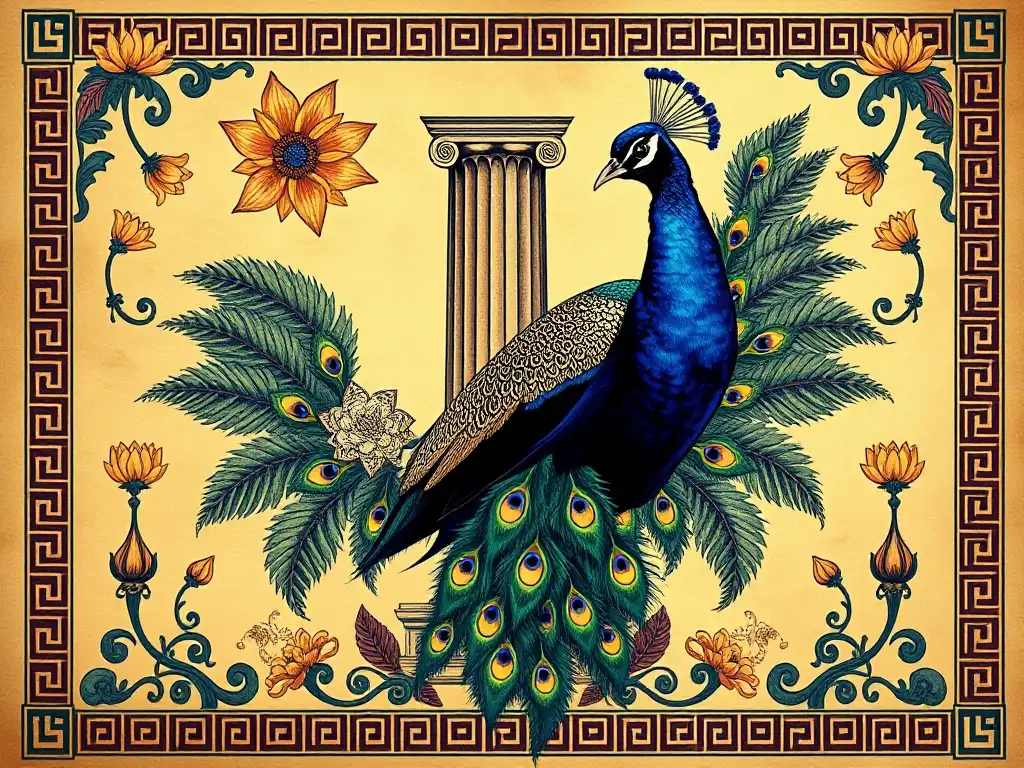
The exchange of artistic ideas between ancient India and Greece resulted in a unique fusion of styles that enriched both cultures. Indian motifs, characterized by their intricate designs and deep symbolism, found their way into Greek art, leading to a creative interplay that shaped the visual language of the Hellenistic world. This section delves into the specific motifs and elements that influenced Greek artists, showcasing how Indian aesthetics were integrated into their works.
Geometric Patterns and Designs
One of the most significant contributions of Indian art to Greek aesthetics is the use of geometric patterns and designs. Indian artisans developed a rich vocabulary of geometric motifs, including intricate lattices, spirals, and tessellations, which were often used in textiles and architectural decorations. These patterns not only served decorative purposes but also symbolized cosmic order and harmony.
Greek artists began to adopt these geometric forms, incorporating them into their own works. For example, the use of repetitive patterns in the borders of vases and friezes became more prevalent during the Hellenistic period, reflecting an Indian influence. The popularity of these designs can be seen in the pottery found in Mediterranean regions, where the intermingling of cultures led to a vibrant artistic dialogue.
Symbolism of Nature: Flora and Fauna
Nature has always played a crucial role in art, and Indian motifs often feature rich representations of flora and fauna. The lotus, peacock, and elephant are prominent symbols in Indian art, each imbued with various meanings, such as purity, beauty, and strength. These motifs conveyed deeper philosophical ideas and were deeply rooted in Indian spirituality.
Greek artists, influenced by these natural motifs, began to incorporate similar elements into their sculptures and paintings. The depiction of exotic animals and plants in Greek art, especially during the Hellenistic period, reflects this cross-cultural exchange. For instance, the use of the lotus in Greek sculptures can be traced back to Indian artistic traditions, showcasing how these symbols transcended geographical boundaries.
Use of Mythological Elements
Indian mythology, rich with deities and epic tales, has profoundly influenced various cultures, including Greek art. The narratives surrounding figures like Krishna and Shiva, filled with adventure and moral lessons, resonated with the Greek penchant for storytelling through art.
Greek artists began to explore similar mythological themes, adapting Indian stories to fit their artistic frameworks. This blending can be seen in sculpture and pottery that feature blended mythological figures, combining characteristics from both cultures. The adaptation of Indian motifs in Greek mythology illustrates the dynamic interplay between these two ancient civilizations and their shared appreciation for the narrative power of art.
Case Studies of Indian Motifs in Greek Art
To understand the depth of Indian influence on Greek art, examining specific case studies reveals the tangible impact of Indian motifs on Hellenistic works. These instances highlight how the integration of Indian aesthetics enriched Greek artistic expression.
The Influence of Indian Sculpture on Greek Statues
The sculptural traditions of ancient India, particularly the detailed representations of human and divine forms, had a significant impact on Greek sculpture. Indian statues often displayed a level of detail and emotional expression that was less common in earlier Greek works.
During the Hellenistic period, Greek sculptors began to adopt these techniques, leading to more dynamic and expressive figures. The flowing drapery and intricate ornamentation seen in certain Greek statues can be traced back to Indian influences, reflecting a synthesis of ideas that resulted in more elaborate and emotive works.
Indian Decorative Techniques in Greek Pottery
The decorative arts of ancient India, especially in pottery, showcased intricate designs and vibrant colors. Techniques such as slip painting and the use of natural pigments influenced Greek potters, who began to experiment with similar methods.
Greek pottery from the Hellenistic era exhibits a range of decorative styles that echo Indian traditions. The introduction of bold colors and detailed patterns in Greek ceramics illustrates the artistic exchange between these two civilizations. The adoption of Indian decorative techniques enhanced Greek pottery's aesthetic appeal, leading to innovations in form and function.
The Presence of Indian Themes in Hellenistic Reliefs
Hellenistic reliefs are another area where Indian motifs can be observed. These artworks often depict narratives and scenes that reflect cultural exchanges between India and Greece.
Reliefs featuring Indian themes, such as scenes of nature or mythological narratives, began to appear in Greek art, demonstrating a clear influence from Indian traditions. The integration of these themes not only enriched the visual storytelling in Greek reliefs but also highlighted the interconnectedness of ancient cultures, as artists drew inspiration from one another to create new and engaging narratives.
Artistic Techniques and Styles: A Comparative Analysis
The artistic techniques and styles of ancient India and Greece reflect a rich tapestry of cultural expression and innovation. Both civilizations, while distinct in their artistic traditions, shared a common ground that facilitated a fascinating exchange of ideas. This cross-cultural interaction resulted in a fusion of artistic motifs, techniques, and themes that enriched both Indian and Greek art forms. Analyzing these similarities and differences sheds light on how Indian motifs significantly influenced Greek artistic expression.
Similarities in Artistic Techniques
Despite their geographical separation, Indian and Greek artists employed several similar techniques in their creations. Both cultures utilized:
- Naturalism: Artists from both civilizations aimed to depict the human figure and nature with a degree of realism. Indian sculptures, especially from the Gupta period, displayed intricate detailing and lifelike proportions, akin to the classical Greek sculptures that emphasized anatomical precision.
- Use of Color: Color played a crucial role in both art forms. Indian artisans were known for their vibrant use of pigments in frescoes and textiles, while Greek artists used natural pigments to create lifelike representations in their pottery and wall paintings.
- Narrative Art: Both cultures employed narrative techniques to tell stories. Indian narratives often depicted religious and mythological themes, while Greek art frequently illustrated myths and historical events, creating a visual dialogue that transcended time and space.
These similarities suggest not only a shared aesthetic appreciation but also a potential exchange of ideas and techniques, particularly through trade routes that connected the two civilizations.
Differences in Cultural Interpretations of Motifs
While similarities exist, the cultural interpretations of motifs reveal the unique identities of each civilization's art. In Greek art, motifs often embodied ideals of beauty, heroism, and democracy; they celebrated the human form and the achievements of individuals. Conversely, Indian motifs were deeply entwined with spirituality and symbolism.
- Symbolism: Indian motifs often held religious significance, representing deities and cosmic themes. For example, the lotus flower symbolizes purity and spiritual enlightenment, a motif frequently found in Indian sculptures and paintings.
- Focus on Community vs. Individual: Greek art frequently celebrated individualism, portraying gods and heroes in a manner that highlighted personal achievements, while Indian art emphasized community and collective spirituality, evident in the depiction of multiple figures in a single composition illustrating a shared religious narrative.
These divergent interpretations underscore the distinct cultural lenses through which each civilization viewed the world around them, influencing how motifs were represented and perceived in their art.
The Impact of Indian Motifs on Greek Artistic Evolution
The infusion of Indian motifs into Greek art marked a significant evolution in artistic expression, particularly during the Hellenistic period when cultural exchanges flourished.
Transformation of Greek Art Through Indian Influence
The arrival of Indian motifs in Greek art led to a transformation characterized by new themes and styles. As trade routes opened, Greek artists began to incorporate Indian elements into their works, resulting in a hybrid style that reflected a broader cosmopolitan influence.
- Incorporation of Exotic Themes: Greek artisans started to depict Indian flora and fauna, integrating them into their pottery and frescoes, thus enriching the visual vocabulary of Greek art. This is evident in the adoption of intricate patterns and designs that were reminiscent of Indian textiles.
- Adoption of Iconography: The portrayal of figures associated with Indian mythology, such as representations of deities akin to those in Indian culture, began to emerge in Greek art, indicating an appreciation for the complexities of Indian spiritual narratives.
This transformation not only broadened the thematic scope of Greek art but also fostered a richer dialogue between diverse cultures, paving the way for future artistic innovations.
Lasting Legacy of Indian Motifs in Western Art
The influence of Indian motifs transcended the confines of ancient Greece, leaving a lasting legacy in Western art that can still be observed today.
- Continued Inspiration: Elements derived from Indian motifs persisted in various art movements, including the Renaissance, where artists revisited classical themes and began to explore Eastern influences.
- Contemporary Interpretations: Modern artists continue to draw upon the rich heritage of Indian motifs, blending them with contemporary styles to create innovative works that pay homage to this historical fusion.
The enduring fascination with Indian motifs highlights a significant cultural exchange that has shaped artistic traditions across centuries, illustrating how ancient interactions continue to inspire creativity in the present day.
Conclusion: The Enduring Connection Between Indian and Greek Art
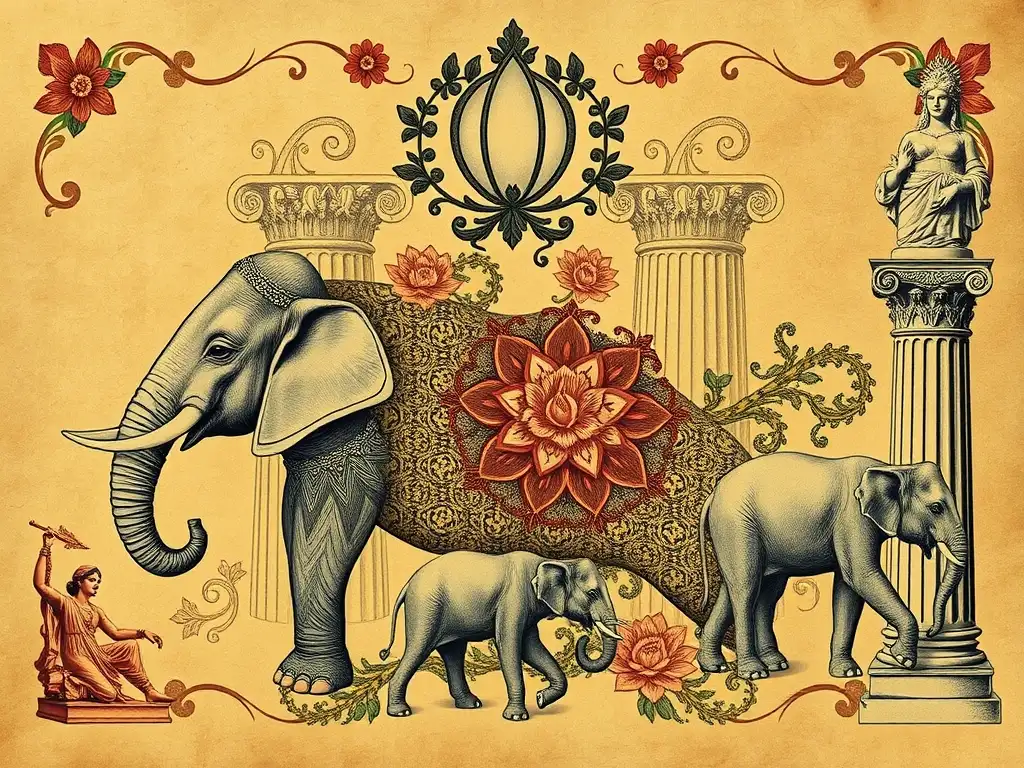
The artistic fusion between Indian and Greek art represents a profound chapter in the history of cross-cultural interactions. This connection was not merely a superficial borrowing of motifs; rather, it reflects a deep engagement where ideas, techniques, and cultural values were exchanged and transformed. The enduring legacy of this artistic collaboration can be seen in various forms, from the intricate sculptures of the Gandhara region to the architectural marvels inspired by Hellenistic traditions. Both civilizations contributed to a rich tapestry of artistic expression that continues to influence contemporary art and culture.
The melding of Indian motifs in Greek art is a testament to the dynamic and reciprocal nature of cultural exchange. Through trade routes, diplomatic ties, and the spread of ideas, artists and craftsmen drew inspiration from one another, creating works that transcended geographical boundaries. This fusion not only enriched the artistic vocabulary of both cultures but also fostered a greater appreciation for diversity and innovation in artistic practices.
Summary of Key Influences
Several key influences underscore the artistic connection between Indian and Greek art:
- Trade and Cultural Exchange: The establishment of trade routes, particularly the Silk Road, facilitated the flow of goods, ideas, and artistic styles between India and Greece. This interaction allowed for the introduction of Indian motifs into Greek artistic practices.
- Buddhist Art and Hellenistic Influence: The emergence of Gandhara art illustrates the synthesis of Indian Buddhist themes and Hellenistic stylistic elements. Sculptures from this region often depict Buddhist figures with Greek artistic techniques, such as drapery and anatomical accuracy.
- Motifs and Symbolism: Specific motifs, including floral patterns and mythological themes, were adapted from Indian sources into Greek art. The incorporation of Indian iconography into Greek sculptures and pottery reveals a blend of spiritual and aesthetic values.
- Architecture and Urban Planning: The influence of Indian architectural styles on Greek constructions is notable in some historical sites. The use of columns, intricate carvings, and urban layouts showcases a shared understanding of aesthetics and functionality.
Future Research Directions on Indian-Greek Artistic Relations
As the field of art history continues to evolve, several future research directions can further illuminate the complexities of Indian-Greek artistic relations:
- Archaeological Discoveries: Ongoing excavations in regions like Gandhara and sites in Greece may uncover new artifacts that can provide additional insights into the interactions between these two cultures. Studying such finds can help establish clearer timelines and the extent of influence.
- Comparative Studies: Scholars could conduct comparative analyses of specific motifs and techniques across Indian and Greek artworks. Such studies might reveal deeper connections and variations that highlight the nuances of cultural exchange.
- Iconography Research: In-depth studies focused on the iconography in both Indian and Greek art can shed light on shared themes and their significance in religious and secular contexts. This research can also explore how these motifs evolved over time.
- Interdisciplinary Approaches: Collaborating with historians, anthropologists, and cultural scholars can provide a more holistic understanding of the socio-political factors that influenced artistic production and exchange. This interdisciplinary perspective may uncover the broader implications of these artistic interactions.
By pursuing these research directions, we can better appreciate the rich narrative of artistic fusion that has shaped both Indian and Greek art, fostering a deeper understanding of their interconnected histories.
- Introduction to Indian Motifs in Greek Art
- Overview of Indian Motifs
- Significance of Greek Art in Ancient History
- Historical Context of Indian-Greek Relations
- Key Indian Motifs Influencing Greek Art
- Case Studies of Indian Motifs in Greek Art
- Artistic Techniques and Styles: A Comparative Analysis
- The Impact of Indian Motifs on Greek Artistic Evolution
- Conclusion: The Enduring Connection Between Indian and Greek Art
- Summary of Key Influences
- Future Research Directions on Indian-Greek Artistic Relations
Frequently Asked Questions
What are Indian motifs in Greek art?
Indian motifs refer to design elements and themes originating from ancient Indian culture that were integrated into Greek art, showcasing a blend of cultural influences.
How did trade routes facilitate the exchange of motifs?
The trade routes established between India and Greece allowed for the exchange of ideas and artistic styles, leading to the incorporation of Indian motifs into Greek art.
What are some examples of Indian motifs found in Greek artifacts?
Examples include floral patterns, mythological themes, and intricate geometric designs that reflect Indian artistic traditions and were adapted by Greek artisans.
Why is the study of Indian motifs in Greek art important?
Studying these motifs reveals the cultural interactions and artistic exchanges between ancient civilizations, highlighting their shared influences and mutual appreciation.
How did the Gupta Empire contribute to this artistic fusion?
The Gupta Empire was renowned for its artistic achievements, which greatly influenced neighboring cultures, including Greek art, through the export of its distinctive motifs and styles.
Final Reflection: The Timeless Interplay of Cultures
The exploration of Indian motifs in Greek art reveals a profound connection between two rich traditions that transcends time and geography. In an age where cultural boundaries are increasingly blurred, understanding how these artistic influences shaped one another is not just an academic exercise; it is a reminder of the beauty that arises when diverse cultures engage in dialogue. The intricate patterns and symbolic meanings found in Indian motifs have left an indelible mark on Greek art, showcasing the power of creativity to bridge divides and foster unity.
The influence of Indian motifs in Greek art is a testament to the enduring impact of cultural exchange on our shared human experience. This artistic fusion has not only enriched the aesthetic landscape of both cultures but has also sparked conversations about identity, heritage, and the interconnectedness of global narratives.
As the renowned art historian John Onians once said, "> Art is a universal language that speaks to the soul, transcending borders and time." This sentiment resonates deeply as we reflect on how these motifs continue to inspire contemporary artists and thinkers, encouraging them to draw from a well of diverse influences.
As we conclude this exploration, I invite you to reflect on the significance of cultural fusion in your own life. Consider how the blending of ideas and traditions can enrich your perspective and creative expression. Whether through art, music, or personal interactions, embrace the opportunity to learn from others and celebrate the beauty of diversity. Let the legacy of Indian motifs in Greek art inspire you to seek connections that transcend boundaries, fostering a more inclusive and vibrant world for all.
Unveil Your Creativity Through Artistic Fusion!
Thank you for diving into the fascinating world where Indian motifs meet Greek art! We hope you’ve discovered the beauty of this cultural blend and its rich history. Now, let's take that inspiration and put it into action!
- Start your own artistic journey: Create a piece of art that combines elements from both Indian and Greek styles. Share your creation on social media using the hashtag #ArtisticFusion!
- Discover & learn more: Explore literature or documentaries that delve into the cultural connections between India and Greece to enhance your understanding.
- Engage with fellow art lovers: Join an online community or attend a local workshop to discuss and collaborate on fusion art projects.
What unique elements from Indian and Greek art do you believe would create a stunning combination in your next creative endeavor?