
From Frescoes to Friezes: Exploring Diverse Art Forms in Ancient India

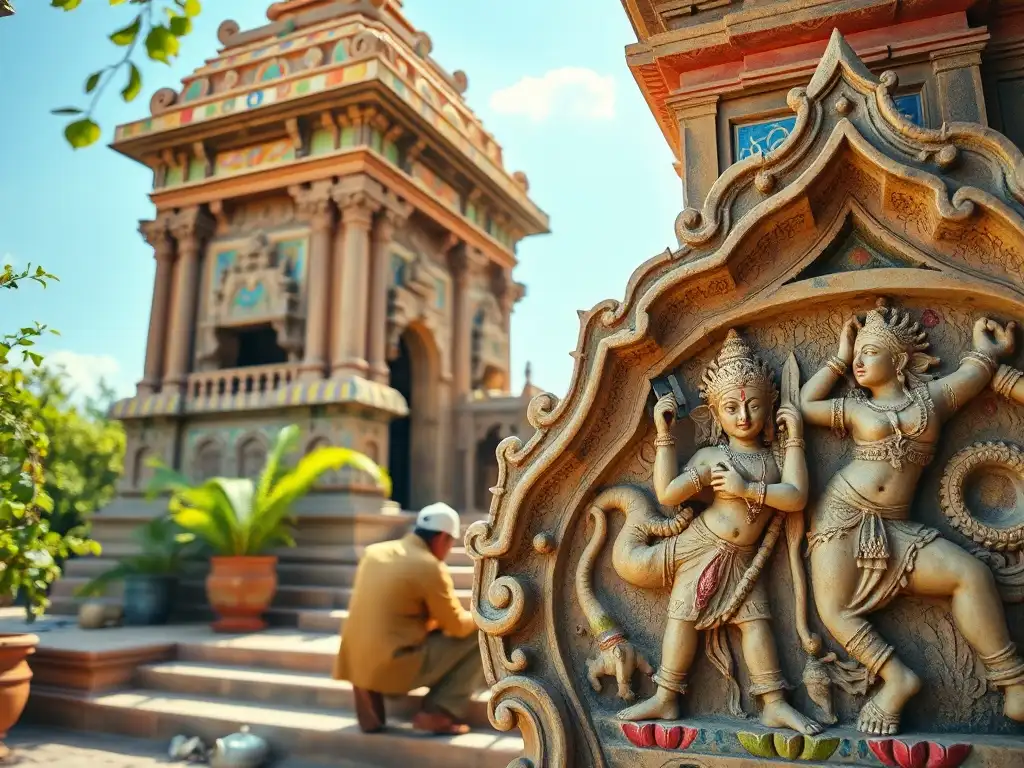
Welcome to Ancient India History, where we embark on a captivating journey through the rich tapestry of ancient Indian civilizations. Dive deep into the realm of artistic expression as we explore our featured article, "From Frescoes to Friezes: Exploring Diverse Art Forms in Ancient India." Uncover the intricate beauty and cultural significance of ancient Indian art forms, and discover how they reflect the vibrant history and diverse heritage of this remarkable civilization. Prepare to be intrigued as we unveil stories that shaped the artistic legacy of a nation—your adventure into the past begins now!
The artistic heritage of ancient India is a vibrant tapestry woven with a multitude of styles, techniques, and cultural influences that have evolved over millennia. From the mesmerizing frescoes of the Ajanta Caves to the intricate friezes adorning temples throughout the subcontinent, ancient Indian art forms reflect not just the aesthetics of the time but also the spiritual and social dynamics of various civilizations.
This exploration delves into the diverse array of visual arts and sculptures that flourished in ancient India, highlighting the unique characteristics and historical significance of each form. By understanding these art forms, we gain deeper insights into the values, beliefs, and creativity of ancient Indian societies, showcasing how art served as a medium for expression, storytelling, and religious devotion.
As we journey through the rich landscape of ancient Indian art, we will examine several key forms, including:
- Frescoes: Their origins, techniques, and themes.
- Friezes: The storytelling aspect and their placement in architecture.
- Sculpture: Different styles and materials used across regions.
- Pottery and Terracotta: Their significance in daily life and rituals.
Each of these elements contributes to a broader understanding of how ancient Indian art not only reflects the historical context of its time but also influences modern artistic expressions. Join us as we uncover the artistic marvels of ancient India, celebrating the creativity and craftsmanship that has left an indelible mark on the world.
- Introduction to Ancient Indian Art Forms
- Major Art Forms in Ancient India
- Regional Variations in Ancient Indian Art Forms
- The Influence of Religion on Ancient Indian Art Forms
- Preservation and Legacy of Ancient Indian Art Forms
- Conclusion: The Enduring Legacy of Ancient Indian Art Forms
-
Frequently Asked Questions
- What are some notable ancient Indian art forms?
- How did the Indus Valley Civilization contribute to ancient Indian art?
- What role did religion play in shaping ancient Indian art?
- How did the Gupta Empire impact the evolution of art forms in ancient India?
- Are there any modern influences of ancient Indian art forms today?
- Final Reflection: The Enduring Legacy of Ancient Indian Art Forms
- Discover Your Creative Journey Through Ancient Art!
Introduction to Ancient Indian Art Forms
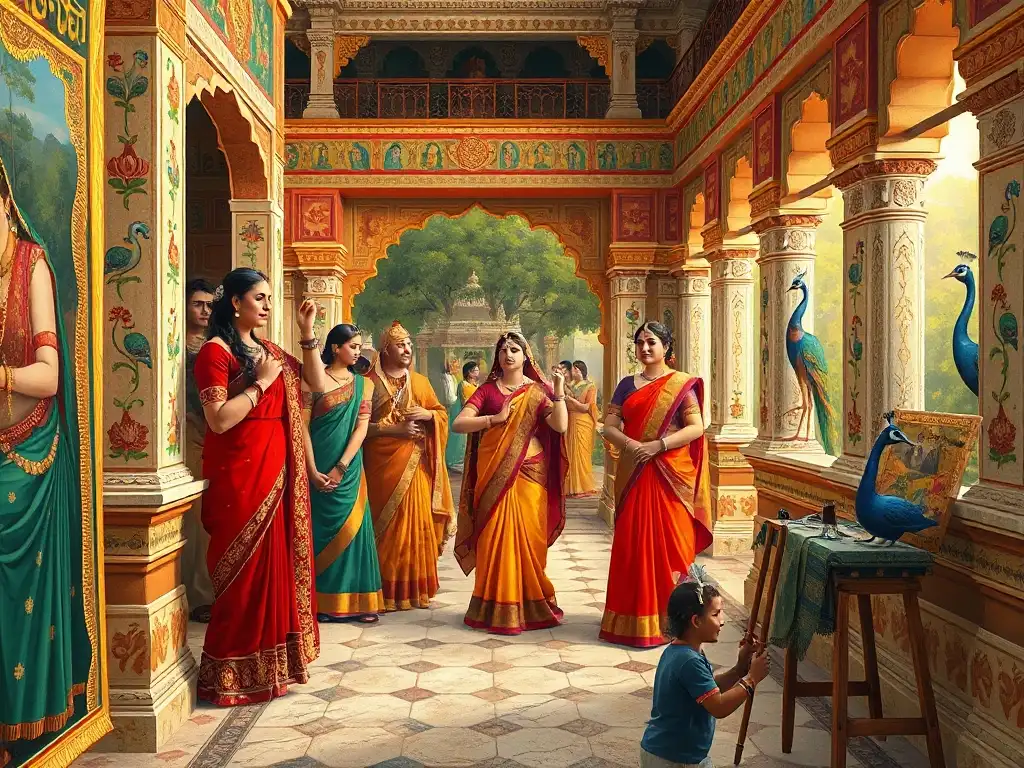
Ancient Indian art forms reflect the rich tapestry of culture, religion, and societal values that flourished in India over millennia. From the intricate carvings of temples to vibrant frescoes in caves, the artistic expressions of ancient India are a testament to the creativity and skill of its artisans. This section delves into the significance and evolution of these art forms, highlighting their impact on both Indian history and the broader narrative of global art.
Overview of Ancient Indian Art and Its Significance
Ancient Indian art encompasses a wide array of styles and mediums, including sculpture, painting, pottery, and textiles. Each form is imbued with symbolic meanings and often conveys spiritual or philosophical ideas. The significance of ancient Indian art can be categorized into the following aspects:
- Cultural Identity: Art served as a reflection of the diverse cultures and traditions that existed in ancient India, helping to forge a sense of identity among different communities.
- Religious Expression: Much of ancient Indian art was closely tied to religion, with deities and mythological narratives depicted in sculptures and paintings. This served not only as decoration but also as a medium for worship and devotion.
- Historical Documentation: Artistic works often provide insight into the daily lives, customs, and social structures of ancient civilizations. They act as visual records that help historians piece together the past.
- Technological Innovations: The techniques and materials used in ancient Indian art reveal advancements in technology and craftsmanship, showcasing the skills of artisans in various regions.
Art forms such as Mural Painting, Sculpture, and Pottery illustrate this diversity. For instance, mural paintings found in the Ajanta and Ellora caves showcase intricate designs and narratives that are pivotal to understanding Buddhist art. Sculptures from the Gupta period highlight the finesse of stone carving, while pottery reveals everyday life and artistic expressions of different communities.
The Evolution of Art in Ancient India
The evolution of ancient Indian art can be traced through distinct periods, each characterized by its unique styles and influences.
- Indus Valley Civilization (c. 3300–1300 BCE)
- The earliest examples of ancient Indian art can be found in the Indus Valley, where seals and terracotta figurines were produced. These artifacts often depicted animals and human figures, hinting at the society's beliefs and values.
- Mauryan Period (c. 322–185 BCE)
- This period saw the emergence of monumental sculptures, most notably the Ashoka Pillars and stupas. The art of this era emphasized Buddhist themes and was marked by intricate carvings that conveyed moral messages.
- Gupta Period (c. 240–550 CE)
- Often referred to as the "Golden Age" of India, this period produced exquisite sculptures and frescoes. The art from this era is characterized by its elegance, attention to detail, and themes drawn from Hindu mythology. The Buddhist caves at Ajanta and Ellora are prime examples of the flourishing art scene during this time.
- Post-Gupta Period (c. 6th century onwards)
- Following the Gupta period, regional styles began to emerge, influenced by local traditions and the rise of various political powers. The Chola and Mughal dynasties, for instance, contributed to a rich diversity of art forms, blending indigenous styles with foreign influences.
Throughout these periods, ancient Indian art forms underwent transformations that reflected not only changes in societal norms and beliefs but also interactions with other cultures. The interplay between tradition and innovation continues to inspire contemporary artists, making ancient Indian art a vital part of the country's cultural heritage.
The exploration of ancient Indian art forms reveals a legacy that is both diverse and profound, illustrating the creativity and spirituality of its people. Understanding this evolution allows us to appreciate the intricate relationship between art and the historical context in which it was created.
Major Art Forms in Ancient India
Frescoes: Techniques and Historical Context
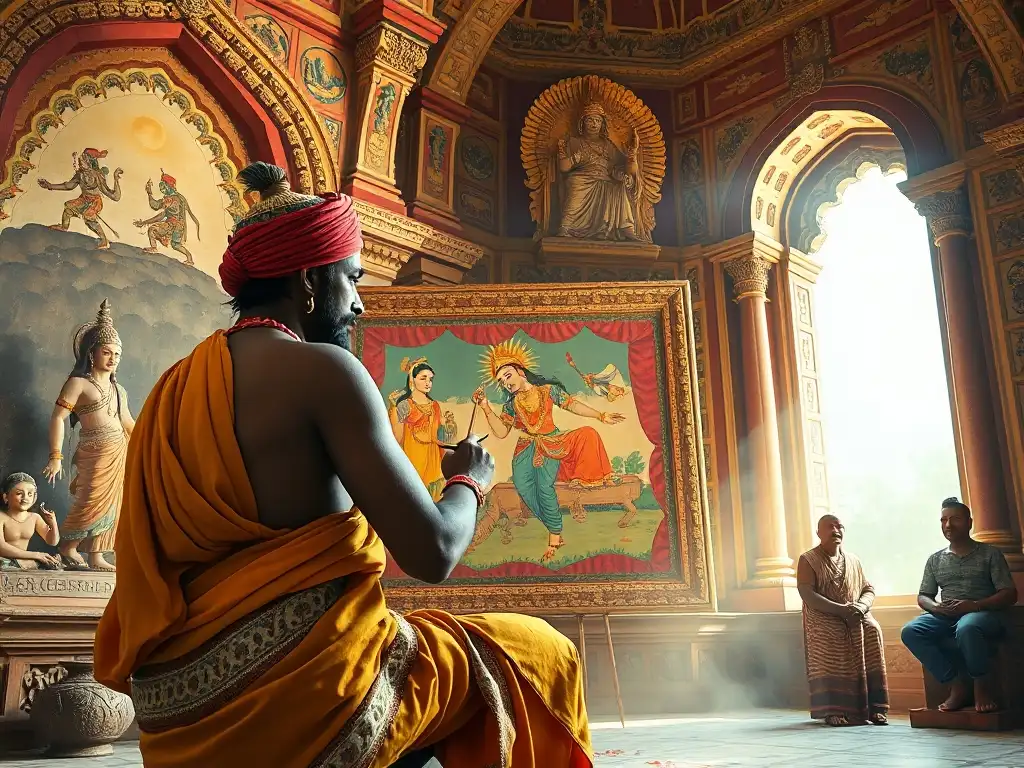
Frescoes represent one of the most significant ancient Indian art forms, showcasing the vibrant culture and religious sentiments of the time. This technique involves applying water-based pigments on freshly laid wet plaster, allowing the colors to merge with the wall as it dries. The durability of frescoes has allowed many of these masterpieces to withstand the test of time.
Historically, frescoes flourished during various periods, particularly between the 3rd century BCE and the 7th century CE, in regions such as the Ajanta caves and the temples of Khajuraho. The artists employed various techniques, such as buon fresco (true fresco) and fresco secco (dry fresco), to create intricate depictions of mythological narratives, royal court scenes, and daily life.
Notable Frescoes in Ancient Indian Temples
- Ajanta Caves: Dating back to the 2nd century BCE, the Ajanta Caves feature some of the most celebrated frescoes, depicting Jataka tales that narrate the previous lives of the Buddha.
- Bagh Caves: These caves contain frescoes that showcase a blend of Buddhist themes and motifs from nature, characterized by their vibrant colors and intricate details.
- Khajuraho Temples: Known for their erotic sculptures, the frescoes here celebrate love and the complexity of human relationships, providing insight into the social norms of the Chandela dynasty.
Themes and Symbolism in Frescoes
Frescoes in ancient India often revolve around significant themes, such as:
- Religious Narratives: Many frescoes depict scenes from Hindu epics like the Ramayana and Mahabharata, emphasizing divine love and moral lessons.
- Nature: The use of flora and fauna symbolizes fertility and the interconnectedness of life.
- Festivals and Daily Life: These scenes provide a glimpse into the socio-cultural dynamics, illustrating various festivals, music, and dance forms prevalent in ancient times.
The symbolism embedded in these art forms not only reflects the aesthetic values of the period but also serves as a historical documentation of the cultural ethos of ancient Indian society.
Friezes: Craftsmanship and Cultural Importance
Friezes stand out as a prominent art form in ancient India, characterized by their decorative relief sculptures adorning the walls of temples and palaces. They often narrate stories and depict figures in intricate detail, showcasing the exceptional craftsmanship of ancient artisans.
The creation of friezes involved meticulous techniques, including carving and chiseling stone. The artisans used locally sourced materials such as sandstone and granite, which contributed to the unique styles of different regions.
Iconic Friezes from Different Regions
- Sanchi Stupa: The friezes at Sanchi, particularly on the toranas (gateway), depict scenes from the life of Buddha and convey spiritual teachings.
- Khajuraho: Beyond erotic sculptures, Khajuraho's friezes illustrate various aspects of everyday life and divine narratives, emphasizing the harmony between human existence and spirituality.
- Elephanta Caves: The friezes here are known for their large-scale sculptures, particularly the Trimurti, which showcases the three principal deities of Hinduism—Brahma, Vishnu, and Shiva.
The Role of Friezes in Religious Narratives
Friezes served a dual purpose in ancient Indian culture. Firstly, they acted as a visual storytelling medium for religious narratives, making complex spiritual concepts accessible to the public. Secondly, they played a significant role in ritual practices, often adorning sacred spaces to enhance the spiritual atmosphere.
Through their intricate designs and themes, friezes contributed to the cultural identity of ancient Indian civilizations, encapsulating the beliefs, values, and artistic prowess that defined the era.
Both frescoes and friezes are vital components of ancient Indian art forms, offering insight into the rich tapestry of culture, religion, and craftsmanship that flourished in ancient India. Their enduring legacy continues to inspire contemporary artists and historians alike.
Sculptures: A Reflection of Ancient Indian Society
Sculpture in ancient India serves as a remarkable lens through which we can view the social, religious, and cultural fabric of its time. From the intricate carvings of the Indus Valley Civilization to the grand sculptures of the Gupta Empire, these art forms encapsulate the values, beliefs, and aesthetics of ancient Indian society. Sculptures were not merely decorative; they were integral to religious practices, societal norms, and the expression of power.
The themes depicted in ancient Indian sculptures are deeply rooted in spirituality and mythology. Deities from Hinduism, Buddhism, and Jainism are often portrayed, reflecting the religious sentiments that pervaded society. Additionally, sculptures were employed to commemorate rulers and significant historical events, thus serving both as an artistic expression and a political statement. This duality highlights the importance of sculpture as a medium for storytelling and cultural preservation.
Moreover, the styles and techniques used in these sculptures evolved significantly over time, showcasing the advancements in artistry and craftsmanship. The transition from the more austere forms of early sculpture to the highly embellished and detailed representations of later periods illustrates the dynamic nature of ancient Indian art and its adaptability to changing societal influences.
Stone and Metal Sculptures: Materials and Methods
The primary materials used for ancient Indian sculptures were stone and metal, each with its unique properties and methods of working. Stone sculptures, made primarily from sandstone, limestone, and granite, were characterized by their durability and intricate detailing. The craftsmanship involved in stone carving required immense skill, as artisans employed chisels and hammers to bring forth figures with minute features and elaborate designs. Techniques such as relief carving and in-the-round sculpture were common, allowing for varied expressions and perspectives.
In contrast, metal sculptures, often made from bronze or copper, involved casting techniques such as the lost-wax method. This technique allowed for greater detail and refinement in the final product, resulting in smoother surfaces and elaborate expressions. Metal sculptures were not only functional but also served as offerings in temples and shrines, signifying their religious importance.
The choice of materials also reflected the status and significance of the sculptures. While stone sculptures were often used in monumental architecture, metal sculptures were frequently employed in smaller, portable forms. The marriage of these materials with intricate methods resulted in art forms that conveyed not only aesthetic beauty but also the technological prowess of ancient Indian artisans.
Famous Sculptures and Their Historical Impact
Several iconic sculptures from ancient India have left an indelible mark on its history and culture. Among them, the Buddha Statues of Sarnath, dating back to the 5th century CE, exemplify the finesse of ancient craftsmanship. These sculptures are not only significant for their artistic merit but also for their role in spreading Buddhist teachings and aesthetics across Asia.
Another remarkable example is the Mahabalipuram rock-cut temples, particularly the Arjuna's Penance, which showcases the depth of narrative art through its intricate relief sculptures. This masterpiece provides insights into the socio-religious life of the time, depicting mythological stories that resonated with the people.
The Khajuraho Temples are also noteworthy, famous for their erotic sculptures that challenge the conventional interpretations of ancient Indian art. These works reflect the celebration of life, love, and spirituality, revealing the complex attitudes toward sexuality in ancient Indian society.
Overall, these sculptures not only represent the high artistic skills of their creators but also serve as historical documents that provide invaluable insights into the cultural, religious, and social dynamics of ancient India. Their enduring legacy continues to inspire contemporary artists and historians alike, making them a central focus in the study of ancient Indian art forms.
Regional Variations in Ancient Indian Art Forms
Northern India: Unique Styles and Techniques
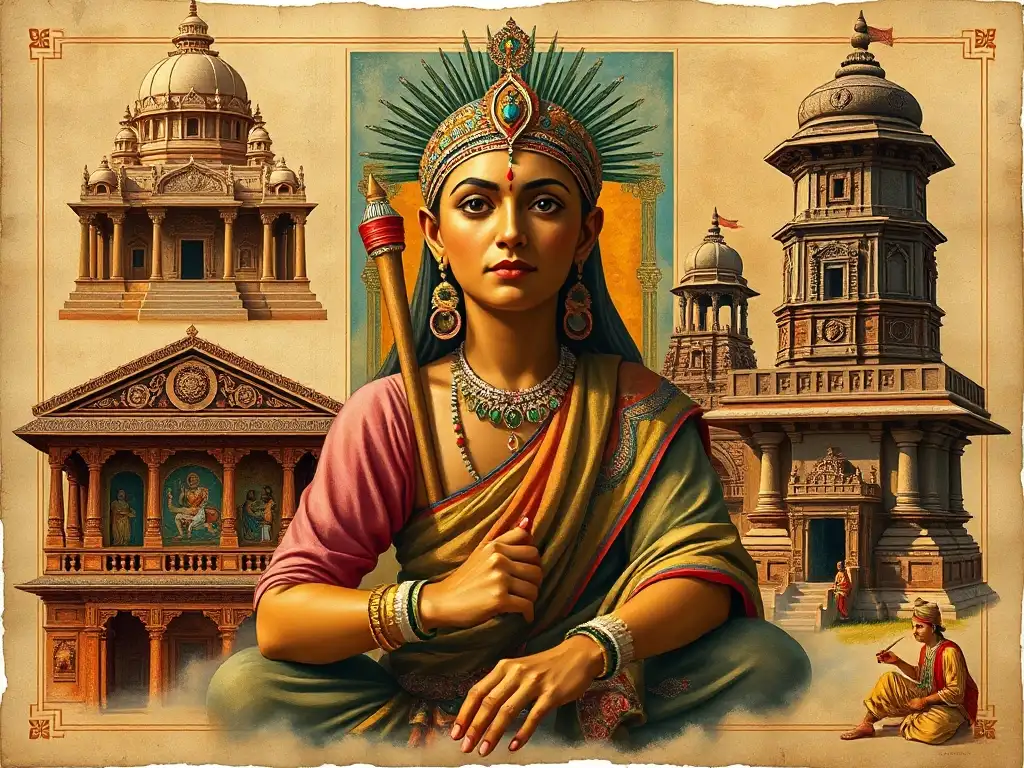
Northern India is renowned for its rich tapestry of ancient art forms that reflect a confluence of cultural influences, styles, and techniques. The region is particularly famous for its intricate frescoes and sculptures, which emerged from a blend of indigenous traditions and external influences over centuries.
One of the most notable styles is the Mughal painting, characterized by its vibrant colors and meticulous attention to detail. This art form flourished during the Mughal Empire (16th to 19th centuries) and often depicted court scenes, nature, and religious themes. Artists such as Bichitr and Bashir showcased a unique fusion of Persian and Indian techniques.
In addition to Mughal painting, Hindu temple architecture in the northern region features elaborate carvings and sculptures, particularly in places like Khajuraho and Orcha. The intricate details in the sculptures, depicting deities and mythological narratives, highlight the craftsmanship of the artisans and their deep religious significance.
Moreover, the Cave Paintings of Ajanta and Ellora are significant highlights of ancient Indian art in Northern India. These caves, dating back to the 2nd century BCE to about 650 CE, showcase detailed frescoes that narrate Buddhist stories and Jataka tales. The techniques employed in these paintings involved natural pigments and meticulous layering, resulting in a stunning visual narrative that has withstood the test of time.
Southern India: Distinctive Artistic Traditions
Southern India boasts a variety of ancient art forms that are distinct in style and purpose, often reflecting the region's rich cultural and spiritual heritage. One prominent feature is the Chola bronze sculptures, which are renowned for their fluidity of form and exquisite detailing. These sculptures typically depict Hindu deities, with the famous Nataraja (Lord Shiva as the cosmic dancer) being a prime example of Chola artistry.
The temple architecture of Southern India is another vital aspect of its artistic expression. Temples like the Brihadeeswarar Temple in Thanjavur exhibit intricate carvings, towering gopurams (gateway towers), and vast courtyards, all adorned with sculptural elements that depict gods, goddesses, and mythological narratives. The craftsmanship involved in these structures reflects an amalgamation of religious devotion and artistic skill.
Additionally, the Tanjore paintings, known for their rich colors and the use of gold foil, are a significant contribution to Southern Indian art. These artworks often illustrate scenes from Hindu mythology and are characterized by their three-dimensional appearance due to the layering of gold and vibrant pigments.
The ancient art forms of Southern India also include Kalamkari, a traditional hand-painting or block-printing technique that often portrays mythological stories and religious themes. This art form incorporates natural dyes and reflects the region's deep-rooted cultural narratives.
Eastern and Western India: Diverse Influences on Art
Eastern and Western India present a unique blend of artistic traditions influenced by various historical and cultural factors. In Eastern India, particularly in Bengal, the art of Patachitra stands out. This traditional painting style involves intricate storytelling through visual art, often depicting themes from Hindu epics like the Mahabharata and Ramayana. The use of natural colors and the narrative style make Patachitra a captivating art form.
Moreover, the Terracotta art from the region, especially in places like Bengal and Odisha, is notable for its versatility. Artists create intricate relief sculptures that are used in temples and as decorative elements in various structures, showcasing themes of nature and folklore.
In Western India, the Gujarat region is famous for its Mithila art, characterized by vibrant colors and geometric patterns. This traditional form often depicts everyday life, nature, and religious motifs, reflecting the cultural richness of the region.
The Cave Art of Ajanta and Ellora also extends its influence to the Western region, where the combination of Buddhist and Hindu themes is prevalent in the rock-cut architecture and sculpture. The detailed carvings and frescoes within these caves showcase the artistic proficiency of ancient Indian artisans and their ability to convey complex narratives through visual means.
The diverse regional variations in ancient Indian art forms highlight the interplay of cultural, religious, and historical influences that shaped the artistic landscape of the subcontinent. Each region contributes unique styles, techniques, and narratives, enriching the overall tapestry of ancient Indian art.
The Influence of Religion on Ancient Indian Art Forms
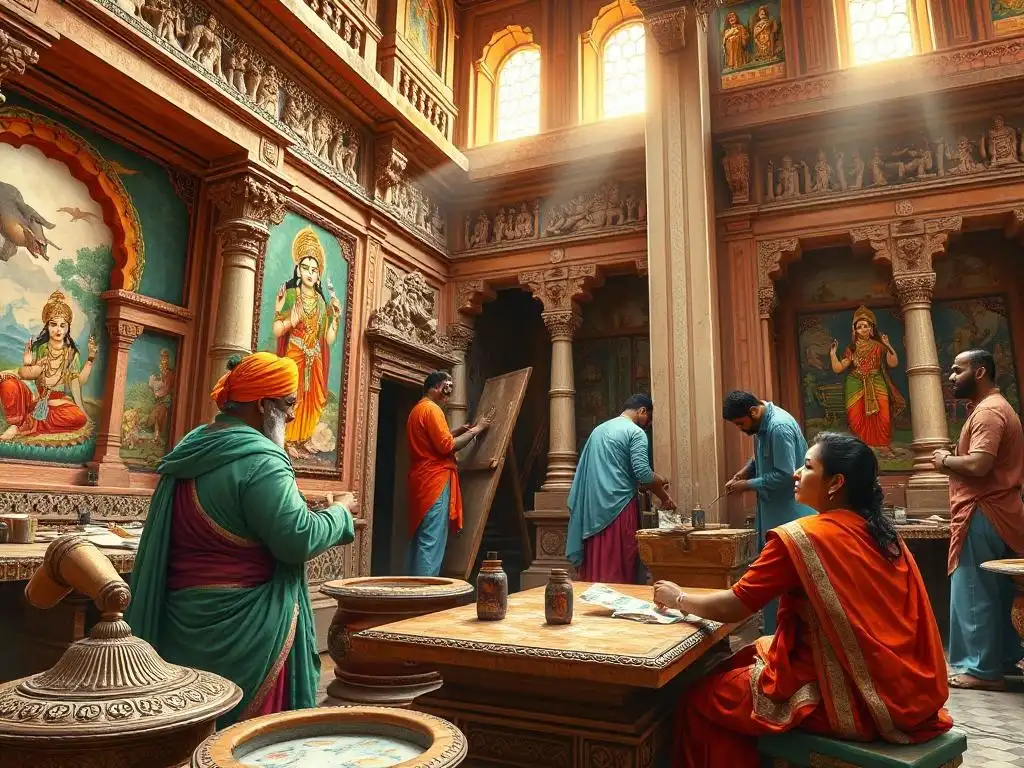
Religion played a pivotal role in shaping the diverse art forms of ancient India. The intricate relationship between spirituality and artistic expression not only reflected the beliefs and values of the time but also influenced the techniques, materials, and themes explored by artists. The three major religions—Hinduism, Buddhism, and Jainism—each contributed uniquely to the evolution of ancient Indian art forms, leaving a legacy that is still celebrated today.
Hinduism and Its Impact on Visual Arts
Hinduism is one of the oldest religions in the world, and its influence on ancient Indian art forms is profound. The religion's rich mythology and pantheon of deities provided a vast reservoir of inspiration for artists.
- Temples as Artistic Hubs: Hindu temples served as centers for artistic innovation. The architecture of these temples, often adorned with intricate carvings and sculptures, showcases a variety of styles, from the Nagara in the north to the Dravidian in the south. The Khajuraho and Brihadeeswarar temples are prime examples of how architecture and sculpture were interwoven to create a sacred space.
- Sculptural Representations: Deities such as Vishnu, Shiva, and Durga were frequently depicted in sculptures, demonstrating the religious significance of these figures. The Chola bronzes, renowned for their exquisite detailing and lifelike representation, exemplify the skill and devotion of the artisans.
- Frescoes and Murals: The frescoes found in Ajanta and Ellora caves illustrate stories from Hindu epics like the Ramayana and Mahabharata. These artworks not only serve as a visual narrative but also as a means of conveying moral and ethical lessons inherent in Hindu philosophy.
Buddhism and the Development of Iconography
Buddhism emerged in India around the 5th century BCE and had a notable influence on ancient Indian art forms, particularly in the development of iconography.
- Stupas and Monastic Architecture: The stupa, a dome-shaped structure, became a significant architectural form. These stupas, such as the Sanchi Stupa, were often embellished with carvings that depicted the life of Buddha and important events from his teachings.
- Buddha Imagery: The representation of Buddha evolved over time, beginning with aniconic symbols like the lotus and wheel, transitioning to figurative sculptures that depicted him in various mudras (hand gestures). The Gandhara and Mathura schools are well-known for their distinct styles, where Gandhara’s Greco-Buddhist influences contrast with Mathura’s indigenous approach.
- Narrative Art: The murals in Buddhist caves, such as those at Ajanta, showcase not only religious themes but also the daily life and culture of the period. The use of vibrant colors and detailed human expressions in these paintings highlights the narrative quality of Buddhist art.
Jainism: Artistic Contributions and Themes
Jainism, though lesser-known, significantly contributed to the artistic landscape of ancient India. The religion’s emphasis on non-violence and asceticism influenced its art forms profoundly.
- Temples and Iconography: Jain temples are characterized by their intricate carvings and detailed iconography. The Dilwara Temples in Mount Abu are renowned for their stunning marble work, which features delicate patterns and motifs that reflect Jain philosophies.
- Tirthankara Sculptures: The Tirthankaras, spiritual teachers in Jainism, are depicted in art with serene expressions. The monumental statues, such as the Gommateshwara statue in Karnataka, represent the ideals of self-discipline and non-attachment central to Jain beliefs.
- Narrative Reliefs: Jain art often includes narrative reliefs that illustrate the lives of the Tirthankaras and other significant events. These artworks convey moral teachings and emphasize the importance of karma and spiritual liberation.
The interplay of religion and art in ancient India resulted in a rich tapestry of creative expressions. Each religion contributed its unique perspectives, themes, and techniques, enriching the heritage of ancient Indian art forms that continue to inspire and influence contemporary artists and historians alike.
Preservation and Legacy of Ancient Indian Art Forms
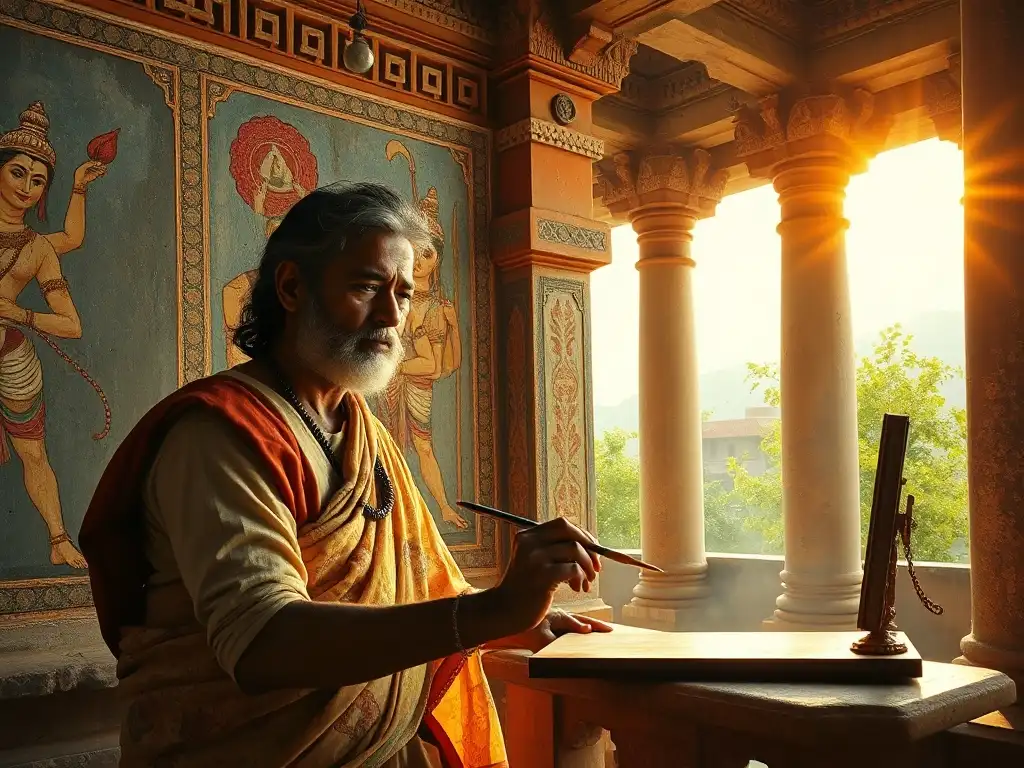
The preservation and legacy of ancient Indian art forms are crucial for understanding the cultural and historical significance of this vibrant civilization. These art forms, ranging from intricate frescoes to detailed sculptures, not only reflect the aesthetic sensibilities of their time but also encapsulate the philosophical, religious, and social narratives of ancient Indian societies.
Challenges in Preserving Ancient Artworks
Preserving ancient artworks presents numerous challenges, primarily due to environmental factors, human activity, and the passage of time. Here are some of the key challenges:
- Environmental Degradation:
- Pollution: Air and water pollution can erode and discolor artworks, particularly those made of organic materials.
- Climate Change: Fluctuations in temperature and humidity can lead to deterioration, especially in structures like temples and caves.
- Human Impact:
- Urbanization: Expanding cities often encroach upon ancient sites, leading to potential destruction or neglect.
- Tourism: While tourism can provide funding for preservation, it can also lead to wear and tear from increased foot traffic.
- Lack of Funding and Resources:
- Many preservation projects suffer from inadequate funding, hindering restoration efforts.
- Trained conservators and artisans are often in short supply, limiting the ability to maintain and restore artworks effectively.
- Cultural Neglect:
- As modern values shift, some ancient art forms may be overlooked or undervalued, leading to a decline in traditional craftsmanship.
Modern Interpretations and Revivals of Ancient Indian Art Forms
In recent years, there has been a growing interest in reviving and interpreting ancient Indian art forms. This resurgence has been driven by various factors, including cultural pride, tourism, and academic interest.
- Contemporary Artists:
- Artists are drawing inspiration from ancient techniques and themes, creating works that blend traditional aesthetics with modern sensibilities. For instance, Madhubani painting has seen a revival, with artists infusing contemporary narratives into this ancient art form.
- Art Exhibitions and Workshops:
- Numerous exhibitions and workshops focused on ancient Indian art forms are organized worldwide, helping to educate new generations about these traditions and promoting their relevance in contemporary contexts.
- Cultural Festivals:
- Festivals celebrating ancient art forms, such as Rath Yatra, often showcase traditional crafts, offering a platform for artisans to display their work and educating the public about their significance.
- Digital Preservation:
- Technology plays a vital role in preserving ancient art forms. Digital archiving and virtual reality are used to recreate ancient sites and artworks, making them accessible to a broader audience and ensuring their legacy continues into the future.
The revitalization and interpretation of ancient Indian art forms not only help preserve these rich traditions but also foster a deeper appreciation for the cultural heritage they represent. By overcoming the challenges of preservation and embracing modern interpretations, we can ensure that the legacy of ancient Indian art remains vibrant and relevant for future generations.
Conclusion: The Enduring Legacy of Ancient Indian Art Forms
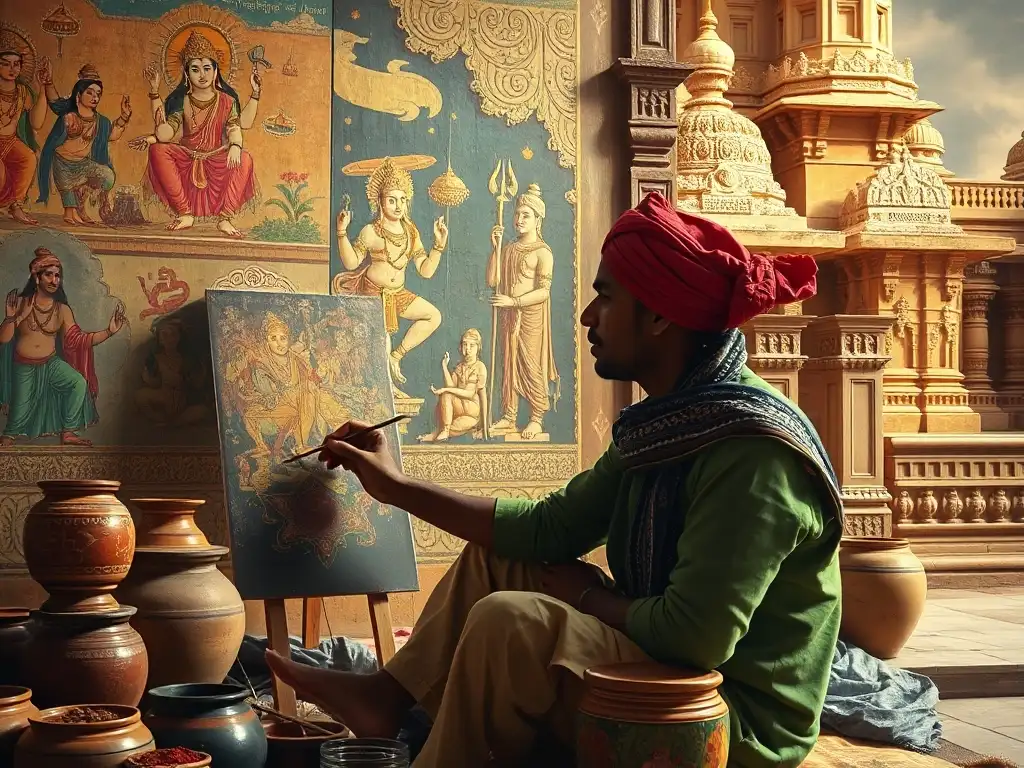
The legacy of ancient Indian art forms is not merely a reflection of aesthetic considerations; it is a profound expression of the cultural, spiritual, and historical narratives of the time. From the intricate frescoes of the Ajanta Caves to the elaborate sculptures of the Gupta period, these art forms serve as a window into the beliefs, values, and daily lives of ancient Indian civilizations.
The enduring influence of ancient Indian art can be seen in various aspects of contemporary culture, including modern art, architecture, and even fashion. Artists today often draw inspiration from traditional motifs and techniques, ensuring that the rich heritage of ancient Indian art continues to thrive and evolve. As we reflect on this legacy, it becomes clear that understanding these art forms is essential for appreciating the complexity and richness of ancient Indian culture.
Reflection on the Importance of Art in Understanding Ancient Indian Culture
Art in ancient India was not merely decorative; it played a crucial role in the spiritual and social fabric of society. Temples adorned with intricate carvings and frescoes served as a means of storytelling, conveying religious narratives and moral lessons. Each artwork was imbued with symbolism, reflecting the philosophical and theological underpinnings of the time.
- Cultural Identity: The art forms varied significantly across different regions, showcasing the diversity of ancient Indian society. For instance:
- The Mughal miniatures highlight the fusion of Persian and Indian styles.
- The Chola bronzes exemplify the mastery of metalwork and the influence of Shaivism.
- Historical Documentation: Many art pieces serve as historical documents, providing insights into the socio-political context of their time. For example, the Sanchi Stupa not only served as a Buddhist monument but also depicted the life of Buddha through its carvings, allowing historians to glean information about the spread of Buddhism.
- Ritual and Ceremony: Art was integral to rituals and ceremonies, reinforcing communal bonds and spiritual connections. The painted pottery of the Indus Valley Civilization and the vibrant murals of the medieval period often celebrated life events, deities, and nature, illustrating the interwoven nature of art and daily life.
Future of Ancient Indian Art Forms in Contemporary Society
As we move further into the 21st century, the relevance of ancient Indian art forms remains significant. Contemporary artists and scholars are increasingly recognizing the value of these traditional practices, leading to a resurgence of interest and innovation within the realm of ancient Indian arts.
- Revival and Fusion: Many contemporary artists are exploring ways to integrate ancient techniques with modern aesthetics. This fusion often results in groundbreaking works that appeal to new audiences while honoring traditional methods. For example, the use of traditional Madhubani painting techniques in modern graphic design showcases the adaptability of ancient art forms.
- Educational Initiatives: Various institutions and organizations are working to preserve and promote ancient Indian art forms through workshops, exhibitions, and academic programs. These initiatives play a crucial role in educating younger generations about the significance and techniques of ancient arts, ensuring their survival.
- Global Influence: The appreciation of ancient Indian art forms is not confined to India alone. International interest in these art forms has grown, leading to collaborations and exhibitions that showcase their beauty and complexity on global platforms. This cross-cultural exchange enhances the understanding and appreciation of Indian heritage worldwide.
The exploration of ancient Indian art forms reveals a rich tapestry of culture, history, and spirituality. As we continue to engage with and reinterpret these forms, we not only honor the past but also pave the way for a vibrant artistic future.
Frequently Asked Questions
What are some notable ancient Indian art forms?
Ancient India is known for its diverse art forms, including frescoes, sculptures, and pottery, each showcasing the rich cultural heritage of the time.
How did the Indus Valley Civilization contribute to ancient Indian art?
The Indus Valley Civilization is recognized for its advanced urban planning and intricate terracotta figurines, which reflect the early artistic expressions that laid the foundation for later styles.
What role did religion play in shaping ancient Indian art?
Religion significantly influenced ancient Indian art, with many works created to honor deities, as seen in temple carvings and murals that depict mythological stories and spiritual themes.
How did the Gupta Empire impact the evolution of art forms in ancient India?
The Gupta Empire is often referred to as the Golden Age of India, marked by advancements in sculpture, painting, and literature, leading to the flourishing of artistic techniques and styles that influenced future generations.
Are there any modern influences of ancient Indian art forms today?
Yes, many modern Indian artists draw inspiration from ancient Indian art forms, integrating traditional styles into contemporary works, thereby keeping the rich cultural legacy alive in today’s art scene.
Final Reflection: The Enduring Legacy of Ancient Indian Art Forms
The exploration of ancient Indian art forms reveals a profound connection between culture and creativity that remains relevant today. As we navigate a world increasingly defined by rapid technological advancements and globalization, the intricate frescoes and friezes of ancient India serve as a reminder of the timeless human desire to express identity, spirituality, and community through art. The beauty and complexity of these artistic expressions not only enrich our understanding of history but also inspire contemporary artists and enthusiasts to draw from this rich heritage.
The impact of ancient Indian art forms extends far beyond their historical context; they continue to shape the cultural landscape of modern India and the world at large. From the vibrant murals of the Ajanta Caves to the intricate carvings of Khajuraho, these masterpieces invite us to reflect on our shared humanity and the diverse narratives that have emerged over centuries. As the renowned artist Anish Kapoor once said, Art is a way of thinking, a way of being.
This sentiment underscores the importance of engaging with these ancient forms, as they not only tell stories of the past but also challenge us to think critically about our present and future.
As we conclude this exploration of ancient Indian art forms, I invite you to take a moment to reflect on how these artistic legacies resonate in your own life. Consider how the themes of identity, spirituality, and community manifest in your surroundings and how you can incorporate the lessons of the past into your creative expressions. Let the vibrant colors and intricate designs of ancient India inspire you to embrace your own artistic journey, fostering a deeper connection with both your heritage and the world around you.
Discover Your Creative Journey Through Ancient Art!
Thank you for taking the time to explore the rich tapestry of art forms in ancient India! We hope you’ve gained a deeper appreciation for the creativity and cultural significance behind each piece. Now, it's your turn to delve into this vibrant heritage and experience it for yourself.
- Start your own art project: Try recreating a fresco or frieze inspired by ancient techniques. Allow your creativity to flourish!
- Join a local art community: Connect with fellow art enthusiasts to share insights about ancient art forms and explore their relevance in today's world.
- Share your knowledge: Write a blog post or share on social media what you’ve learned about ancient Indian art to inspire others to appreciate these timeless expressions.
What unique aspect of ancient Indian art resonates with you the most, and how do you plan to incorporate it into your creative pursuits?