
The Mahabharata and Its Reflection on Power Dynamics in Ancient India

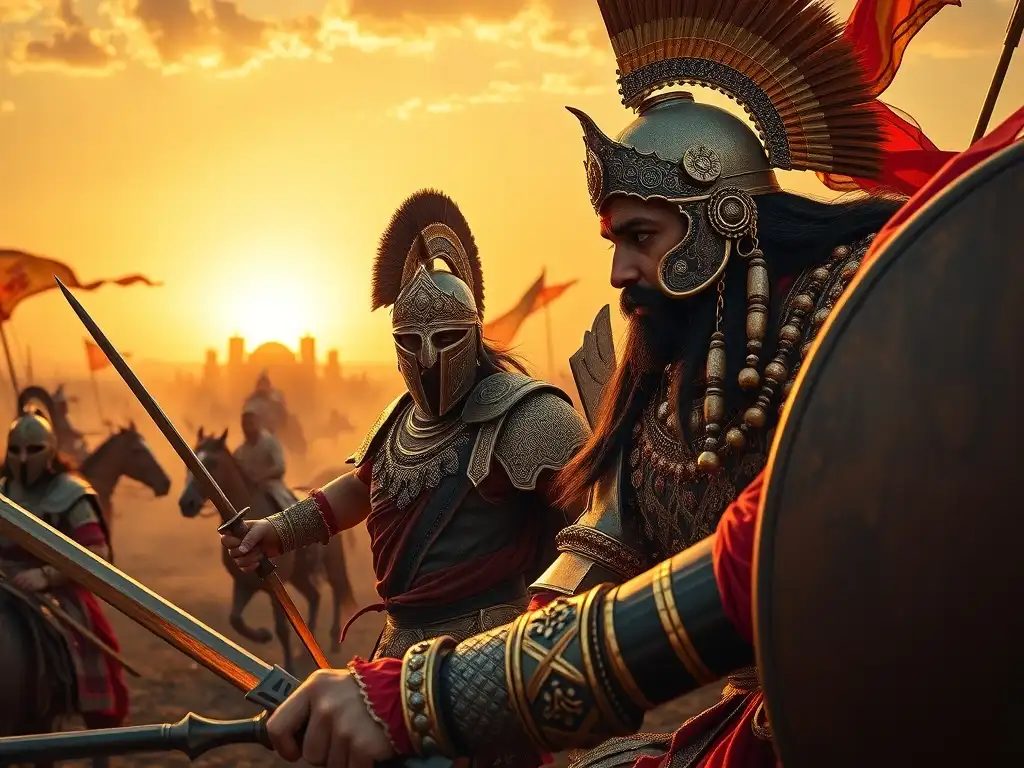
Welcome to Ancient India History, where we embark on a fascinating journey through the rich tapestry of ancient Indian civilizations. In our featured article, “The Mahabharata and Its Reflection on Power Dynamics in Ancient India,” we delve into the intricate power dynamics that shaped the course of history during this remarkable era. Discover how epic literature not only narrates legendary tales but also mirrors the complex political landscapes and societal structures of the time.
Prepare to be captivated as we unravel the profound connections between storytelling and the evolution of power in ancient India. Dive in to explore the legacies that continue to influence us today!
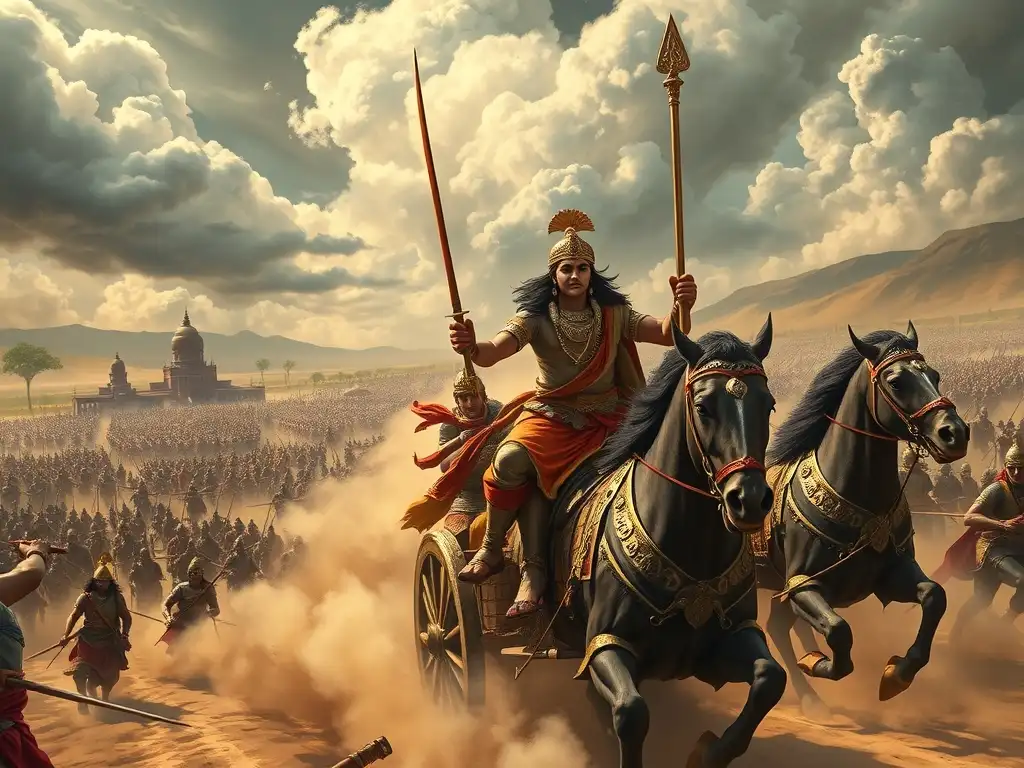
The Mahabharata, one of the longest epic poems in the world, serves as a profound reflection of the intricate power dynamics that shaped ancient Indian civilization. This epic not only narrates the story of the Kurukshetra War and the fates of the Kauravas and Pandavas but also delves deep into the moral, ethical, and social dilemmas faced by its characters.
Through its complex narrative, the Mahabharata illustrates the multifaceted nature of power, authority, and governance in ancient India, offering invaluable insights into how these dynamics influenced society, politics, and culture. As we explore the themes of power within this epic, we gain a deeper understanding of the historical context and the enduring lessons that continue to resonate in contemporary discussions on leadership and statecraft.
Introduction to the Mahabharata
Overview of the Mahabharata Epic
The Mahabharata is attributed to the sage Vyasa and is considered a cornerstone of ancient Indian literature. Comprising over 100,000 shlokas (verses), it is divided into 18 parvas (books) that encompass a wide range of topics, including philosophy, politics, morality, and duty (dharma). The epic unfolds the tale of the Kurukshetra War, a monumental conflict driven by familial rivalry, ambition, and the quest for power. Central to the narrative are the Pandavas and Kauravas, whose struggles encapsulate the broader themes of justice, righteousness, and the consequences of power.
Significance of the Mahabharata in Ancient Indian Literature
The Mahabharata holds a pivotal place in ancient Indian literature, not only for its narrative depth but also for its philosophical underpinnings. It presents a comprehensive view of the human condition, addressing the complexities of life, morality, and the interplay of fate and free will. The text has been a source of inspiration for countless interpretations, adaptations, and commentaries throughout history, influencing various facets of Indian culture, religion, and art. Its teachings about power dynamics, ethical governance, and the responsibilities of leaders remain relevant, making it an enduring subject of study.
Understanding Power Dynamics in Ancient India
Definition of Power Dynamics
Power dynamics refer to the ways in which power is distributed and exercised within a society. In ancient India, these dynamics were characterized by a complex interplay of social hierarchies, political authority, and cultural norms. The Mahabharata vividly illustrates how power can be contested, negotiated, and often leads to conflict. By analyzing the relationships among its characters, we gain insights into the mechanisms of power and the implications of leadership decisions.
Historical Context of Power Structures in Ancient India
The power structures in ancient India were deeply rooted in a combination of political, social, and religious factors. Kingdoms were often organized around dynastic rule, where lineage and heritage played crucial roles in establishing authority. The caste system further influenced societal organization, dictating roles and responsibilities among different groups.
The Mahabharata, through its depiction of royal families and their quests for dominance, reflects the historical realities of power struggles and the often tumultuous nature of leadership in ancient India. As we explore these themes, we uncover the lessons that the epic imparts about governance, ethics, and the nature of power itself.
Characters in the Mahabharata and Their Roles in Power Dynamics
The Mahabharata is not just a narrative of war and heroism; it intricately weaves the fabric of power dynamics in ancient India through its diverse array of characters. Each character represents different facets of power, authority, and moral dilemmas, contributing to a multifaceted exploration of governance, loyalty, and ambition. The actions and motivations of these characters reflect the complexities of leadership and the consequences of their decisions on the socio-political landscape of the time.
Key Figures and Their Influence on Power
Central to the Mahabharata are the Pandavas and the Kauravas, whose rivalry embodies the struggle for power. Yudhishthira, the eldest Pandava, represents the ideal ruler, emphasizing dharma (righteousness) as the basis of authority. His commitment to truth and justice is often tested, showcasing the challenges leaders face in maintaining ethical governance.
Conversely, Duryodhana, the eldest Kaurava, exemplifies the darker side of ambition. His relentless pursuit of power, driven by jealousy and a desire to outshine the Pandavas, highlights the destructive potential of unchecked ambition. Duryodhana's character serves as a cautionary tale about the consequences of power gained through unethical means.
Other significant figures, such as Krishna, play pivotal roles in shaping the political landscape. As a divine strategist, Krishna not only advises the Pandavas but also manipulates events to ensure the triumph of dharma over adharma (unrighteousness). His actions illustrate the complexity of power dynamics, where divine intervention and human agency intertwine.
Female Characters and Their Impact on Power Dynamics
The Mahabharata also features powerful female characters whose influence on the narrative underscores the importance of women in ancient power dynamics. Draupadi, the wife of the Pandavas, is a pivotal figure whose humiliation in the Kaurava court ignites the conflict. Her resilience and demand for justice challenge the patriarchal norms of her time, making her a symbol of female agency in the pursuit of power.
Another critical character is Kunti, the mother of the Pandavas, whose choices significantly impact the course of the story. Her decisions regarding her sons’ identities and alliances illustrate the strategic maneuvering women employed to navigate the male-dominated political landscape. Additionally, Gandhari, the blindfolded mother of the Kauravas, embodies the complexities of loyalty and sacrifice, reflecting how familial ties can influence power dynamics.
Major Themes Reflecting Power Dynamics
The themes prevalent in the Mahabharata provide profound insights into the nature of power dynamics in ancient India. These themes explore the intersections of morality, ambition, and the consequences of conflict, offering a comprehensive understanding of leadership and governance.
Conflict and Competition for Power
At its core, the Mahabharata is a narrative driven by conflict and the relentless pursuit of power. The rivalry between the Pandavas and Kauravas exemplifies the lengths individuals will go to secure their position. The Kurukshetra War serves as a metaphor for the broader struggles within society, where personal and political ambitions collide. The epic illustrates how power struggles can lead to devastating consequences, not just for the individuals involved but for entire kingdoms.
The conflict is not limited to physical battles; it also encompasses psychological and ethical dilemmas faced by the characters. This multifaceted portrayal of competition emphasizes that the quest for power is fraught with challenges that test the moral fabric of individuals and societies.
Morality and Ethics in the Pursuit of Power
The Mahabharata delves deeply into the moral complexities associated with the pursuit of power. Characters grapple with ethical choices that often pit personal desires against societal responsibilities. The epic raises critical questions about the legitimacy of power gained through deceit, manipulation, or violence.
The concept of dharma plays a crucial role in this exploration. Characters like Yudhishthira strive to uphold righteousness, while others, like Duryodhana, represent the moral ambiguity that often accompanies the quest for power. This tension between ethical conduct and ambition serves as a powerful commentary on governance in ancient India, reflecting a society where the lines between right and wrong are frequently blurred.
The Mahabharata remains a rich source for understanding the intricate power dynamics of ancient India. Through its characters and themes, it offers timeless lessons about leadership, ethics, and the consequences of ambition, making it a vital text for exploring the complexities of human nature and governance.
The Role of Advisors and Counselors in Power Dynamics
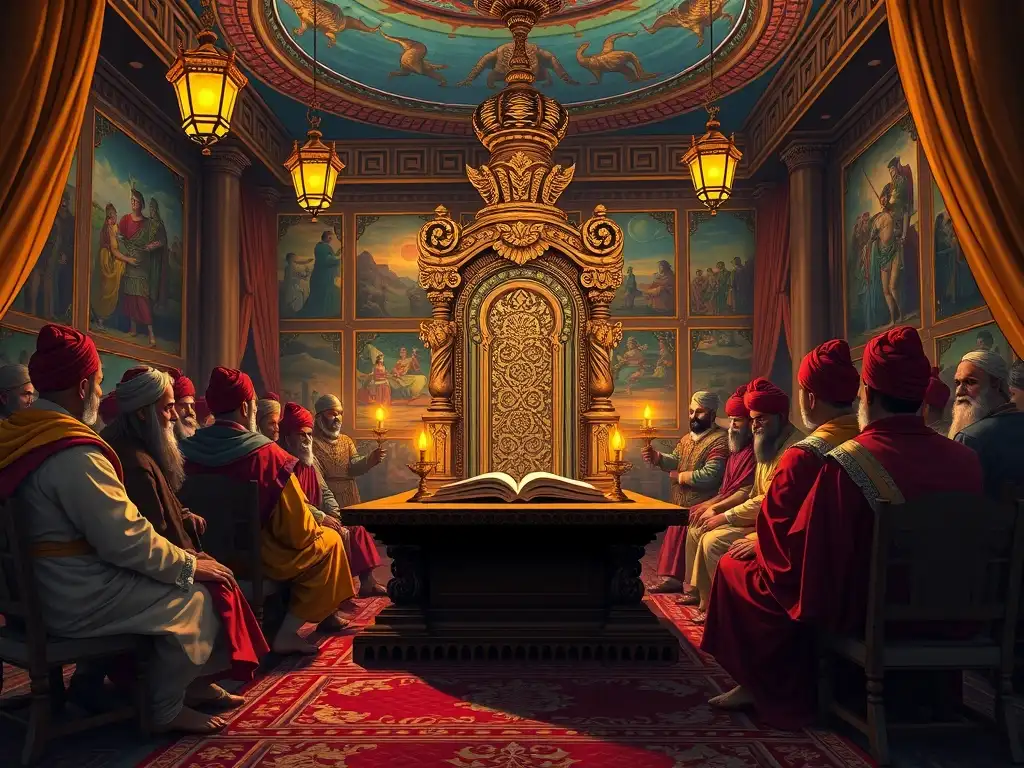
In the intricate tapestry of the Mahabharata, the role of advisors and counselors emerges as a pivotal aspect influencing power dynamics in ancient India. The epic illustrates that leadership is not solely about the rulers but also heavily relies on the wisdom and guidance provided by trusted advisors. This relationship between rulers and their counselors highlights the complexities of governance and the critical nature of strategic decision-making.
The advisors in the Mahabharata often serve as the voices of reason, providing clarity amidst chaos. Figures such as Krishna, Drona, and Vidura exemplify the impact that wise counsel can have on the outcomes of significant decisions. Their input often shifts the course of events, demonstrating that power is not only wielded by the kings but is also negotiated through the insights and strategies shared by these key figures.
Moreover, the epic delves into the consequences of ignoring wise counsel. Characters such as Duryodhana, who often dismisses the insights of his advisors, lead their factions into conflict and chaos. This underscores an essential lesson: that successful leadership requires the ability to listen, reflect, and act upon the counsel of those with experience and knowledge.
Krishna’s Role as a Diplomat and Strategist
Krishna's involvement in the Mahabharata transcends that of a mere charioteer; he embodies the role of a diplomat and strategist whose influence significantly shapes the course of the narrative. As a key advisor to the Pandavas, Krishna employs his diplomatic acumen to navigate the treacherous political landscape leading up to the Kurukshetra war.
His negotiation efforts with the Kauravas illustrate his understanding of power dynamics. When he attempts to broker peace by offering the Kauravas a chance to avoid war, he showcases his commitment to diplomacy over conflict. However, when faced with obstinacy from Duryodhana, Krishna strategically shifts to support the Pandavas, revealing a duality in his role: a peacemaker when possible, but also a fierce strategist when necessary.
Krishna’s guidance in battle, particularly through the Bhagavad Gita, further emphasizes his multifaceted role. He not only advises Arjuna on the moral dilemmas of warfare but also imparts wisdom on duty, righteousness, and the complexities of human nature. This demonstrates how effective leadership is intertwined with ethical considerations, a nuance that is particularly relevant in discussions of power dynamics.
The Influence of Other Key Advisors
Aside from Krishna, the Mahabharata features several other advisors whose influence on power dynamics is significant. Dronacharya, the royal teacher, plays a crucial role in shaping the martial prowess of both the Pandavas and Kauravas. His decisions, driven by loyalty and honor, often dictate the strategies employed in battle. His eventual allegiance to the Kauravas, despite his connections to the Pandavas, illustrates the complexities of loyalty in power dynamics.
Vidura, known for his wisdom and ethical grounding, often acts as a moral compass in the court of Hastinapura. His counsel is frequently ignored, yet his insights regarding justice and righteousness reflect a deeper understanding of effective governance. Vidura's character emphasizes the importance of integrity in leadership, a lesson that resonates throughout the epic.
Additionally, the female characters, such as Draupadi and Kunti, wield influence through their perspectives and decisions. Their roles demonstrate that power dynamics in ancient India were not solely confined to male figures; women also played crucial roles in shaping narratives and influencing key decisions, highlighting a broader spectrum of power relations.
Lessons on Power Dynamics from the Mahabharata
The Mahabharata serves as a profound source of lessons on power dynamics that resonate even today. It reveals that power is not merely about authority but encompasses the relationships, strategies, and ethical considerations that guide leaders. The interplay between different characters and their motivations sheds light on the importance of alliances and the consequences of betrayal.
One key lesson illustrated is the significance of moral integrity in leadership. The choices made by characters such as Yudhishthira and Duryodhana show that while power can be gained through manipulation and deceit, true leadership must be grounded in ethical principles. The epic warns against the hubris that often accompanies power, showcasing how it can lead to downfall when leaders disregard the welfare of their people.
Implications for Leadership and Governance
The implications of the Mahabharata's teachings on leadership and governance extend beyond the narrative itself. It emphasizes that effective governance is rooted in a deep understanding of human nature, the importance of ethical decision-making, and the necessity of listening to diverse perspectives.
Modern leaders can draw parallels from the epic in recognizing that collaboration, transparency, and a commitment to justice are fundamental to sustainable leadership. The lessons on the consequences of neglecting wise counsel and the value of diplomacy resonate in contemporary political contexts, where decision-making often involves navigating complex social and cultural landscapes.
Relevance of the Mahabharata's Teachings in Modern Context
The teachings of the Mahabharata remain relevant in today's world, providing insights into the nature of power dynamics across various domains, from politics to business. The emphasis on ethical leadership and the importance of counsel are critical in a time when leaders face unprecedented challenges and scrutiny.
In corporate environments, the lessons from the Mahabharata can guide leaders in fostering collaborative cultures, where the input of diverse stakeholders is valued. The narrative encourages a holistic approach to leadership that embraces transparency and accountability, essential for building trust and credibility.
In essence, the Mahabharata serves as a timeless reminder that power dynamics are complex and multifaceted, requiring leaders to navigate them with wisdom, integrity, and a commitment to the greater good. By reflecting on these ancient teachings, modern society can aspire to cultivate a more equitable and just framework of governance.
Conclusion: The Legacy of the Mahabharata on Power Dynamics in Ancient India
The Mahabharata stands as one of the most significant texts in ancient Indian literature, intricately portraying the complexities of power dynamics in its narrative. Its exploration of ethical dilemmas, moral conflicts, and the consequences of ambition and desire for power has left an indelible mark on the understanding of governance, leadership, and interpersonal relationships in ancient India. The epic not only reflects the historical context of its time but also serves as a philosophical guide that resonates with the ongoing discourse on power and authority.
The legacy of the Mahabharata is evident in the way it continues to inform societal norms and behaviors regarding power dynamics. Themes such as dharma (duty/righteousness), the struggle between good and evil, and the impact of individual choices on the collective fate of society remain relevant. The intricate relationships among the characters, their motivations, and the resulting conflicts provide timeless lessons on the nature of power, often illustrating the idea that power, when misused, can lead to destruction, as seen in the catastrophic war of Kurukshetra.
Summary of Key Insights
The Mahabharata offers several key insights into power dynamics in ancient India:
- Complexity of Leadership: The epic emphasizes that leadership is not merely a position of authority but involves moral responsibility and ethical decision-making. Characters like Yudhishthira exemplify the burdens of leadership, portraying the need for integrity and justice.
- Consequences of Ambition: The narrative illustrates how unchecked ambition can lead to catastrophic outcomes, as seen in the rivalry between the Pandavas and Kauravas, highlighting the destructive nature of greed and envy.
- The Role of Dharma: The concept of dharma is central to understanding power dynamics, as it dictates the moral framework within which leaders must operate. The epic challenges readers to consider the implications of their actions on societal harmony.
- Interpersonal Relationships: The Mahabharata delves into the complexities of relationships, showcasing how personal grievances and loyalties can influence broader political tensions, thus affecting power structures.
Reflection on the Continued Relevance of Power Dynamics in Society
The themes of the Mahabharata resonate deeply in contemporary society, as power dynamics continue to shape political, social, and economic landscapes. The conflicts and ethical dilemmas faced by its characters provide a framework for understanding modern power struggles.
In today's world, the balance of power is often challenged by corruption, inequality, and the pursuit of personal agendas. The Mahabharata serves as a reminder of the responsibilities that come with power and the potential repercussions of moral failures. As societies grapple with issues of governance and justice, the epic's teachings encourage reflection on the necessity of ethical leadership and the importance of collective well-being over individual gain.
Moreover, the Mahabharata's exploration of diverse perspectives highlights the significance of dialogue and understanding in resolving conflicts, a lesson that remains pertinent in an increasingly polarized global landscape.
References
Suggested Readings on the Mahabharata and Power Dynamics in Ancient India
- The Mahabharata: A Modern Rendering by Ramesh Menon - This contemporary retelling provides insights into the epic while focusing on its themes of power and morality.
- Mahabharata: An Inquiry in the Human Condition by A. N. D. H. - A philosophical exploration of the text's implications on human behavior and governance.
- The Power of the Mahabharata: A Study of the Epic's Influence on Indian Politics by Sudha Narayanan - An analysis of how the Mahabharata has shaped political thought and practice in India.
Academic Sources and Studies on Ancient Indian Literature
- The Mahabharata and its Historical Context by P. V. S. Rao - This academic work provides a comprehensive examination of the historical backdrop against which the Mahabharata was written, focusing on its political implications.
- Power and Authority in the Mahabharata by R. K. Gupta - A scholarly analysis that delves into the nuances of power dynamics within the epic's narrative structure.
- Ethics and Power in Ancient India: A Mahabharata Perspective by L. G. Sharma - This study explores the ethical dimensions of power as depicted in the Mahabharata and its relevance to modern governance.
- Introduction to the Mahabharata
- Understanding Power Dynamics in Ancient India
- Characters in the Mahabharata and Their Roles in Power Dynamics
- Major Themes Reflecting Power Dynamics
- The Role of Advisors and Counselors in Power Dynamics
- Lessons on Power Dynamics from the Mahabharata
- Conclusion: The Legacy of the Mahabharata on Power Dynamics in Ancient India
- References
- What is the significance of the Mahabharata in understanding power dynamics in ancient India?
- How does the Mahabharata illustrate the role of dharma in political power?
- What are some key themes related to power dynamics presented in the Mahabharata?
- How did the Gupta Empire influence the portrayal of power dynamics in ancient Indian literature?
- Can the Mahabharata be considered a historical document regarding political structures in ancient India?
Frequently Asked Questions
What is the significance of the Mahabharata in understanding power dynamics in ancient India?
The Mahabharata is a vital text that reflects the complexities of power, morality, and governance in ancient Indian society, showcasing various political strategies and their consequences.
How does the Mahabharata illustrate the role of dharma in political power?
The epic emphasizes the concept of dharma, or duty, which guides characters in their decisions about power and leadership, highlighting how morality intertwines with political authority.
Key themes include betrayal, loyalty, justice, and the struggle for power, which provide insights into the social and political landscape of ancient India.
How did the Gupta Empire influence the portrayal of power dynamics in ancient Indian literature?
During the Gupta Empire, literature flourished, reflecting a more centralized power structure and the ideals of kingship, which further shaped the narrative of authority in texts like the Mahabharata.
Can the Mahabharata be considered a historical document regarding political structures in ancient India?
While primarily a literary work, the Mahabharata offers valuable insights into the political structures and social norms of its time, making it a relevant source for understanding historical power dynamics.
Final Reflection: The Enduring Legacy of Power Dynamics in Ancient India
The intricate tapestry of power dynamics in ancient India, as illustrated by the Mahabharata, remains profoundly relevant today. The epic not only narrates the struggles for power among its characters but also serves as a timeless commentary on the complexities of authority, morality, and human nature. In a world where power continues to shape societies, understanding these ancient narratives can provide us with critical insights into our contemporary struggles for justice and equity.
The Mahabharata's exploration of power dynamics has left an indelible mark on our cultural and social landscape. Its themes resonate through the ages, influencing everything from political discourse to personal relationships. As we navigate our own power struggles, we can draw parallels to the epic's characters and their choices. The greatest warrior is not the one who wins battles, but the one who understands the nature of power.
This quote encapsulates the essence of the Mahabharata, reminding us that true strength lies in wisdom and understanding, not merely in conquest.
As we reflect on the lessons embedded in the Mahabharata, let us consider how we can apply these insights to our own lives. Take a moment to examine the power dynamics around you—be it in your workplace, community, or personal relationships. How can you embody the principles of fairness and integrity that the epic champions? By engaging with these timeless lessons, we can strive to create a more equitable world, honoring the legacy of ancient wisdom while forging a path toward a brighter future.
Unveil the Power Dynamics of the Mahabharata!
Thank you for diving into the rich narrative of the Mahabharata and exploring its intricate reflection on power dynamics in ancient India. Your engagement with this timeless text enhances your understanding of history and human behavior. Now, let’s translate that knowledge into meaningful action!
- Dive deeper: Examine a summary of the key lessons regarding power from the Mahabharata and discuss your insights with friends!
- Share your insights: Post your reflections on social media or within history forums to spark conversations about ancient power structures!
- Explore further: Consider reading a translation of the Mahabharata and starting a book club focused on its themes.
Which aspect of power dynamics in the Mahabharata resonates most with your own life experiences?