
The Ramayana as a Reflection of Ancient Indian Society and Values

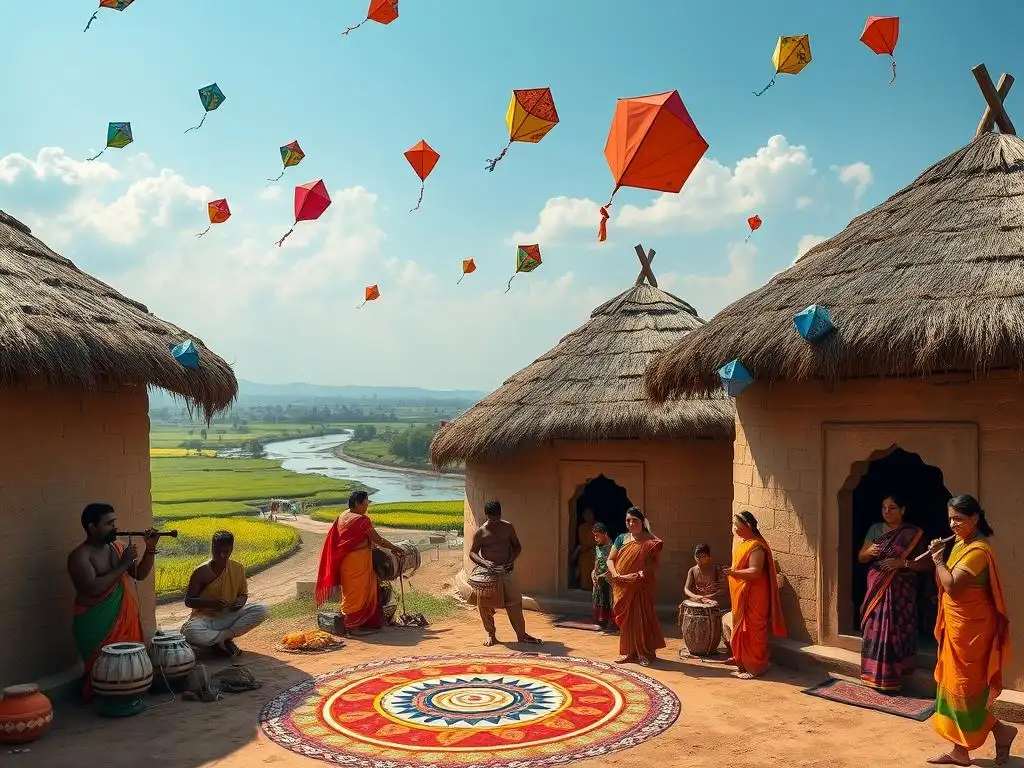
Welcome to Ancient India History, where we embark on a captivating journey through the vibrant tapestry of ancient civilizations! Discover how the Ramayana, a monumental epic of Indian literature, serves as a profound reflection of ancient Indian society and values. As we delve into the intricate relationships, moral dilemmas, and cultural norms depicted in this timeless tale, you'll uncover the rich heritage that has shaped India's identity. Prepare to be intrigued and inspired as you explore the depths of history that continue to resonate today!
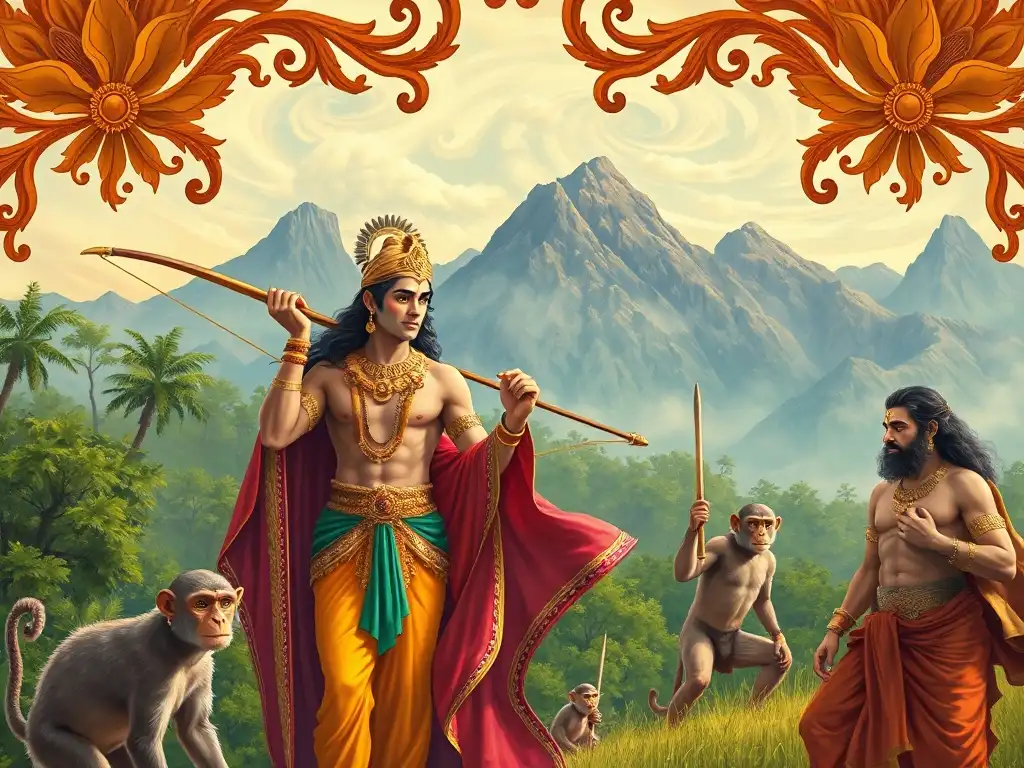
Introduction to the Ramayana
The Ramayana, one of the two major Sanskrit epics of ancient Indian literature, serves as a vital lens through which we can explore the intricate tapestry of ancient Indian society and values. Composed by the sage Valmiki, this epic narrative not only tells the story of Lord Rama’s quest to rescue his wife Sita from the demon king Ravana but also provides profound insights into the cultural, social, and ethical frameworks of ancient India.
As we delve into the Ramayana, we uncover its role as both a spiritual guide and a reflection of the societal norms that governed the lives of its characters and, by extension, the people of its time.
Overview of the Ramayana as Epic Literature
The Ramayana is structured into seven books, known as Kandas, and features a rich array of characters, each representing various ideals and virtues. It is not merely a story; it is a philosophical discourse that addresses the complexities of dharma (duty/righteousness), family loyalty, and moral dilemmas. The epic has been revered not only for its literary merit but also as a cultural artifact that encapsulates the essence of ancient Indian values.
Significance of the Ramayana in Ancient Indian Culture
The Ramayana transcends mere storytelling; it is a foundational text that has shaped the cultural and spiritual ethos of India for centuries. It serves as a moral compass, guiding individuals in their personal and social lives. The themes of devotion, honor, and sacrifice resonate deeply within the social fabric, influencing art, theater, and religious practices throughout Indian history. Festivals, rituals, and performances dedicated to the Ramayana highlight its enduring legacy and significance in both historical and contemporary contexts.
Ancient Indian Society and Its Structure
To fully appreciate the Ramayana, it is essential to understand the structure of ancient Indian society, which was characterized by intricate hierarchies and roles that defined people's lives and interactions. This societal organization was pivotal in shaping the characters and events within the epic, illustrating the values that were paramount in ancient India.
Social Hierarchies in Ancient India
Ancient Indian society was stratified into distinct classes, known as varnas, which included the Brahmins (priests), Kshatriyas (warriors), Vaishyas (traders), and Shudras (laborers). Each class had specific duties and responsibilities that were believed to maintain societal harmony. The Ramayana reflects these hierarchies through its characters, who embody the virtues and challenges associated with their respective roles.
Roles of Different Classes in the Ramayana
The characters in the Ramayana exemplify the expectations and behaviors associated with their classes. For instance, Lord Rama, as a Kshatriya, epitomizes the ideal warrior, demonstrating bravery, integrity, and a commitment to dharma. Conversely, figures such as Hanuman, a devoted servant and deity of strength, showcase the loyalty and righteousness valued across all classes. The interactions among these characters provide a rich narrative that illustrates the social dynamics of ancient India.
Gender Roles and Representation in the Ramayana
Gender roles in the Ramayana are particularly significant, as they highlight the expectations placed on women and men within ancient Indian society. Sita, the central female figure, symbolizes virtue, fidelity, and sacrifice, embodying the ideal qualities expected of women. Her trials and tribulations throughout the epic reflect societal views on honor and the position of women in a patriarchal structure. Conversely, characters like Surpanakha challenge these norms, providing a more complex view of female agency and desire. Through these representations, the Ramayana offers a nuanced perspective on gender roles and the values that governed them in ancient India.
Core Values Reflected in the Ramayana
The Ramayana, attributed to the sage Valmiki, serves as a profound mirror reflecting the core values of ancient Indian society. From its intricate storytelling to the depth of its characters, the epic encapsulates the ideals that shaped social norms and individual conduct. Central to the narrative are the themes of dharma (righteousness), bhakti (devotion), and the significance of familial bonds, which highlight the cultural fabric of ancient India.
These values are not merely philosophical concepts; they manifest in the actions and decisions of the characters, guiding them through trials and tribulations. By exploring these core values, readers gain insight into the moral and ethical framework that governed ancient Indian life, showcasing how literature can influence societal behavior and individual choices.
Dharma: The Principle of Righteousness
Dharma is a pivotal concept in the Ramayana, representing the moral order of the universe and the ethical duties one must uphold. The character of Rama, often viewed as the epitome of dharma, faces numerous challenges that test his commitment to righteousness. His unwavering dedication to duty—whether as a son, husband, or king—illustrates the significance of fulfilling one’s responsibilities.
The clash between personal desires and societal obligations is a recurring theme in the epic. Rama’s exile, prompted by his stepmother Kaikeyi’s demands, exemplifies his adherence to dharma over personal happiness. This sacrifice underscores the belief that upholding righteousness is paramount, even at great personal cost. The Ramayana thus teaches that true honor lies in selfless duty, serving as a guiding principle for ancient Indian society.
The Concept of Bhakti: Devotion and Faith
The Ramayana also emphasizes the concept of bhakti, which signifies deep devotion and love for the divine. Characters such as Hanuman embody this ideal, showcasing unwavering faith and loyalty to Rama. Hanuman’s devotion is not only a personal journey but also a representation of the broader spiritual quest that characterizes ancient Indian culture.
Through various episodes, the text illustrates how devotion transcends social barriers, emphasizing that true bhakti requires humility, surrender, and a deep connection with the divine. This perspective on devotion reinforces the idea that spiritual fulfillment is integral to one’s identity and societal role, encouraging followers to cultivate a relationship with the divine that is based on love and reverence.
The Importance of Family and Relationships
Family and relationships are central to the narrative of the Ramayana, highlighting their significance in ancient Indian society. The epic portrays familial bonds as sacred, with loyalty and duty to one’s family being paramount. The relationship between Rama and his brothers, particularly Lakshmana, exemplifies the ideals of brotherhood and sacrifice.
Moreover, the trials faced by Sita highlight the roles and expectations of women within the family structure. Her unwavering loyalty to Rama, despite the adversities she encounters, underscores the value placed on marital fidelity and virtue. Through these narratives, the Ramayana reinforces the notion that strong familial ties form the backbone of societal stability, illustrating how personal relationships are intertwined with broader cultural values.
The Ramayana's Depiction of Morality and Ethics
The Ramayana serves as a rich source of moral instruction, illustrating ethical dilemmas and the principles of right conduct. Its characters navigate complex situations that challenge their values, providing readers with timeless lessons on morality.
Moral Lessons Illustrated through Characters
Each character in the Ramayana embodies specific virtues and flaws, offering moral lessons that resonate with readers. For instance, Rama represents the ideal ruler, balancing justice and compassion, while Ravana, the antagonist, showcases the consequences of pride and lust for power. Through their journeys, the epic conveys that moral integrity and ethical conduct are essential for personal and societal harmony.
The moral lessons extend beyond the actions of the protagonists; even minor characters contribute to the narrative’s ethical framework. The decisions they make often highlight the importance of choices, demonstrating how individual actions can lead to broader implications for society.
Ethical Dilemmas faced by Key Figures
The Ramayana is replete with ethical dilemmas that challenge its characters to make difficult choices. Rama’s decision to exile Sita, despite her purity, raises questions about justice and societal norms regarding honor and shame. This poignant moment reflects the complexities of morality, illustrating that ethical choices are seldom clear-cut.
Similarly, the character of Bharata grapples with his duty to support his mother while remaining loyal to Rama. His internal conflict illustrates the tension between familial loyalty and the pursuit of righteousness, demonstrating that ethical dilemmas are an inherent part of human experience.
The Role of Virtue in Ancient Indian Society
Virtue plays a critical role in the social fabric depicted in the Ramayana. The epic underscores the belief that a virtuous life—characterized by honesty, integrity, and compassion—is essential for individual fulfillment and societal well-being. The characters’ adherence to virtuous principles serves as a model for ancient Indian society, encouraging individuals to strive for moral excellence.
The Ramayana ultimately presents a vision of a society governed by virtue, where ethical behavior fosters harmony and prosperity. Its teachings resonate through generations, reinforcing the importance of maintaining moral integrity in the face of challenges. This enduring connection between literature and societal values underscores the Ramayana's significance as a cultural touchstone in ancient India.
Cultural Practices and Traditions in the Ramayana
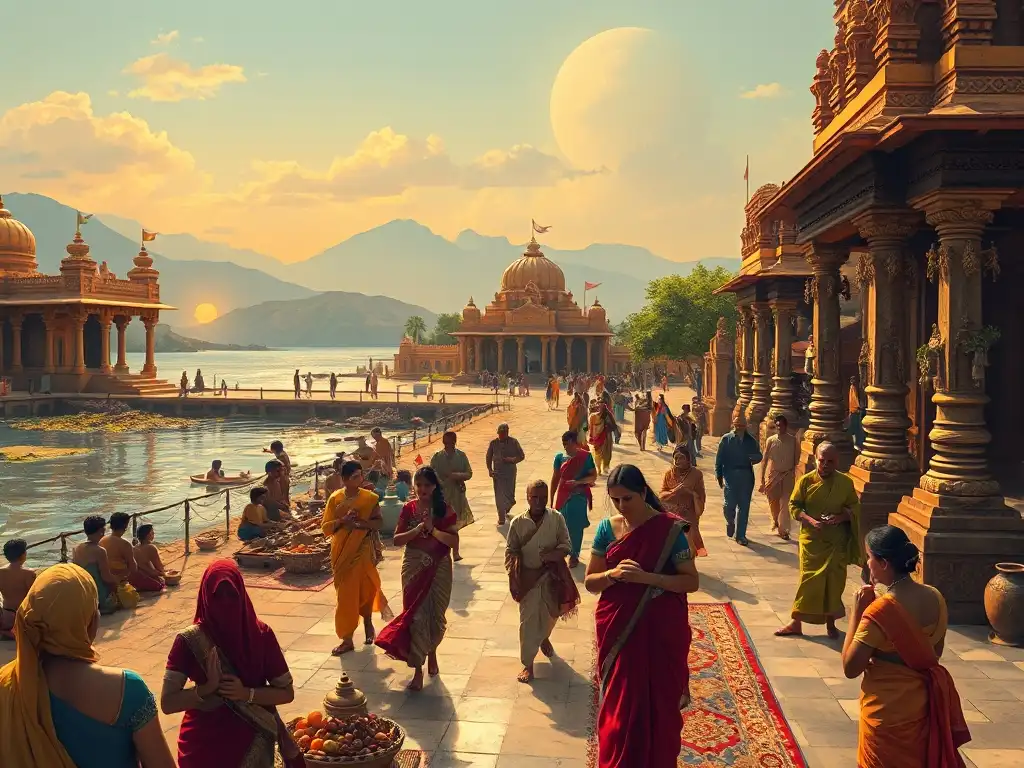
The Ramayana serves as a profound reservoir of cultural practices and traditions inherent to ancient Indian society. Throughout the epic, various rituals, customs, and social norms are depicted, reflecting the values and lifestyle of the time. For instance, the importance of family and kinship is emphasized through the relationships portrayed among characters like Rama, Sita, and Lakshmana. The narrative promotes the idea of dharma (duty) as an essential pillar in maintaining social order and harmony.
Festivals and Rituals Represented in the Epic
The Ramayana is rich with references to festivals and rituals that were integral to ancient Indian life. One of the most prominent is Diwali, celebrated as the festival of lights, which commemorates Lord Rama's return to Ayodhya after defeating Ravana. This event is marked by the lighting of lamps, symbolizing the triumph of good over evil. Additionally, the epic references various sacraments (samskaras) such as marriage and initiation ceremonies, showcasing the significance of these rituals in fostering community bonds and shared beliefs.
The Influence of Ramayana on Ancient Indian Art and Literature
The Ramayana has had a profound impact on ancient Indian art and literature, inspiring a plethora of artistic expressions, including paintings, sculptures, and dance forms. Numerous temple carvings across India depict scenes from the epic, illustrating its enduring visual narrative. Furthermore, the Ramayana has inspired various literary adaptations and retellings in multiple languages, serving as a foundational text that not only captures the essence of ancient Indian society but also enables cultural continuity through generations.
The Ramayana's Impact on Modern Indian Culture
Even today, the Ramayana continues to influence modern Indian culture, as its stories and characters resonate with contemporary societal values. Television adaptations, theatrical performances, and festivals centered around the epic keep its teachings alive. The moral lessons derived from the Ramayana, such as the importance of righteousness, integrity, and the sanctity of family, remain relevant, guiding individuals in their personal and social lives. The epic's characters, especially Rama and Sita, are revered as ideals of virtue and morality, embodying the values that many strive to emulate.
The Ramayana and Its Influence on Ancient Indian Values
The Ramayana is not merely an epic tale; it encapsulates the core values that shaped ancient Indian society. The themes of duty, righteousness, honor, and devotion permeate the narrative, serving as a moral compass for individuals and communities alike.
Reflections of Leadership and Governance
Leadership in the Ramayana is portrayed through the character of Rama, who exemplifies the ideal king (Raja Dharma). His adherence to dharma, even in the face of personal loss, highlights the attributes of a just and effective leader. The epic illustrates the concept of a ruler's duty to protect and serve their subjects, emphasizing that true leadership is rooted in selflessness and moral integrity. This depiction of governance has influenced the political ethos in India, promoting the idea that a leader must prioritize the welfare of the people above personal interests.
The Ramayana's Role in Shaping Societal Norms
The Ramayana plays a crucial role in shaping societal norms by establishing expectations around gender roles, family dynamics, and social responsibilities. Sita's character, in particular, reflects the idealized qualities of womanhood, including loyalty, purity, and dedication to family. While these portrayals have been subject to reinterpretation over time, they provide insight into the societal expectations prevalent in ancient India. Additionally, the relationships between characters in the epic underscore the importance of community and cooperation, reinforcing the value of social cohesion.
Lessons on Sacrifice and Loyalty in Ancient Indian Society
Sacrifice and loyalty are pervasive themes in the Ramayana, serving as essential values within ancient Indian society. Characters like Hanuman demonstrate unwavering loyalty and devotion, symbolizing the ideal of selfless service. The epic teaches that true love often requires sacrifice, as seen in Rama's exile and Sita's trials. These lessons resonate deeply within the cultural fabric of India, highlighting the importance of loyalty to family, friends, and one's principles. The enduring impact of these themes continues to inspire and shape relationships and moral values in contemporary Indian society.
Conclusion: The Lasting Legacy of the Ramayana
The Ramayana, an epic that transcends mere storytelling, serves as a profound reflection of ancient Indian society and values. Its narratives encapsulate the ideals of dharma (duty/righteousness), loyalty, and moral integrity, which were pivotal in shaping the cultural and ethical framework of ancient India. As a cornerstone of Indian literature, the Ramayana has influenced not just the literary domain but has also been a guiding force in the social and philosophical realms.
The impact of the Ramayana can be seen across various facets of life, from traditional practices to contemporary interpretations. Its characters, particularly Rama and Sita, embody virtues that resonate with audiences even today, making it a timeless source of inspiration. The themes explored in the Ramayana—such as the importance of family, the trials of duty, and the quest for justice—continue to hold relevance in modern society, illustrating the enduring nature of its teachings.
Moreover, the Ramayana's legacy is not confined to religious contexts but extends into the arts, dance, and theater, reflecting its versatility and significance in cultural expressions. This epic serves as a bridge connecting past and present, allowing contemporary society to draw lessons from the wisdom of ancient Indian civilization.
The Ramayana's Relevance in Understanding Ancient Indian Society and Values
The Ramayana provides invaluable insights into the socio-political landscape of ancient India. Through its depiction of kingship, governance, and social hierarchy, the epic reveals how ancient Indian society was structured and operated. For instance, the role of Rama as an ideal king illustrates the concept of Rama Rajya, a utopian reign characterized by justice and prosperity. This ideal governance model reflects the values that were cherished in ancient Indian society.
The portrayal of female characters, especially Sita, further emphasizes the values associated with womanhood, virtue, and sacrifice. Sita's unwavering commitment to her husband and her trials in the face of adversity highlight the societal expectations placed on women during that era. Such narratives inform modern readers about the gender roles and cultural norms prevalent in ancient times.
Additionally, the Ramayana's exploration of friendship, loyalty, and the moral dilemmas faced by its characters sheds light on the ethical considerations that guided ancient Indian society. The relationships between characters like Rama and Hanuman exemplify the ideals of friendship and devotion, serving as a moral compass for individuals navigating complex social dynamics.
Final Thoughts on the Importance of Epic Literature in Cultural Heritage
Epic literature, such as the Ramayana, plays a crucial role in preserving and transmitting the cultural heritage of a civilization. These narratives are not only artistic expressions but also serve as historical documents that encapsulate the values, beliefs, and aspirations of a society. The Ramayana, with its rich tapestry of characters and events, offers a window into ancient Indian life, allowing us to explore the intricate connections between mythology and reality.
Through the lens of epic literature, we can appreciate the shared narratives that shape community identity and collective memory. The Ramayana's themes of duty, honor, and sacrifice resonate across generations, reinforcing cultural continuity and providing a framework for moral education.
In sum, the Ramayana stands as a testament to the depth of ancient Indian society and values. Its enduring relevance underscores the importance of epic literature in understanding not only the past but also its implications for the present and future. As we continue to engage with these narratives, we enrich our cultural understanding and foster a deeper appreciation for the legacies left behind by ancient civilizations.
- Introduction to the Ramayana
- Ancient Indian Society and Its Structure
- Core Values Reflected in the Ramayana
- The Ramayana's Depiction of Morality and Ethics
- Cultural Practices and Traditions in the Ramayana
- The Ramayana and Its Influence on Ancient Indian Values
- Conclusion: The Lasting Legacy of the Ramayana
- What is the significance of the Ramayana in understanding ancient Indian society?
- How does the Ramayana portray the concept of dharma?
- What role do women play in the Ramayana?
- How does the Ramayana reflect the caste system in ancient India?
- What lessons about morality and ethics can be drawn from the Ramayana?
Frequently Asked Questions
What is the significance of the Ramayana in understanding ancient Indian society?
The Ramayana serves as a cultural mirror, reflecting the values, norms, and ethical dilemmas of ancient Indian society and its intricate social structures.
How does the Ramayana portray the concept of dharma?
In the Ramayana, dharma is depicted as a guiding principle, showcasing the importance of righteousness and duty across different roles in society, from kings to commoners.
What role do women play in the Ramayana?
The Ramayana highlights the strength and sacrifice of female characters like Sita, illustrating their pivotal role in both the familial and social contexts of ancient Indian values.
How does the Ramayana reflect the caste system in ancient India?
The epic provides insights into the hierarchical structure of society, emphasizing the duties and responsibilities associated with different castes, and how these roles were integral to social order.
What lessons about morality and ethics can be drawn from the Ramayana?
The Ramayana imparts valuable teachings on morality and ethics, encouraging individuals to adhere to their principles and make sacrifices for the greater good of society.
Final Reflection: Embracing the Wisdom of Ancient Indian Society and Values
The Ramayana serves as a profound lens through which we can examine the intricacies of ancient Indian society and values. Its timeless narratives resonate with contemporary issues, reminding us that the lessons of the past are not merely historical artifacts but living principles that can guide our actions today. As we navigate the complexities of modern life, the ethical dilemmas and moral quandaries depicted in this epic continue to offer relevant insights, urging us to reflect on our own values and choices.
The influence of The Ramayana extends far beyond its narrative; it has shaped cultural norms, social structures, and ethical frameworks within Indian society. The characters and their journeys embody virtues such as duty, honor, and devotion, which remain essential in our interactions today. The Ramayana is not just a story; it is a way of life.
This quote encapsulates the enduring impact of the epic, as its teachings continue to inspire generations, fostering a sense of identity and belonging within the cultural fabric of India.
As we conclude this exploration, I invite you to reflect on the values that resonate with you from The Ramayana and consider how they can be integrated into your own life. What lessons can you draw from the characters’ struggles and triumphs? How can the principles of duty, righteousness, and compassion shape your actions in today’s world? Let us carry forward the wisdom of ancient Indian society and values, allowing them to illuminate our paths as we strive for a more harmonious and principled existence.
Unveil the Wisdom of the Ramayana in Modern Life!
Thank you for diving deep into the rich insights of the Ramayana with us! You've explored how this ancient epic mirrors the values and practices of its time, offering timeless lessons that resonate even today. Now, let's transform that knowledge into action and bring the wisdom of the Ramayana into our daily lives!
- Start a Ramayana book club: Gather friends, family, or colleagues to discuss its themes and their application to modern dilemmas and values. Sharing perspectives can enrich your understanding!
- Reflect on a core value: Choose one value from the Ramayana that resonates most with you—be it duty, honor, or loyalty—and identify practical ways to embody it in your life this week.
- Share your insights: Use social media to spread the knowledge! Post about what you've learned and how the Ramayana inspires you. You never know who you might inspire in return!
What value from the Ramayana do you believe holds the most significance for today’s society, and how would you integrate it into your life? Let’s discuss!