
How Ancient Indian Art Forms Reflect Societal Values and Beliefs

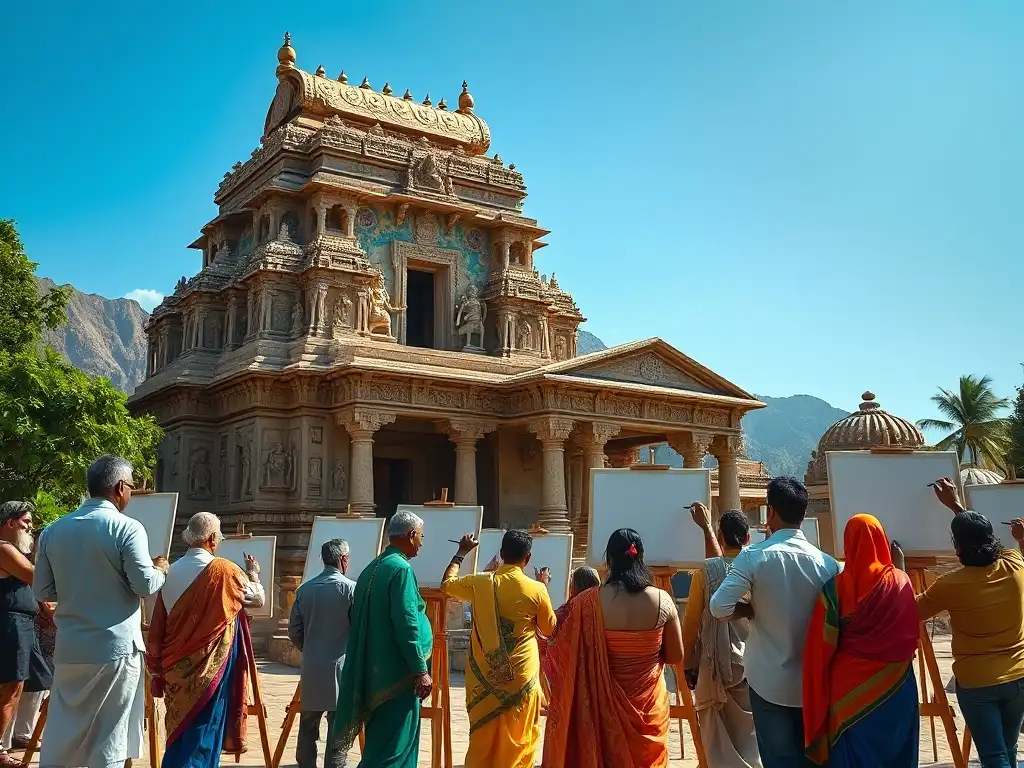
Welcome to Ancient India History, where we invite you to embark on a captivating journey through time, exploring the rich tapestry of India's past. In our featured article, "How Ancient Indian Art Forms Reflect Societal Values and Beliefs," we delve into the intricate relationship between ancient Indian art and culture and the values that shaped the civilizations of the Indus Valley, the Maurya Empire, and beyond.
Discover how these timeless expressions not only reflect the aesthetic sensibilities of their era but also serve as profound narratives of the beliefs and ideals that governed daily life. Join us as we unravel the stories behind these artistic masterpieces and uncover the legacy that continues to inspire the world today!
- Introduction to Ancient Indian Art and Culture
- Historical Context of Ancient Indian Art
- Key Features of Ancient Indian Art Forms
- Societal Values and Beliefs Reflected in Art
- Regional Variations in Ancient Indian Art Forms
- The Role of Art in Daily Life and Rituals
- Legacy of Ancient Indian Art and Culture
- Conclusion: The Enduring Impact of Ancient Indian Art and Culture
- Frequently Asked Questions
- Final Reflection: The Enduring Legacy of Ancient Indian Art and Culture
- Unveil the Richness of Ancient Indian Art!
Introduction to Ancient Indian Art and Culture
The vast tapestry of ancient Indian art and culture offers a profound lens through which we can explore the values, beliefs, and societal norms of its time. Spanning several millennia, from the sophisticated urban planning of the Indus Valley Civilization to the intricate sculptures of the Gupta Empire, ancient Indian art serves not only as a means of aesthetic expression but also as a reflection of the ethos of the society that created it.
This article delves into various art forms that emerged throughout ancient India, highlighting their significance and the messages they convey about the civilization's spiritual and social fabric. By understanding these art forms, we gain insight into the cultural narratives that shaped the lives of countless individuals and communities, ultimately contributing to the rich heritage that is celebrated today.
Overview of Ancient Indian Art Forms
Ancient Indian art encompasses a wide range of forms, each representing distinct cultural influences and historical contexts. Some of the most notable art forms include:
- Sculpture: Often carved from stone, sculpture in ancient India includes detailed representations of deities, mythical creatures, and everyday life.
- Key Examples:
- The Ashoka Pillars
- The sculptures of Khajuraho
- Key Examples:
- Painting: Ancient Indian paintings, such as those found in Ajanta and Ellora caves, portray religious themes and narratives from epics like the Mahabharata and Ramayana.
- Architecture: The construction of temples and stupas showcases not only artistic skill but also religious significance.
- Prominent Structures:
- Brihadeeswarar Temple
- The Great Stupa at Sanchi
- Prominent Structures:
- Textiles and Craftsmanship: The intricate designs of textiles and handicrafts reflect the cultural richness and technological advancements of the time.
These diverse forms of art were not merely for decoration; they served as vital means of communication, education, and expression, allowing individuals to connect with their beliefs and the community around them.
Importance of Art in Reflecting Societal Values
Art in ancient India was deeply intertwined with the sociocultural and spiritual fabric of society. It played several crucial roles, including:
- Cultural Identity: Artistic expressions helped define and preserve the unique cultural identity of various regions and communities.
- Religious Significance: Much of ancient Indian art is rooted in religion, illustrating the beliefs and practices of Hinduism, Buddhism, and Jainism.
- For example, sculptures of deities not only depict divine figures but also embody the values and morals associated with them.
- Social Commentary: Many artworks provide insight into societal norms, gender roles, and class structures, reflecting the complexities of daily life.
- Historical Documentation: Art serves as a historical record, depicting significant events, rituals, and milestones that shaped the civilization.
Through these pathways, ancient Indian art and culture reveal not only the aesthetic sensibilities of the time but also the underlying values and beliefs that guided human interaction and societal development. Understanding this interplay enhances our appreciation of the rich legacy left by ancient civilizations in India.
Historical Context of Ancient Indian Art
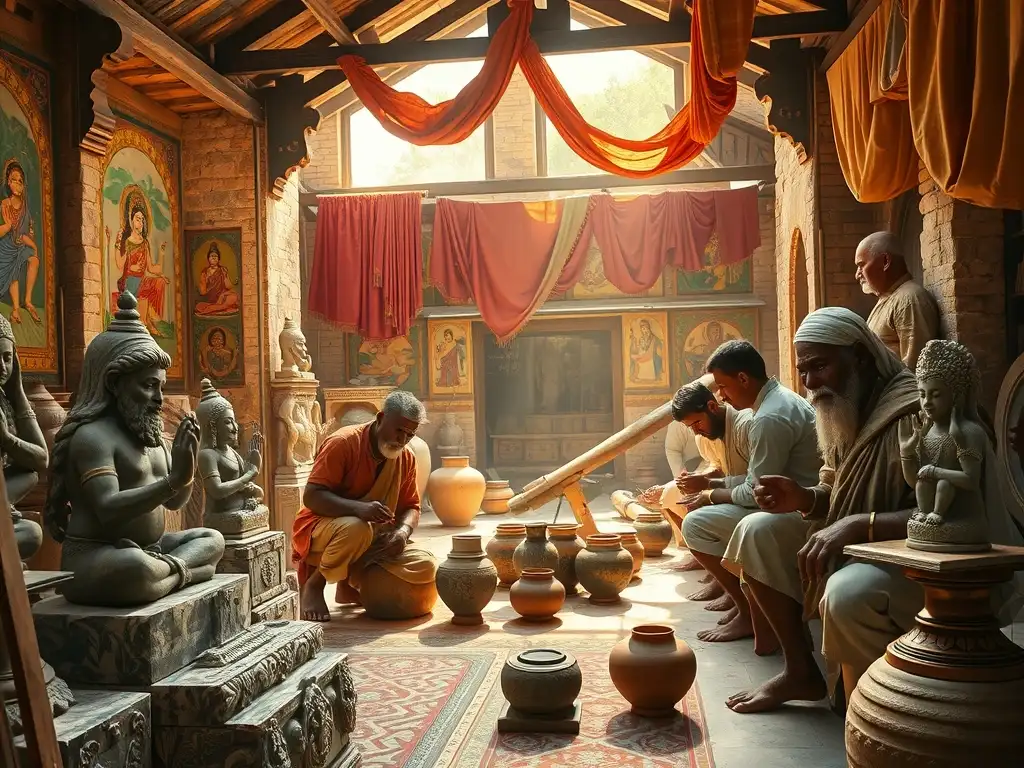
Evolution of Art Forms in Ancient India
The evolution of ancient Indian art is a testament to the rich tapestry of cultural, religious, and societal influences that shaped the subcontinent over millennia. From the intricate seals of the Indus Valley Civilization to the sublime sculptures of the Gupta period, each era brought forth unique artistic expressions that mirrored the values and beliefs of the time.
Art in ancient India was not merely an aesthetic pursuit; it was deeply intertwined with spirituality and everyday life. For instance, the use of symbolism in art, such as the lotus flower representing purity and enlightenment, was prevalent across various periods. Furthermore, art served as a medium for storytelling, often depicting scenes from epics like the Mahabharata and Ramayana, thus preserving oral traditions and moral teachings.
The materials and techniques used in ancient Indian art also evolved significantly. Early artisans predominantly utilized materials like terracotta and stone, which were readily available. As time progressed, the introduction of new materials such as metal and more advanced stone-carving techniques allowed for greater intricacy and durability in artworks.
Major Periods Influencing Art and Culture
The rich landscape of ancient Indian art and culture can be understood through its major historical periods, each contributing distinct elements to the artistic narrative.
Indus Valley Civilization
The Indus Valley Civilization (c. 3300–1300 BCE) is often regarded as the cradle of ancient Indian art. This period is characterized by its unique terracotta figurines and seals, which often depicted animals and human forms in stylized manners. The famous "Dancing Girl" bronze statue exemplifies the exquisite craftsmanship of this era.
The art produced during this time reflected the values of a highly organized society, with a focus on trade, agriculture, and ritualistic practices. The seals, often inscribed with symbols and scripts, suggest a complex communication system and possibly religious beliefs, indicating that art was a vital aspect of both economic and spiritual life.
Mauryan Empire
The Mauryan Empire (c. 322–185 BCE) marked a significant transition in ancient Indian art, largely influenced by the spread of Buddhism. This period saw the emergence of monumental architecture, such as the Ashoka Pillars and stupas, which were intricately carved with narratives from the life of the Buddha.
The artistic style during the Mauryan period was characterized by a blend of indigenous and foreign influences, particularly from the Hellenistic world, due to Alexander the Great's conquests. Sculptures from this era, such as those at Sanchi and Bharhut, are notable for their detailed depictions of Buddhist teachings and the compassionate values of Buddhism, emphasizing non-violence and respect for all living beings.
Gupta Empire
The Gupta Empire (c. 240–550 CE) is often referred to as the Golden Age of ancient India, particularly in the realm of art and culture. This era witnessed a flourishing of various art forms, including painting, sculpture, and temple architecture. The Gupta period is renowned for its exquisite stone carvings, exemplified by the intricate sculptures found in the temples of Khajuraho and Udayagiri.
During this time, the art was heavily influenced by Hinduism, with many pieces depicting deities and mythological narratives that reinforced societal values such as dharma (duty) and karma (action). The detailed murals found in the Ajanta caves reveal a sophisticated understanding of human emotion and expression, showcasing the societal importance of art in conveying moral and philosophical ideas.
The evolution of art forms in ancient India reflects a rich interplay of cultural, spiritual, and societal influences across different historical periods. Each era contributed uniquely to the artistic heritage, leaving an indelible mark on the rich canvas of ancient Indian art and culture.
Key Features of Ancient Indian Art Forms
Sculpture and Relief Work
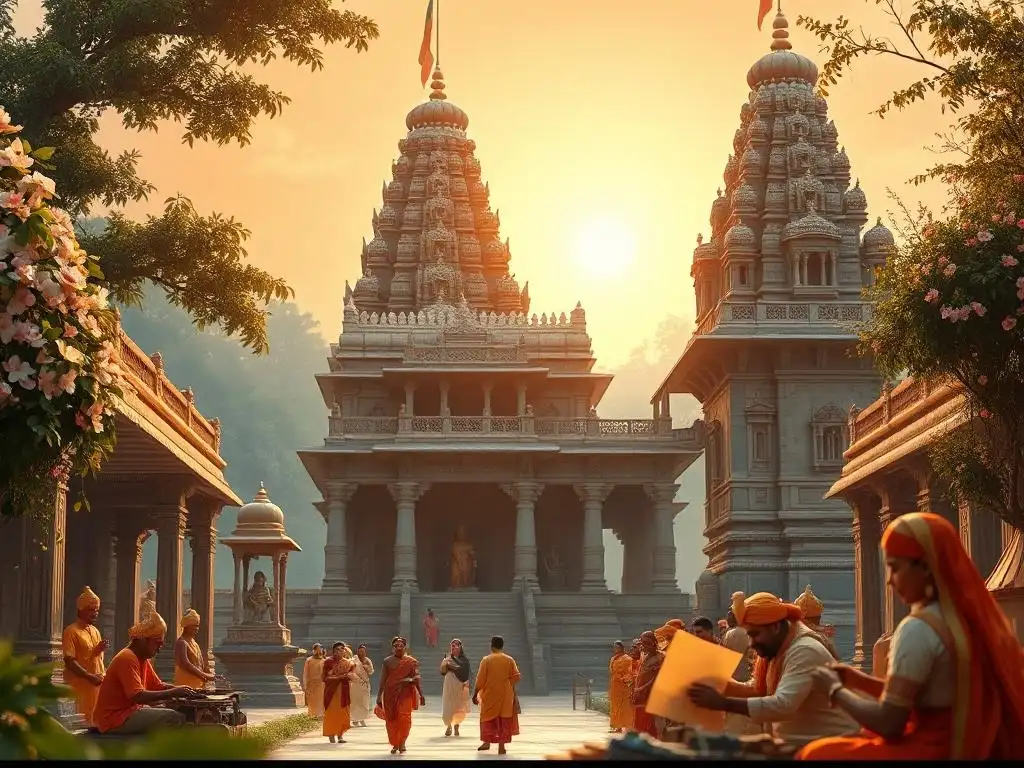
Sculpture and relief work are two of the most prominent forms of ancient Indian art, showcasing the exceptional craftsmanship and artistic vision of their creators. These forms are not just aesthetic expressions but also serve as important historical documents that reflect the societal values and spiritual beliefs of the time.
Religious Themes in Sculpture
Religious themes dominate ancient Indian sculpture, with deities and mythological narratives being central to many works. Temples such as the ones at Khajuraho and the Brihadeeswarar Temple in Thanjavur are adorned with intricate sculptures that depict gods, goddesses, and various avatars of deities like Vishnu and Shiva. These sculptures often embody the philosophical concepts found in Hindu scriptures, such as the Trimurti—the representation of the cosmic functions of creation, preservation, and destruction.
- Symbolism: Each sculpture often carries deep symbolic meanings. For example, the lotus flower frequently appears in depictions of Lakshmi, symbolizing purity and divine beauty.
- Narrative Techniques: Many sculptures use narrative techniques to tell stories from epics like the Ramayana and Mahabharata, allowing viewers to engage with these texts visually.
- Regional Variations: Different regions displayed unique styles; for instance, the Gandhara school is known for its Greco-Buddhist influences, while the Chola dynasty's sculptures are renowned for their intricate detailing and dynamism.
Secular Themes in Sculpture
While religious themes are predominant, secular themes also find their place within ancient Indian sculpture. These sculptures often reflect the everyday life, customs, and practices of society.
- Royal Portraiture: Sculptures of kings and queens not only served to commemorate rulers but also to convey their virtues and divine right to rule.
- Social Life: Many sculptures depict scenes of daily life, including music, dance, and trade, providing insight into the socio-economic conditions of the time.
- Cultural Exchange: The secular themes also highlight the interactions between different cultures, especially along trade routes, which influenced artistic styles and subject matters.
Painting Traditions
Ancient Indian painting traditions are as varied and rich as its sculpture, often revealing the cultural and spiritual fabric of Indian society.
Frescoes and Wall Paintings
Frescoes and wall paintings are significant aspects of ancient Indian art, frequently found in temples and caves. These works not only decorated sacred spaces but also illustrated religious narratives and teachings.
- Ajanta Caves: The famous frescoes in the Ajanta Caves depict the life of the Buddha and various Jataka tales, showcasing the use of vibrant colors and intricate details.
- Symbolism and Function: Frescoes often served didactic purposes, educating the public about religious stories and moral lessons through visual storytelling.
- Technique: The technique involved applying pigments mixed with water onto freshly laid wet plaster, allowing the colors to be absorbed and preserved for centuries.
Miniature Paintings
Miniature paintings represent a later development in Indian art, characterized by their intricate detail and vibrant colors. These paintings often illustrate themes from literature, mythology, and court life.
- Mughal Influence: The Mughal era saw the emergence of a distinctive style that blended Persian influences with Indian themes, resulting in elaborate court scenes and portraits of emperors.
- Themes and Subjects: Miniature paintings often depict romantic tales, nature, and daily life, reflecting the ideals and values of the time. The use of fine brushes allowed artists to create incredibly detailed works that often require magnification to fully appreciate.
- Patronage: These artworks were typically commissioned by royalty and affluent patrons, indicating the status and cultural aspirations of the society.
Through these various art forms, ancient Indian art not only reveals the aesthetic sensibilities of the time but also serves as a mirror reflecting the beliefs, values, and complexities of ancient Indian civilization.
Architecture as a Reflection of Culture
Ancient Indian architecture serves as a profound reflection of the societal values and beliefs prevalent during various historical periods. Its evolution is closely intertwined with cultural, religious, and political influences, showcasing the ingenuity and artistic expression of ancient civilizations. The architectural styles, materials, and techniques employed not only reveal the aesthetic preferences of the time but also embody the spiritual and philosophical ideologies that shaped the lives of the people.
From the grand temples dedicated to deities to the intricate urban planning of cities, every aspect of ancient Indian architecture reveals layers of meaning. The choice of materials, the orientation of structures, and the embellishments often conveyed deeper messages about the harmony between nature and spirituality. As such, understanding ancient Indian architecture provides valuable insights into the cultural ethos and collective identity of its time.
Temples and Religious Structures
Temples in ancient India were not merely places of worship; they were vibrant centers of community life and cultural expression. The design and construction of temples were steeped in religious significance, often following specific architectural guidelines outlined in ancient texts known as Shastras. These guidelines dictated everything from the layout of the temple to the proportion of its elements, ensuring that each structure resonated with cosmic harmony.
One of the most notable examples is the Brihadeeswarar Temple in Thanjavur, built during the Chola dynasty. This temple not only showcases exceptional Dravidian architecture with its towering vimana (temple tower) but also serves as a testament to the devotion and artistry of the era. The intricate carvings and sculptures depict various deities and mythological narratives, expressing the spiritual beliefs of the society.
Moreover, the presence of sculptures and murals within these religious structures often depicted the social and moral values of the time. For instance, motifs illustrating scenes from the Ramayana and Mahabharata reinforced ethical teachings and cultural narratives, making temples a focal point for both spiritual and educational pursuits within the community.
Urban Planning and Public Spaces
The urban planning of ancient Indian cities reflects advanced socio-political organization and a deep understanding of the environment. Cities like Mohenjo-Daro and Harappa, part of the Indus Valley Civilization, are prime examples of sophisticated urban layouts characterized by grid patterns, drainage systems, and public baths. These features indicate a high level of civic planning and an emphasis on public health, highlighting the importance placed on community well-being.
Public spaces, such as marketplaces and assembly halls, were strategically integrated into urban designs, promoting social interaction and trade. The layout of these spaces often facilitated gatherings for cultural celebrations and shared community activities, emphasizing the communal aspect of ancient Indian society.
Furthermore, the planning of cities during the Maurya and Gupta empires incorporated features such as gardens and parks, which not only served aesthetic purposes but also reflected the philosophical ideals of harmony with nature. The emphasis on green spaces in urban design indicates a cultural appreciation for nature and a belief in the interconnectedness of life, further showcasing how ancient Indian art and culture were deeply rooted in environmental consciousness.
Ancient Indian architecture, from temples to urban layouts, serves as a mirror reflecting the values, beliefs, and aspirations of its society, making it an essential area of study for understanding the rich tapestry of ancient Indian civilization.
Societal Values and Beliefs Reflected in Art
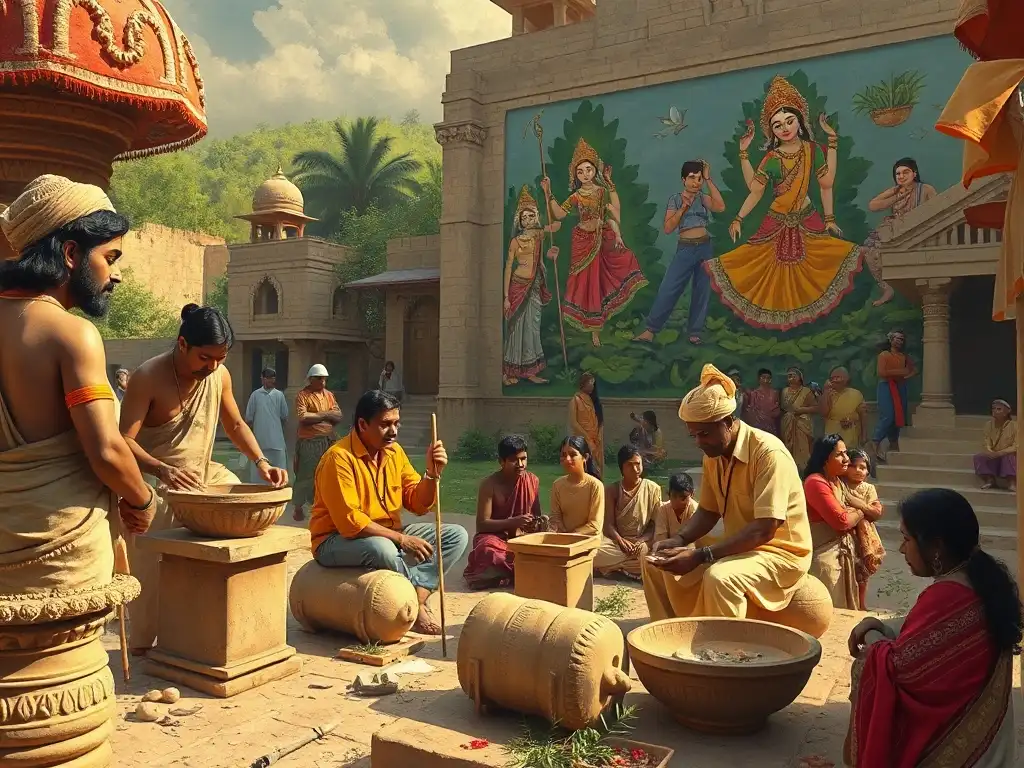
Ancient Indian art serves as a profound mirror reflecting the societal values and beliefs of its time. Through various art forms, including sculpture, painting, and architecture, one can discern how spirituality, social structure, and cultural practices were interwoven into the fabric of daily life. This intricate relationship between art and society not only highlights the aesthetic sensibilities of ancient civilizations but also provides insights into their moral and ethical frameworks.
Spirituality and Religion in Ancient Indian Art
The spiritual and religious dimensions of ancient Indian art are paramount in understanding the cultural ethos of the period. Art was not merely a creative expression but a vital conduit for conveying religious narratives and beliefs to the masses.
Depictions of Deities and Mythology
Ancient Indian art is rich with depictions of deities from Hinduism, Buddhism, and Jainism. These representations often serve to educate the viewer about the pantheon of gods and their stories. Sculptures like the magnificent Brahma, Vishnu, and Shiva found in temples, along with intricate frescoes depicting scenes from the Mahabharata and Ramayana, embody the narratives that were central to the spiritual life of the people.
- Key Examples:
- The Ajanta Caves feature detailed murals showcasing the life of the Buddha and various Jataka tales, illustrating moral lessons.
- The Khajuraho Temples are adorned with sculptures that not only celebrate divine love but also explore complex themes of human emotions and relationships, bridging the secular with the sacred.
Symbolism in Religious Art
Symbolism plays a crucial role in ancient Indian art, where various elements carry deeper meanings. For instance, the lotus flower often symbolizes purity and enlightenment, while the swastika represents auspiciousness and good fortune. The use of color and form in religious iconography is meticulously crafted to evoke specific emotions and convey philosophical ideas.
- Notable Symbols:
- The Shiva Linga reflects the concept of cosmic energy and creation.
- The Nataraja depiction of Shiva dancing signifies the dynamic nature of the universe and the cycle of creation and destruction.
Ancient Indian art also encapsulates the social structure and hierarchy prevailing in society. Through various art forms, artists conveyed the complexities of social stratification, particularly the caste system and gender dynamics.
Caste System Reflected in Artistic Expression
The caste system, a fundamental aspect of ancient Indian society, found its expression in art forms. Artistic depictions often delineated social roles and responsibilities, reinforcing societal norms. For instance, murals and carvings would depict individuals in various occupational roles, from warriors and priests to laborers, illustrating the structured hierarchy that governed life.
- Artistic Representations:
- Temples often featured sculptures of Brahmins performing rituals, while Kshatriyas were illustrated in heroic poses, emphasizing their valor and duty.
- The portrayal of Shudras engaged in menial tasks highlights their position within the societal framework, albeit often in a marginal context.
Gender Roles and Representation in Art
Gender roles are another vital aspect reflected in ancient Indian art. The representations of women in various contexts—be it as goddesses, nurturers, or symbols of beauty—illustrate the multifaceted roles women played in society.
- Key Themes:
- Goddesses like Durga and Lakshmi exemplify strength and prosperity, respectively, indicating the reverence for feminine power in spiritual contexts.
- Everyday depictions of women in household activities, as seen in various frescoes, reveal societal expectations and the importance of domestic roles.
Through these intricate layers of representation in ancient Indian art, one can glean valuable insights into the societal norms, values, and beliefs that shaped the lives of individuals and communities. The rich tapestry of ancient Indian art and culture continues to resonate, offering a window into the past that informs our understanding of contemporary Indian society.
Regional Variations in Ancient Indian Art Forms
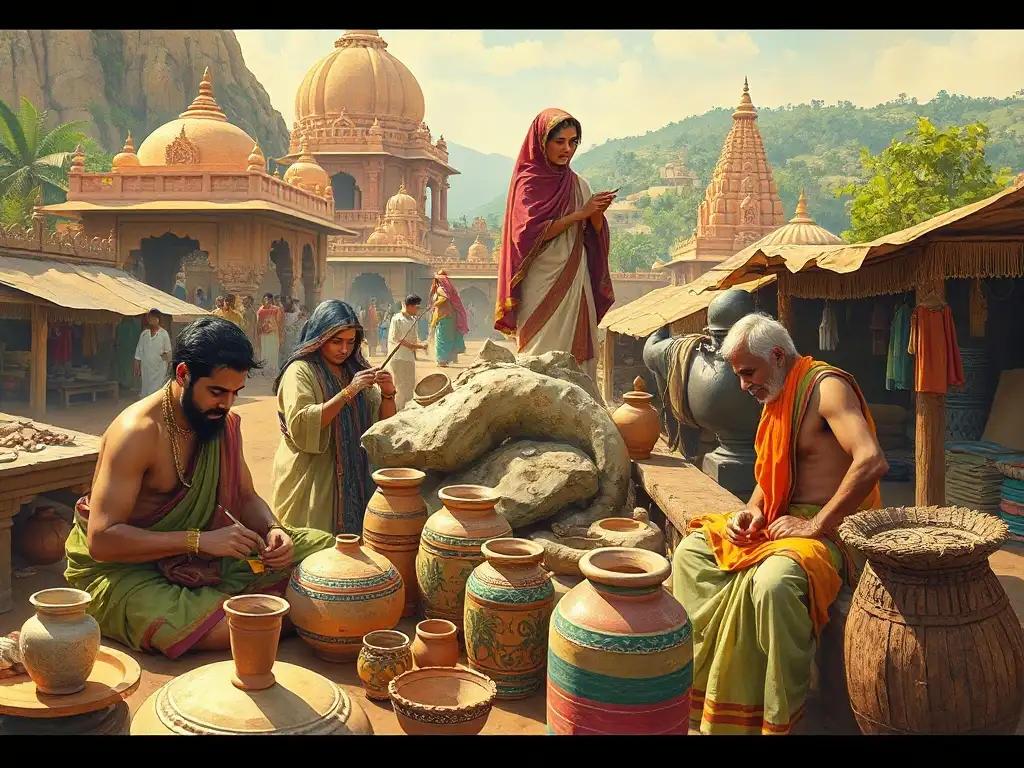
Ancient Indian art and culture are characterized by a rich tapestry of regional variations that reflect the diverse beliefs, traditions, and lifestyles of the peoples inhabiting different areas of the subcontinent. From the intricate carvings of temples to the vibrant frescoes of palaces, each region boasts its unique styles and themes that convey the societal values and spiritual beliefs of its time. This section delves into the distinct art styles across Indian regions, highlighting how local customs and traditions influenced the artistic expressions of ancient India.
Distinct Art Styles Across Indian Regions
Ancient Indian art can be broadly categorized into various regional styles, each marked by its unique characteristics and techniques. The following sections explore the key art forms from North and South India, illustrating the cultural diversity that defines ancient Indian art.
North Indian Art Forms
North India is renowned for its architectural marvels and intricate sculptures that often depict religious narratives. Some of the notable art forms include:
- Mughal Miniature Paintings: Originating during the Mughal Empire, these paintings are characterized by their meticulous detail, vibrant colors, and themes of court life, nature, and mythology. They often feature intricate floral patterns and lavish backgrounds.
- Temple Sculptures: The temples of North India, such as those in Khajuraho and the Sun Temple at Konark, showcase elaborate stone carvings that depict gods, goddesses, and celestial beings. These sculptures often convey moral and spiritual messages, emphasizing values such as devotion and righteousness.
- Frescoes: The frescoes found in places like the caves of Ajanta and Ellora illustrate historical events and religious stories. The vivid colors and dynamic compositions reflect the cultural richness of the period.
South Indian Art Forms
South Indian art forms are distinguished by their unique architectural styles and vibrant cultural expressions. Key characteristics include:
- Dravidian Architecture: This architectural style is exemplified by towering gopurams (gateway towers) and intricate temple sculptures in places like Tamil Nadu. The temples are adorned with detailed carvings of deities and mythological scenes, demonstrating the region's deep-rooted spirituality.
- Tanjore Paintings: Originating from Thanjavur, these paintings are known for their rich colors, gold foil embellishments, and depictions of Hindu deities. The use of vibrant hues and intricate details reflects the cultural and religious significance of the subjects.
- Bronze Sculptures: South India is famous for its bronze sculptures, especially the Chola dynasty's Nataraja figures, which symbolize the cosmic dance of creation and destruction. These sculptures highlight the advanced metallurgy and artistic skills of ancient South Indian craftsmen.
Influence of Local Beliefs and Traditions on Art
The art forms of ancient India were deeply intertwined with the local beliefs, religious practices, and social values of their respective regions. The following aspects illustrate how these factors influenced artistic expression:
- Religious Significance: Many art forms were created as expressions of devotion, reflecting the predominant religions of the region, such as Hinduism, Buddhism, and Jainism. Temples and sculptures often served as sites of worship and were designed to inspire reverence and contemplation.
- Cultural Narratives: Art served as a medium for storytelling, with visual representations of epics like the Mahabharata and Ramayana. These narratives conveyed moral lessons and societal values, reinforcing the cultural identity of the communities.
- Social Structure: The themes depicted in art often mirrored the social hierarchy and roles within society. For instance, courtly art illustrated the grandeur of royalty, while folk art reflected the daily lives and traditions of common people, emphasizing communal values and practices.
The regional variations in ancient Indian art forms reveal a complex interplay between local beliefs, traditions, and artistic expression. The diversity of styles not only enriches our understanding of ancient Indian culture but also underscores the societal values and spiritual beliefs that shaped these artistic endeavors.
The Role of Art in Daily Life and Rituals
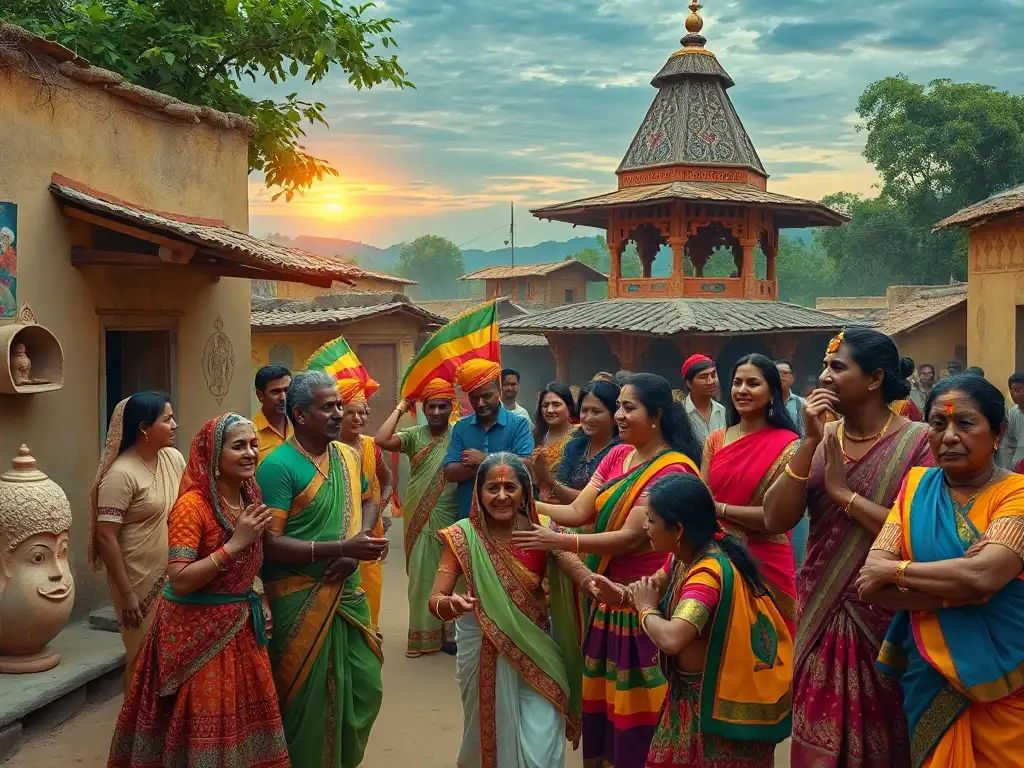
Art has always played a pivotal role in ancient Indian society, serving not just as a form of expression but also as a reflection of societal values and beliefs. The integration of art into daily life and rituals underscores its importance in shaping the cultural identity of various civilizations throughout history. Ancient Indian art and culture are interwoven into the fabric of everyday activities, from domestic settings to grand religious ceremonies.
Art in Religious Practices and Ceremonies
In ancient India, art was deeply embedded in spiritual and religious practices. Temples were not merely places of worship; they were architectural marvels adorned with intricate sculptures and frescoes that depicted deities, celestial beings, and mythological narratives. These artworks served multiple purposes:
- Devotional Expression: Artworks such as carvings of gods and goddesses were created to invoke reverence and devotion among the worshippers. The intricate details and symbolic representations were meant to enhance the spiritual experience, allowing devotees to connect more deeply with the divine.
- Ritualistic Significance: Many art forms were integral to rituals and ceremonies. For example, puja thalis (prayer plates) decorated with vibrant motifs and designs were used during offerings, symbolizing the beauty of creation and the importance of gratitude.
- Storytelling Through Art: Temples often featured narrative reliefs that illustrated stories from epics like the Mahabharata and Ramayana. These visual representations served both as educational tools and as a means to transmit cultural values and moral lessons to the community.
The use of art in religious practices was not limited to temples. Folk art, such as Madhubani paintings and Warli art, also played a significant role in local traditions and rituals, serving as a medium for storytelling and cultural expression in rural communities.
Art as a Tool for Storytelling and Education
Art in ancient India was not merely decorative; it was a critical medium for storytelling and education. The narratives depicted in various art forms served to communicate complex ideas, history, and ethics to people of all ages and backgrounds.
- Epic Narratives: Visual storytelling was prevalent in temples, where murals and sculptures depicted scenes from the epics. This allowed individuals who may not have been literate to understand the stories and teachings embedded in these narratives.
- Folk Tales and Myths: Regional art forms often illustrated local legends and folklore, making these stories accessible and relatable to the community. For instance, the vibrant Pattachitra paintings of Odisha narrate tales from Hindu mythology, showcasing the cultural heritage of the region.
- Educational Symbolism: Many art forms incorporated symbolism that conveyed moral lessons. The Buddhist thangka paintings, for instance, not only depict the life of the Buddha but also serve as educational tools to illustrate the principles of Buddhism, such as compassion and mindfulness.
The interplay between art and education in ancient India reflects a society that valued knowledge transmission through visual mediums, making ancient Indian art a vital component of its cultural heritage. By fostering a connection between the past and the present, these art forms continue to enlighten and inspire generations.
Through their multifaceted roles in daily life and rituals, ancient Indian art and culture reveal the profound connection between creative expression and societal values, illustrating how art transcends mere aesthetics to embody the spirit of a civilization.
Legacy of Ancient Indian Art and Culture
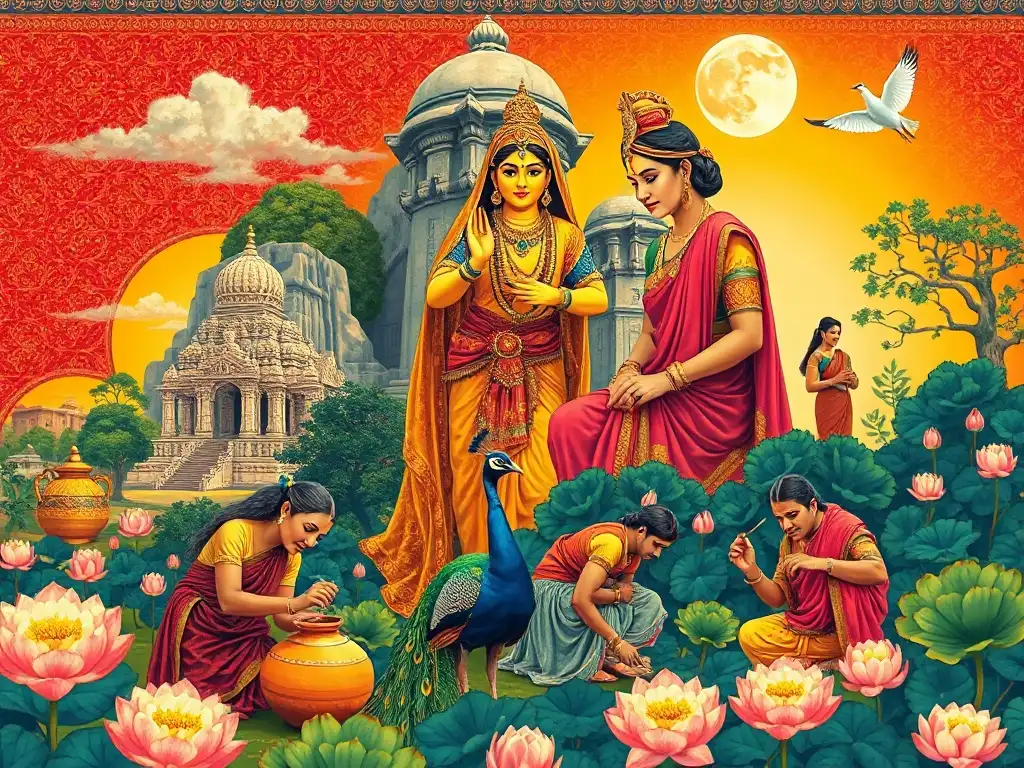
The legacy of ancient Indian art and culture is a profound and multi-faceted aspect of Indian heritage, reflecting the societal values, beliefs, and aesthetics of various civilizations through time. From the intricate carvings of the Indus Valley Civilization to the ornate sculptures of the Gupta Empire, ancient Indian art serves as a mirror to the evolving cultural landscape of the subcontinent.
Influence on Modern Indian Art
Ancient Indian art has significantly influenced modern Indian art forms, creating a vibrant tapestry that blends traditional techniques with contemporary expressions. Artists today often draw inspiration from ancient motifs, themes, and techniques, ensuring that the essence of ancient artistry remains alive.
- Revival of Traditional Techniques:
- Many contemporary artists are reviving ancient techniques like fresco painting and stone carving. For instance, the art of Madhubani painting, which originated in the Mithila region, showcases intricate designs and mythological themes reminiscent of ancient traditions.
- Fusion of Styles:
- Modern artists are blending ancient styles with contemporary aesthetics. The Bharatanatyam dance form, with its roots in ancient temple rituals, has evolved to include modern themes while maintaining classical grace.
- Cultural Representation:
- Artists often incorporate traditional symbols and narratives into their work, reflecting the core values and beliefs of ancient societies. This includes the depiction of deities, mythological stories, and social themes that resonate with the cultural identity of modern India.
The continuity of these influences demonstrates the resilience and adaptability of ancient Indian art, as it informs and enriches the contemporary artistic landscape.
Preservation of Ancient Art Forms
Preserving ancient art forms is crucial for maintaining the cultural heritage of India. Various initiatives and efforts are underway to ensure that these art forms do not fade into obscurity:
- Government and NGO Initiatives:
- Organizations are actively working to document and preserve traditional art forms. For example, the Government of India has initiated programs to support artisans, ensuring they receive recognition and financial assistance to continue their crafts.
- Educational Programs:
- Institutions are incorporating ancient art forms into their curricula, providing training in traditional techniques. Workshops and classes on block printing, embroidery, and sculpture are often held to pass on skills to new generations.
- Digital Archiving:
- The advent of technology has enabled the digital documentation of ancient art forms. Virtual museums and online galleries are emerging, allowing global audiences to appreciate and learn about ancient Indian art without geographical limitations.
- Community Engagement:
- Local communities are encouraged to engage with their artistic heritage through festivals, exhibitions, and cultural events. These initiatives not only celebrate ancient art forms but also foster a sense of pride and identity among community members.
The preservation of ancient art forms is essential for sustaining the rich tapestry of ancient Indian art and culture. As these efforts continue, they serve not only to honor the past but also to inspire future generations, ensuring that the essence of ancient Indian artistry remains vibrant and relevant in modern society.
Conclusion: The Enduring Impact of Ancient Indian Art and Culture
The legacy of ancient Indian art and culture is a testament to the profound societal values and beliefs that shaped the lives of its people. From the intricate carvings of the Indus Valley Civilization to the majestic sculptures of the Gupta Empire, each art form encapsulates a unique narrative that reflects the philosophical and spiritual dimensions of ancient Indian society. This enduring impact is not merely historical; it influences contemporary art practices and cultural expressions, ensuring that the essence of ancient Indian art continues to resonate with modern audiences.
Summary of Key Insights
- Cultural Representation: Ancient Indian art serves as a mirror reflecting the societal norms, religious beliefs, and cultural practices of its time. For instance, the detailed frescoes of Ajanta Caves depict not only religious narratives but also everyday life, showcasing the intricate relationship between art and society.
- Diversity of Forms: The variety of art forms—from pottery and textiles to sculpture and architecture—illustrates the rich tapestry of ancient Indian creativity. Each region contributed distinct styles and techniques, emphasizing the diversity within ancient Indian culture.
- Philosophical Underpinnings: Many art forms are deeply rooted in philosophical concepts such as Dharma (duty/righteousness) and Karma (action and consequence), which were pivotal in shaping societal values. This philosophical connection adds layers of meaning to the artworks, making them significant beyond mere aesthetics.
- Continuity and Influence: The techniques, themes, and motifs of ancient Indian art have influenced modern artistic practices, blending traditional elements with contemporary expressions. This continuity highlights the resilience of cultural heritage and its ability to adapt while retaining core values.
Future Directions for Research and Exploration
The study of ancient Indian art and culture is a continually evolving field, with several avenues for future research:
- Interdisciplinary Approaches: Integrating perspectives from archaeology, anthropology, and sociology can provide deeper insights into how art shapes and is shaped by societal dynamics. Collaborative studies can enhance our understanding of the context in which these art forms emerged.
- Technological Advancements: Utilizing modern technology such as 3D scanning and digital reconstruction can help in preserving and analyzing ancient artworks. This can lead to new discoveries about techniques and materials used by ancient artisans.
- Global Comparisons: Exploring similarities and differences between ancient Indian art and other global art traditions can yield fascinating insights into cross-cultural exchanges and influences, particularly during trade and migration periods.
- Public Engagement: Increasing public awareness and appreciation for ancient Indian art through exhibitions, workshops, and educational programs can foster a greater understanding of its significance in today’s world. Engaging younger generations is crucial for the preservation and evolution of these cultural treasures.
Ancient Indian art and culture not only enrich our understanding of the past but also provide a foundation for ongoing cultural dialogue and artistic innovation. The continued exploration of these themes promises to unveil even more about the intricate relationship between art, society, and belief systems in ancient India.
Frequently Asked Questions
What are the main art forms of ancient India?
Ancient Indian art includes sculpture, architecture, painting, and textiles, each reflecting the rich cultural heritage and societal values of the time.
How did religion influence ancient Indian art?
Religion played a crucial role; Hinduism, Buddhism, and Jainism inspired many artworks, emphasizing spiritual themes and moral values through iconography and narratives.
What materials were commonly used in ancient Indian art?
Artists utilized stone, metal, clay, and textiles, showcasing their skills in craftsmanship and the availability of resources in different regions.
How did ancient Indian art evolve over time?
Over centuries, ancient Indian art evolved through regional influences, historical changes, and cultural exchanges, leading to distinctive styles such as Mughal and Rajput art forms.
What is the significance of ancient Indian art in today's society?
Ancient Indian art serves as a cultural touchstone, helping us understand past beliefs and values, and continues to inspire modern artists and cultural practitioners in the preservation of heritage.
Final Reflection: The Enduring Legacy of Ancient Indian Art and Culture
The intricate tapestry of ancient Indian art and culture serves as a profound mirror reflecting the values and beliefs of its time, revealing insights that remain strikingly relevant today. As we navigate our contemporary world, the lessons embedded in these art forms remind us of the importance of cultural heritage in shaping our identities and guiding our moral compass. The beauty and depth of ancient Indian art are not merely relics of the past; they are vibrant narratives that continue to resonate with us, urging us to honor our roots while embracing the future.
The influence of ancient Indian art extends far beyond its historical context, permeating modern society and inspiring contemporary artists, thinkers, and communities. The themes of spirituality, nature, and social harmony found in these works encourage us to reflect on our own values and the world we inhabit. As Mahatma Gandhi once said, "> A nation's greatness is measured by how it treats its weakest members." This sentiment echoes through the ages, reminding us that the essence of our culture lies in compassion and understanding, principles that ancient Indian art has long celebrated.
As we conclude our exploration of ancient Indian art and culture, I invite you to reflect on how these timeless values can be woven into your own life. Consider how the stories told through these art forms can inspire you to foster a deeper connection with your heritage and to cultivate empathy and respect in your interactions with others. Let the wisdom of the past guide your actions today, and may the beauty of ancient Indian art continue to illuminate your path as you navigate the complexities of the modern world.
Unveil the Richness of Ancient Indian Art!
Thank you for joining us on this journey through the captivating world of Ancient Indian art and its deep connections to societal values and beliefs. Your curiosity and engagement can lead to a greater appreciation of our cultural heritage. Now, let's take the next step together!
- Dive deeper: Explore local museums or online galleries showcasing Ancient Indian art—discover how these pieces resonate with contemporary values.
- Share your insights: Discuss the aspects of Ancient Indian art that inspire you most with friends, or start a conversation in our community forum!
- Create a mini project: Try your hand at an art form you learned about—whether it’s painting, sculpture, or textile work—bringing a piece of history into your home!
What aspects of Ancient Indian art do you find most intriguing, and how do you think it influences modern society? We’d love to hear your thoughts!