
The Vedic Paradigm: Understanding Life, Death, and Beyond in Ancient India

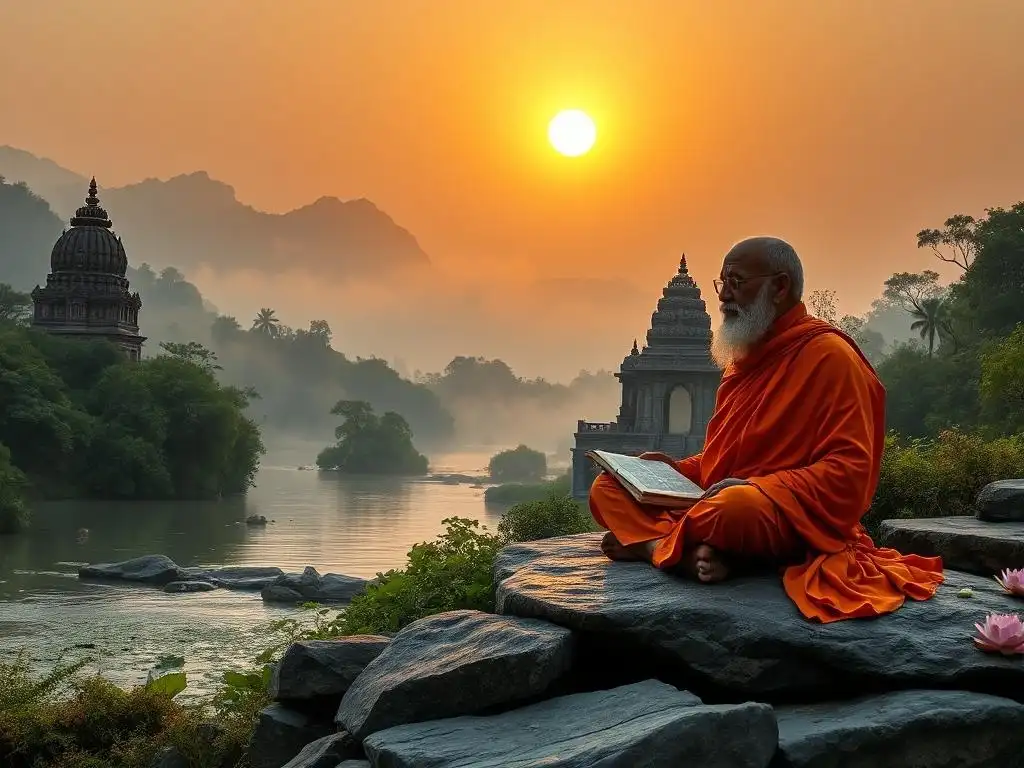
Welcome to Ancient India History, where we embark on a fascinating journey through the rich tapestry of ancient Indian civilizations. Today, we delve into the profound realms of Vedic philosophy and ancient India, exploring how these timeless teachings shaped the understanding of life, death, and the cosmos. This article, titled "The Vedic Paradigm: Understanding Life, Death, and Beyond in Ancient India," invites you to uncover the wisdom embedded in epic literature and its lasting influence on culture and thought.
Prepare to be captivated as we unravel the mysteries of the Vedic texts and their significant contributions to our understanding of existence itself. Your exploration begins here!
Introduction to Vedic Philosophy and Ancient India
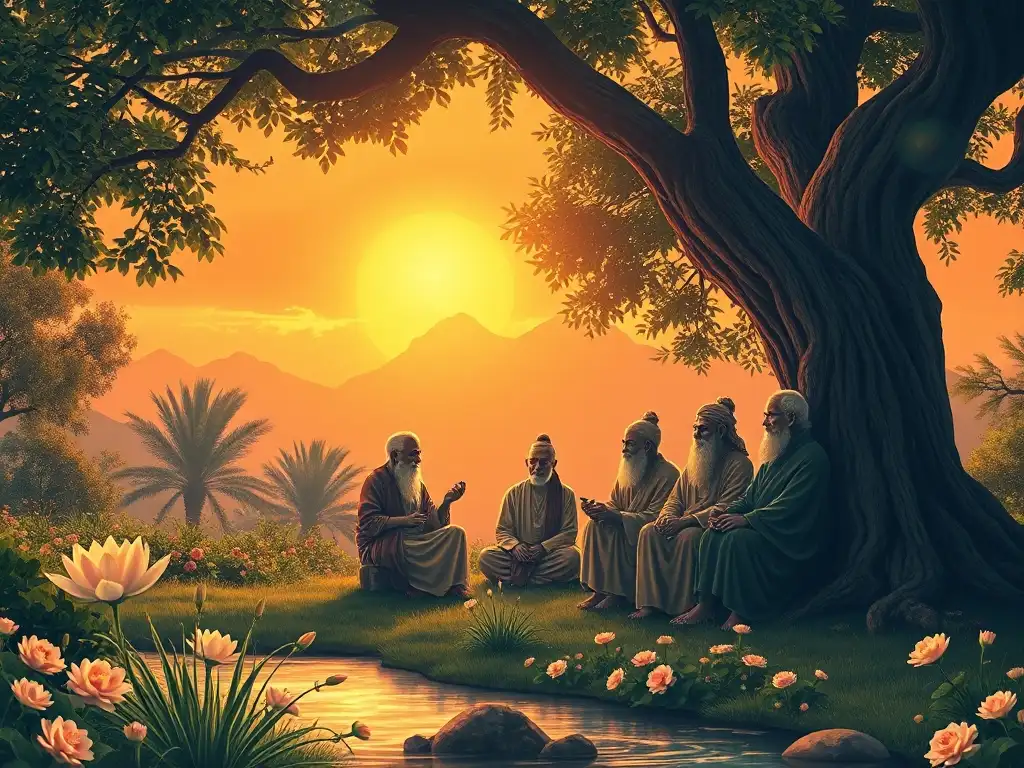
The exploration of Vedic philosophy provides invaluable insights into the complex tapestry of ancient Indian civilization. This philosophical framework, emerging from the sacred texts known as the Vedas, encompasses a rich understanding of life, death, and the metaphysical realms beyond. The Vedic period, spanning from approximately 1500 BCE to 500 BCE, marks a profound transformation in the spiritual, cultural, and social dimensions of India. The teachings and concepts established during this era have significantly influenced Indian thought, religion, and daily life, laying the foundation for various schools of philosophy that followed.
As we delve into the Vedic paradigm, we will uncover the multifaceted aspects of existence as perceived by ancient Indian thinkers. The Vedas—comprising the Rigveda, Samaveda, Yajurveda, and Atharvaveda—offer not only hymns and rituals but also profound philosophical inquiries that address the ultimate questions of existence. The relevance of these texts extends beyond their historical context, inviting contemporary readers to reflect on the enduring wisdom of Vedic philosophy.
Overview of Vedic Philosophy
Vedic philosophy is characterized by its inquiry into the nature of reality, the self, and the cosmos. Central to this philosophy is the concept of Brahman, the ultimate reality, which is seen as the source of all existence. In contrast, Atman, or the individual soul, reflects the divine essence within each person. The relationship between Brahman and Atman forms the cornerstone of Vedic thought, emphasizing the interconnectedness of all beings.
Key themes in Vedic philosophy include:
- The Cycle of Life and Death (Samsara): The belief in reincarnation and the continuous cycle of birth, death, and rebirth.
- Karma: The principle that actions in this life affect future lives, shaping one's destiny in an eternal cycle.
- Moksha: The ultimate goal of human life, representing liberation from the cycle of Samsara and union with Brahman.
These concepts not only inform the spiritual practices of the time but also guide ethical and moral living, creating a holistic framework for understanding existence.
Importance of Vedic Texts in Ancient Indian Culture
The Vedic texts hold a paramount position in the cultural and spiritual heritage of ancient India. They served as the primary religious scriptures, influencing rituals, philosophies, and societal norms. The recitation of Vedic hymns during rituals was believed to invoke divine blessings, thereby reinforcing the spiritual fabric of society.
Moreover, the Vedas inspired various disciplines, including:
- Philosophy: The development of schools of thought such as Vedanta and Samkhya.
- Literature: The creation of epic narratives and poetry that reflected Vedic ideals.
- Science and Mathematics: Contributions in astronomy, mathematics, and medicine, often rooted in Vedic concepts.
The integration of Vedic philosophy into daily life fostered a sense of identity and continuity among ancient Indians, shaping their worldview and cultural practices.
The Concept of Life in Vedic Philosophy
The Vedic understanding of life is deeply intertwined with its philosophical tenets. It encompasses various aspects, from the nature of existence to the ethical responsibilities of individuals.
The Nature of Existence in Vedic Thought
In Vedic philosophy, existence is viewed as a manifestation of the eternal Brahman. The physical world is seen as transient and illusory (Maya), while the ultimate reality is unchanging and eternal. This duality encourages individuals to seek a deeper understanding of their true nature beyond the material realm.
The Role of Dharma in Life
Dharma, or righteousness, plays a crucial role in guiding individuals toward ethical living. It encompasses duties, responsibilities, and moral principles that vary according to one's age, caste, and social context. Living in accordance with one’s Dharma is essential for maintaining social order and achieving personal fulfillment.
- Types of Dharma:
- Sva-Dharma: Personal duties based on one’s role in society.
- Samanya-Dharma: Universal moral principles applicable to all.
Adhering to Dharma leads to good Karma, which in turn influences one's future lives and spiritual progression.
The Pursuit of Artha and Kama
In addition to Dharma, the Vedic paradigm acknowledges the pursuit of Artha (wealth and prosperity) and Kama (desire and pleasure) as essential aspects of human life. These pursuits, when aligned with Dharma, contribute to a balanced and fulfilling existence.
- Artha: Emphasizes the importance of material well-being and economic stability, viewed as necessary for the fulfillment of one's responsibilities.
- Kama: Recognizes the natural human desires for pleasure, love, and emotional satisfaction, advocating for their pursuit in a manner that does not violate Dharma.
Together, Dharma, Artha, and Kama form the triad of life goals that guide individuals toward a meaningful and holistic existence, ultimately leading to the pursuit of Moksha—the liberation from the cycle of reincarnation.
The Vedic paradigm offers a profound framework for understanding life, death, and the journey beyond in ancient India, reflecting the rich and intricate interplay of philosophy, culture, and spirituality.
Understanding Death in the Vedic Tradition

The Vedic tradition, which flourished in ancient India, encompasses a rich tapestry of beliefs and practices surrounding death and the afterlife. Rooted in the Vedas—the oldest sacred texts of Hinduism—this tradition provides profound insights into the nature of existence, the transition from life to death, and the ultimate goals of human life. Vedic philosophy emphasizes a cyclical understanding of life and death, where each individual’s journey is influenced by their actions and spiritual pursuits.
Death is not viewed as an end but rather as a transition to another state of existence. This perspective is deeply intertwined with the concepts of karma, dharma, and the eternal soul (atman), which are essential to understanding the Vedic worldview. The rituals and beliefs surrounding death play a crucial role in how individuals and communities navigate this significant life event, reflecting their respect for the deceased and their hopes for the soul’s journey after death.
Vedic Perspectives on Death and Afterlife
The Vedic texts articulate a multifaceted view of death and the afterlife. According to these texts, death is a natural part of the cosmic cycle, signifying the end of the physical body while the atman, or soul, continues its journey. This journey is influenced by the accumulated karma—actions performed in previous lives—which determines the conditions of future rebirths.
In the Vedic worldview, the afterlife encompasses several realms where souls may reside based on their karmic balance. The Rigveda and the Upanishads introduce the idea of the Pitrs, the ancestral spirits who exist in a different realm, awaiting offerings from their descendants. This relationship between the living and the deceased underscores the importance of maintaining familial bonds that transcend physical existence.
Rituals performed at death, such as the Antyesti, serve as a means to honor the departed and facilitate their journey. These practices reflect the belief that proper rituals can aid the soul in achieving a favorable afterlife, as well as ensuring that the family members fulfill their dharma towards their ancestors.
Rituals and Rites of Passage: Antyesti Ceremony
The Antyesti, or last rites, is a significant ritual in the Vedic tradition that marks the passage of an individual from life to death. This ceremony is designed to honor the deceased and help their soul transition to the afterlife. It typically involves a series of rituals that are performed by the family, guided by priests, and can vary according to regional practices.
The key components of the Antyesti ceremony include:
- Preparation of the Body: The body is bathed, dressed in new clothes, and adorned with flowers. This act signifies respect and love for the departed.
- Funeral Pyre: The body is placed on a funeral pyre, symbolizing the release of the soul from its earthly form. The eldest son or a close relative typically performs the final rites, lighting the pyre.
- Offerings to the Deceased: Rituals such as offering food and water to the departed are conducted, reflecting the belief in the continued existence of the soul and its need for sustenance in the afterlife.
- Ceremonial Mourning: Family members engage in mourning practices, highlighting their grief while also reinforcing the connection with the deceased.
Through the Antyesti, the living honor their loved ones and fulfill their duties towards them, ensuring a continued bond that transcends death.
The Concept of Reincarnation (Samsara) in Vedic Beliefs
Central to Vedic philosophy is the concept of Samsara, or the cycle of birth, death, and rebirth. This belief posits that the soul undergoes multiple lifetimes, influenced by the karma accumulated in previous existences. The ultimate goal of this cycle is to achieve liberation (moksha) from Samsara, thus ending the repetitive cycle of reincarnation.
The Vedic texts elaborate on how individual actions—both good and bad—contribute to the soul's journey through various forms of existence. The quality of one's life, the fulfillment of dharma, and spiritual practices determine the conditions of future births. The pursuit of knowledge, righteousness, and self-realization is emphasized as a means to attain a higher state of being and ultimately break free from the cycle of Samsara.
This understanding of reincarnation shapes the moral framework within which individuals operate, encouraging them to live virtuously and strive for spiritual growth. It reinforces the interconnectedness of all beings and the significance of each life lived.
Beyond Death: The Vedic View of the Afterlife
The Vedic view of the afterlife extends beyond mere existence in a different realm; it incorporates a comprehensive understanding of the soul's journey and the ultimate aspirations of human life. This perspective emphasizes the significance of spiritual growth and the pursuit of liberation.
The Idea of Moksha: Liberation from the Cycle of Birth and Death
Moksha, or liberation, is the ultimate goal within the Vedic tradition. It represents the release from the cycle of Samsara and the union of the individual soul (atman) with the universal consciousness (Brahman). Achieving moksha is considered the highest aspiration of human life, transcending the temporal concerns of existence.
The path to moksha involves various spiritual practices, including meditation, self-discipline, and adherence to dharma. The Vedas and Upanishads outline different paths to liberation, acknowledging that individuals may pursue different routes based on their temperament and inclination. These paths include:
- Jnana Yoga: The path of knowledge and wisdom.
- Bhakti Yoga: The path of devotion and love for the divine.
- Karma Yoga: The path of selfless action and service.
Ultimately, moksha represents not only an end to suffering and rebirth but also the realization of one's true nature and the interconnectedness of all existence.
The Role of Karma in Shaping Destiny
Karma plays a pivotal role in the Vedic understanding of life, death, and the afterlife. It is the principle of moral causation, where every action has consequences that shape one’s future experiences. In the context of death and rebirth, karma dictates the conditions of one’s next life, influencing the soul’s journey through various forms and experiences.
The Vedic texts emphasize that individuals are responsible for their actions, and it is through the ethical choices made in life that one can cultivate positive karma. Living in accordance with dharma—righteousness and duty—not only benefits the individual but also contributes to the greater harmony of the universe. Thus, the understanding of karma fosters a sense of accountability and encourages individuals to aspire toward a virtuous life.
The Influence of Vedic Philosophy on Later Indian Religions
The philosophical tenets established in the Vedic texts laid the foundation for later Indian religions, including Hinduism, Buddhism, and Jainism. Concepts such as karma, reincarnation, and moksha permeated these traditions, each interpreting and expanding upon the original Vedic ideas.
In Hinduism, the Vedic scriptures remain central, and the themes of life, death, and liberation continue to be explored and elaborated upon in texts such as the Bhagavad Gita and the Puranas. Buddhism and Jainism, while diverging in their core teachings, also adopted the cyclical notion of existence and the moral implications of actions, emphasizing the importance of personal spiritual practice.
The enduring impact of Vedic philosophy is evident in the rich tapestry of beliefs and practices that characterize the spiritual landscape of India, demonstrating the profound legacy of ancient Indian thought in shaping human understanding of life, death, and the cosmos.
Vedic Texts and Their Contributions to Ancient Indian Thought
The Vedic texts form the cornerstone of ancient Indian philosophy and spirituality, encapsulating a wide array of beliefs, rituals, and ethical guidelines that have profoundly influenced the cultural and intellectual landscape of India. These texts, composed in Sanskrit, not only serve as religious scripture but also as a repository of knowledge that encompasses various aspects of life, including cosmology, ethics, and the nature of existence. The insights derived from these texts continue to be pivotal in understanding the complexities of life, death, and the universe, establishing a foundation for later philosophical developments in India.
Overview of Key Vedic Texts (Rigveda, Samaveda, Yajurveda, Atharvaveda)
The Vedas consist of four primary texts:
- Rigveda: The oldest of the Vedas, the Rigveda is a collection of hymns that praise various deities and express profound philosophical concepts. It is rich in metaphysical inquiries and addresses the nature of the universe, creation, and human existence.
- Samaveda: Often referred to as the "Veda of Chants," the Samaveda primarily consists of melodies and chants used in rituals. It emphasizes the importance of music and sound in spiritual practices and rituals, highlighting the connection between sound and the divine.
- Yajurveda: This text serves as a guide for rituals and sacrifices, providing instructions and formulas for performing Vedic ceremonies. It bridges the gap between the oral tradition of the hymns and the practical execution of rituals, emphasizing the significance of actions in spiritual practice.
- Atharvaveda: The Atharvaveda diverges from the other three by incorporating a broader range of topics, including daily life, health, and social issues. It contains hymns and spells that address practical concerns, showcasing the Vedas' comprehensive approach to human experience.
Together, these texts form a holistic framework that addresses both the spiritual and material aspects of life, laying the groundwork for subsequent philosophical developments in ancient India.
Philosophical Insights from Upanishads
The Upanishads, which are considered the culmination of Vedic thought, delve into profound philosophical inquiries and metaphysical concepts. They explore the nature of reality (Brahman) and the individual self (Atman), positing that understanding the relationship between the two is key to liberation (moksha). Key philosophical insights include:
- Non-Dualism (Advaita): This concept emphasizes the unity of Atman and Brahman, suggesting that the individual soul is not separate from the universal consciousness. This radical idea challenges the dualistic perceptions prevalent in other philosophical traditions.
- Karma and Rebirth: The Upanishads introduce the principles of karma (action) and samsara (cycle of rebirth), proposing that one's actions in this life directly influence the circumstances of future existences.
- Meditation and Knowledge: They advocate for introspection and meditation as means to attain self-knowledge and spiritual enlightenment, emphasizing that true understanding comes from inner experience rather than mere intellectual study.
The philosophical insights of the Upanishads have had a lasting impact on various schools of thought in India, influencing both spiritual practices and ethical frameworks.
The Impact of Vedic Literature on Indian Philosophy and Culture
Vedic literature has significantly shaped Indian philosophy and culture, influencing various domains such as ethics, politics, and social structures. The core ideas of the Vedas have permeated through numerous philosophies, including:
- Dharmic Principles: The Vedas laid the foundation for the concept of dharma (duty/righteousness), which has guided moral and ethical conduct throughout Indian history. This principle remains integral to contemporary Indian society.
- Cultural Practices: Many rituals and festivals observed today have their origins in Vedic traditions, showcasing the enduring influence of Vedic literature on cultural practices.
- Philosophical Schools: The ideas presented in the Vedas and Upanishads have inspired various philosophical schools, such as Vedanta, which interprets and expands upon these ancient teachings, ensuring their relevance over centuries.
The legacy of Vedic literature extends beyond philosophy into the realms of art, music, and literature, reflecting the holistic nature of ancient Indian civilization.
The Legacy of Vedic Philosophy in Modern India
The principles of Vedic philosophy continue to resonate within contemporary India, influencing spiritual practices, educational systems, and social values. The enduring legacy of these ancient texts serves as a guiding light for many in navigating the complexities of modern life.
Continuation of Vedic Traditions in Contemporary Society
In modern India, Vedic traditions persist through various practices:
- Yoga and Meditation: Rooted in Vedic philosophy, yoga and meditation have gained global recognition for their physical and mental health benefits, reflecting the continued relevance of these ancient practices.
- Rituals and Festivals: Many rituals observed today are directly derived from Vedic traditions, demonstrating the integration of ancient practices into contemporary cultural identity.
- Education: Institutions focused on Vedic studies continue to thrive, emphasizing the importance of ancient wisdom in contemporary education.
The continuation of these traditions underscores the significance of Vedic philosophy in maintaining India's cultural heritage.
The Relevance of Vedic Teachings Today
The teachings of the Vedas and Upanishads remain pertinent in addressing contemporary issues:
- Environmental Ethics: The Vedic emphasis on harmony with nature resonates with modern environmental concerns, advocating for sustainable practices and respect for the earth.
- Social Justice: Vedic philosophy's emphasis on dharma can inspire movements for social justice and equality, urging individuals to act with righteousness and compassion.
- Personal Well-Being: The spiritual practices outlined in Vedic texts contribute to mental and emotional well-being, providing a framework for self-care and personal development.
These teachings offer timeless insights that can guide individuals in fostering a balanced, ethical, and meaningful life.
Comparative Analysis: Vedic Philosophy and Other Philosophical Traditions
Vedic philosophy presents intriguing parallels and contrasts with other philosophical traditions:
- Buddhism: While both traditions address the concepts of suffering and liberation, Buddhism diverges in its rejection of the eternal soul (Atman), favoring the notion of anatta (non-self).
- Western Philosophy: Vedic thought's focus on metaphysical unity contrasts with the dualistic perspectives often found in Western philosophy. Additionally, the Vedic approach to ethics emphasizes duty over rights, differing significantly from Western individualism.
- Taoism: Similar to Vedic philosophy, Taoism emphasizes harmony with the universe. Both traditions advocate for a deep understanding of the interconnectedness of life, though they articulate these concepts through different cultural lenses.
Through this comparative analysis, one can appreciate the unique contributions of Vedic philosophy while recognizing its shared concerns with other philosophical traditions, reinforcing its universal relevance.
Conclusion: The Enduring Influence of Vedic Philosophy on Life, Death, and Beyond
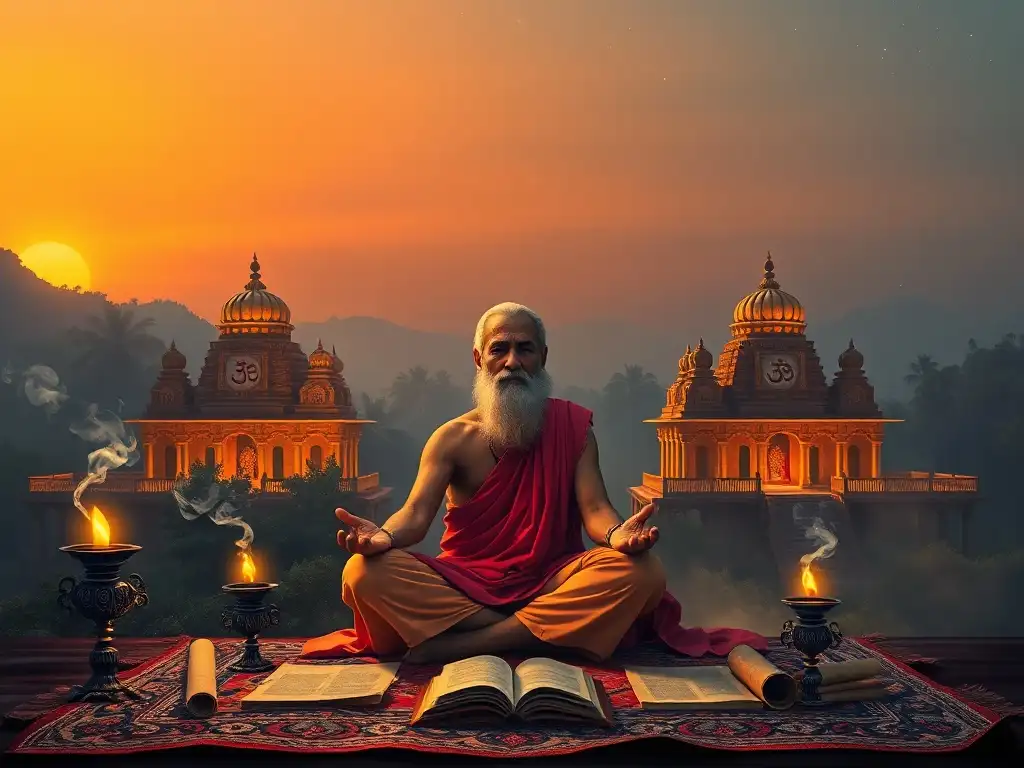
Vedic philosophy serves as a cornerstone of ancient Indian thought, profoundly shaping the cultural and spiritual landscape of the region. Its exploration of existential themes such as life, death, and the nature of the self continues to resonate through centuries, influencing various aspects of Indian philosophy, religion, and societal norms.
The intricate discussions of dharma (duty), karma (action), and moksha (liberation) found within the Vedas not only provide a framework for ethical living but also offer insights into the metaphysical questions that have intrigued humanity since time immemorial. As we delve deeper into the Vedic paradigm, we uncover its timeless relevance and the way it enriches our understanding of both historical and contemporary issues related to existence and spirituality.
Summary of Key Insights from Vedic Thought
Vedic thought is characterized by several key insights that collectively contribute to its enduring legacy:
- Nature of Reality: The Vedas articulate a complex understanding of reality, where the material world (Maya) is seen as an illusion, and the ultimate truth (Brahman) is viewed as the singular, unchanging essence of all existence.
- Concept of the Self: The exploration of the self (Atman) is central to Vedic philosophy. It posits that individual souls are manifestations of the universal soul, emphasizing a profound interconnectedness that transcends physical existence.
- Rituals and Sacrifice: The importance of rituals (Yajna) in the Vedic tradition underscores the belief in maintaining cosmic order (Rita) through acts of devotion and sacrifice, reflecting the relationship between human actions and the divine.
- Ethical Framework: The Vedic texts provide guidance on moral conduct through the principles of dharma, underscoring the necessity of fulfilling one's responsibilities to achieve harmony within oneself and society.
- Pathways to Liberation: Vedic philosophy outlines diverse paths to moksha, including knowledge (Jnana), devotion (Bhakti), and disciplined action (Karma), catering to various spiritual inclinations and lifestyles.
These insights not only illuminate the Vedic worldview but also serve as foundational concepts that have influenced subsequent philosophical and religious developments in ancient and modern India.
The Importance of Understanding Vedic Philosophy in the Context of Ancient India
Understanding Vedic philosophy is crucial for several reasons:
- Cultural Foundation: The Vedic texts form the bedrock of Indian culture, influencing art, literature, and social customs. A grasp of Vedic thought provides deeper appreciation for the richness of Indian heritage.
- Philosophical Evolution: Vedic philosophy laid the groundwork for various schools of Indian thought, including Vedanta, Samkhya, and Yoga. Studying its principles offers insights into the evolution of philosophical discourse in ancient India.
- Spiritual Guidance: The Vedic teachings continue to offer spiritual guidance and ethical frameworks that are relevant in today's world, addressing existential questions and moral dilemmas faced by individuals.
- Interconnectedness of Life: The emphasis on interconnectedness and the cyclical nature of life and death in Vedic philosophy fosters a holistic understanding of existence, promoting harmony with the environment and within oneself.
- Global Influence: As Vedic philosophy has transcended geographical boundaries, understanding its principles enriches global philosophical dialogues and contributes to the discussions surrounding spirituality and ethics in a multicultural context.
The exploration of Vedic philosophy not only enhances our understanding of ancient Indian civilization but also provides lasting insights that continue to inspire and inform modern thought.
- Introduction to Vedic Philosophy and Ancient India
- Overview of Vedic Philosophy
- Importance of Vedic Texts in Ancient Indian Culture
- The Concept of Life in Vedic Philosophy
- Understanding Death in the Vedic Tradition
- Beyond Death: The Vedic View of the Afterlife
- Vedic Texts and Their Contributions to Ancient Indian Thought
- The Legacy of Vedic Philosophy in Modern India
- Conclusion: The Enduring Influence of Vedic Philosophy on Life, Death, and Beyond
- Summary of Key Insights from Vedic Thought
- The Importance of Understanding Vedic Philosophy in the Context of Ancient India
Frequently Asked Questions
What is Vedic philosophy?
Vedic philosophy is a system of thought that emerged from the ancient Vedas, sacred texts of Hinduism, focusing on the nature of existence, morality, and the universe.
How did Vedic philosophy influence ancient Indian civilization?
Vedic philosophy significantly shaped cultural practices, religious beliefs, and social structures in ancient India, impacting everything from art to governance.
What are the core concepts of Vedic philosophy?
Core concepts include dharma (duty/righteousness), karma (action and its consequences), and moksha (liberation), which explore the cycle of life, death, and rebirth.
How does Vedic philosophy relate to modern India?
Vedic philosophy continues to influence spiritual practices, philosophical debates, and cultural traditions in modern India, emphasizing a connection to ancient wisdom.
What was the role of the Vedas in ancient Indian society?
The Vedas served as guiding texts for spiritual life and societal norms, providing a framework for rituals, education, and social order in ancient Indian civilizations.
Final Reflection: Embracing the Wisdom of Vedic Philosophy in Modern Life
The teachings of Vedic philosophy resonate profoundly in today's world, reminding us that the exploration of life, death, and the continuum beyond is not merely an ancient inquiry but a timeless quest for understanding. In an era marked by rapid change and existential uncertainty, the insights from ancient India offer a grounding perspective that encourages us to reflect on our existence and the interconnectedness of all beings. The Vedic texts challenge us to look beyond the superficial aspects of life and delve into the deeper meanings that shape our experiences.
The influence of Vedic philosophy extends far beyond its historical context, permeating contemporary discussions on spirituality, ethics, and the nature of reality. As we navigate the complexities of modern life, the principles of dharma, karma, and moksha serve as guiding lights, illuminating our paths and fostering a sense of purpose. The greatest discovery of my generation is that a human being can alter his life by altering his attitude.
This quote encapsulates the transformative power of Vedic wisdom, reminding us that our perceptions and choices shape our realities.
As you reflect on the teachings of Vedic philosophy, I invite you to consider how these ancient insights can enrich your own life. Take a moment to ponder your beliefs about life and death, and how they influence your daily actions and decisions. Embrace the opportunity to integrate these timeless lessons into your journey, fostering a deeper understanding of yourself and your place in the universe. Let the wisdom of ancient India inspire you to live with intention, compassion, and a profound appreciation for the interconnected tapestry of existence.
Unveil the Wisdom of the Vedic Paradigm!
Thank you for exploring the profound insights of the Vedic paradigm with us. We hope you found value in understanding life, death, and the mysteries beyond. Now, it's time to take that newfound knowledge and transform it into action!
Here are some practical steps you can take to deepen your understanding and engage with the ancient wisdom of India:
- Dive Deeper into Vedic Literature: Select a classic text, such as the Upanishads or the Bhagavad Gita, and dedicate time each week to reflect on its teachings.
- Engage with a Community: Join a local or online discussion group focused on Vedic philosophy to share insights and broaden your perspective.
- Explore Related Cultures: Investigate how Vedic thought has influenced other ancient civilizations, noting any surprising connections that enhance your understanding.
How has the Vedic paradigm influenced your thoughts on life and purpose? We invite you to share your reflections with us!