
From Ashoka to the Gupta: The Continuity of Inscriptions Across Dynasties

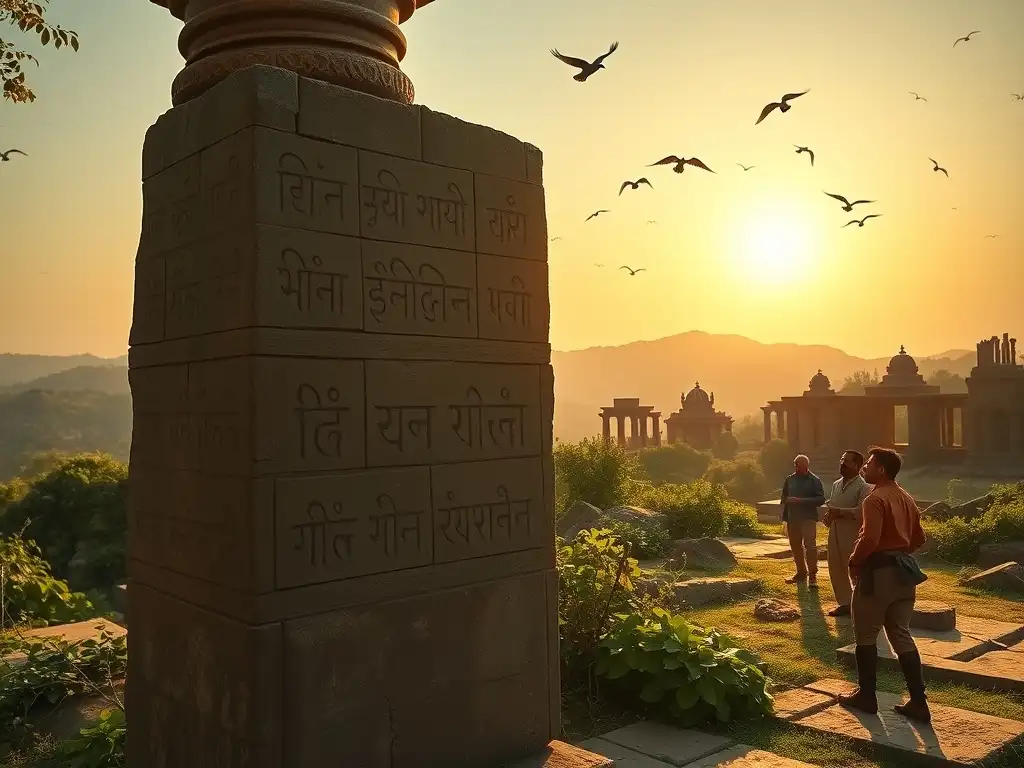
Welcome to Ancient India History, where we invite you to embark on a fascinating journey through time, exploring the rich tapestry of ancient Indian civilizations. Our latest article, "From Ashoka to the Gupta: The Continuity of Inscriptions Across Dynasties," delves into the ancient Indian inscriptions history, revealing how these remarkable artifacts serve as a window into the past.
Discover the stories etched in stone and how they reflect the profound cultural and political evolution from the Indus Valley to the Gupta Empire. Join us as we uncover the secrets of these inscriptions and the legacies they left behind—your adventure into the heart of ancient India begins here!
- Introduction to Ancient Indian Inscriptions History
- The Ashoka Era: A Foundation of Inscriptions
- The Mauryan to Post-Mauryan Transition
- The Gupta Empire: A Flourishing Era of Inscriptions
- Comparative Analysis: Inscriptions Across Dynasties
- The Significance of Inscriptions in Understanding Ancient Indian History
- Conclusion: The Continuity of Inscriptions in Ancient India
- References and Further Reading on Ancient Indian Inscriptions History
- Frequently Asked Questions
- Final Reflection: The Enduring Legacy of Ancient Indian Inscriptions
- Uncover the Secrets of Ancient Inscriptions!
Introduction to Ancient Indian Inscriptions History
The history of ancient India is a tapestry woven with diverse cultures, remarkable achievements, and profound philosophies. Among the myriad aspects that define this rich heritage, inscriptions stand out as a unique window into the past. These inscriptions, etched on stone, metal, and other materials, serve not only as historical records but also as vital tools for understanding the social, political, and religious dynamics of ancient civilizations.
From the edicts of Emperor Ashoka to the proclamations of the Gupta dynasty, the continuity and evolution of inscriptions across various dynasties reflect the complexities of governance, societal norms, and cultural exchanges during these transformative periods. In this article, we delve into the significance of ancient Indian inscriptions, exploring their roles, purposes, and the insights they provide into the broader historical narrative of India.
Importance of Inscriptions in Ancient India
Inscriptions in ancient India were more than mere artistic expressions; they were essential means of communication and documentation. They played a pivotal role in the administration, religion, and culture of the times. Here are some key aspects highlighting their importance:
- Record Keeping: Inscriptions served as official records for treaties, land grants, and royal edicts, ensuring that important decisions were documented for posterity.
- Cultural Transmission: Through inscriptions, knowledge, religious beliefs, and cultural practices were transmitted across generations, preserving the essence of ancient civilizations.
- Political Authority: Inscriptions often legitimatized the rule of kings and emperors, as seen in the edicts of Ashoka, which conveyed moral and ethical governance.
- Linguistic Diversity: They reflect the linguistic evolution in ancient India, showcasing the use of various scripts and languages, such as Brahmi and Kharosthi.
The diversity of inscriptions provides a layered understanding of ancient Indian society, showcasing its complexities and advancements.
Overview of Inscriptions from Ashoka to Gupta
The period from Emperor Ashoka (c. 268–232 BCE) to the Gupta Empire (c. 320–550 CE) marks a significant era in the evolution of inscriptions in India. This timeline is characterized by a remarkable continuity and transformation in the style, language, and purpose of inscriptions.
- Edicts of Ashoka:
- Ashoka's inscriptions, engraved on rocks and pillars, are among the earliest and most significant historical documents. They advocate for Dhamma, promoting ethical governance and social welfare.
- The use of Brahmi script in these inscriptions demonstrates the early development of writing systems in India.
- Post-Ashoka Developments:
- Following Ashoka, various dynasties continued to use inscriptions, adapting them to their political and cultural contexts.
- The Kushanas and Satavahanas contributed to the proliferation of inscriptions, often highlighting trade, religion, and patronage of art.
- Gupta Era Inscriptions:
- The Gupta period is renowned for its artistic achievements, and inscriptions from this time reflect a flourishing of literature and scholarship.
- These inscriptions often celebrated royal patronage and documented scholarly contributions, such as those attributed to Kalidasa and other eminent figures.
The journey of inscriptions from Ashoka to the Gupta Empire not only illustrates the continuity of communication methods but also reveals the evolving landscape of ancient Indian society, culture, and governance. Understanding this evolution is crucial for appreciating the broader ancient Indian inscriptions history and their enduring legacy.
The Ashoka Era: A Foundation of Inscriptions

The Ashoka Era, which flourished during the 3rd century BCE, is celebrated for its profound impact on Indian history, particularly through the widespread use of inscriptions. Ashoka, the third Mauryan emperor, is credited with establishing a remarkable tradition of inscribing edicts that communicated his policies, philosophy, and vision for his empire. These inscriptions serve as crucial historical documents, reflecting not only the governance of the time but also the socio-cultural dynamics of ancient India.
Ashoka's commitment to the principles of Dharma (moral law) and ahimsa (non-violence) is prominently echoed in his inscriptions. His reign marked a departure from militaristic expansion to a focus on ethical administration and the welfare of his subjects. This transition is evidenced by the variety and spread of his inscriptions, which were engraved on rocks, pillars, and other monuments across the Indian subcontinent, extending from the present-day Afghanistan to Bangladesh.
The inscriptions of Ashoka are more than mere records; they represent a pivotal moment in the history of Ancient Indian inscriptions. Their establishment not only laid the groundwork for future dynasties to follow but also set a precedent for the use of written communication as a tool for governance and societal cohesion.
The Edicts of Ashoka: Context and Significance
The Edicts of Ashoka are a collection of 33 inscriptions that outline his moral and political ideologies. These edicts were promulgated primarily between 268 and 232 BCE and serve as vital historical resources for understanding the sociopolitical landscape of ancient India.
- Context: The edicts were issued after Ashoka's conversion to Buddhism following the Kalinga War, which left a significant impact on him. The war's devastating consequences prompted Ashoka to adopt a more compassionate and ethical approach to governance.
- Significance: The edicts are significant for several reasons:
- They provide insight into Ashoka's vision of a just society based on Dharma, emphasizing ethical behavior, social welfare, and compassion for all living beings.
- The inscriptions reflect a multilingual approach, utilizing various languages and scripts, thus promoting inclusivity in communication.
- They also illustrate the use of public inscriptions as a means to unify his vast empire, creating a shared cultural and ethical framework among diverse populations.
Language and Script Used in Ashoka's Inscriptions
Ashoka's inscriptions are notable for their use of several languages and scripts, which were crucial for effective communication across his empire. The primary languages used include Prakrit and Sanskrit, while the scripts predominantly featured are Brahmi and Kharosthi.
- Prakrit and Sanskrit:
- Prakrit, a vernacular language, was accessible to the common people, while Sanskrit was regarded as a scholarly language.
- The choice of these languages reflects Ashoka's intent to reach a broad audience, ensuring that his messages resonated with both the elite and the masses.
- Brahmi and Kharosthi Scripts:
- The Brahmi script is recognized as one of the earliest writing systems in India, characterized by its syllabic structure and adaptability.
- Kharosthi, primarily used in the northwestern regions of the Indian subcontinent, complements the Brahmi script in terms of geographic coverage.
The multilingual and multi-script approach of Ashoka's inscriptions not only facilitated effective governance but also contributed to the preservation and dissemination of ancient Indian culture and values. This practice would influence subsequent dynasties, who would adopt similar strategies in their own inscriptions.
Impact of Ashoka’s Inscriptions on Governance and Society
The impact of Ashoka's inscriptions on governance and society is profound and far-reaching. His inscriptions were instrumental in shaping the moral and ethical framework of his empire, influencing both administrative practices and societal norms.
- Governance:
- Ashoka's edicts established a model of governance rooted in ethical principles, promoting justice, welfare, and accountability among officials.
- The emphasis on public welfare led to the establishment of hospitals, roads, and rest houses, highlighting the role of inscriptions in communicating developmental policies.
- Society:
- The inscriptions fostered a sense of unity and shared identity among the diverse populations of Ashoka's empire. By promoting Dharma, they encouraged social harmony and coexistence.
- Furthermore, the propagation of Buddhist values through these inscriptions contributed to the spread of Buddhism, both within India and beyond, as they served as a vehicle for Ashoka's moral teachings.
The legacy of Ashoka's inscriptions extends beyond their historical significance; they represent a critical evolution in the use of written communication for governance and societal development in ancient India. The practices he established would resonate through subsequent dynasties, shaping the trajectory of Ancient Indian inscriptions history for centuries to come.
The Mauryan to Post-Mauryan Transition

The transition from the Mauryan Empire to the Post-Mauryan period marks a significant shift in the landscape of ancient Indian history, particularly in the realm of inscriptions. During Ashoka's reign (circa 268-232 BCE), inscriptions became a powerful tool for governance, cultural diffusion, and the promotion of Buddhism. After Ashoka, the nature and style of inscriptions underwent evolutionary changes, reflecting the political, cultural, and religious transformations of the time.
The Mauryan Empire was characterized by a centralized administration, and Ashoka's inscriptions were primarily intended to convey moral and ethical guidelines based on Buddhist principles. However, with the decline of the Mauryan Empire, regional powers emerged, leading to a diversification in the content and purpose of inscriptions. This period saw the rise of various dynasties, each contributing to the historical narrative through their unique inscriptions.
The Evolution of Inscriptions Following Ashoka
Following Ashoka's reign, inscriptions began to reflect more localized and varied themes. While Ashoka's edicts emphasized ethical governance and religious tolerance, the Post-Mauryan inscriptions often highlighted royal achievements, territorial conquests, and local traditions.
- Shift in Themes:
- Inscriptions transitioned from a predominantly ethical focus to include political propaganda, royal lineage, and territorial claims.
- The emergence of regional powers like the Shungas and the Kanvas led to a more diverse array of inscriptions, with local dialects and scripts becoming prevalent.
- Material and Technological Changes:
- The materials used for inscriptions also evolved. Stone inscriptions continued, but metal plates and pottery were increasingly utilized, allowing for greater accessibility and dissemination of information.
- The introduction of new scripts, such as Brahmi and Kharosthi, further diversified the inscriptions, reflecting the linguistic shifts occurring in various regions.
- Cultural Integration:
- The Post-Mauryan period saw the influence of various cultures, including Greek and Persian, particularly in trade hubs. Inscriptions began to incorporate elements from these cultures, leading to a syncretic approach in the depiction of rulers and deities.
Key Inscriptions from the Post-Mauryan Period
The Post-Mauryan period is notable for several significant inscriptions that provide insights into the socio-political landscape of ancient India. Here are some key examples:
| Inscription | Dynasty | Significance |
|---|---|---|
| The Junagadh Rock Edicts | Western Kshatrapas | Document the rule of Rudradaman I, emphasizing his governance and achievements. |
| The Nasik Caves Inscriptions | Satavahana | Offer insights into the patronage of Buddhism and the influence of local rulers. |
| The Allahabad Pillar Inscription | Gupta | Highlights the achievements of Samudragupta, showcasing the political unification of North India. |
| The Bharhut Inscriptions | Shunga | Reflect local religious practices and the role of inscriptions in cultural identity. |
These inscriptions not only illuminate the historical continuity from the Mauryan to the Post-Mauryan period but also underscore the evolving nature of governance, culture, and societal values.
Regional Variations in Inscriptions Across Dynasties
The diversity of inscriptions during the Post-Mauryan period illustrates the regional variations that emerged across different dynasties. Each region adopted unique styles and themes, reflective of local customs, languages, and political structures.
- North India:
- Dominated by the Gupta Empire, inscriptions here often celebrated royal patronage of arts and religion, emphasizing the importance of dharma (righteousness).
- The use of Sanskrit became prominent, with inscriptions often detailing administrative regulations and land grants.
- Western India:
- The influence of the Western Kshatrapas is evident in the use of Prakrit in inscriptions, which were often more localized and reflective of regional identity.
- Inscriptions from this region frequently documented trade routes and commerce, highlighting the economic significance of these areas.
- South India:
- The Tamil dynasties, such as the Cholas and Pandyas, utilized inscriptions to document temple patronage, land grants, and local governance.
- The prevalence of Tamil language inscriptions showcases the linguistic diversity and regional pride in southern India.
The study of ancient Indian inscriptions history reveals not only the continuity of governance and cultural practices but also the dynamic interplay of local and regional influences that shaped the rich tapestry of ancient Indian civilization.
The Gupta Empire: A Flourishing Era of Inscriptions
The Gupta Empire, which thrived from approximately 320 to 550 CE, is often referred to as the "Golden Age of India" due to its remarkable achievements in arts, sciences, and political administration. A significant aspect of this era is the proliferation of inscriptions that provide insight into the political, social, and cultural life of the time. The Gupta rulers, particularly Chandragupta I and his successors, utilized inscriptions extensively to communicate their authority, document administrative details, and promote religious and cultural values.
The inscriptions of the Gupta period are notable not only for their quantity but also for their sophisticated linguistic and artistic expressions. They were inscribed on various mediums, including stone, metal, and pottery, and often served multiple purposes—ceremonial, commemorative, and administrative. This extensive use of inscriptions reflected a highly organized bureaucracy and a society that valued written communication as a means of governance and cultural expression.
The Role of Inscriptions in Gupta Administration
Inscriptions during the Gupta Empire played a crucial role in the administration, serving as a tool for documenting laws, land grants, and royal decrees. The use of Sanskrit in many inscriptions signifies a shift towards a more formalized language of governance, enhancing clarity and authority. The inscriptions often detailed the responsibilities of local officials and outlined the rights of subjects, thus establishing a framework for governance.
- Record Keeping: Inscriptions documented tax assessments, land ownership, and various administrative functions. This meticulous record-keeping facilitated efficient governance and resource management.
- Land Grants: Many inscriptions were dedicated to land grants made by Gupta rulers to Brahmins and temples, which not only strengthened political alliances but also promoted the religious and cultural landscape of the empire.
- Legal Codes: The inscriptions often included legal codes, ensuring that citizens were aware of the laws and regulations governing their lives, further establishing the rule of law within the empire.
Notable Gupta Inscriptions and Their Historical Context
Among the numerous inscriptions from the Gupta period, a few stand out due to their historical significance and the insights they provide into the society of the time:
- The Allahabad Pillar Inscription: This inscription, attributed to Samudragupta, praises his military conquests and administrative prowess. It highlights the emperor's role in unifying various regions, thereby illustrating the expansionist policies of the Gupta Empire.
- The Eran Inscription: This inscription commemorates a land grant made to a Brahmin. It is significant for understanding the socio-economic dynamics of the period, particularly the patronage of Brahmins by the Gupta rulers, which played a pivotal role in the establishment of Hindu culture.
- The Udayagiri Caves Inscriptions: These inscriptions, associated with King Chandragupta II, celebrate his achievements and connections with the divine. They reflect the intertwining of politics and religion during the Gupta period.
These inscriptions serve as primary sources for historians, offering a glimpse into the political, economic, and social fabric of Gupta society.
The Influence of Gupta Inscriptions on Art and Culture
The Gupta Empire is renowned for its artistic achievements, and inscriptions played a vital role in influencing the artistic landscape of the time. The inscriptions not only documented historical events but also served as a source of inspiration for artists and craftsmen.
- Architectural Influence: Many inscriptions were carved into temple walls and pillars, contributing to the architectural grandeur of Gupta temples. The aesthetic quality of these inscriptions, with their intricate designs and calligraphy, reflected the high standards of craftsmanship.
- Cultural Transmission: Gupta inscriptions often included references to literary works, religious texts, and philosophical ideas, facilitating the dissemination of cultural knowledge across the empire. This cultural transmission was crucial in shaping the identity of ancient Indian civilizations.
- Religious Art: The inscriptions frequently commemorated religious events and deities, leading to the creation of devotional art that enriched the spiritual life of the Gupta society. The emphasis on religious themes in inscriptions encouraged the proliferation of temple art and iconography.
The inscriptions of the Gupta Empire not only provide invaluable information about governance and society but also underscore the era's artistic and cultural achievements. They serve as a testament to the sophisticated society that flourished during this remarkable period in ancient Indian history.
Comparative Analysis: Inscriptions Across Dynasties
Similarities in Themes and Messaging
Throughout ancient Indian history, inscriptions served as a vital medium for conveying the political, social, and cultural ideologies of various dynasties. Despite the changing rulers from the time of Ashoka to the Gupta Empire, several recurring themes can be observed in the inscriptions.
- Royal Authority: Many inscriptions emphasize the divine right of kings, portraying rulers as chosen by the gods. Ashoka’s edicts, for instance, reflect a commitment to Dharma, positioning him as a moral guide for his subjects. This theme continues with later rulers, who often aligned their authority with religious endorsement.
- Welfare and Governance: The inscriptions frequently highlight the responsibilities of rulers towards their subjects. Ashoka’s inscriptions prominently feature principles of welfare (Dharma) and the importance of good governance, a theme mirrored in Gupta inscriptions which focus on prosperity and public welfare.
- Cultural Integration: Inscriptions often serve as a testament to the cultural amalgamation within the empire. The promotion of Buddhism during Ashoka’s reign is echoed in Gupta inscriptions, which also reflect the coexistence of various religions. This continuity signifies a deep-rooted respect for diversity within ancient Indian society.
- Commemoration of Achievements: Both Ashoka’s and Gupta inscriptions document military victories and significant public works. For example, Ashoka’s rock edicts celebrate his conquests, while Gupta inscriptions recount achievements in art and science, establishing a legacy that honors the past.
Differences in Language and Script Evolution
The evolution of language and script is another critical aspect when analyzing inscriptions across different dynasties. This evolution reflects not only linguistic changes but also the socio-political dynamics of the time.
- Scripts Used:
- Brahmi and Kharosthi: The earliest inscriptions from the Maurya period, particularly those of Ashoka, were primarily inscribed in Brahmi and Kharosthi scripts.
- Gupta Script: By the Gupta period, a refined version of the Brahmi script emerged, known as the Gupta script. This script showcases both aesthetic development and increased readability.
- Language Variations:
- Prakrit vs. Sanskrit: Ashoka’s edicts are primarily written in Prakrit, making them accessible to the common populace. In contrast, Gupta inscriptions predominantly feature Sanskrit, reflecting a shift towards a more elite language associated with scholarly and religious texts.
- Literary Flourish: Gupta inscriptions often display a more sophisticated literary style, evidenced by poetic elements and elaborate phrasing, indicating a cultural renaissance during this period.
- Inscriptions’ Accessibility: The choice of language and script also influenced the reach and understanding of the inscriptions. While Ashoka’s use of Prakrit aimed to communicate with the masses, the Gupta preference for Sanskrit often limited the audience to educated elites, showcasing a change in social dynamics.
The Role of Religion and Philosophy in Inscriptions
Religion and philosophy play a pivotal role in shaping the content and purpose of ancient Indian inscriptions. They served not only as political tools but also as vehicles for spreading religious and philosophical ideals.
- Buddhism and Dharma: Under Ashoka, Buddhism significantly influenced inscriptions. His edicts reflect Buddhist principles, emphasizing non-violence, compassion, and moral conduct. This philosophical underpinning was fundamental to his governance and the promotion of Dharma.
- Hinduism’s Ascendance: With the rise of the Gupta Empire, inscriptions began to reflect a shift towards Hindu philosophy, as seen in the promotion of deities like Vishnu and Shiva. Gupta rulers often inscribed their devotion in terms of temple constructions and patronage of religious activities, which fostered a sense of cultural identity.
- Philosophical Texts: The Gupta period saw an increased focus on philosophical discourse, with inscriptions referencing key texts and scholars. This not only showcased the intellectual climate of the time but also reinforced the rulers' legitimacy through association with revered thinkers.
- Social Ethics: Inscriptions from both periods often include ethical guidelines, reflecting the rulers' roles as moral exemplars. The emphasis on ethical governance in Ashoka’s edicts is echoed in later Gupta inscriptions, which also promote virtues like truthfulness and justice.
The comparative analysis of ancient Indian inscriptions reveals a rich tapestry of continuity and change, underscoring the significant role these artifacts played in shaping the historical narrative of ancient Indian civilizations.
The Significance of Inscriptions in Understanding Ancient Indian History
Inscriptions hold a pivotal role in unraveling the intricate tapestry of ancient Indian history. They serve as invaluable primary sources that provide insights into various aspects of life during different dynastic periods, including governance, religion, economy, and social structure. Unlike literary texts, which may be influenced by the biases of their authors, inscriptions often reflect the direct intentions and declarations of rulers or officials, making them crucial for historians.
How Inscriptions Serve as Historical Evidence
Ancient Indian inscriptions, often carved on stone, metal, or clay, offer a wealth of information. They are not merely records; they encapsulate the ethos of the time they were created. The following points illustrate how these inscriptions serve as historical evidence:
- Political Records: Many inscriptions document the reigns of kings and emperors, detailing significant events such as conquests, treaties, and donations. For instance, the Edicts of Ashoka provide insights into his policies and teachings, showcasing his commitment to Dharma.
- Cultural Insights: Inscriptions often encompass religious practices, festivals, and moral codes, which reflect the cultural milieu of the time. They can reveal the diversity of beliefs and practices across different regions.
- Economic Information: Details regarding trade routes, taxation, and land grants are frequently mentioned in inscriptions. This information helps reconstruct the economic landscape of ancient India.
- Linguistic Development: The evolution of language can be traced through inscriptions. Changes in script and language reflect broader social and cultural transformations.
- Social Structure: Inscriptions can illuminate aspects of social hierarchy, including the roles and status of various groups within society.
Interpretation Challenges in Ancient Indian Inscriptions History
While inscriptions are vital for understanding ancient Indian history, they present several challenges for interpretation:
- Linguistic Variability: Many inscriptions are written in languages and scripts that have evolved over time, such as Brahmi and Kharosthi. Deciphering these can be complex and may lead to misinterpretations.
- Contextual Ambiguities: The context in which inscriptions were created is often unclear. Factors such as local customs, political dynamics, and historical events surrounding their creation can influence their meaning.
- Fragmentation and Incompleteness: Many inscriptions are incomplete due to erosion, damage, or the loss of material over time. This fragmentation can obscure the full message intended by the inscriber.
- Bias and Subjectivity: Inscriptions often reflect the views of the ruling elite. As such, they may not provide a balanced perspective of society, potentially overlooking voices from marginalized groups.
Contributions of Inscriptions to Modern Historical Research
Modern historians and researchers leverage ancient Indian inscriptions to construct a nuanced understanding of India's past. Here are some key contributions of these inscriptions to contemporary historical research:
- Cross-Referencing with Other Sources: Inscriptions serve as critical points of reference when cross-examining other historical materials, such as literary texts and archaeological findings. This triangulation enhances the credibility of historical narratives.
- Technological Advancements: Advances in technology, including digital imaging and 3D scanning, have improved the capacity to read and interpret inscriptions. This has enabled the preservation of inscriptions that were previously difficult to access.
- Interdisciplinary Approaches: The study of inscriptions has fostered interdisciplinary collaboration, bringing together historians, archaeologists, linguists, and epigraphists. This collective approach enriches the understanding of ancient Indian civilizations.
- Public Engagement and Education: Inscriptions have become focal points in museums and educational institutions, facilitating public interest in ancient history and promoting cultural heritage preservation.
The ancient Indian inscriptions history is not just a record of the past; it is a dynamic field of study that continues to evolve, revealing the complexities of ancient Indian civilizations and their enduring legacy. Through diligent research and interpretation, modern scholars can uncover the rich narratives embedded within these inscriptions, offering a deeper appreciation of India's historical journey.
Conclusion: The Continuity of Inscriptions in Ancient India

The study of ancient Indian inscriptions reveals a remarkable continuity in the way information was documented and communicated across various dynasties. From the time of Emperor Ashoka, who famously inscribed his edicts on rocks and pillars, to the flourishing Gupta Empire, inscriptions served not only as a means of record-keeping but also as a vital tool for promoting governance, culture, and religion.
The inscriptions often reflect the socio-political contexts of their time, providing insights into the administration, legal systems, and public welfare initiatives. Notably, Ashoka's edicts emphasize ethical governance and non-violence, which resonated throughout the ages, influencing subsequent rulers and their policies. Inscriptions from the Gupta period, on the other hand, highlight advancements in art, literature, and science, showcasing the period's cultural zenith.
The legacy of these inscriptions is enduring; they continue to inform modern historians and archaeologists about ancient Indian civilization's complexities and nuances. Through rigorous analysis, we can trace the evolution of language, script, and artistic expression, which have all played crucial roles in shaping the cultural landscape of India.
The Legacy of Ancient Indian Inscriptions History
Ancient Indian inscriptions hold immense historical significance, serving as a bridge that connects past civilizations with contemporary understanding. These inscriptions are invaluable not only for their content but also for the insights they provide into the everyday lives of people during different eras.
-
Cultural Identity and Heritage
Inscriptions often embody the cultural identity of various communities, reflecting their values, beliefs, and social structures. For instance, inscriptions in Brahmi and Kharosthi scripts reveal the linguistic diversity and the cultural exchanges that occurred across regions.
-
Political Narratives
Many inscriptions serve as historical records of political events, alliances, and conflicts. They chronicle the reigns of significant rulers, territorial expansions, and military conquests. The inscriptions of the Mauryan and Gupta dynasties are particularly notable for their detailed accounts of governance and statecraft.
-
Religious Insights
Inscriptions also provide a glimpse into the religious practices and philosophies of ancient India. Edicts promoting Buddhism, Hinduism, and Jainism are common, reflecting the spiritual dynamics and the patronage of these religions by various rulers.
-
Economic and Social Structures
Many inscriptions include references to trade, taxation, and land grants, offering insights into the economic activities and social hierarchies of the time. The detailed accounts of these aspects help reconstruct the socio-economic fabric of ancient Indian society.
As we delve deeper into the Ancient Indian inscriptions history, it becomes evident that these artifacts are not mere remnants of the past; they are critical narratives that continue to shape our understanding of ancient Indian civilizations.
Future Research Directions in Inscriptions and Epigraphy
The field of inscriptions and epigraphy holds vast potential for future research, particularly in the context of ancient Indian history. As new discoveries are made and technology advances, several key areas warrant further exploration:
-
Digital Epigraphy
The integration of digital technology in the study of inscriptions can revolutionize how we analyze and interpret these ancient texts. High-resolution imaging and 3D modeling can help decipher damaged inscriptions and provide broader access to scholars and enthusiasts alike.
-
Interdisciplinary Approaches
Collaborations between historians, archaeologists, linguists, and computer scientists can yield richer interpretations of inscriptions. By combining methodologies, researchers can uncover new insights into the cultural and historical contexts of these texts.
-
Regional Studies
A focused examination of regional inscriptions can illuminate local histories and contribute to a more nuanced understanding of ancient India. Each region has unique inscriptions that can shed light on local governance, trade practices, and cultural exchanges.
-
Public Engagement and Education
Increasing public awareness and engagement with inscriptions can foster a greater appreciation for ancient Indian heritage. Educational initiatives that highlight the significance of these texts can inspire future generations to explore and preserve their history.
The Ancient Indian inscriptions history remains a fertile ground for research and discovery. By continuing to explore and analyze these invaluable records, we can deepen our understanding of the rich tapestry of ancient Indian civilization and its enduring legacy.
References and Further Reading on Ancient Indian Inscriptions History
Key Texts and Manuscripts
The study of ancient Indian inscriptions is deeply enriched by various key texts and manuscripts that have documented the intricacies of epigraphy throughout different dynasties. These texts provide invaluable insights into the political, social, and cultural contexts of the inscriptions.
- Archaeological Survey of India Publications: The ASI has published numerous volumes detailing inscriptions found across India. Notable among them are:
- Inscriptions of Ashoka – a critical compilation of edicts that reveal Ashoka's governance and philosophy.
- Inscriptions of the Gupta Empire – documenting the contributions and administrative practices of the Gupta rulers.
- Epigraphia Indica: This multi-volume work is essential for anyone interested in ancient Indian inscriptions. It features:
- Transcriptions and translations of inscriptions from various regions.
- Analytical studies that place inscriptions in their historical contexts.
- Inscriptions of India: A comprehensive text that categorizes and interprets inscriptions from different periods, focusing on their linguistic, artistic, and historical significance.
- Historical Grammar of Sanskrit: While primarily a linguistic text, it provides essential background on the language used in inscriptions, aiding in understanding the evolution of script and syntax.
- The History of Indian Epigraphy by K. R. Naryan – This book offers a detailed survey of the evolution of epigraphy from ancient to medieval times, discussing major finds and their implications on understanding ancient Indian history.
Online Resources for Exploring Inscriptions and Epigraphy
In the digital age, several online resources provide access to a wealth of information about ancient Indian inscriptions. These platforms cater to scholars, students, and enthusiasts alike, enhancing the study of ancient Indian inscriptions history.
- Digital Epigraphy of India: This portal offers a collection of digitized inscriptions from various Indian states, featuring:
- High-resolution images of inscriptions.
- Interactive maps to locate inscriptions geographically.
- The Indian Epigraphy Site: A comprehensive resource that includes:
- A searchable database of inscriptions categorized by dynasty, region, and language.
- Educational articles and scholarly papers discussing recent findings in the field.
- Sanskrit Documents: This site provides access to a variety of Sanskrit texts, including inscriptions. It offers:
- Translations and commentaries on significant inscriptions.
- Tools for understanding the script and language used in ancient texts.
- The British Library's Indian Manuscripts Collection: This valuable resource enables users to:
- Explore digitized manuscripts and inscriptions from ancient India.
- Access detailed descriptions and scholarly analyses of the documents.
- YouTube Channels and Online Lectures: Many scholars and institutions have made lectures and presentations available online, which cover topics related to inscriptions and their historical contexts. Some notable channels include:
- Ancient India and its Inscriptions – featuring discussions and visual analyses.
- Epigraphy and Archaeology – focusing on the methodology of studying inscriptions.
By utilizing these resources, researchers and history enthusiasts can deepen their understanding of the ancient Indian inscriptions history, appreciating the continuity and richness of this vital aspect of India's heritage.
Frequently Asked Questions
What are ancient Indian inscriptions?
Ancient Indian inscriptions are engraved writings found on stones, pillars, and other materials that provide insights into the history, culture, and administration of ancient Indian civilizations.
Why are inscriptions important in studying ancient Indian history?
Inscriptions serve as primary sources that help historians understand the political, social, and religious aspects of ancient Indian societies, showcasing the continuity across different dynasties.
Who was Ashoka and what role did he play in inscriptions?
Ashoka, the Mauryan emperor, is known for his extensive use of inscriptions to promote Buddhism and convey his edicts, which emphasized moral governance and social welfare throughout his empire.
How did inscriptions evolve from the Mauryan period to the Gupta Empire?
Inscriptions transitioned from Ashoka's edicts focused on moral teachings to the Gupta era's more diverse themes, including literature, art, and administrative records, reflecting the cultural richness of the time.
What languages were used in ancient Indian inscriptions?
Sanskrit and Prakrit were the primary languages used in ancient Indian inscriptions, with many being written in Brahmi script, which played a crucial role in documenting the linguistic and cultural heritage of ancient India.
Final Reflection: The Enduring Legacy of Ancient Indian Inscriptions
In exploring the continuity of inscriptions across dynasties, we uncover a profound connection between the past and the present. These ancient texts not only serve as historical records but also as vessels of cultural identity and societal values that resonate even today. The significance of inscriptions in Ancient India transcends mere documentation; they are a testament to the evolution of governance, religion, and social norms that continue to shape our understanding of heritage and identity.
The impact of these inscriptions on our cultural and social landscape is undeniable. They remind us of the intricate tapestry of human experience that has been woven over centuries. The narratives etched in stone and metal offer insights into the philosophies and aspirations of those who came before us. As historian Romila Thapar aptly stated, The past is not a dead weight; it is a living force that shapes our present.
This ongoing dialogue with history encourages us to reflect on our own values and the legacies we wish to leave behind.
As we conclude this exploration, I invite you to reflect on the lessons embedded in these ancient inscriptions and consider how they can inform your own life. What stories do you wish to inscribe in your personal narrative? How can the wisdom of the past guide your actions in the present?
Embrace the opportunity to connect with history, allowing it to inspire you to contribute positively to the world around you. The legacy of ancient Indian inscriptions is not just a relic of the past; it is a call to action for all of us to engage with our history and shape a meaningful future.
Uncover the Secrets of Ancient Inscriptions!
Thank you for embarking on this journey through the fascinating world of inscriptions in Ancient India! You've explored the continuity that spans from the reign of Ashoka to the Gupta dynasty, and now it's time to put that knowledge into action.
Here are some engaging ways you can deepen your understanding and share what you’ve learned:
- Dive Deeper: Investigate specific inscriptions from each dynasty that pique your interest. Consider visiting a local museum or exploring online archives to see these artifacts in their original context!
- Share the Knowledge: Engage in discussions about these historical insights with friends or become a member of a community forum dedicated to Ancient Indian history. Your unique perspective could spark inspiring conversations!
- Create a Visual: Design a timeline illustrating the evolution of inscriptions across these dynasties, highlighting their impact on culture and society. You could even share your creation on social media to inspire others!
What hidden stories do you believe these ancient inscriptions could reveal about the lives of people during that time?