
The Astrological Implications of Ancient Indian Astronomy


Welcome to Ancient India History, where we embark on a fascinating journey through the rich tapestry of ancient Indian civilizations! Today, we delve into an enthralling exploration of ancient Indian astronomy significance—a topic that not only reveals the scientific prowess of our ancestors but also unveils the profound astrological implications that shaped their understanding of the cosmos.
As you navigate through our insights, prepare to uncover how the stars guided ancient thinkers and influenced culture, science, and spirituality. Your adventure into the mysteries of the universe begins here—are you ready to discover the celestial wonders that lay at the heart of ancient India?

Introduction to Ancient Indian Astronomy
Ancient Indian astronomy is a profound field that intertwines the celestial observations and mathematical advancements of civilizations that flourished thousands of years ago. This domain not only reflects the scientific ingenuity of ancient Indian scholars but also illustrates how these astronomical insights significantly influenced astrological practices and cultural beliefs.
The significance of ancient Indian astronomy extends beyond mere observation; it encompasses a holistic understanding of the cosmos, where celestial movements were meticulously recorded and analyzed to align with the rhythms of life on Earth. As we delve into this fascinating topic, we will explore how ancient Indian astronomy laid the groundwork for future astronomical studies and its pivotal role in the astrological traditions that shaped Indian philosophy and spirituality.
Overview of Ancient Indian Astronomy Significance
The significance of ancient Indian astronomy can be seen in various aspects, including its contributions to mathematical concepts, timekeeping, and cosmology. Scholars such as Aryabhata and Varahamihira made groundbreaking advancements that not only influenced Indian society but also had a lasting impact on global scientific thought. Here are some key points highlighting its importance:
- Mathematical Innovations: Ancient Indian astronomers developed sophisticated methods for calculating the positions of celestial bodies, which included the use of trigonometry and algebra.
- Calendar Systems: The precise observations of celestial movements enabled the formulation of intricate calendar systems, essential for agricultural practices and religious observances.
- Cultural Integration: Astronomy was deeply integrated into the cultural and spiritual life of ancient India, influencing rituals, festivals, and even architectural designs, such as temples aligned with celestial events.
Historical Context of Astronomy in Ancient India
To fully appreciate the significance of ancient Indian astronomy, it is crucial to understand its historical context. Astronomy in ancient India can be traced back to the Vedic period, where texts like the Rigveda contained references to celestial phenomena. Over time, this knowledge evolved through various dynasties, including the Maurya and Gupta empires, where astronomy flourished as a distinct discipline. Notable astronomical texts, such as the Surya Siddhanta and Aryabhatiya, emerged during this period, showcasing the scientific rigor and philosophical depth of Indian scholars.
The Relationship Between Astronomy and Astrology in Ancient India
The intricate relationship between astronomy and astrology in ancient India is a fascinating aspect of its cultural heritage. While astronomy focuses on the scientific study of celestial bodies, astrology interprets their movements to derive insights about human affairs and natural phenomena. This symbiosis is a hallmark of ancient Indian thought, where the cosmos is viewed as a reflection of earthly existence.
Understanding the Astrological Practices
Astrological practices in ancient India were deeply rooted in astronomical observations. The positions of planets and stars were meticulously calculated to create horoscopes, which were believed to influence individual destinies and societal events. Astrologers, called Jyotishis, utilized complex calculations based on lunar and solar cycles to provide guidance on auspicious timings for various activities, from marriages to major life decisions. This blend of science and spirituality reflects the holistic worldview of ancient Indian civilizations, where understanding the cosmos was integral to understanding life itself.
The Role of Celestial Bodies in Astrology
Celestial bodies held immense significance in ancient Indian astrology, with each planet and star symbolizing different aspects of life. For instance, the Sun (Surya) represented vitality and governance, while the Moon (Chandra) symbolized emotions and intuition. The careful tracking of these celestial entities allowed astrologers to create detailed astrological charts, which were used to make predictions and offer counsel. The intricate interplay between these celestial bodies and their astrological meanings showcases the depth of ancient Indian knowledge, revealing a sophisticated understanding of the universe's influence on human existence.
The astrological implications of ancient Indian astronomy highlight a rich tapestry of scientific inquiry and spiritual beliefs that continue to resonate in contemporary practices and understanding of the cosmos.
Key Contributions of Ancient Indian Astronomers to Astrology
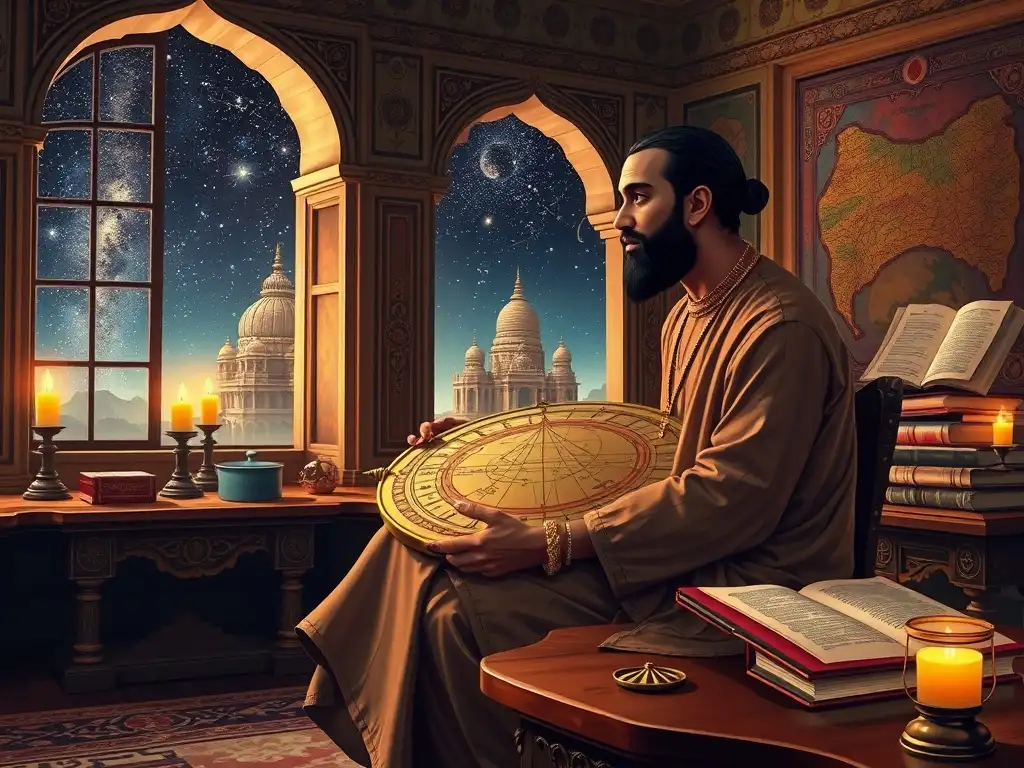
Ancient Indian astronomers made significant contributions that laid the foundation for astrological practices, intertwining astronomy and astrology in a complex relationship. Their observations of celestial bodies not only enhanced the understanding of the cosmos but also influenced various aspects of daily life, including agriculture, religion, and health. The meticulous recording of astronomical phenomena and their cyclical patterns enabled these scholars to develop astrological predictions that were integral to societal functions.
One of the most notable contributions was the establishment of the zodiac system, which divided the sky into twelve signs associated with various celestial bodies and their movements. This system was pivotal for astrological readings and influenced the timing of rituals and festivals. Furthermore, the calculations of planetary positions and their implications on human life provided a structured approach to astrology, making it a respected field of study.
Notable Astronomers and Their Works
Among the prominent figures in ancient Indian astronomy, Aryabhata stands out for his seminal work, the "Aryabhatiya," composed in 499 CE. In this text, he presented a systematic approach to both astronomy and mathematics, detailing methods for calculating planetary positions and eclipses, which directly influenced astrological practices. His assertion that the Earth rotates on its axis and his calculations of the circumference of the Earth were groundbreaking, providing a scientific basis for astrological interpretations.
Another influential astronomer, Varahamihira, authored the "Brihat Samhita," a comprehensive encyclopedia that encompassed astrology, meteorology, and geography. His work emphasized the application of astronomical observations in predicting natural events and human behavior, thereby solidifying the connection between astronomy and astrology. The contributions of these scholars reflect the deep-rooted significance of ancient Indian astronomy in shaping astrological traditions.
The Influence of Ancient Texts on Astrological Practices
The sacred texts of ancient India, particularly the Vedas and Puranas, played a crucial role in shaping astrological practices. The "Vedanga Jyotisha," one of the earliest texts dedicated to astronomy and astrology, outlines various methodologies for timekeeping and predicts celestial events. This text served as a guideline for astrological calculations and rituals, influencing the spiritual and social lives of individuals.
Additionally, texts like the "Siddhanta Shiromani" by Bhaskara II further refined astrological calculations, providing a robust framework for interpreting planetary movements in relation to human affairs. The integration of these ancient texts into astrological practices ensured that astrology remained a respected and essential discipline within Indian culture, directly impacting religious practices and societal norms.
Techniques and Tools Used in Ancient Indian Astronomy
Ancient Indian astronomers employed a variety of techniques and tools to enhance their observations and calculations. Their methods were sophisticated, reflecting an advanced understanding of celestial mechanics and the need for precise measurements in astrology.
Instruments Developed for Astronomical Observations
One of the key instruments used was the gola (spherical astrolabe), which enabled astronomers to determine the altitude of celestial bodies. This tool was crucial for astrological predictions, as it provided accurate data on planetary positions. Other instruments included the shanku (gnomon) for measuring the angle of the sun and the yasti (staff) for shadow measurements, both of which were essential for calculating time and celestial events.
The construction of observatories, such as the Jantar Mantar in Jaipur, further exemplified the innovation in astronomical tools. These observatories housed massive instruments designed to observe and predict astronomical events with remarkable accuracy.
Methods of Calculation and Predictions
The methods of calculation in ancient Indian astronomy were highly systematic, often involving intricate mathematical techniques. Astronomers employed sine and cosine calculations for determining the angles of celestial bodies, which informed their astrological predictions. They also developed algorithms for calculating the positions of planets, eclipses, and conjunctions, which were critical for horoscopic astrology.
These calculations were often based on cycles, such as the yugas (cosmic cycles), which were believed to influence the timing of significant events. The combination of observational techniques and mathematical rigor established a robust framework for astrological predictions, illustrating the profound significance of ancient Indian astronomy in shaping the astrological landscape.
The Cultural Impact of Ancient Indian Astronomy on Society
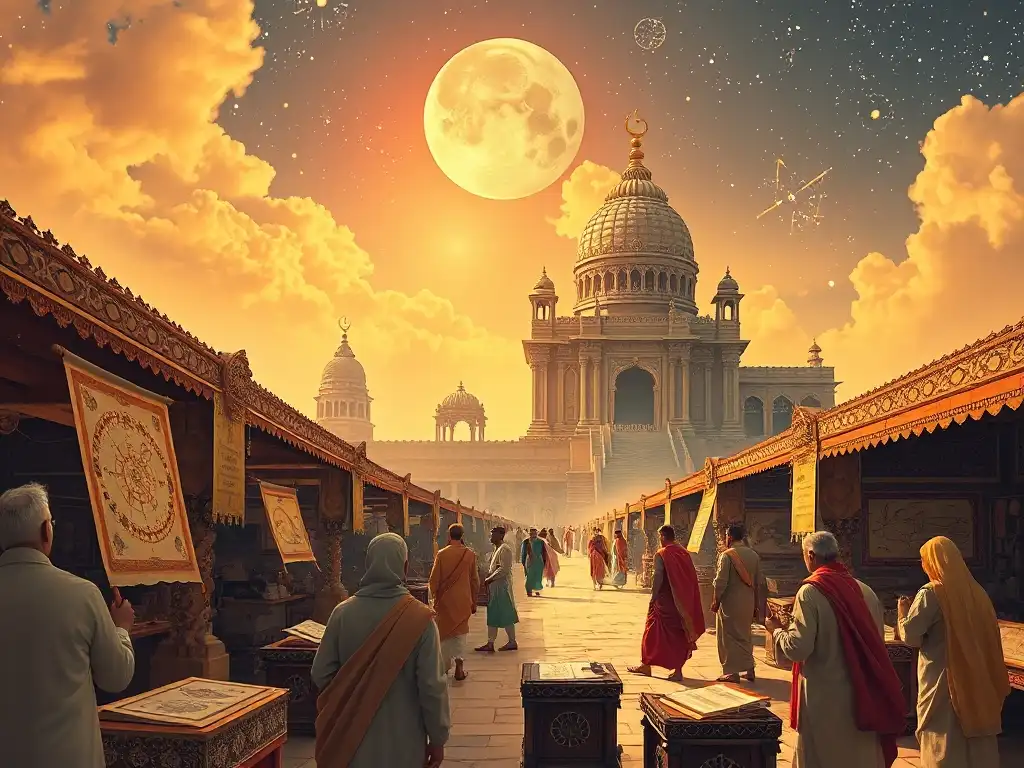
Ancient Indian astronomy, with its profound insights and methodologies, significantly shaped the cultural and societal fabric of India. This discipline was not merely a scientific pursuit; it was interwoven with the spiritual and philosophical dimensions of life. The texts and practices that emerged from ancient astronomical studies influenced various aspects of everyday life, from agriculture to religious observances.
Scholars like Aryabhata and Varahamihira not only contributed to the understanding of celestial phenomena but also emphasized the importance of celestial movements in the timing of rituals and agricultural activities. The meticulous observations of planetary positions and lunar cycles laid the groundwork for a calendar system that dictated the agricultural cycles, festivals, and even social customs.
Moreover, ancient Indian astronomy fostered a sense of community, as people would gather to celebrate celestial events, enhancing social bonds and cultural identity. This integration of astronomy into societal norms reinforced the idea that the cosmos and terrestrial life were deeply connected, a belief that continues to resonate in various aspects of Indian culture today.
Astrology's Role in Daily Life and Decision Making
Astrology in ancient India was not just an esoteric practice; it was a vital part of daily life and decision-making. The alignment of stars and planets was believed to influence everything from personal fortunes to national events. Individuals regularly consulted astrologers to determine auspicious times for significant life events such as marriages, business ventures, and travel.
The ancient texts, such as the Jyotisha Shastra, provided guidelines on how to interpret celestial movements and their implications for human affairs. This intricate system of astrology allowed individuals to align their actions with cosmic rhythms, thereby seeking harmony and success in their endeavors. The practice was so ingrained in society that it also influenced political decisions, with rulers often consulting astrologers before embarking on wars or diplomatic missions.
In essence, astrology served as a guiding framework for many aspects of life, providing a sense of security and direction in an unpredictable world.
Festivals and Events Influenced by Astronomy
Many traditional Indian festivals are rooted in ancient astronomical observations, reflecting the deep connection between the cosmos and cultural celebrations. For instance, Diwali, the Festival of Lights, is celebrated on the new moon night of the month of Kartika, marking the return of light after darkness, symbolizing hope and renewal. Similarly, Makar Sankranti, which celebrates the winter solstice, is timed with the movement of the sun into the zodiac sign of Capricorn, signifying the end of winter and the start of longer days.
These events are not just religious observances; they are meticulously calculated based on lunar and solar calendars, showcasing the significance of astronomy in determining the timing of festivities. Other festivals, like Holi and Raksha Bandhan, also have astrological significance, reinforcing the belief that celestial phenomena influence human lives and relationships.
Through these celebrations, ancient Indian astronomy continues to impact modern society, reminding us of the intertwined nature of the cosmos and human existence.
Modern Interpretations of Ancient Indian Astronomy Significance
The significance of ancient Indian astronomy is not limited to its historical context; it has found relevance in contemporary times as scholars and enthusiasts explore its principles and practices. Modern interpretations often focus on the philosophical aspects of these ancient teachings, highlighting their contributions to our understanding of the universe and its laws.
Research into ancient texts has revealed sophisticated mathematical and astronomical concepts that align with modern scientific principles, prompting a reevaluation of their contributions to the field. This renewed interest has led to interdisciplinary studies that bridge the gap between ancient wisdom and current scientific inquiry.
The Relevance of Ancient Techniques Today
Ancient Indian astronomical techniques, such as the use of gnomons for measuring time and celestial angles, are being revisited for their practical applications today. Techniques rooted in observational astronomy can enhance our understanding of ecological systems and agricultural practices, offering sustainable approaches that are increasingly relevant in the face of modern challenges like climate change.
Furthermore, the astrological systems developed in ancient India are being integrated into holistic approaches to wellness, emphasizing the importance of aligning personal actions with cosmic cycles. This integration highlights the relevance of ancient techniques in providing insights into personal and environmental harmony.
Bridging Ancient Wisdom with Contemporary Astronomy
The dialogue between ancient Indian astronomy and contemporary scientific practices offers valuable lessons in humility and interconnectedness. Modern astronomers and scientists are beginning to appreciate the holistic worldview presented in ancient texts, which often emphasized the unity of the cosmos and the individual.
Workshops and seminars focusing on ancient astronomical techniques are being organized to educate new generations about these invaluable contributions to science and culture. By bridging the gap between ancient wisdom and modern scientific inquiry, scholars aim to create a more comprehensive understanding of the universe, one that honors the insights of ancient civilizations while advancing contemporary knowledge.
In this way, the legacy of ancient Indian astronomy not only enriches our cultural heritage but also inspires current and future generations to explore the cosmos with respect and curiosity.
Conclusion: The Enduring Legacy of Ancient Indian Astronomy
The legacy of ancient Indian astronomy is a testament to the profound understanding of celestial phenomena that early Indian scholars possessed. Their work laid the groundwork for various fields, including mathematics, astrology, and even modern scientific disciplines. The meticulous observations and calculations made by astronomers such as Aryabhata and Brahmagupta highlight not only the technical prowess of these scholars but also their philosophical approach to understanding the cosmos.
Moreover, the integration of astronomy with astrological practices in ancient India created a unique perspective on the universe, where celestial bodies were believed to influence human affairs. This belief system resonated deeply within the cultural fabric of Indian society, leading to widespread practices in astrology that continue to be relevant today. The enduring nature of these astrological implications underscores the significance of ancient Indian astronomy in shaping both historical and contemporary views of the cosmos.
Reflection on Its Astrological Implications
The astrological implications of ancient Indian astronomy were profound and multifaceted. Scholars meticulously charted celestial movements and established complex systems of astrology, which were deeply interwoven with daily life, religious practices, and cultural traditions. The concept of jyotisha, or the science of light, exemplifies how celestial bodies were seen as harbingers of fate and guidance for individuals and societies alike.
Astrologers developed intricate charts and methodologies to interpret the positions of celestial bodies, leading to predictions that influenced agricultural practices, political decisions, and personal choices. The astrological texts produced during this period, such as the Brihat Parashara Hora Shastra, reflect a sophisticated understanding of the cosmos and its perceived impact on human behavior. This interplay between astronomy and astrology not only illustrates the intellectual achievements of ancient Indian scholars but also highlights the cultural significance attributed to celestial phenomena.
Future Research Directions in Ancient Indian Astronomy
As interest in ancient Indian astronomy continues to grow, several promising research directions emerge. One key area is the exploration of the mathematical techniques used by ancient astronomers. Scholars could delve deeper into the methods of calculation that enabled precise predictions of celestial events, bringing to light the influence of Indian mathematical principles on later astronomical developments across the globe.
Another important avenue for research is the comparative study of ancient Indian astronomical texts with those from other cultures, such as Greek or Chinese astronomy. This could provide insights into the exchange of knowledge and ideas across civilizations, highlighting the interconnectedness of ancient scientific thought.
Additionally, examining the astrological practices derived from ancient Indian astronomy can yield valuable insights into contemporary belief systems and their evolution over time. By understanding how these practices have adapted and persisted, researchers can contribute to a broader understanding of cultural continuity and change in Indian society.
Overall, the exploration of ancient Indian astronomy's significance and its astrological implications promises to enrich our understanding of both historical and modern perspectives on the cosmos.
- Introduction to Ancient Indian Astronomy
- Overview of Ancient Indian Astronomy Significance
- Historical Context of Astronomy in Ancient India
- The Relationship Between Astronomy and Astrology in Ancient India
- Key Contributions of Ancient Indian Astronomers to Astrology
- Notable Astronomers and Their Works
- The Influence of Ancient Texts on Astrological Practices
- Techniques and Tools Used in Ancient Indian Astronomy
- The Cultural Impact of Ancient Indian Astronomy on Society
- Modern Interpretations of Ancient Indian Astronomy Significance
- Conclusion: The Enduring Legacy of Ancient Indian Astronomy
Frequently Asked Questions
What is the significance of ancient Indian astronomy?
Ancient Indian astronomy holds significant cultural and scientific value, contributing to the understanding of celestial phenomena and influencing various aspects of daily life and ritual practices.
How did ancient Indian astronomers contribute to mathematics?
Ancient Indian astronomers made pioneering contributions to mathematics, including the development of the concept of zero and advancements in trigonometry, which were crucial for calculating celestial movements.
What are some key texts on ancient Indian astronomy?
Key texts include the Surya Siddhanta, which outlines astronomical calculations, and the Aryabhatiya, authored by Aryabhata, which discusses planetary positions and timekeeping.
How did ancient Indian astronomy influence modern science?
The methodologies and findings of ancient Indian astronomy laid foundational principles that influenced modern astronomical practices, particularly in calendar systems and astrophysics.
What role did astrology play in ancient Indian society?
Astrology was deeply intertwined with daily life in ancient India, guiding decisions in areas such as agriculture, health, and politics, reflecting the cultural significance of celestial observations.
Final Reflection: The Enduring Significance of Ancient Indian Astronomy
The exploration of ancient Indian astronomy significance reveals a profound connection between celestial observations and cultural practices that resonate powerfully in today's world. As we navigate an era dominated by technology and scientific advancement, the wisdom of ancient astronomers serves as a reminder of our intrinsic link to the cosmos. Their meticulous observations and interpretations not only shaped early scientific thought but also laid the groundwork for understanding our place in the universe. This legacy is not just historical; it is a call to recognize the value of ancient knowledge in enriching our modern perspectives.
The influence of ancient Indian astronomy extends far beyond its historical context; it continues to shape our cultural and social landscapes today. The intricate relationship between astronomy and astrology in ancient India reflects a deep-seated belief in the interconnectedness of all things.
This perspective encourages us to view the universe not merely as a backdrop to our lives but as a dynamic participant in our existence. As Carl Sagan once said, “We are made of star-stuff,” reminding us that our very essence is intertwined with the cosmos, a sentiment that echoes through the ages and remains relevant in our quest for meaning.
As we reflect on the lessons of ancient Indian astronomy, let us embrace the invitation to explore our own connections to the universe. Consider how the rhythms of nature and the movements of celestial bodies influence your life and decisions. I encourage you to look up at the night sky, ponder the mysteries it holds, and allow the wisdom of the ancients to inspire your journey. By integrating these insights into our modern lives, we can cultivate a deeper appreciation for the cosmos and its significance in shaping our identities and destinies.
Unveil the Mysteries of Ancient Astrology!
Thank you for exploring the captivating world of Ancient Indian Astronomy with us! Understanding the astrological implications not only enhances your knowledge but also connects you to the rich heritage of our ancestors. Now, it's time to put that insight into action!
Here are some engaging steps you can take:
- Dive deeper into ancient texts or online resources to further explore how astronomy influenced astrology in Ancient India.
- Join a local or online group passionate about astrology and astronomy to share discoveries and insights with others.
- Reflect and document how celestial movements resonate with your life—consider starting a journal to track your astrological observations.
What celestial events have inspired you the most on your journey through astrology? We invite you to share your thoughts in the comments!