
Ancient Indian Food Preservation Methods: Techniques That Stand the Test of Time

Welcome to Ancient India History, where we embark on a fascinating journey through the rich tapestry of ancient Indian civilizations! In this exploration, we’ll uncover the intricate food preservation techniques that have not only tantalized taste buds but also stood the test of time. Ever wondered how ancient Indians managed to keep their food fresh amidst the challenges of their era? Join us as we delve into these age-old methods, revealing the secrets of a culinary tradition that has influenced modern practices. Get ready to discover the flavors of history and the wisdom of the past!
- Introduction to Ancient Indian Food Preservation Techniques
- Historical Context of Food Preservation in Ancient India
- Common Ancient Indian Food Preservation Techniques
- Benefits of Ancient Indian Food Preservation Methods
- Modern Applications of Ancient Indian Food Preservation Techniques
- Conclusion: The Relevance of Ancient Indian Food Preservation Techniques Today
- Additional Resources and References
-
Frequently Asked Questions
- What are ancient Indian food preservation techniques?
- Why were food preservation techniques important in ancient India?
- How did the Indus Valley Civilization contribute to food preservation?
- What role did spices play in ancient Indian food preservation?
- Can modern food preservation techniques learn from ancient Indian methods?
- Final Reflection: Timeless Techniques of Ancient Indian Food Preservation
- Unlock the Secrets of Timeless Preservation!
Introduction to Ancient Indian Food Preservation Techniques
The preservation of food has been a vital practice throughout human history, ensuring sustenance during times of scarcity and enabling the longevity of various culinary traditions. In ancient India, food preservation techniques were not merely practical; they were deeply intertwined with the culture, spirituality, and daily lives of the people. From the arid deserts of Rajasthan to the lush rice paddies of Bengal, ancient Indian civilizations developed a plethora of innovative methods to extend the shelf life of their foods.
Understanding these ancient Indian food preservation techniques offers us a glimpse into the resourcefulness and ingenuity of our ancestors, while also highlighting the profound respect they had for nature and its bounty. This article explores the significance of these preservation methods and the cultural narratives they encompass, showcasing how they have stood the test of time and continue to inspire modern practices.
Understanding the Importance of Food Preservation in Ancient India
Food preservation in ancient India was crucial for various reasons:
- Sustenance During Scarcity: With the unpredictability of weather patterns and agricultural yields, preserving food allowed communities to survive lean seasons. Techniques such as drying and fermenting ensured that food could be stored for extended periods.
- Nutritional Value: Many preservation methods not only extended the shelf life of food but also enhanced its nutritional content. For instance, fermentation can increase the bioavailability of nutrients, making preserved foods more beneficial for health.
- Cultural Practices: Food preservation was often linked to rituals and traditions. For example, the preparation of pickles was not just about preserving fruits and vegetables; it was a communal activity that brought families together and was often associated with festivals.
- Trade and Commerce: Preserved foods played a significant role in trade, allowing for the exchange of goods over long distances. Spices, dried fruits, and grains were highly sought after, contributing to the thriving economy of ancient Indian civilizations.
Overview of Key Techniques and Their Cultural Significance
Ancient Indian civilizations employed a variety of food preservation techniques, each with its own cultural significance:
- Drying: A common method, drying was used for fruits, vegetables, and fish. It not only preserved food but also concentrated flavors. Sun-dried tomatoes and dried mangoes are examples of how this technique remains popular today.
- Fermentation: This technique was vital for preserving dairy products and grains. Foods like yogurt and idli batter are outcomes of fermentation, enriching the diet and showcasing the importance of probiotics in ancient Indian diets.
- Pickling: A traditional method that involved soaking food in brine or vinegar. Pickles, or "achar," are essential to Indian cuisine, symbolizing home-cooked meals and family gatherings. Each region has its unique recipes, reflecting local ingredients and culinary practices.
- Smoking: Used primarily for meats and fish, smoking added flavor while preventing spoilage. This technique has historical roots in various communities, particularly in the coastal regions.
- Canning and Jarring: Although more modern, the principles of sealing food in containers to extend its life can be traced back to ancient practices. Indian households have long used clay pots for storing grains and pulses securely.
By examining these techniques, we not only appreciate the culinary heritage of ancient India but also recognize the wisdom embedded in these traditions, which continue to be relevant in today's quest for sustainable living.
Historical Context of Food Preservation in Ancient India

Ancient Indian civilizations were deeply connected to their environment, which significantly influenced their food preservation methods. The need to store food safely and sustainably arose from various factors, including seasonal fluctuations, agricultural practices, and the necessity to sustain populations during times of scarcity. As a result, ancient Indian food preservation techniques evolved to address these challenges, ensuring that communities could thrive despite environmental constraints.
The historical context of food preservation in ancient India reveals a sophisticated understanding of both natural and artificial methods. From the early days of the Indus Valley Civilization (around 2500 BCE) to the flourishing Gupta Empire (around 320 to 550 CE), various techniques were developed and refined to extend the shelf life of food. These methods not only facilitated trade and commerce but also played a crucial role in dietary practices, cultural rituals, and the economy.
The Role of Climate and Geography in Food Preservation
The diverse climate and geography of ancient India significantly shaped food preservation techniques. Different regions faced unique environmental conditions that required tailored approaches to storing food. Here are some key factors:
- Climate Variability:
- In arid regions like Rajasthan, preservation techniques such as sun-drying were particularly effective. The intense heat allowed for the removal of moisture from fruits and vegetables, preventing spoilage.
- Conversely, in humid areas like the Western Ghats, fermentation became a more common method, as it helped to stabilize food in the presence of moisture.
- Geographical Diversity:
- The fertile plains of the Ganges supported a rich agricultural landscape, leading to an abundance of grains and pulses. Ancient Indians utilized techniques like drying and milling to extend the usability of these staples.
- Coastal regions, benefitting from access to seafood, employed salting and smoking as key preservation techniques, which also enhanced the flavor of fish and shellfish.
- Natural Resources:
- The availability of specific plants and herbs influenced preservation methods. For example, turmeric and salt, both abundant in ancient India, were used not only for flavor but also for their antibacterial properties, which helped in preserving food longer.
Evolution of Preservation Methods from the Indus Valley Civilization to Gupta Empire
The evolution of ancient Indian food preservation techniques can be traced through several significant phases, reflecting advancements in technology and changes in societal needs.
- Indus Valley Civilization (c. 2500–1900 BCE):
- Archaeological evidence suggests that the people of the Indus Valley used sun-drying and pickling as primary preservation methods.
- Storage granaries were discovered, indicating an understanding of bulk storage for grains, which protected food from pests and moisture.
- Vedic Period (c. 1500–500 BCE):
- During this period, the practice of fermentation became prominent, particularly in the preparation of beverages like sura (a type of alcoholic drink) and dahi (yogurt).
- Spices began to play a crucial role in food preservation, with methods such as spiced oil being used to extend the life of various foods.
- Mauryan Empire (c. 322–185 BCE):
- The Mauryan period saw advancements in trade, leading to the exchange of preservation techniques across regions. Salting and drying techniques were standardized for both meat and fish.
- The use of jaggery (unrefined sugar) for preserving fruits and sweets became widespread, indicating an early understanding of sugar's preservative qualities.
- Gupta Empire (c. 320–550 CE):
- The Gupta era witnessed the refinement of preservation methods, including the widespread use of pickling and spicing.
- Texts from this period mention various preserved foods such as achar (pickles), which were made using a variety of fruits and vegetables, showcasing a rich culinary tradition that emphasized flavor and longevity.
- The emergence of canning techniques, albeit primitive, can also be traced back to this period, with the preservation of food in airtight containers for long-term storage.
Ancient Indian food preservation techniques were not merely about preventing spoilage; they were integral to the cultural and economic fabric of society. The evolution from simple methods to more complex practices illustrates the ingenuity and adaptability of ancient Indian civilizations in the face of environmental challenges. Understanding these techniques provides valuable insights into the culinary heritage of India and the enduring legacy of its traditions.
Common Ancient Indian Food Preservation Techniques
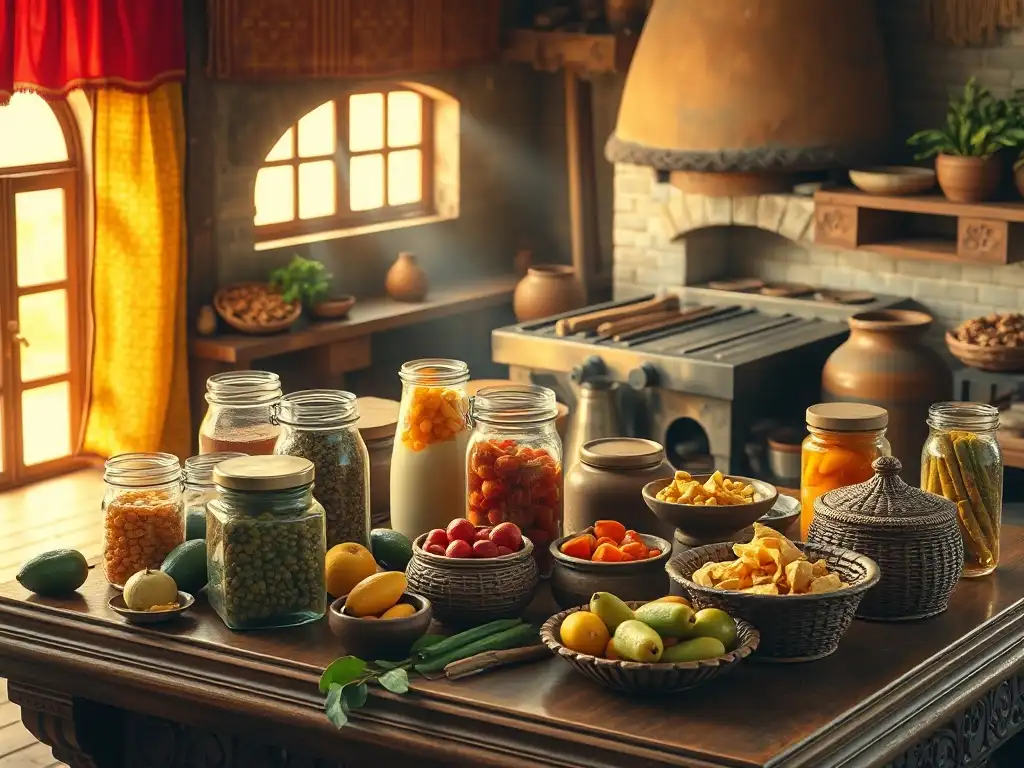
The preservation of food has been a crucial aspect of ancient Indian culinary practices, allowing communities to survive through harsh seasons and ensuring that food remained available year-round. Various techniques were developed and refined over centuries, showcasing the ingenuity and adaptability of ancient Indian civilizations. Here, we explore some of the most significant ancient Indian food preservation techniques that have stood the test of time.
Drying: A Time-Tested Method for Preserving Fruits and Vegetables
Drying is one of the oldest and most widely used methods for preserving food. By removing moisture, this technique inhibits the growth of bacteria, yeast, and molds, thereby extending the shelf life of various food items. Ancient Indians utilized sunlight and wind to naturally dehydrate fruits and vegetables, ensuring they could be stored for extended periods.
Process of Drying:
- Selection: Fresh, ripe produce is chosen for maximum flavor and nutrients.
- Preparation: Fruits and vegetables may be sliced, peeled, or blanched before drying.
- Drying: The prepared items are spread out in the sun or placed in shaded, airy areas to dry.
- Storage: Once fully dried, products are stored in airtight containers to maintain their quality.
Examples of Dried Products: Amla, Mango, and More
Several fruits and vegetables are commonly dried in ancient Indian practices. Here are a few notable examples:
- Amla (Indian Gooseberry): Rich in vitamin C, dried amla is often consumed as a snack or used in medicinal preparations.
- Mango: Dried mango slices, known as "aam papad," are a popular treat, celebrated for their sweet and tangy flavor.
- Lentils and Pulses: These staples were often sun-dried to enhance their shelf life, making them available for consumption throughout the year.
- Vegetables: Items like tomatoes and green chilies were commonly dried and stored for use in various dishes, especially during off-seasons.
The practice of drying not only preserves the food but also intensifies its flavor, making it a cherished method in ancient culinary traditions.
Fermentation: The Science Behind Flavor and Preservation
Fermentation is another ancient technique that not only preserves food but also enhances its flavor and nutritional profile. This process involves the conversion of carbohydrates into alcohol or organic acids through the action of microorganisms, such as bacteria and yeasts.
Mechanism of Fermentation:
- Microbial Action: Specific strains of bacteria or yeasts are introduced to food, initiating the fermentation process.
- Acid Production: As the microorganisms consume sugars, they produce lactic acid or alcohol, which acts as a natural preservative.
- Flavor Development: The unique flavors generated during fermentation contribute to the distinct taste of many traditional dishes.
Traditional Fermented Foods: Idli, Dhokla, and Pickles
Fermentation is integral to numerous traditional dishes in India. Here are some examples:
- Idli: This popular South Indian dish is made by fermenting a batter of rice and urad dal (black gram). The fermentation process not only helps in preservation but also enhances the digestibility of the idli.
- Dhokla: A savory snack from Gujarat, dhokla is prepared from fermented chickpea flour batter, resulting in a fluffy and flavorful dish.
- Pickles (Achar): Various vegetables and fruits are preserved in a mixture of salt, oil, and spices, allowing them to ferment and develop rich flavors. Common examples include mango pickle and lime pickle.
These traditional fermented foods exemplify how ancient Indian civilizations utilized fermentation to enhance the taste and longevity of their culinary creations, ensuring sustenance and flavor across seasons.
Ancient Indian food preservation techniques like drying and fermentation not only reflect the resourcefulness of these civilizations but also continue to influence modern culinary practices. Through these methods, the flavors and traditions of ancient Indian cuisine remain vibrant and relevant today.
Salting: Preserving Protein-Rich Foods for Long Durability
Salting is one of the oldest and most effective methods of food preservation, particularly for protein-rich foods such as fish and meat. This technique leverages the natural preservative properties of salt, which inhibits the growth of bacteria and fungi, thereby extending the shelf life of food. In ancient India, salting was not just a practical solution; it was also an integral part of culinary traditions that added flavor and complexity to dishes.
The primary mechanism behind salting involves the process of osmosis. When salt is applied to food, it draws moisture out, creating an environment that is inhospitable for microorganisms. This dehydration process not only preserves the food but also intensifies its flavor, making salted items a staple in various regional cuisines. Ancient texts and archaeological findings indicate that communities along the coasts of India, particularly in regions like Kerala and Gujarat, employed salting extensively to prepare and store fish and meats for both local consumption and trade.
Additionally, salted foods were often packaged in clay pots, which were sealed to prevent contamination and further moisture ingress. This method of preservation allowed ancient Indians to enjoy seasonal delicacies throughout the year, ensuring a varied diet even in times of scarcity. The cultural significance of salting is evident in many traditional recipes that highlight the unique flavors of salted fish and meat.
The Process of Making Salted Fish and Meat
The process of making salted fish and meat involves several critical steps that ensure both preservation and flavor enhancement. Here's a detailed breakdown:
- Selection of Ingredients: Fresh fish or meat is chosen, as the quality of the initial product significantly affects the final outcome.
- Cleaning: The fish or meat is thoroughly cleaned to remove any impurities. For fish, this involves gutting and scaling, while meat may require trimming.
- Application of Salt: Generous amounts of salt are applied to the cleaned protein. The salt can be coarse or fine, depending on availability and preference. This step is crucial, as the salt must come in contact with all surfaces of the food.
- Layering: In many traditional methods, salt is layered with the fish or meat in a container. This layering allows for even distribution.
- Pressing: Some techniques involve placing a weight on top to press down the protein, which helps in extracting moisture more effectively.
- Storage: The salted fish or meat is then stored in a cool, dry place, often for several days to weeks, depending on the desired level of preservation.
- Rinsing and Cooking: Before consumption, the salted items may need to be rinsed to reduce the saltiness, followed by cooking or further processing to enhance flavors.
This meticulous process not only ensures that the protein-rich foods remain edible for extended periods but also imbues them with a distinctive taste that has been cherished in ancient Indian culinary practices.
Smoking: An Ancient Technique with Rich Flavor Profiles
Smoking is another ancient food preservation technique that has been utilized for centuries, particularly in the Indian subcontinent. This method not only preserves food but also adds a unique flavor that enhances the overall culinary experience. The process involves exposing food to the smoke from burning or smoldering materials, typically wood, which infuses it with aromatic compounds while creating a barrier against spoilage.
The smoke produced during the burning process contains various phenolic compounds that possess antimicrobial properties, which contribute to the preservation of the food. In ancient India, smoking was commonly used to preserve fish, meats, and even certain vegetables, allowing communities to store food for leaner months while also enriching their diets with diverse flavors.
The cultural significance of smoking can be observed in various regional cuisines where smoked dishes are celebrated. For instance, the use of bamboo to smoke fish in northeastern India highlights both the ingenuity and the culinary artistry of ancient Indian civilizations.
Case Study: The Use of Smoking in Fish Preservation
The practice of smoking fish is particularly prominent in coastal regions of India, where the abundance of fresh catch necessitated effective preservation methods. A compelling case study can be found in the traditional practices of the fisherfolk in Kerala, where they employ a specific technique known as "meen pollichathu."
- Preparation: Fresh fish, such as mackerel or sardines, are cleaned and marinated with a mixture of spices, which may include turmeric, chili powder, and salt. This not only adds flavor but also aids in preservation.
- Smoking Setup: The fish is placed on bamboo racks or woven mats, positioned above a fire made from coconut husks or other aromatic woods. The smoke produced is rich in flavor and serves to preserve the fish.
- Duration: The smoking process can last several hours, allowing the fish to absorb the flavors and undergo the preservation process.
- Storage: Once smoked, the fish is often stored in airtight containers, where it can last for weeks or even months without refrigeration.
This practice not only serves as a means of food preservation but also plays a crucial role in the cultural identity of the region, showcasing the intersection of culinary tradition and sustainable practices. The smoked fish can be enjoyed as part of various dishes or consumed on its own, highlighting the versatility of this ancient preservation technique.
Benefits of Ancient Indian Food Preservation Methods
Ancient Indian food preservation methods have played a crucial role in the culinary landscape of India. These techniques not only ensured the longevity of food but also contributed to the nutritional integrity, flavor enhancement, and economic efficiency of food systems. Understanding the benefits of these ancient practices reveals their importance in today’s context, especially as contemporary society seeks sustainable solutions to food preservation.
Nutritional Value Retention in Preserved Foods
One of the most notable benefits of ancient Indian food preservation techniques is their ability to retain the nutritional value of foods. Methods such as sun drying, pickling, and fermentation have been practiced for centuries, often preserving essential vitamins and minerals that would otherwise be lost in modern preservation methods.
- Sun Drying: This method involves drying fruits, vegetables, and grains under the sun, which helps to concentrate their nutrients. For instance, sun-dried tomatoes retain much of their vitamin C and antioxidants compared to canned versions.
- Pickling: The process of pickling not only extends the shelf life of vegetables but also enhances their probiotic content. Fermented pickles, such as mango or lime, are rich in beneficial bacteria, which promote gut health.
- Fermentation: Techniques such as making yogurt or fermented bread (like idli and dosa) not only preserve food but also improve digestibility and enhance nutrient absorption.
Research indicates that these methods can maintain the bioavailability of nutrients, making preserved foods a healthy choice for consumers.
Enhancing Flavor and Texture Through Traditional Techniques
Ancient Indian food preservation methods are not merely about extending shelf life; they also play a significant role in enhancing the flavor and texture of foods. Various techniques have been employed to achieve unique taste profiles, making preserved foods a staple in Indian cuisine.
- Spices and Herbs: The use of spices in preservation, such as turmeric in pickles, not only adds flavor but also provides antimicrobial properties, enhancing the overall quality of the food.
- Smoking: Smoking foods, such as fish and meats, infuses them with a rich, distinctive flavor while also acting as a preservative. This technique has been integral in coastal regions of India.
- Salt and Sugar: Salting and sugaring are traditional methods that draw out moisture, altering the texture and concentrating flavors. For example, salted and dried fish retains a chewy texture and intense flavor, making it a popular ingredient in various dishes.
These ancient techniques result in foods that are not only preserved but also enjoyed for their complex flavors and appealing textures.
Economic Benefits: Reducing Food Waste and Increasing Shelf Life
The economic benefits of ancient Indian food preservation techniques are significant, especially in a world where food waste is a growing concern. By increasing the shelf life of perishable goods, these methods contribute to greater food security and economic stability.
- Minimizing Waste: Traditional preservation methods help households utilize surplus produce, especially during harvest seasons. For example, excess fruits can be dried or turned into jams, while vegetables can be pickled, effectively reducing waste.
- Cost-Effective: By extending the life of food, families can save on grocery bills and minimize the frequency of shopping trips. Techniques such as canning and fermentation can also be done at home, making them accessible and economical.
- Market Opportunities: The demand for preserved foods, such as pickles and dried snacks, creates market opportunities for local producers. This not only supports local economies but also encourages the continuation of traditional food practices.
The benefits of ancient Indian food preservation methods extend beyond mere sustenance; they encompass nutritional integrity, enhanced culinary experiences, and significant economic advantages. By embracing these time-tested techniques, modern society can learn from the wisdom of ancient practices to create a more sustainable food system.
Modern Applications of Ancient Indian Food Preservation Techniques
The rich heritage of ancient Indian food preservation techniques continues to influence contemporary culinary practices today. As modern society grapples with the challenges of food waste and the desire for sustainable eating, these age-old methods offer effective solutions. By embracing the wisdom of the past, modern kitchens can enhance flavors, extend shelf life, and maintain nutritional value.
How Traditional Methods Influence Contemporary Indian Cuisine
Traditional Indian food preservation techniques, such as drying, fermenting, and pickling, are not merely relics of the past; they play a pivotal role in contemporary Indian cuisine. For instance:
- Drying: This method involves removing moisture from food to prevent spoilage. Ingredients like fruits, vegetables, and meats are sun-dried, retaining their flavors while extending their longevity. In modern kitchens, dried fruits and spices are increasingly popular, used in both sweet and savory dishes.
- Fermentation: Ancient Indians mastered the art of fermentation, producing foods like yogurt (dahi) and pickles (achar). These not only enhance flavors but also add beneficial probiotics, crucial for gut health. Today, many chefs are revisiting these fermented products to create dishes that are both nutritious and flavorful.
- Pickling: The practice of pickling vegetables with spices and vinegar or salt has been integral to Indian cuisine. Modern interpretations of pickles often incorporate global ingredients, allowing for fusion dishes that honor traditional techniques while appealing to contemporary palates.
Incorporating Ancient Techniques into Modern Culinary Practices
As chefs and home cooks seek to incorporate ancient Indian food preservation techniques into their culinary practices, several approaches can be adopted:
- Emphasizing Local Ingredients: Sourcing seasonal and local produce for preservation not only supports sustainable practices but also enhances the flavor profile of preserved items.
- Experimenting with Flavors: Modern interpretations of traditional recipes allow for creativity. For example, using various spices and herbs in pickling mixtures can create unique flavor profiles that cater to diverse tastes.
- Utilizing Technology: While ancient methods relied on natural processes, modern technology can augment these techniques. For instance, food dehydrators provide controlled environments for drying fruits and vegetables, ensuring consistent results.
- Educational Workshops: Culinary schools and workshops that focus on ancient preservation methods can promote cultural heritage while inspiring the next generation of chefs. Attendees can learn techniques like lacto-fermentation and sun-drying, gaining hands-on experience.
Recommended Products for Home Preservation (e.g., dehydrators, fermentation kits)
For those interested in experimenting with ancient Indian food preservation techniques at home, here are some recommended products that can enhance the experience:
| Product Type | Description | Benefits |
|---|---|---|
| Dehydrators | Electric devices that remove moisture from food efficiently. | Preserve fruits, vegetables, and herbs easily. |
| Fermentation Kits | Complete kits with jars, weights, and lids for fermenting. | Simplify the fermentation process for pickles and yogurt. |
| Pickling Supplies | Jars, spices, and salt specifically for pickling. | Ensure a successful pickling experience. |
| Vacuum Sealers | Machines that remove air from bags to extend food life. | Great for storing dried foods and leftovers. |
By integrating these ancient techniques into modern culinary practices, individuals can not only preserve food effectively but also connect with the rich history of Indian cuisine. Embracing these methods offers a sustainable way to enjoy the flavors of the past while ensuring food longevity in today's fast-paced world.
Conclusion: The Relevance of Ancient Indian Food Preservation Techniques Today
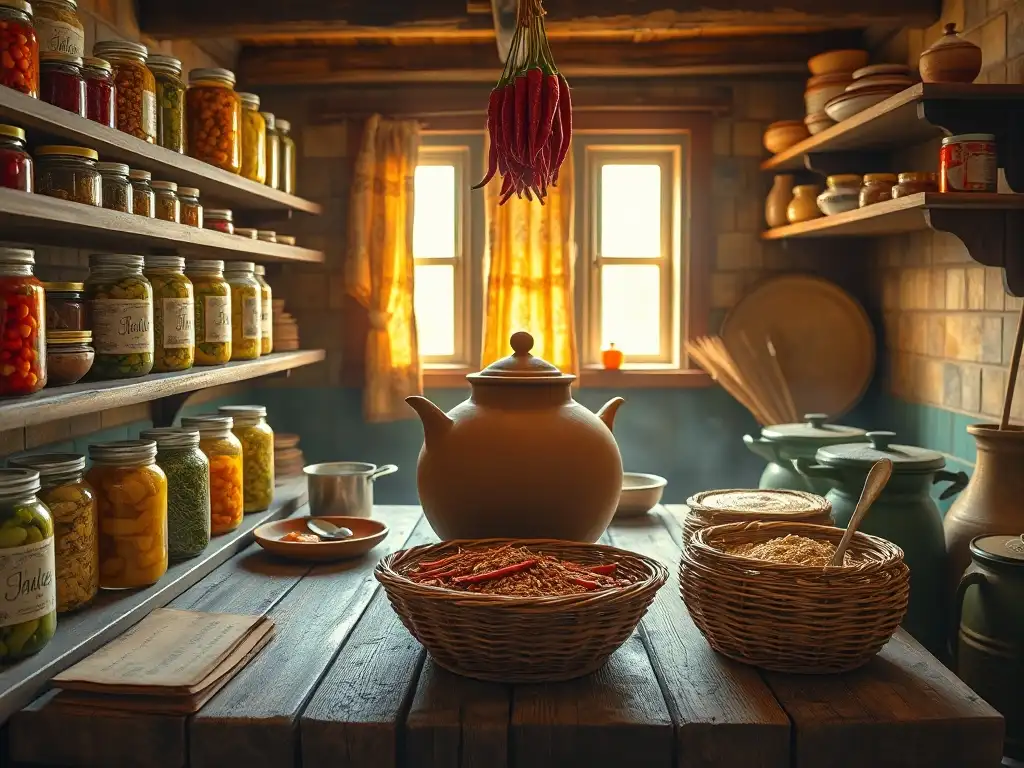
The study of ancient Indian food preservation techniques reveals a profound connection between the past and present culinary practices. These methods, developed over millennia, were not merely about extending the shelf life of food; they also encapsulated cultural, environmental, and health considerations that resonate strongly in today's context.
Many of these techniques, such as pickling, drying, and fermenting, are now gaining renewed interest due to the growing awareness of health trends and sustainability. For example, the use of fermented foods like idli and dosa not only enhances flavor but also improves digestion and nutrient absorption. By revisiting these traditional methods, modern cooks can rediscover flavors that have been lost and embrace the nutritional benefits they offer.
Moreover, the ecological aspect of these ancient techniques aligns well with contemporary movements towards organic and local food sources. The practice of sun-drying fruits and vegetables, for instance, reduces reliance on artificial preservatives and aligns with the ethos of eating sustainably. This convergence of ancient wisdom and modern culinary needs emphasizes the timeless nature of these preservation methods.
Embracing Tradition in Modern Culinary Practices
Incorporating ancient Indian food preservation techniques into contemporary cooking is more than just a novelty; it is a way to honor culinary heritage while enhancing the quality of modern diets. Chefs and home cooks alike can explore various methods that have stood the test of time:
- Pickling: A staple in Indian households, pickling not only preserves seasonal fruits and vegetables but also adds complex flavors to meals. Techniques such as the use of mustard oil, spices, and vinegar can inspire modern interpretations.
- Fermentation: Beyond traditional foods, fermentation can be applied creatively to various ingredients, fostering a new wave of probiotic-rich foods that contribute to gut health.
- Sun-Drying: This method is particularly relevant in regions with abundant sunlight. By drying herbs, spices, and even meats, cooks can infuse dishes with intense flavors while reducing food waste.
- Smoking: A technique often used in Indian cuisine, smoking can add depth to dishes. The infusion of flavors from different woods used in smoking can be a culinary adventure on its own.
By embracing these ancient techniques, modern culinary practices can benefit from their rich flavors and health advantages while also supporting sustainable food systems.
Call to Action: Explore and Experiment with Ancient Techniques
Now is the time to delve into the world of ancient Indian food preservation techniques! Here’s how you can start:
- Experiment with Pickles: Try making your own pickles at home using seasonal vegetables. Explore various spices and oils to create unique flavors that reflect your taste preferences.
- Try Fermentation: Start with simple recipes like fermented chutneys or yogurt. As you become more comfortable, experiment with other ingredients like fruits and vegetables.
- Sun-Dry Your Produce: If you have access to sunlight, consider drying your herbs or fruits as a way to enhance your cooking while preserving their essence.
- Join a Workshop: Look for local culinary classes or workshops focused on traditional Indian cooking methods. Engaging with experts can provide valuable insights and hands-on experience.
- Share Your Creations: Document your journey with ancient food preservation techniques on social media or food blogs. Sharing your experiences can inspire others to explore these time-honored practices.
Engaging with these ancient techniques not only enriches your culinary repertoire but also connects you with the rich tapestry of Indian heritage. Embrace the past, and let it influence your present and future culinary adventures!
Additional Resources and References
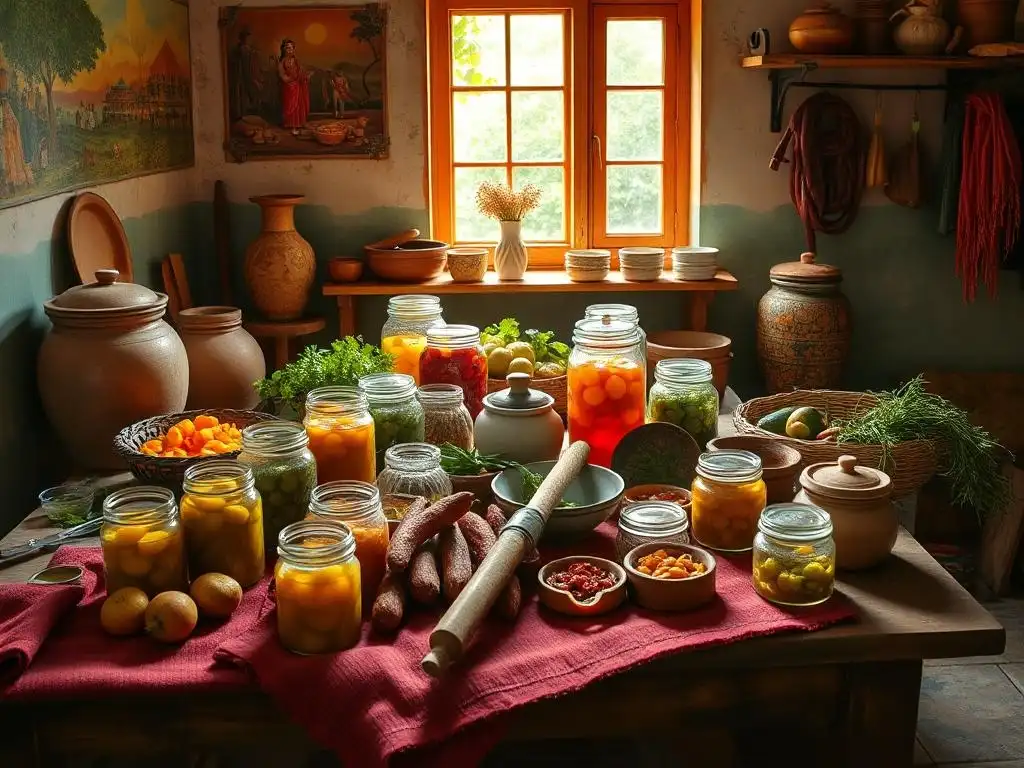
Books and Articles on Ancient Indian Culinary Practices
For those interested in delving deeper into ancient Indian food preservation techniques, a variety of books and scholarly articles provide valuable insights. Here are some recommended resources:
-
"The Food of India: A Journey for Food Lovers" by Priya Wickramasinghe and D.J.
B. L. V. D. B. K. W. V. A. V. D. B. N. C. J. N. S. G. S. H. J. M. S. I. M. G. D. B. K. W. V. N. C. J. N. S. G. S. H. J. M. S. I. M. G. D. B. K. W. V. N. C. J. N. S. G. S. H. J. M. S. I. M. G. D. B. K. W. V. N. C. J. N. S. G. S. H. J. M. S. I. M. G. D. B. K. W. V. N. C. J. N. S. G. S. H. J. M. S. I. M. G. D. B. K. W. V. N. C. J. N. S. G. S. H. J. M. S. I. M. G. D. B. K. W. V. N. C. J. N. S. G. S. H. J. M. S. I. M. G. D. B. K. W. V. N. C. J. N. S. G. S. H. J. M. S. I. M. G. D. B. K. W. V. N.
This book offers a comprehensive look at Indian cuisine, including traditional preservation methods such as drying, pickling, and fermenting.
-
"Indian Food: A Historical Companion" by K. T. Achaya
Achaya’s work provides a historical perspective on Indian culinary practices, detailing how ancient techniques have evolved and their significance in preserving food.
-
"The Art of Indian Cooking" by Madhur Jaffrey
While primarily a cookbook, Jaffrey’s work includes historical notes on various ingredients and preservation methods used in ancient Indian households.
-
"Fermented Foods in Health and Disease Prevention"
This academic article explores the role of fermentation in ancient Indian diets, highlighting its health benefits and preservation capabilities.
Online Courses for Learning Traditional Preservation Techniques
In addition to literature, several online platforms offer courses focused on ancient Indian food preservation techniques, allowing enthusiasts to learn these skills hands-on. Here are a few notable options:
-
Coursera: Traditional Indian Cooking Techniques
This course covers various cooking methods, including preservation techniques such as pickling and drying, providing a blend of theory and practical exercises.
-
Udemy: Masterclass on Indian Fermentation
A specialized course that dives into fermentation processes in Indian cuisine, explaining how ancient methods are still relevant today.
-
Skillshare: Preserving the Flavors of India
This course emphasizes hands-on methods for preserving Indian ingredients, including tutorials on making pickles and chutneys inspired by ancient recipes.
-
Local Workshops
Many culinary schools and cultural institutions offer workshops on traditional Indian food preservation. These can often be found through local community boards or cultural heritage centers.
Engaging with these resources will not only enhance your understanding of ancient Indian food preservation techniques but also equip you with practical skills to try at home.
Frequently Asked Questions
What are ancient Indian food preservation techniques?
Ancient Indian food preservation techniques include methods such as drying, salting, and fermentation. These methods helped enhance the shelf life of food and maintain its nutritional value.
Why were food preservation techniques important in ancient India?
Food preservation techniques were crucial in ancient India for ensuring food security during harsh seasons and for trade purposes. They allowed communities to store surplus food for later use.
How did the Indus Valley Civilization contribute to food preservation?
The Indus Valley Civilization utilized methods like storage in granaries and natural refrigeration to preserve grains and other perishable items. These techniques laid the groundwork for future preservation methods.
What role did spices play in ancient Indian food preservation?
Spices were vital in ancient Indian food preservation as they have antimicrobial properties. They not only enhanced flavor but also helped in preventing spoilage of food items.
Can modern food preservation techniques learn from ancient Indian methods?
Absolutely! Modern techniques can benefit from ancient Indian methods by incorporating natural ingredients and sustainable practices that promote healthier food preservation without chemicals.
Final Reflection: Timeless Techniques of Ancient Indian Food Preservation
The ancient Indian food preservation techniques explored in this article are not just relics of the past; they are vital practices that resonate deeply in today's world. As we grapple with modern challenges such as food waste and sustainability, revisiting these time-honored methods offers a pathway to a more responsible and resourceful approach to food management. The wisdom embedded in these techniques serves as a reminder that sometimes, the solutions we seek lie in the traditions we have overlooked.
The influence of these ancient practices extends far beyond the kitchen; they are woven into the cultural fabric of Indian society. From the vibrant markets filled with sun-dried fruits to the aromatic spices preserved in oil, these methods reflect a profound understanding of nature and nutrition. As we embrace a more globalized food culture, it is essential to recognize that "the past is not dead; it is not even past," as William Faulkner once said. This sentiment rings true as we rediscover the value of these techniques in our contemporary lives.
As you reflect on the lessons from ancient Indian food preservation methods, consider how you can incorporate these timeless practices into your own life. Whether it's experimenting with pickling, fermenting, or drying, each technique offers an opportunity to connect with history while promoting sustainability. Embrace the challenge of reducing food waste and honoring the earth's resources—your journey toward mindful consumption starts today. Let the wisdom of the past inspire your culinary adventures and shape a more sustainable future.
Unlock the Secrets of Timeless Preservation!
Thank you for diving into the rich world of ancient Indian food preservation methods! We hope you found inspiration in how these techniques have stood the test of time, showcasing the brilliance of our ancestors. Now, it’s time to take your passion further and explore these practices in your own kitchen.
Here’s how you can start making your culinary journey extraordinary:
- Try your hand at a traditional preservation method — whether it's sun-drying fruits, fermenting vegetables, or mastering pickling. Share your creations with family and friends!
- Visit local farmers’ markets to find seasonal produce. Fresh, high-quality ingredients make a world of difference!
- Participate in a community workshop or online group focused on traditional cooking techniques. Engage with others who share your interests and exchange ideas.
What preservation technique are you most excited to experiment with first, and why? We would love to hear your thoughts!