
Cooking with Ayurveda: Traditional Recipes for Balance and Wellness

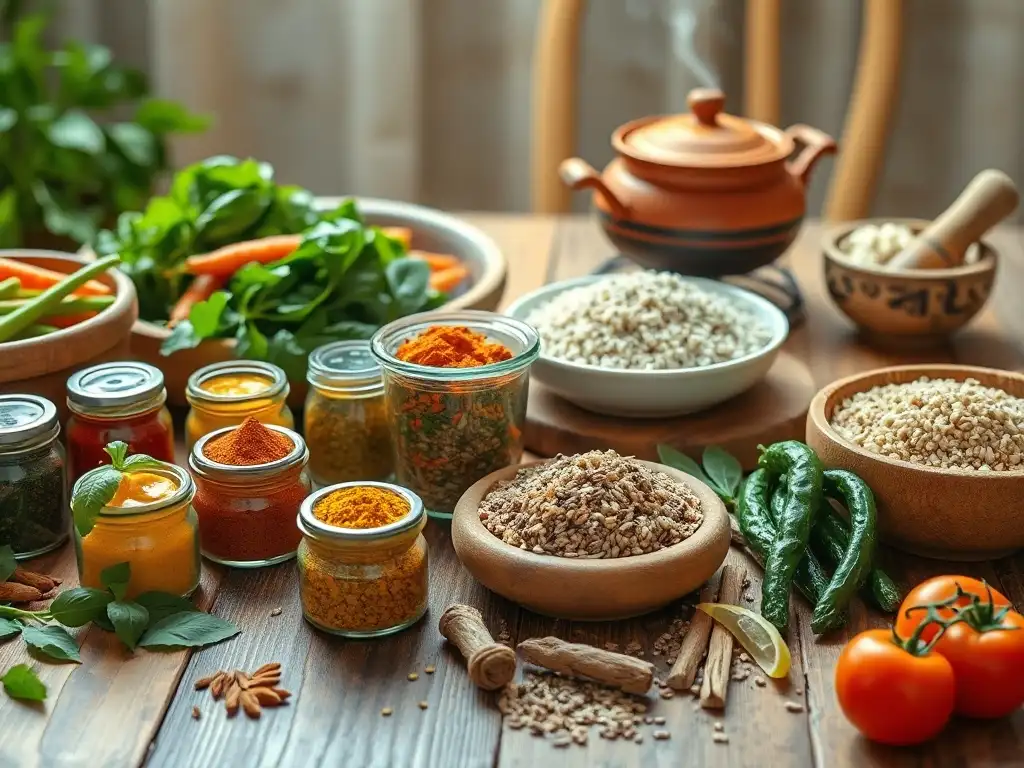
Welcome to Ancient India History, where we embark on a captivating journey through the vibrant tapestry of India's past! Dive into our latest exploration of Ayurvedic cooking recipes for wellness, where ancient wisdom meets modern health practices. Discover how the culinary traditions of the Indus Valley and the Gupta Empire can enhance your well-being and bring balance to your life.
Are you ready to unlock the secrets of Ayurvedic cuisine and transform your cooking? Join us as we delve deeper into the flavors, techniques, and philosophies that have nourished generations. Your adventure into the heart of Indian culinary heritage starts here!
- Introduction to Ayurvedic Cooking: Embracing Wellness through Traditional Recipes
- Key Principles of Ayurvedic Cooking
- Essential Ingredients in Ayurvedic Cooking
- Traditional Ayurvedic Recipes for Wellness
- Cooking Techniques in Ayurvedic Cuisine
- Incorporating Ayurvedic Cooking into Modern Life
- Conclusion: Embracing Ayurvedic Cooking for Wellness
- Frequently Asked Questions
- Final Reflection: Embracing Wellness Through Ayurvedic Cooking
- Embrace Balance and Wellness Through Ayurveda Today!
Introduction to Ayurvedic Cooking: Embracing Wellness through Traditional Recipes
Ayurvedic cooking is an ancient culinary tradition that harmonizes the principles of Ayurveda—an intricate system of medicine and wellness that originated in India over 5,000 years ago. This holistic approach emphasizes the balance of body, mind, and spirit, promoting overall well-being through mindful eating and nourishing ingredients.
In this article, we will delve into the world of Ayurvedic cooking recipes for wellness, exploring how these time-honored practices can enhance your health and vitality. From understanding the foundational elements of Ayurveda to discovering traditional recipes that embody these principles, we aim to provide you with a comprehensive guide to cooking with intention and purpose.
Understanding Ayurveda: The Science of Life and Balance
Ayurveda, derived from the Sanskrit words "Ayur" (life) and "Veda" (knowledge), is often referred to as the "science of life." It encompasses a holistic view of health that integrates physical, emotional, and spiritual well-being. Central to Ayurvedic philosophy are the concepts of doshas, which are the three fundamental energies that govern our physical and mental characteristics:
- Vata: Represents air and space, associated with creativity and flexibility.
- Pitta: Represents fire and water, linked to metabolism and transformation.
- Kapha: Represents earth and water, embodying stability and nourishment.
Understanding your unique dosha can guide you in selecting the right ingredients and recipes to maintain balance in your life. Ayurvedic cooking focuses on using seasonal and locally sourced ingredients, which not only enhances flavor but also aligns with nature’s rhythms.
Importance of Ayurvedic Cooking Recipes for Wellness
The significance of Ayurvedic cooking recipes for wellness cannot be overstated. Here are several key benefits:
- Promotes Balance: Ayurvedic recipes are designed to harmonize the doshas, aiding in the prevention of illness and the promotion of health.
- Enhances Digestion: Ayurveda places great emphasis on digestive health. Recipes often include spices such as ginger, turmeric, and cumin, which support digestion and metabolism.
- Supports Seasonal Eating: By following the seasonal availability of ingredients, Ayurvedic cooking fosters a connection to nature and ensures that meals are in sync with the body’s needs throughout the year.
- Encourages Mindful Eating: The practice of Ayurvedic cooking encourages mindfulness during meal preparation and consumption, fostering a deeper appreciation for food.
Incorporating Ayurvedic principles into your cooking not only enriches your culinary repertoire but also empowers you to cultivate a lifestyle centered on health, harmony, and wellness. In the following sections, we will explore traditional Ayurvedic recipes that exemplify these ideals, providing you with practical ways to embrace this ancient wisdom in your kitchen.
Key Principles of Ayurvedic Cooking
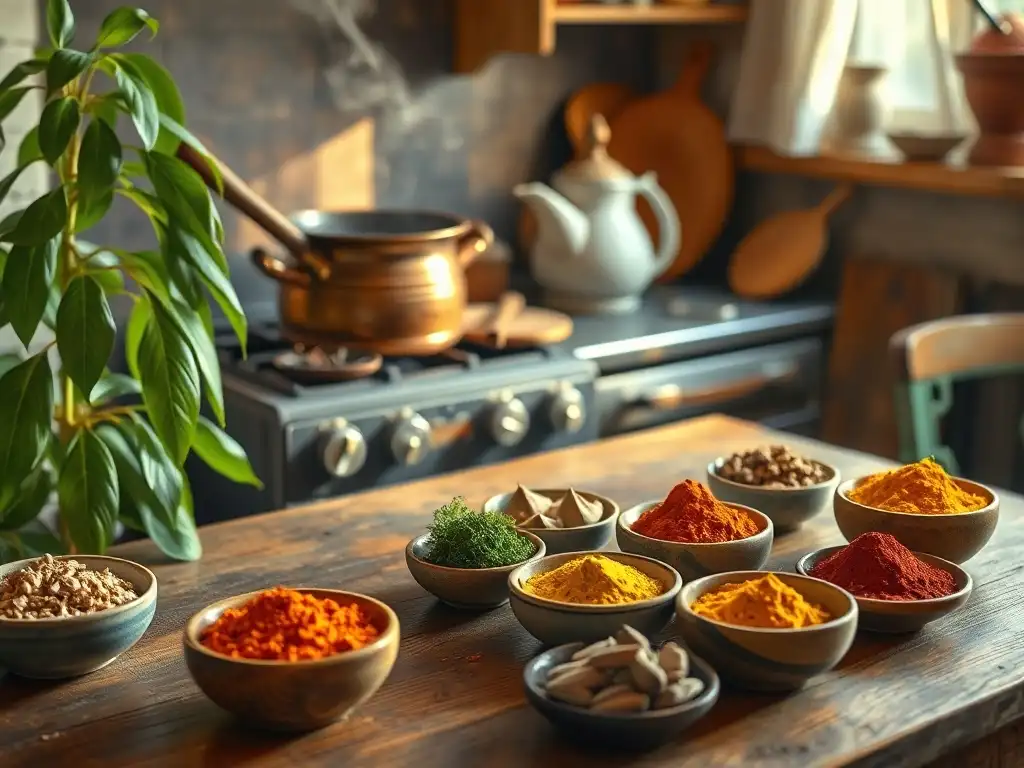
Ayurvedic cooking is an ancient practice rooted in the holistic philosophy of Ayurveda, which emphasizes balance within the body and harmony with nature. The key principles of Ayurvedic cooking focus on using food not only as sustenance but also as a means of promoting overall wellness. Central to this practice is the understanding of the three doshas—Vata, Pitta, and Kapha—which represent different energies within the body. By harnessing the characteristics of these doshas, Ayurvedic cooking recipes for wellness can be tailored to meet individual health needs.
The Concept of Doshas: Vata, Pitta, and Kapha
The doshas are fundamental to Ayurvedic medicine, each representing unique physical and emotional characteristics:
- Vata: This dosha is associated with the elements of air and space. Vata qualities include lightness, dryness, and coolness. Individuals with a predominance of Vata may experience symptoms such as anxiety, insomnia, and digestive issues. To balance Vata, warming, moist, and grounding foods are recommended, such as:
- Cooked grains (like rice and oats)
- Root vegetables (such as sweet potatoes and carrots)
- Healthy fats (like ghee and olive oil)
- Pitta: Governed by fire and water, Pitta is characterized by heat, intensity, and sharpness. Those with a Pitta imbalance may suffer from inflammation, acidity, and irritability. To soothe Pitta, cooling and hydrating foods should be emphasized, including:
- Leafy greens (like spinach and kale)
- Sweet fruits (such as melons and berries)
- Dairy products (like yogurt and milk)
- Kapha: This dosha embodies earth and water, representing stability, heaviness, and moisture. People with a Kapha imbalance often face issues such as weight gain, lethargy, and congestion. To counterbalance Kapha, light, dry, and stimulating foods are advisable, such as:
- Legumes (like lentils and chickpeas)
- Spices (such as ginger and turmeric)
- Bitter greens (like arugula and dandelion)
Understanding these doshas is essential for crafting Ayurvedic cooking recipes that cater to individual needs, fostering a state of balance and wellness.
How to Balance Doshas through Food Choices
Balancing doshas through food choices involves selecting ingredients that counteract the dominant qualities of each dosha. Here are some practical strategies:
- For Vata:
- Incorporate: Warm, cooked foods and spices like cumin and cinnamon.
- Avoid: Raw and cold foods, as well as excessive stimulants like caffeine.
- For Pitta:
- Incorporate: Sweet, bitter, and astringent tastes, such as cucumbers and coconut.
- Avoid: Spicy and salty foods, which can exacerbate Pitta imbalances.
- For Kapha:
- Incorporate: Spices that promote digestion, such as black pepper and turmeric.
- Avoid: Heavy, oily foods and excessive dairy.
By consciously choosing foods that align with these principles, individuals can create meals that not only nourish their bodies but also promote emotional and spiritual well-being.
Seasonal Eating: Adapting Ayurvedic Recipes
Seasonal eating is a vital aspect of Ayurvedic cooking, recognizing that our bodies have different needs throughout the year. Adapting Ayurvedic recipes to fit the seasons can enhance health and vitality. Here’s how to approach seasonal cooking:
- Spring: Focus on cleansing foods to combat Kapha buildup, including:
- Fresh vegetables (like asparagus and peas)
- Light grains (such as quinoa)
- Bitter herbs (like cilantro)
- Summer: Emphasize cooling and hydrating foods to balance Pitta, such as:
- Juicy fruits (like watermelon and peaches)
- Cooling grains (like barley)
- Mint and basil for flavor.
- Autumn: Incorporate grounding and nourishing foods to stabilize Vata, including:
- Root vegetables (like squash and beets)
- Warm spices (such as nutmeg and cardamom)
- Hearty soups and stews.
- Winter: Focus on warming and rich foods to combat cold and dryness, such as:
- Stews with legumes and grains
- Spices like ginger and cinnamon
- Healthy fats (like ghee) for warmth.
By tuning into the natural rhythms of the seasons, Ayurvedic cooking allows for a more intuitive and health-conscious approach to meal planning, ensuring that the body remains in harmony with its environment.
Essential Ingredients in Ayurvedic Cooking
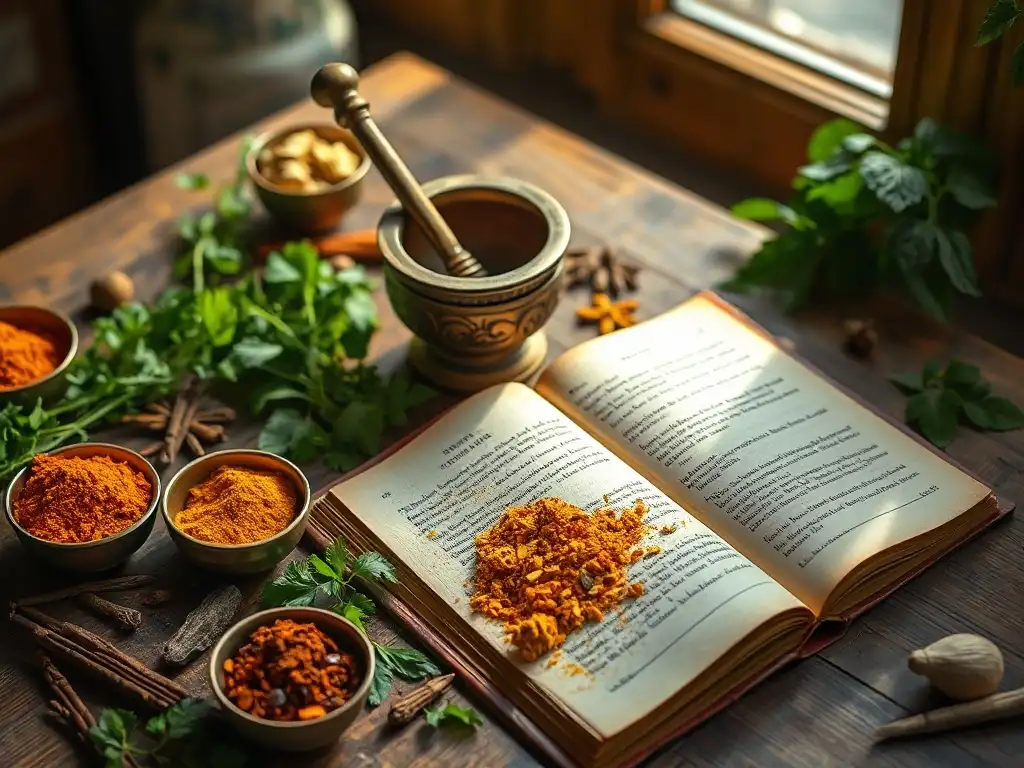
Ayurvedic cooking is centered around the principle of balance, utilizing ingredients that promote health, vitality, and well-being. The foundation of Ayurvedic recipes lies in selecting the right ingredients that harmonize with an individual's constitution (dosha) and the seasonal changes. Here, we will explore the essential ingredients that form the backbone of Ayurvedic cooking, focusing on healing spices, whole grains, and legumes.
Healing Spices and Their Benefits
Spices are a cornerstone of Ayurvedic cooking, not only enhancing flavor but also offering a myriad of health benefits. Each spice has unique properties that can support digestion, boost immunity, and promote overall wellness.
Turmeric: The Golden Spice for Wellness
Turmeric, often referred to as the "golden spice," is renowned for its anti-inflammatory and antioxidant properties. Its active compound, curcumin, is linked to various health benefits, including:
- Anti-inflammatory effects: Helps in reducing inflammation in the body, making it beneficial for conditions like arthritis.
- Digestive aid: Stimulates bile production, aiding digestion and detoxification.
- Immune booster: Supports the immune system and helps fight infections.
Incorporating turmeric into your meals can be as simple as adding it to curries, rice dishes, or even teas.
Ginger: A Digestive Powerhouse
Ginger is another vital spice in Ayurvedic cooking, celebrated for its warming properties and ability to stimulate digestion. Key benefits include:
- Nausea relief: Effective in alleviating nausea, particularly during travel or pregnancy.
- Digestive health: Promotes healthy digestion by enhancing the secretion of digestive enzymes.
- Anti-inflammatory properties: Aids in reducing muscle pain and soreness.
Ginger can be used fresh, dried, or as a powder in various dishes, including soups, teas, and stir-fries.
Cumin and Coriander: Balancing Flavors and Health
Cumin and coriander are often used together in Ayurvedic recipes, providing not only flavor but also health benefits:
- Cumin: Known for its ability to aid digestion, cumin helps reduce bloating and gas. It is also rich in iron and can boost immunity.
- Coriander: This spice helps in detoxification and is known for its cooling properties, making it excellent for balancing heat in the body.
Both cumin and coriander can be added to spice blends, curries, and salads, enhancing the nutritional profile of your meals.
Whole Grains and Legumes for Nutritional Balance
In Ayurvedic cooking, whole grains and legumes are essential for providing balanced nutrition. They are rich in fiber, protein, and essential nutrients, making them staples in traditional Indian diets.
Quinoa: A Modern Superfood in Traditional Recipes
Quinoa, often hailed as a superfood, is increasingly being incorporated into Ayurvedic recipes. Its benefits include:
- Complete protein: Unlike most plant-based foods, quinoa contains all nine essential amino acids, making it a great protein source for vegetarians and vegans.
- High in fiber: Promotes digestive health and helps maintain a healthy weight.
- Rich in vitamins and minerals: Provides a variety of nutrients, including magnesium, iron, and B vitamins.
Quinoa can be used in salads, pilafs, or as a substitute for rice in various dishes, making it a versatile ingredient in Ayurvedic cooking.
Mung Beans: The Gentle Detoxifier
Mung beans are a staple in Ayurvedic cuisine, known for their detoxifying properties. These legumes are:
- Easily digestible: Mung beans are gentle on the digestive system, making them ideal for those with sensitive stomachs.
- Rich in nutrients: Packed with protein, fiber, and essential vitamins and minerals, they support overall health.
- Detoxifying: Known for their ability to cleanse the body and enhance metabolic functions.
Mung beans can be sprouted, used in soups, or prepared as a dal, offering a nutritious addition to any Ayurvedic meal.
Incorporating these essential ingredients into your cooking allows you to create Ayurvedic recipes that are not only delicious but also promote wellness and balance in your life. By understanding the health benefits of these ingredients, you can harness the power of Ayurvedic cooking for a holistic approach to nutrition.
Traditional Ayurvedic Recipes for Wellness
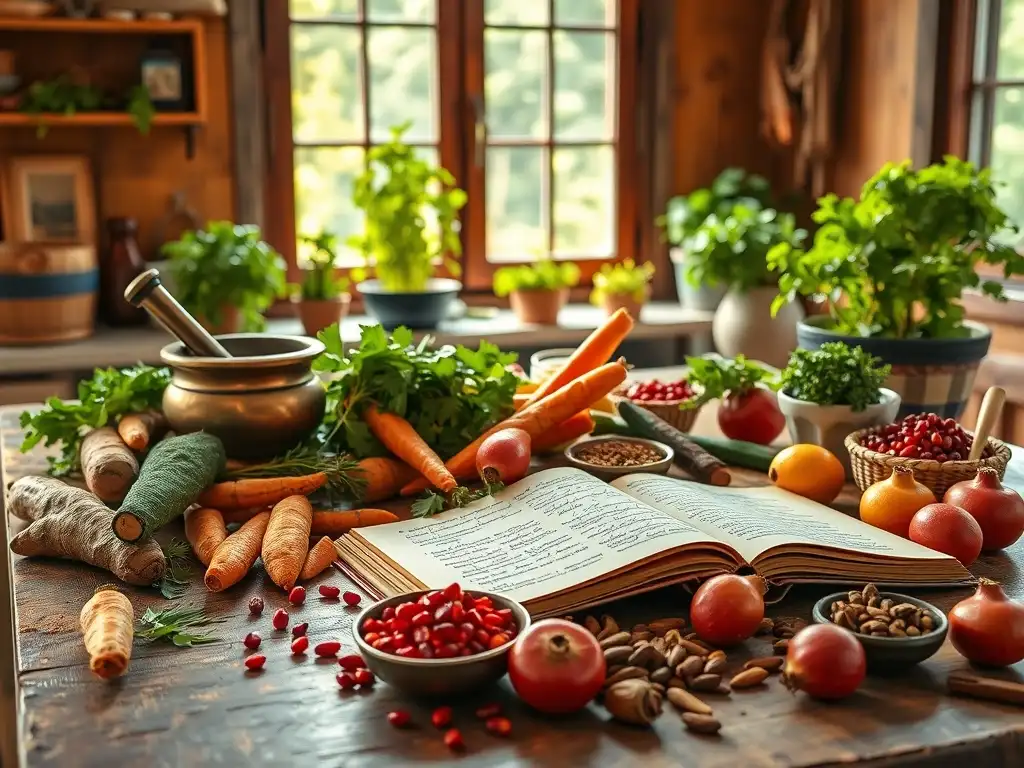
Breakfast Recipes: Nourishing Starts to the Day
Breakfast is often considered the most important meal of the day, especially in Ayurveda, where it sets the tone for our energy and balance. Ayurvedic cooking recipes for wellness focus on ingredients that nourish the body and mind, providing a harmonious start to the day.
Kitchari: The Ultimate Ayurvedic Comfort Food
Kitchari is a traditional dish that embodies the principles of Ayurvedic cooking. It is a simple yet nutritious blend of rice and lentils, often infused with spices that enhance digestion and promote balance.
Key Ingredients:
- Basmati Rice: Gentle on the digestive system, it provides a grounding effect.
- Moong Dal: A light lentil that is easy to digest and packed with protein.
- Spices: Common spices include cumin, turmeric, and ginger, which not only add flavor but also have anti-inflammatory properties.
Preparation Steps:
- Rinse 1 cup of basmati rice and 1 cup of moong dal thoroughly.
- In a pot, heat 1 tablespoon of ghee (clarified butter) and add 1 teaspoon of cumin seeds.
- Once they splutter, add the rinsed rice and dal, followed by 6 cups of water.
- Stir in 1 teaspoon of turmeric, salt to taste, and any seasonal vegetables you prefer.
- Cook on medium heat until everything is softened, about 30-40 minutes.
Kitchari is often recommended during detoxification periods, as it is nourishing yet light on the body, aiding in digestion and elimination.
Warm Spiced Oatmeal: A Balancing Morning Bowl
Oatmeal is a beloved breakfast staple, and with a few Ayurvedic tweaks, it can become a powerful dish for wellness. This warm spiced oatmeal recipe incorporates balancing spices to enhance digestion and flavor.
Key Ingredients:
- Rolled Oats: Rich in fiber, they promote satiety and digestive health.
- Milk or Plant-Based Milk: Provides creaminess and additional nutrients.
- Spices: Cinnamon and cardamom are common choices that help regulate blood sugar and add warmth.
Preparation Steps:
- In a saucepan, combine 1 cup of rolled oats with 2 cups of milk or water.
- Cook over medium heat until the oats are tender, about 5-7 minutes.
- Stir in 1 teaspoon of cinnamon, ½ teaspoon of cardamom, and sweeten with honey or maple syrup to taste.
- Top with nuts and seasonal fruits for added texture and nutrients.
This warm spiced oatmeal is not only comforting but also energizing, making it an ideal breakfast for starting your day on a balanced note.
Lunch Recipes: Energizing Midday Meals
Lunch serves as a crucial meal to recharge and sustain energy levels. Ayurvedic cooking recipes for wellness emphasize the importance of using fresh, seasonal ingredients that support vitality and balance.
Vegetable Sambar: A Hearty and Wholesome Dish
Sambar is a traditional South Indian lentil stew that is rich in flavors and nutrients. Packed with vegetables and spices, it is a dish that promotes digestion and provides a good source of protein.
Key Ingredients:
- Toor Dal (Pigeon Peas): Provides protein and is easy to digest.
- Mixed Vegetables: Carrots, drumsticks, and eggplant are common choices.
- Sambar Powder: A blend of spices that typically includes coriander, cumin, and mustard seeds.
Preparation Steps:
- Cook 1 cup of toor dal until soft and mushy.
- In a separate pot, sauté chopped vegetables in a little oil until tender.
- Add the cooked dal to the vegetables, along with 3-4 cups of water and 2-3 tablespoons of sambar powder.
- Simmer for 10-15 minutes, adjusting the seasoning and consistency as needed.
Sambar is often served with rice or idli and is a staple in many households, providing a wholesome and satisfying meal.
Palak Dal: Spinach and Lentils for Vitality
Palak Dal is a delicious and nutritious dish that combines spinach with lentils, offering a rich source of iron and vitamins. This recipe is not only easy to prepare but is also incredibly beneficial for energy and vitality.
Key Ingredients:
- Spinach: A powerhouse of nutrients, particularly iron and folate.
- Masoor Dal (Red Lentils): Quick-cooking and easy on the stomach.
- Spices: Turmeric and garam masala enhance flavor and health benefits.
Preparation Steps:
- Rinse 1 cup of masoor dal and cook it in 3 cups of water until soft.
- In a pan, heat 1 tablespoon of ghee and add 1 teaspoon of cumin seeds.
- Add chopped spinach and sauté until wilted.
- Combine the cooked dal with spinach, add ½ teaspoon of turmeric, and salt to taste.
- Simmer for about 5 minutes, then finish with a sprinkle of garam masala.
This Palak Dal is a delightful way to incorporate greens into your meal, providing balance and nourishment essential for wellness.
Dinner Recipes: Light and Digestive Evening Options
As the day winds down, it's essential to nourish the body with meals that are not only satisfying but also easy to digest. Ayurvedic cooking emphasizes the importance of evening meals that promote balance and wellness, ensuring a restful night. Here, we explore two traditional recipes that are perfect for dinner: Steamed Idlis with Coconut Chutney and Vegetable Khichdi. Both dishes are designed to be light yet wholesome, embodying the principles of Ayurvedic nutrition.
Steamed Idlis with Coconut Chutney: Fermented Goodness
Idlis are a staple in South Indian cuisine, known for their fermented nature, which enhances their digestibility and nutrient absorption. These fluffy rice and lentil cakes are steamed to perfection, making them a light option for dinner. The fermentation process not only adds probiotics but also makes the dish rich in vitamins and minerals.
Ingredients:
- For Idlis:
- 1 cup of rice
- 1/4 cup of urad dal (black gram)
- 1/2 teaspoon of fenugreek seeds
- Salt, to taste
- Water (as needed)
- For Coconut Chutney:
- 1 cup of grated coconut
- 2 green chilies (adjust to taste)
- 1 tablespoon of roasted chana dal
- Salt, to taste
- Water (for desired consistency)
- A few curry leaves (for tempering)
- 1 teaspoon of mustard seeds (for tempering)
- 1 teaspoon of oil (for tempering)
Preparation Steps:
- Prepare the Idli Batter:
- Soak the rice, urad dal, and fenugreek seeds together in water for at least 6 hours.
- Drain and blend the mixture into a smooth batter, adding water as needed.
- Allow the batter to ferment overnight in a warm place.
- Steam the Idlis:
- Grease the idli molds and fill them with the fermented batter.
- Steam for about 10-15 minutes until they are fluffy and cooked through.
- Make the Coconut Chutney:
- Blend the grated coconut, green chilies, roasted chana dal, and salt with enough water to achieve a smooth consistency.
- In a small pan, heat oil, add mustard seeds and curry leaves, and allow them to splutter before pouring over the chutney.
- Serve:
- Serve the hot idlis with a generous side of coconut chutney for a delightful evening meal.
This dish not only embodies Ayurvedic principles but also provides a comforting and nourishing experience, allowing you to unwind and prepare for a good night's rest.
Vegetable Khichdi: A Gentle Way to End the Day
Khichdi is a quintessential Ayurvedic dish that combines rice and lentils, often cooked with an assortment of vegetables. It is renowned for its simplicity and ease of digestion, making it ideal for an evening meal. The inclusion of spices like cumin and turmeric not only enhances flavor but also supports digestion and detoxification.
Ingredients:
- 1 cup of basmati rice
- 1/2 cup of split yellow moong dal (lentils)
- 2 cups of mixed vegetables (carrots, peas, beans, etc.)
- 1 teaspoon of cumin seeds
- 1/2 teaspoon of turmeric powder
- Salt, to taste
- 4 cups of water
- 1 tablespoon of ghee (clarified butter)
- Fresh coriander leaves (for garnish)
Preparation Steps:
- Rinse and Soak:
- Rinse the rice and lentils under running water until the water runs clear. Soak for about 30 minutes.
- Cook the Khichdi:
- In a pot, heat ghee and add cumin seeds. Once they splutter, add the soaked rice and lentils, followed by the vegetables.
- Stir in turmeric and salt, then pour in the water. Bring to a boil, then reduce heat and simmer covered until everything is cooked and soft (approximately 20-25 minutes).
- Serve:
- Garnish with fresh coriander leaves and serve warm. This dish can be enjoyed on its own or paired with yogurt for added creaminess.
Vegetable Khichdi is not just a meal; it is a soothing experience, embodying the essence of Ayurvedic cooking by promoting balance, digestion, and overall wellness as you wind down for the night.
Cooking Techniques in Ayurvedic Cuisine
The Art of Cooking with Ghee: Health Benefits and Uses
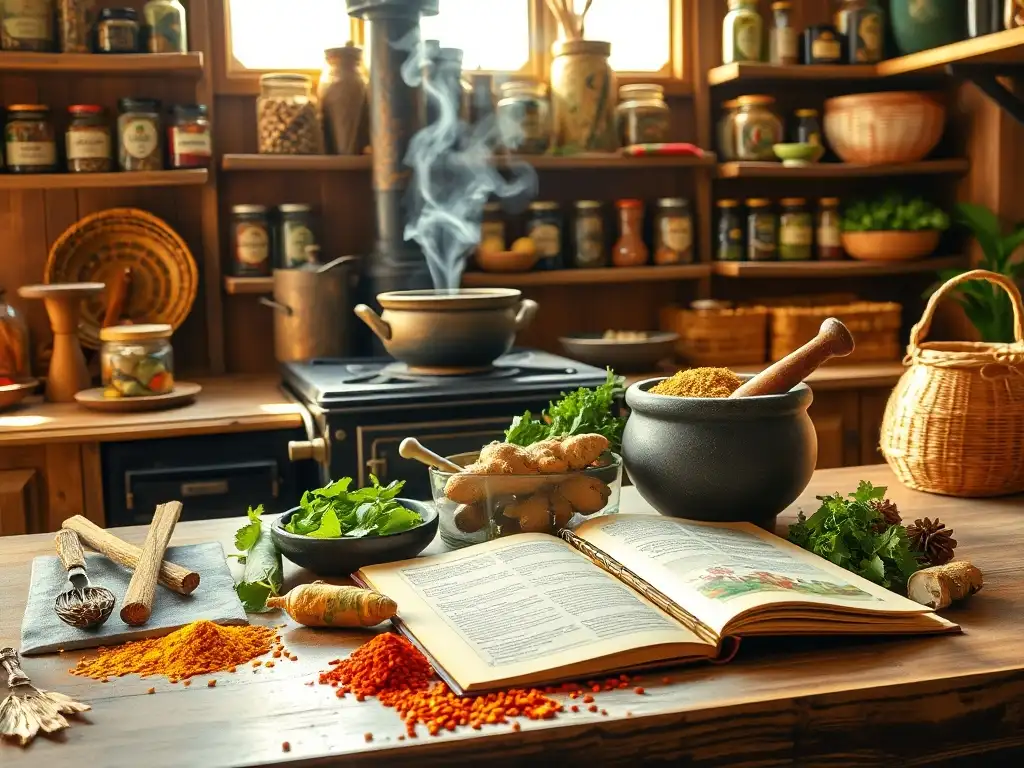
Ghee, or clarified butter, is a cornerstone of Ayurvedic cooking and is revered for its numerous health benefits. Unlike regular butter, ghee is prepared by simmering butter to remove the water content and milk solids, resulting in a golden, aromatic fat that is rich in nutrients. Here are some of the key benefits and uses of ghee in Ayurvedic cooking:
- Digestive Health: Ghee is known to aid in digestion by stimulating the secretion of stomach acids. It also helps in the absorption of fat-soluble vitamins such as A, D, E, and K, making it an excellent addition to meals.
- Anti-Inflammatory Properties: Rich in butyrate, a short-chain fatty acid, ghee can help reduce inflammation in the body. This makes it particularly beneficial for individuals with inflammatory conditions.
- High Smoke Point: Ghee has a high smoke point of around 450°F (232°C), which makes it ideal for frying and sautéing. Unlike many oils, it does not break down at high temperatures, preserving its health benefits.
- Flavor Enhancer: The nutty flavor of ghee can elevate the taste of dishes, making it a popular choice in various recipes, from curries to desserts.
Incorporating ghee into your cooking can not only enhance the flavors of your meals but also contribute to a balanced and healthful diet.
Importance of Mindful Cooking: Preparing Meals with Intention
Mindful cooking is a practice that aligns closely with Ayurvedic principles, emphasizing the importance of intention and awareness while preparing meals. This approach fosters a deeper connection with food and promotes overall well-being. Here are some key aspects of mindful cooking in Ayurvedic cuisine:
- Awareness of Ingredients: Selecting fresh, organic, and seasonal ingredients is paramount. Understanding the qualities of each ingredient—such as its taste, potency, and effect on the body—can help create balanced meals tailored to individual needs.
- Setting an Intention: Before starting to cook, take a moment to set a positive intention for the meal. This practice can infuse the food with energy and love, enhancing its benefits when consumed.
- Engaging the Senses: Pay attention to the colors, aromas, and textures of the ingredients. This sensory engagement not only makes cooking enjoyable but also encourages appreciation of the food, fostering gratitude.
- Creating a Calm Environment: A tranquil cooking space can enhance the experience. Consider playing soft music, lighting candles, or using essential oils to create a soothing atmosphere that promotes relaxation.
By practicing mindful cooking, you can transform the act of preparing meals into a meditative and enriching experience, amplifying the wellness benefits of Ayurvedic cooking recipes.
Using Ayurvedic Cooking Utensils: Enhancing Flavor and Energy
The utensils used in Ayurvedic cooking play a significant role in enhancing both the flavor and the energy of the food prepared. Here are some traditional utensils and their contributions to Ayurvedic cooking:
- Clay Pots: Cooking in clay pots is believed to impart a unique flavor to food due to the porous nature of the clay, which allows moisture to circulate. Furthermore, clay pots are thought to retain the natural nutrients of the ingredients.
- Copper Vessels: Known for their antimicrobial properties, copper vessels are traditionally used for storing water. Drinking water stored in copper vessels is thought to balance the doshas and promote optimal health.
- Wooden Spoons: Using wooden utensils is preferred in Ayurvedic cooking as they do not react with the food and are believed to preserve the food’s energy. They are also gentle on pots and pans, maintaining their longevity.
- Stone Mortar and Pestle: This traditional tool is ideal for grinding spices and herbs, releasing their essential oils and enhancing the flavor of dishes. The process of grinding by hand also allows for a deeper connection to the ingredients.
By utilizing these traditional Ayurvedic cooking utensils, you can elevate your cooking experience and ensure that each meal is not only delicious but also energetically balanced.
Incorporating Ayurvedic Cooking into Modern Life
Adapting Traditional Recipes for Contemporary Diets
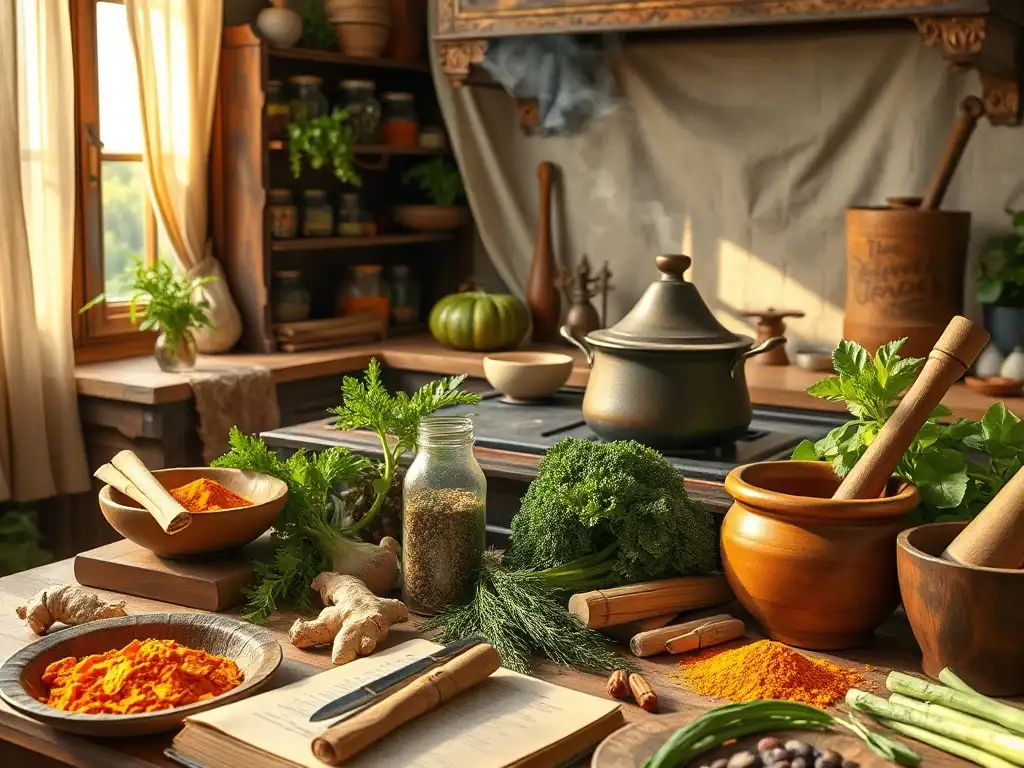
Ayurvedic cooking is deeply rooted in the ancient principles of balance and wellness, emphasizing the use of fresh, seasonal ingredients. To adapt these traditional recipes for contemporary diets, it’s essential to consider individual dietary preferences and restrictions, such as vegetarianism, veganism, or gluten intolerance. Here are some strategies:
- Substituting Ingredients:
- Grains: Instead of wheat, consider using quinoa or millet for those avoiding gluten.
- Dairy: Replace ghee with coconut oil or vegan butter for dairy-free options.
- Sweeteners: Use natural sweeteners like jaggery or maple syrup instead of refined sugar.
- Portion Control: Traditional Ayurvedic meals are often served in balanced portions. Adapting this to modern lifestyles means being mindful of serving sizes that align with individual health goals, whether it's weight loss or maintaining energy levels.
- Flavor Pairing: Integrating modern palates with Ayurvedic spices can enhance flavors without compromising health. For example, using turmeric in smoothies or adding asafetida (hing) to lentil dishes can modernize recipes while retaining their Ayurvedic essence.
This flexibility not only makes Ayurvedic cooking accessible but also allows it to resonate with diverse dietary practices, promoting overall wellness.
Finding Balance: Integrating Ayurvedic Practices into Daily Cooking
Integrating Ayurvedic practices into daily cooking can significantly enhance well-being and promote a lifestyle of balance. Here are key practices to incorporate:
- Mindful Cooking: Engage all senses while cooking. This means appreciating the colors, aromas, and textures of ingredients, which can foster a deeper connection to food.
- Daily Routines (Dinacharya): Align cooking and eating times with natural rhythms. For instance, having lighter meals in the evening and heavier meals earlier in the day can support digestion.
- Seasonal Eating: Embrace the Ayurvedic principle of eating according to the seasons. This ensures that you consume foods that are naturally suited to your body’s needs at different times of the year. For example:
- Summer: Fresh salads, fruits, and cooling spices like mint.
- Winter: Warm, hearty dishes with spices like ginger and cinnamon.
- Cooking with Intention: Set a positive intention before you cook. This practice can uplift the energy of the food and create a nourishing experience for those consuming it.
By incorporating these Ayurvedic practices, one can create meals that not only satisfy hunger but also promote holistic wellness.
Recommended Products for Ayurvedic Cooking
To fully embrace Ayurvedic cooking, investing in the right products can enhance the culinary experience. Below are some essential recommendations:
High-Quality Ayurvedic Spice Sets
A well-stocked spice cabinet is crucial for Ayurvedic cooking. Here’s a list of must-have spices:
| Spice | Benefits |
|---|---|
| Turmeric | Anti-inflammatory, supports digestion |
| Cumin | Aids in digestion, rich in antioxidants |
| Coriander | Balances doshas, promotes detoxification |
| Fennel | Eases bloating, supports digestive health |
| Ginger | Soothes the gastrointestinal tract |
Investing in high-quality spice sets not only enhances flavor but also ensures you’re getting the full health benefits of these potent herbs.
Traditional Cookware: Clay Pots and More
Using traditional cookware can elevate the Ayurvedic cooking experience. Here are some recommendations:
- Clay Pots: Ideal for slow cooking, clay pots retain moisture and nutrients, enhancing the flavors of dishes. They are known for their ability to distribute heat evenly.
- Copper Vessels: Drinking from copper can balance the doshas and improve digestion. Consider using copper vessels for storing water.
- Wooden Utensils: Avoid metal utensils while cooking Ayurvedic meals. Wooden spatulas and ladles are preferred as they do not react with the food and maintain the integrity of the ingredients.
By incorporating these products into your kitchen, you can create an authentic Ayurvedic cooking experience that aligns with traditional practices while promoting wellness.
Conclusion: Embracing Ayurvedic Cooking for Wellness
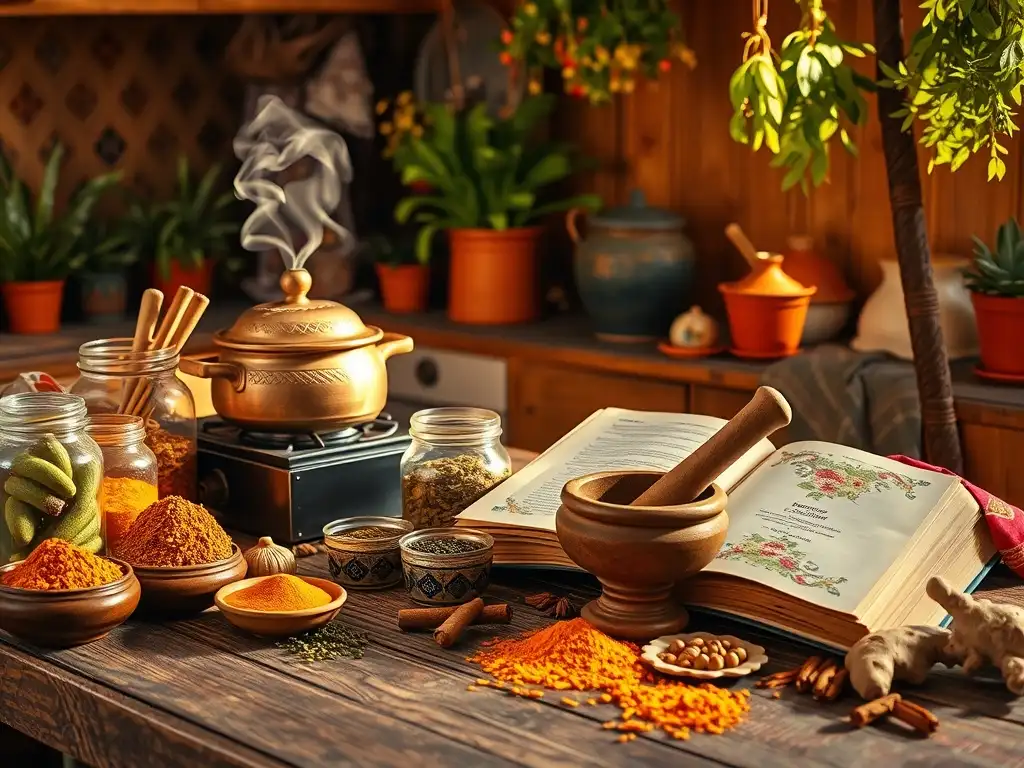
Incorporating Ayurvedic cooking into our daily lives offers a pathway to enhance wellness and balance through mindful eating. This ancient practice, rooted in the holistic understanding of the body and mind, emphasizes the importance of using fresh, seasonal ingredients and herbs that align with one’s individual constitution (or dosha). By focusing on the unique needs of our bodies, Ayurvedic cooking not only nourishes but also promotes overall health.
The principles of Ayurveda guide us to choose foods that balance our physical and mental states. For instance, warm, cooked meals are often preferred as they are easier to digest, while spices like ginger and turmeric are celebrated for their anti-inflammatory properties. Embracing these practices can lead to a more conscious approach to food, transforming not just our meals but our overall lifestyle.
The Future of Ayurvedic Cooking in Global Cuisine
As the world becomes increasingly interconnected, the appreciation for Ayurvedic cooking is gaining momentum beyond the borders of India. The global culinary landscape is witnessing a fusion of traditional Ayurvedic principles with contemporary cooking methods, resulting in innovative dishes that cater to modern palates while preserving their ancient roots.
- Increased Awareness: With rising awareness of health and wellness, Ayurvedic cooking is becoming a popular choice among health-conscious individuals. Cooking classes focusing on Ayurvedic recipes are sprouting up in urban centers, catering to those eager to learn about the benefits of this holistic culinary art.
- Integration into Mainstream Diets: Many chefs are now incorporating Ayurvedic ingredients and cooking techniques into their menus, emphasizing the health benefits associated with these traditional recipes. Restaurants and cafes are increasingly offering Ayurvedic-inspired dishes, providing diners with a taste of wellness.
- Sustainable Practices: The emphasis on seasonal and local ingredients aligns well with sustainable cooking practices, making Ayurvedic recipes a fit for environmentally conscious consumers. This trend is encouraging chefs and home cooks alike to rethink their ingredient sourcing and cooking methods, ultimately leading to healthier food systems.
As Ayurvedic cooking continues to evolve, it holds the potential to shape our understanding of nutrition and well-being, offering a timeless approach to eating that resonates with modern values.
Encouragement to Explore Ayurvedic Cooking Recipes for Wellness
Now is the perfect time to embark on a culinary journey into Ayurvedic cooking recipes for wellness. By experimenting with traditional recipes, you can discover the flavors and benefits that come from this ancient wisdom. Here are some tips to get you started:
- Start Simple: Begin with foundational recipes, such as kitchari or herbal teas, which embody Ayurvedic principles and are easy to prepare.
- Focus on Ingredients: Learn about the spices and herbs integral to Ayurvedic cooking, such as cumin, coriander, and ashwagandha. Understanding their properties will help you make informed choices that align with your health goals.
- Personalize Your Meals: Take your dosha into account when selecting recipes. This personalization ensures that your meals cater to your unique constitution, promoting better digestion and overall wellness.
- Join a Community: Engage with others interested in Ayurvedic cooking through workshops, online forums, or local classes. Sharing experiences and recipes can enhance your understanding and enjoyment of this culinary tradition.
Ayurvedic cooking not only nourishes the body but also promotes a holistic approach to wellness. By exploring Ayurvedic cooking recipes for wellness, you can enrich your culinary repertoire while taking significant steps toward a healthier, more balanced life. Embrace the journey and savor the flavors of Ayurveda!
Frequently Asked Questions
What is Ayurvedic cooking?
Ayurvedic cooking is a holistic approach to food preparation that emphasizes balance among the body's energies (doshas). It incorporates natural ingredients and focuses on promoting wellness through diet.
How do Ayurvedic recipes differ from regular recipes?
Ayurvedic recipes are tailored to individual dosha types and seasonal changes, ensuring a focus on health benefits. They prioritize the use of spices and herbs known for their medicinal properties, unlike standard recipes.
Can Ayurvedic cooking help with specific health issues?
Yes, Ayurvedic cooking is designed to address specific health concerns by using ingredients that support the body’s natural healing processes. It aims to restore balance and enhance well-being.
What are some key ingredients in Ayurvedic cooking?
Key ingredients include spices like turmeric, ginger, and cumin, as well as whole grains, legumes, and fresh vegetables. These ingredients are chosen for their nutritional value and ability to promote health.
How can I start incorporating Ayurvedic cooking into my diet?
To start, focus on using natural, whole foods, pay attention to your dosha, and try simple recipes that highlight balance and flavor. Gradually incorporate spices that enhance both taste and wellness.
Final Reflection: Embracing Wellness Through Ayurvedic Cooking
In today's fast-paced world, the importance of holistic health and well-being cannot be overstated. The principles of Ayurvedic cooking not only offer a pathway to physical wellness but also foster a deeper connection with our bodies and the food we consume. As we navigate the complexities of modern life, integrating these ancient practices into our daily routines can serve as a powerful reminder of the balance we seek in our lives.
Ayurvedic cooking is more than just a method; it is a lifestyle that influences our cultural and social interactions. By embracing these traditional recipes, we cultivate an awareness of our unique doshas and how they interact with the world around us. This awareness encourages us to make mindful choices that resonate with our individual needs. As the renowned Ayurvedic practitioner Dr. Vasant Lad once said, The body is a temple, and the food we eat is our offering.
This perspective invites us to honor our bodies and the nourishment we provide them, reinforcing the idea that our health is a reflection of our choices.
As you reflect on the insights shared in this article, consider how you can incorporate Ayurvedic cooking into your life. Take a moment to explore your own dosha, experiment with the recipes provided, and observe the changes in your well-being. By embracing these time-honored traditions, you not only enhance your health but also contribute to a more balanced and harmonious existence. Let the wisdom of Ayurveda guide you on your journey toward wellness, and remember that each meal is an opportunity to nurture your body and spirit.
Embrace Balance and Wellness Through Ayurveda Today!
Thank you for joining us on this flavorful journey into the world of Ayurveda! We hope you feel inspired by the traditional recipes and teachings that can enhance your well-being. Now, let’s take the next step toward incorporating these age-old practices into your daily life.
- Start your Ayurvedic cooking journey: Choose one recipe from this article and prepare it for your next meal. Experience the rejuvenation that comes with cooking mindfully!
- Explore further: Research local Ayurvedic herbs and spices—visit a farmer's market or health store to discover what resonates with you.
- Share your experience: Connect with friends or family and host an Ayurvedic meal together, sharing insights about the health benefits of the dishes.
Which new ingredient or recipe are you excited to try that could help you achieve balance in your everyday life?