
The Role of Language in Ancient Indian Educational Systems

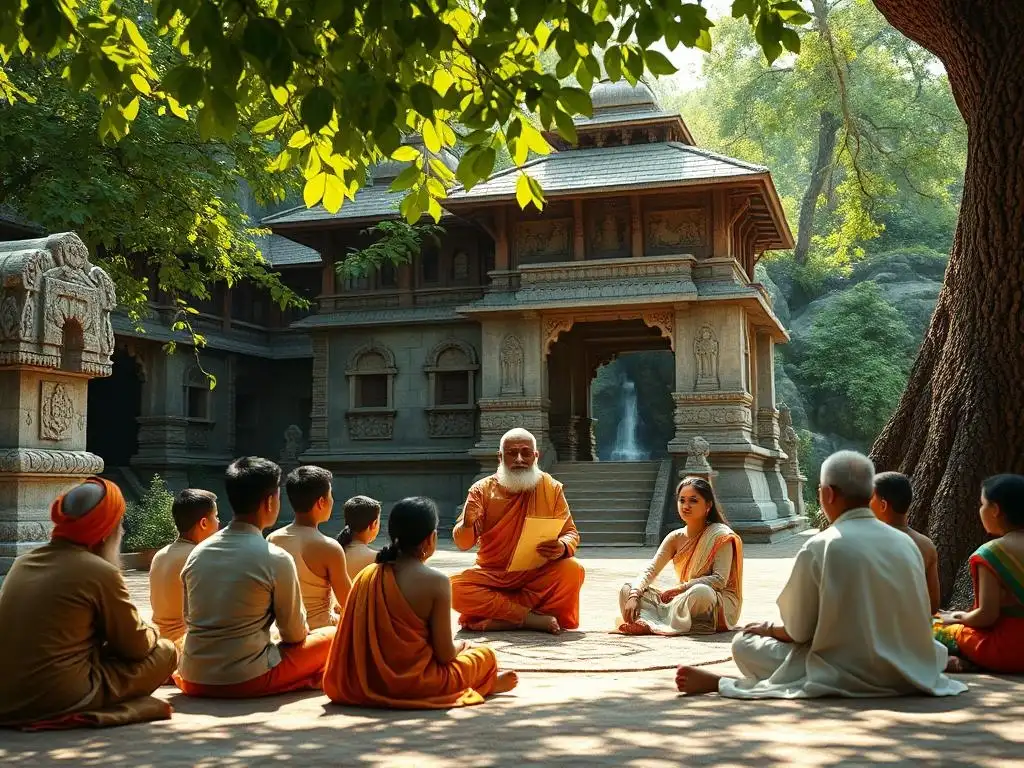
Welcome to Ancient India History, where we embark on an enlightening journey through the rich tapestry of ancient Indian civilizations. In this exploration, we uncover the vital role that language played in shaping ancient Indian education systems. How did these systems influence the culture and intellectual prowess of the time? Delve into our latest article, "The Role of Language in Ancient Indian Educational Systems," and discover the profound connections between language, learning, and legacy. Join us as we unravel the mysteries of the past and inspire a deeper understanding of this extraordinary heritage!
Introduction to Ancient Indian Education Systems
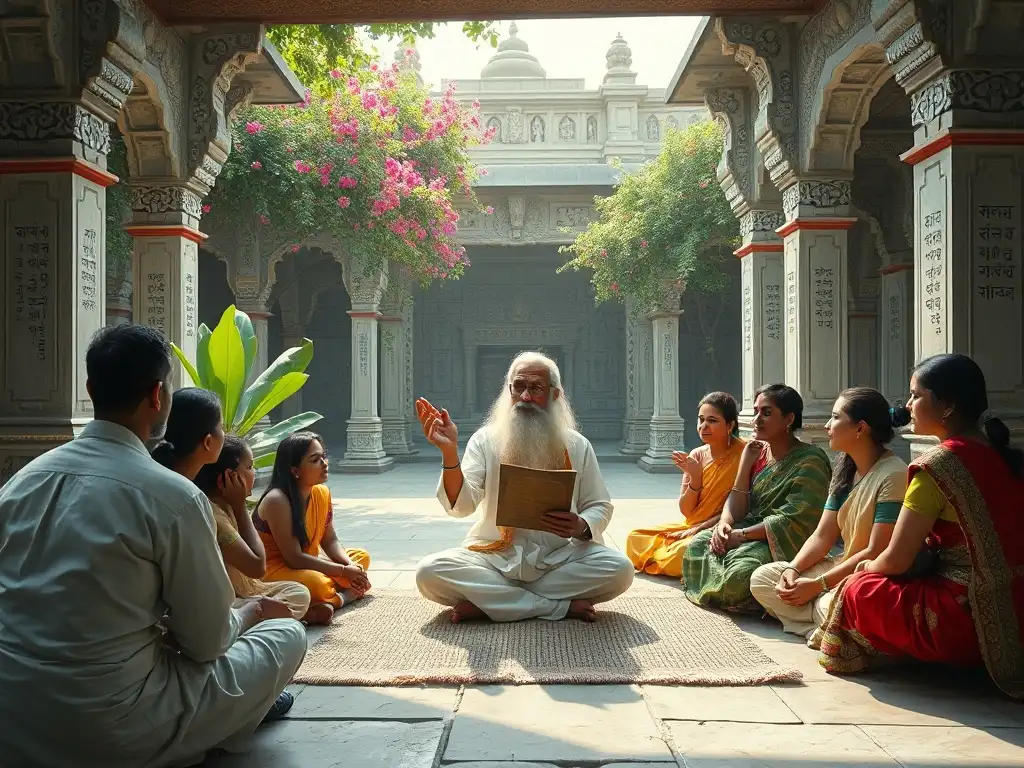
Ancient Indian education systems were characterized by their rich and diverse methodologies, deeply intertwined with the languages spoken across various regions. From the early stages of the Indus Valley Civilization to the flourishing centers of knowledge during the Gupta Empire, education played a pivotal role in shaping societal norms, cultural practices, and intellectual advancements.
The role of language in these educational frameworks cannot be overstated; it served not only as a medium of instruction but also as a vital link that connected students to their cultural heritage and philosophical teachings. Understanding the intricacies of how language influenced ancient Indian education systems provides valuable insights into the broader historical context of education, learning practices, and the evolution of knowledge in this vibrant civilization.
Overview of Ancient Indian Education
Ancient Indian education systems were primarily centered around Gurukuls (residential schools) and Viharas (monastic universities). These institutions emphasized holistic learning, encouraging students to engage in various disciplines such as philosophy, mathematics, astronomy, and the arts. Education was predominantly informal and personalized, relying heavily on oral traditions. Students learned through direct interaction with their teachers, known as Gurus, who imparted knowledge through storytelling, debates, and practical applications.
- Key Features of Ancient Indian Education:
- Personalized Learning: Instruction tailored to the individual needs of students.
- Oral Tradition: Knowledge was passed down verbally, fostering strong communication skills.
- Religious and Moral Education: Emphasis on ethics, philosophy, and spiritual teachings.
- Inclusivity in Subjects: A wide range of subjects including sciences, arts, and languages.
Importance of Language in Education
Language served as a fundamental pillar of ancient Indian education systems. It was the medium through which knowledge was transmitted, shaping both the content and the context of education. The significance of language can be observed in several aspects:
- Medium of Instruction: The primary languages of instruction, such as Sanskrit and Prakrit, played a crucial role in the dissemination of texts and ideas.
- Cultural Identity: Language fostered a sense of community and cultural identity among students, linking them to their heritage.
- Philosophical Discourse: Language facilitated philosophical dialogues, allowing for the exploration of complex ideas and ethical dilemmas.
- Literary Contributions: The development of literary works in various languages enriched the educational landscape, providing a vast repository of knowledge.
Historical Context of Language in Education
Understanding the historical context of language in ancient Indian education systems reveals the rich tapestry of linguistic diversity that existed in the subcontinent. As various kingdoms and empires rose and fell, the languages spoken varied significantly, each contributing to the educational practices of the time.
Language Diversity in Ancient India
Ancient India was home to a multitude of languages and dialects, reflecting the region's cultural diversity. While Sanskrit was predominantly used for scholarly and religious texts, other languages like Pali, Tamil, and various regional dialects also played significant roles in education.
- Major Languages in Ancient India:
- Sanskrit: The classical language of ancient India, used in religious and philosophical texts.
- Pali: The language of the Theravada Buddhist canon, significant in monastic education.
- Tamil: An ancient Dravidian language, rich in literature and used in regional education.
- Prakrit: A group of languages spoken by the common people, used in various texts and teachings.
Major Languages Used in Educational Institutions
The choice of language in educational institutions was influenced by various factors, including the region, the subject matter, and the audience. Major educational centers, such as Nalanda and Takshashila, utilized multiple languages to cater to a diverse student body.
- Languages in Prominent Educational Institutions:
- Sanskrit at Nalanda for philosophical and scientific studies.
- Pali in Buddhist monastic universities emphasizing religious texts.
- Regional languages for practical subjects and local governance.
By exploring these facets, we gain a deeper understanding of the role language played in shaping ancient Indian education systems, highlighting its importance not only as a tool for learning but also as a cultural bridge connecting generations of knowledge and wisdom.
Key Educational Institutions in Ancient India
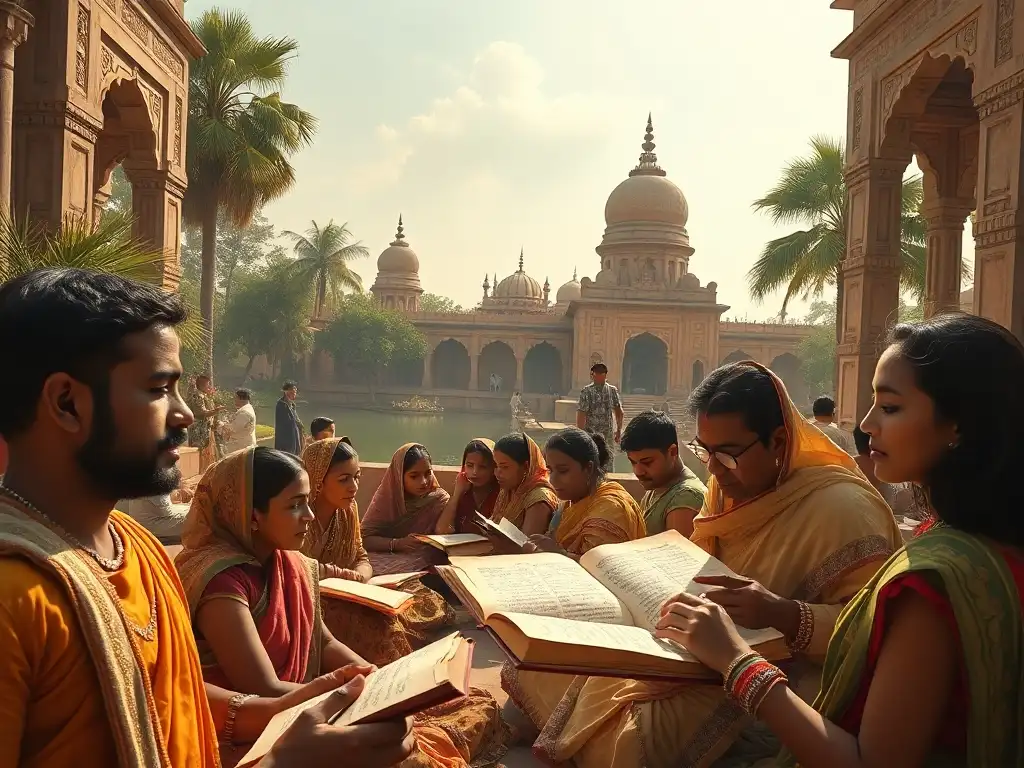
Ancient India boasted a rich tapestry of educational institutions that played a pivotal role in shaping the educational landscape of the time. These institutions were not only centers for learning but also hubs for cultural exchange and the dissemination of knowledge. They provided a structured environment where students could engage with various subjects, ranging from philosophy and mathematics to the arts and sciences. The most notable of these institutions include Gurukuls, Nalanda University, and Takshashila, each contributing uniquely to the educational practices of ancient Indian society.
Gurukuls: The Foundation of Learning
Gurukuls were the primary educational institutions in ancient India, serving as informal centers of learning typically located near a sage's residence. These establishments operated on a system of personal mentorship, where students, known as "shishyas," lived with their guru (teacher) in an immersive learning environment. The curriculum at Gurukuls was diverse, encompassing subjects such as Vedic texts, grammar, mathematics, and philosophy, often tailored to the individual needs of the students.
The learning process in Gurukuls emphasized oral tradition, where knowledge was transmitted through dialogues, recitations, and discussions. This method not only fostered a deep understanding of the material but also encouraged critical thinking and analytical skills among students. The close-knit community of Gurukuls promoted values such as discipline, respect, and devotion, which were integral to the educational experience.
Nalanda University: A Hub of Knowledge
Nalanda University, founded in the 5th century CE in present-day Bihar, is one of the earliest residential universities in the world. It was renowned for its extensive library, which housed thousands of manuscripts and texts covering a myriad of subjects including philosophy, astronomy, mathematics, medicine, and the arts. Students from various regions, including China, Korea, Japan, and Tibet, traveled to Nalanda to study under distinguished scholars.
The university operated on a structured curriculum and was known for its rigorous academic environment. Instruction at Nalanda was predominantly in Sanskrit, facilitating a high level of discourse among scholars. The university not only contributed to the preservation and advancement of knowledge but also played an essential role in the cultural and intellectual exchange between different civilizations.
Takshashila: The Ancient Seat of Learning
Takshashila, located in modern-day Pakistan, dates back to the 6th century BCE and is often considered one of the earliest universities in the world. This institution attracted students from across the subcontinent and beyond, offering a diverse range of subjects such as medicine, philosophy, warfare, and politics. Takshashila was characterized by its open-minded approach to learning, allowing for a variety of perspectives and ideas to be explored.
The educational structure at Takshashila involved a combination of classroom learning and practical experiences, enabling students to apply their knowledge in real-world contexts. Renowned scholars, such as Chanakya and Jivaka, were associated with Takshashila, further enhancing its reputation as a leading center for higher education in ancient India.
Language as a Medium of Instruction
Language played a crucial role in the educational systems of ancient India, serving not only as a medium of instruction but also as a vehicle for cultural expression and intellectual discourse. The choice of language influenced the accessibility of knowledge and the transmission of ideas, shaping the educational experiences of students throughout different regions and periods.
Sanskrit: The Language of Scholars
Sanskrit emerged as the predominant language of scholarship and education in ancient India. It was the medium through which the vast body of Vedic literature, philosophical texts, and scientific treatises were composed and taught. The use of Sanskrit in educational institutions like Gurukuls, Nalanda, and Takshashila facilitated a standardized approach to learning, allowing students to engage with complex concepts and ideas.
The emphasis on Sanskrit also fostered a sense of cultural identity and continuity, linking generations of scholars and students through a shared linguistic heritage. Mastery of Sanskrit was considered essential for anyone aspiring to excel in fields such as philosophy, law, and theology, thereby reinforcing its status as the language of the elite.
Prakrit and Other Regional Languages
In addition to Sanskrit, various regional languages such as Prakrit played a significant role in the educational landscape of ancient India. Prakrit, used primarily in everyday communication, became an important medium for local administration and literature. It allowed for a more inclusive educational approach, enabling a broader segment of the population to access knowledge and participate in cultural dialogues.
The coexistence of Sanskrit and regional languages enriched the educational experience, as students could study classical texts while also engaging with contemporary issues in their native tongues. This linguistic diversity fostered a more holistic understanding of the cultural and intellectual milieu of ancient India.
Influence of Language on Educational Content
The choice of language in ancient Indian educational systems significantly influenced the content and methodology of instruction. Sanskrit, being a highly structured and sophisticated language, facilitated the exploration of abstract concepts and complex theories. This allowed scholars to engage in philosophical debates, scientific inquiry, and artistic expression at a profound level.
Conversely, the use of regional languages ensured that educational content remained relevant and accessible to the local population. It encouraged the creation of literature and texts that addressed the specific needs and concerns of different communities, promoting a more inclusive approach to education. The interplay between these languages not only shaped the curriculum but also reflected the rich cultural diversity of ancient Indian society.
Language and Curriculum in Ancient Indian Education
Language played a pivotal role in shaping the curriculum of ancient Indian education systems. With its roots firmly embedded in the rich linguistic diversity of the region, the educational frameworks prioritized the use of local languages alongside classical ones like Sanskrit and Prakrit.
This bilingual approach not only facilitated better comprehension among students but also ensured that knowledge was accessible to a broader audience. The curriculum was designed to encompass a variety of subjects, from the sciences and mathematics to philosophy and arts, all of which were taught using the medium of language that resonated with the learners' cultural and social contexts.
The integration of language into the curriculum also emphasized the importance of effective communication. Students were trained to articulate their thoughts clearly and persuasively, a skill that was considered essential for leadership and public discourse. The dynamic interplay between language and education fostered an environment where critical thinking was encouraged, and learners were equipped to engage in meaningful discussions across diverse fields of knowledge.
Subjects Taught and Their Linguistic Relevance
The subjects taught in ancient Indian education systems were deeply intertwined with the languages used in instruction. Key subjects included grammar (Vyakarana), philosophy (Darshana), mathematics (Ganita), astronomy (Jyotisha), and medicine (Ayurveda). Each subject not only required a firm grasp of the language but also relied on it for the expression and transmission of complex ideas.
For instance, the study of grammar was crucial for mastering the nuances of language and for effective communication. Sanskrit, being the language of many foundational texts, played a significant role in this aspect. Meanwhile, subjects like philosophy were taught using texts that were often dense and intricate, requiring students to engage with language at a high intellectual level. The linguistic relevance of these subjects went beyond mere communication; it was essential for cultivating a scholarly mindset that could navigate the vast sea of knowledge that ancient Indian civilization had to offer.
Role of Language in Philosophy and Science Education
In ancient Indian educational systems, language was not merely a tool for communication; it was a vital component in the study of philosophy and science. Philosophical concepts were often articulated through elaborate debates and discussions, necessitating a profound understanding of language and its nuances. The ability to comprehend and manipulate language allowed scholars to engage with complex philosophical ideas, such as the nature of reality (Brahman) and the self (Atman).
In the realm of science, language facilitated the expression of empirical observations and theoretical advancements. Scholars like Aryabhata and Varahamihira utilized Sanskrit to document their findings in mathematics and astronomy, thus ensuring their works could be preserved and disseminated. The precise use of language was essential for articulating scientific principles, conducting experiments, and sharing knowledge across generations. As such, language acted as a bridge that connected philosophical inquiry with scientific exploration, fostering a culture of intellectual rigor.
Language and the Arts: Literature and Rhetoric
The arts, particularly literature and rhetoric, were significantly influenced by the linguistic frameworks established in ancient Indian education. Literary works, whether poetry or prose, were composed in languages like Sanskrit, Tamil, and Prakrit, showcasing the rich cultural tapestry of the region. These languages not only served as mediums for artistic expression but also shaped the thematic explorations within the literature.
Rhetoric, the art of persuasive speaking and writing, was a crucial part of education in ancient India. Students were trained to use language effectively to influence audiences and engage in public discourse. Techniques of persuasion, argumentation, and eloquence were taught through examples from classical texts, and students were encouraged to practice these skills in debates and discussions. The emphasis on rhetoric not only enhanced communication skills but also fostered a sense of civic responsibility among learners, preparing them for leadership roles in society.
The Pedagogical Methods and Language
The pedagogical methods employed in ancient Indian education systems were diverse, reflecting the multifaceted nature of language and learning. These methods included both oral and written traditions, with a strong emphasis on interaction and participation. Teachers (Gurus) played a central role in facilitating learning, often employing storytelling, recitation, and dialogue to engage students.
Oral Tradition and Its Impact on Learning
Oral tradition was a cornerstone of the educational practices in ancient India. Knowledge was primarily transmitted through oral means, with students encouraged to memorize texts, chants, and verses. This method not only fostered a deep connection with the material but also reinforced linguistic skills, as students had to articulate complex ideas verbally.
The impact of oral tradition on learning was profound. It allowed for dynamic interactions between teachers and students, creating a collaborative learning environment. The emphasis on memorization and recitation helped in the preservation of texts and cultural heritage, ensuring that knowledge was passed down through generations. Additionally, oral traditions contributed to the development of critical listening skills, which were essential for effective communication and engagement in philosophical discussions.
Written Texts and Their Role in Education
While oral tradition was predominant, the emergence of written texts marked a significant evolution in ancient Indian education systems. The invention of scripts and the subsequent compilation of texts in languages like Sanskrit enabled the preservation of knowledge in a more permanent form. Ancient texts such as the Vedas, Upanishads, and various scientific treatises became crucial resources for learning.
Written texts served multiple purposes in education. They provided structured curricula, guided philosophical inquiries, and offered a repository of knowledge that learners could reference. The role of written language in education also facilitated the development of commentaries and critiques, allowing scholars to engage with texts in a deeper manner. This interplay between oral and written traditions enriched the educational experience and contributed to the intellectual vibrancy of ancient India.
Language in Rhetorical and Debate Practices
Rhetorical and debate practices were integral to ancient Indian education, emphasizing the importance of language in intellectual discourse. Students were trained in the art of debate (Vaada), where they learned to construct arguments, challenge opposing views, and articulate their thoughts clearly and persuasively. This training was not just about winning arguments; it was about developing critical thinking and communication skills.
Language played a crucial role in these practices, as the effectiveness of an argument often hinged on the speaker's command of language. Mastery of vocabulary, syntax, and rhetorical devices allowed students to engage in sophisticated discussions on a variety of topics, from ethics to metaphysics. The emphasis on rhetoric and debate fostered a culture of inquiry and dialogue, encouraging learners to question assumptions and explore new ideas. This aspect of ancient Indian education systems highlights the profound connection between language and the cultivation of an intellectually engaged society.
Conclusion: The Lasting Impact of Language on Ancient Indian Education
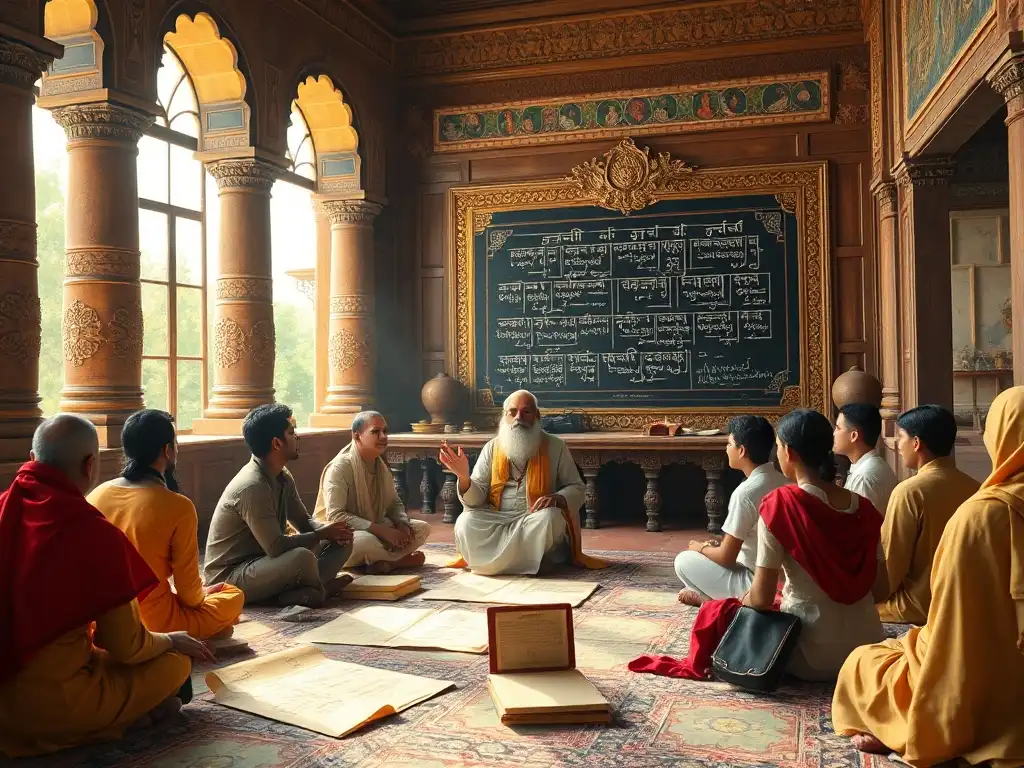
The role of language in ancient Indian education systems was profound, shaping not only the way knowledge was disseminated but also the very fabric of cultural identity in the subcontinent. Languages such as Sanskrit and Prakrit served as vehicles for philosophical thought, scientific inquiry, and artistic expression, demonstrating the interconnectedness of language and learning. The emphasis on linguistic skills in educational curricula facilitated a rich scholarly tradition, where texts were not merely read but critically analyzed, fostering intellectual growth and creativity.
Moreover, the emphasis on oral traditions in conjunction with written texts ensured that knowledge was accessible across different strata of society. This dual approach to education not only preserved ancient wisdom but also allowed for its adaptation and evolution over centuries. The legacy of these educational practices underscores the importance of language as a tool for both personal development and societal progress, a concept that continues to resonate in contemporary educational philosophies.
Summary of Key Points
- Language as a Medium: Ancient Indian education utilized languages like Sanskrit and Prakrit to convey complex ideas across various disciplines, including philosophy, mathematics, and medicine.
- Oral and Written Traditions: The integration of oral traditions with written texts allowed for a dynamic exchange of knowledge, ensuring accessibility for diverse populations.
- Cultural Identity: Language played a crucial role in shaping cultural identity and fostering a sense of community among scholars and students.
- Influence on Modern Education: The methodologies and principles from ancient Indian education systems continue to influence modern pedagogical approaches, emphasizing the importance of language in learning.
Legacy of Ancient Indian Education Systems on Modern Education
The educational models established in ancient India have significantly influenced modern education systems, particularly in terms of pedagogical methods and linguistic importance. The Gurukul system, characterized by close student-teacher relationships and immersive learning experiences, has parallels with contemporary educational approaches that prioritize mentorship and personalized education.
Furthermore, the emphasis on multilingualism in ancient Indian education promotes the idea that diverse linguistic skills enhance cognitive abilities and cultural understanding—principles that are increasingly recognized in today's globalized education environments. By examining ancient educational systems, modern educators can draw valuable insights into fostering critical thinking, creativity, and cultural appreciation in learners.
References and Further Reading
Suggested Books and Articles on Ancient Indian Education
- "The Education of the Hindus" by R. C. Dutt - This book provides an extensive overview of the educational practices in ancient India, with a focus on the role of language.
- "Ancient Indian Education: The Vedic Period" by R. N. Sharma: - An essential read for understanding the foundational aspects of education in early Indian civilization.
- "Sanskrit Literature and Education in Ancient India" by P. K. Mohanty - This work explores the significance of Sanskrit in the educational context and its impact on the intellectual landscape of ancient India.
Online Resources for Exploring Ancient Indian Languages and Education
- Digital South Asia Library: A rich repository of texts and resources related to South Asian languages and educational practices throughout history.
- The Sanskrit Dictionary: An online tool that offers meanings and usage examples of Sanskrit words, facilitating the study of ancient texts.
- Internet Archive: A treasure trove of digitized books and manuscripts on ancient Indian education systems and languages, providing free access to historical documents and scholarly works.
- Introduction to Ancient Indian Education Systems
- Overview of Ancient Indian Education
- Importance of Language in Education
- Historical Context of Language in Education
- Key Educational Institutions in Ancient India
- Language as a Medium of Instruction
- Language and Curriculum in Ancient Indian Education
- The Pedagogical Methods and Language
- Conclusion: The Lasting Impact of Language on Ancient Indian Education
- Summary of Key Points
- Legacy of Ancient Indian Education Systems on Modern Education
- References and Further Reading
- What was the primary language used in ancient Indian education systems?
- How did ancient Indian education systems differ from modern ones?
- What subjects were taught in ancient Indian schools?
- What role did religious texts play in ancient Indian education?
- How did ancient Indian education systems contribute to society?
Frequently Asked Questions
What was the primary language used in ancient Indian education systems?
The primary language of instruction in ancient Indian education systems was Sanskrit, which was integral to the transmission of knowledge in various disciplines.
How did ancient Indian education systems differ from modern ones?
Ancient Indian education systems were often community-based, focusing on holistic development and practical skills, whereas modern systems tend to be more formalized and standardized.
What subjects were taught in ancient Indian schools?
Subjects included grammar, philosophy, mathematics, and astronomy, emphasizing both theoretical and practical knowledge essential for various professions.
What role did religious texts play in ancient Indian education?
Religious texts, such as the Vedas and Upanishads, were crucial as they provided a framework for learning and moral education, influencing both curriculum and values.
How did ancient Indian education systems contribute to society?
They fostered a culture of intellectual pursuit and social responsibility, producing scholars and leaders who made significant contributions to science, art, and philosophy.
Final Reflection: The Enduring Legacy of Ancient Indian Education Systems
The exploration of ancient Indian education systems reveals their profound influence on contemporary learning and cultural identity. Today, as we navigate a rapidly changing world, the principles of holistic education, critical thinking, and the integration of language as a tool for knowledge dissemination remain as relevant as ever. The ancient wisdom embedded in these systems serves as a beacon, guiding us toward a more inclusive and comprehensive approach to education.
The impact of ancient Indian education systems is not merely historical; it continues to shape our cultural and social landscapes. These systems emphasized the importance of language as a medium for both knowledge and expression, fostering a rich intellectual tradition that resonates even today. As we witness the global dialogue on education reform, we can draw inspiration from the ancient ethos that prioritized learning as a lifelong journey. Education is the most powerful weapon which you can use to change the world.
– Nelson Mandela. This quote encapsulates the transformative power of education, a principle deeply rooted in the ancient Indian approach.
As we reflect on the lessons from ancient Indian education systems, I invite you to consider how these principles can be woven into your own life and learning journey. Embrace the idea of education as a holistic experience that transcends mere academic achievement. Let us strive to cultivate a mindset that values curiosity, critical thinking, and the power of language in shaping our understanding of the world. By doing so, we honor the legacy of those who came before us and pave the way for a brighter, more enlightened future.
Unlock the Wisdom of Ancient Indian Education!
Thank you for diving into the fascinating world of ancient Indian educational systems! You’ve uncovered valuable insights into how language played a pivotal role in shaping knowledge and culture. Now, it’s time to take that inspiration further.
Here’s how you can broaden your understanding and contribute to this enriching topic:
- Delve deeper: Research a specific ancient Indian text or language that piques your interest. Reflect on how its teachings can be applied to modern education or personal growth.
- Share your thoughts: Engage in discussions with friends or participate in online forums. Help spread awareness about the significance of language in education!
- Engage with the community: Join a local or online group focused on historical language studies to connect with others who share your enthusiasm!
Which aspect of ancient Indian education resonates most with you, and in what ways do you believe it can influence contemporary learning systems?