
The Rich Tapestry of Performance Arts in Ancient Indian Civilizations

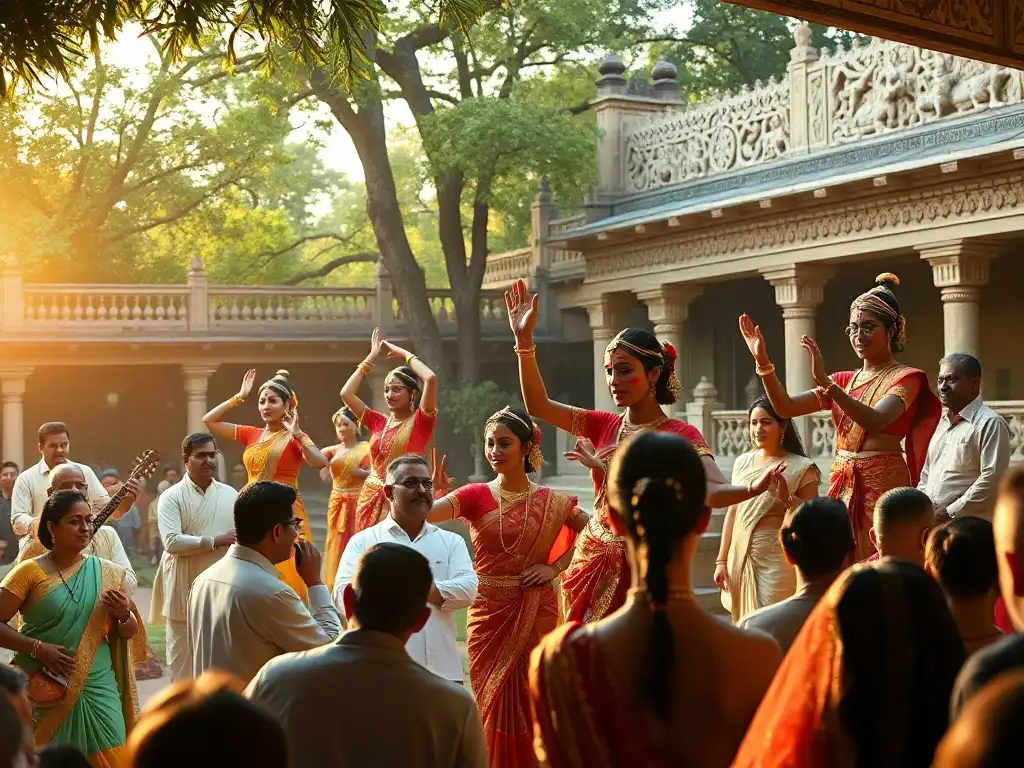
Welcome to Ancient India History, where we embark on a journey through the vibrant tapestry of rich and diverse civilizations that flourished in the heart of the Indian subcontinent. In this exploration, we delve into the captivating realm of ancient Indian performance arts, revealing how these art forms not only entertained but also conveyed profound cultural narratives.
As you navigate through our latest article, The Rich Tapestry of Performance Arts in Ancient Indian Civilizations, prepare to uncover the intricate connections between art, society, and history that have shaped India's cultural legacy. Join us as we unravel the stories behind these mesmerizing performances and ignite your curiosity for the wonders of the ancient world!
Introduction to Ancient Indian Performance Arts
The exploration of ancient Indian performance arts unveils a vibrant tapestry woven from the threads of diverse cultures, rituals, and historical epochs. From the intricate dances of the Indus Valley to the theatrical forms that flourished during the Gupta Empire, these art forms not only entertained but also conveyed profound philosophical and spiritual messages. This article delves into the rich history of performance arts in ancient India, highlighting their evolution, significance, and the cultural contexts that fostered their growth. By understanding these art forms, we can appreciate how they reflect the social, religious, and political landscapes of their time.
Overview of Ancient Indian Civilizations
Ancient India was home to several remarkable civilizations, each contributing uniquely to the cultural heritage of the region. The journey begins with the Indus Valley Civilization (c. 3300–1300 BCE), known for its advanced urban planning and artistic achievements. Following this, the Vedic period (c. 1500–500 BCE) emerged, characterized by the composition of the Vedas, which laid the foundation for various religious and cultural practices.
As time progressed, the Maurya Empire (c. 322–185 BCE) and its successors, including the Gupta Empire (c. 240–550 CE), saw a flourishing of arts, philosophy, and sciences, with performance arts playing a central role in societal expressions. Each period brought forth distinctive styles and forms of performance, deeply intertwined with the spiritual and everyday lives of the people.
Importance of Performance Arts in Ancient Cultures
Performance arts held immense significance in ancient Indian societies. They were not merely forms of entertainment but served as vital means of communication, education, and social cohesion. Through storytelling, music, and dance, communities preserved their history, conveyed moral lessons, and celebrated religious rituals.
Moreover, these art forms often acted as a reflection of the socio-political milieu. For instance, during times of upheaval, performance arts became vehicles for expressing dissent and advocating for social change. The role of performance arts in fostering community identity and continuity cannot be overstated, as they helped transmit cultural values across generations.
Historical Context of Performance Arts in Ancient India
The Indus Valley Civilization and Its Artistic Expressions
The Indus Valley Civilization is marked by its impressive artistic endeavors, including seals, pottery, and sculptures that depict various forms of dance and ritualistic performances. These artifacts provide insight into the significance of performance arts in their society, suggesting that dance and music may have been integral to their religious and social practices. While direct evidence of performance arts remains scarce, the artistic expressions found in this civilization hint at a rich tradition of storytelling and ritualistic performances.
Vedic Period: Rituals and Early Forms of Performance
During the Vedic period, performance arts took on a more structured form, heavily influenced by religious rituals and ceremonies. The recitation of Vedic hymns, known as Sama Veda, incorporated musical elements that laid the groundwork for classical music traditions. Additionally, the performance of rituals such as yajnas (sacrificial ceremonies) involved elaborate enactments that combined chanting, music, and movement, highlighting the interconnectedness of spirituality and performance in this era.
The Maurya and Post-Maurya Period: Growth of Theatre
The Mauryan Empire marked a significant advancement in the development of theatre and performance arts. The Natya Shastra, attributed to Bharata Muni, emerged during this period, providing a comprehensive framework for drama, dance, and music. This ancient treatise not only outlined the technical aspects of performance but also emphasized the emotional and psychological dimensions of art. The subsequent Post-Mauryan period witnessed a flourishing of theatrical forms, with performances becoming a critical aspect of cultural life, further solidifying the importance of ancient Indian performance arts in society.
By exploring these historical contexts, we can better understand how ancient Indian performance arts evolved and their lasting impact on contemporary forms of artistic expression.
Key Forms of Ancient Indian Performance Arts
Ancient Indian performance arts encompass a variety of expressive forms that have evolved through centuries, reflecting the rich cultural fabric of the civilization. The two primary categories of ancient Indian performance arts are classical dance and drama. Each of these forms carries its own unique characteristics, styles, and significance, deeply rooted in the traditions and spiritual beliefs of the time.
Classical dance forms such as Bharatanatyam, Kathak, Odissi, and Kathakali are not just art forms but also serve as a medium for storytelling and conveying emotions. They often depict myths, legends, and spiritual themes, showcasing the intricate relationship between the performer and the divine.
Drama and theatre, on the other hand, flourished in ancient India with texts like the Natya Shastra, attributed to the sage Bharata Muni. This comprehensive treatise outlines the principles of performance, including acting, music, and choreography, establishing a foundation for theatrical practices that continue to influence modern interpretations.
Both dance and drama are characterized by their use of elaborate costumes, music, and intricate choreography, which together create a mesmerizing experience for audiences, making ancient Indian performance arts a vital part of the cultural heritage.
Classical Dance and Its Significance
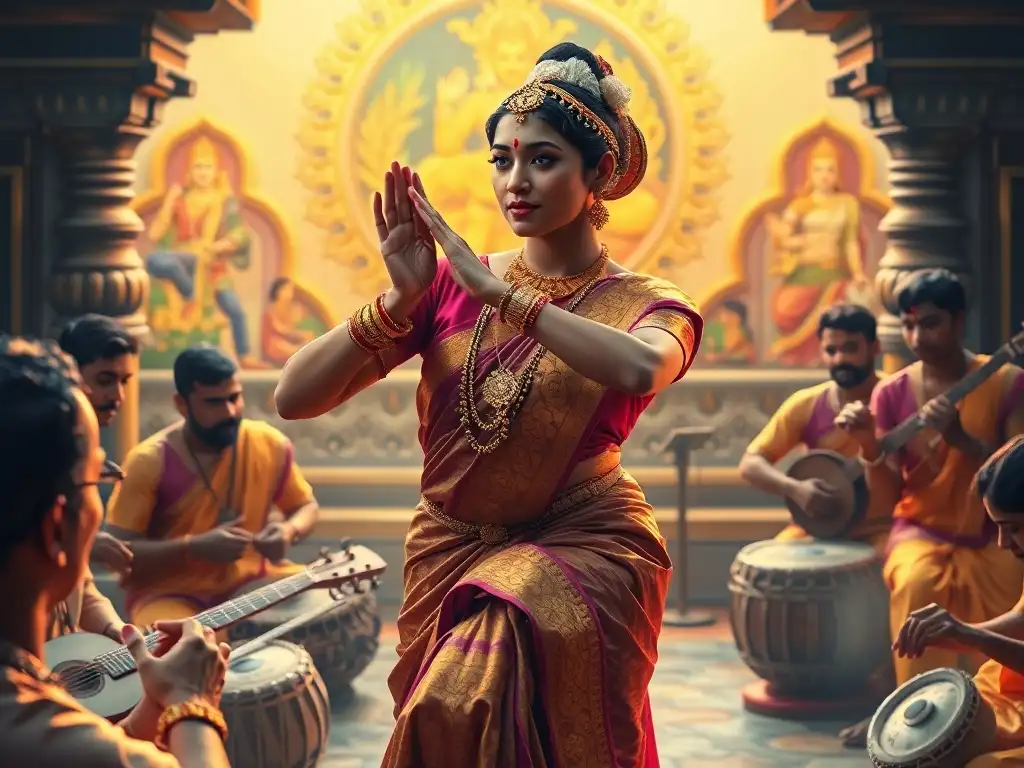
Classical dance in ancient India is a profound form of expression that combines intricate footwork, hand gestures (mudras), and facial expressions (abhinaya) to narrate stories and convey emotions. Each classical dance form is deeply intertwined with the religious and cultural narratives of the region it originates from.
- Bharatanatyam: Originating from Tamil Nadu, Bharatanatyam is one of the oldest dance forms, characterized by its lyrical grace and expressive storytelling. Traditionally performed in temples, it embodies the spiritual devotion of the performer.
- Kathak: Hailing from North India, Kathak is known for its swift footwork and spins, along with expressive gestures. It draws heavily from the storytelling traditions of the Mughal era and is often performed in court settings.
- Odissi: This dance form from Odisha is marked by its fluid movements and poses, often depicting various deities and spiritual themes. It is celebrated for its emphasis on the sculptural beauty of the human body.
The significance of classical dance lies not only in its aesthetic appeal but also in its role as a medium for spiritual expression and cultural storytelling. These dances serve as a bridge between the performer and the divine, allowing audiences to engage with ancient narratives and experience the profound emotions embedded in them.
Drama and Theatre Traditions
Drama and theatre in ancient India are rich and diverse, with roots tracing back to sacred rituals and folk traditions. The Natya Shastra serves as a pivotal reference, detailing the elements of performance, including the use of music, dance, and acting.
- Sanskrit Theatre: The classical Sanskrit theatre, exemplified by playwrights like Kalidasa and Bhasa, showcased complex narratives and sophisticated character development. These plays often addressed themes of love, morality, and the divine, reflecting the cultural ethos of ancient India.
- Folk Theatre: In addition to classical forms, folk theatre traditions flourished across different regions, incorporating local myths, humor, and social commentary. Forms like Nautanki and Tamasha provided entertainment while also serving as a means to convey moral lessons and social critiques.
The theatre traditions of ancient India were not merely entertainment; they were an essential part of societal functions, fostering community engagement and cultural identity. The interplay of music, dialogue, and physicality in these performances created an immersive experience, allowing audiences to explore the complexities of human emotions and societal norms.
Influences on Ancient Indian Performance Arts
The evolution of ancient Indian performance arts was heavily influenced by various factors, including religious beliefs and socio-political dynamics. These influences shaped the themes, styles, and forms of artistic expression, allowing performance arts to resonate deeply within the cultural context of the time.
Religious and Spiritual Influences on Performance
Religious and spiritual beliefs played a central role in shaping ancient Indian performance arts. The majority of classical dance and theatrical forms were closely linked to Hindu temple rituals, depicting stories from epics like the Mahabharata and Ramayana.
- Devotional Themes: Many performances were designed to honor deities and convey religious narratives. This devotional aspect imbued the performances with a sense of sacredness, transforming them into acts of worship.
- Ritualistic Elements: Performances often incorporated ritualistic elements, where dancers and actors would perform in sacred spaces, enhancing the spiritual ambiance. This connection to the divine created a profound experience for both performers and audiences.
The intertwining of performance arts with spirituality not only elevated the artistic expression but also allowed for a deeper exploration of philosophical and moral themes, enriching the cultural tapestry of ancient India.
Socio-Political Factors Affecting Performance Arts
The socio-political landscape of ancient India significantly impacted the development and evolution of performance arts. Changes in political power, patronage, and cultural exchange shaped the themes and styles of artistic expression.
- Royal Patronage: Kings and rulers often supported the arts, commissioning performances to showcase their power and cultural sophistication. This patronage led to the flourishing of various dance and theatre forms, as artists gained recognition and resources to develop their craft.
- Cultural Exchange: With ancient India being a melting pot of diverse cultures due to trade and conquest, the performance arts absorbed influences from various regions. This cultural exchange enriched the artistic landscape, fostering innovation and diversity in styles and narratives.
The dynamic interplay between socio-political factors and performance arts created a vibrant scene where artists could thrive, adapt, and contribute to the rich legacy of ancient Indian civilization. This legacy continues to influence modern interpretations of these art forms, reflecting the enduring impact of historical context on cultural expression.
The Role of Performance Arts in Society
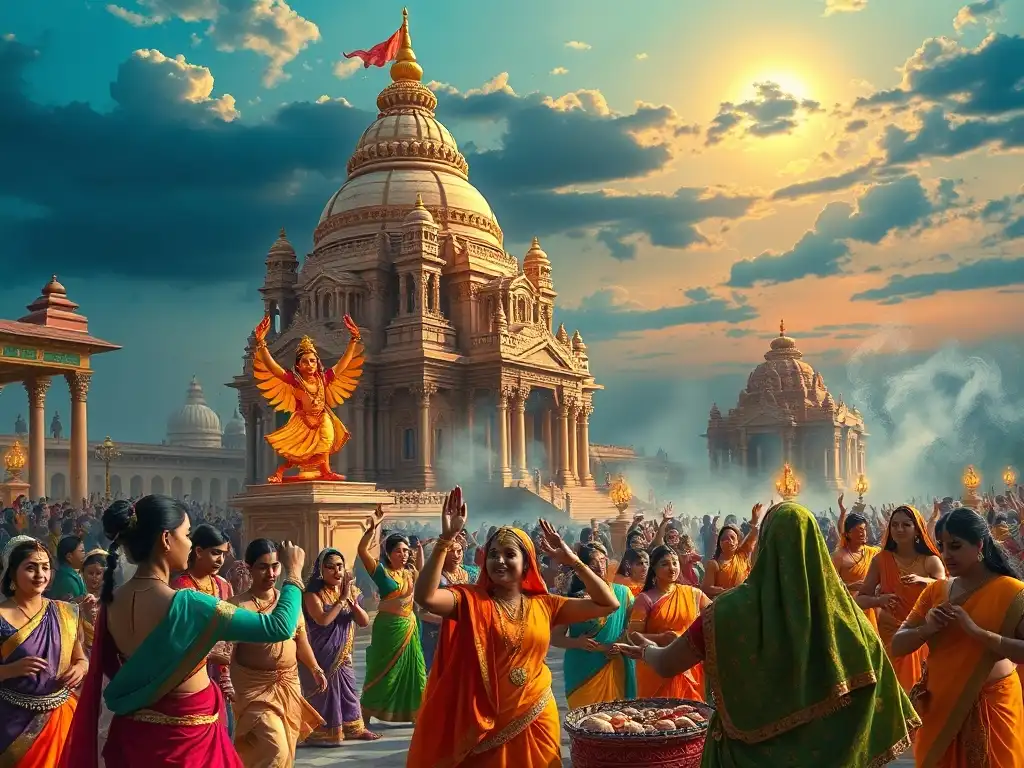
Performance arts played a pivotal role in the social fabric of ancient Indian civilizations. They served not only as entertainment but also as a means of cultural expression, communication, and a reflection of societal values and beliefs. From the early Vedic texts, we observe a rich tradition that encompassed music, dance, and theatrical performances, often intertwined with religious rituals and celebrations.
Theater and performance arts were integral to festivals, religious observances, and communal gatherings. They created a shared cultural experience that brought communities together, fostering a sense of identity and belonging. The narratives presented in these performances often mirrored the societal norms, moral lessons, and historical events, making them a significant tool for both education and reflection on the human condition.
Moreover, performance arts acted as a means of social commentary, allowing artists to critique societal issues and injustices in a manner that was accessible to the common populace. This interactive nature of performance arts ensured that they were not merely passive experiences but lively dialogues between the performers and the audience, engaging them in the cultural discourse of the time.
Performance Arts as a Medium of Storytelling
Storytelling through performance arts in ancient India was a profound and multifaceted tradition. It encompassed a variety of forms, including dance-drama, oral narratives, and theatrical plays, which conveyed epic tales, folklore, and moral lessons. The ancient Sanskrit plays, such as those written by Bhasa and Kalidasa, exemplified this art form, presenting complex characters and intricate plots that captivated audiences while imparting wisdom.
The use of performance arts as storytelling was not limited to the elite; it permeated all levels of society. Folk performances, such as those by the Bhavai and Nautanki troupes, narrated local legends, historical events, and social issues, making them relatable to the common people. This democratization of storytelling allowed for a rich exchange of ideas and cultural values across different strata of society.
In addition to verbal storytelling, the integration of dramatic elements, music, and dance further enriched the narratives. For instance, Kathakali and Bharatanatyam, classical dance forms, often depicted stories from Hindu epics like the Ramayana and Mahabharata, using elaborate costumes and expressive gestures to convey emotion and meaning. This holistic approach to storytelling reinforced the connection between performance arts and the cultural identity of ancient India.
Educational and Moral Functions of Theatre
Theatre in ancient India served educational and moral functions, acting as a vehicle for imparting ethical values and societal norms. Plays often contained moral dilemmas and lessons that encouraged audiences to reflect on their own lives and behaviors. For example, the themes of duty (dharma), righteousness, and the consequences of one’s actions were recurring motifs in many performances.
Schools of thought, such as Natya Shastra by Bharata Muni, emphasized the role of theatre as a means of education. This ancient treatise outlined the principles of drama, dance, and music, highlighting their importance in shaping character and fostering moral integrity. The performances were not only entertaining but also instructive, providing a framework for understanding complex human emotions and societal relationships.
Additionally, religious plays performed during festivals conveyed spiritual teachings and reinforced communal beliefs. They served as a reminder of cultural heritage and values, ensuring that moral lessons were passed down through generations. This dual role of theatre as both a form of entertainment and an educational tool cemented its place in the cultural landscape of ancient India.
Community Engagement through Folk Arts
Folk arts in ancient India exemplified the deep-rooted connection between performance and community engagement. These art forms were typically performed during festivals, weddings, and other significant communal events, fostering a sense of unity among participants and audiences alike.
Each region of India developed its own unique folk performance styles, such as Tamasha in Maharashtra or Yakshagana in Karnataka, reflecting local stories, customs, and social issues. These performances were often interactive, inviting audience participation and collaboration, which further strengthened community bonds.
Moreover, folk arts served as a medium for preserving local traditions and histories. They provided a platform for marginalized voices and narratives, allowing communities to articulate their struggles, aspirations, and cultural identity. This aspect of folk performance arts was vital in maintaining the social fabric and continuity of traditions in an ever-evolving society.
Preservation and Legacy of Ancient Indian Performance Arts
The preservation of ancient Indian performance arts has been essential in keeping the cultural heritage alive. These art forms have undergone significant transformations over the centuries, yet their core elements remain deeply rooted in tradition. The commitment to preserving these practices can be seen in various cultural institutions, dance schools, and theater groups that continue to perform and teach ancient styles.
Transmissions of Performance Traditions through Generations
The transmission of performance traditions in ancient India was predominantly an oral and experiential process. Gurus (teachers) played a crucial role in imparting knowledge to their disciples, ensuring that the essence of the art forms was preserved. This teacher-student relationship fostered a deep understanding of the nuances of performance, including techniques, emotional expressions, and cultural significance.
Performances were often passed down through families or communities, creating a lineage of artists dedicated to maintaining their ancestral art forms. Festivals and local gatherings served as platforms for showcasing these traditions, allowing them to adapt and evolve while staying true to their roots. Such practices ensured that the performance arts remained vibrant, relevant, and connected to the community.
Influence of Ancient Arts on Contemporary Indian Performing Arts
The influence of ancient Indian performance arts on contemporary forms is profound and multi-dimensional. Many modern dance and theater forms draw inspiration from classical techniques, themes, and narratives established in ancient times. For instance, Bollywood dance often incorporates elements of classical dance styles like Kathak and Bharatanatyam, blending traditional aesthetics with contemporary sensibilities.
Moreover, contemporary theater often revisits ancient texts and reinterprets them for modern audiences, creating a dialogue between the past and present. The incorporation of traditional storytelling techniques and performance styles enriches contemporary art, making it relevant to current social issues while honoring historical legacies.
The revival and adaptation of these ancient arts into modern contexts also reflect the dynamic nature of culture. Artists today are continuously exploring ways to infuse traditional elements into new forms, ensuring that the essence of ancient Indian performance arts remains alive and influential.
Revivals and Recognition in Modern Times
In recent years, there has been a growing recognition and revival of ancient Indian performance arts. Cultural festivals, workshops, and academic programs dedicated to traditional arts have gained momentum, highlighting their significance in contemporary society. Organizations and institutions are working tirelessly to revive nearly lost art forms and provide platforms for emerging artists.
Government and private initiatives have also contributed to the preservation of these arts. Grants, awards, and recognition programs celebrate the contributions of traditional artists, ensuring that their skills and knowledge are honored. Increased awareness and appreciation among the public have further fueled the revival, leading to a resurgence of interest in ancient performance arts.
This renewed focus on the heritage of ancient Indian performance arts not only honors the past but also enriches the cultural landscape of modern India. It encourages a dialogue between generations, fostering an appreciation for the rich tapestry of traditions that have shaped India's artistic identity over millennia.
Conclusion: The Enduring Impact of Ancient Indian Performance Arts
The legacy of ancient Indian performance arts is a testament to the rich cultural tapestry that has shaped the Indian subcontinent. From the intricate storytelling of classical dance forms like Bharatanatyam and Kathak to the vibrant narratives of folk theater, the performance arts have played a pivotal role in preserving historical events, religious philosophies, and social values. These art forms have not only entertained but have also been vital in fostering community cohesion and expressing collective identities.
The teachings and philosophies embedded within ancient performance arts continue to resonate in contemporary society. Modern adaptations and revivals of these art forms reflect an enduring appreciation for their roots while allowing for innovation and creativity. As audiences today engage with these performances, they reconnect with the cultural narratives that have been passed down through generations. The influence of ancient Indian performance arts can also be seen in various global art forms, highlighting their universal appeal and significance.
Reflection on the Diversity of Ancient Indian Cultural Heritage
Ancient Indian performance arts are characterized by their remarkable diversity, which mirrors the multifaceted nature of Indian culture itself. Each region of India has contributed unique styles, themes, and techniques, resulting in a rich mosaic of artistic expressions. For instance, the classical music and dance of South India contrast with the folk traditions of the North, yet both share common threads of storytelling and emotion.
This diversity also extends to the languages, instruments, and costumes used in performances. The use of local dialects, for example, enriches the storytelling aspect, making it more relatable to the audience. The variety of musical instruments, from the tabla to the veena, adds depth and texture to performances, enhancing the overall experience. Moreover, ancient texts such as the Natya Shastra have laid down frameworks for performance, allowing for regional interpretations that celebrate local heritage while adhering to classical principles.
The interplay between spirituality and performance is another significant aspect of ancient Indian arts. Many art forms were developed as offerings to deities or as part of religious rituals, illustrating the deep connection between performance and spirituality in Indian culture. This intertwining of the sacred and the artistic serves as a reminder of the holistic approach to art that ancient Indian civilizations embraced.
Future Directions for Research and Appreciation of Ancient Performance Arts
As we look to the future, there are numerous avenues for further research and appreciation of ancient Indian performance arts. Scholars and artists alike can explore the historical contexts that gave rise to various art forms, delving into regional variations and their influences on one another. This comparative analysis can foster a deeper understanding of how these art forms evolved over time and how they continue to inform modern practices.
Additionally, interdisciplinary approaches that incorporate anthropology, history, and cultural studies can provide richer insights into the socio-political factors that shaped these performance arts. Engaging with local communities and practitioners will also play a crucial role in preserving these traditions and fostering new interpretations that resonate with contemporary audiences.
Moreover, the integration of technology in documenting and disseminating ancient performance arts can enhance accessibility and engagement. Virtual platforms can showcase performances to global audiences, creating opportunities for cross-cultural exchanges and collaborations. By promoting awareness and education around these art forms, we can ensure that the legacy of ancient Indian performance arts continues to thrive and inspire future generations.
The exploration and appreciation of ancient Indian performance arts are vital for understanding the cultural richness of India. Embracing this heritage not only celebrates the past but also enriches the present and shapes the future of artistic expression in an increasingly interconnected world.
- Introduction to Ancient Indian Performance Arts
- Historical Context of Performance Arts in Ancient India
- Key Forms of Ancient Indian Performance Arts
- Influences on Ancient Indian Performance Arts
- The Role of Performance Arts in Society
- Preservation and Legacy of Ancient Indian Performance Arts
- Conclusion: The Enduring Impact of Ancient Indian Performance Arts
- What are the main forms of ancient Indian performance arts?
- How did religion influence ancient Indian performance arts?
- Which civilizations contributed to the development of performance arts in ancient India?
- What role did festivals play in ancient Indian performance arts?
- How have ancient Indian performance arts influenced modern practices?
Frequently Asked Questions
What are the main forms of ancient Indian performance arts?
Ancient Indian performance arts primarily include dance, theatre, and music, each showcasing the rich cultural heritage and spiritual beliefs of the civilizations.
How did religion influence ancient Indian performance arts?
Religion played a crucial role in shaping performance arts, as many forms were created to celebrate deities and convey spiritual narratives, often found in classical dance and drama.
Which civilizations contributed to the development of performance arts in ancient India?
The Indus Valley, Maurya, and Gupta Empires significantly contributed to the evolution of performance arts, fostering an environment that encouraged artistic expression and innovation.
What role did festivals play in ancient Indian performance arts?
Festivals provided a platform for showcasing performance arts, where communities gathered to celebrate through dance, music, and theatrical performances, reinforcing social bonds and cultural identity.
How have ancient Indian performance arts influenced modern practices?
Many modern performance arts in India draw inspiration from ancient traditions, preserving classical styles while integrating contemporary themes, thus ensuring the continuity of this rich cultural legacy.
Final Reflection: Embracing the Legacy of Ancient Indian Performance Arts
The rich tapestry of ancient Indian performance arts continues to resonate in our modern world, reminding us of the profound connection between culture and expression. As we explore the intricate forms of dance, music, and theater that flourished in ancient civilizations, we uncover not only the artistic brilliance of the past but also its enduring influence on contemporary creativity. The vibrant traditions that emerged from these ancient practices serve as a testament to the resilience and adaptability of culture, inviting us to celebrate and preserve these legacies in our ever-evolving society.
The impact of ancient Indian performance arts is woven into the very fabric of our cultural identity, shaping the way we perceive art today. From classical dance forms like Bharatanatyam and Kathak to the storytelling traditions of Yakshagana, these art forms have transcended time, continuing to inspire generations. As noted by the renowned scholar Kapila Vatsyayan, The arts are not merely a reflection of society; they are a vital force that shapes and transforms it.
This observation highlights the ongoing relevance of these ancient practices, which not only entertain but also educate and empower communities, fostering a sense of belonging and continuity.
As we reflect on the lessons embedded in the ancient Indian performance arts, let us take a moment to consider how we can incorporate these values into our own lives. Embrace the spirit of creativity, storytelling, and cultural appreciation that these art forms embody.
Whether through participating in local performances, learning a traditional dance, or simply exploring the rich narratives of our heritage, we can honor the legacy of our ancestors while enriching our own lives and communities. Let us carry forward this vibrant tradition, ensuring that the echoes of ancient Indian performance arts continue to inspire and uplift future generations.
Dive Deeper into Ancient Performance Arts!
Thank you for taking the time to explore the rich tapestry of performance arts in ancient India! We hope you gained valuable insights into the vibrant culture and artistic expressions that shaped this fascinating civilization. Now, it’s time to take those insights further and immerse yourself in the world of ancient creativity.
Here are some exciting actions you can take today:
- Visit a local museum that features exhibits on ancient Indian art and performance; you might be surprised at what you discover!
- Share this article with friends and engage them in a conversation about their favorite aspects of ancient performance arts.
- Join an online forum or a social media group dedicated to ancient Indian history to connect with fellow enthusiasts and exchange knowledge.
What aspect of ancient performance arts intrigues you the most, and how do you think it influences today’s artistic expressions?