
How Ancient Indian Theater Addressed Social Issues and Cultural Norms

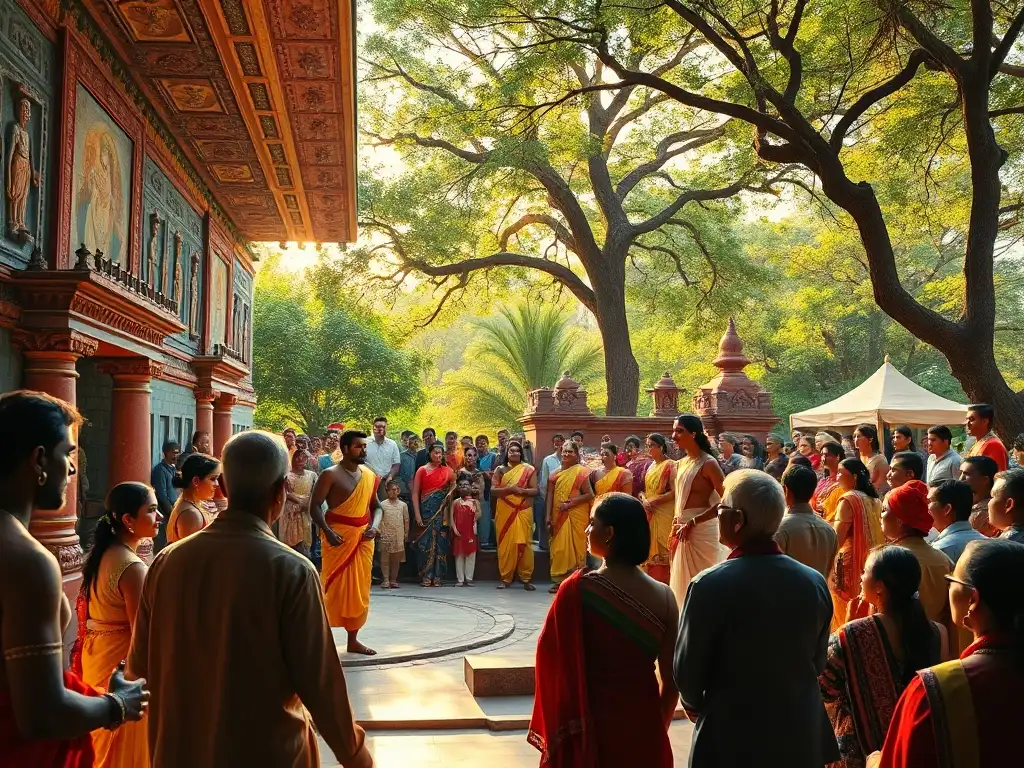
Welcome to Ancient India History, where we embark on an enchanting journey through the vibrant tapestry of India's past! In this exploration, we delve into the fascinating world of ancient Indian theater, where art met societal reflection. Our featured article, "How Ancient Indian Theater Addressed Social Issues and Cultural Norms," invites you to uncover how this dynamic art form served as a mirror to the societal challenges of its time.
What were the pressing social issues that inspired these performances, and how did they shape cultural norms? Prepare to be intrigued as we unravel the layers of history, creativity, and resilience that define ancient Indian civilization. Join us as we illuminate the stories waiting to be discovered!
- Introduction to Ancient Indian Theater and Its Role in Society
- Historical Context of Ancient Indian Theater
- Social Issues Addressed in Ancient Indian Theater
- Cultural Norms Reflected in Ancient Indian Theater
- Notable Performances and Their Impact on Society
- Conclusion: The Lasting Influence of Ancient Indian Theater on Modern Society
- Further Reading on Ancient Indian Theater and Its Social Influence
-
Frequently Asked Questions
- What were the main themes addressed in ancient Indian theater?
- How did ancient Indian theater influence society?
- What role did religious beliefs play in ancient Indian theater?
- Can you name some significant forms of ancient Indian theater?
- How did ancient Indian theater contribute to cultural identity?
- Final Reflection: The Enduring Legacy of Ancient Indian Theater in Addressing Social Issues
- Awaken Cultural Conversations Today!
Introduction to Ancient Indian Theater and Its Role in Society
Ancient Indian theater, a fascinating aspect of the country's rich cultural heritage, served as a vital platform for expressing, critiquing, and reflecting the social issues and cultural norms of its time. From the dramatic narratives of the Indus Valley civilizations to the sophisticated performances of the Gupta Empire, theater evolved not only as an art form but also as a mirror of societal values, conflicts, and aspirations.
It played a significant role in shaping public discourse, fostering communal ties, and preserving oral traditions, all while addressing pressing social issues such as caste, gender roles, and moral dilemmas. This article delves into the intricate relationship between ancient Indian theater and the societal context it emerged from, exploring how performances acted as both entertainment and a tool for social commentary.
Overview of Ancient Indian Theater
Ancient Indian theater can be traced back to various forms of performance arts, including Natya Shastra, a comprehensive treatise on drama written by Bharata Muni around the 2nd century BCE. This foundational text outlined the principles of performance, including acting techniques, stagecraft, and the emotional expressions (or Rasas) crucial for engaging the audience.
Theater during this period was not confined to the elite; rather, it was a communal experience that encompassed various genres such as Sanskrit dramas, folk plays, and religious performances. Notable playwrights, such as Kalidasa and Bhasa, infused their works with themes that resonated with the masses, often drawing upon mythology, history, and everyday life.
Importance of Theater in Cultural Expression
Theater in ancient India was more than mere entertainment; it was a means of preserving and transmitting cultural narratives. Through performances, communities could explore and reflect upon their shared values, beliefs, and traditions.
- Cultural Identity: Theater played a crucial role in the establishment and reinforcement of cultural identities. Various regional forms of theater showcased local languages, customs, and folklore, helping to foster a sense of belonging among audiences.
- Moral Lessons: Many plays conveyed moral teachings and ethical dilemmas, allowing audiences to engage with complex social issues in a relatable manner. The use of allegory and symbolism enabled playwrights to address controversial topics while adhering to societal norms.
- Religious Significance: Theater often intertwined with religious practices, depicting tales from epics like the Mahabharata and Ramayana. These performances not only entertained but also served to educate the populace about religious values and principles.
Ancient Indian theater was a powerful instrument for addressing social issues, offering commentary on the challenges and injustices faced by various segments of society.
- Caste System: Many performances highlighted the disparities and tensions within the rigid caste system, questioning the status quo and advocating for social reform through satire and humor.
- Gender Roles: Plays often depicted the struggles and agency of women in society, challenging traditional gender norms and offering a platform for discussing issues such as marriage, autonomy, and societal expectations.
- Political Discourse: Theater also served as a vehicle for political expression, with performances critiquing rulers and their policies. This not only entertained but also informed the public, fostering a sense of civic engagement.
The dynamic interplay between ancient Indian theater and the societal issues of its time underscores the importance of this art form as a reflection of cultural and social realities. Through its rich legacy, ancient Indian theater continues to inspire contemporary discussions around social issues and cultural norms, highlighting its enduring relevance in today's world.
Historical Context of Ancient Indian Theater
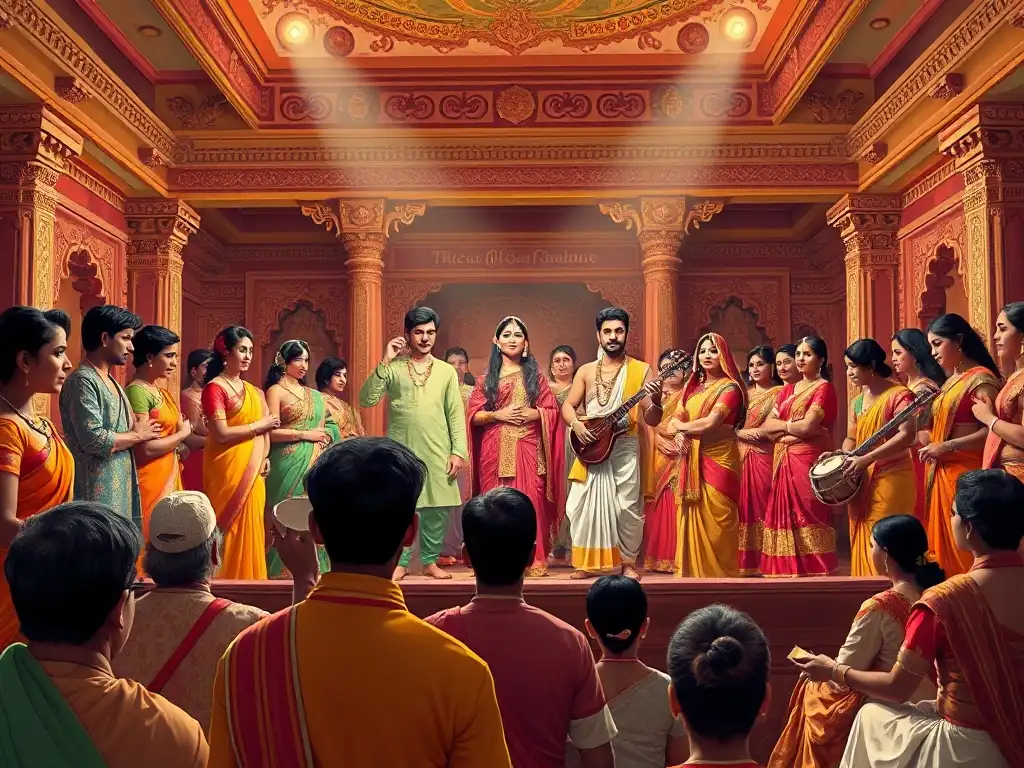
Evolution of Theater from the Vedic Period to the Gupta Empire
The evolution of ancient Indian theater can be traced back to the Vedic period (circa 1500–500 BCE), where performance arts began to emerge alongside religious rituals and oral traditions. The early Vedic texts, particularly the Rigveda, reference various forms of entertainment, including dance and music. However, it was the Natya Shastra, attributed to the sage Bharata Muni, that laid the foundational principles for classical Indian theater.
The transition from the Vedic period to the post-Vedic era saw the incorporation of more structured theatrical forms. By the time of the Maurya Empire (circa 322–185 BCE), theater began to flourish as a form of entertainment and social commentary. The Natya Shastra, compiled around the 2nd century BCE to the 2nd century CE, provided detailed guidelines on performance, including aspects of acting, stage design, and audience interaction. This period marked a significant shift where theater became a medium to explore social issues and cultural norms, addressing themes such as morality, ethics, and the human condition.
As we move into the Gupta Empire (circa 320–550 CE), ancient Indian theater reached its zenith. This era saw the emergence of court-sponsored performances and the establishment of various theatrical troupes. Plays often addressed contemporary social issues such as caste dynamics, gender roles, and political power, reflecting the complexities of society at the time. The integration of dance and music further enriched the theatrical experience, making it a vibrant form of art that resonated with the audiences.
Key Literary Works Influencing Ancient Indian Theater
Several key literary works played a crucial role in shaping ancient Indian theater, each contributing to the development of themes and narrative structures that addressed social issues and cultural norms.
- Natya Shastra: This seminal text by Bharata Muni is not only a theoretical guide but also a historical document that outlines the significance of theater in society. It emphasizes the importance of rasa (emotional flavor) in performance, suggesting that theater should evoke specific emotions that reflect societal values.
- Shakuntala: Written by the renowned playwright Kalidasa in the 5th century CE, Shakuntala explores themes of love, duty, and destiny. The play addresses social norms surrounding marriage and the role of women in society, highlighting the tensions between personal desires and societal expectations.
- Mudrarakshasa: Authored by Vishakhadatta, this political drama delves into the intricacies of power and governance. It presents a nuanced view of political machination and responsibility, emphasizing the moral dilemmas faced by leaders. The play illustrates how political issues intersect with cultural norms, providing a deeper understanding of governance in ancient India.
- The Works of Bhasa: Bhasa, another pivotal figure in ancient Indian theater, wrote several plays that often tackled social issues head-on. His works, such as Pratima Nataka, explore themes of identity and societal roles, resonating with the audience's understanding of their place within the cultural fabric.
These literary works not only entertained but also served as a mirror reflecting the complexities of ancient Indian society. They prompted audiences to engage with pressing social issues, making theater a powerful tool for cultural expression.
Prominent Theatrical Forms: Natya Shastra and Beyond
The Natya Shastra established the foundational framework for various theatrical forms, influencing the trajectory of ancient Indian theater. Its detailed prescriptions on acting styles, stagecraft, and performance elements laid the groundwork for different styles and traditions that emerged later.
- Classical Dance-Drama: The integration of dance into theatrical performances became prominent following the principles outlined in the Natya Shastra. Forms such as Kathakali and Kuchipudi evolved, blending storytelling with intricate dance movements. These performances often addressed social issues, using mythological narratives to comment on contemporary societal dynamics.
- Sanskrit Drama: The tradition of Sanskrit drama flourished during the Gupta period, with playwrights like Kalidasa and Bhasa at the forefront. Sanskrit dramas were characterized by their poetic language and rich symbolism, often embedding critiques of social hierarchies and moral dilemmas within their narratives.
- Folk Theater: Alongside classical forms, folk theater thrived in various regions, incorporating local dialects, customs, and themes relevant to the common people. This form of theater became a vital means of social commentary, addressing issues such as caste discrimination, gender inequality, and rural livelihoods, thereby resonating deeply with the audience.
- Shadow Play (Chhaya Natak): This unique form of theater utilized shadow puppets to narrate stories, often drawn from mythology and folklore. Shadow plays addressed social issues by dramatizing moral lessons and societal values, making them accessible to a broader audience.
Ancient Indian theater was a dynamic and evolving art form that served as a critical reflection of societal values and issues. Through various forms and literary works, it addressed the intricacies of social norms, offering both entertainment and insight into the human experience. This rich legacy continues to inspire contemporary artists and scholars, highlighting the enduring relevance of ancient Indian theater in understanding social issues.
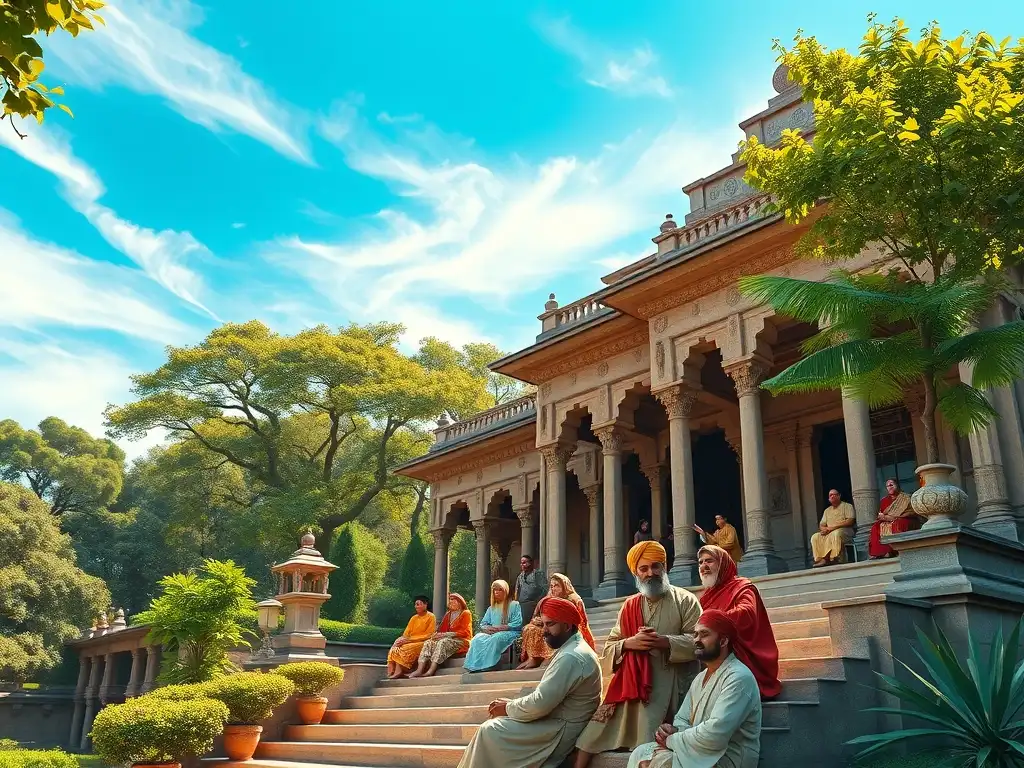
Ancient Indian theater was not merely a form of entertainment; it served as a powerful medium for addressing and reflecting upon various social issues that pervaded society. Through dramatic performances, playwrights and actors engaged with subjects such as class dynamics, gender roles, and political commentary, often using their art to highlight societal injustices and provoke thought among audiences. This multifaceted approach allowed ancient Indian theater to become an influential vehicle for social change and cultural reflection.
Class and Caste Dynamics in Performances
The caste system in ancient India was a deeply entrenched social hierarchy that governed daily life, including artistic expression. Theater performances often mirrored the complexities of class and caste dynamics, showcasing the struggles and interactions between different social groups.
- Representation of Different Classes:
- Plays frequently depicted characters from various strata of society, from the elite to the marginalized. For instance, Kālidāsa, a renowned playwright, illustrated the lives of both nobles and commoners, providing a nuanced view of societal interactions.
- Satire and Critique:
- Many performances included satirical elements that critiqued the absurdities of caste distinctions. By using humor and irony, playwrights sought to challenge the audience's perceptions of class, encouraging a more egalitarian viewpoint.
- Caste Mobility Themes:
- Some narratives explored themes of caste mobility and the possibility of transcendence beyond rigid social structures. These stories often inspired hope among lower castes, suggesting that change was achievable.
The interplay of class and caste in ancient Indian theater not only reflected the existing social order but also served to question and critique it, opening a dialogue about equity and justice.
Gender Representation and Roles in Ancient Indian Theater
Gender roles and representations in ancient Indian theater were complex and multifaceted, often reflecting the societal norms of the time while simultaneously challenging them.
- Portrayal of Women:
- Female characters were frequently depicted as embodiments of virtue, devotion, and sacrifice, drawn from epics like the Mahabharata and Ramayana. However, some plays also presented strong female protagonists who defied traditional norms, showcasing their agency.
- Men's Roles and Masculinity:
- Male characters often grappled with ideals of masculinity, honor, and duty. The tension between traditional expectations and individual desires was a recurring theme, prompting audiences to reconsider the constraints placed on males as well.
- Cross-dressing and Gender Fluidity:
- Interestingly, ancient Indian theater often featured male actors playing female roles, which blurred gender lines and created a unique space for exploring gender fluidity. This practice raised questions about identity and societal expectations surrounding gender.
Through these portrayals, ancient Indian theater not only reflected existing gender norms but also provided a platform for questioning and redefining them, promoting discussions on women's rights and gender equality.
Political Commentary and Resistance through Theater
Theater in ancient India also served as a crucial medium for political commentary and resistance against oppressive rulers and societal norms.
- Satirical Plays:
- Many performances employed satire to critique political leaders and their policies. Playwrights used humor to disarm audiences, making serious political statements while entertaining them. This duality made it easier for audiences to digest and reflect on harsh realities.
- Historical Dramas:
- Historical narratives often portrayed the struggles against tyranny and injustice, illustrating the valor of heroic figures who fought for freedom and rights. These stories inspired contemporary audiences to consider their own roles within the political landscape.
- Theatrical Rebellion:
- In some instances, theater became an act of rebellion itself. Performances that openly criticized the ruling class were sometimes met with censorship, yet they persisted as a form of resistance, reflecting the resilience of artists and their commitment to social justice.
Overall, ancient Indian theater played a significant role in addressing social issues through its exploration of class dynamics, gender representation, and political commentary. By engaging with these themes, theater not only entertained but also educated and empowered audiences to reflect on their social realities.
Cultural Norms Reflected in Ancient Indian Theater
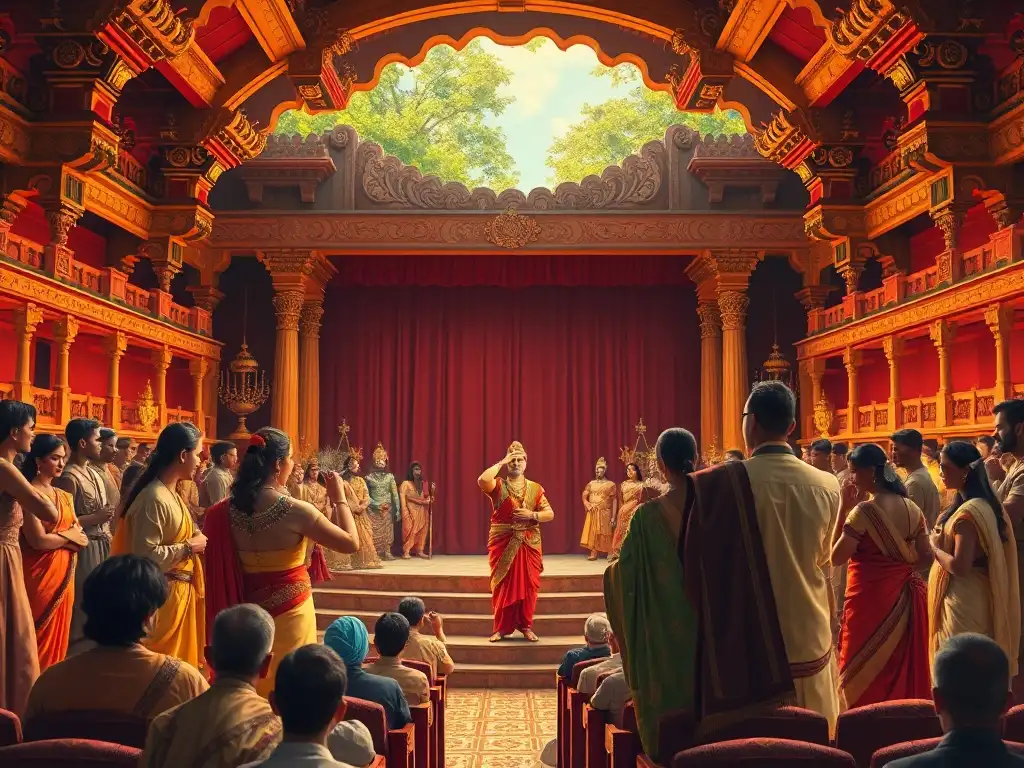
The Role of Religion and Mythology in Theatrical Productions
Ancient Indian theater was deeply intertwined with religion and mythology, serving as a powerful medium to communicate cultural norms and beliefs. Theatrical productions often drew inspiration from sacred texts such as the Vedas, Puranas, and epics like the Mahabharata and Ramayana. These works not only provided the narrative framework but also established moral and ethical standards, allowing audiences to reflect on their societal values.
- Divine Characters: The portrayal of gods and goddesses in theater was crucial. Characters like Rama and Krishna were not merely figures in tales but embodiments of dharma (righteousness). Their actions and decisions served as moral lessons, influencing societal behavior.
- Ritualistic Elements: Many performances incorporated ritualistic elements, such as offerings and prayers, which blurred the line between theater and worship. This integration reinforced the idea that art was a sacred endeavor, aimed at elevating the audience's spiritual consciousness.
- Symbolism and Allegory: The use of allegory in narratives allowed for deeper discussions on societal issues, such as caste dynamics, gender roles, and ethical dilemmas. For instance, the character of Draupadi in the Mahabharata not only represents strength but also highlights issues of dignity and justice in a patriarchal society.
Festivals and Their Influence on Theater Performances
Festivals played a significant role in shaping the theatrical landscape of ancient India. They provided a platform for performances that highlighted cultural values and communal identity.
- Celebratory Themes: Major festivals such as Diwali and Holi inspired theatrical performances that celebrated victory, love, and the triumph of good over evil. These themes resonated deeply with audiences, reinforcing collective cultural identities.
- Community Participation: Festivals encouraged community involvement in theater, with local populations participating in performances that reflected their own experiences and struggles. This grassroots involvement fostered a sense of belonging and shared cultural heritage.
- Seasonal Cycles: Many performances were tied to agricultural cycles, illustrating the relationship between nature and human life. Theatrical events often coincided with harvest festivals, symbolizing gratitude and the cyclical nature of existence.
Theatrical Techniques that Highlight Cultural Norms
Theatrical techniques in ancient Indian theater were designed not only to entertain but also to convey complex social messages.
- Dance and Movement: Dance forms like Bharatanatyam and Kathak were integral to theatrical presentations, using expressive movements to convey emotions and narratives. Each gesture, known as mudra, carried specific meanings, allowing performers to communicate cultural norms and societal expectations.
- Costume and Makeup: The elaborate costumes and makeup used in performances were not mere embellishments; they signified character traits and social status. For example, the use of specific colors or styles could indicate a character's moral alignment or societal role, reinforcing cultural hierarchies.
- Dialogue and Rhetoric: The dialogues in ancient plays were crafted with poetic precision, often employing metaphors and similes that reflected societal values. This rhetorical style not only entertained but also educated audiences on the intricacies of social issues like justice, honor, and duty.
Ancient Indian theater served as a vibrant reflection of cultural norms, using religion, festivals, and innovative theatrical techniques to engage audiences with pressing social issues. The exploration of these themes through performance art not only preserved but also challenged the cultural narratives of the time.
Notable Performances and Their Impact on Society
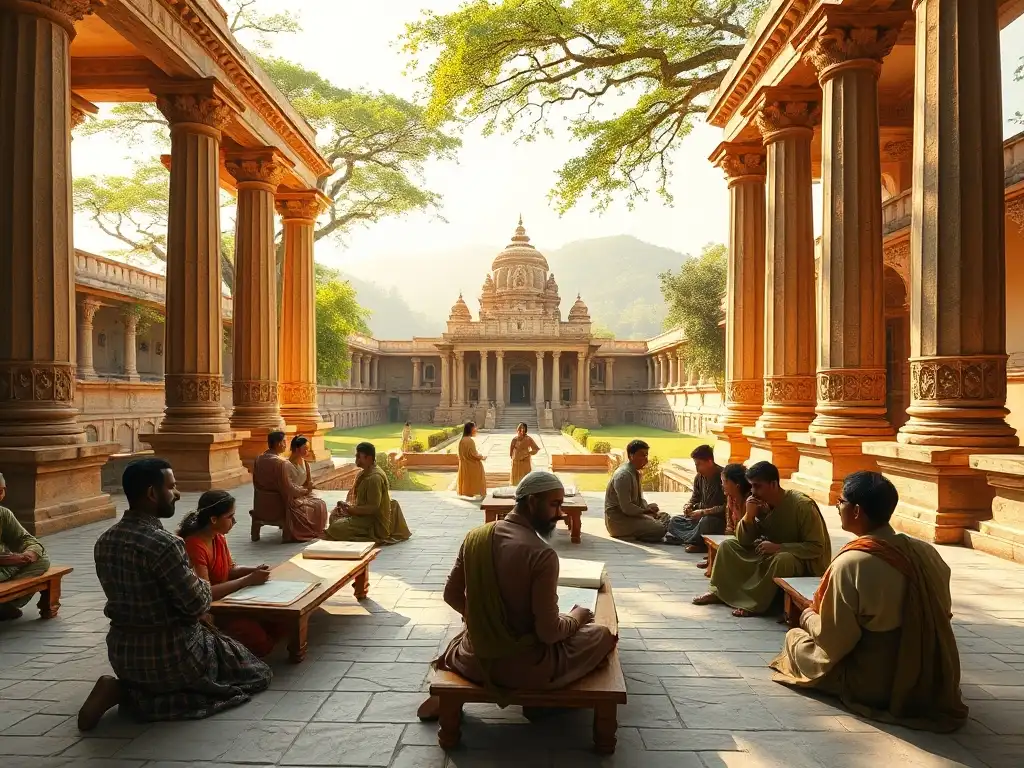
Ancient Indian theater was not merely a form of entertainment; it served as a powerful medium for addressing social issues and reflecting cultural norms. Through various performances, playwrights and actors explored themes of love, justice, morality, and societal roles, often challenging the status quo and prompting critical reflection among audiences.
Case Study: "Shakuntala" by Kalidasa
One of the most celebrated works in ancient Indian theater is "Shakuntala," authored by the renowned playwright Kalidasa in the 5th century CE. This play encapsulates the essence of human emotions while also addressing significant social themes, such as duty, identity, and the complexities of love.
In "Shakuntala," the central narrative revolves around Shakuntala, the daughter of a sage, and her love for King Dushyanta. The story unfolds to reveal the challenges faced by Shakuntala due to societal expectations and her eventual recognition as a rightful queen. Kalidasa's portrayal of Shakuntala not only highlights the importance of personal relationships but also underscores the impact of fate and societal structures on individual lives.
The play's intricate character dynamics and emotional depth prompted audiences to reflect on their own circumstances and relationships. The themes of recognition, alienation, and redemption resonate with universal human experiences, making "Shakuntala" a timeless work that continues to influence contemporary discussions on gender roles and social justice.
The reception of ancient Indian theater was deeply intertwined with societal norms and values. Audiences were not passive consumers of performances; rather, they actively engaged with the narratives presented before them. The themes explored in plays like "Shakuntala" often sparked dialogues among spectators, prompting them to confront prevailing social issues.
- Cultural Reflection: The performances reflected societal values and expectations, allowing audiences to assess their own beliefs and practices. For instance, the treatment of women in society was a recurring theme, as seen in Shakuntala's struggles for identity and recognition.
- Catalyst for Change: As plays delved into pressing social issues, they often acted as catalysts for change. Audiences began to question established norms and advocate for reforms, especially regarding women's status and rights. The interplay between theater and social consciousness contributed to gradual shifts in societal attitudes.
- Community Engagement: Theater performances were communal events, fostering a sense of unity among diverse audiences. This collective experience facilitated discussions about shared values and challenges, ultimately strengthening community ties and encouraging collective action.
Legacy of Performative Arts in Addressing Contemporary Issues
The legacy of ancient Indian theater continues to resonate in modern times. While the themes may have evolved, the core function of theater as a vehicle for social commentary remains intact. Contemporary performances draw inspiration from ancient traditions, utilizing the stage to address current social issues such as inequality, discrimination, and environmental concerns.
- Modern Adaptations: Many contemporary playwrights adapt ancient stories, infusing them with modern relevance. By revisiting classics like "Shakuntala," they highlight ongoing societal challenges, ensuring that the dialogue initiated by ancient performances continues in new forms.
- Theater as Activism: Modern theater often transcends entertainment, becoming a platform for activism. Performances that tackle pressing issues—such as gender equality, caste discrimination, and human rights—reflect the enduring spirit of ancient Indian theater in advocating for social change.
- Cultural Preservation: The emphasis on storytelling and performance in ancient Indian theater also serves as a means of preserving cultural heritage. By engaging with traditional narratives, contemporary artists not only honor their roots but also educate audiences about historical social issues, fostering a deeper understanding of their cultural identity.
Ancient Indian theater was a significant force in addressing social issues and cultural norms. Through notable performances like "Shakuntala," the art form engaged audiences in critical discussions about their society, and its legacy continues to inspire and provoke thought in contemporary theater, reinforcing the timeless connection between performance and social change.
Conclusion: The Lasting Influence of Ancient Indian Theater on Modern Society
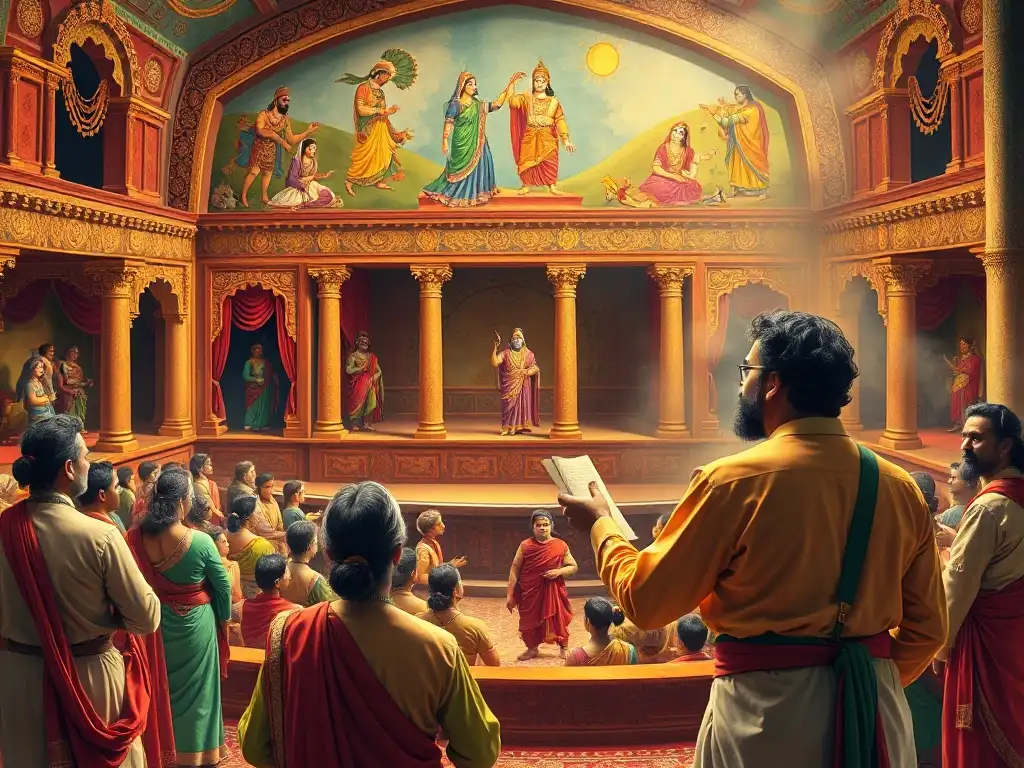
The legacy of ancient Indian theater is profoundly interwoven with the social fabric of its time, addressing a myriad of issues and cultural norms that still resonate today. This artistic form served not only as a medium for entertainment but also as a platform for social commentary, reflecting and shaping the values, beliefs, and challenges of ancient Indian society. The themes explored in ancient Indian theater—such as caste dynamics, gender roles, and moral dilemmas—continue to inspire contemporary playwrights and performers, underscoring the timeless relevance of these narratives.
Modern theater often revisits the themes of ancient Indian performances, reinterpreting them through a contemporary lens to address current social issues. Issues such as:
- Caste Discrimination: Modern plays may draw parallels between the rigid caste hierarchies depicted in ancient texts and today's ongoing struggles against caste-based discrimination.
- Gender Equality: The portrayal of strong female characters in ancient plays, like those found in Natyashastra, can be reflected in contemporary works that advocate for women's rights and gender equality.
- Moral and Ethical Dilemmas: Just as ancient theater presented moral quandaries, today's productions often challenge audiences with ethical issues, prompting reflection on societal values.
By engaging with these themes, modern theater not only honors the tradition of ancient Indian theater but also provokes critical discussions about the societal norms that persist in the present day.
Modern Interpretations of Ancient Indian Theater Themes
The themes of ancient Indian theater are being reimagined in various contemporary formats, including:
- Adaptations of Classical Texts: Many modern playwrights adapt ancient texts, bringing characters like Shakuntala or Rama into the 21st century, exploring their relevance to modern audiences.
- Fusion of Styles: Contemporary performances may blend traditional Indian theatrical forms, such as Kathakali or Kabuki, with modern storytelling techniques to create unique interpretations that speak to today's societal issues.
- Use of Technology: The incorporation of multimedia elements, such as projections and digital soundscapes, enhances the storytelling experience, making ancient themes more accessible to a younger audience.
The examination of social issues and cultural norms through the lens of ancient Indian theater not only enriches our understanding of these historical narratives but also fosters a dialogue about their implications in today’s society. As we continue to explore and reinterpret these themes, ancient Indian theater remains a vital source of inspiration and reflection, proving that the past is indeed a powerful teacher for the present and future.
Suggested Books and Articles on Ancient Indian Theater
Ancient Indian theater serves as a rich tapestry interwoven with the social issues and cultural norms of its time. For readers looking to delve deeper into this fascinating subject, the following books and articles are highly recommended:
- "The Origins of Indian Theatre" by A. N. S. S. R. R. Sharma
- This book provides a comprehensive overview of the emergence of theater in ancient India, exploring its roots and evolution through various historical contexts.
- "The Natyashastra" by Bharata Muni
- Regarded as the foundational text on Indian performing arts, this ancient treatise discusses the principles of drama, music, and dance. Its insights into the portrayal of social norms and issues are vital for understanding the cultural context of ancient Indian theater.
- "Indian Theatre: Tradition and Modernity" by R. S. Sharma
- This work examines the transition and transformation of theater in India, highlighting how ancient traditions have influenced contemporary practices and addressed social issues.
- "Performing Arts in Ancient India" by R. K. Gupta
- This scholarly article investigates various forms of performance arts, including theater, and their role in reflecting and shaping societal values.
- "The Role of Theater in Ancient Indian Society" by Meera S. Rao
- This article discusses how ancient Indian theater acted as a mirror to societal issues, providing commentary on norms, traditions, and social dynamics.
Online Resources and Documentaries on Ancient Indian Theater
The digital age offers a plethora of resources that can enhance understanding of ancient Indian theater and its social implications. Here are some exceptional online resources and documentaries:
- National Digital Library of India
- A treasure trove of texts and manuscripts related to ancient Indian theater, history, and culture. This resource allows for in-depth research and exploration of primary sources.
- YouTube Documentaries: "Theatre Traditions of India"
- A series of documentaries that explore various traditional forms of Indian theater, their origins, and how they address social issues through performances.
- Online Courses on Indian Performing Arts (Coursera, edX)
- Platforms like Coursera and edX offer courses focusing on Indian performing arts, including theater. These courses often cover historical contexts and the impact of theater on society.
- Podcasts: "Voices of Ancient India"
- A podcast series that discusses various aspects of ancient Indian culture, including theater, its evolution, and its commentary on social norms.
- Research Journals: "Indian Journal of Theatre Studies"
- This peer-reviewed journal publishes articles on various aspects of theater in India, including its historical significance and social commentary.
These resources provide a comprehensive foundation for anyone interested in exploring the intricate relationship between ancient Indian theater and the social issues of its time, enriching the understanding of how performance arts have shaped cultural narratives throughout history.
Frequently Asked Questions
What were the main themes addressed in ancient Indian theater?
Ancient Indian theater often focused on social issues such as caste dynamics, gender roles, and moral dilemmas, reflecting the cultural norms of the time.
How did ancient Indian theater influence society?
Ancient Indian theater served as a mirror of society, encouraging audiences to reflect on social injustices and promoting cultural awareness through its narratives.
What role did religious beliefs play in ancient Indian theater?
Religious beliefs were central to ancient Indian theater, often intertwining with mythology and spiritual teachings to address moral and ethical questions faced by society.
Can you name some significant forms of ancient Indian theater?
Significant forms include Natya Shastra, Koodiyattam, and Kathakali, each showcasing unique styles and addressing various social issues within their performances.
How did ancient Indian theater contribute to cultural identity?
Ancient Indian theater helped shape and preserve cultural identity by conveying historical narratives, promoting local traditions, and fostering a sense of community among audiences.
The exploration of ancient Indian theater reveals its profound ability to reflect and challenge societal norms, making it remarkably relevant in today's context. As we navigate a world rife with social issues, the lessons embedded in these theatrical traditions remind us of the power of art as a vehicle for change. The narratives crafted by ancient playwrights not only entertained but also provoked thought and inspired action, demonstrating that theater has always been a mirror to society's conscience.
The influence of ancient Indian theater extends far beyond its historical roots; it continues to shape contemporary discussions around social justice and cultural identity. The themes of caste, gender, and morality that were prevalent in these performances resonate with modern audiences, prompting us to reflect on our own societal structures.
As playwright and director Peter Brook once said, "> The theater is a place where we can confront the issues of our time." This sentiment underscores the importance of revisiting these ancient texts and performances, as they provide a framework for understanding and addressing the complexities of our current social landscape.
As you reflect on the insights gained from ancient Indian theater, consider how you can apply these lessons in your own life. Engage with the arts, challenge societal norms, and use your voice to advocate for change. Whether through participation in local theater, supporting social causes, or simply fostering conversations about the issues that matter, remember that you hold the power to influence your community. Let the legacy of ancient Indian theater inspire you to be an agent of change in today's world.
Awaken Cultural Conversations Today!
Thank you for diving into the rich tapestry of ancient Indian theater and how it bravely tackled social issues and cultural norms. Your curiosity is the first step toward meaningful change in understanding our past! Now, let's turn that inspiration into action.
- Immerse yourself in the world of ancient drama: Read a classic play or watch a performance to see how these themes resonate in contemporary society.
- Share your insights: Discuss what you've learned with friends or on social media platforms. Your voice is vital in raising awareness about these important issues!
- Explore local theater: Attend a performance that addresses social issues. Support the arts that provoke thought and encourage dialogue.
Which modern social issue do you think would benefit from the powerful storytelling of theater? We invite you to share your thoughts in the comments!