
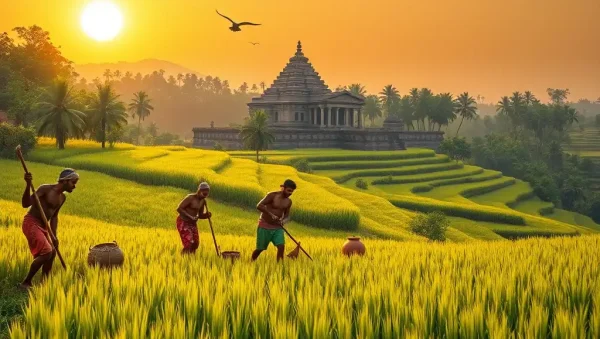
Crop Cultivation and Harvesting Techniques
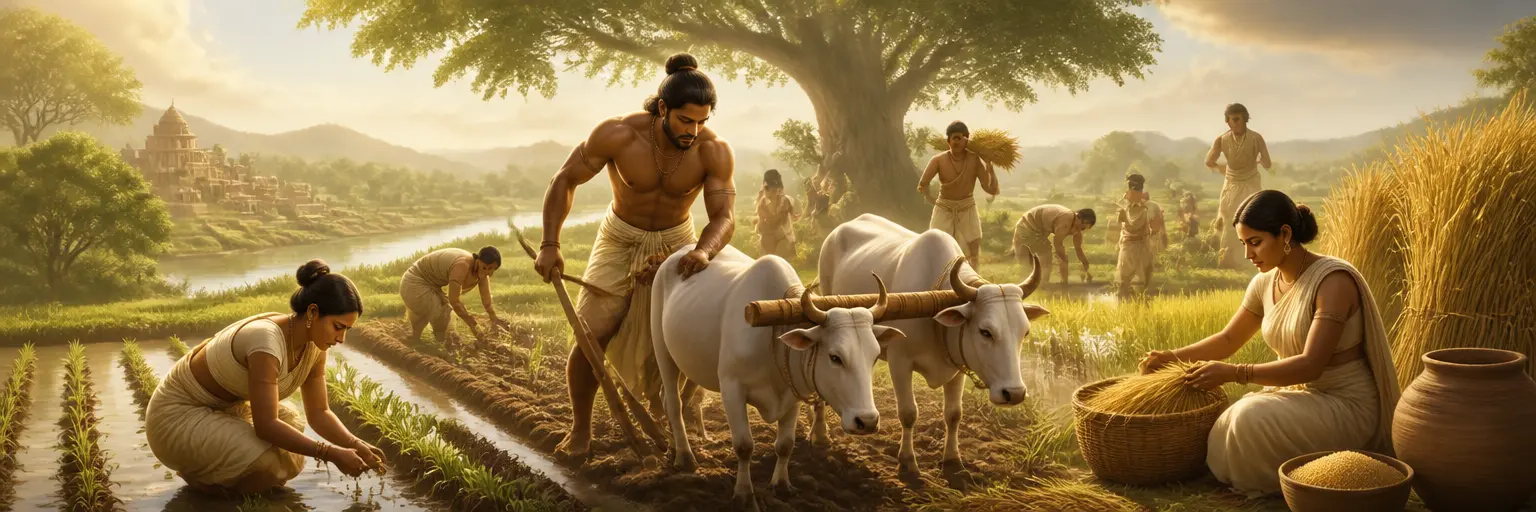
Crop Cultivation and Harvesting Techniques
40 articles in this topic
Start here
- Crop Cultivation and Harvesting TechniquesThe Importance of Seasonal Cycles in Crop Cultivation in Ancient India
- Crop Cultivation and Harvesting TechniquesUnderstanding the Ingenious Crop Cultivation Techniques of Ancient India
- Crop Cultivation and Harvesting TechniquesTechniques of Crop Preservation in Ancient Indian Civilizations
Read more about this topic
Explore how ancient Indian farmers transformed agriculture through crop cultivation and harvesting techniques 🌾. Discover traditional methods, seasonal farming practices, irrigation systems, ploughing tools, seed selection, and harvest customs that supported thriving communities from the Indus Valley to the Gupta Empire. Learn how indigenous agricultural knowledge shaped India’s economy, food systems, and enduring rural heritage.
More in Crop Cultivation and Harvesting Techniques
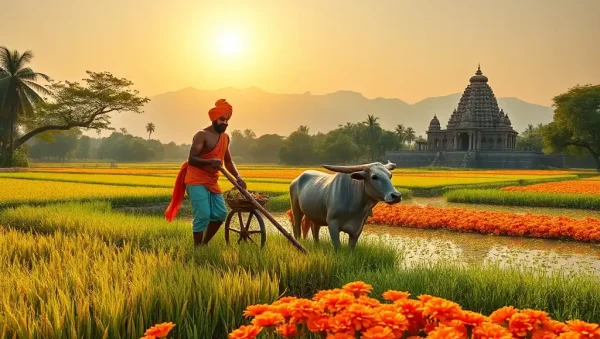
Crop Cultivation and Harvesting Techniques
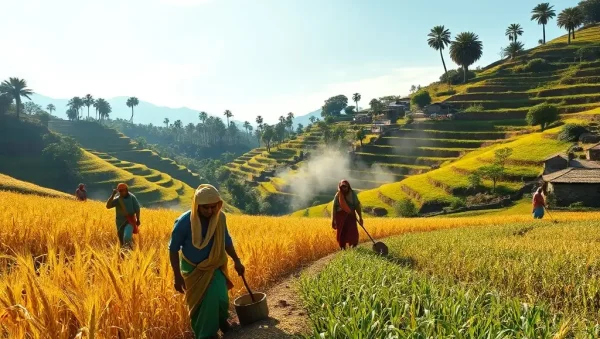
Ancient Indian Agriculture: The Intersection of Science and Spirituality
Crop Cultivation and Harvesting Techniques
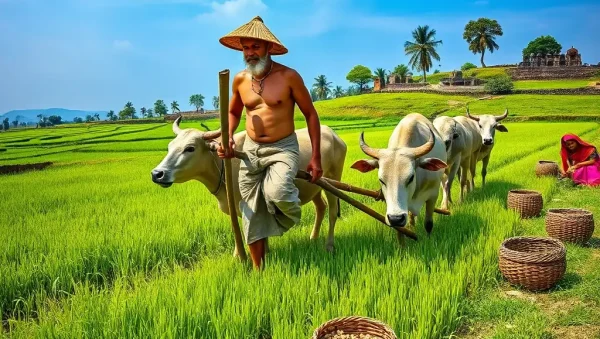
The Diverse Crops of Ancient India: Beyond Rice and Wheat
Crop Cultivation and Harvesting Techniques
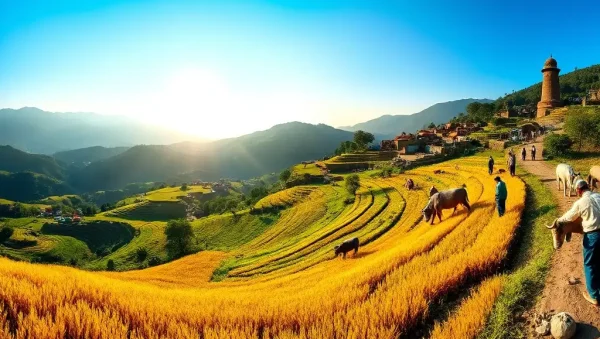
Ancient Indian Farming Methods: A Blend of Tradition and Innovation
Crop Cultivation and Harvesting Techniques
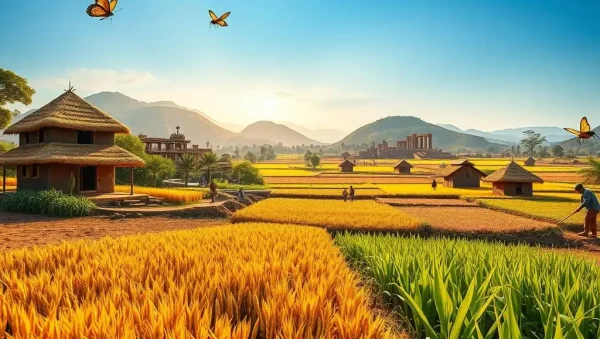
The Evolution of Agricultural Practices from the Indus Valley to the Maurya Empire
Crop Cultivation and Harvesting Techniques
The Genetic Diversity of Crops in Ancient India: A Historical Perspective
Crop Cultivation and Harvesting Techniques
The Impact of Religion on Crop Cultivation and Harvesting in Ancient India
Crop Cultivation and Harvesting Techniques
Agricultural Trade: How Ancient India Became a Hub for Crop Exchange
Crop Cultivation and Harvesting Techniques
The Legacy of Ancient Indian Agricultural Texts: Wisdom Through the Ages
🌾 Crop Cultivation and Harvesting Techniques in Ancient India
Explore how ancient Indian farmers cultivated, managed, and harvested crops across the Indus Valley, Vedic settlements, Mauryan territories, and Gupta-era kingdoms. This subcategory examines ancient Indian agriculture, traditional farming tools, irrigation systems, seasonal crop cycles, soil management, and harvest practices that supported the growth of communities and economies. Discover how knowledge of monsoons, river systems, land preparation, seed selection, and labor organization helped shape the agricultural foundations of early Indian civilization.
🌱 Ancient Indian Farming Methods and Crop Cultivation
Learn how farmers prepared fields, selected seeds, used animal-drawn ploughs, and adapted cultivation methods to regional environments. Articles in this section explore the cultivation of wheat, barley, rice, pulses, sesame, cotton, sugarcane, and other important crops associated with ancient India. Crop cultivation was closely connected to climate, soil fertility, seasonal rainfall, and access to water, making farming knowledge essential to the survival and expansion of early settlements.
Readers can discover how agricultural practices varied between the fertile plains of the Indus and Ganges rivers, the Deccan Plateau, and other ecological regions. Topics may include shifting cultivation, dry farming, wet-rice agriculture, mixed cropping, crop rotation, and the use of organic materials to maintain productive land. These techniques reveal the practical knowledge and environmental awareness of ancient Indian farming communities.
💧 Irrigation Systems and Water Management
Water management played a central role in ancient Indian agriculture. This section explores wells, reservoirs, canals, tanks, embankments, river channels, and rainwater collection systems used to support crop production during dry periods. Irrigation technology helped farmers reduce dependence on unpredictable monsoon rainfall and made it possible to cultivate land in diverse regions.
Discover the relationship between agriculture and major rivers such as the Indus, Ganges, Yamuna, Narmada, and Godavari. Articles also examine how local communities, rulers, and administrative institutions organized the construction and maintenance of water infrastructure. These systems demonstrate the importance of irrigation in agricultural productivity, settlement growth, taxation, and the ancient Indian economy.
🌦️ Monsoons, Seasons, and Agricultural Calendars
Ancient Indian farmers relied on detailed observations of seasonal weather, rainfall patterns, river levels, winds, and changing temperatures. This section explains how the Indian monsoon shaped sowing, transplanting, irrigation, weeding, and harvesting schedules. Readers can learn about the relationship between agricultural seasons and the cultivation of both rain-fed and irrigated crops.
Explore how traditional agricultural calendars helped communities organize labor and plan the production of staple foods. The study of seasonal farming also provides insight into how ancient Indians responded to droughts, floods, delayed rainfall, and variations in climate. Such knowledge was fundamental to food security and the economic stability of early kingdoms.
🪓 Farming Tools and Agricultural Technology
Ancient Indian agriculture depended on a range of tools designed for ploughing, sowing, cutting, threshing, winnowing, and transporting crops. This section covers wooden ploughs, iron implements, sickles, hoes, digging sticks, carts, storage vessels, and other agricultural equipment. The development and wider use of iron tools improved land clearance and cultivation in several regions, especially as farming expanded into forested areas.
Readers can examine archaeological discoveries, literary references, inscriptions, and artistic representations that reveal how agricultural technology evolved. These sources help explain how tools increased efficiency, supported larger harvests, and influenced the organization of rural labor. The subcategory also highlights the contribution of draft animals, especially oxen, to ploughing and transportation.
🌾 Harvesting, Threshing, and Grain Processing
Harvesting was a vital stage in the ancient Indian agricultural cycle. Learn how farmers identified crop maturity, cut plants with sickles, gathered sheaves, dried grain, and separated seeds from stalks. Techniques such as threshing by hand, animal trampling, and winnowing helped prepare wheat, barley, rice, pulses, and oilseeds for storage and consumption.
This section also explores post-harvest practices, including drying, milling, husking, grinding, and the preservation of surplus grain. Efficient harvesting and grain processing reduced food loss and strengthened household and state economies. These practices supported trade, taxation, temple institutions, urban populations, and the provisioning of armies.
🏺 Grain Storage and Food Security
Safe storage was essential because agricultural production was seasonal while food consumption continued throughout the year. Articles in this section examine granaries, storage jars, underground pits, raised platforms, and other methods used to protect grain from moisture, pests, rodents, and spoilage. Archaeological evidence from ancient settlements offers valuable information about the organization of food storage.
Readers can explore how stored grain contributed to food security, famine management, taxation, and political authority. Large storage facilities may indicate centralized administration, while household storage reflects local farming practices. The study of grain preservation also reveals how agricultural surplus enabled the growth of towns, craft production, long-distance trade, and complex social institutions.
🐂 Livestock, Ploughing, and Mixed Farming
Livestock formed an important part of ancient Indian farming systems. Cattle, oxen, buffaloes, sheep, goats, and other animals provided traction, manure, milk, meat, wool, leather, and transportation. This section explains how animal husbandry was combined with crop cultivation to create productive and sustainable rural economies.
Discover how cattle-drawn ploughs helped prepare fields and how animal manure improved soil fertility. Mixed farming reduced risks and allowed communities to benefit from both crops and livestock. Literary, archaeological, and inscriptional sources also reveal the economic, religious, and cultural importance of cattle in ancient Indian society.
🏛️ Agriculture, Land Revenue, and the Ancient Indian Economy
Agriculture was the economic foundation of many ancient Indian states. This section examines land ownership, cultivation rights, agricultural taxes, rent, labor obligations, and the relationship between farmers and rulers. Topics may include references to farming administration in the Arthashastra, land grants, village organization, and revenue systems associated with the Mauryan and Gupta periods.
Readers can understand how agricultural surplus financed government administration, armies, religious institutions, urban development, and public works. Crop production influenced political power, trade networks, social hierarchy, and the expansion of ancient kingdoms. Studying farming therefore provides a broader understanding of the relationship between agriculture and economy in ancient Indian history.
📜 Historical Sources and Archaeological Evidence
Knowledge of ancient Indian crop cultivation and harvesting comes from many types of evidence. Archaeobotanical remains, carbonized seeds, agricultural tools, irrigation structures, granaries, inscriptions, coins, sculptures, and literary works all help reconstruct early farming practices. This section introduces the methods historians and archaeologists use to interpret evidence about crops and rural life.
Explore how sources from the Indus Valley Civilization, Vedic literature, Buddhist and Jain traditions, Sanskrit texts, Tamil Sangam writings, and later historical records contribute to the study of agriculture. Comparing archaeological findings with textual evidence creates a more complete picture of ancient Indian farming, while also showing the regional diversity and gradual development of cultivation techniques.
❓ Frequently Asked Questions About Ancient Indian Crop Cultivation
What crops were commonly cultivated in ancient India?
Ancient Indian farmers cultivated wheat, barley, rice, millet, pulses, sesame, mustard, cotton, sugarcane, and various fruits and vegetables. The selection of crops depended on regional climate, soil, irrigation availability, and seasonal rainfall. Rice was especially important in wetter regions, while wheat, barley, and millets were widely grown in areas with different moisture conditions.
How did irrigation support agriculture in ancient India?
Irrigation systems such as wells, canals, reservoirs, tanks, embankments, and river channels supplied water beyond the monsoon season. These technologies helped farmers cultivate more reliably, expand agricultural land, and reduce the effects of drought. Water management also supported the growth of settlements, towns, and state-controlled agricultural economies.
Which tools did ancient Indian farmers use?
Common tools included wooden and iron ploughs, sickles, hoes, digging implements, threshing equipment, winnowing baskets, carts, and storage containers. Oxen and other draft animals were frequently used for ploughing and transportation. The increasing use of iron tools improved the ability to clear land and prepare larger fields in several historical periods.
How were crops harvested and stored in ancient India?
Farmers generally cut mature crops, gathered them into bundles, dried them, and separated grain from stalks through threshing and winnowing. Grain was then stored in household containers, pits, raised structures, or larger granaries. Proper drying and storage helped protect food from insects, rodents, dampness, and spoilage.
Why was agriculture important to the ancient Indian economy?
Agriculture provided food, raw materials, employment, taxation revenue, and trade goods. Surplus crops supported urban populations, craft specialists, religious institutions, state administration, and armies. As a result, crop cultivation and harvesting were closely connected to the development of social organization, political authority, and economic growth in ancient India.