
Opportunities in Indian Handicrafts and Artisanal Products
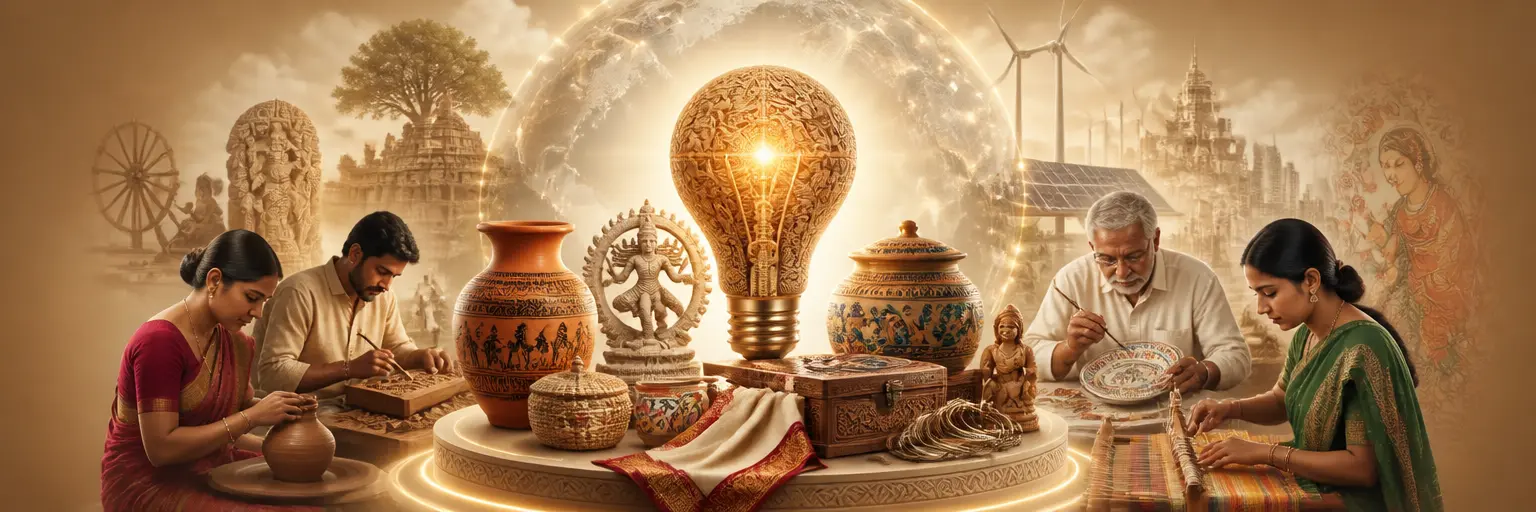

Opportunities in Indian Handicrafts and Artisanal Products
30 articles in this topic
Start here
- Opportunities in Indian Handicrafts and Artisanal ProductsEmpowering Artisans: Why Investing in Indian Handicrafts Matters
- Opportunities in Indian Handicrafts and Artisanal ProductsExploring Fair Trade: Ethical Investment Opportunities in Indian Handicrafts
- Opportunities in Indian Handicrafts and Artisanal ProductsHandcrafted Wealth: Exploring the Financial Benefits of Indian Artisanal Goods
Read more about this topic
Discover promising business and investment opportunities in Indian handicrafts and artisanal products, where timeless craftsmanship meets modern markets. Explore traditional textiles, pottery, jewelry, woodwork, metal crafts, and regional art while learning about ethical sourcing, cultural preservation, export potential, e-commerce, and sustainable entrepreneurship. 🪔 Support skilled artisans, celebrate India’s heritage, and uncover profitable ways to connect authentic handmade products with customers worldwide.
More in Opportunities in Indian Handicrafts and Artisanal Products
Opportunities in Indian Handicrafts and Artisanal Products
Niche Markets in Indian Handicrafts: Finding Your Place in a Growing Industry
Opportunities in Indian Handicrafts and Artisanal Products
Government Initiatives Supporting Indian Handicrafts: What Investors Need to Know
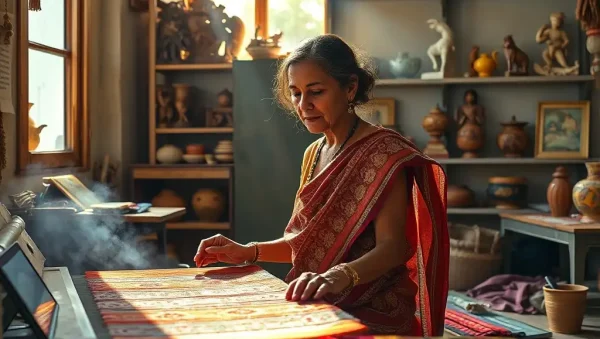
Opportunities in Indian Handicrafts and Artisanal Products
Bridging Tradition and Innovation: Investing in India's Handicraft Revolution
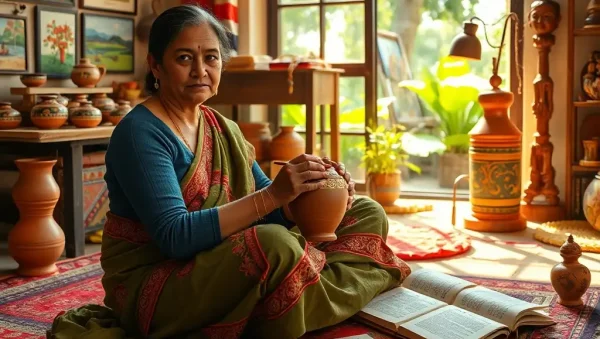
Opportunities in Indian Handicrafts and Artisanal Products
The Art of Storytelling: Enhancing the Value of Indian Handicrafts Through Branding
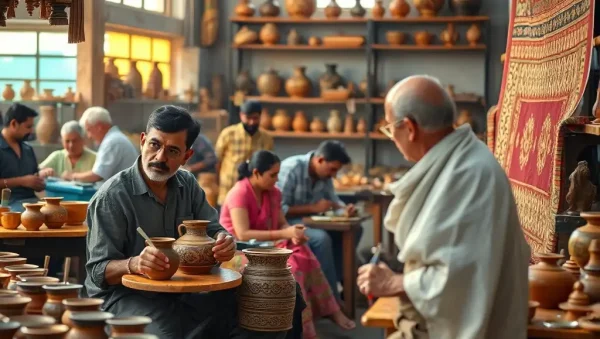
Opportunities in Indian Handicrafts and Artisanal Products
Crafting a Global Identity: The Future of Indian Handicrafts in the World Market
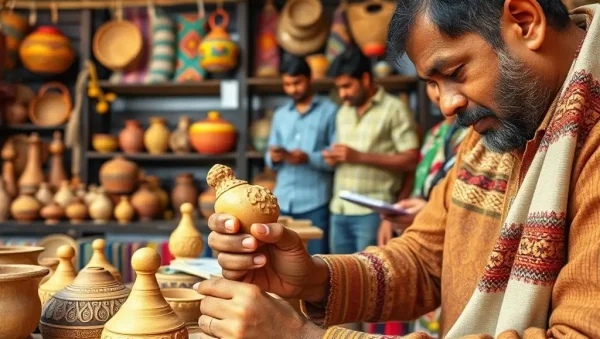
Opportunities in Indian Handicrafts and Artisanal Products
The Future of Craft: Opportunities in India's Handicraft Sector for Savvy Investors
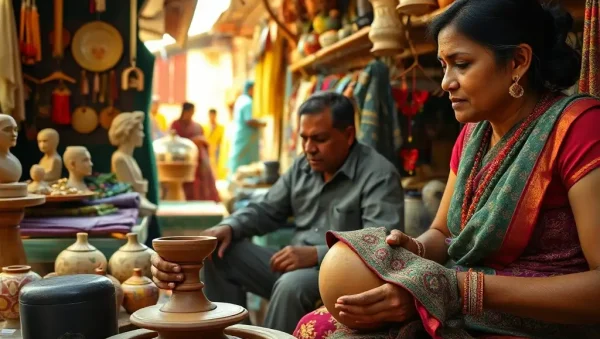
Opportunities in Indian Handicrafts and Artisanal Products
Why Collaborating with Local Artisans is Key to Your Handicraft Business Success
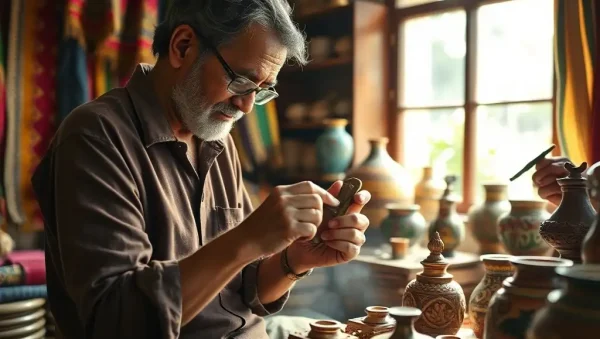
Opportunities in Indian Handicrafts and Artisanal Products
Unveiling the Hidden Treasures: How to Invest in Indian Handicrafts and Artisanal Products
🪔 Opportunities in Indian Handicrafts and Artisanal Products
Discover the business and investment opportunities in Indian handicrafts and artisanal products, an industry shaped by centuries of creativity, cultural exchange, and traditional craftsmanship. This subcategory explores how ancient Indian art forms, indigenous materials, regional skills, and heritage techniques continue to influence modern entrepreneurship, ethical trade, e-commerce, tourism, and global markets. Readers can learn how to identify profitable craft sectors, support artisan communities, build sustainable brands, and connect India’s historic artistic legacy with contemporary consumer demand.
🎨 Understanding India’s Traditional Handicraft Industry
India’s handicraft industry includes textiles, pottery, metalwork, wood carving, stone carving, jewelry, paintings, basketry, leatherwork, embroidery, and decorative objects. Many of these crafts have roots in ancient Indian civilizations, including the Indus Valley tradition, classical temple cultures, Buddhist artistic networks, and the craft centers that flourished under the Maurya, Satavahana, Chola, and Gupta periods.
This section explains how traditional skills become commercial products and how regional identity adds value to handmade goods. Readers can expect insights into artisan clusters, geographical specialties, cultural storytelling, product quality, supply chains, and the role of heritage preservation in creating a strong Indian handicrafts business.
💼 Business Ideas in Indian Handicrafts
Indian handicrafts offer numerous opportunities for entrepreneurs, including online craft stores, wholesale distribution, private-label products, interior décor brands, handmade fashion, corporate gifting, export businesses, and curated cultural marketplaces. Entrepreneurs can also develop niche product lines featuring heritage-inspired home décor, sustainable accessories, traditional textiles, and contemporary interpretations of ancient designs.
Readers will learn how to evaluate market demand, choose a profitable handicraft niche, develop a recognizable brand, and create products for domestic and international customers. Successful businesses often combine artisan expertise with modern packaging, professional photography, digital marketing, reliable delivery, and transparent sourcing.
🌿 Sustainable and Ethical Handicraft Investment
Sustainability is increasingly important in the Indian artisanal products market. Buyers are looking for natural materials, low-waste production, handmade goods, recycled resources, plant-based dyes, and products created through environmentally responsible methods. Investment in this sector can support ethical handicraft production while responding to growing demand for conscious consumption.
This section examines fair wages, artisan ownership, responsible sourcing, community-based enterprises, and environmentally friendly manufacturing. Readers can explore how ethical certification, traceability, sustainable packaging, and direct-to-consumer sales can improve customer trust while preserving traditional knowledge and rural livelihoods.
🛍️ E-Commerce and Digital Marketing for Artisans
Online marketplaces have transformed how Indian handicrafts reach customers. Artisans and small businesses can sell through dedicated websites, social media shops, craft platforms, online exhibitions, and international marketplaces. A well-designed digital presence can introduce Indian handmade products to customers searching for authentic décor, cultural gifts, traditional clothing, and unique artistic creations.
Readers can expect practical information about product descriptions, search engine optimization, visual branding, social media promotion, influencer partnerships, email marketing, and customer reviews. High-quality images, compelling stories about the maker, accurate product details, and secure payment options are essential for building a successful online handicraft business.
🌍 Export and Global Market Opportunities
International demand for Indian textiles, sculptures, jewelry, pottery, paintings, rugs, baskets, and wooden crafts creates opportunities for exporters and global retailers. Indian artisanal products appeal to consumers who value cultural authenticity, handmade quality, craftsmanship, and distinctive design. Businesses can serve overseas markets through export agencies, trade fairs, international e-commerce, and partnerships with ethical retailers.
This section covers market research, international customer preferences, packaging requirements, customs documentation, shipping considerations, product safety, and currency management. Readers will also learn why adapting product sizes, designs, materials, and presentation to different markets can help Indian handicraft brands compete internationally without losing their cultural identity.
🏛️ Heritage, Tourism, and Cultural Entrepreneurship
India’s historic monuments, museums, temples, archaeological sites, and cultural festivals create strong connections between handicrafts and tourism. Visitors often seek authentic souvenirs, locally made products, artisan demonstrations, craft workshops, and cultural experiences. This creates opportunities for heritage tourism businesses, museum shops, craft villages, guided experiences, and destination-based retail.
Entrepreneurs can build businesses that connect ancient Indian history with contemporary craft products. Story-led merchandising, interactive workshops, traditional design demonstrations, and collaborations with historians or cultural institutions can enhance visitor engagement while generating income for artisan communities.
📈 Investment Planning and Market Research
Investing in Indian handicrafts requires careful analysis of materials, labor, inventory, seasonal demand, transportation, pricing, customer segments, and competition. A well-researched business plan should identify the target market, product category, sales channel, sourcing model, operating costs, and expected return on investment.
Readers can explore ways to assess handicraft ventures, including artisan cooperatives, social enterprises, online brands, export companies, craft-tech platforms, and sustainable lifestyle businesses. Market research and financial planning help investors reduce risk, recognize emerging trends, and support enterprises with long-term growth potential.
❓ Frequently Asked Questions About Indian Handicraft Opportunities
🧵 What are the most profitable Indian handicraft products?
Popular opportunities include handmade textiles, carpets, jewelry, pottery, wooden décor, metal crafts, paintings, baskets, embroidered accessories, wellness products, and traditional clothing. Profitability depends on quality, uniqueness, sourcing costs, branding, target customers, and sales channels.
💰 Is investing in Indian handicrafts a good business opportunity?
Indian handicrafts can be a promising investment because they combine cultural value with demand for handmade, sustainable, and authentic products. However, investors should study supply chains, artisan capacity, product consistency, pricing, logistics, and consumer demand before committing capital.
🌐 How can artisans sell Indian handicrafts online?
Artisans can sell through their own websites, social media platforms, online marketplaces, digital exhibitions, and partnerships with retailers. Strong product photography, clear descriptions, search-friendly keywords, secure payments, reliable shipping, and an authentic artisan story can improve online sales.
🌿 How can handicraft businesses support sustainability?
Businesses can use responsibly sourced materials, natural dyes, recycled resources, low-waste methods, reusable packaging, and fair payment systems. Working directly with artisan communities and explaining the product’s origin can promote both environmental responsibility and ethical commerce.
🏺 How are ancient Indian traditions connected to modern handicraft businesses?
Many modern Indian crafts preserve techniques, motifs, materials, and artistic principles developed by earlier civilizations and regional kingdoms. Businesses can create contemporary products inspired by this heritage while respecting cultural knowledge, acknowledging artisan communities, and presenting historical context accurately.