

Exporting Indian Goods: Tips and Guidelines


Exporting Indian Goods: Tips and Guidelines
28 articles in this topic
Start here
- Exporting Indian Goods: Tips and GuidelinesExporting Textiles from India: Tips to Ensure Quality and Compliance
- Exporting Indian Goods: Tips and GuidelinesBest Practices for Packaging and Shipping Indian Goods for Export
- Exporting Indian Goods: Tips and GuidelinesHow to Leverage Social Media for Exporting Indian Goods: Tips for Visibility
Read more about this topic
Discover practical guidance for exporting Indian goods with insights into documentation, customs compliance, packaging, international shipping, market research, and buyer requirements. 🌏 Whether you’re promoting traditional handicrafts, textiles, spices, jewelry, or other India-made products, learn essential export tips and guidelines to reduce risks, meet global standards, and build a successful international trade business rooted in India’s rich heritage. 📦✨
More in Exporting Indian Goods: Tips and Guidelines

Exporting Indian Goods: Tips and Guidelines
Understanding the Export Documentation Process for Indian Goods: A Beginner’s Guide

Exporting Indian Goods: Tips and Guidelines
Exporting Ayurvedic Products: Opportunities and Challenges in Global Markets

Exporting Indian Goods: Tips and Guidelines
The Future of Indian Exports: Trends and Predictions for Global Markets
Exporting Indian Goods: Tips and Guidelines
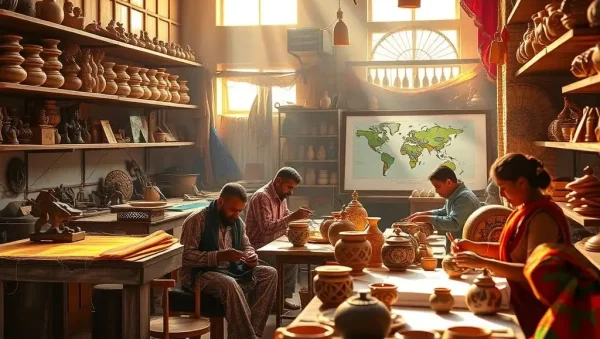
The Ultimate Guide to Exporting Handicrafts from India: A StepbyStep Approach

Exporting Indian Goods: Tips and Guidelines
The Importance of Networking in the Export Business: Connecting with International Buyers

Exporting Indian Goods: Tips and Guidelines
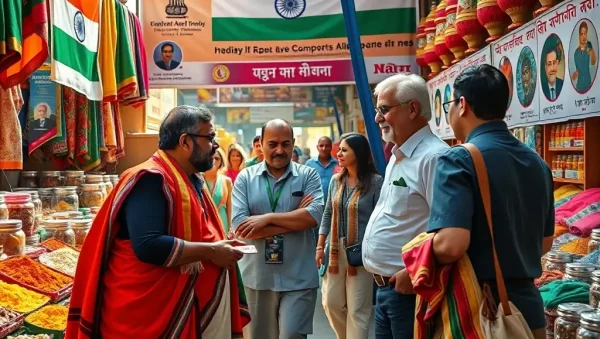
From India to the World: Strategies for Marketing Your Exported Goods
Exporting Indian Goods: Tips and Guidelines
How to Utilize Government Schemes for Exporting Indian Goods
Exporting Indian Goods: Tips and Guidelines
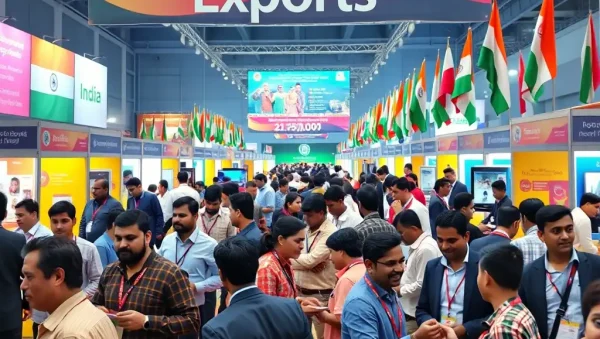
The Role of Trade Shows in Boosting Indian Exports: How to Make the Most of Them
🌍 Exporting Indian Goods: Tips and Guidelines
Exporting Indian goods connects the country’s rich heritage, skilled craftsmanship, agricultural resources, and modern manufacturing industries with customers around the world. This subcategory provides practical guidance on how to export products from India, including business planning, product selection, documentation, customs procedures, international shipping, pricing, and overseas marketing. Readers can discover how traditional Indian products—from textiles and handicrafts to spices, Ayurveda-inspired goods, jewelry, and cultural items—can reach global markets while preserving their historical identity and cultural value.
📦 Choosing Profitable Indian Products for Export
Successful international trade begins with selecting products that have strong demand, reliable quality, and clear cultural or commercial value. Explore opportunities involving Indian handicrafts, handloom textiles, spices, tea, coffee, jewelry, leather products, natural goods, wellness items, and traditional art. Articles in this section explain how to research international demand, study competitors, identify target markets, and evaluate whether a product is suitable for export.
Readers will also learn how product quality, packaging, shelf life, certification, seasonality, and shipping costs influence profitability. Special attention is given to authentic heritage products connected with India’s ancient civilizations and artistic traditions, helping exporters present cultural goods responsibly while meeting the expectations of modern international buyers.
📝 Export Registration, Licenses, and Documentation
Exporting from India requires accurate paperwork and compliance with national and international regulations. This section explains important steps such as establishing a business, obtaining an Importer Exporter Code, registering with relevant trade authorities, preparing commercial invoices, packing lists, certificates of origin, shipping bills, and transport documents. Clear documentation helps reduce delays and supports smooth customs clearance.
Guides also cover the importance of understanding product-specific rules, including food safety requirements, labeling standards, plant and animal regulations, intellectual property protection, and destination-country restrictions. Proper export documentation is essential for avoiding penalties, rejected shipments, and unexpected costs.
🚢 International Shipping, Packaging, and Customs
International logistics can determine whether an export business remains profitable. Learn how to compare air freight, sea freight, courier services, and multimodal transport according to product value, delivery speed, weight, volume, and destination. Practical advice covers export packaging, moisture protection, fragile-item handling, barcode labeling, container planning, insurance, and shipment tracking.
This subcategory also explains customs procedures and common international trade terms, including Incoterms, freight charges, duties, taxes, and delivery responsibilities. Readers can better understand how to work with freight forwarders, customs brokers, shipping companies, and logistics partners while protecting goods throughout the export journey.
💰 Pricing, Payments, and Export Finance
Setting the right export price requires more than adding manufacturing costs. Articles explore how to calculate production expenses, packaging, inland transportation, freight, insurance, customs duties, currency conversion, marketplace fees, taxes, and profit margins. Exporters can learn how to create competitive quotations without undervaluing Indian craftsmanship or compromising product quality.
Guidance on international payments includes advance payment, bank transfers, letters of credit, documentary collections, and secure digital payment methods. Managing foreign exchange risk, payment fraud, delayed receipts, and buyer creditworthiness is vital for building a stable export business and maintaining healthy cash flow.
🌐 Finding International Buyers and Growing Export Markets
Reaching overseas customers requires a focused marketing strategy and a clear understanding of local preferences. Discover methods for finding importers, wholesalers, distributors, retailers, hospitality businesses, cultural organizations, and online customers. Topics include international trade fairs, B2B marketplaces, export promotion events, social media marketing, email outreach, search engine optimization, and professional product catalogs.
Readers will learn how to communicate the authenticity and history of Indian products through persuasive storytelling. Linking a product to India’s ancient heritage, regional traditions, sustainable materials, or artisan communities can create meaningful brand value. Strong product photography, transparent descriptions, reliable communication, and consistent service help build long-term international buyer relationships.
✅ Quality Control, Compliance, and Ethical Exporting
Global customers expect consistent quality, safe products, accurate specifications, and dependable delivery. This section discusses quality inspection, batch testing, product standards, labeling, traceability, and customer feedback. Exporters can learn how to create checklists and quality-control systems that reduce returns, complaints, and reputational damage.
Ethical exporting is equally important when dealing with traditional crafts, historical designs, natural resources, and artisan-made products. Helpful guidance addresses fair payment, sustainable sourcing, environmentally responsible packaging, cultural respect, and protection against counterfeit goods. Responsible trade strengthens India’s global reputation and supports the communities that preserve its cultural traditions.
❓ Frequently Asked Questions About Exporting Indian Goods
What are the best Indian products to export?
Popular export categories include textiles, spices, tea, coffee, handicrafts, jewelry, leather goods, home décor, natural products, wellness items, and traditional artwork. The best product depends on international demand, quality, legal requirements, shipping costs, competition, and your ability to maintain consistent supply.
Do I need an Importer Exporter Code to export from India?
In most commercial export transactions, an Importer Exporter Code is required. Exporters should also verify product-specific registrations, licenses, tax requirements, industry approvals, and destination-country regulations before accepting international orders.
How can I find buyers for Indian products overseas?
You can find buyers through B2B marketplaces, trade fairs, export councils, business directories, distributors, international exhibitions, social media, email marketing, and an SEO-friendly website. A professional catalog with prices, minimum order quantities, certifications, shipping terms, and product photographs improves buyer confidence.
What documents are commonly required for Indian exports?
Common documents may include a commercial invoice, packing list, shipping bill, bill of lading or airway bill, certificate of origin, insurance documents, purchase order, and product-specific certificates. Requirements vary by product and destination, so exporters should confirm details with customs authorities, freight forwarders, and trade specialists.
How can I reduce risks when exporting Indian goods?
Reduce risk by checking overseas buyers, using written contracts, selecting secure payment terms, purchasing cargo insurance, following packaging standards, maintaining quality records, and working with experienced logistics and customs professionals. Staying informed about exchange rates, tariffs, import restrictions, and international trade regulations also supports safer exporting.