
Understanding the Global Market for Indian Artifacts
Understanding the Global Market for Indian Artifacts
19 articles in this topic
Start here
- Understanding the Global Market for Indian ArtifactsThe Role of Technology: How Online Platforms Are Revolutionizing the Market for Indian Artifacts
- Understanding the Global Market for Indian ArtifactsCultural Significance and Economic Value: Indian Artifacts in the Global Marketplace
- Understanding the Global Market for Indian ArtifactsDiscovering Hidden Treasures: The Rise of Indian Artifacts in Global Auctions
Read more about this topic
Explore the global market for Indian artifacts and discover how history, craftsmanship, and cultural heritage influence their value worldwide. From ancient sculptures and coins to manuscripts, textiles, and archaeological collectibles, gain insights into Indian art investment, international demand, market trends, authenticity, ethical collecting, and preservation. 🏺📈 Whether you are a collector, investor, researcher, or history enthusiast, understand the opportunities and responsibilities involved in trading authentic Indian artifacts while honoring the legacy of ancient India.
More in Understanding the Global Market for Indian Artifacts
Understanding the Global Market for Indian Artifacts
The Future of Indian Artifacts: Trends Driving Their Global Market Value
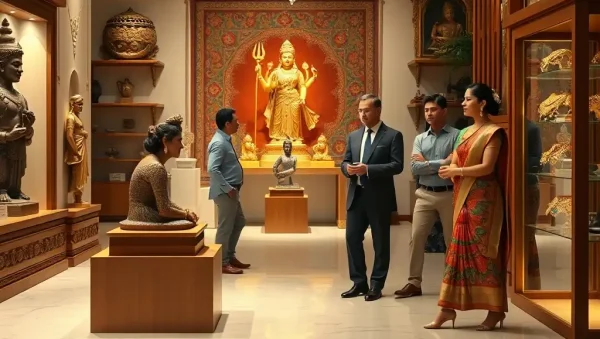
Understanding the Global Market for Indian Artifacts
Global Trends in Indian Artifacts: What Investors Need to Know
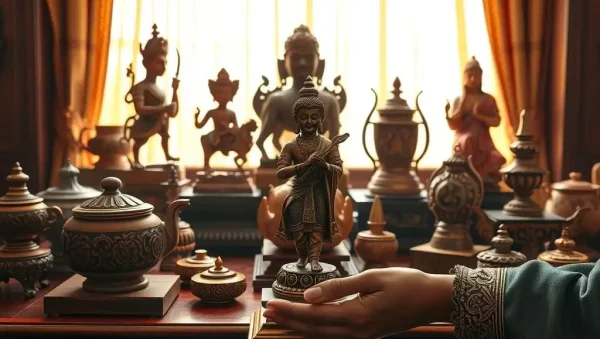
Understanding the Global Market for Indian Artifacts
Understanding the Global Demand: Why Indian Artifacts Are the New Investment Goldmine
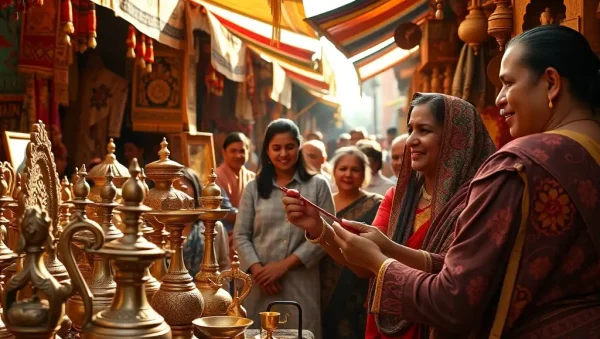
Understanding the Global Market for Indian Artifacts
Global Appeal: Why Indian Artifacts Attract Buyers Worldwide
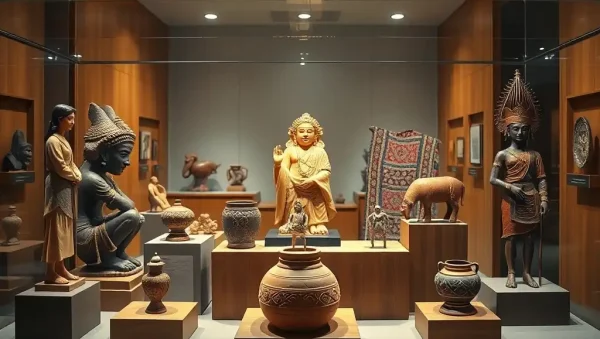
Understanding the Global Market for Indian Artifacts
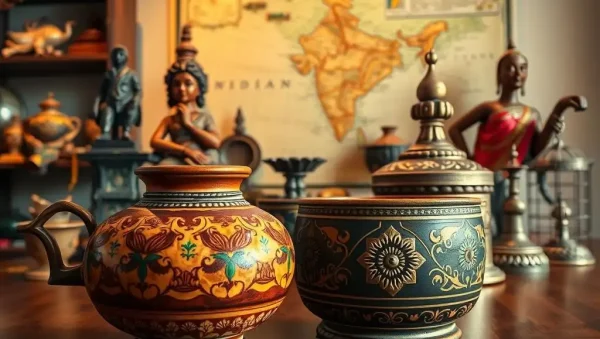
The Collector’s Guide: What to Know Before Investing in Indian Artifacts
Understanding the Global Market for Indian Artifacts
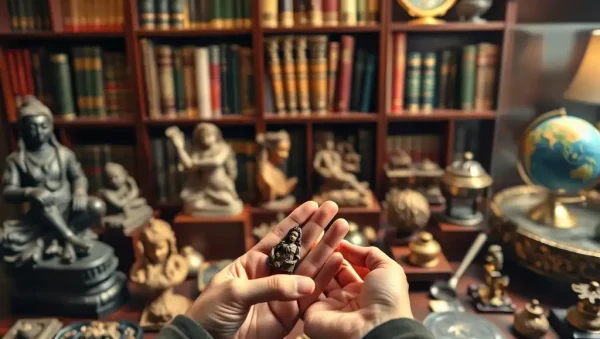
Investing Smart: The LongTerm Value of Indian Artifacts in Today's Economy
Understanding the Global Market for Indian Artifacts
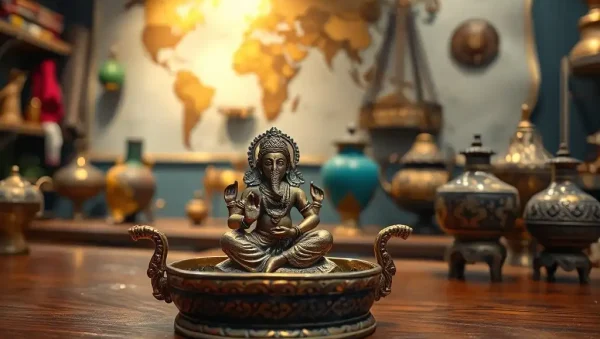
The Art of Investment: Navigating the Global Market for Ancient Indian Artefacts
Understanding the Global Market for Indian Artifacts
Understanding Authenticity: The Key to Valuing Indian Artifacts in Global Markets
🌍 Understanding the Global Market for Indian Artifacts
Explore the international business, cultural, and investment landscape surrounding Indian artifacts, including ancient sculptures, coins, manuscripts, textiles, jewelry, pottery, and archaeological objects. This subcategory explains how collectors, museums, galleries, dealers, researchers, and investors evaluate Indian antiquities while considering provenance, authenticity, conservation, legal ownership, cultural heritage, and international trade regulations. As part of Ancient India History, our content connects market trends with the civilizations of the Indus Valley, Maurya, Kushan, Satavahana, Gupta, Chola, and other influential periods of Indian history.
🏺 Indian Artifacts in the International Collectibles Market
Learn how Indian antiquities are valued and traded across major cultural and financial centers, including India, the United Kingdom, the United States, Europe, the Middle East, and Southeast Asia. Articles cover demand for ancient Indian coins, religious sculpture, temple art, miniature paintings, manuscripts, bronze objects, traditional textiles, and other historically significant artifacts.
Readers can expect practical discussions of global market demand, collector preferences, auction activity, gallery sales, museum acquisitions, and changing investment patterns. The content also explains why historical importance, artistic quality, rarity, condition, age, and regional origin can significantly influence the market value of Indian cultural objects.
📈 Investing in Indian Antiquities and Heritage Objects
Discover how Indian artifacts may form part of a diversified alternative investment strategy. This section examines the opportunities and risks associated with investing in ancient coins, sculptures, paintings, jewelry, manuscripts, and other collectible assets, with an emphasis on long-term value rather than short-term speculation.
Guides explain how to assess market liquidity, price history, storage costs, insurance, maintenance, authentication fees, and resale potential. Readers will also learn why cultural significance and ethical ownership are just as important as financial returns when purchasing historical Indian artifacts.
🔍 Authenticity, Provenance, and Due Diligence
Authenticity is essential when buying or evaluating Indian antiquities. Explore the role of expert examination, material analysis, inscriptions, stylistic comparison, historical documentation, laboratory testing, and reputable appraisal services in determining whether an artifact is genuine and accurately identified.
Provenance research helps establish an object’s ownership history and legal background. Our resources highlight the importance of clear documentation, export records, auction archives, institutional references, and transparent seller information, helping collectors reduce the risk of forgeries, stolen objects, disputed ownership, and undocumented archaeological material.
⚖️ Laws, Ethics, and the Legal Trade of Indian Artifacts
International trade in Indian artifacts involves complex laws concerning cultural property, archaeological heritage, customs, import permits, export restrictions, and repatriation. This section introduces the legal issues that buyers, sellers, investors, museums, and dealers should understand before participating in the global antiquities market.
Readers will also explore ethical collecting practices, including respect for Indian cultural heritage, avoidance of illicit excavation, responsible purchasing, and support for transparent trade. Legal requirements can vary by object type, date, country, and ownership history, so professional legal and conservation advice may be necessary.
🏛️ Museums, Auctions, Galleries, and Online Marketplaces
Understand how different market channels influence the discovery, evaluation, and sale of Indian artifacts. Auction houses may publish estimates and condition reports, galleries may provide curatorial context, museums may emphasize scholarship and preservation, while online marketplaces can offer broad access but require additional caution.
Our content explains how to compare seller reputation, buyer premiums, certificates, return policies, shipping arrangements, condition reports, and authentication guarantees. These insights can help readers make informed decisions when researching or purchasing Indian antiquities through physical or digital platforms.
🪙 Ancient Indian Coins, Sculpture, Manuscripts, and Decorative Arts
Explore the diverse categories that shape the global market for Indian artifacts. Ancient Indian coins can reveal information about rulers, trade routes, religions, and economic systems, while sculptures and temple objects reflect the artistic and spiritual traditions of major Indian civilizations.
Manuscripts, paintings, textiles, jewelry, pottery, seals, and decorative arts also attract international interest because of their craftsmanship and historical context. Readers can learn how rarity, iconography, inscriptions, craftsmanship, preservation, and provenance affect the research value and commercial appeal of each category.
🌐 Cultural Heritage, Repatriation, and Responsible Collecting
The global circulation of Indian artifacts raises important questions about cultural identity, historical ownership, museum responsibility, and the return of heritage objects. This section examines repatriation debates and the ways institutions, governments, scholars, and communities work to protect culturally significant material.
Responsible collecting means supporting lawful acquisition, accurate scholarship, conservation, transparency, and cultural respect. By understanding the history behind each object, collectors can contribute to the preservation of ancient Indian heritage instead of encouraging the loss or exploitation of archaeological resources.
❓ Frequently Asked Questions About the Global Market for Indian Artifacts
What types of Indian artifacts are most sought after internationally?
International interest commonly includes ancient coins, stone and bronze sculptures, miniature paintings, manuscripts, jewelry, textiles, pottery, seals, and ritual objects. Demand depends on authenticity, provenance, historical importance, rarity, artistic quality, condition, and legal documentation.
Are Indian artifacts a good investment?
Indian artifacts can be considered alternative assets, but they involve risks such as uncertain liquidity, changing market demand, high authentication costs, conservation needs, and legal restrictions. Buyers should prioritize research, professional advice, transparent provenance, and ethical acquisition rather than expecting guaranteed returns.
How can I verify whether an Indian artifact is authentic?
Verification may involve examination by qualified specialists, scientific testing, comparison with documented examples, inspection of inscriptions and materials, and review of ownership records. A reputable expert appraisal and a complete provenance file are important, but no single certificate should replace thorough due diligence.
Can Indian artifacts be legally exported or imported?
Legality depends on the artifact’s age, category, ownership history, country of origin, export laws, customs rules, and international cultural-property agreements. Buyers should confirm all permits and documentation with qualified legal, customs, museum, or antiquities professionals before transporting an object across borders.
Why is provenance important in the Indian antiquities market?
Provenance records document an artifact’s ownership and movement through time. Strong provenance can support authenticity, establish lawful ownership, improve market confidence, and reduce the risk that an object was looted, illegally excavated, or exported without authorization.