
Modern Adaptations of Ancient Indian Fashion
Modern Adaptations of Ancient Indian Fashion
18 articles in this topic
Start here
- Modern Adaptations of Ancient Indian FashionReviving the Past: The Resurgence of Traditional Indian Embroidery in Modern Apparel
- Modern Adaptations of Ancient Indian FashionHow Ancient Indian Fashion Narrates the Story of Women Empowerment Today
- Modern Adaptations of Ancient Indian FashionFrom Sari to Streetwear: Modern Takes on Classic Indian Garments
Read more about this topic
Discover how modern Indian fashion reimagines ancient Indian clothing, textiles, motifs, and craftsmanship for today’s style-conscious world. Explore the enduring influence of traditional drapes, handwoven fabrics, intricate embroidery, natural dyes, and heritage jewelry through contemporary designs that honor India’s rich cultural history. ✨ Perfect for fashion enthusiasts, historians, and anyone seeking inspiration from the timeless elegance of ancient Indian attire.
More in Modern Adaptations of Ancient Indian Fashion
Modern Adaptations of Ancient Indian Fashion
How Ancient Indian Textiles Inspire Sustainable Fashion Movements
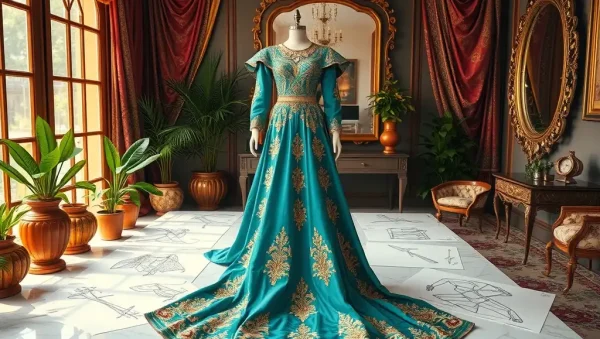
Modern Adaptations of Ancient Indian Fashion
The Influence of Mughal Aesthetics on Today's Fashion Designers
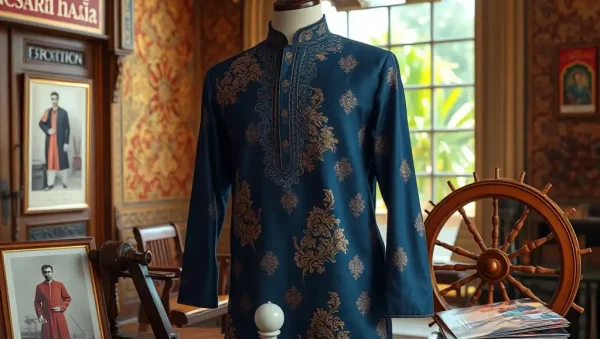
Modern Adaptations of Ancient Indian Fashion
The Evolution of the Kurta: From Ancient Roots to Modern Chic
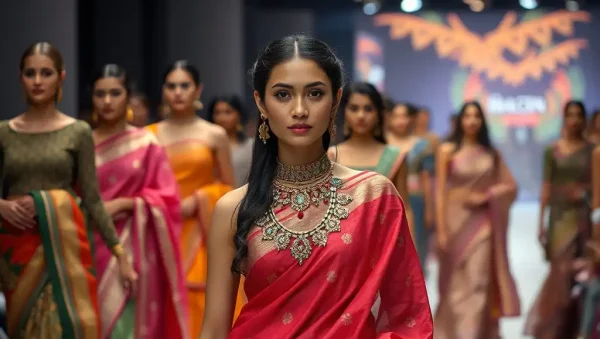
Modern Adaptations of Ancient Indian Fashion
Why Ancient Indian Fashion Elements Are Essential in Today’s Wardrobe
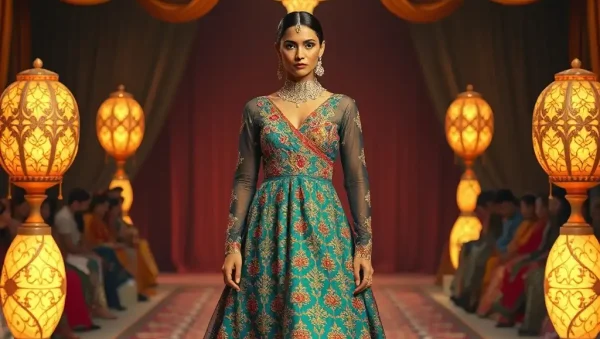
Modern Adaptations of Ancient Indian Fashion
The Intersection of Ancient Culture and Modern Haute Couture
Modern Adaptations of Ancient Indian Fashion
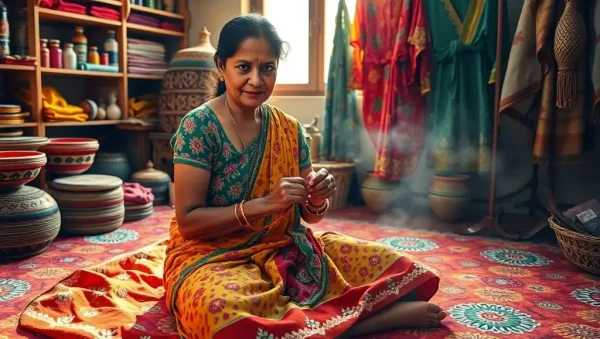
The Timeless Allure of Bandhani: Adapting Traditional Techniques for Contemporary Styles
Modern Adaptations of Ancient Indian Fashion
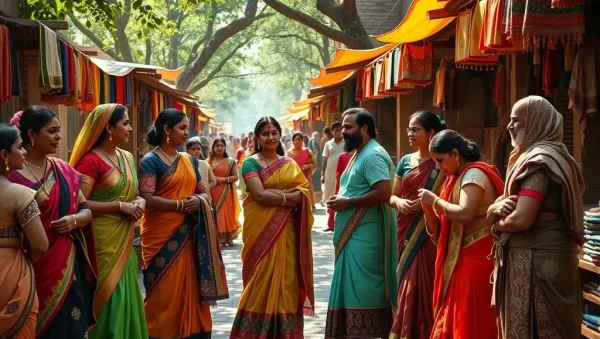
Exploring the Impact of Ancient Indian Fashion on Global Style Movements
Modern Adaptations of Ancient Indian Fashion
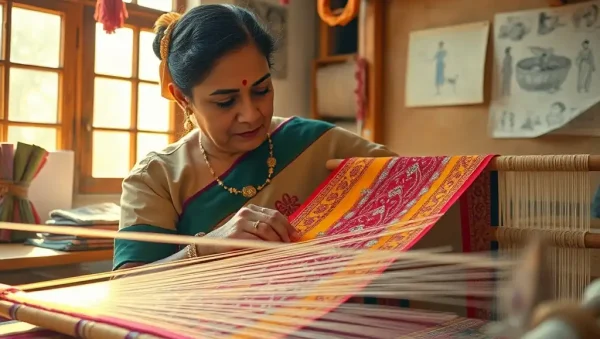
How the Rich Heritage of Indian Weaving Techniques Influences Modern Designers
Modern Adaptations of Ancient Indian Fashion: Heritage, Style, and Contemporary Design
Discover how ancient Indian fashion continues to inspire contemporary clothing, accessories, textiles, and sustainable design. This subcategory explores the evolution of traditional Indian dress from the Indus Valley Civilization, Mauryan and Gupta periods, and later regional traditions into modern interpretations created for today’s wardrobes. Learn how designers reinterpret sarees, dhotis, tunics, shawls, jewelry, embroidery, natural dyes, and handwoven fabrics while preserving the cultural significance and craftsmanship behind these timeless styles.
🏺 Ancient Indian Clothing Reimagined for Modern Wardrobes
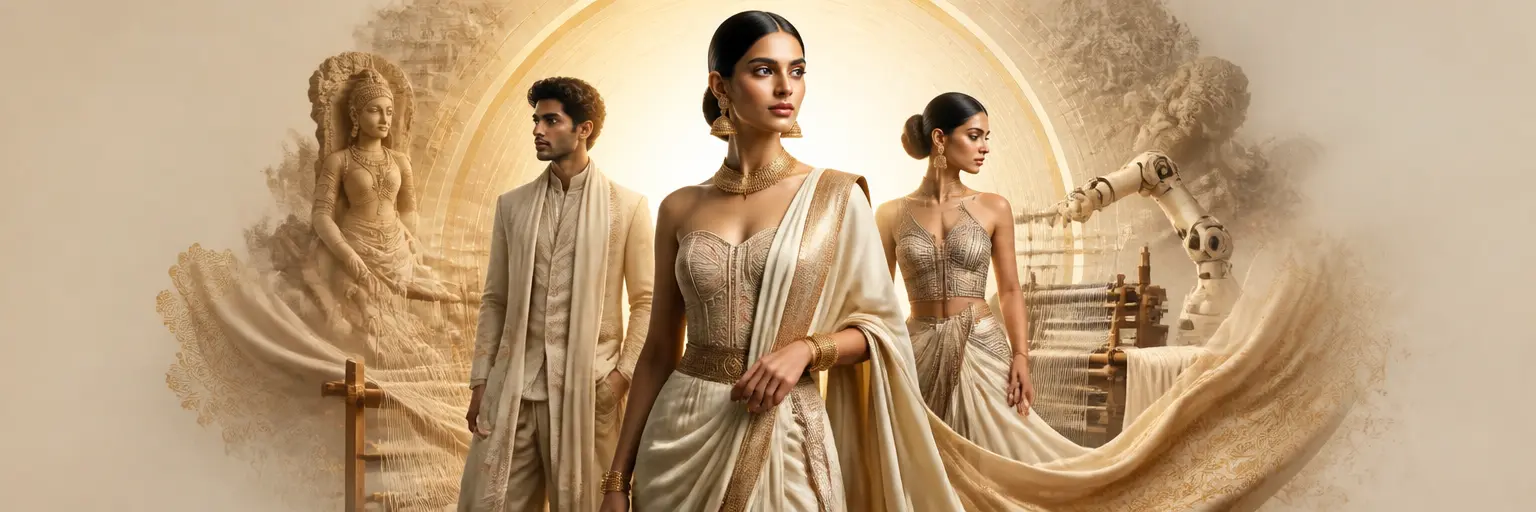
Explore how historical garments such as the sari, dhoti, angavastra, choli, and long draped robes are adapted into contemporary silhouettes. Modern Indian fashion often combines ancient draping methods with tailored blouses, structured jackets, jumpsuits, skirts, and coordinated separates, creating clothing that is practical, comfortable, and culturally meaningful.
Readers can expect detailed discussions of traditional Indian clothing, historical fashion trends, modern ethnic wear, fusion fashion, and contemporary Indian dress. These adaptations demonstrate how ancient design principles can work in everyday fashion, festive clothing, formalwear, bridal collections, and global runway styles.
🧵 Ancient Indian Textiles, Weaving, and Craftsmanship
Ancient Indian fashion was closely connected to textile production, regional weaving traditions, and skilled craftsmanship. This section examines how cotton, silk, wool, and plant-based fibers were used in historic India, along with the continuing influence of handloom weaving, block printing, resist dyeing, brocade, and decorative textile techniques.
Discover how modern designers and artisans preserve these traditions through handwoven Indian textiles, heritage fabrics, ethical fashion, slow fashion, and artisan-made clothing. From refined silk garments to breathable cotton ensembles, these materials connect contemporary fashion with India’s long history of textile innovation and cultural exchange.
🎨 Traditional Indian Motifs, Patterns, and Natural Dyes
Ancient Indian clothing featured symbolic patterns inspired by nature, religion, mythology, geometry, and daily life. Contemporary fashion collections reinterpret motifs such as flowers, lotus designs, paisley forms, animals, sacred symbols, and geometric borders through digital printing, embroidery, weaving, and surface embellishment.
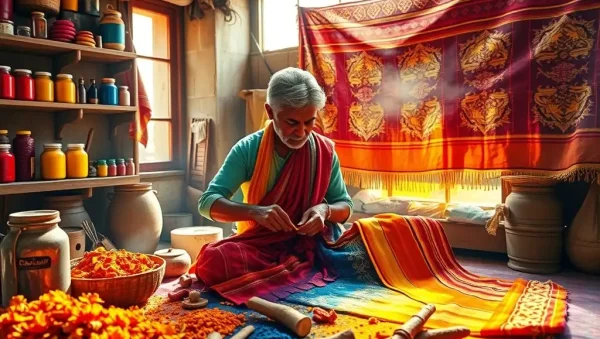
This section also explores the importance of natural dyes and traditional Indian color palettes, including indigo, saffron, madder red, turmeric yellow, and deep vegetable-based tones. Readers will learn how historical dyeing knowledge influences sustainable fashion, eco-friendly clothing, and modern textile design.
👑 Jewelry and Accessories Inspired by Ancient India
Ancient Indian jewelry was both decorative and symbolic, with necklaces, bangles, earrings, anklets, rings, hair ornaments, and waist chains reflecting regional identity, social status, spirituality, and artistic skill. Modern adaptations draw from these historic forms while using lighter materials, minimalist shapes, and designs suitable for everyday wear.
Expect insights into traditional Indian jewelry, temple-inspired accessories, handcrafted ornaments, contemporary gold designs, silver jewelry, gemstone styling, and heritage accessories. These pieces can add historical character to modern outfits while preserving visual connections to India’s artistic and cultural traditions.
🌿 Sustainable Fashion and Ancient Indian Design Principles
Many ancient Indian clothing traditions emphasized durable materials, repairable garments, adaptable draping, local production, and the efficient use of natural resources. These principles are increasingly relevant to modern discussions about sustainable fashion, responsible consumption, circular design, and environmentally conscious wardrobes.
Learn how designers are combining ancient Indian textile knowledge with modern sustainability through organic fabrics, natural dyes, upcycling, zero-waste cutting, handloom production, and support for local artisans. This approach presents historical fashion not only as a source of visual inspiration but also as a model for thoughtful and ethical design.
🌏 Indian Fashion in Global and Contemporary Culture
Modern adaptations of ancient Indian fashion appear in international fashion, cinema, music, wedding celebrations, cultural festivals, and diaspora communities. Designers around the world draw on Indian draping, embroidery, color combinations, and textile traditions to create garments that communicate heritage while appealing to global audiences.
This section considers the importance of cultural appreciation, historical accuracy, respectful design, and cultural identity. Readers will gain a deeper understanding of how ancient Indian fashion can be celebrated responsibly without separating garments, motifs, or crafts from the communities and histories that created them.
❓ Frequently Asked Questions About Modern Adaptations of Ancient Indian Fashion
What is modern Indian fashion inspired by ancient clothing?
Modern Indian fashion inspired by ancient clothing reinterprets historic garments, draping styles, textiles, motifs, colors, and jewelry for contemporary use. Examples include sari-inspired dresses, dhoti trousers, modern tunics, structured shawls, and clothing made with traditional handloom fabrics.
Which ancient Indian garments influence contemporary designers?
Important influences include the sari, dhoti, choli, angavastra, shawl, long tunic, wrapped skirt, and draped robe. Designers often preserve the original concept of wrapping or layering while adapting the fit, fabric, length, closure, and styling for modern lifestyles.
How are ancient Indian textiles used in sustainable fashion?
Ancient textile traditions support sustainable fashion through handloom weaving, natural fibers, vegetable-based dyes, durable construction, local craftsmanship, and versatile draping. Modern designers may also combine these methods with recycled materials, ethical production, and low-waste manufacturing.
What are common motifs in modern adaptations of ancient Indian fashion?
Common motifs include lotus flowers, paisley patterns, vines, animals, birds, geometric borders, sacred symbols, and architectural details. These designs may be embroidered, woven, block printed, digitally printed, or simplified into minimalist contemporary patterns.
How can people wear ancient Indian-inspired fashion respectfully?
Respectful styling begins with learning the cultural and historical meaning of a garment, textile, or motif. Choose authentic or responsibly produced pieces, support Indian artisans and designers when possible, avoid misleading claims, and appreciate the tradition as living cultural heritage rather than using it only as decoration.