
Guide to Buying Authentic Indian Silk
Guide to Buying Authentic Indian Silk
16 articles in this topic
Start here
- Guide to Buying Authentic Indian SilkDiscover the Secrets: How to Identify Authentic Indian Silk Fabrics
- Guide to Buying Authentic Indian SilkThe Ultimate Guide to Buying Indian Silk: Tips for the Savvy Shopper
- Guide to Buying Authentic Indian SilkThe Evolution of Indian Silk Weaving Techniques Through the Ages
Read more about this topic
Discover the elegance of authentic Indian silk with practical guidance on identifying genuine fabrics, traditional weaving techniques, regional varieties, and quality craftsmanship. Explore the heritage behind renowned silks such as Banarasi, Kanchipuram, Mysore, and Tussar, while learning how to choose, verify, and care for timeless textiles. ✨ Perfect for shoppers, collectors, and culture enthusiasts seeking ethically sourced Indian silk sarees, fabrics, and handcrafted textiles rooted in India’s rich fashion history.
More in Guide to Buying Authentic Indian Silk
Guide to Buying Authentic Indian Silk
How to Style Indian Silk for Any Occasion: Fashion Tips and Tricks
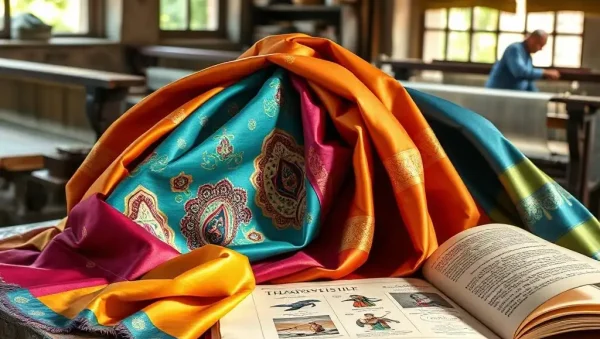
Guide to Buying Authentic Indian Silk
Why Every Wardrobe Needs a Touch of Authentic Indian Silk
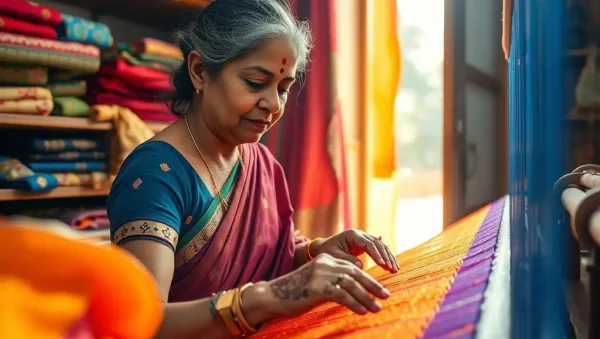
Guide to Buying Authentic Indian Silk
The Cultural Significance of Indian Silk: Why You Should Own a Piece
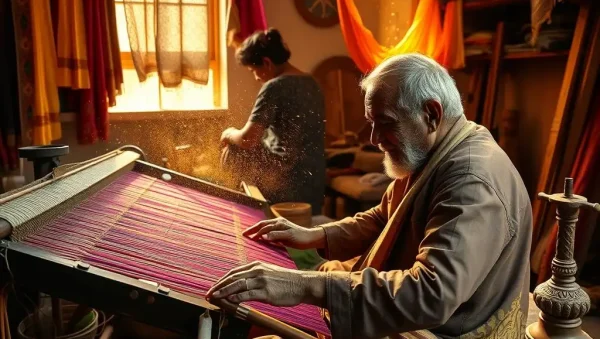
Guide to Buying Authentic Indian Silk
From Loom to Wardrobe: The Journey of Authentic Indian Silk
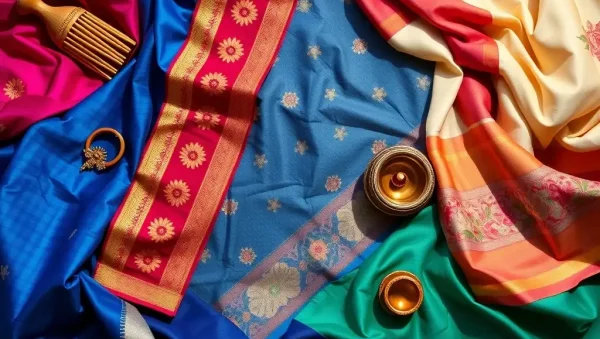
Guide to Buying Authentic Indian Silk
5 Mistakes to Avoid When Purchasing Indian Silk Textiles
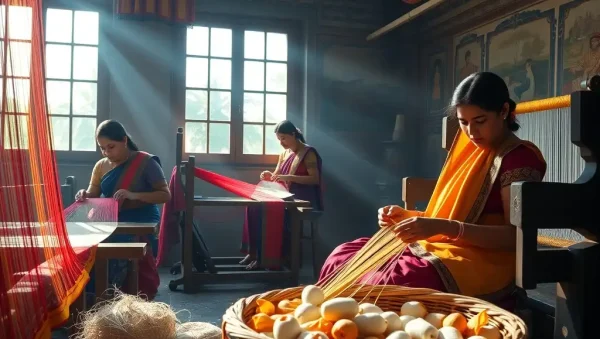
Guide to Buying Authentic Indian Silk
Exploring the Regions of India Famous for Their Silk Production
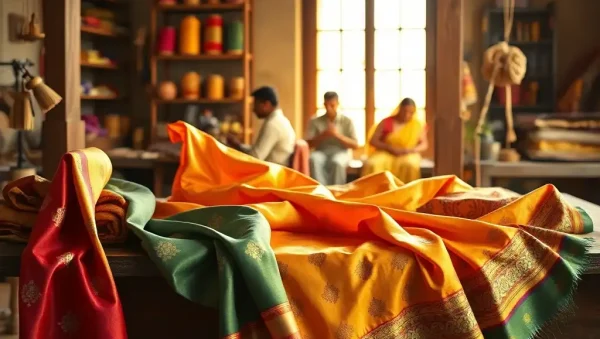
Guide to Buying Authentic Indian Silk
Understanding the Different Types of Indian Silk: Which One is Right for You?
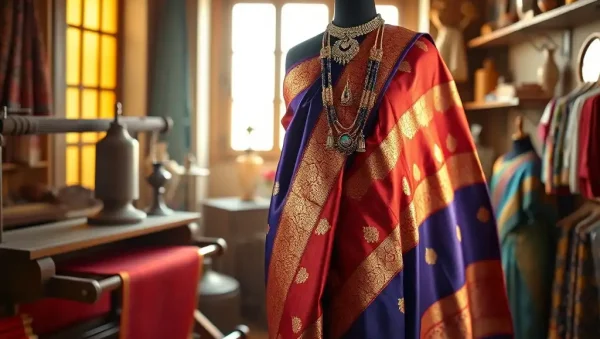
Guide to Buying Authentic Indian Silk
The Role of Indian Silk in Fashion History: A MustKnow for Enthusiasts
🧵 Guide to Buying Authentic Indian Silk
Discover how to identify, compare, and purchase authentic Indian silk with confidence. This comprehensive guide explores the heritage, craftsmanship, regional varieties, weaving traditions, and quality markers behind celebrated Indian textiles, including Banarasi silk, Kanchipuram silk, Mysore silk, Tussar silk, Patola silk, and Assam silk. Whether you are searching for a traditional Indian silk saree, a handcrafted silk shawl, an heirloom textile, or a meaningful cultural gift, learn how to recognize genuine silk, ethical craftsmanship, accurate sourcing, and lasting value.
🏺 Ancient Origins and Cultural Heritage of Indian Silk
Indian silk has a long and fascinating history connected to ancient trade routes, royal courts, temple traditions, and regional textile communities. Archaeological discoveries, literary references, and historic accounts reveal the importance of silk in ceremonial clothing, diplomacy, religious celebrations, and elite fashion across the Indian subcontinent. Understanding this background helps shoppers appreciate why every authentic silk textile represents more than appearance—it reflects centuries of Indian craftsmanship and cultural identity.
Readers can explore how silk weaving developed from early Indian civilizations through the Mauryan, Satavahana, Chola, Mughal, and Gupta periods. The guide also explains how natural dyes, handlooms, zari work, and local weaving techniques shaped distinctive textile traditions. These historical details are especially valuable when choosing a silk product that preserves traditional Indian textile heritage rather than imitating it through mass production.
🌏 Regional Varieties of Authentic Indian Silk
India is home to many regional silk traditions, each recognized for its unique fibers, weaving methods, motifs, finishing techniques, and cultural significance. Banarasi silk from Varanasi is known for elaborate brocade and zari designs, while Kanchipuram silk from Tamil Nadu is celebrated for its strong silk body and contrasting borders. Mysore silk, Tussar silk, Muga silk, Eri silk, Patola, Chanderi, and Bhagalpur silk each offer distinctive qualities for different preferences and occasions.
This section helps readers compare Indian silk types by texture, sheen, weight, durability, price, and origin. Buyers can discover which silk is best for wedding sarees, festive clothing, formal wear, lightweight scarves, home décor, or collectible textiles. Learning regional identifiers also makes it easier to ask sellers informed questions and avoid products that use vague descriptions such as “Indian-style silk” without confirming the actual fiber or place of manufacture.
🔍 How to Identify Genuine Silk
Identifying authentic silk requires attention to several details, including texture, luster, weave, labeling, and seller transparency. Natural silk generally has a soft, warm feel and a complex, elegant sheen that changes with the angle of light. Genuine handwoven silk may show subtle irregularities, variations in thread thickness, or small differences in motifs—features that often indicate human craftsmanship rather than poor quality.
Buyers should examine product descriptions carefully and look for clear information about fiber content, weaving method, place of origin, zari composition, care instructions, and certification. A reputable seller should distinguish between pure silk, silk blends, art silk, synthetic silk, and silk-like fabrics. Although home burn tests are sometimes discussed, they can damage valuable textiles and should not replace professional testing, trusted certification, or reliable documentation.
✨ Understanding Silk Quality, Weave, and Zari
Silk quality depends on more than shine. Important factors include fiber length, yarn quality, density, weaving precision, colorfastness, finishing, and the skill of the artisan. A high-quality silk textile should feel balanced, drape naturally, and display clean selvedges, consistent motifs, secure borders, and carefully finished edges. For sarees and garments, inspect the fall, pleat behavior, embroidery, and overall construction before purchasing.
Zari—metallic thread used in many Indian textiles—also deserves close attention. Traditional zari may contain silver or gold elements, while modern products often use tested metallic fibers or imitation zari. Buyers should request accurate details instead of assuming that every gold-colored design is genuine metallic zari. Comparing silk purity, zari content, handloom status, craftsmanship, and price provides a more realistic understanding of a textile’s value.
🛍️ Choosing a Trustworthy Seller
Purchasing authentic Indian silk is safer when the seller provides detailed product information, high-resolution photographs, transparent pricing, and a clear return policy. Look for established boutiques, artisan cooperatives, reputable textile houses, museum shops, and sellers with verifiable reviews. A responsible retailer should explain whether the item is handwoven, powerloom-made, naturally dyed, certified, or produced through a documented artisan network.
Be cautious of unusually low prices, unclear origin claims, copied photographs, pressure to make immediate payments, and descriptions that promise “pure silk” without specifying the fiber composition. Ask for close-up images of the weave, border, reverse side, labels, and packaging. Authenticity, fair pricing, and seller accountability are essential when buying Indian silk online, especially for expensive wedding sarees, antique textiles, or collector-quality pieces.
💰 Comparing Price, Value, and Ethical Craftsmanship
The price of Indian silk can vary according to fiber quality, production time, weaving complexity, zari content, dyeing process, regional reputation, and artisan expertise. Handwoven textiles commonly require more labor than factory-made products, while intricate brocade, jacquard, embroidery, and traditional motifs can significantly increase cost. A higher price does not automatically guarantee authenticity, so buyers should compare several quality indicators together.
Ethical purchasing supports weaving communities and helps preserve endangered textile traditions. Choose sellers who provide information about artisan payments, fair-trade practices, sustainable materials, responsible dyeing, and transparent supply chains. Buying an authentic Indian silk product from a responsible source allows shoppers to own a beautiful textile while contributing to the survival of traditional handloom knowledge and regional craft economies.
🧺 Care, Storage, and Long-Term Preservation
Proper care protects the color, structure, sheen, and value of authentic Indian silk. Most silk garments should be dry-cleaned by a professional familiar with delicate textiles, while direct exposure to sunlight, perfume, sweat, moisture, and harsh detergents should be minimized. Always follow the seller’s care instructions, since natural dyes, metallic zari, embroidery, and blended fibers may require different treatment.
Store silk in a clean, dry, well-ventilated place using breathable cotton or muslin rather than plastic. Fold the textile carefully and refold it periodically to prevent permanent creases. Avoid heavy objects, damp cupboards, and untreated wood that may stain the fabric. With thoughtful storage and gentle handling, an Indian silk saree, shawl, or historic textile can remain beautiful for decades and may even become a treasured family heirloom.
❓ Frequently Asked Questions About Authentic Indian Silk
How can I tell whether Indian silk is genuine?
Check the fiber description, texture, luster, weave, labels, and seller documentation. Genuine silk usually has a soft, naturally varied sheen and a smooth but warm hand feel. For valuable purchases, rely on reputable sellers, recognized handloom or silk certifications, and professional textile testing rather than using a damaging burn test.
What is the difference between pure silk and art silk?
Pure silk is produced from natural silk fibers, usually obtained from silkworm cocoons. Art silk is a synthetic or regenerated-fiber imitation designed to resemble silk, often using polyester, rayon, or viscose. Art silk can be attractive and affordable, but it should not be marketed as 100% pure Indian silk.
Which Indian silk is best for a wedding saree?
Kanchipuram silk and Banarasi silk are popular choices for weddings because of their rich texture, decorative borders, traditional motifs, and formal appearance. The best option depends on your preferred weight, color, drape, zari style, budget, and regional tradition. Always confirm the fiber content and construction before buying.
Is handwoven Indian silk better than powerloom silk?
Handwoven silk often offers distinctive texture, artisan-made details, and strong cultural value, while powerloom silk can provide consistent designs and a more accessible price. Neither label alone proves superior quality. Compare the yarn, weave density, finishing, durability, design accuracy, and seller transparency before making a decision.
How should authentic Indian silk be stored?
Keep silk clean, dry, and protected from direct sunlight. Wrap it in breathable cotton or muslin, avoid plastic storage, and refold it occasionally to prevent deep creases. For textiles containing zari, natural dyes, or antique embellishments, consult a professional conservator or specialist cleaner for the safest long-term care.