
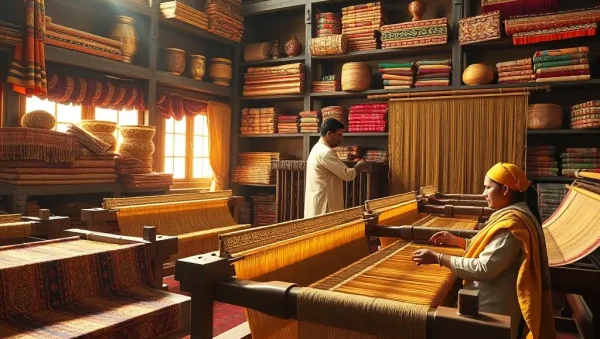
Traditional Indian Textiles and Their Origins
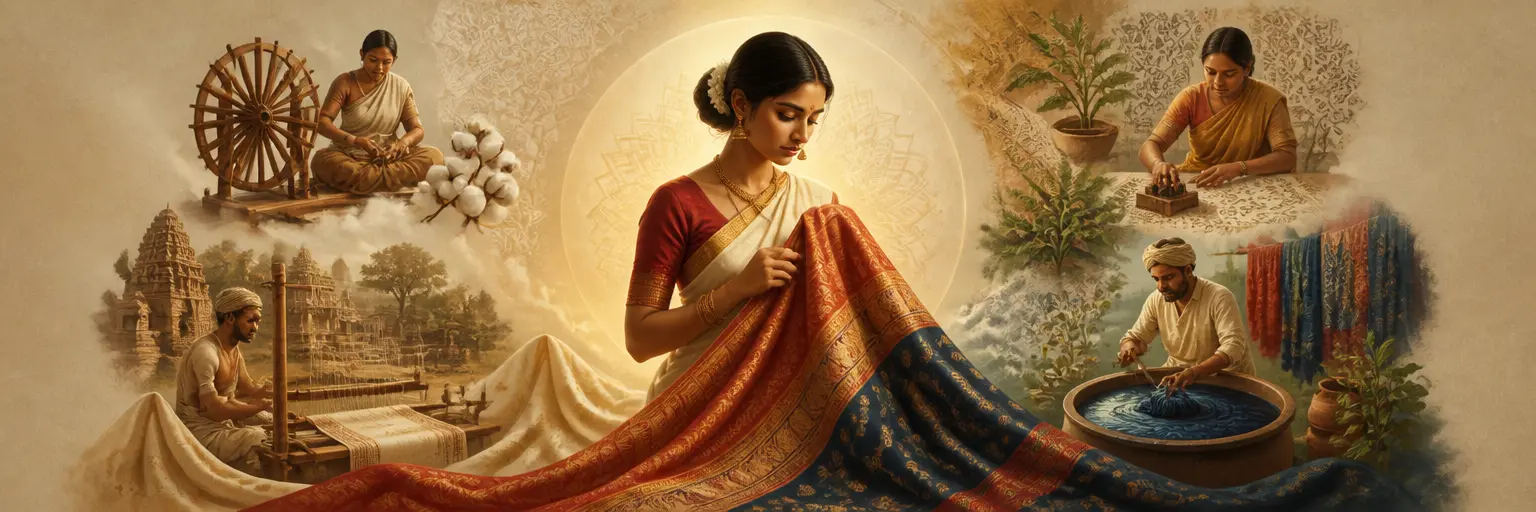
Traditional Indian Textiles and Their Origins
29 articles in this topic
Start here
- Traditional Indian Textiles and Their OriginsTechniques of the Past: Ancient Methods of Spinning and Weaving
- Traditional Indian Textiles and Their OriginsThe Revival of Traditional Indian Textiles: Bridging Ancient Craft with Modern Fashion
- Traditional Indian Textiles and Their OriginsFrom Loom to Legacy: The Evolution of Traditional Indian Weaving Techniques
Read more about this topic
Discover the vibrant world of traditional Indian textiles, where every weave, dye, and motif reflects the heritage of ancient India. Explore the origins of celebrated fabrics, regional weaving traditions, natural dye techniques, and the cultural significance of garments that shaped Indian fashion and commerce from the Indus Valley to the Gupta Empire. 🧵✨ Learn how craftsmanship, trade, and artistic innovation made Indian textiles renowned across generations and continue to inspire fashion today.
More in Traditional Indian Textiles and Their Origins
Traditional Indian Textiles and Their Origins
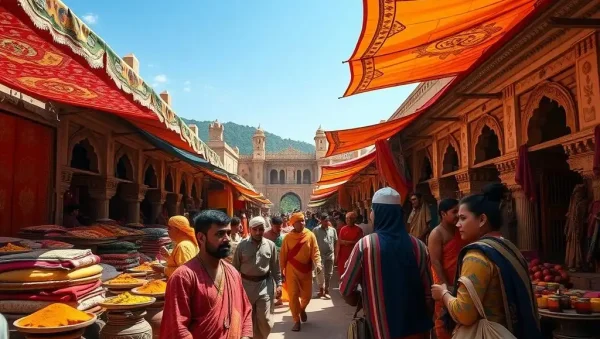
The Legacy of Patola: Unraveling the Secrets of this Ancient Weaving Technique
Traditional Indian Textiles and Their Origins
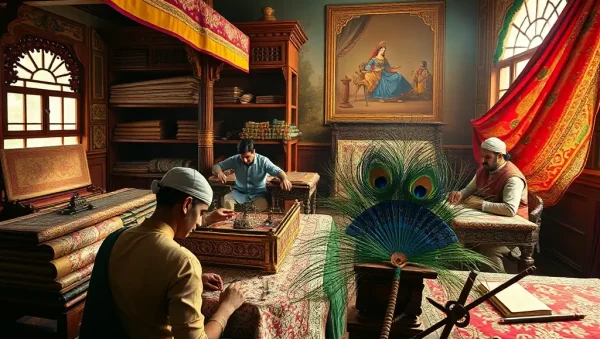
Silk and Spice: The Trade Routes That Shaped India's Textile Industry
Traditional Indian Textiles and Their Origins
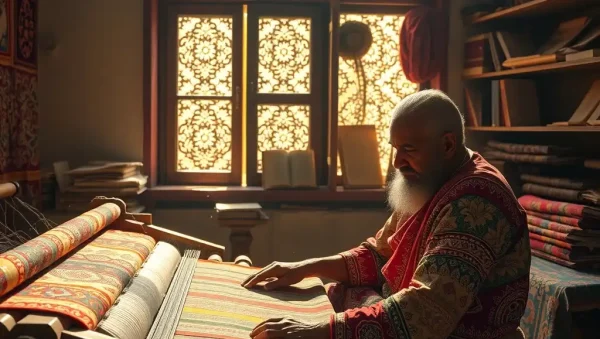
Textiles of the Rajputs: A Glimpse into Royal Indian Fashion
Traditional Indian Textiles and Their Origins
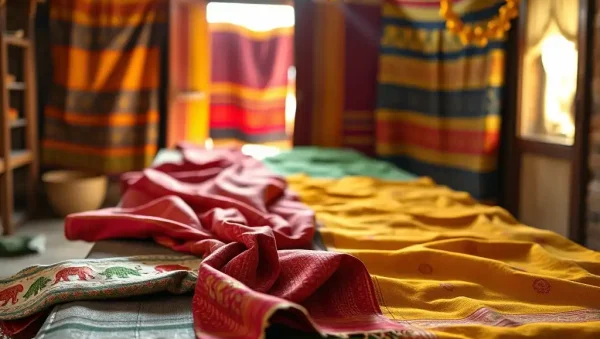
Exploring the Connection Between Ancient Textiles and Indian Philosophy
Traditional Indian Textiles and Their Origins
The Symbolism of Colors in Traditional Indian Textiles: A Historical Perspective
Traditional Indian Textiles and Their Origins
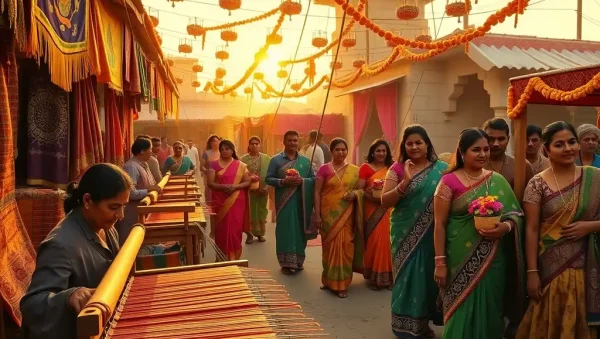
Exploring the Role of Traditional Textiles in Ancient Indian Rituals and Festivals
Traditional Indian Textiles and Their Origins
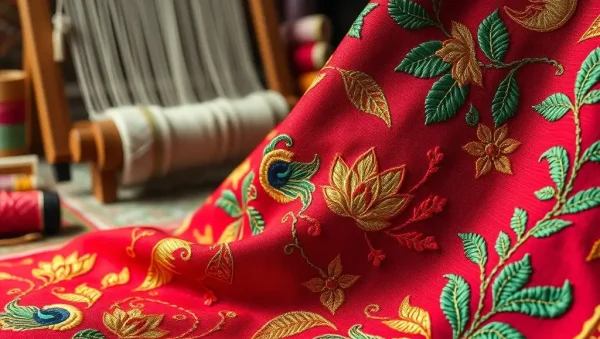
Ancient Indian Embroidery: A Stitch in Time Through History
Traditional Indian Textiles and Their Origins
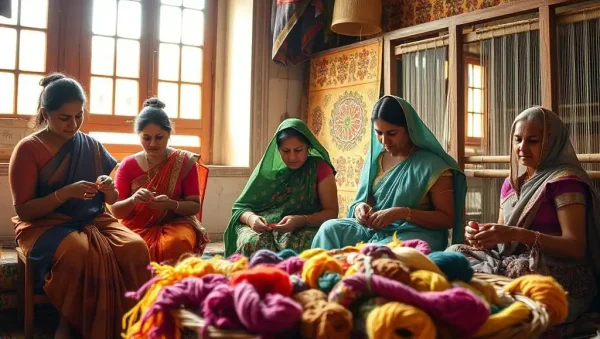
The Role of Women in the Crafting of Traditional Indian Textiles
Traditional Indian Textiles and Their Origins 🧵
Explore the remarkable world of traditional Indian textiles and discover how weaving, dyeing, embroidery, and fabric-making developed across the Indian subcontinent. This subcategory examines the origins, techniques, symbolism, and cultural importance of textiles created by ancient Indian civilizations, including the Indus Valley Civilization, Vedic communities, Mauryan India, and the Gupta Empire. Learn how cotton, silk, wool, plant dyes, and intricate handwork shaped India’s early fashion, trade, identity, and artistic heritage.
🏺 Textile Origins in Ancient India
Readers can expect an in-depth look at the earliest evidence of Indian textile production, including cotton cultivation, spinning, weaving, and garment-making. Archaeological discoveries from the Indus Valley Civilization reveal the importance of cotton fibers, spindle whorls, beads, tools, and textile-related crafts in cities such as Harappa, Mohenjo-daro, and Lothal.
This section explains how geography, climate, agriculture, and social organization influenced the development of ancient Indian clothing. Articles may also explore early looms, natural fibers, woven garments, decorative borders, and the relationship between textiles, ritual practices, trade, and everyday life.
🌿 Ancient Indian Fibers and Natural Dyes
Discover the natural materials that formed the foundation of Indian textile traditions. Cotton was especially important in the Indian subcontinent, while silk, wool, flax, jute, and other plant-based fibers contributed to regional clothing and craft production. Readers will learn how these materials were harvested, prepared, spun, and woven into usable fabrics.
Traditional Indian dyeing techniques are also examined, including the use of indigo, madder, turmeric, saffron, lac, pomegranate rind, and other natural color sources. These articles highlight the durability, symbolism, and regional character of ancient textile colors, as well as the skill required to create patterned and vividly dyed cloth.
🪡 Regional Weaving Traditions and Textile Craft
India’s textile history is shaped by diverse regional traditions. Explore the origins of weaving communities and textile practices associated with ancient and historic regions such as the Deccan, Gujarat, Bengal, Tamilakam, Kashmir, the Gangetic plain, and the northwestern Indian subcontinent.
Readers can learn how local resources, royal patronage, religious institutions, merchant networks, and craft guilds influenced Indian handloom traditions. Topics may include early patterned fabrics, woven borders, brocade techniques, embroidery, tapestry-like work, and the transmission of textile knowledge from one generation to the next.
👘 Clothing, Draping, and Social Identity
Traditional Indian textiles were closely connected with clothing, status, occupation, gender, community, and religious identity. This section explores garments such as the dhoti, sari, uttariya, shawl, turban, wrap, veil, and other forms of draped clothing represented in sculptures, paintings, inscriptions, literature, and archaeological evidence.
Articles explain how fabrics and garments communicated social position and cultural belonging. Readers will also discover how textile texture, color, ornamentation, and method of draping varied across regions and historical periods, providing valuable insight into ancient Indian society and fashion history.
🛕 Textiles, Religion, and Ritual Life
Textiles played an important role in ancient Indian religious and ceremonial practices. Explore how finely woven cloth, decorated garments, sacred banners, veils, offerings, and ritual fabrics appeared in Hindu, Buddhist, and Jain traditions. Literary sources and temple art provide important clues about the use of textiles in worship and public ceremonies.
This section also considers the symbolic meaning of color, purity, adornment, and fabric in ancient Indian culture. Readers can expect discussions of ritual textiles, temple donations, royal ceremonial clothing, Buddhist monastic garments, and the relationship between textile craftsmanship and spiritual life.
🛶 Indian Textiles, Trade, and Cultural Exchange
Ancient Indian textiles were valuable commodities traded across land and sea routes. Learn how cotton cloth, dyed fabrics, fine muslin-like materials, silk, and embroidered textiles circulated between Indian kingdoms, Central Asia, the Persian world, Southeast Asia, the Mediterranean, and East Africa.
Readers will discover how ancient textile trade supported port cities, merchant communities, craft specialists, and expanding economies. Articles may examine evidence from Roman writings, inscriptions, archaeological sites, trade goods, coin finds, and maritime networks that helped Indian fabrics gain international recognition.
📜 Historical Sources and Archaeological Evidence
Understanding ancient Indian textiles requires combining many types of evidence. This subcategory explores archaeological fragments, textile tools, terracotta figurines, sculptures, murals, coins, inscriptions, Sanskrit and Prakrit literature, Buddhist texts, Tamil writings, and accounts by foreign travelers.
Because organic fabrics rarely survive in tropical climates, researchers often reconstruct textile history through indirect evidence. Readers will learn how historians interpret spindle whorls, loom weights, dye remains, garment imagery, and written references while distinguishing reliable evidence from later legends and modern assumptions.
✨ Frequently Asked Questions About Traditional Indian Textiles
What are the earliest known Indian textiles?
The earliest known Indian textile evidence is associated with the Indus Valley Civilization, where archaeologists have found cotton fibers, spindle whorls, textile tools, and impressions suggesting organized weaving. These discoveries indicate that cotton production and cloth-making were established several thousand years ago.
Why was cotton important in ancient India?
Cotton grew well in many parts of the Indian subcontinent and was suitable for warm climates. Ancient Indian craftspeople developed advanced methods of spinning, weaving, dyeing, and finishing cotton cloth, making it an important material for clothing, trade, and cultural expression.
Which natural dyes were used in traditional Indian textiles?
Ancient Indian dyers used materials such as indigo, madder, turmeric, saffron, lac, pomegranate rind, and various leaves, roots, flowers, and bark. These natural dyes produced colors with cultural and symbolic meanings and demonstrated detailed knowledge of local plants and minerals.
How did textiles reflect social status in ancient India?
Textile quality, color, decoration, fiber, and style could indicate wealth, occupation, regional identity, or religious role. Fine cotton, silk, elaborate borders, embroidery, and richly dyed cloth were often associated with royal courts, wealthy merchants, temples, and ceremonial life.
How do historians study ancient Indian textile traditions?
Historians use archaeological remains, textile tools, sculptures, paintings, inscriptions, literature, trade records, and scientific analysis of surviving fibers or dyes. Since complete garments are rarely preserved, researchers compare multiple sources to reconstruct the origins and development of Indian textile traditions.