
Rituals and Ceremonies

Rituals and Ceremonies
36 articles in this topic
Read more about this topic
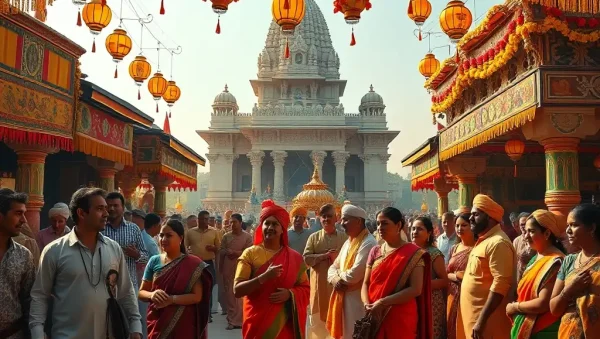
Explore the rituals and ceremonies of ancient India, where sacred traditions, festivals, and symbolic practices reveal the spiritual beliefs and cultural heritage of civilizations from the Indus Valley to the Gupta Empire. Discover how religious rites, royal ceremonies, seasonal celebrations, and community customs shaped daily life and continue to influence Indian culture today.
More in Rituals and Ceremonies
Rituals and Ceremonies
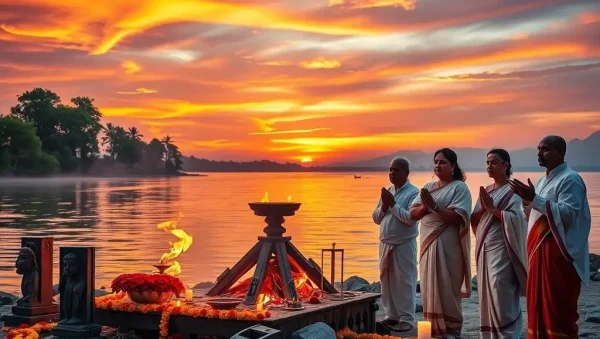
The Journey of the Soul: Afterlife Rituals in Ancient Indian Beliefs
Rituals and Ceremonies
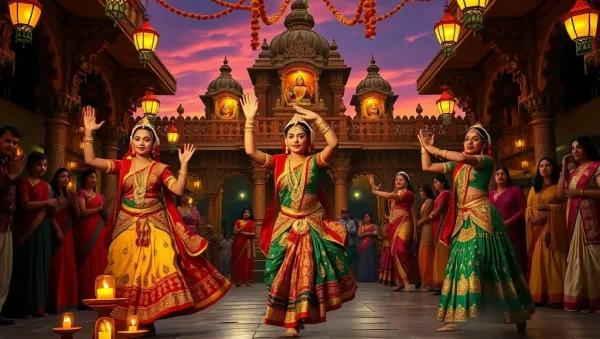
The Dance of the Deities: Exploring Traditional Ceremonies in Ancient India
Rituals and Ceremonies
From Fire to Water: The Symbolism Behind Ancient Indian Ceremonies
Rituals and Ceremonies
The Spiritual Significance of Offerings in Ancient Ceremonial Practices
Rituals and Ceremonies
The Sacred Symphony: Unraveling the Rituals of Ancient Indian Festivals
Rituals and Ceremonies
The Legacy of Ancient Rituals: How They Shape Modern Indian Festivals
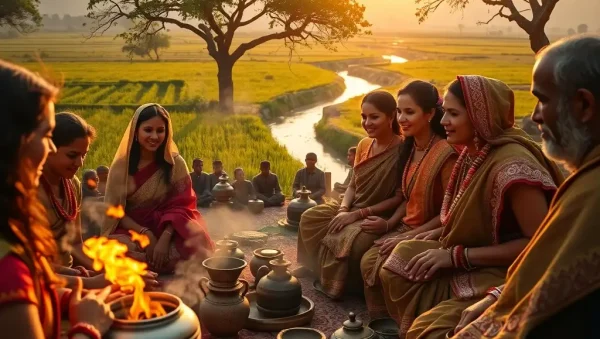
Rituals and Ceremonies
Rituals and the Cycle of Life: Understanding Ancient Indian Beliefs
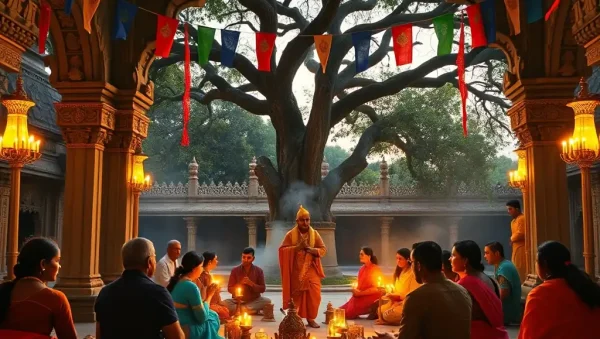
Rituals and Ceremonies
The Art of Ritual: How Ancient Indian Ceremonies Influenced Modern Practices
🪔 Rituals and Ceremonies in Ancient India
Explore the fascinating world of ancient Indian rituals and ceremonies, from sacred Vedic yajnas and temple worship to royal coronations, funerary rites, seasonal festivals, and community traditions. This subcategory of Festivals and Traditions examines how religious practices, social customs, mythology, and spiritual beliefs shaped daily life across the Indus Valley Civilization, the Vedic period, the Mahajanapada age, the Mauryan Empire, and the Gupta Empire. Discover the meaning, symbolism, historical development, and cultural importance of ceremonies that influenced Indian civilization for centuries.
🔥 Vedic Rituals, Yajnas, and Sacred Offerings
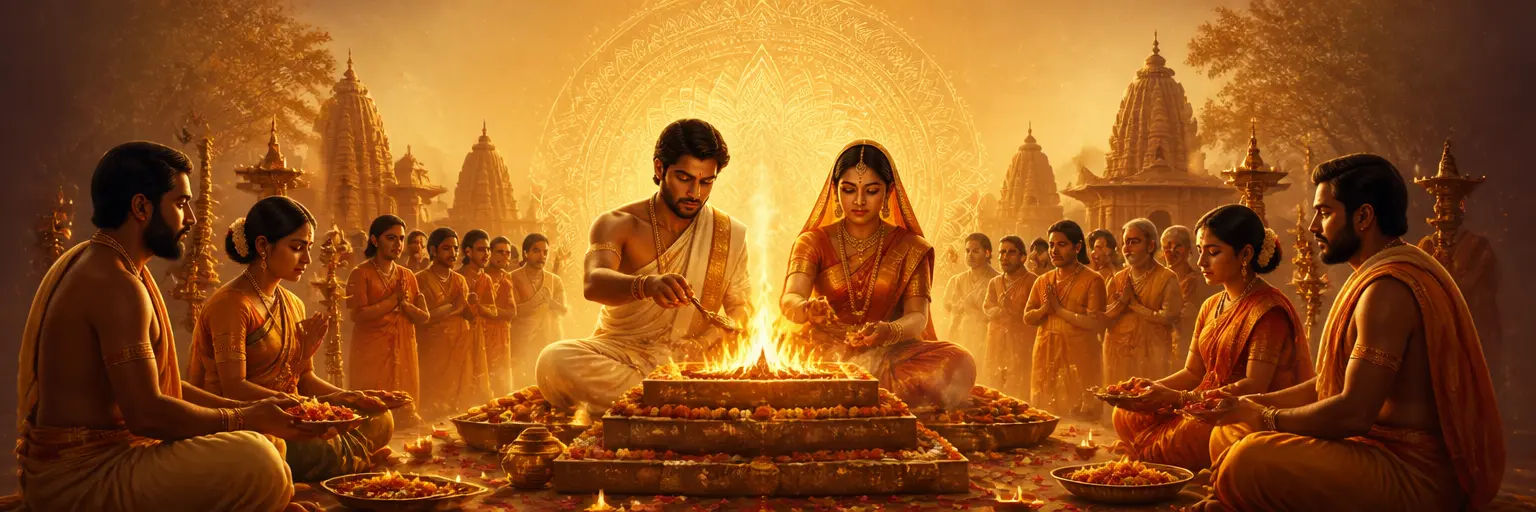
Learn about the central role of Vedic rituals in ancient Indian religion and society. Articles explore yajnas, fire sacrifices, sacred mantras, offerings of ghee and grains, and the responsibilities of priests, rulers, householders, and participants. These ceremonies were performed to honor deities such as Agni, Indra, Soma, Surya, and Varuna while seeking prosperity, protection, rainfall, victory, and cosmic balance.
Readers can discover how ritual instructions were preserved in the Vedas, Brahmanas, Aranyakas, and Sutras, as well as how ceremonial practices changed over time. Detailed explanations connect ancient fire rituals with Vedic philosophy, dharma, karma, social organization, and the later development of Hindu worship traditions.
🌺 Hindu Festivals and Religious Ceremonies
Discover the origins of ancient Indian festivals and the ceremonies associated with them. This section examines celebrations connected with harvests, lunar calendars, seasonal transitions, deities, sacred stories, and local traditions. Readers can explore early forms of festivals such as Diwali, Holi, Navaratri, Makar Sankranti, and other observances through a historical and cultural lens.
Each topic highlights the ritual practices, sacred objects, prayers, processions, offerings, music, dance, and community gatherings that made festivals important in ancient Indian life. The content also explains how regional customs and religious movements contributed to the diversity of Indian festival traditions.
👑 Royal Ceremonies and Political Rituals
Ancient Indian kingship was closely connected with religious ceremony and public ritual. Explore royal coronations, consecration rites, victory celebrations, royal sacrifices, diplomatic ceremonies, and the symbolic duties of rulers. Practices such as the Rajasuya and Ashvamedha reflected royal authority, political ambition, territorial power, and the relationship between kingship and divine order.
These ceremonies also reveal how rulers used ritual to strengthen legitimacy and unite diverse populations. Articles explain the role of priests, court officials, armies, tribute, sacred geography, and public participation in shaping political traditions from the Vedic age through the Mauryan and Gupta periods.
💍 Birth, Marriage, and Life-Cycle Ceremonies
Learn about the samskaras, or life-cycle ceremonies, that marked important stages of an individual’s journey in ancient Indian society. Topics may include birth rituals, naming ceremonies, initiation, education, marriage, household responsibilities, retirement, and funeral rites. These traditions demonstrate how family, education, religion, and social identity were connected.
Readers will discover how rituals differed according to region, community, social position, and religious tradition. By examining texts, archaeological evidence, inscriptions, and literary sources, this section explains the historical meaning of sacred vows, ritual bathing, gift-giving, fire ceremonies, wedding processions, and other customs.
🕯️ Death, Funerary Rites, and Ancestor Worship
Ancient Indian funerary ceremonies offer valuable insight into beliefs about death, rebirth, the afterlife, and the relationship between the living and the dead. Explore cremation, burial, memorial practices, offerings to ancestors, mourning customs, and ritual purification. These traditions appear in archaeological remains, Vedic hymns, epic literature, Buddhist sources, Jain writings, and early inscriptions.
This section explains how ancestor worship and funeral rituals supported family continuity and religious responsibility. Readers can compare changing ideas about the soul, karma, moksha, reincarnation, heaven, and liberation across Hindu, Buddhist, and Jain traditions in ancient India.
🏛️ Temple Worship, Pilgrimage, and Sacred Spaces
Explore the development of temple rituals, shrine worship, sacred groves, pilgrimage routes, and ceremonial landscapes in ancient India. Topics cover offerings, lamps, incense, sacred images, devotional music, circumambulation, bathing in holy rivers, and religious processions. These practices helped transform temples into centers of worship, learning, art, economic activity, and community life.
Readers can learn how sacred spaces developed from early Vedic settings and natural sanctuaries into Buddhist stupas, Jain sites, and Hindu temples. Historical discussions consider architecture, sculpture, inscriptions, patronage, pilgrimage traditions, and the cultural importance of locations such as Varanasi, Bodh Gaya, Sanchi, Mathura, and other ancient religious centers.
☸️ Buddhist and Jain Ceremonies
Ancient Indian rituals were not limited to Vedic and Hindu traditions. This section explores Buddhist and Jain ceremonies, including monastic ordination, meditation practices, relic veneration, stupa worship, fasting, confession, almsgiving, sacred festivals, and commemorations of teachers. These traditions introduced new approaches to devotion, ethical discipline, nonviolence, renunciation, and spiritual liberation.
Articles explain how Buddhism and Jainism interacted with existing customs while developing distinctive ceremonies and sacred communities. Readers can examine the role of monks, nuns, merchants, rulers, householders, pilgrimage centers, and religious patronage in the spread of these faiths throughout ancient India and beyond.
🎶 Music, Dance, Processions, and Ritual Performance
Rituals and ceremonies in ancient India often combined religion with artistic expression. Discover how music, chanting, dance, drama, masks, storytelling, and processions enhanced sacred celebrations and public events. These performances communicated mythology, praised deities, honored rulers, and brought communities together.
This section also considers references to ritual arts in ancient literature, temple traditions, sculptures, inscriptions, and treatises such as the Natya Shastra. Readers can learn how ceremonial performance influenced classical Indian dance, devotional music, theater, and festival culture.
❓ Frequently Asked Questions About Ancient Indian Rituals and Ceremonies
What were the most important rituals in ancient India?
Important rituals included Vedic yajnas, household ceremonies, life-cycle samskaras, royal sacrifices, temple worship, pilgrimage, ancestor offerings, funerary rites, and festivals. Their importance varied according to religious tradition, period, region, and social status.
What was the purpose of Vedic yajnas?
Vedic yajnas were sacred offerings performed to maintain cosmic order, honor deities, and request blessings such as rain, health, prosperity, protection, fertility, or victory. Fire served as a sacred medium through which offerings were presented to the gods.
How did ancient Indian marriage ceremonies work?
Marriage ceremonies commonly included family negotiations, sacred vows, offerings, fire rituals, ritual garments, blessings, and symbolic acts representing the formation of a household. Customs differed across regions, communities, texts, and historical periods.
Why were funerary rituals important in ancient India?
Funerary rituals helped communities respond to death while expressing beliefs about the soul, rebirth, karma, ancestors, and the afterlife. Cremation, burial, mourning, purification, and offerings supported both spiritual transition and family responsibilities.
How did Buddhism and Jainism influence ancient Indian ceremonies?
Buddhism and Jainism emphasized ethical conduct, renunciation, nonviolence, meditation, monastic discipline, pilgrimage, almsgiving, and reverence for spiritual teachers. Their ceremonies expanded the religious diversity of ancient India and influenced art, architecture, festivals, and public life.