
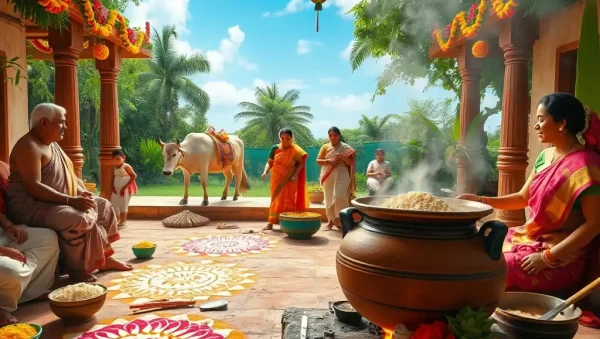
Cultural Practices and Celebrations
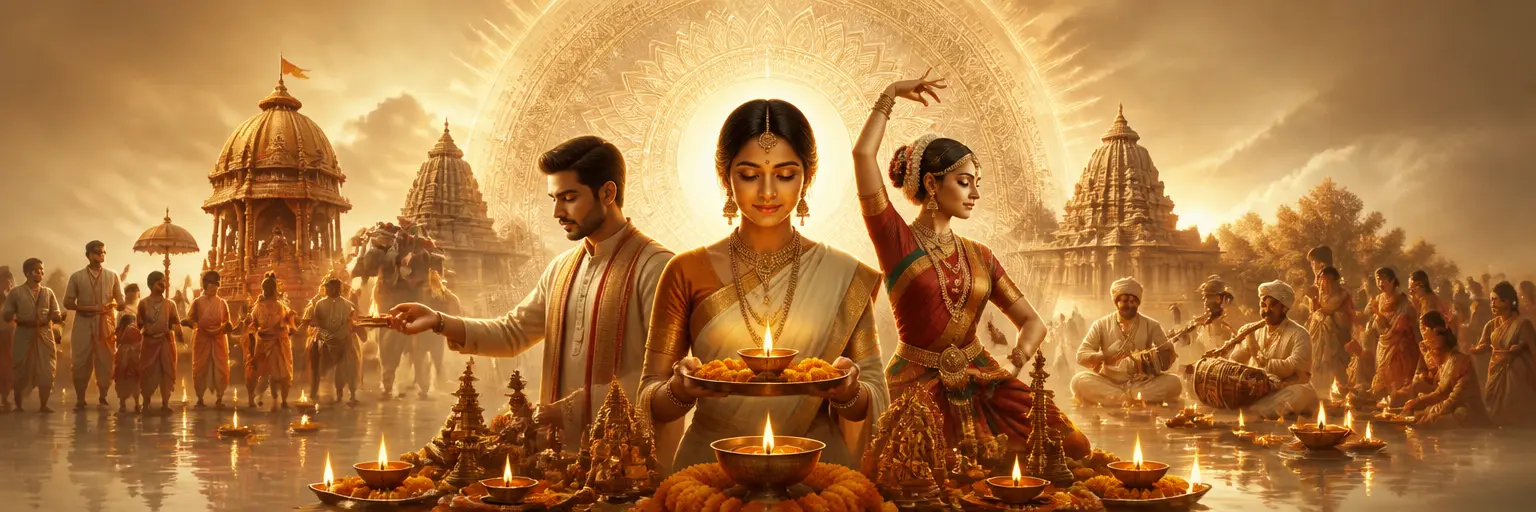
Cultural Practices and Celebrations
39 articles in this topic
Start here
- Cultural Practices and CelebrationsThe Influence of Ancient Texts on Modern Indian Celebrations
- Cultural Practices and CelebrationsThe Global Impact of Indian Festivals: Cultural Exchange and Influence
- Cultural Practices and CelebrationsThe Art of Festive Cuisine: Traditional Dishes That Define Indian Celebrations
Read more about this topic
Discover the vibrant world of ancient Indian cultural practices and celebrations 🎉—from sacred rituals and seasonal festivals to traditional arts, music, dance, food, and community customs. Explore how diverse civilizations across India preserved beliefs, honored nature, celebrated life, and shaped enduring traditions that continue to influence Indian culture today. 🪔 Dive into engaging insights on ancient Indian festivals, heritage, rituals, and social traditions while uncovering the fascinating legacy of India’s early civilizations.
More in Cultural Practices and Celebrations
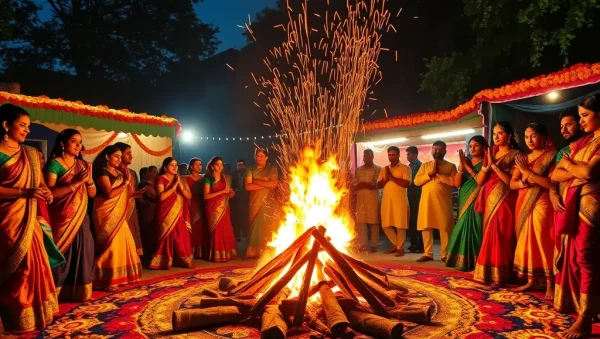
Cultural Practices and Celebrations
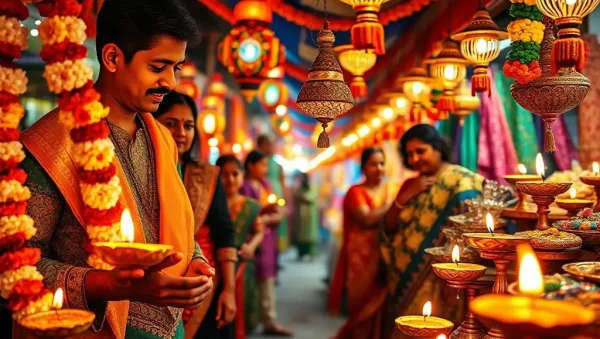
The Significance of Fire in Indian Festivals: Purification and Celebration
Cultural Practices and Celebrations
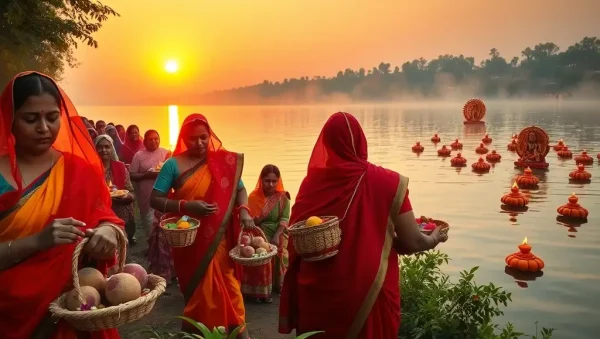
The Rituals of Chhath Puja: Sun Worship and Its Cultural Significance
Cultural Practices and Celebrations
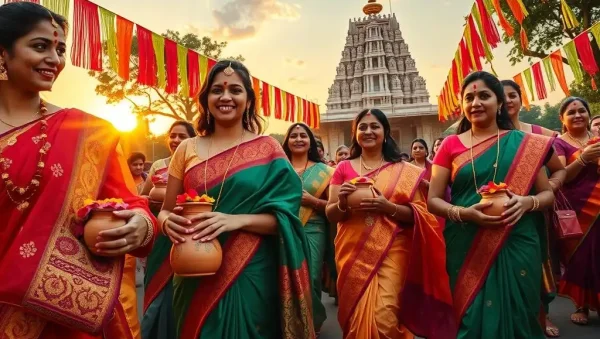
The Role of Women in Ancient Indian Festival Celebrations
Cultural Practices and Celebrations
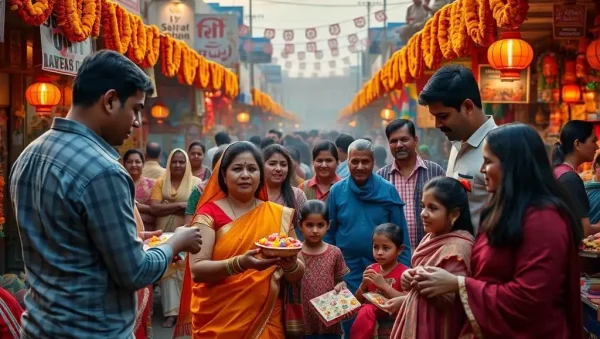
The Spirit of Giving: Charitable Acts During Indian Festivals
Cultural Practices and Celebrations
The Art of Crafting Traditional Festive Decorations: A Cultural Craft
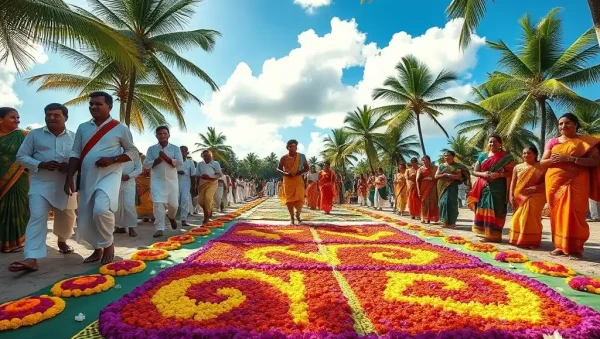
Cultural Practices and Celebrations
The Unique Customs of Onam: A Cultural Odyssey of Kerala’s Harvest Festival
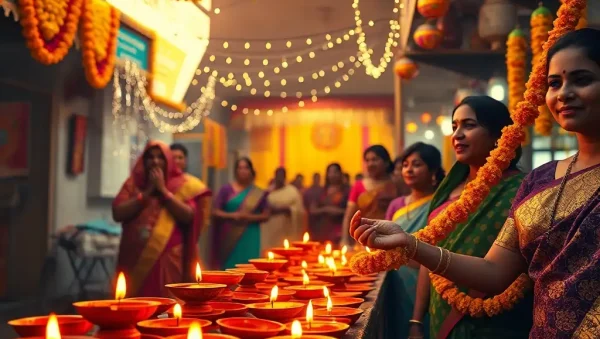
Cultural Practices and Celebrations
Understanding the Cultural Symbolism Behind Indian Festival Decorations
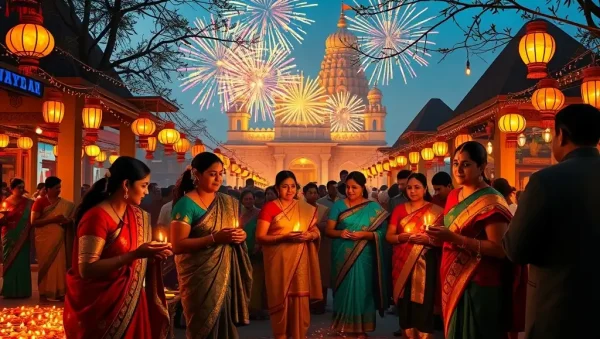
Cultural Practices and Celebrations
The Enigmatic Origins of Diwali: A Deep Dive into the Festival of Lights
Cultural Practices and Celebrations in Ancient India 🎉
Explore the vibrant cultural practices and celebrations of ancient India, where religion, community life, art, seasonal cycles, and historical traditions shaped everyday society. This subcategory examines festivals and traditions from the Indus Valley Civilization through the Vedic period, Mauryan Empire, and Gupta Empire, offering insight into how ancient Indians expressed identity, devotion, prosperity, and social unity. Discover the origins of Indian festivals, sacred rituals, traditional ceremonies, music, dance, food customs, and community gatherings through historically informed articles and engaging cultural analysis.
🏺 Ancient Indian Festivals and Seasonal Traditions
Learn how seasonal festivals in ancient India reflected agricultural cycles, monsoon patterns, harvests, and changing relationships between people and nature. Celebrations connected to sowing, rainfall, fertility, harvest, and the solar or lunar calendar played an important role in both rural communities and royal courts.
Readers can discover the historical background of early Indian celebrations, including their possible connections to Vedic rituals, regional customs, temple traditions, and early Hindu festivals. These articles explain how ancient festivals developed over time while preserving symbolic meanings related to prosperity, renewal, gratitude, and social harmony.
🪔 Religious Rituals and Sacred Ceremonies
Ancient Indian society was deeply influenced by religious ceremonies, including Vedic yajnas, fire rituals, offerings, prayers, pilgrimages, and temple observances. Explore how priests, rulers, families, and local communities participated in rituals intended to honor deities, ancestors, nature spirits, and cosmic forces.
This section also examines the cultural importance of sacred spaces, ritual objects, chants, lamps, flowers, incense, water, and food offerings. By studying these practices, readers gain a clearer understanding of ancient Indian religion, spirituality, mythology, and social organization.
🎶 Music, Dance, and Traditional Performances
Discover the role of music and dance in ancient Indian celebrations, from devotional performances and court entertainment to dramatic storytelling and community ceremonies. Early traditions connected rhythm, movement, poetry, and religious expression, creating foundations for classical Indian performing arts.
Articles in this subcategory explore instruments, performers, dancers, storytellers, theatrical customs, and references found in ancient texts, sculptures, and archaeological discoveries. Readers can learn how performance traditions communicated myths, moral lessons, royal achievements, and cultural values.
👨👩👧👦 Family, Community, and Social Customs
Cultural celebrations provided opportunities for families and communities to strengthen relationships and preserve shared identity. Explore ancient customs involving marriage ceremonies, birth rituals, coming-of-age traditions, funerary practices, ancestor remembrance, and communal feasts.
These traditions also reveal the structure of ancient Indian society, including the roles of householders, elders, women, children, artisans, merchants, rulers, and religious specialists. Historical discussions highlight both common cultural patterns and the regional diversity of ancient Indian customs.
🍚 Food, Clothing, and Decorative Traditions
Festivals and ceremonies influenced what people ate, wore, and created. Learn about traditional foods, ritual offerings, festive meals, natural dyes, ceremonial clothing, jewelry, floral decorations, rangoli-like designs, and symbolic ornaments associated with ancient Indian cultural life.
Food and decoration were more than expressions of beauty; they represented hospitality, purity, abundance, status, and devotion. By examining material culture and archaeological evidence, readers can understand how everyday objects became meaningful parts of ancient Indian celebrations and religious traditions.
🏛️ Regional Diversity Across Ancient India
Ancient India was never culturally uniform. This section explores the distinctive practices of regions connected with the Indus Valley Civilization, Gangetic plains, Deccan Plateau, Tamilakam, northwest India, and Himalayan areas.
Readers can compare local festivals, languages, religious customs, artistic traditions, and social ceremonies while tracing cultural exchange across kingdoms and trading networks. This regional approach demonstrates how Indian cultural history developed through interaction among diverse communities.
📜 Historical Sources and Archaeological Evidence
Understand how historians reconstruct ancient Indian celebrations through archaeological sites, inscriptions, coins, sculptures, pottery, literary texts, epics, religious scriptures, and accounts by foreign travelers. Evidence from places such as Harappa, Mohenjo-daro, Pataliputra, Sanchi, Taxila, and Gupta-era centers helps illuminate past cultural practices.
Because ancient sources may be incomplete or symbolic, this subcategory distinguishes between documented evidence, scholarly interpretation, and later traditions. Readers will find careful explanations that connect material remains with ancient Indian history, cultural anthropology, religion, and heritage studies.
❓ Frequently Asked Questions About Ancient Indian Cultural Practices
What were the main cultural practices in ancient India?
Main cultural practices included religious rituals, seasonal festivals, family ceremonies, ancestor worship, music, dance, storytelling, communal feasts, traditional dress, artistic decoration, and pilgrimage. These activities reflected the importance of religion, community, agriculture, family, and social order.
How did festivals influence ancient Indian society?
Festivals brought communities together, marked agricultural and religious events, supported trade and travel, and reinforced shared cultural values. Royal patronage also helped celebrations become important occasions for public ceremonies, performances, processions, and charitable activities.
What sources reveal information about ancient Indian celebrations?
Historians use archaeological discoveries, inscriptions, sculptures, coins, Vedic literature, epics, Buddhist and Jain texts, classical works, and travel accounts. These sources provide evidence about rituals, clothing, food, music, religious beliefs, and community traditions.
Were ancient Indian festivals the same across all regions?
No. Ancient India contained many languages, kingdoms, religious communities, and ecological regions. While certain themes such as harvest, fertility, devotion, and seasonal change were widely shared, specific ceremonies and customs varied considerably across regional and cultural traditions.
Why are ancient Indian cultural practices important today?
They help explain the origins and development of many modern Indian festivals, rituals, artistic forms, foods, and social customs. Studying these traditions also encourages appreciation of India’s diverse heritage and long history of cultural continuity and adaptation.