
Ancient Indian Festivals
Ancient Indian Festivals
39 articles in this topic
Read more about this topic
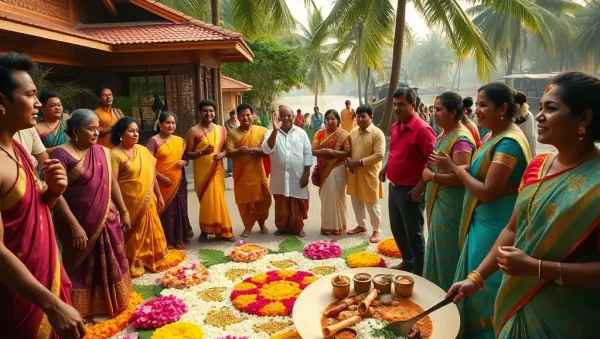
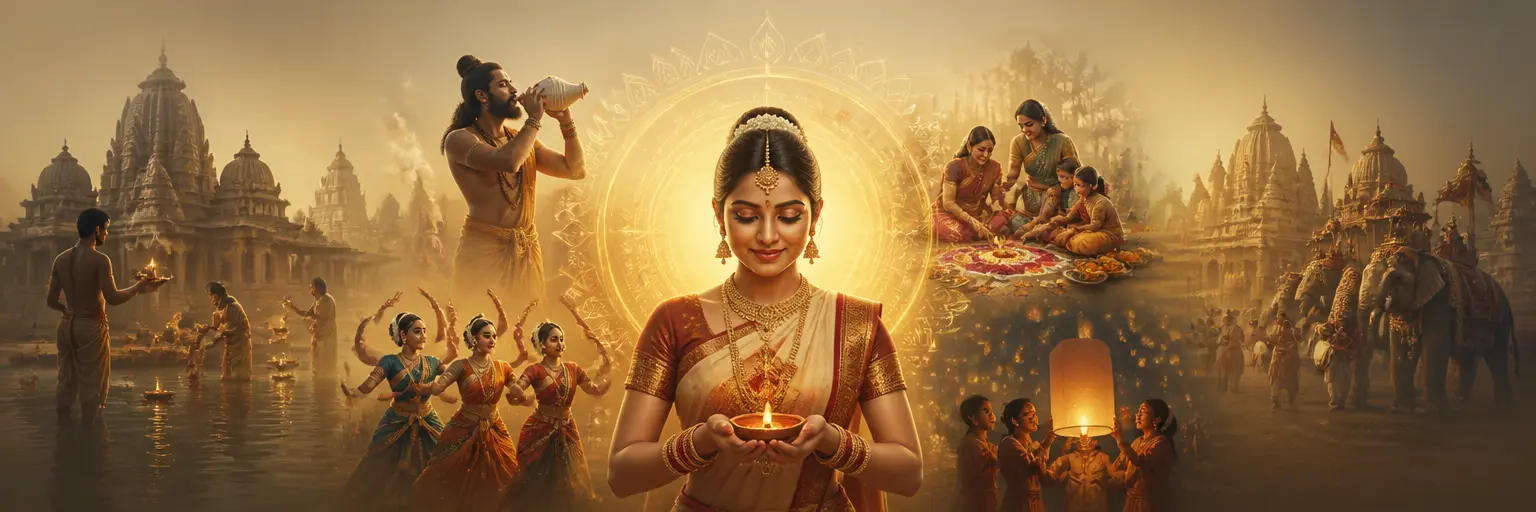
Discover the vibrant world of Ancient Indian Festivals 🎉—sacred celebrations that illuminate the history, mythology, rituals, and cultural traditions of India’s earliest civilizations. Explore how seasonal cycles, harvests, deities, music, dance, and community gatherings shaped everyday life from the Indus Valley through the Gupta Empire. ✨ Uncover the enduring origins and historical significance of India’s timeless festivals.
More in Ancient Indian Festivals
Ancient Indian Festivals
The Mystique of Janmashtami: Celebrating the Birth of Lord Krishna
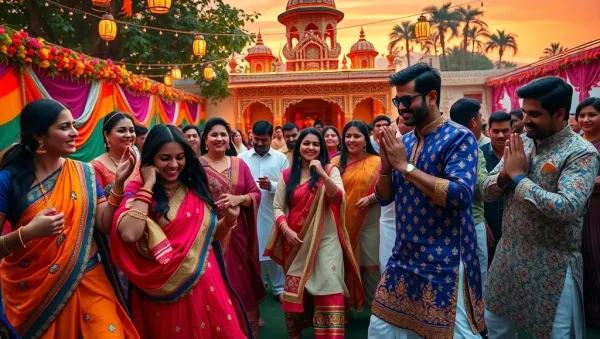
Ancient Indian Festivals
The Sufi Influence in Ancient Indian Festivals: A Cultural Fusion
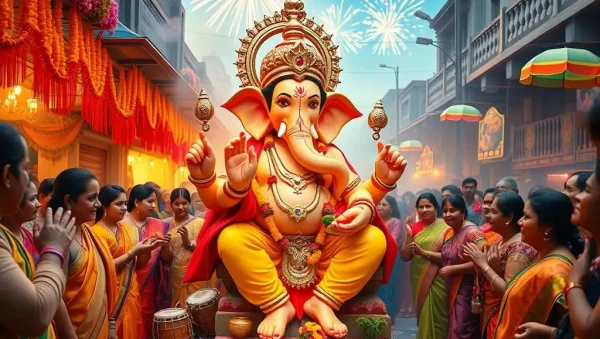
Ancient Indian Festivals
Ganesh Chaturthi: The Significance of Lord Ganesha in Ancient Indian Culture
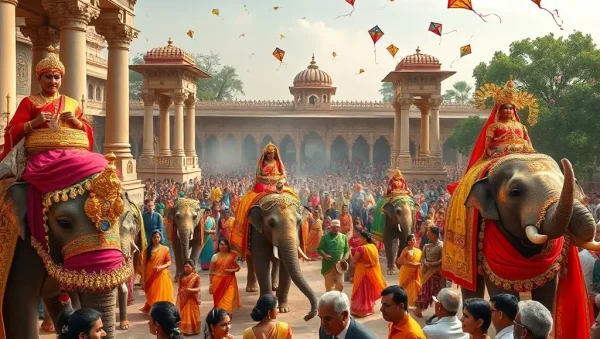
Ancient Indian Festivals
The Festivals of Ancient Indian Kings: A Celebration of Power and Prosperity
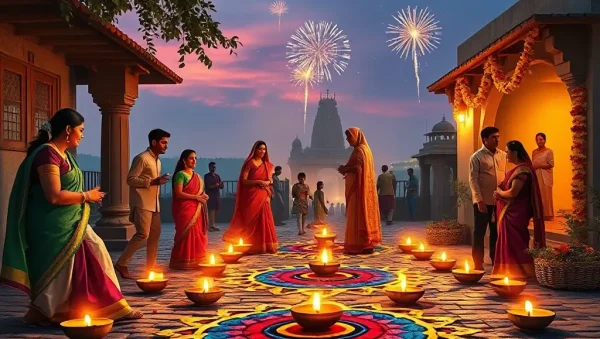
Ancient Indian Festivals
The Festival of Lights: A Comparative Study of Diwali Across Cultures
Ancient Indian Festivals
The Influence of Ancient Indian Festivals on Modern Celebrations
Ancient Indian Festivals
The Ancient Festivals of Jainism: A Celebration of Nonviolence and Peace
Ancient Indian Festivals
The Legacy of Ancient Artisans: Craft Traditions in Festival Celebrations
Ancient Indian Festivals: Sacred Traditions, Rituals, and Cultural Heritage
Explore the fascinating world of Ancient Indian Festivals and discover how seasonal celebrations, religious observances, harvest rituals, royal ceremonies, and community traditions shaped life in early India. This subcategory examines festivals associated with the Indus Valley Civilization, Vedic period, Mahajanapadas, Mauryan Empire, Satavahana era, Kushan period, and Gupta Empire, offering historical context for the customs that influenced Indian culture for centuries. Learn how ancient festivals connected people with nature, deities, ancestors, agriculture, astronomy, and social life through mythology, music, dance, offerings, processions, and sacred gatherings.
🌞 Vedic Festivals and Sacred Rituals
Discover how Vedic festivals were shaped by fire rituals, sacred hymns, seasonal cycles, and devotion to deities such as Agni, Indra, Surya, Soma, and Varuna. Articles in this section explore yajnas, religious offerings, ceremonial feasts, and community gatherings described in the Rigveda, Samaveda, Yajurveda, and other ancient Indian texts.
Readers can learn how the Vedic calendar influenced festival timing and how priests, rulers, farmers, and families participated in important observances. These resources explain the connection between ancient Hindu festivals, Vedic religion, astronomy, agriculture, and sacred tradition in an accessible historical format.
🌾 Ancient Harvest and Seasonal Celebrations
Seasonal change and agriculture played a central role in ancient Indian society. Explore harvest festivals, monsoon celebrations, spring rituals, and ceremonies connected with fertility, rainfall, livestock, crops, and the renewal of the natural world.
This section explains how communities celebrated successful harvests and sought prosperity during changing seasons. Discover the historical origins of customs involving grains, lamps, flowers, water, communal meals, music, and dancing, while understanding how ancient Indian agricultural festivals evolved into traditions observed in later periods.
🪔 Religious Festivals in Ancient Hindu Culture
Learn about the early development of religious celebrations dedicated to major Hindu deities, including Vishnu, Shiva, Devi, Ganesha, Surya, and Krishna. This content examines how temple worship, pilgrimage, fasting, storytelling, devotional offerings, and sacred processions became important parts of Indian religious life.
Readers will also discover the difference between later festival practices and their earliest historical references. By exploring epics, Puranic traditions, inscriptions, archaeological evidence, and temple culture, this subcategory provides valuable insight into ancient Hindu religious festivals and Indian spiritual heritage.
🏛️ Festivals During the Mauryan and Gupta Empires
Examine how festivals developed under powerful ancient Indian empires such as the Mauryas and Guptas. Royal courts, cities, temples, monasteries, and trade centers often became important locations for public celebrations, religious ceremonies, artistic performances, and political displays.
Articles explore the role of rulers in supporting festivals, donations, temple construction, public entertainment, and religious pluralism. Learn how Mauryan and Gupta festival traditions reflected the influence of Hinduism, Buddhism, and Jainism, as well as the prosperity and cultural achievements of classical India.
☸️ Buddhist and Jain Festivals of Ancient India
Ancient Indian festivals were not limited to one religious tradition. Discover Buddhist observances connected with the life of the Buddha, monastic communities, relics, pilgrimage, and the spread of Buddhist teachings across India. Explore how sacred days brought together monks, merchants, rulers, and local communities.
This section also introduces early Jain celebrations associated with the Tirthankaras, spiritual discipline, nonviolence, fasting, and liberation. Readers can understand how Buddhist and Jain festivals contributed to India’s diverse cultural landscape and encouraged ethical reflection, charity, learning, and community participation.
🔱 Temple Festivals, Processions, and Public Celebrations
Explore the development of ancient temple festivals, including deity processions, ritual bathing, devotional music, dancing, dramatic performances, offerings, and public feasts. Temples functioned not only as places of worship but also as centers of education, art, commerce, charity, and social organization.
Readers will discover how festivals transformed streets and temple complexes into vibrant cultural spaces. Historical evidence from inscriptions, sculptures, coins, literature, and archaeological sites reveals the importance of ancient Indian temple traditions and ceremonial processions.
🌙 Ancient Indian Calendars, Astronomy, and Festival Dates
Understand how ancient Indians calculated festival dates using lunar months, solar transitions, nakshatras, solstices, equinoxes, and planetary observations. The Indian calendar developed through close observation of the skies and the relationship between celestial cycles, agriculture, and religious practice.
This section explains terms such as tithi, paksha, masa, rashi, and nakshatra while showing how calendars guided rituals and public celebrations. Discover the scientific and cultural significance of ancient Indian astronomy and festival calendars.
🎭 Music, Dance, Drama, and Festival Arts
Festivals provided important opportunities for artistic expression in ancient India. Learn about ritual music, dance traditions, storytelling, Sanskrit drama, folk performances, decorated chariots, sacred images, costumes, and ceremonial objects used during religious and seasonal celebrations.
These resources reveal how festivals preserved mythology and history while encouraging participation across communities. Explore the connection between ancient Indian art, classical dance, temple music, theatre, mythology, and cultural identity.
❓ Frequently Asked Questions About Ancient Indian Festivals
What were ancient Indian festivals?
Ancient Indian festivals were religious, seasonal, agricultural, royal, and community celebrations observed by different societies across the Indian subcontinent. They often included rituals, offerings, music, dance, storytelling, feasting, processions, and prayers connected with deities, nature, ancestors, or important historical events.
Which ancient Indian festivals are mentioned in early texts?
Early Vedic and later Sanskrit texts describe seasonal observances, harvest rituals, sacrifices, full-moon and new-moon ceremonies, royal festivals, and celebrations dedicated to various deities. Some modern festivals may preserve elements of these older traditions, although their practices have changed over time.
How did astronomy influence ancient Indian festivals?
Festival dates were often determined by lunar phases, solar movements, seasonal changes, nakshatras, and other astronomical calculations. Ancient Indian calendars helped communities organize religious rituals, agricultural activities, pilgrimages, and civic celebrations.
Did Buddhist and Jain communities celebrate festivals in ancient India?
Yes. Buddhist and Jain communities observed important sacred occasions connected with teachers, monks, pilgrimage, religious instruction, charity, fasting, and spiritual discipline. These traditions enriched the religious diversity of ancient Indian society.
Why are ancient Indian festivals important today?
Ancient festivals offer insight into India’s history, spirituality, science, art, agriculture, and social organization. Studying their origins helps readers understand how cultural traditions developed and why many Indian celebrations continue to carry historical meaning in the present day.