
Ancient Indian Food Traditions
Ancient Indian Food Traditions
27 articles in this topic
Start here
- Ancient Indian Food TraditionsAncient Indian Food Preservation Methods: Techniques That Stand the Test of Time
- Ancient Indian Food TraditionsA Journey Through Ancient Indian Street Food: The Roots of Popular Snacks
- Ancient Indian Food TraditionsThe Evolution of Ancient Indian Food Traditions: What Has Changed and What Remains
Read more about this topic
Discover the flavors of Ancient Indian Food Traditions, where history, culture, and culinary artistry come together. Explore time-honored ingredients, Ayurvedic principles, regional cooking practices, and ceremonial dishes that reveal how ancient Indian civilizations ate, celebrated, and connected with nature. From Indus Valley foodways to Gupta-era cuisine, uncover an authentic journey through Indian culinary heritage and enriching culinary tourism experiences.
More in Ancient Indian Food Traditions
Ancient Indian Food Traditions
Vegetarianism in Ancient India: The Roots of a Timeless Culinary Philosophy
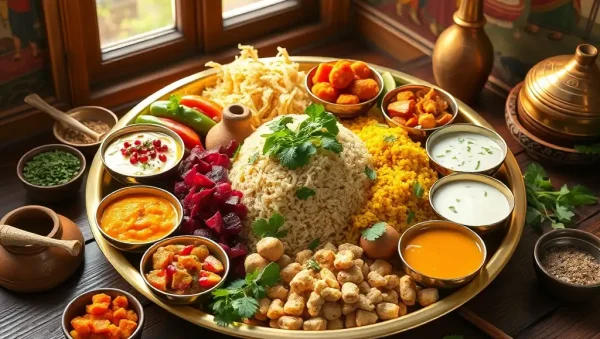
Ancient Indian Food Traditions
How Ancient Indian Food Traditions Inspire Today's Culinary Tourism
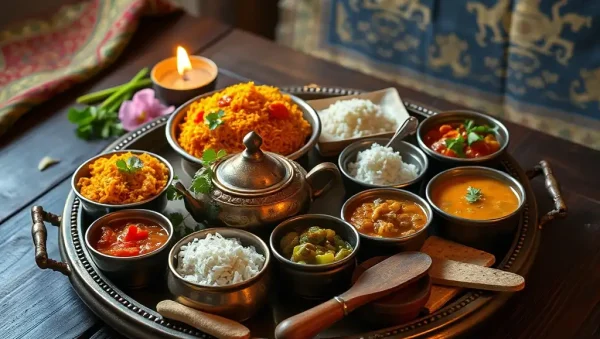
Ancient Indian Food Traditions
The Role of Religion in Ancient Indian Food Traditions: A Taste of Spirituality
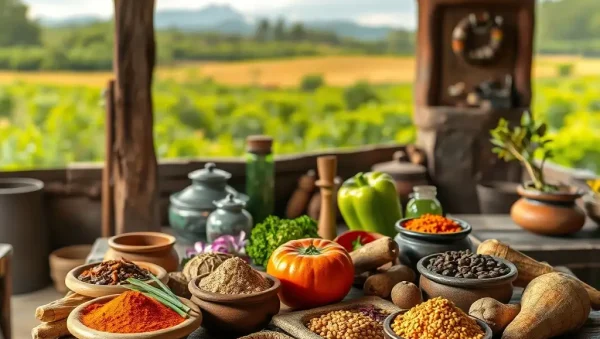
Ancient Indian Food Traditions
How Climate Influenced Ancient Indian Food Traditions: Adapting to the Environment
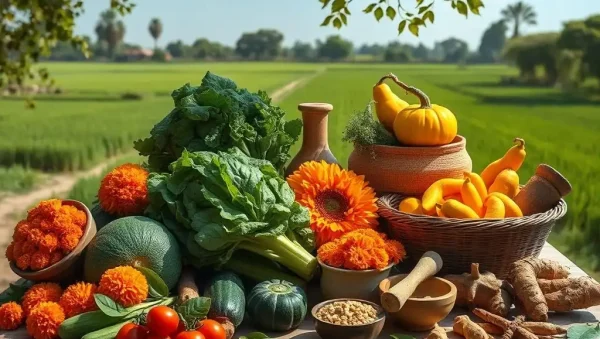
Ancient Indian Food Traditions
Seasonal Eating in Ancient India: Embracing Nature's Bounty
Ancient Indian Food Traditions
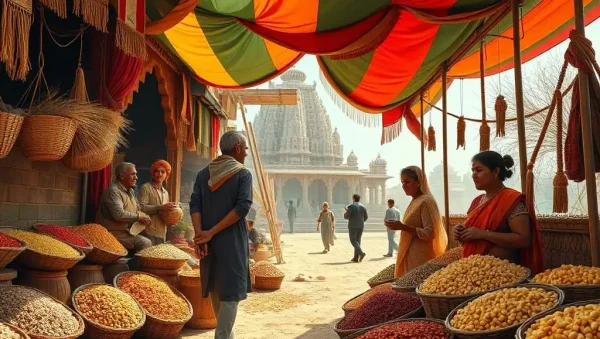
The Importance of Grains in Ancient Indian Diets: More than Just Staple Foods
Ancient Indian Food Traditions
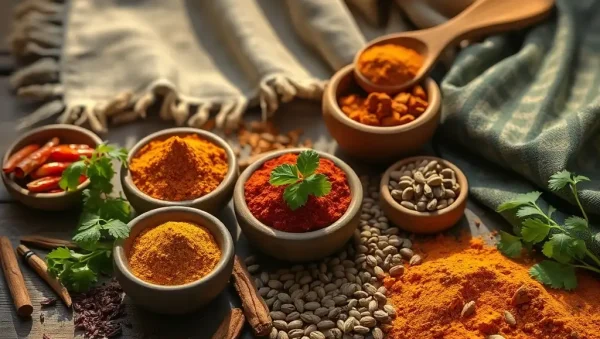
Spices of the Past: How Ancient Indian Flavors Shaped Modern Cuisine
Ancient Indian Food Traditions
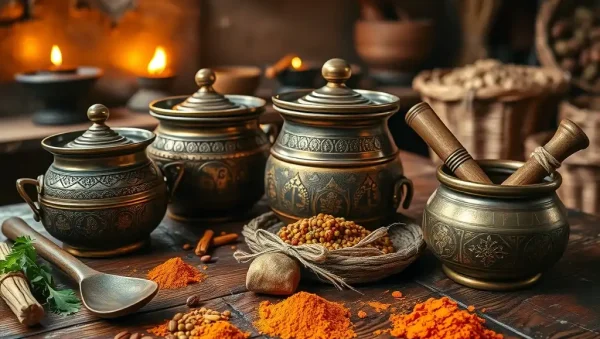
Cooking Utensils of Ancient India: Tools That Shaped Culinary Artistry
🍛 Ancient Indian Food Traditions: History, Ingredients, and Culinary Heritage
Discover the fascinating world of Ancient Indian Food Traditions, where archaeology, history, religion, agriculture, and regional culture come together through food. This subcategory explores what people ate in ancient India, how meals were prepared, and why ingredients such as rice, wheat, lentils, sesame, spices, milk, fruits, and vegetables were important to daily life. From the Indus Valley Civilization to the Vedic period, Mauryan India, and the Gupta Empire, readers can explore the origins of Indian cuisine through reliable historical context and engaging culinary research. Learn how ancient food practices continue to influence modern Indian cooking and culinary tourism today.
🏺 Food in the Indus Valley Civilization
Explore the diet and food culture of one of the world’s earliest urban civilizations. Archaeological evidence from sites such as Harappa, Mohenjo-daro, Lothal, and Kalibangan reveals the importance of grains, pulses, livestock, fishing, agriculture, and food storage. Discover how cultivated wheat, barley, millets, dates, sesame, and legumes supported settled communities across the Indus region.
This section examines cooking vessels, grinding stones, storage jars, hearths, and animal remains to explain how food was produced and prepared. Readers can learn how archaeological discoveries help historians reconstruct ancient Indian cuisine without relying solely on later literary sources.
🌾 Vedic Food Culture and Sacred Meals
Learn how food was described in Vedic literature and how agriculture, cattle, ritual offerings, and hospitality shaped early Indian society. Topics may include grains, dairy products, clarified butter, honey, fruits, herbs, and ceremonial foods, as well as the role of food in religious rituals and social customs.
Vedic food traditions also provide insight into ancient ideas about purity, nourishment, generosity, and the relationship between humans, animals, nature, and the divine. This historical perspective helps readers understand the cultural roots of many Indian culinary traditions still practiced today.
🪷 Buddhist and Jain Influences on Ancient Indian Cuisine
Examine how Buddhist and Jain philosophies influenced food choices, dietary ethics, and attitudes toward animal life in ancient India. This section explores vegetarian traditions, non-violence, monastic food practices, fasting, almsgiving, and mindful eating in their historical context.
Readers can also discover how monasteries, pilgrimage routes, and royal patronage encouraged the exchange of ingredients and cooking customs. These traditions played an important role in the development of Indian culinary identity and remain significant for cultural and religious tourism.
🌶️ Ancient Indian Spices, Herbs, and Seasonings
Discover the historical importance of spices and herbs in ancient India, including black pepper, long pepper, turmeric, ginger, cardamom, cumin, coriander, mustard, fenugreek, and asafoetida. These ingredients were valued not only for flavor but also for their preservation qualities, medicinal associations, and ritual significance.
Ancient spice routes connected India with Central Asia, the Middle East, the Mediterranean, and Southeast Asia. By studying trade, botanical evidence, and historical texts, readers can understand how Indian spices helped shape international commerce and the development of global culinary traditions.
🍚 Ancient Grains, Pulses, and Everyday Meals
Explore the foundations of ancient Indian diets through staple foods such as rice, wheat, barley, millet, sorghum, chickpeas, mung beans, black gram, and lentils. These ingredients supplied essential energy and nutrition while adapting to the diverse climates and agricultural regions of the Indian subcontinent.
This section explains how grains and pulses were combined into nourishing meals, porridges, flatbreads, fermented preparations, and festive dishes. It also highlights the practical knowledge behind soaking, grinding, roasting, fermenting, boiling, and preserving food in ancient households.
📜 Food References in Ancient Indian Texts
Read about food descriptions found in sources such as the Vedas, epics, Buddhist and Jain literature, the Arthashastra, Ayurvedic texts, and classical Sanskrit works. These writings offer valuable information about ingredients, banquets, markets, cooking methods, dietary classifications, and social customs.
Historical texts must be interpreted carefully because they often describe ideals, rituals, or elite lifestyles rather than the experience of every community. This subcategory presents literary evidence alongside archaeology and anthropology to create a balanced picture of ancient Indian food history.
🧘 Ayurveda, Nutrition, and Traditional Food Wisdom
Discover how Ayurveda classified foods according to taste, qualities, digestibility, season, and their effects on the body. Ancient dietary ideas included the importance of balanced meals, fresh ingredients, digestive spices, seasonal eating, and appropriate food combinations.
Although historical Ayurvedic concepts should not replace modern medical advice, they remain essential to understanding Indian culinary heritage. Readers can explore how food, health, lifestyle, and traditional knowledge were connected in ancient Indian society.
🏛️ Royal Kitchens, Trade, and Culinary Tourism
Investigate the food cultures of royal courts, cities, villages, merchants, travelers, and religious institutions during the Mauryan and Gupta periods. Urban markets and expanding trade networks brought together regional ingredients, cooking techniques, and culinary preferences.
This historical background enriches modern Indian culinary tourism, helping travelers appreciate heritage foods, traditional markets, temple kitchens, historic agricultural landscapes, and regional cooking demonstrations. Ancient food traditions offer a meaningful way to experience India beyond famous dishes and restaurants.
❓ Frequently Asked Questions About Ancient Indian Food Traditions
🍽️ What did people eat in ancient India?
Ancient Indian diets varied by region, period, social group, and economic status. Common foods included grains such as rice, wheat, barley, and millet; pulses; vegetables; fruits; dairy products; sesame; honey; and locally available meat or fish. Archaeological and literary evidence suggests that food diversity was a defining feature of ancient Indian cuisine.
🌾 Which grains were important in ancient Indian cuisine?
Rice, wheat, barley, and millets were among the most important ancient Indian grains. Their use depended on local climate, soil, irrigation, and agricultural traditions. Pulses were often combined with grains to create filling and nutritious meals.
🌶️ Were spices used in ancient India?
Yes. Ancient Indians used spices and herbs such as black pepper, long pepper, ginger, turmeric, cumin, coriander, mustard, cardamom, and fenugreek. Spices contributed flavor, aroma, preservation, ritual meaning, and traditional dietary value.
🪷 Was ancient Indian food always vegetarian?
No. Ancient Indian food practices were diverse. Vegetarianism became especially influential through philosophical and religious traditions such as Jainism and Buddhism, but historical sources also document the consumption of dairy products, fish, and various meats in some communities and periods. Dietary customs depended on geography, belief, occupation, and social context.
🧭 How can ancient food traditions enhance Indian culinary tourism?
Ancient food history helps travelers understand the origins of regional ingredients, temple meals, traditional markets, agricultural practices, spice routes, and heritage cooking techniques. Exploring these connections makes culinary tourism more educational and meaningful while linking modern dishes to India’s long cultural history.