
How to Cook Traditional Indian Dishes
How to Cook Traditional Indian Dishes
19 articles in this topic
Start here
- How to Cook Traditional Indian DishesCooking with Ayurveda: Traditional Recipes for Balance and Wellness
- How to Cook Traditional Indian DishesHow to Create a Traditional Indian Thali: A Complete Guide to Indian Platter
- How to Cook Traditional Indian DishesThe Influence of Ancient India on Modern Indian Cuisine: A Culinary Journey
Read more about this topic
Discover how to cook traditional Indian dishes with flavorful recipes inspired by India’s rich culinary heritage. Explore authentic spices, regional techniques, and time-honored methods behind beloved curries, biryanis, breads, dals, and sweets. Whether you’re a beginner or an experienced home cook, these Indian cuisine recipes offer a delicious journey through the traditions, history, and cultural diversity of ancient India.
More in How to Cook Traditional Indian Dishes
How to Cook Traditional Indian Dishes
Savory and Sweet: A StepbyStep Guide to Cooking Classic Indian Desserts
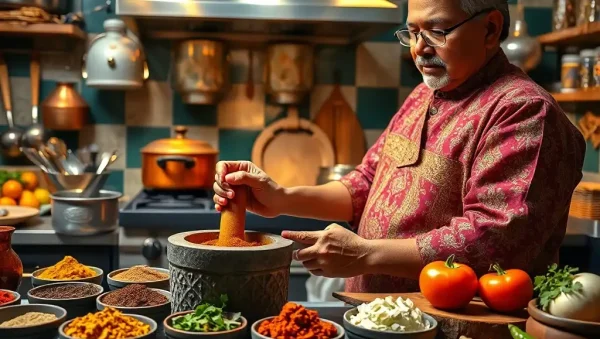
How to Cook Traditional Indian Dishes
Spice It Up: Mastering Traditional Indian Cooking Techniques for Beginners
How to Cook Traditional Indian Dishes
Perfecting the Art of Indian Pickles: Traditional Recipes for Modern Palates
How to Cook Traditional Indian Dishes
How to Cook Traditional Indian Flatbreads: Tips for Perfecting Roti and Naan
How to Cook Traditional Indian Dishes
Vegetarian Delights: Cooking Ancient Indian Vegetarian Recipes with Modern Twists
How to Cook Traditional Indian Dishes
The Ritual of Cooking in Ancient India: Recipes and Their Cultural Significance
How to Cook Traditional Indian Dishes
Cooking with Ancient Grains: Reviving Lost Recipes from Indian Civilization
How to Cook Traditional Indian Dishes
Discover the Secrets: How to Cook Authentic Indus Valley Cuisine at Home
🍛 How to Cook Traditional Indian Dishes: Authentic Recipes, Techniques, and Culinary Heritage
Discover how to cook traditional Indian dishes with authentic recipes inspired by India’s diverse regional cuisines and ancient culinary heritage. This subcategory explores the flavors, ingredients, cooking methods, and cultural traditions behind popular Indian food, from fragrant biryani and creamy curries to handmade breads, vegetarian dishes, festive sweets, and regional specialties. Whether you are a beginner learning Indian cooking or an experienced home chef seeking traditional techniques, you will find practical guidance for preparing delicious meals at home while understanding their historical and cultural significance.
🌶️ Authentic Indian Recipes from Every Region
Explore traditional Indian recipes from North India, South India, East India, and West India, each shaped by local ingredients, climate, religion, trade, and centuries of culinary exchange. Learn how to prepare Punjabi curries, Rajasthani vegetarian dishes, Bengali fish recipes, Kerala coconut-based meals, Tamil rice dishes, Gujarati snacks, and Mughlai specialties using time-tested methods.
Each recipe can introduce the story behind the dish, its place in Indian culture, and the occasions when it is traditionally served. Readers can expect clear ingredient lists, step-by-step instructions, useful substitutions, and practical tips for achieving authentic flavor without requiring professional cooking equipment.
🫓 Indian Breads, Rice, and Essential Staples
Learn how to make beloved Indian staples such as naan, roti, chapati, paratha, puri, dosa, idli, basmati rice, pulao, and biryani. These foods form the foundation of many Indian meals and demonstrate the importance of grains, fermentation, clay ovens, griddles, and aromatic spices in traditional Indian cuisine.
Guides will explain how to knead dough, control moisture, ferment batters, cook rice evenly, and create soft, flavorful breads at home. Step-by-step cooking advice helps beginners avoid common mistakes, while traditional preparation notes reveal how these staples developed across ancient and medieval Indian food traditions.
🍲 Traditional Indian Curries and Vegetarian Cooking
Discover how to prepare classic Indian curries, including chana masala, rajma, palak paneer, aloo gobi, dal, sambar, korma, butter chicken, rogan josh, and regional vegetable preparations. Indian cooking offers an exceptional range of vegetarian and plant-based dishes based on lentils, beans, vegetables, paneer, grains, herbs, and spices.
Learn the importance of building flavor through tempering spices, sautéing aromatics, grinding masalas, slow cooking, and balancing sour, sweet, salty, bitter, and spicy tastes. Recipes may also include vegetarian, vegan, gluten-free, and dairy-free alternatives, making traditional Indian food accessible to a wide variety of home cooks.
🌿 Indian Spices, Masalas, and Cooking Techniques
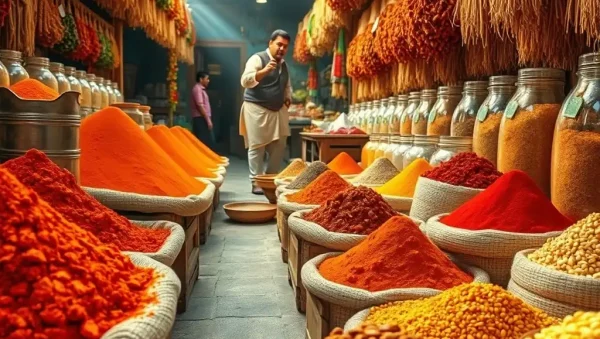
Understand how Indian spices transform simple ingredients into complex and memorable dishes. Explore the uses of turmeric, cumin, coriander, cardamom, cloves, cinnamon, mustard seeds, fenugreek, black pepper, asafoetida, curry leaves, saffron, and garam masala, as well as the difference between whole spices, ground spices, spice blends, and regional masalas.
Readers can learn essential Indian cooking techniques such as tadka or tempering, bhunao, dum cooking, tandoor roasting, pressure cooking, steaming, pickling, and slow simmering. These methods provide more than flavor; they connect modern kitchens with the culinary practices documented through India’s long history of agriculture, trade, medicine, and cultural exchange.
🏺 Ancient Indian Food Culture and Culinary History
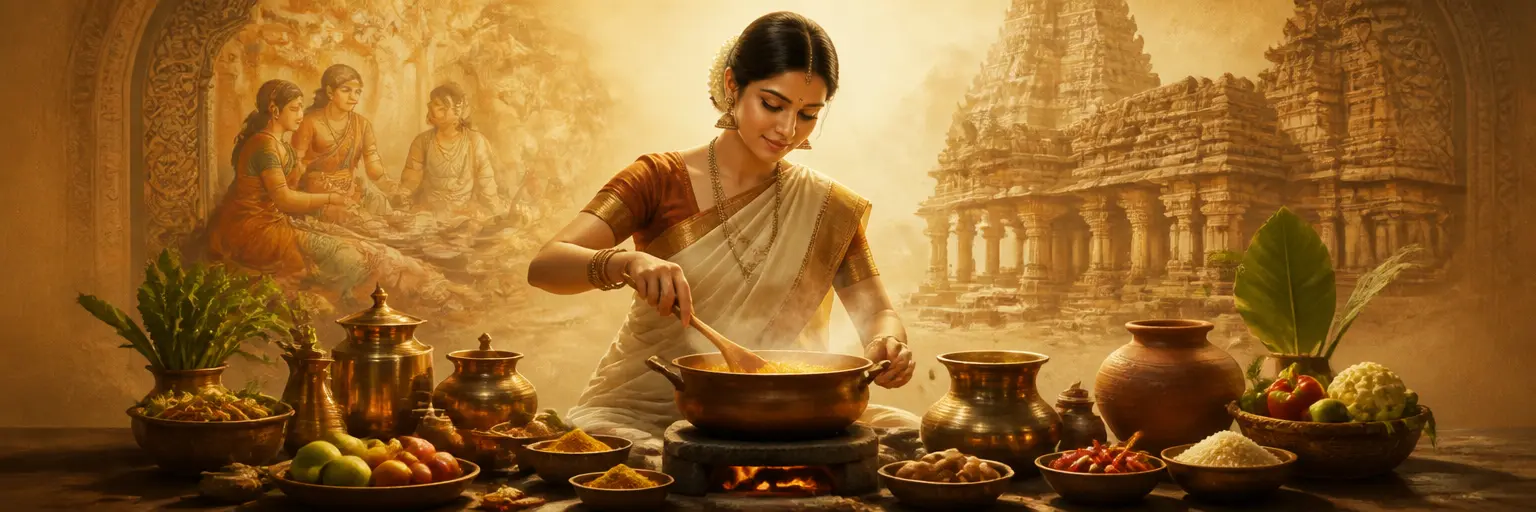
Traditional Indian cooking is closely connected to the history of ancient India, including the Indus Valley Civilization, Vedic traditions, early agricultural communities, Buddhist and Jain food practices, and the sophisticated courts of the Gupta and later periods. Explore how rice, wheat, pulses, sesame, sugarcane, dairy, fruits, and spices became important parts of Indian food culture.
Discover how religious customs, Ayurvedic principles, seasonal eating, trade routes, royal kitchens, and regional geography influenced Indian recipes. Food history makes every dish more meaningful, showing how traditional meals preserve the knowledge, beliefs, and everyday lives of communities across the Indian subcontinent.
🍽️ Indian Festival Foods and Family Celebrations
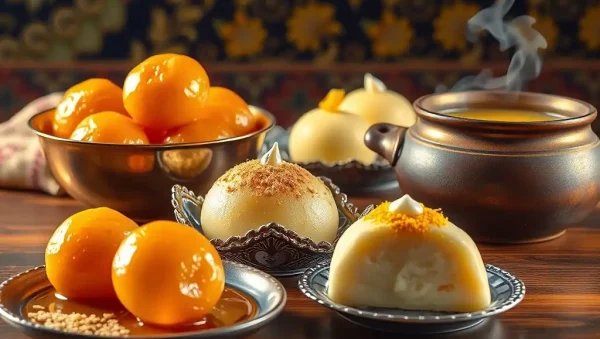
Learn how to cook dishes traditionally prepared for Diwali, Holi, Navratri, Pongal, Onam, Eid, Durga Puja, regional harvest festivals, weddings, and family ceremonies. Explore festive recipes such as gulab jamun, jalebi, kheer, ladoo, modak, puran poli, payasam, samosas, pakoras, and celebratory biryani.
These guides explain the cultural meaning of festive ingredients and cooking rituals while offering practical instructions for preparing larger meals. Readers can discover how Indian food brings families and communities together through shared preparation, hospitality, religious observance, and regional culinary traditions.
🧳 Indian Cuisine, Travel, and Culinary Tourism
Use this subcategory as a culinary travel guide to India through its food. Learn what to taste and cook after visiting destinations such as Delhi, Agra, Jaipur, Amritsar, Lucknow, Kolkata, Mumbai, Goa, Chennai, Hyderabad, Kochi, and Varanasi. Each region offers distinctive flavors shaped by history, geography, local produce, and cultural heritage.
Travel-focused articles can help readers recreate memorable Indian dishes at home, understand regional menus, and appreciate the relationship between food and historic places. Cooking traditional Indian recipes is a meaningful form of cultural exploration, allowing travelers and history enthusiasts to experience India beyond monuments and museums.
❓ Frequently Asked Questions About Cooking Traditional Indian Dishes
What is the best Indian dish for beginners to cook?
Dal, chana masala, vegetable curry, jeera rice, and aloo gobi are excellent choices for beginners. They use accessible ingredients and teach essential techniques such as sautéing onions, blooming spices, simmering sauces, and balancing seasoning.
Which spices are essential for traditional Indian cooking?
Useful everyday spices include cumin, coriander, turmeric, mustard seeds, cardamom, cinnamon, cloves, chili powder, black pepper, and garam masala. Fresh ginger, garlic, cilantro, curry leaves, and green chilies are also important for creating authentic Indian flavor.
Can I cook authentic Indian food without a tandoor?
Yes. Naan, roti, kebabs, and roasted dishes can be prepared using a cast-iron skillet, oven, grill, or heavy frying pan. Although the flavor may differ slightly from a traditional tandoor, proper high heat and careful cooking can produce excellent results at home.
How can I make Indian food less spicy?
Reduce the amount of fresh chilies and chili powder while maintaining aromatic spices such as cumin, coriander, cardamom, and cinnamon. Yogurt, coconut milk, cream, lentils, potatoes, or a small amount of sugar can also soften heat without removing the dish’s traditional character.
What makes Indian cuisine different from other world cuisines?
Indian cuisine is distinguished by its regional diversity, layered spice blends, vegetarian traditions, ancient cooking methods, and balance of contrasting flavors. Its recipes reflect geography, religion, seasonal ingredients, trade, Ayurveda, and the long cultural history of the Indian subcontinent.