
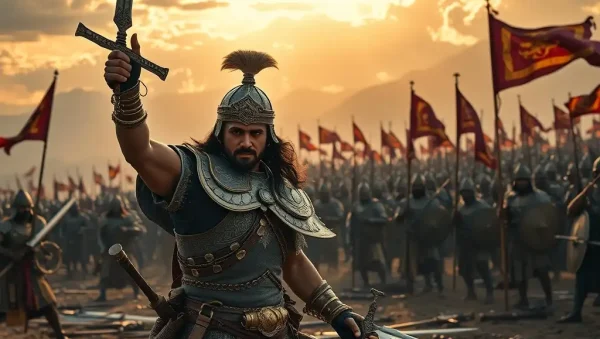
Ancient Indian Warfare
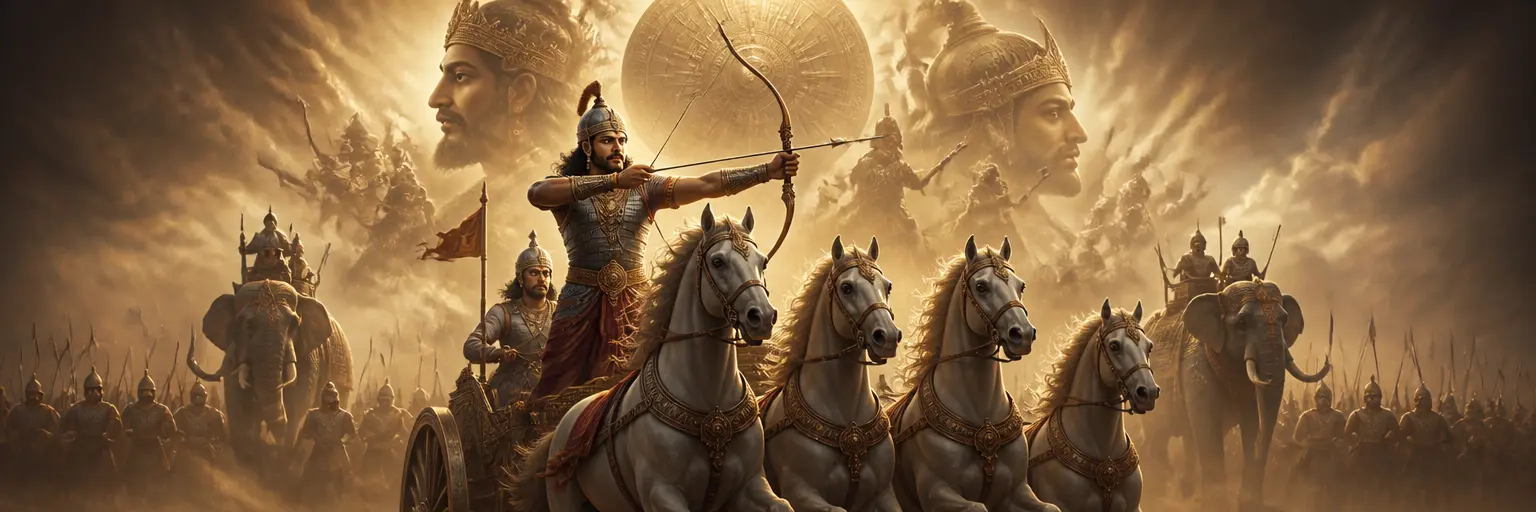
Ancient Indian Warfare
50 articles in this topic
Read more about this topic
Explore Ancient Indian Warfare through the strategies, weapons, armies, and battlefield traditions that shaped India’s early kingdoms and empires. Discover how warfare evolved from the Indus Valley and Vedic periods to the Mauryan, Gupta, and other powerful dynasties, with insights into military history, ancient Indian weapons, war elephants, fortifications, and battlefield tactics.
More in Ancient Indian Warfare
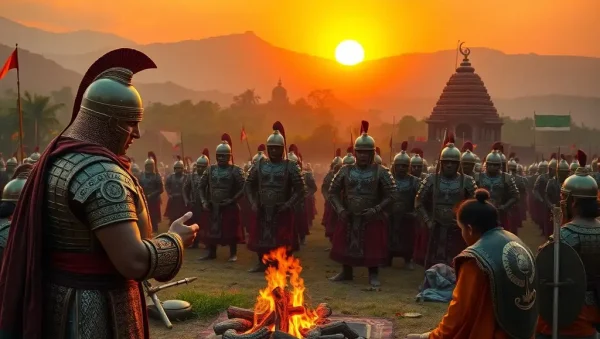
Ancient Indian Warfare
The Role of Religion in Ancient Indian Warfare: A Sacred Justification
Ancient Indian Warfare
The Role of Festivals and Celebrations in Ancient Indian Warfare
Ancient Indian Warfare
From Arjuna to Ashoka: The Evolution of Warrior Ideals in Ancient India
Ancient Indian Warfare
The Decline of Warfare in the Gupta Empire: Factors and Consequences
Ancient Indian Warfare
The Psychology of Warfare in Ancient India: Understanding the Warrior's Mind
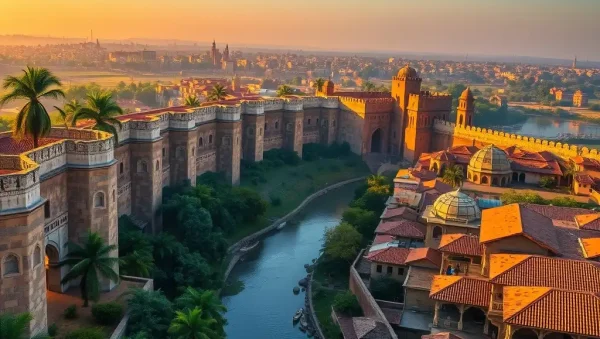
Ancient Indian Warfare
The Evolution of Fortifications in Ancient Indian Cities: A Defensive Perspective
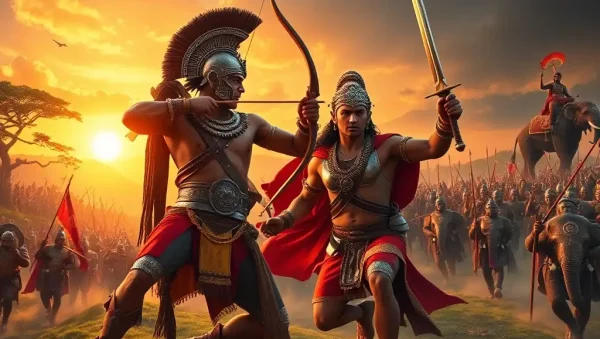
Ancient Indian Warfare
The Cultural Significance of Warfare in Ancient Indian Epics: Mahabharata and Ramayana
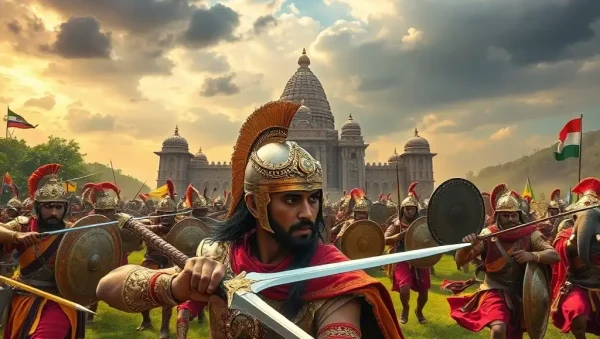
Ancient Indian Warfare
The Connection Between Ancient Indian Warfare and Modern Nationalism
Ancient Indian Warfare: Armies, Battles, Weapons, and Military Strategy
Explore the fascinating world of Ancient Indian Warfare, a vital area of military history covering the armies, weapons, fortifications, battlefield tactics, political rivalries, and military traditions of the Indian subcontinent. From the early urban societies of the Indus Valley to the imperial expansion of the Maurya and Gupta empires, this subcategory examines how ancient Indian kingdoms organized, equipped, and commanded their forces. Discover how warfare influenced state formation, diplomacy, trade, religion, technology, and the cultural development of ancient India.
⚔️ Ancient Indian Armies and Military Organization
Learn how ancient Indian rulers created powerful armies supported by infantry, cavalry, chariots, elephants, archers, engineers, scouts, and naval forces. Articles in this section explore the organization of royal armies, military ranks, recruitment systems, battlefield commanders, and the responsibilities of soldiers in kingdoms such as Magadha, Kosala, Avanti, the Mauryan Empire, and the Gupta Empire.
Readers can also examine the relationship between warfare and government administration. Military organization in ancient India was closely connected with taxation, agriculture, diplomacy, and imperial control, while texts such as the Arthashastra provide valuable insight into intelligence networks, espionage, fortification management, logistics, and strategic planning.
🛡️ Weapons, Armor, and Ancient Indian Military Technology
Discover the weapons used by ancient Indian warriors, including swords, spears, bows, maces, axes, shields, daggers, and specialized projectile weapons. This section explores how weapons were manufactured, carried, and used by different military units, as well as the importance of archery and close-combat skills in ancient Indian battles.
Explore the development of ancient Indian military technology, including war chariots, armored elephants, siege equipment, protective armor, and battlefield engineering. By studying archaeological discoveries, literary sources, inscriptions, and artistic representations, readers can better understand how innovation affected combat effectiveness and the changing nature of warfare across different periods.
🐘 War Elephants, Chariots, and Cavalry
War elephants are among the most distinctive features of ancient Indian warfare. Learn how elephants were trained, armored, and deployed to break enemy formations, intimidate opposing troops, and protect commanders. This section also considers the limitations of elephant warfare, including vulnerability to disciplined infantry, fire, obstacles, and specialized counter-tactics.
Ancient Indian chariots and cavalry played important roles in mobility, reconnaissance, missile attacks, and the pursuit of defeated armies. Combined-arms warfare allowed commanders to coordinate infantry, mounted troops, chariots, and elephants, creating complex battlefield formations that changed according to terrain, enemy strategy, and the objectives of a campaign.
🏰 Fortifications, Sieges, and Military Architecture
Study the fortified cities, defensive walls, gates, moats, watchtowers, citadels, and strategic strongholds that protected ancient Indian kingdoms. Fortifications were essential for controlling trade routes, river crossings, capitals, agricultural regions, and frontier territories. Their design reflected local geography, available materials, engineering knowledge, and the political importance of the settlement.
This section explains how sieges were planned and conducted, including blockades, assaults, negotiations, deception, mining, and the use of siege machinery. Readers will gain insight into ancient Indian siege warfare and understand why controlling a fortified city could determine the outcome of a regional conflict or imperial campaign.
📜 Military Strategy in the Arthashastra and Ancient Texts
Explore the strategic ideas preserved in the Arthashastra, the Mahabharata, the Ramayana, Buddhist literature, Jain texts, inscriptions, and other sources connected with ancient Indian military history. These works discuss diplomacy, alliances, espionage, psychological warfare, battlefield formations, royal duty, military ethics, and the practical challenges of ruling a powerful kingdom.
Readers should approach these sources critically, distinguishing between historical evidence, political theory, epic storytelling, and religious tradition. Ancient Indian military strategy was not limited to direct combat; it also included economic pressure, covert operations, negotiation, intelligence gathering, and the careful use of geography and timing.
🏹 Major Battles, Conquests, and Imperial Expansion
Learn about important conflicts that shaped the political history of ancient India, including struggles among Mahajanapadas, the rise of Magadha, the campaigns of the Mauryan Empire, and military confrontations involving the Nandas, Indo-Greeks, Shakas, Kushans, Satavahanas, and Guptas. Each battle offers an opportunity to examine commanders, troop formations, political causes, weapons, tactics, and historical consequences.
The military expansion of ancient Indian empires transformed administration, trade, culture, and regional identity. From territorial conquest to the consolidation of provinces and frontier zones, warfare helped create larger states while also encouraging diplomacy, cultural exchange, and the movement of people, technologies, and ideas across South Asia.
☸️ The Kalinga War and the Transformation of Ashoka
The Kalinga War is one of the most significant events in ancient Indian military history. Study the causes of the conflict, the importance of Kalinga, the destructive consequences of the campaign, and the evidence preserved in Ashoka’s edicts. The war demonstrates how military victory could produce profound political, ethical, and religious consequences.
After the conflict, Ashoka promoted dhamma, diplomatic engagement, public welfare, and a more restrained approach to imperial power. This section examines the relationship between war, remorse, Buddhist influence, and kingship, while also considering how Ashoka’s transformation shaped later interpretations of leadership and nonviolence.
🗺️ Battlefield Formations, Tactics, and Leadership
Ancient Indian commanders used formations designed to protect key units, exploit weaknesses, control movement, and coordinate different branches of the army. Explore traditional formations such as the chakravyuha and other tactical arrangements described in literary and military sources, alongside discussions of ambushes, open-field battles, river crossings, and mountain warfare.
Effective leadership depended on more than bravery. Ancient Indian military commanders needed knowledge of terrain, supply lines, weather, morale, intelligence, diplomacy, and timing. Articles in this section explain how strategic decision-making influenced campaigns and why discipline, communication, and logistics were essential to sustaining an army far from its capital.
🌏 Warfare, Diplomacy, and Cultural Exchange
Military history is closely connected with diplomacy and international relations. Ancient Indian kingdoms formed alliances, exchanged envoys, negotiated marriages, paid tribute, and competed for control of commercial routes. Conflicts and political contacts linked South Asia with Central Asia, Persia, the Hellenistic world, and Southeast Asia.
Discover how warfare contributed to the movement of military techniques, artistic styles, religious ideas, coins, languages, and technologies. Ancient Indian military diplomacy reveals that kingdoms did not rely solely on conquest; negotiation, strategic partnerships, and economic influence were equally important tools of statecraft.
❓ Frequently Asked Questions About Ancient Indian Warfare
What was ancient Indian warfare like?
Ancient Indian warfare involved infantry, archers, cavalry, chariots, elephants, engineers, and sometimes naval forces. Battles were supported by fortifications, intelligence gathering, diplomacy, logistics, and detailed military planning. The character of warfare varied considerably between the Vedic period, the age of the Mahajanapadas, the Mauryan Empire, and the Gupta period.
What weapons were used in ancient India?
Common weapons included bows, arrows, swords, spears, maces, axes, shields, daggers, and javelins. Armies also used war chariots, armored elephants, siege equipment, and defensive armor. Archaeology, inscriptions, sculptures, and ancient texts help historians reconstruct how these weapons were designed and used.
Why were war elephants important in ancient Indian armies?
War elephants could disrupt enemy formations, create fear, carry armored soldiers, and protect important commanders. They were especially valuable against infantry and lightly organized forces. However, elephants required extensive training and supplies and could become difficult to control when frightened or wounded.
What does the Arthashastra reveal about ancient Indian warfare?
The Arthashastra describes military administration, espionage, fortifications, diplomacy, taxation, troop organization, and strategic planning. It presents warfare as part of a broader system of governance in which intelligence, economic resources, alliances, and political maneuvering were as important as battlefield strength.
How did warfare influence ancient Indian history?
Warfare contributed to the rise and fall of kingdoms, the expansion of empires, the development of administration, and the control of trade routes and agricultural regions. It also influenced religion, political thought, art, technology, and cultural exchange. Studying ancient Indian warfare therefore provides a deeper understanding of the political and social history of the subcontinent.