
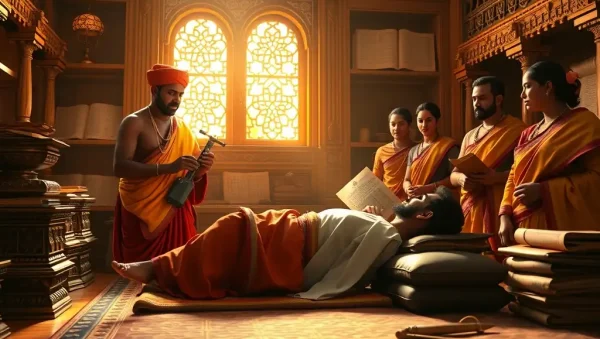
Ancient Surgical Techniques
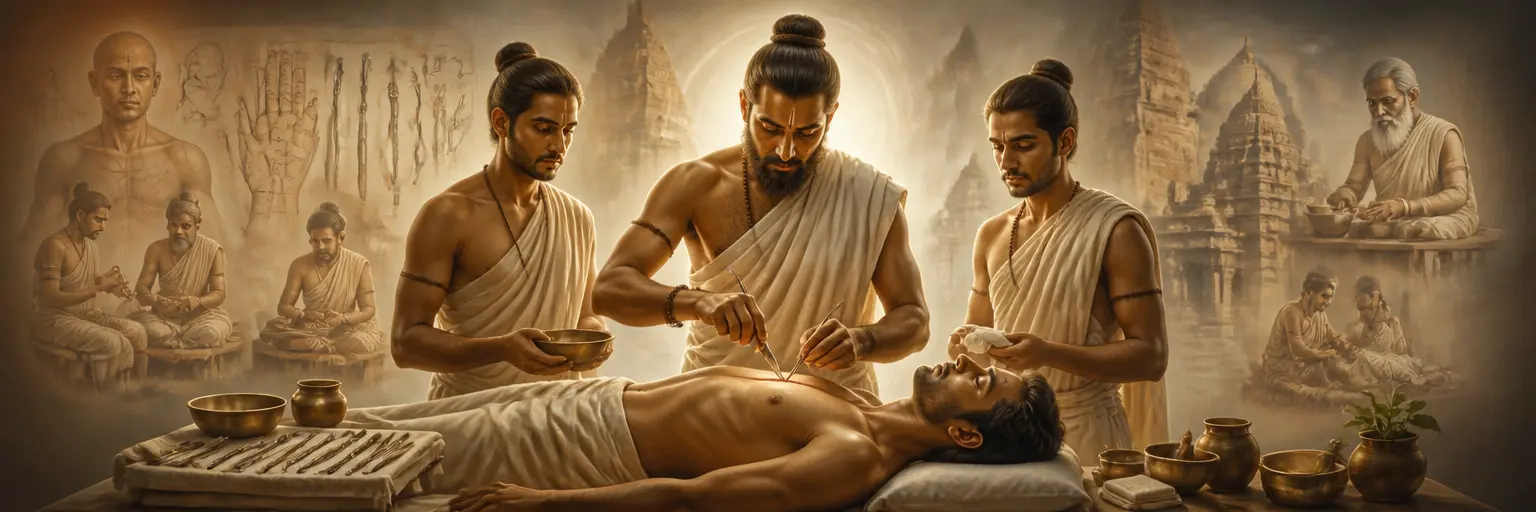
Ancient Surgical Techniques
62 articles in this topic
Read more about this topic
Explore the remarkable world of Ancient Surgical Techniques, where early Indian physicians developed innovative approaches to healing, wound care, reconstruction, and medical instruments. Discover the pioneering contributions of Ayurveda and Sushruta, whose knowledge shaped the history of surgery and continues to inspire modern medicine.
More in Ancient Surgical Techniques
Ancient Surgical Techniques
The Influence of Ancient Indian Surgery on Eastern and Western Practices
Ancient Surgical Techniques
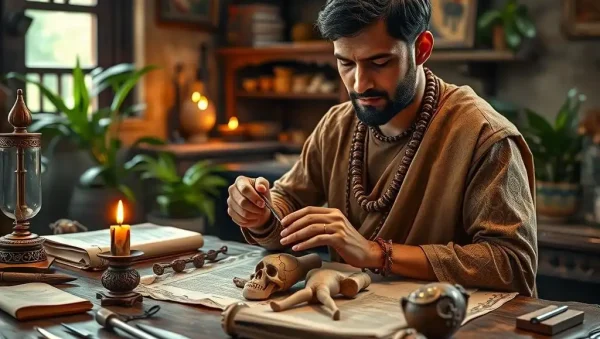
How Ancient Indian Surgeons Practiced Medicine: Techniques and Tools
Ancient Surgical Techniques
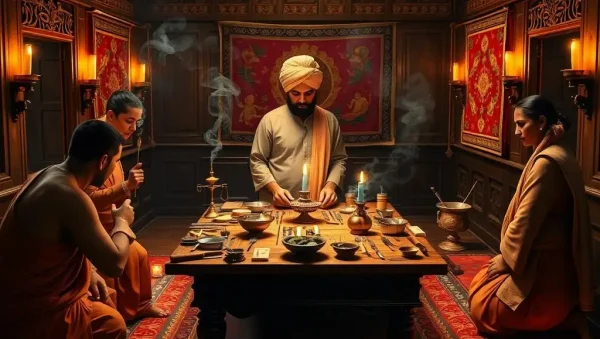
How Ancient Indian Surgeons Prepared for Surgeries: Rituals and Practices
Ancient Surgical Techniques
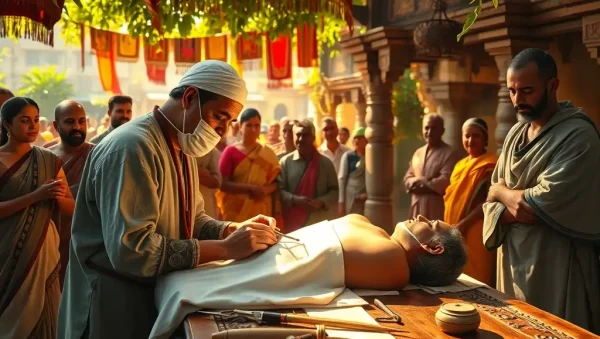
The Cultural Impact of Surgery in Ancient Indian Society
Ancient Surgical Techniques
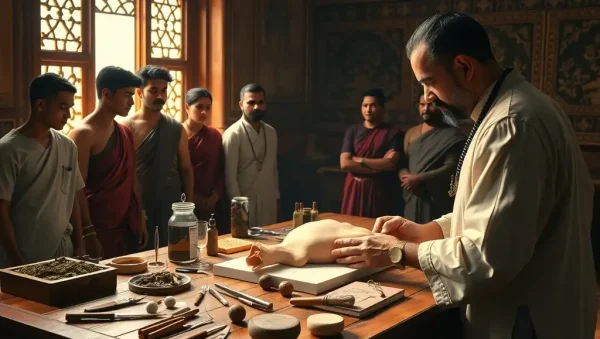
The Surgical Skills of Ancient Indian Physicians: Training and Education
Ancient Surgical Techniques
The Influence of Ancient Indian Surgery on Ayurveda and Holistic Health
Ancient Surgical Techniques
The Use of Anesthesia in Ancient Indian Surgical Procedures
Ancient Surgical Techniques
The Secrets of Ancient Indian Bone Surgery Revealed
Ancient Surgical Techniques in India: Medicine, Innovation, and Healing
Explore the remarkable world of ancient surgical techniques in India and discover how physicians, surgeons, and medical scholars approached healing centuries before modern hospitals and scientific instruments. This subcategory examines the development of ancient Indian surgery, with special attention to the medical traditions associated with Sushruta, Ayurveda, and the classical Sanskrit medical texts. Learn how ancient practitioners treated wounds, fractures, abscesses, eye conditions, childbirth complications, and other ailments using carefully developed methods, instruments, and therapeutic procedures.
🩺 Sushruta and the Origins of Indian Surgery
Readers can expect detailed insights into Sushruta Samhita, one of the most important sources for the history of surgery in ancient India. Often associated with the development of systematic surgical education, Sushruta described practical procedures, anatomical observation, patient care, and the ethical responsibilities of a physician. This subcategory explores his influence on Ayurvedic surgery and the broader history of medicine.
Articles also examine how Sushruta’s work contributed to knowledge of surgical tools, wound management, nasal reconstruction, cataract treatment, and specialist training. By studying these records in their historical context, readers can understand both the sophistication and the limitations of early Indian medical science.
🔪 Ancient Surgical Instruments and Medical Tools
Discover the wide range of instruments described in ancient Indian medical literature, including scalpels, probes, forceps, needles, scissors, tubes, and specialized cutting tools. These tools were designed for different procedures, such as incision, extraction, drainage, suturing, and examination. The study of these instruments reveals the importance of precision in ancient Indian surgical practice.
This section explains how physicians selected instruments according to the condition being treated and how materials such as metal, wood, and other substances may have been used. Readers will also learn about sterilization concepts, preparation of instruments, and the historical significance of surgical tool classifications in the history of Ayurveda and medicine.
🩹 Wound Care, Fractures, and Reconstructive Surgery
Ancient Indian surgeons developed methods for treating wounds, burns, ulcers, dislocations, and broken bones. Articles in this subcategory explore bandaging techniques, medicinal preparations, splinting, drainage, and approaches to preventing complications. These practices offer valuable insight into trauma care in ancient India and the practical challenges faced by early medical practitioners.
Readers can also learn about reconstructive procedures, especially the historical accounts of nasal repair and skin grafting. Such descriptions are frequently discussed in relation to the origins of plastic and reconstructive surgery. The content distinguishes historical evidence from modern interpretation while showing why these techniques remain important in the study of global medical history.
👁️ Eye Surgery and Specialized Medical Procedures
Ancient Indian medical texts contain descriptions of eye disorders and procedures associated with conditions such as cataracts. This section investigates the tools, preparation methods, and surgical concepts recorded in early medical sources. It also places ancient Indian ophthalmology within the wider development of specialized medicine.
Readers should expect accessible explanations of how early physicians understood vision, eye disease, and surgical intervention. The articles emphasize the historical nature of these practices and avoid presenting them as modern medical advice, while highlighting their importance in the history of ophthalmic surgery.
🌿 Ayurveda, Anesthesia, and Surgical Preparation
Ancient surgery was closely connected with Ayurveda, including dietary preparation, herbal remedies, cleansing practices, pain management, and post-operative care. Explore how physicians used plant-based substances, oils, fermented preparations, and other therapies to support patients before and after procedures. These topics reveal the relationship between Ayurvedic medicine and surgery.
This content also considers historical references to sedation and pain relief without assuming that ancient methods were equivalent to modern anesthesia. Readers will gain a balanced understanding of surgical preparation, hygiene, recovery, and the role of holistic treatment in ancient Indian medical traditions.
📜 Medical Education, Ethics, and Surgical Training
Learn how aspiring physicians may have been trained through observation, memorization, supervised practice, and the study of anatomy. Ancient medical texts describe the importance of practicing techniques on natural materials before performing procedures on patients. These accounts demonstrate the value placed on medical skill, discipline, and practical education.
Articles also explore professional ethics, patient consent in historical context, physician conduct, and the responsibilities of a healer. By examining these themes, readers can better understand how ancient Indian medical education helped preserve and transmit surgical knowledge across generations.
🌏 Ancient Indian Surgery in Global Medical History
Ancient Indian surgical knowledge forms an important part of the wider history of science and medicine. This section compares Indian developments with medical traditions from ancient Egypt, Greece, Rome, China, and the Islamic world. Such comparisons help readers identify shared ideas, independent innovations, and the movement of medical knowledge across regions.
Readers can expect discussions of translations, scholarly transmission, and the later influence of Ayurvedic and Sanskrit medical texts. The goal is to present ancient Indian surgery accurately and respectfully while recognizing the cultural, intellectual, and historical setting in which these techniques developed.
❓ Frequently Asked Questions About Ancient Surgical Techniques
What is the Sushruta Samhita?
The Sushruta Samhita is a classical Sanskrit medical text traditionally associated with Sushruta. It discusses surgery, anatomy, instruments, wounds, fractures, eye conditions, reconstructive procedures, and medical ethics. It is one of the most significant sources for studying ancient Indian surgery.
Did ancient Indian surgeons perform plastic surgery?
Historical descriptions associated with the Sushruta tradition include reconstructive procedures involving the nose and other body parts. These techniques are often considered early examples of reconstructive surgery. Their interpretation should remain within the context of ancient medical knowledge rather than being treated as identical to modern plastic surgery.
What surgical instruments were used in ancient India?
Ancient Indian medical texts describe numerous instruments, including knives, needles, probes, forceps, scissors, tubes, and tools for cutting or extracting tissue. The exact design and use varied by procedure, and historical research continues to examine how these instruments were manufactured and applied.
Did ancient Indian physicians understand anatomy?
Ancient Indian physicians developed anatomical knowledge through observation, medical instruction, and descriptions of the body. Texts associated with Ayurveda and Sushruta discuss bones, muscles, vessels, organs, and bodily structures, although their terminology and understanding differed from modern anatomy.
Can ancient surgical techniques be used as medical treatment today?
No. Ancient surgical techniques are valuable for historical and educational study but should not be used as a substitute for modern medical care. Anyone seeking diagnosis, surgery, pain treatment, or other healthcare should consult a qualified contemporary medical professional.