
Influential Women in Ancient India
Influential Women in Ancient India
42 articles in this topic
Read more about this topic
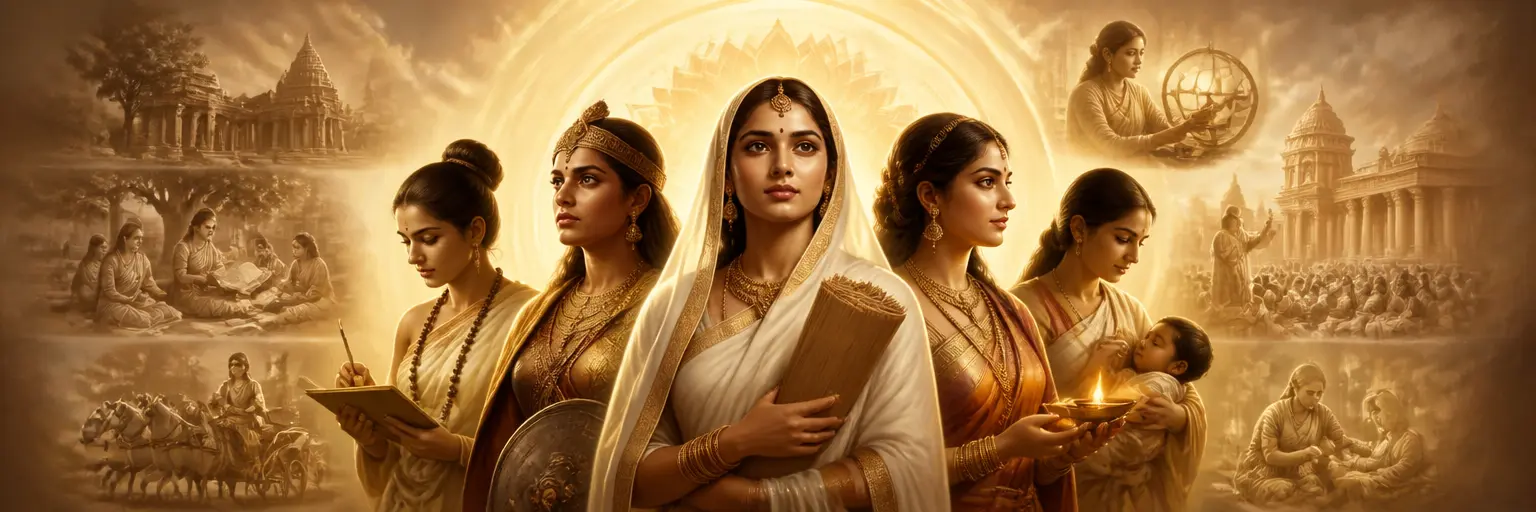
Discover the remarkable stories of influential women in Ancient India, whose leadership, scholarship, courage, and cultural contributions shaped society from the Indus Valley to the Gupta Empire. Explore the lives of queens, philosophers, poets, administrators, and spiritual figures who challenged conventions and left a lasting mark on Indian history, heritage, and civilization. 🔎📜
More in Influential Women in Ancient India
Influential Women in Ancient India
Women in the Ashoka Era: Their Roles in Governance and Society
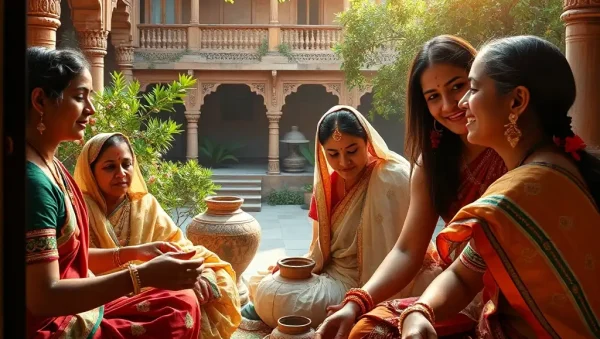
Influential Women in Ancient India
The Power of Sisterhood: Women’s Networks in Ancient India
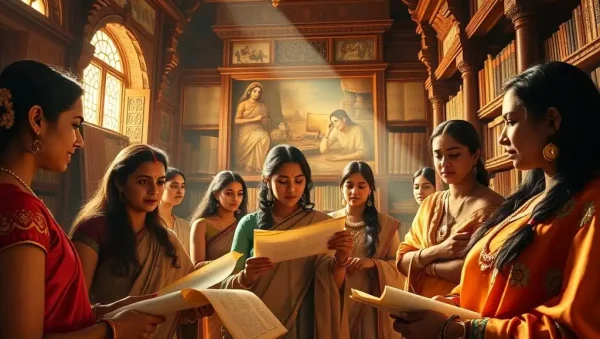
Influential Women in Ancient India
Women in Ancient Indian Literature: Voices that Shaped Culture
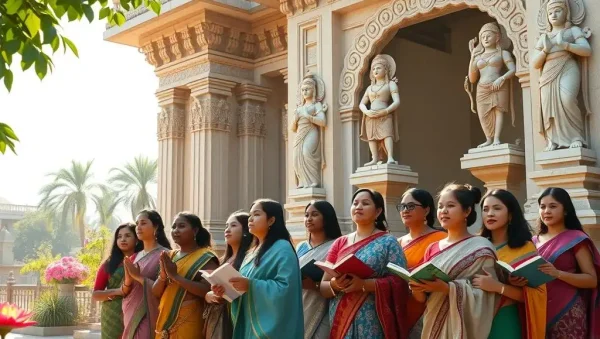
Influential Women in Ancient India
The Influence of Ancient Indian Goddesses on Women’s Rights
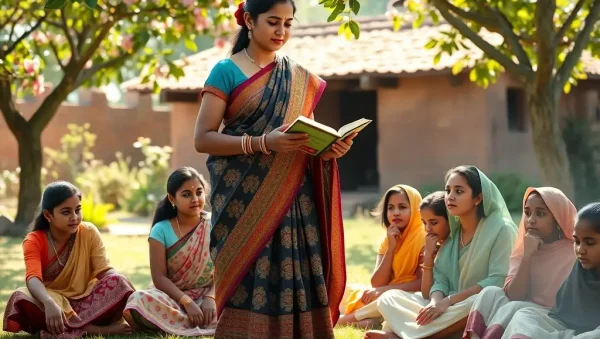
Influential Women in Ancient India
Savitribai Phule: Pioneer of Women's Education in Ancient India
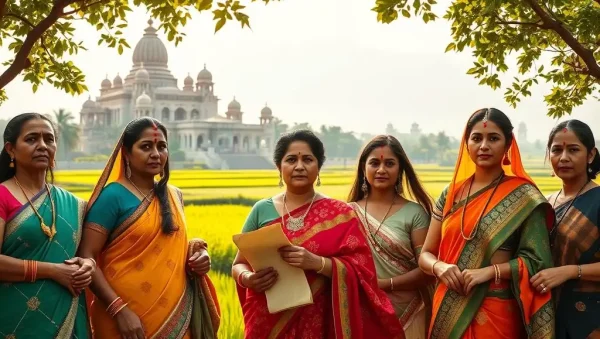
Influential Women in Ancient India
The Unsung Heroines: The Influence of Ancient Indian Women on Society
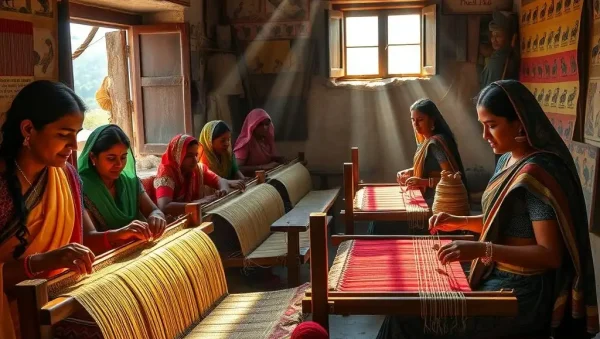
Influential Women in Ancient India
The Role of Women in Ancient Indian Textiles: Craftsmanship and Economy
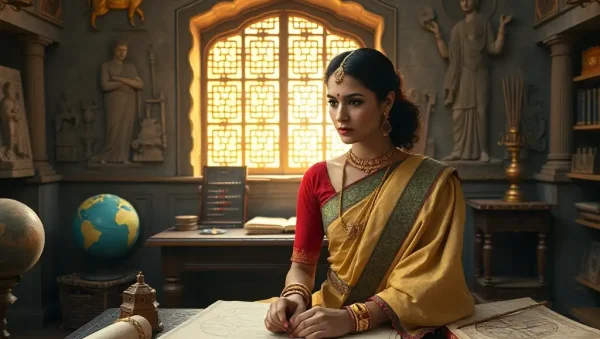
Influential Women in Ancient India
The Role of Women in Ancient Indian Science and Mathematics
🌺 Influential Women in Ancient India
Discover the remarkable lives, achievements, and legacies of influential women in Ancient India through the history of the Indus Valley Civilization, Vedic society, the Mauryan and Gupta periods, and other major eras. This subcategory explores the roles of queens, philosophers, scholars, poets, spiritual teachers, administrators, artists, and women whose contributions shaped Indian history. Readers will gain a deeper understanding of women’s roles and contributions in ancient Indian civilization, including education, religion, politics, literature, science, social reform, and cultural development.
👑 Queens, Rulers, and Political Leaders
Explore the stories of powerful queens and female leaders who influenced ancient Indian politics and governance. Articles examine royal women who served as rulers, regents, diplomats, patrons, and advisers, demonstrating how women participated in administration, succession, alliances, and statecraft across different kingdoms and dynasties.
Readers can expect historically grounded discussions of women’s authority in ancient Indian kingdoms, including the political responsibilities of royal households and the ways queens supported military, economic, and cultural institutions. These profiles reveal that female leadership in Ancient India was diverse and developed differently across regions, communities, and historical periods.
📚 Women Scholars, Philosophers, and Educators
Learn about women who contributed to ancient Indian education, philosophy, and intellectual life. This section highlights female thinkers associated with Vedic literature, religious debates, Sanskrit learning, and the transmission of knowledge, including women remembered for their questions, arguments, hymns, and spiritual insight.
Readers will discover how women participated in traditions of learning and reflection, while also examining the opportunities and restrictions that shaped their education. Topics may include women in the Upanishadic age, Vedic women scholars, ancient Indian philosophy, women’s literacy, and the importance of intellectual debate in early Indian society.
🕉️ Spiritual Teachers and Religious Figures
Discover the lives of influential women connected with Hinduism, Buddhism, Jainism, and other spiritual traditions in Ancient India. Their stories reveal how women became teachers, ascetics, devotees, poets, nuns, and respected voices within religious communities.
This section explores female spirituality in Ancient India through sacred literature, Buddhist texts, Jain traditions, devotional practices, and philosophical teachings. Readers can learn how women challenged social expectations, pursued spiritual goals, established communities, and contributed to the development of Indian religious history.
✍️ Poets, Writers, and Cultural Contributors
Explore the creative achievements of ancient Indian women poets, writers, performers, and patrons of the arts. From Sanskrit and Prakrit literary traditions to religious poetry and oral storytelling, women helped preserve cultural memory and communicate ideas about society, devotion, identity, and human experience.
Readers will find insights into women’s contributions to ancient Indian literature and culture, including the role of royal patronage, storytelling, music, dance, and artistic traditions. Each topic connects individual achievements with broader developments in language, religion, education, and cultural expression.
⚕️ Women in Science, Medicine, and Daily Life
Learn how women contributed to healthcare, childbirth practices, household economies, agriculture, crafts, and practical knowledge in ancient Indian communities. Historical evidence from texts, archaeology, inscriptions, and material culture can reveal the often-overlooked work performed by women in both domestic and public settings.
This section presents a broader understanding of women’s history by examining labor, expertise, family responsibilities, and community life. Readers can expect discussions of ancient Indian medicine, women’s health, traditional knowledge, textile production, food systems, and the social importance of women’s everyday contributions.
🏺 Archaeology and Evidence of Women’s Contributions
Investigate what archaeological discoveries, inscriptions, coins, sculptures, religious texts, and literary sources tell us about women in Ancient India. Evidence from the Indus Valley Civilization and later periods helps historians reconstruct women’s roles even when written records are limited or shaped by male authors.
Readers will learn how historians interpret artifacts, burial sites, household objects, temple imagery, inscriptions, and ancient texts. This approach encourages careful analysis of evidence and explains why the history of influential women must be studied through multiple sources rather than through legends alone.
❓ Frequently Asked Questions About Influential Women in Ancient India
Who were some of the most influential women in Ancient India?
Important figures include scholars such as Gargi Vachaknavi and Maitreyi, Buddhist women such as Mahapajapati Gotami and the poet-nuns of the Therigatha, and powerful royal women such as Prabhavati Gupta. Their influence extended across philosophy, religion, politics, education, literature, and social life.
Did women receive education in Ancient India?
Some women, particularly from certain scholarly, aristocratic, or religious communities, received education in subjects such as philosophy, ritual, language, and literature. However, access to education varied considerably according to period, region, social status, and religious tradition.
What roles did women play in ancient Indian society?
Women served as mothers, farmers, artisans, traders, educators, religious practitioners, poets, advisers, queens, and community leaders. Their roles differed across time and place, so ancient Indian women’s history should be understood as varied rather than represented by a single social experience.
What sources help historians study women in Ancient India?
Historians use Vedic and Sanskrit texts, Buddhist and Jain literature, inscriptions, coins, sculptures, archaeological remains, legal works, medical texts, and foreign accounts. Comparing these sources helps distinguish historical evidence from later interpretations, legends, and idealized descriptions.
Why is it important to study influential women in Ancient India?
Studying these women creates a more complete picture of Ancient India and recognizes contributions that are often overlooked in traditional historical narratives. It also helps readers understand the development of Indian politics, philosophy, religion, education, literature, science, and culture from a wider perspective.