
Ancient Indian Architects: The Master Builders Behind Iconic Structures

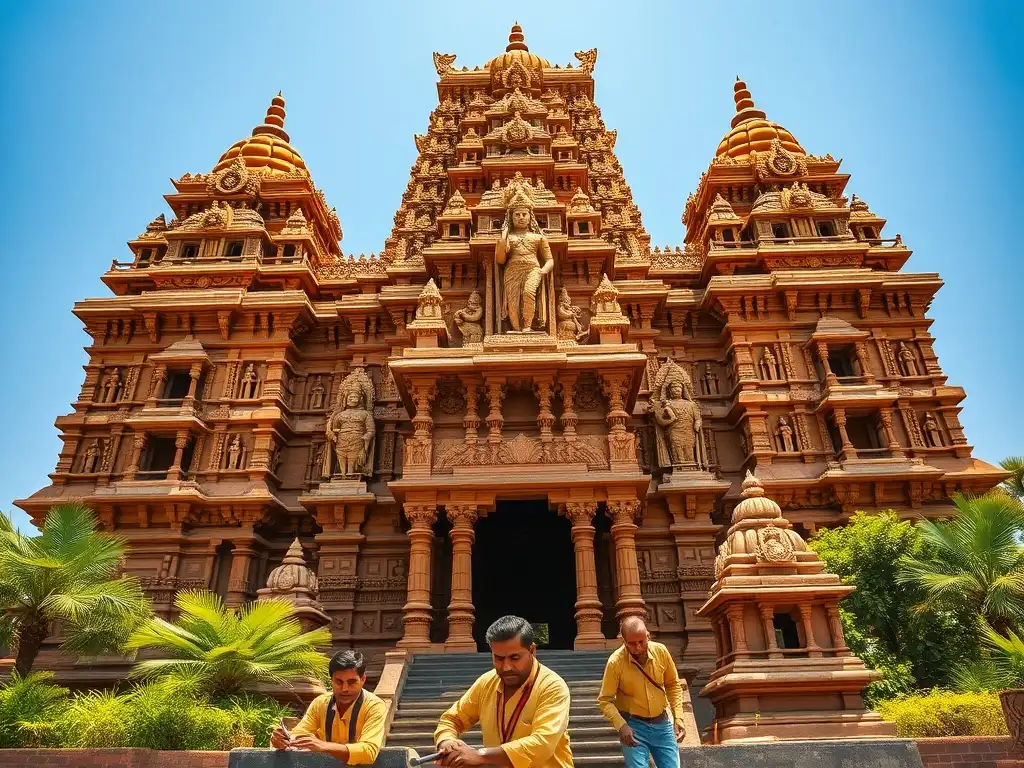
Welcome to Ancient India History, where we embark on a captivating journey through the rich tapestry of ancient Indian civilizations. Here, we delve into the magnificent world of ancient Indian architectural masterpieces, exploring the brilliance of the master builders who shaped iconic structures that still inspire awe today. From the intricacies of the Indus Valley to the grandeur of the Gupta Empire, each story unfolds layers of cultural significance and innovation.
Join us as we uncover the secrets behind these monumental achievements and discover how they reflect the daily life and society of their time. Your adventure into the depths of history begins now!
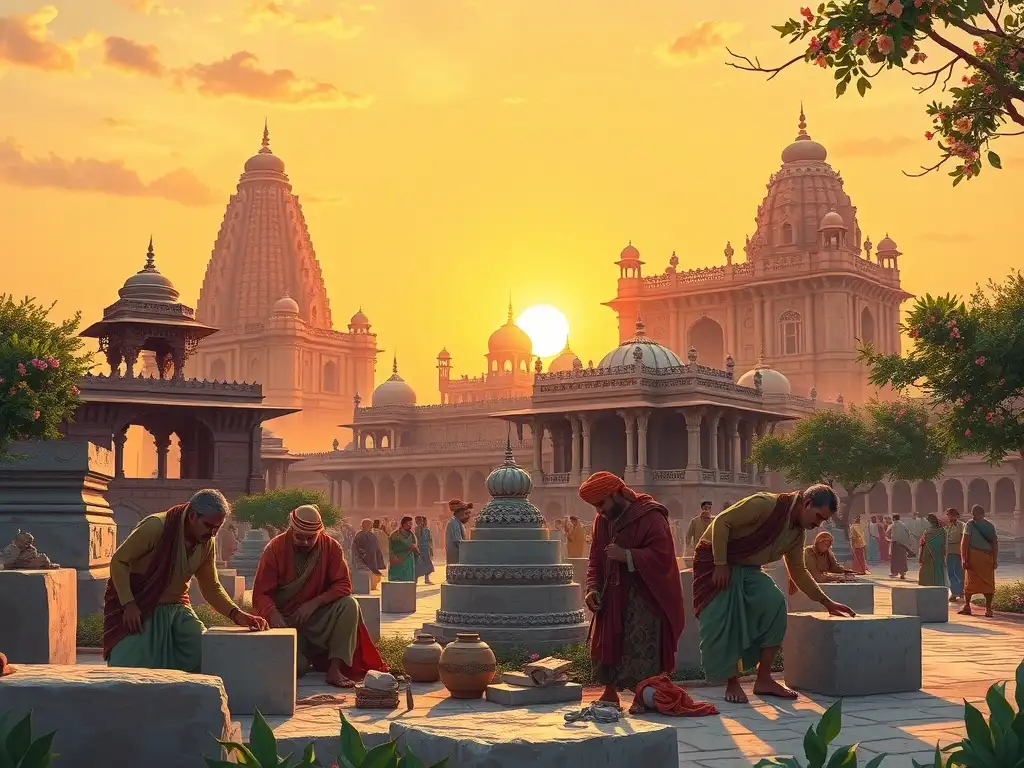
Introduction to Ancient Indian Architecture
The architectural legacy of ancient India is a testament to the ingenuity and creativity of its builders, showcasing a remarkable spectrum of styles and techniques that evolved over millennia. From the sophisticated urban planning of the Indus Valley Civilization to the grand temples of the Gupta Empire, ancient Indian architecture represents a rich tapestry of cultural influences, religious beliefs, and technological advancements.
This article will delve into the lives and contributions of the architects who shaped these enduring structures, revealing how their vision and skills led to the creation of ancient Indian architectural masterpieces that continue to inspire awe today.
Overview of Ancient Indian Architectural Masterpieces
Ancient Indian architecture is characterized by its diversity and complexity, reflecting the myriad of cultures and traditions that flourished across the subcontinent. Some of the most iconic structures include:
- The Great Stupa at Sanchi: An architectural marvel of the Mauryan period, the Great Stupa is a symbol of Buddhist devotion and artistry.
- The Rock-Cut Caves of Ajanta and Ellora: These caves showcase intricate carvings and paintings that narrate the spiritual journey of Buddhism and Hinduism.
- The Brihadeeswarar Temple in Thanjavur: A pinnacle of Chola architecture, this temple is renowned for its towering vimana and detailed sculptures.
Each of these masterpieces not only served religious purposes but also played significant roles in the social and cultural life of their times.
Importance of Architecture in Ancient Indian Society
In ancient India, architecture was not merely about constructing buildings; it was a reflection of the societal values, spiritual beliefs, and technological advancements of the time. The following points illustrate the significance of architecture in ancient Indian society:
- Cultural Identity: Architectural styles often varied by region, helping to establish a unique cultural identity for different communities.
- Religious Expression: Temples, stupas, and other religious structures were designed to reflect the beliefs and practices of various faiths, serving as centers of worship and community gatherings.
- Technological Innovation: The construction techniques and materials used by ancient architects showcase their profound understanding of engineering and design, influencing future generations.
The Evolution of Ancient Indian Architecture
The evolution of ancient Indian architecture can be traced through several key periods, each marked by distinct styles and innovations that contributed to its rich heritage.
Early Influences: Indus Valley Civilization
The Indus Valley Civilization (circa 3300–1300 BCE) laid the foundation for urban planning and architectural design in ancient India. Notable features include:
- Grid Layout: Cities like Mohenjo-Daro and Harappa were meticulously planned with a grid layout, showcasing advanced urban design.
- Drainage Systems: The sophisticated drainage systems indicate an understanding of sanitation and water management.
- Brick Structures: Use of standardized baked bricks in construction reflects a high level of craftsmanship.
These early innovations set the stage for future architectural developments in the Indian subcontinent.
Mauryan Period: The Rise of Stupas and Pillars
The Mauryan Empire (circa 322–185 BCE) marked a significant turning point in Indian architecture, particularly through the construction of stupas and pillars. Key features include:
- Stupas: These dome-shaped structures served as reliquaries and were often adorned with intricate carvings.
- Ashoka's Pillars: Erected by Emperor Ashoka, these pillars are notable for their inscriptions and the incorporation of animal motifs, symbolizing peace and dharma.
- Buddhist Influence: The emphasis on stupas and monastic complexes reflects the rise of Buddhism as a major religious force in ancient India.
The architectural advancements of this period laid the groundwork for future religious and civic structures.
Gupta Empire: Flourishing of Temple Architecture
The Gupta Empire (circa 320–550 CE) is often regarded as the "Golden Age" of ancient Indian architecture, marked by the flourishing of temple design. Significant developments include:
- Temple Complexes: The emergence of large temple complexes with intricate carvings, sculptures, and elaborate sanctums.
- Shikhara Style: The introduction of the shikhara (tower) over the sanctum, which became a defining feature of Hindu temple architecture.
- Integration of Art and Architecture: The blending of architectural elements with artistic expression in sculptures and frescoes enhanced the aesthetic appeal of temples.
These architectural achievements not only served religious purposes but also reflected the societal and cultural advancements of the Gupta period, leaving an indelible mark on the architectural landscape of India.
Prominent Ancient Indian Architects
Ancient India was home to numerous architects whose innovative designs and engineering skills contributed significantly to the landscape of Indian architecture. These master builders were not just artisans; they were visionaries who blended aesthetics with functionality, crafting structures that have stood the test of time. Their architectural prowess is evident in the diverse styles that emerged across various regions and eras, reflecting cultural influences, religious beliefs, and technological advancements of the time.
Notable Architects and Their Contributions
Among the most renowned architects was Maitreya, credited with the design of the Great Stupa at Sanchi. His work exemplified the principles of Mauryan architecture, emphasizing harmony and spirituality. Another notable figure is Vishvakarma, often considered the divine architect in Hindu mythology, who is said to have designed the mythical city of Lanka in the epic Ramayana.
Architects like Brahmagupta contributed to the construction of temple complexes, integrating intricate carvings and sculptures that conveyed religious narratives and cultural stories. Their works not only showcased artistic talent but also demonstrated advanced knowledge of geometry and engineering, which allowed for the creation of large and enduring structures.
The Role of Master Builders in Ancient Indian Society
Master builders held a prominent position in ancient Indian society, often regarded with great respect and reverence. They were skilled craftsmen who trained apprentices in various aspects of construction, from quarrying stones to intricate carvings. The role of these architects extended beyond mere construction; they were also responsible for the spiritual and cultural significance of the buildings they designed.
In many instances, master builders collaborated closely with religious leaders and patrons, ensuring that the structures met both aesthetic and ritualistic requirements. This collaboration led to the creation of temples and stupas that served as focal points for community gatherings, worship, and cultural expression, thus solidifying the architect's role in shaping the social fabric of ancient India.
Iconic Structures of Ancient India
The architectural heritage of ancient India is replete with masterpieces that not only reflect the artistic and engineering skills of their creators but also serve as important historical and cultural symbols. These structures have become emblems of Indian civilization and continue to attract scholars and tourists alike.
The Great Stupa at Sanchi: A Marvel of Mauryan Architecture
The Great Stupa at Sanchi is one of the oldest stone structures in India and a significant symbol of Buddhist architecture. Built during the reign of Emperor Ashoka in the 3rd century BCE, this stupa exemplifies the Mauryan architectural style. It features a large dome, representing the universe, surrounded by a circular walkway for circumambulation.
The stupa is adorned with intricately carved gateways, known as toranas, which depict scenes from the life of Buddha and various Jataka tales. These carvings not only showcase the artistic talent of ancient Indian craftsmen but also serve to educate visitors about Buddhist teachings. The Great Stupa remains a UNESCO World Heritage Site and is a testament to the architectural ingenuity of ancient India.
The Temples of Khajuraho: Symbolism and Design
The Temples of Khajuraho, constructed between 950 and 1050 CE, are renowned for their intricate sculptures and elaborate motifs that blend sensuality with spirituality. These temples were built during the rule of the Chandela dynasty and are a prime example of Nagara architecture.
Each temple is adorned with thousands of carvings depicting various aspects of life, including divine figures, erotic sculptures, and scenes from daily life. The design of the temples emphasizes verticality, with towering spires (shikharas) that symbolize the mythical Mount Meru, the axis of the universe in Hindu cosmology. The exquisite detail and artistic expression found in the Khajuraho temples reflect the cultural richness of ancient Indian society and its acceptance of diverse themes in art and architecture.
The Rock-Cut Caves of Ajanta and Ellora: Artistic Excellence
The Ajanta and Ellora caves, carved into the rocky cliffs of Maharashtra, represent some of the most remarkable achievements in rock-cut architecture. The Ajanta caves, dating back to the 2nd century BCE to 6th century CE, are renowned for their stunning frescoes and sculptures that depict Buddhist themes and narratives. These caves served as monastic quarters and places of worship.
In contrast, the Ellora caves, created between the 5th and 10th centuries CE, showcase a broader range of religious influences, including Buddhism, Hinduism, and Jainism. The Kailasa Temple in Ellora is particularly noteworthy, as it is a single monolithic excavation, representing a feat of engineering and artistic capability. The intricate carvings and massive scale of these caves highlight the advanced skills of ancient Indian architects and their ability to harmonize natural rock formations with human creativity, creating spaces that continue to inspire awe.
Techniques and Materials Used in Ancient Indian Architecture
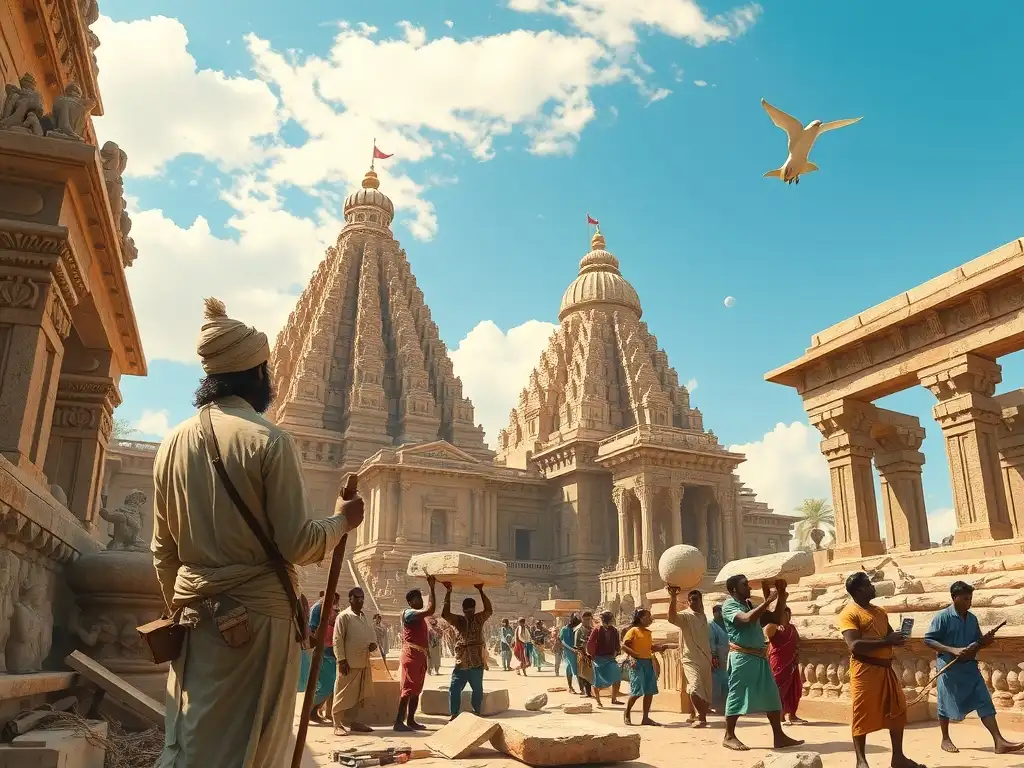
Ancient Indian architecture is characterized by a diverse array of techniques and materials that reflect the ingenuity and craftsmanship of its builders. These aspects not only contributed to the aesthetic appeal of structures but also ensured their durability and functionality. Architects employed various methods tailored to the specific requirements of the region, climate, and purpose of the buildings.
Among the most notable techniques were stone carving, brick construction, and the use of intricate joinery. The combination of these techniques with locally sourced materials enabled the creation of some of the most iconic ancient Indian architectural masterpieces, such as temples, forts, and palaces.
Traditional Construction Techniques
Traditional construction techniques in ancient India were diverse and highly specialized. The use of dry stone construction was prevalent, particularly in regions where timber was scarce. This method involved the careful placement of stones without mortar, relying on gravity and skillful shaping to create stable structures. Additionally, the corbel arch was a common feature in many structures, allowing for the creation of larger openings and ceilings without the need for a true arch.
Mud and clay were also extensively used in construction, especially for rural dwellings and lower-cost structures. Techniques such as cob construction and wattle and daub were employed, providing thermal insulation and natural aesthetic qualities. In contrast, the use of brick became prominent during later periods, particularly with the rise of urban centers. Brick kilns produced fired bricks that were more durable than their mud counterparts, facilitating the construction of grander structures.
Locally Sourced Materials and Their Significance
The significance of locally sourced materials in ancient Indian architecture cannot be overstated. Each region's unique geological characteristics dictated the materials available for construction. For instance, granite was favored in southern India for its durability and ease of carving, leading to the creation of magnificent temples like the Brihadeeswarar Temple in Thanjavur. In contrast, the northern regions utilized red sandstone and marble, exemplified in structures such as the Red Fort in Delhi and the Taj Mahal in Agra.
Using local materials not only reduced transportation costs but also allowed architects to create buildings that harmonized with their surroundings. This practice reinforced cultural identity and sustainability, as traditional building methods and materials were adapted to the environment. Furthermore, the colors and textures of these materials contributed to the visual richness of architectural masterpieces, enhancing their beauty and significance.
Cultural and Religious Influence on Architecture
Cultural and religious beliefs played a pivotal role in shaping ancient Indian architecture. The interplay between spirituality and design resulted in structures that were not merely functional but also imbued with symbolic meaning. Temples, in particular, serve as prime examples of how architecture was used to express religious devotion and cultural values, often reflecting the cosmology and mythology of the region.
The Interplay Between Religion and Architectural Design
The architectural design of temples was intricately linked to the religious practices and beliefs of the time. Temples were often constructed according to specific Vastu Shastra principles, which governed the spatial arrangement and orientation of the structure in relation to cosmic forces. This ensured that the edifices were not only aesthetically pleasing but also spiritually resonant.
Moreover, the layout of temples typically included sanctums, halls, and courtyards, each serving distinct purposes in the worship process. The elaborate carvings and sculptures adorning the walls depicted various deities and mythological narratives, allowing devotees to engage with their faith visually. This blend of functionality and spirituality is evident in architectural masterpieces like the Khajuraho Temples, where intricate designs convey profound religious themes.
Architectural Styles Reflecting Diverse Beliefs
Ancient Indian architecture showcases a plethora of styles that reflect the diverse beliefs and cultural practices across different regions and periods. For example, the Nagara style predominant in the northern regions is characterized by its towering shikharas (spires) and intricate stone carvings, while the Dravidian style in the south features massive gopurams (gateway towers) and expansive temple complexes.
Furthermore, the influence of Buddhism led to unique architectural forms such as stupas and monastic complexes, exemplified by the Great Stupa at Sanchi. Islamic architecture introduced elements such as domes and minarets, resulting in hybrid styles seen in structures like the Humayun's Tomb.
Overall, the diverse architectural styles of ancient India not only illustrate the rich tapestry of beliefs and practices but also highlight the adaptability of architects in responding to the evolving cultural landscape. Each masterpiece stands as a testament to the artistic and spiritual aspirations of its creators, leaving a lasting legacy in the annals of history.
Preservation of Ancient Indian Architectural Heritage
The preservation of ancient Indian architectural heritage is crucial for maintaining the cultural and historical identity of the region. This heritage embodies the artistry, engineering, and cultural values of the civilizations that built them. Structures such as the stunning temples of Khajuraho, the intricate carvings of Brihadeeswarar Temple, and the awe-inspiring ruins of Hampi are not merely tourist attractions; they are testaments to the ingenuity of ancient Indian architects. These masterpieces reflect a rich confluence of art, religion, and society, necessitating ongoing efforts for their preservation.
Preservation efforts include a combination of government initiatives, non-governmental organizations, and local communities working collaboratively to protect these sites from threats such as urbanization, pollution, and climate change. The Archaeological Survey of India (ASI) plays a pivotal role in these efforts, implementing various strategies to conserve and restore ancient sites. The challenges are substantial, as many structures face deterioration due to natural elements and human activities. Therefore, a multifaceted approach that encompasses both conservation techniques and community involvement is essential for ensuring these architectural treasures stand the test of time.
Efforts to Preserve Architectural Masterpieces
Efforts to preserve architectural masterpieces in India have evolved significantly over the years. Key initiatives include:
- Restoration Projects: Numerous restoration projects have been funded by the government and international organizations. For example, the restoration of the Konark Sun Temple has involved meticulous planning and execution to ensure that the original aesthetics are maintained while addressing structural issues.
- Awareness Campaigns: NGOs often run awareness campaigns to educate the public about the importance of these sites. This grassroots approach fosters a sense of ownership among local communities, encouraging them to participate in preservation activities.
- Legal Protection: The establishment of laws and regulations, such as the Ancient Monuments and Archaeological Sites and Remains Act, 1958, provides a legal framework for the protection of ancient structures from encroachment and unauthorized modifications.
- International Collaboration: Collaborations with UNESCO have facilitated the preservation of World Heritage Sites, ensuring that these cultural landmarks receive global attention and support.
These combined efforts are vital in combating the threats faced by ancient architectural wonders and ensuring they remain intact for future generations.
The Role of Modern Architects in Restoration
Modern architects play an essential role in the restoration of ancient Indian architectural masterpieces. Their expertise in contemporary design and engineering allows them to apply innovative techniques while respecting traditional craftsmanship. This balance is crucial for effective restoration, as it ensures that the integrity of the original design is preserved.
Modern architects often engage in:
- Research and Documentation: Before any restoration project begins, modern architects conduct extensive research to understand the original construction techniques, materials used, and historical context. This knowledge is invaluable in creating accurate restoration plans.
- Sustainable Practices: Incorporating sustainable practices into restoration projects is increasingly important. Modern architects advocate for using eco-friendly materials and techniques that minimize environmental impact, aligning with global sustainability goals.
- Community Engagement: Collaborating with local artisans and craftsmen, modern architects can bridge the gap between ancient techniques and modern technology. This collaboration not only aids in the restoration process but also helps in preserving traditional skills that are at risk of being lost.
Through these contributions, modern architects ensure that ancient architectural masterpieces are not only restored but also adapted to withstand the challenges of contemporary society.
Conclusion: The Legacy of Ancient Indian Architects
The legacy of ancient Indian architects is a profound narrative of creativity, innovation, and cultural expression. Their masterpieces, ranging from grand temples to intricate palaces, serve as a reminder of the rich historical tapestry of India. These structures are not merely relics of the past; they continue to inspire and influence modern architectural practices globally.
Lasting Impact on Modern Architecture
The principles of ancient Indian architecture have left a lasting impact on modern architectural designs. Elements such as intricate carvings, harmonious proportions, and the integration of nature into building design can be observed in contemporary structures. Modern architects often draw inspiration from ancient techniques, incorporating aspects of vastu shastra (traditional Indian architecture) and regional styles into their projects.
This influence is evident in various aspects of modern architecture, including:
- Material Use: The emphasis on locally sourced materials and traditional craftsmanship in ancient architecture encourages modern builders to adopt sustainable practices.
- Spatial Design: The thoughtful consideration of light, space, and ventilation found in ancient structures informs contemporary architectural designs that prioritize environmental consciousness.
- Cultural Incorporation: Modern architects are increasingly acknowledging the importance of cultural identity, leading to a resurgence of traditional motifs and designs in contemporary projects.
The Importance of Preserving Architectural Masterpieces for Future Generations
Preserving architectural masterpieces is not just about maintaining physical structures; it is about safeguarding cultural heritage and identity for future generations. These sites provide invaluable insights into the historical context, technological advancements, and social dynamics of ancient civilizations.
The importance of preservation can be summarized as follows:
- Cultural Continuity: Preserving these masterpieces allows future generations to connect with their heritage, fostering a sense of identity and continuity.
- Educational Value: Architectural masterpieces serve as living classrooms, providing tangible examples for students and scholars of architecture, history, and art.
- Tourism and Economy: Well-preserved sites attract tourists, contributing to local economies and promoting cultural exchange.
By ensuring the preservation of ancient Indian architectural masterpieces, we honor the legacy of the architects who created them and enrich the cultural landscape for future generations.
- Introduction to Ancient Indian Architecture
- The Evolution of Ancient Indian Architecture
- Prominent Ancient Indian Architects
- Iconic Structures of Ancient India
- Techniques and Materials Used in Ancient Indian Architecture
- Cultural and Religious Influence on Architecture
- Preservation of Ancient Indian Architectural Heritage
- Conclusion: The Legacy of Ancient Indian Architects
- What are some examples of ancient Indian architectural masterpieces?
- Who were the key figures in ancient Indian architecture?
- What materials were commonly used in ancient Indian architecture?
- How did ancient Indian architecture influence modern design?
- What role did religion play in shaping ancient Indian architecture?
Frequently Asked Questions
What are some examples of ancient Indian architectural masterpieces?
Some notable examples include the Hampi ruins, the Ajanta and Ellora caves, and the stunning temples of Khajuraho. Each of these showcases unique design elements and cultural significance.
Who were the key figures in ancient Indian architecture?
Key figures include architects like Maitreya, known for his work on Hindu temples, and Vishwakarma, often regarded as the divine architect in Hindu mythology, symbolizing skill and craftsmanship.
What materials were commonly used in ancient Indian architecture?
Ancient Indian architects predominantly used stone, brick, and wood. The choice of materials often reflected the region's climate and availability, contributing to the durability of these structures.
How did ancient Indian architecture influence modern design?
Ancient Indian architecture introduced concepts like symmetry, intricate carvings, and vast open spaces. These elements continue to inspire modern architects in their quest for aesthetic and functional designs.
What role did religion play in shaping ancient Indian architecture?
Religion was a significant driving force, with many structures built as temples and monuments to honor deities. This devotion led to the creation of iconic styles that highlight the spiritual and cultural ethos of the time.
Final Reflection: Celebrating the Legacy of Ancient Indian Architectural Masterpieces
The brilliance of ancient Indian architects continues to resonate in our modern world, reminding us of the profound connection between culture and craftsmanship. Their ability to blend functionality with aesthetic beauty in structures like the Taj Mahal and Hampi's ruins showcases a legacy that not only defined an era but also laid the groundwork for future architectural innovations. Today, as we navigate a rapidly changing world, the principles of harmony, sustainability, and artistry found in these ancient masterpieces serve as a guiding light for contemporary architects and builders.
The influence of ancient Indian architecture extends far beyond the physical structures; it shapes our cultural identity and collective memory. These masterpieces are not merely relics of the past; they are living testaments to the ingenuity and vision of their creators. As we admire these structures, we are reminded of the words of architect Charles Correa: Architecture is not just about building; it is about creating a sense of place.
This sentiment underscores the importance of understanding and preserving our architectural heritage as a means of fostering community and continuity in an ever-evolving society.
As we reflect on the lessons imparted by these ancient architects, let us embrace the challenge of honoring their legacy in our own lives. Consider how you can incorporate the values of creativity, sustainability, and cultural appreciation into your daily actions. Whether through supporting local artisans, advocating for the preservation of historical sites, or simply taking a moment to appreciate the beauty around you, each step contributes to a greater understanding of our shared heritage. Together, we can ensure that the spirit of ancient Indian architectural masterpieces continues to inspire generations to come.
Unveil the Genius of Ancient Indian Architecture!
Thank you for exploring the magnificent world of Ancient Indian architects with us! We hope you’ve gained insight into the incredible masterpieces they created that continue to inspire awe today. Now, it's your turn to dive deeper into this rich history and celebrate the remarkable achievements of these master builders.
Here’s how you can continue your journey:
- Explore a local museum or cultural exhibition that showcases ancient architecture.
- Share your newfound knowledge by discussing what you've learned with friends or family—help spread the appreciation for these stunning structures!
- Join a community group or online forum focused on historical architecture to connect with fellow enthusiasts.
What iconic structure inspires you the most? How would you like to experience it firsthand? Share your thoughts in the comments below!